The best road cycling routes in Zemgale
150
riders
5
rides
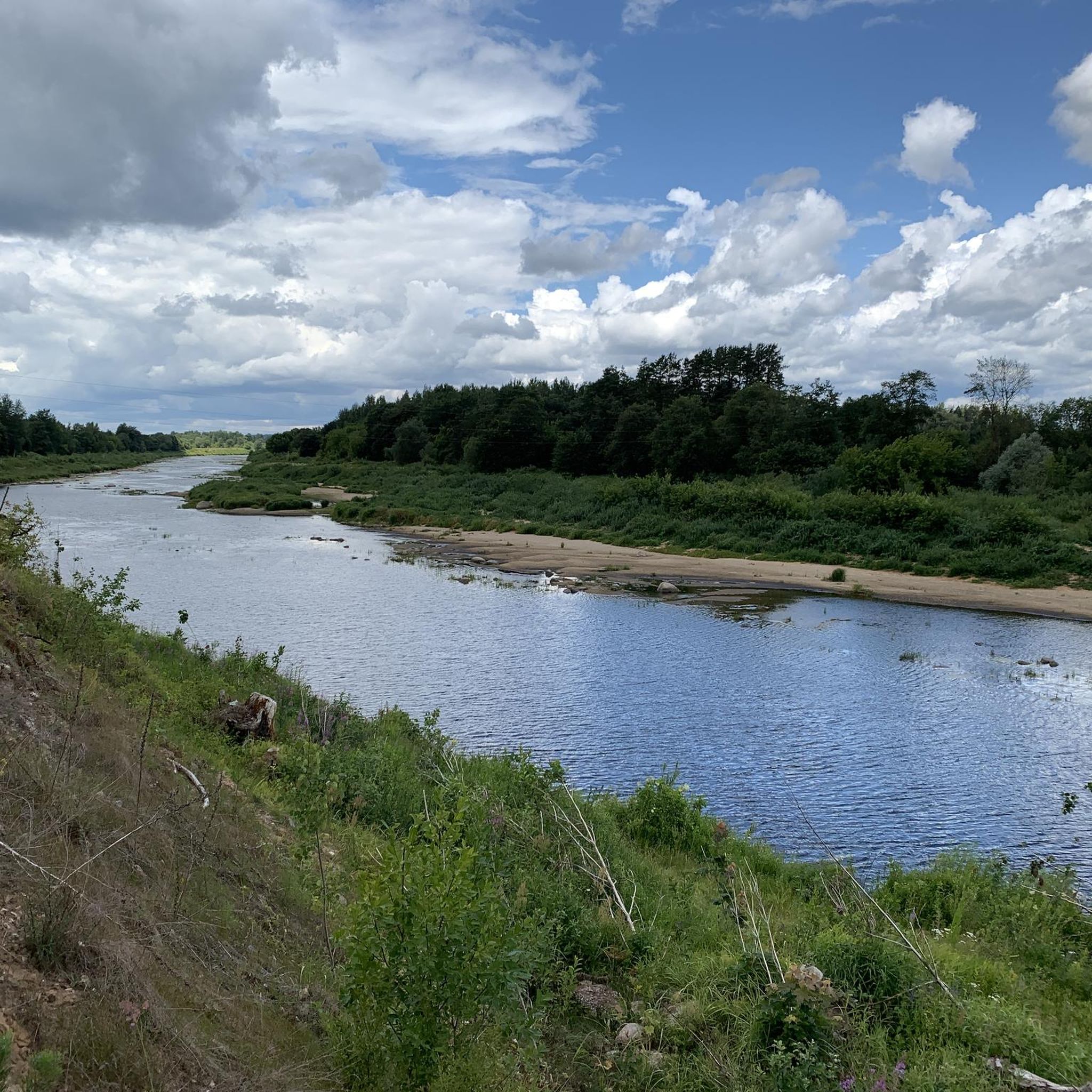
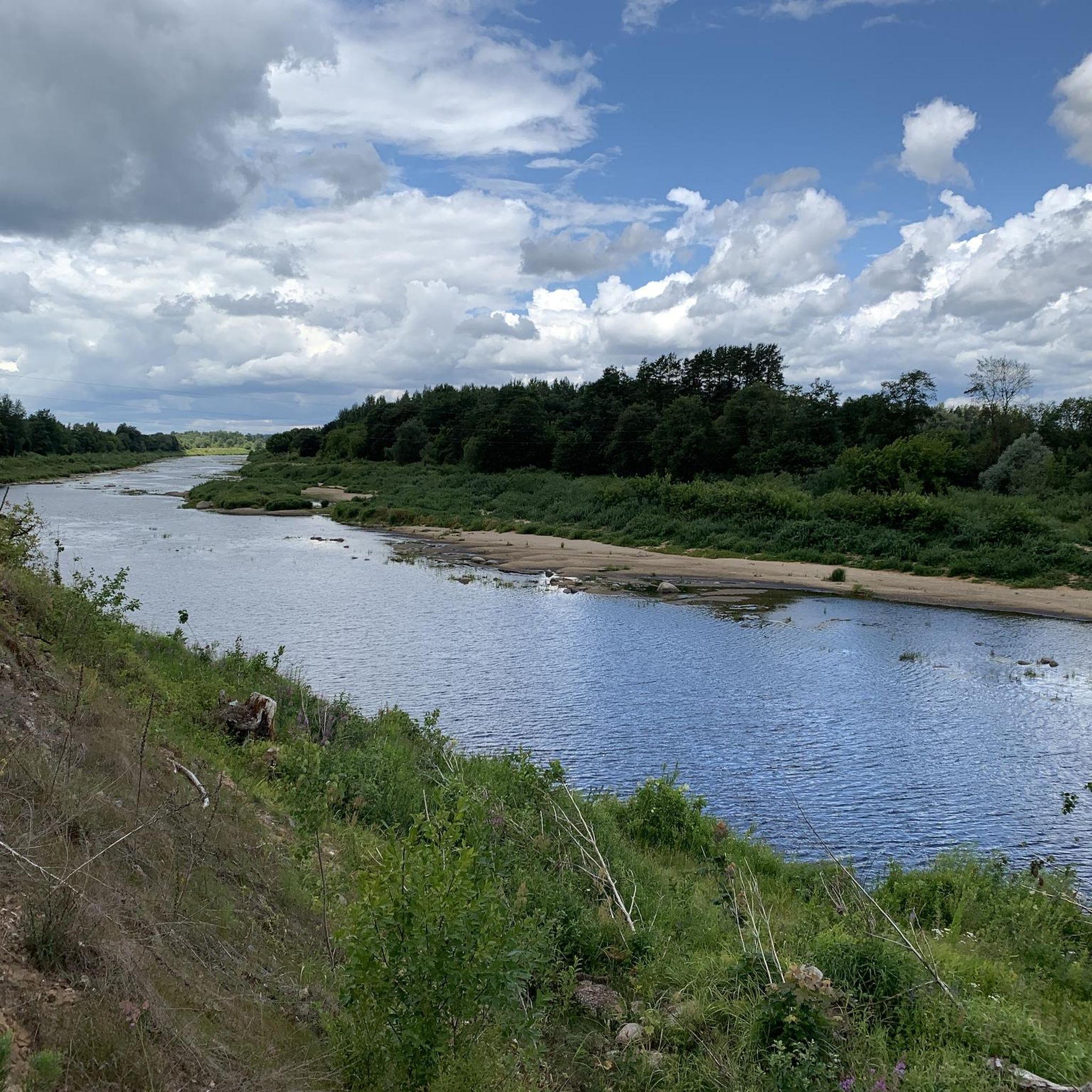
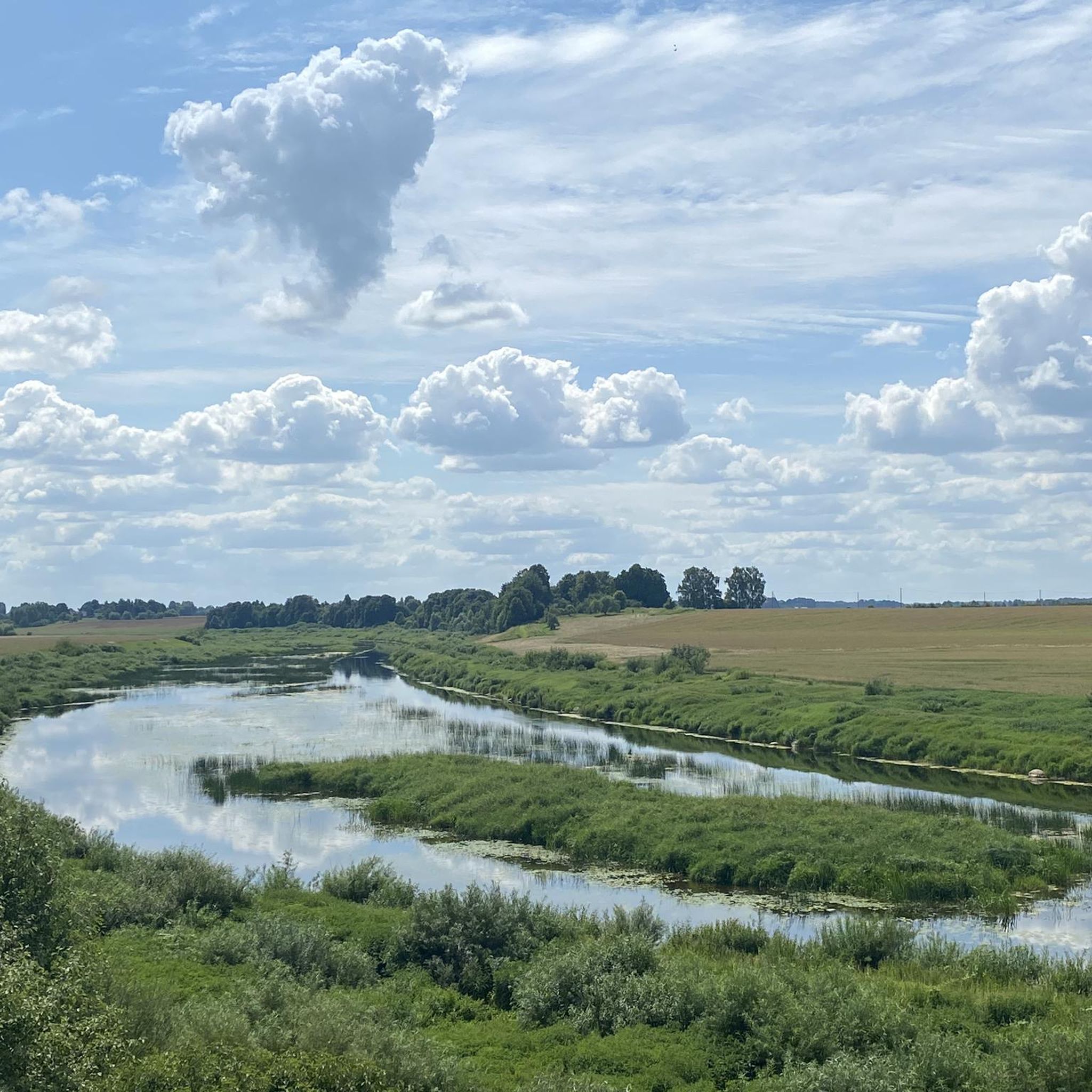
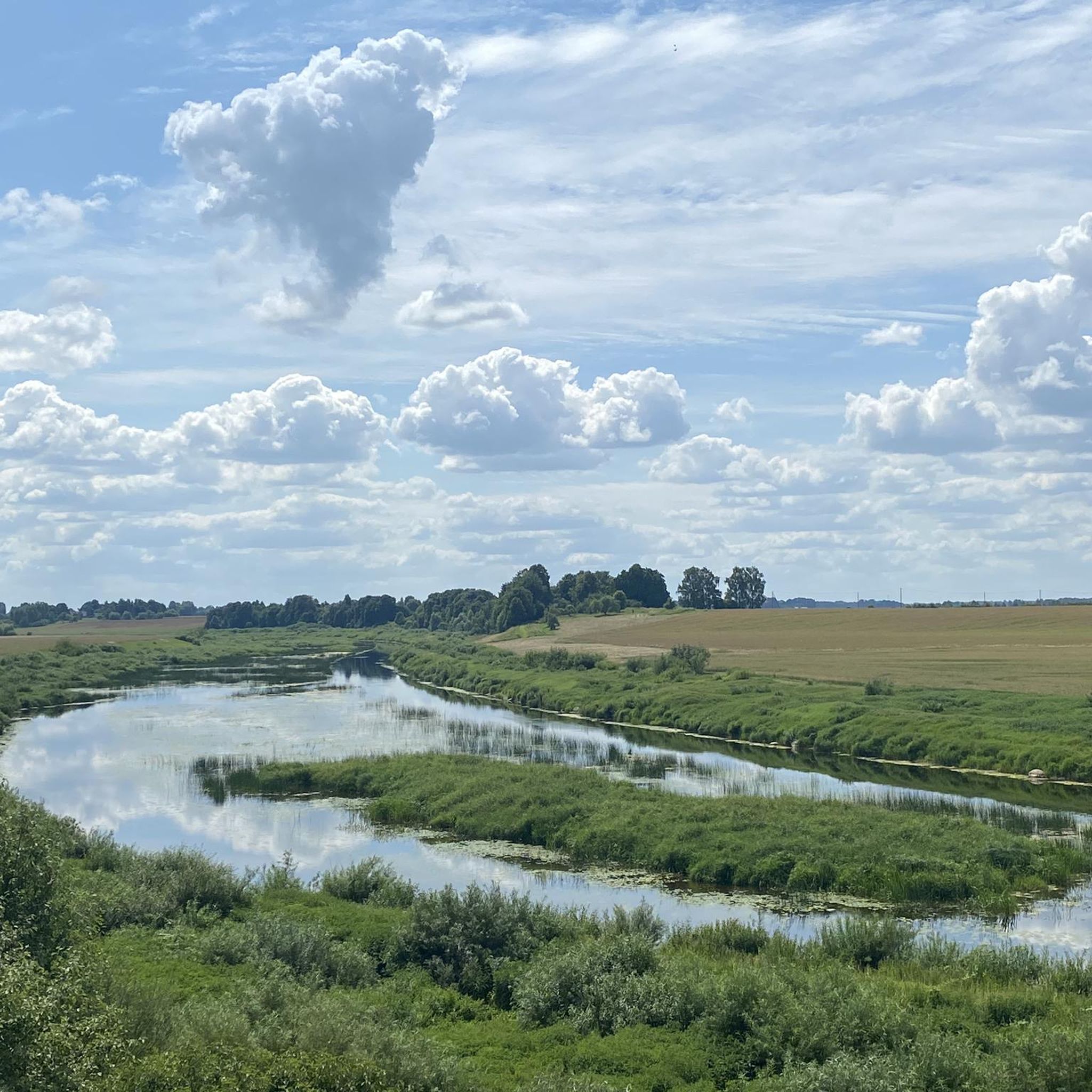
Road cycling in Zemgale, Latvia, is characterized by its predominantly flat, fertile plains, making it suitable for smooth rides with minimal elevation changes. The region features expansive open landscapes and river valleys, particularly along the Lielupe and Daugava rivers. While much of Zemgale is flat, some areas, such as around Lake Zebrus and Tērvete, offer surprisingly hilly and winding terrain. These varied landscapes provide diverse road cycling experiences.
Best road cycling routes in Zemgale
- The most popular road cycling route…
Last updated: October 15, 2026
57
riders
45.2km
01:52
80m
80m
Easy road ride. Great for any fitness level. Mostly well-paved surfaces and easy to ride.
24
riders
32.4km
01:25
60m
60m
Moderate road ride. Great for any fitness level. Some segments of this route may be unpaved and difficult to ride.

18
riders
32.6km
01:22
50m
50m
Easy road ride. Great for any fitness level. Mostly well-paved surfaces and easy to ride.
11
riders
12.8km
00:42
40m
40m
Moderate road ride. Great for any fitness level. Some segments of this route may be unpaved and difficult to ride.
7
riders
24.8km
01:01
50m
50m
Easy road ride. Great for any fitness level. Mostly well-paved surfaces and easy to ride.
Our route recommendations are based on thousands of hikes, rides, and runs completed by other people on komoot.
Start today with a free account
Your next adventure awaits.
Tips from the Community

This is the main pedestrian street of Jurmala. It is home to shops, restaurants, banks, and other amenities. It is truly the heart of the city.
0
0

Rainis' summer house in Jūrmala exudes the charm of a bygone century. This charming wooden house, nestled in greenery, belonged to the famous Latvian poet and playwright Rainis (actually Jānis Pliekšāns). His summer stays here offered him a quiet retreat and at the same time inspiration for his works, which are still part of Latvian cultural history today. The building itself has a picturesque architecture with delicate decorations on windows and balconies, which are typical of the villas of this period in Jūrmala. A walk around the house immerses you in the creative atmosphere that once surrounded Rainis. Today it houses a small museum that provides insights into the poet's life and work. The connection between nature and culture, which is clearly felt in this part of Jūrmala, is particularly impressive.
0
0
Majori is the heart of Jūrmala - a place where the flair of times gone by combines with modern life. The architecture here is particularly remarkable: Art Nouveau wooden houses, many of them lovingly restored, line the streets and tell stories of the heyday of Baltic spa culture. Strolling along Jomas iela, the lively pedestrian zone, you will find cafes, boutiques and restaurants that tempt you with a mix of traditional and modern cuisine. An absolute highlight is the former bathhouse of Emīlija Rācene on the beach - a nostalgic building that was once famous for its seawater treatments. Today it stands as a monument and reminds us of the glamorous days when Jūrmala was a popular destination for wellness travelers from all over Europe. The proximity to the beach gives Majori a relaxed atmosphere. Whether you are taking a leisurely stroll through the city or retreating to the seaside, Majori offers a unique mix of culture, history and relaxation that shapes the cityscape of Jūrmala.
0
0
The sculpture "Bruņurupucis" (The Turtle) in Jūrmala is a popular landmark and symbol of the city. Created in 1995 by Latvian sculptor Jānis Bārda, this bronze turtle stands directly on Majori Beach and symbolizes longevity and permanence. The striking sculpture has become a traditional photo opportunity for visitors, who like to pose next to or on the turtle. With its robust yet playful design, "Bruņurupucis" attracts tourists and provides a beautiful contrast to the surrounding coastal landscape. The turtle has not only artistic but also cultural significance, as it is part of the local cityscape and the Latvian art scene. Jūrmala places great value on public art, and this sculpture is an excellent example of how art and nature harmoniously coexist in the city.
1
0
Jomas iela in Jūrmala is the city's lively main street - a place where the history of spa culture meets the lightness of today's flair. Strolling along the charming old buildings, you can feel the atmosphere of times gone by, combined with the lively hustle and bustle of modern cafes and shops. The facades tell stories; some buildings have been lovingly renovated, while others still bear traces of the past, giving the street an authentic touch. The mix of boutiques, restaurants and small shops invites you to stop and enjoy the local culture. Everything is close together here, and the street lamps spread a soft light in the evenings that bathes the street in a warm atmosphere. A walk here is like a little look back at historical Jūrmala, enriched by the lively present
5
0
The wave-shaped roof construction is an immediate reminder of how close you are to the Baltic Sea. Directly behind the station, the tracks run parallel to the Lielupe, a gently flowing body of water that adds a little to the maritime feel. If you look away from the tracks towards the coast, you can almost feel the sea breeze. The beach is just a short walk away, barely more than 300 meters, and offers a welcome change from the urban atmosphere of the station. This is where rail travelers, vacationers and locals meet on their way to the sea - a relaxed, lively scene that shows you the typical sides of Jūrmala. There are a few corners that look a bit dated, but that is exactly what gives the station its charm. A mix of history and modern flair, embedded in nature and surrounded by the maritime atmosphere that makes Jūrmala so special.
0
0

The train station in Jūrmala takes the shape of a wave. The tracks run along the Lielupe waters: BUT: the Baltic Sea beach is easily accessible on foot in just over 300 m
1
0

Don't expect too much! It's a shopping street with lots of street eateries and the usual kitsch.
2
1
Frequently Asked Questions
What is the general terrain like for road cycling in Zemgale?
Zemgale is predominantly characterized by its "dead flat, fertile plain," making it ideal for smooth road cycling with minimal elevation changes. This allows for enjoyable, less strenuous rides across expansive open landscapes. However, some areas, particularly around Lake Zebrus and Tērvete, offer surprisingly hilly and winding sections for those seeking more physical effort.
How many road cycling routes are available in Zemgale?
There are over 8 road cycling routes detailed in Zemgale, catering to various skill levels. These include a mix of easy and moderate trails, allowing cyclists to explore the region's diverse landscapes.
Are there any easy road cycling routes suitable for beginners in Zemgale?
Yes, Zemgale offers several easy road cycling routes perfect for beginners or those looking for a relaxed ride. For example, the 36th Line Beach Access – Bulduri Beach loop from Sloka is an easy 43.7 km path along the coastal landscape. Another option is the Lamparu mežs loop from Jelgava, a 32.6 km trail through forested areas.
What kind of historical landmarks can I see along road cycling routes in Zemgale?
Zemgale is rich in historical landmarks. You can cycle past majestic structures like Bauska Castle, situated at the confluence of the Musa and Memele rivers, or the magnificent Rundāle Palace, often called the "Versailles of the Baltics." The Koknese Castle Ruins overlooking the Daugava river valley also make for a picturesque stop.
Are there any family-friendly road cycling options in Zemgale?
Yes, some areas are particularly suitable for families. The Tērvete Nature Park, known for its fairy tale and Dwarf Forest, offers cycling routes that are great for families with children. Additionally, many of the region's flatter routes, such as the Senču dīķis loop from Ozolnieku pagasts, provide a relaxed and safe environment for family rides.
What natural attractions can be explored by road bike in Zemgale?
Cyclists can enjoy the expansive "green plains, rye fields, and beautiful nature" of Zemgale. The floodlands between the Lielupe and Driksa Rivers are home to diverse plant and bird species, including wild horses, which can be observed from an observation tower. The Daugava River valley also features nature parks and educational trails accessible by bike.
What is the best time of year for road cycling in Zemgale?
The best time for road cycling in Zemgale is typically during the warmer months, from late spring to early autumn. This period offers pleasant temperatures and drier conditions, making for more enjoyable rides across the region's plains and through its natural parks.
Are there any circular road cycling routes in Zemgale?
Yes, many of Zemgale's road cycling routes are designed as loops, offering convenient circular journeys. Examples include the Jūrmala Cycle Path – Bulduri Beach loop from Sloka, the View of Ikšķile loop from Ikšķile, and the Senču dīķis loop from Ozolnieku pagasts, allowing you to start and finish at the same point.
What do other road cyclists enjoy most about road cycling in Zemgale?
The road cycling routes in Zemgale are highly rated by the komoot community, with an average score of 3.0 stars. Cyclists often praise the predominantly flat terrain, which allows for smooth and less strenuous rides, as well as the scenic views of the fertile plains, river valleys, and historical manors.
Can I combine road cycling with visits to gardens in Zemgale?
Absolutely. Zemgale is home to impressive gardens that make for picturesque cycling destinations. You can plan routes to visit the largest lilac garden in the Baltics near Dobele or a rose garden boasting over 2,400 varieties, adding a beautiful floral element to your ride.
Are there options for longer distance road cycling in Zemgale?
Yes, the expansive, flat plains of Zemgale are well-suited for longer distance road cycling. Routes like the Jūrmala Cycle Path – Bulduri Beach loop from Sloka, at over 61 km, provide ample opportunity for endurance training and covering significant distances while enjoying the open landscapes.
Is public transport available for cyclists with bikes in Zemgale?
Yes, train lines such as Riga-Jelgava and Riga-Aizkraukle facilitate access to starting points for cycling tours in Zemgale. Some trains are even equipped with bicycle holders, making it convenient to transport your bike to and from your chosen route.
Most popular attractions in Zemgale

Get inspired with the komoot mobile app


