Attractions and Places To See around Swyncombe - Top 20
Best attractions and places to see around Swyncombe include a blend of historical landmarks, natural beauty, and cultural points of interest. This picturesque village in Oxfordshire is nestled within the Chilterns National Landscape, offering serene landscapes and historical sites. The area is characterized by its sloping views and provides a backdrop for outdoor activities. Ancient pathways like The Ridgeway National Trail also pass through the region.
Best attractions and places to see around Swyncombe
- The most popular attractions is Watlington…
Last updated: May 9, 2026
Hambleden Lock and Weir
Highlight • Monument
Tip by

Henley-on-Thames town centre and riverside
Highlight • Historical Site
Tip by

Sign up now to discover places like this
Get recommendations on the best single tracks, peaks, & plenty of other exciting outdoor places.
Sign up for free
Watlington Hill
Highlight • Forest
Tip by

The Icknield Way
Highlight (Segment) • Trail
Tip by

Wallingford Bridge
Highlight • Historical Site
Tip by

Sign up for free to discover even more attractions around Swyncombe.
Sign up for free
Already have an account?
Start today with a free account
Your next adventure awaits.
Login or Signup
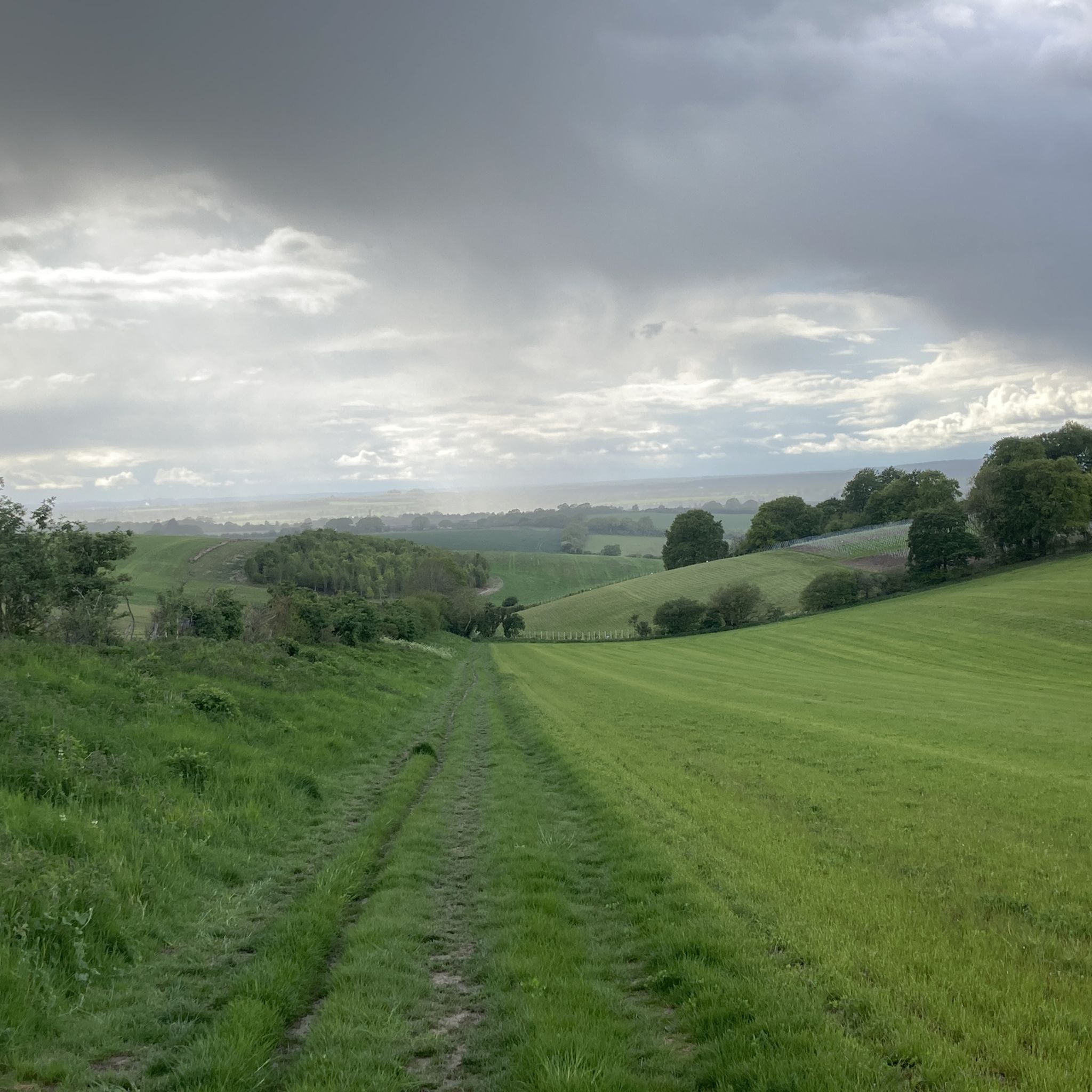
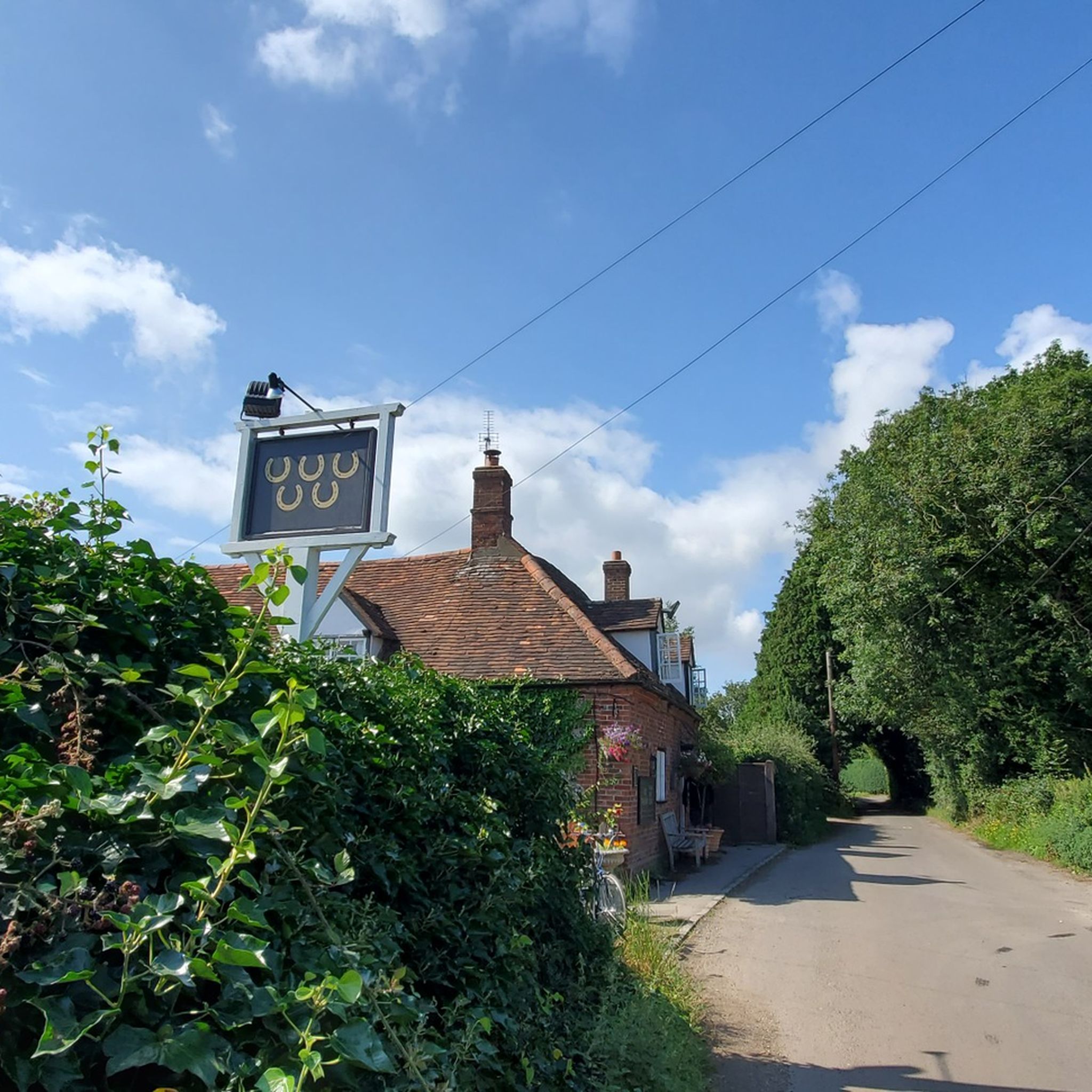
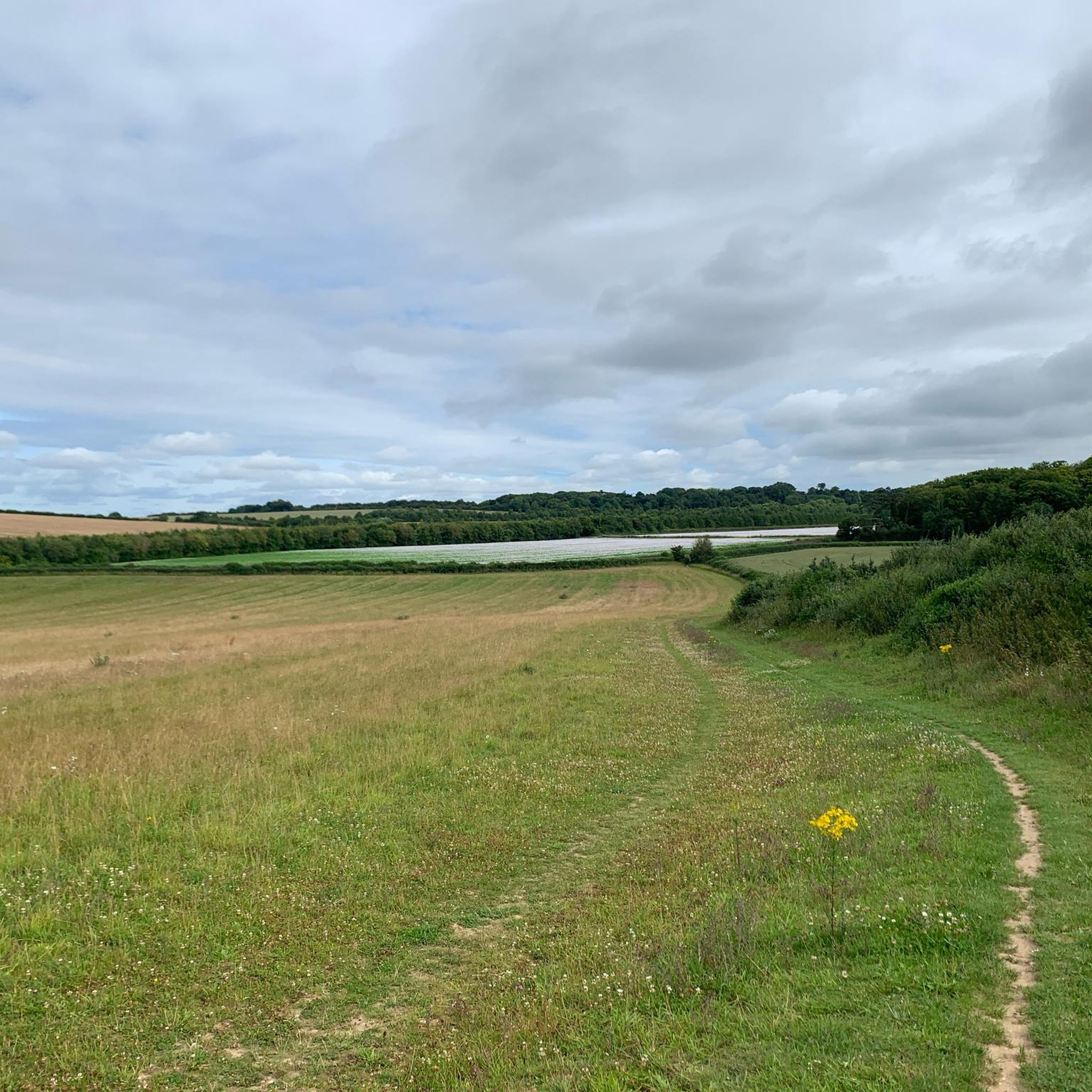
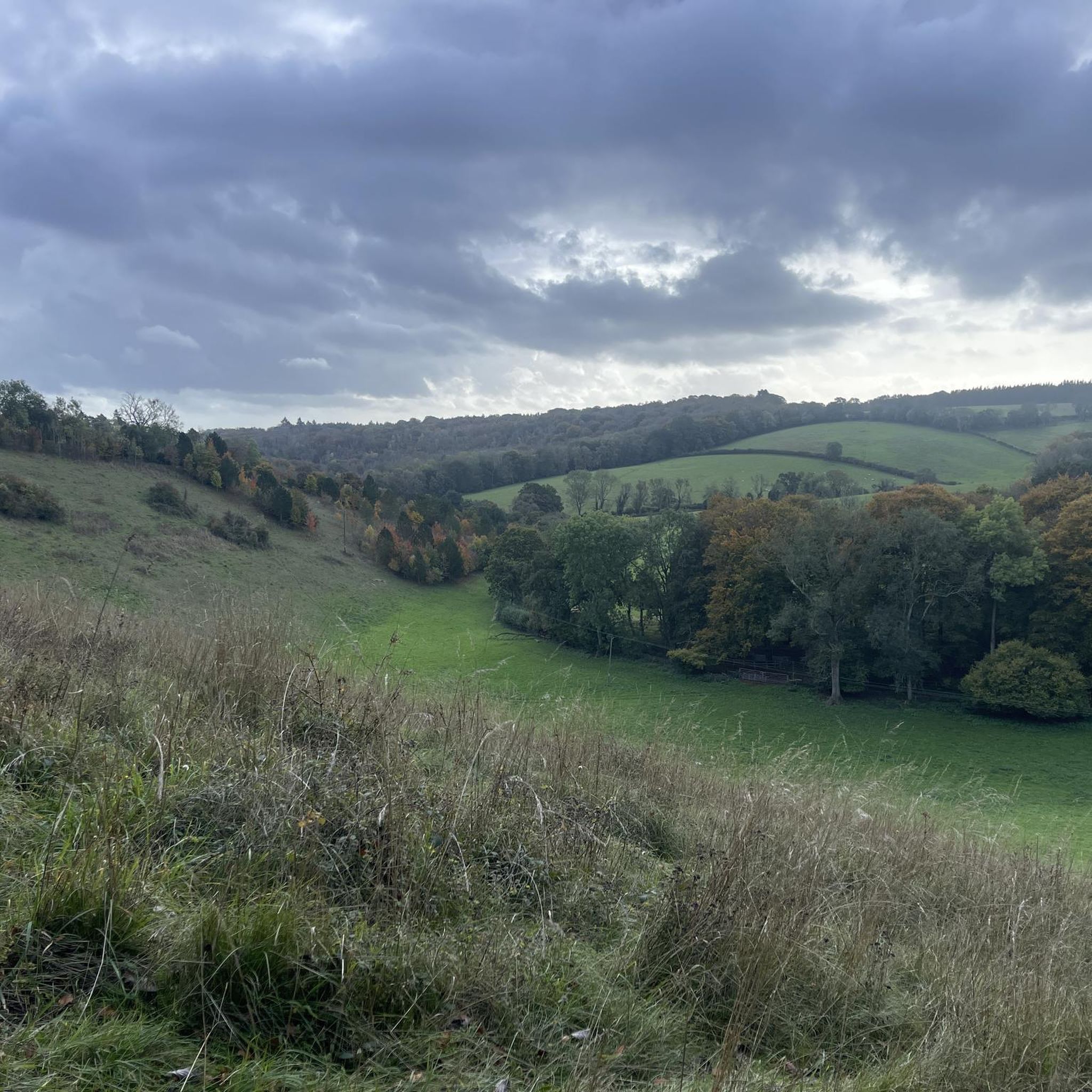

Tips from the Community

Good looking bridge over the Thames
0
0

Hambledon Lock is a historic lock situated on the River Thames that features a long weir. The lock has seen various renovations, and even featured in Charles Dickens' short ghost story.
2
0

It was a beautiful cycle ride mainly through woods. Only two hills. Henley was a good place to stop
0
0

Very beautiful stone bridge with fragments from the 13th century. The Wallingford Bridge is almost 270 m long. From the bridge you have a beautiful view of the Thames and the "Boat House".
4
0

Beautiful Oxfordshire town on the banks of the Thames and famous for rowing. Worth a stop and wander around to break a long ride with plenty of options for coffee and refuelling!
1
0

Firstly recorded in 1179, when King Henry II "had bought land for the making of buildings", the town and manor of Henley were granted to Robert Harcourt in 1199 by King John. A church at Henley is first mentioned in 1204 and in 1234 the bridge is first mentioned. The existing Thursday market, it is believed, was granted by a charter of King John. A market was certainly in existence by 1269. The town's period of prosperity in the 17th and 18th centuries was due to manufactures of glass and malt, and trade in corn and wool. Henley-on-Thames supplied London with timber and grain. Adapted from: https://en.wikipedia.org/wiki/Henley-on-Thames
0
1
Charming and cheerful village, Henley on Thames is a pretty place for a stop and a coffee break. Just try to avoid the busiest times of day as traffic can be frustrating. But then, that may just be an opportunity to slow down and enjoy the 16th-century tower of St. Mary's Church on Hart Street before you cross the Thames on the 18th-century five arched Henley Bridge.
1
0

TwoKiller hills, not for a novice, but gets those lungs and thighs working.
0
0
Frequently Asked Questions
What natural features can I explore around Swyncombe?
Swyncombe is nestled within the Chilterns National Landscape. You can explore areas like Watlington Hill, a nationally important wildlife site known for its wildflowers, butterflies, and expansive views over Oxfordshire. Swyncombe Down also offers natural beauty and is home to the historic Danish Entrenchment.
Are there historical sites to visit in Swyncombe?
Yes, Swyncombe has several historical sites. St. Botolph's Church, with a history stretching back to 634 AD, is a central landmark. On Swyncombe Down, you can find the Danish Entrenchment, an earthwork believed to be from 870 AD. Additionally, Hambleden Lock and Weir is a historic site on the River Thames, with records dating back to 1338.
What walking opportunities are available near Swyncombe?
The rural nature of Swyncombe makes it excellent for walking. The Ridgeway National Trail, an ancient pathway, passes through the area. You can find various hiking routes, including a popular circular walk starting from St. Botolph's Church. For more options, explore the Hiking around Swyncombe guide, which features routes like the 'Swyncombe Downs and St Mary the Virgin Church loop' and 'St Botolph’s Church, Swyncombe loop'.
Are there any family-friendly attractions in the Swyncombe area?
Yes, several attractions are suitable for families. Watlington Hill is a great spot for families to enjoy nature, with opportunities to spot wildlife and butterflies. Hambleden Lock and Weir offers a chance to see a historic lock on the River Thames, and Wallingford Bridge is an impressive medieval structure with views of the Thames.
Where can I find scenic viewpoints around Swyncombe?
For breathtaking views, visit Watlington Hill, which offers expansive vistas over Oxfordshire. Another excellent viewpoint is Cobstone Windmill, located on Turville Hill, providing scenic views of the surrounding countryside.
Can I go cycling near Swyncombe?
Absolutely. The area around Swyncombe offers various cycling routes. You can find options for road cycling in the Road Cycling Routes around Swyncombe guide, including routes like 'Nettlebed Brick Kiln – Stonor Valley to Pishill Road loop'. There are also mountain biking trails available, detailed in the MTB Trails around Swyncombe guide.
What kind of terrain can I expect on trails around Swyncombe?
Trails around Swyncombe vary, offering a mix of terrain. You'll encounter sloping views characteristic of the Chilterns National Landscape, with paths through fields, woodlands, and across areas like Swyncombe Down. Some routes, such as sections of The Icknield Way, are described as easy walking, while others, like certain parts of Watlington Hill, may require decent footwear due to hills.
What is the best time of year to visit Swyncombe for outdoor activities?
Swyncombe is beautiful year-round, but February is particularly special for visiting St. Botolph's Church, which is renowned for its impressive display of snowdrops in its churchyard. Spring and summer offer pleasant weather for walking and cycling, while autumn provides stunning foliage in the Chilterns National Landscape.
Are there any ancient pathways or long-distance trails in the Swyncombe area?
Yes, Swyncombe is home to ancient pathways. The Icknield Way, an ancient trackway, passes through the region, following the chalk escarpment of the Chiltern Hills. The Ridgeway National Trail, another ancient route, also offers scenic paths for walkers and ramblers.
What makes the Chilterns National Landscape around Swyncombe special?
The Chilterns National Landscape, where Swyncombe is situated, is characterized by its breathtaking views, rich natural environment, and sloping hills. It's an area of outstanding natural beauty, providing a stunning backdrop for outdoor activities and home to important wildlife sites like Watlington Hill.
Where can I see a historic windmill near Swyncombe?
You can visit Cobstone Windmill, a historical smock mill built around 1816. It's located on Turville Hill overlooking Turville village and has been cosmetically restored, offering scenic views. While not open to the public, it can be seen from nearby hiking paths.
What is the history behind Hambleden Lock and Weir?
Hambleden Lock and Weir is a historic site on the River Thames with a long past. The first record of a lock here dates back to 1338. It has undergone several rebuilds, with the current structure rebuilt in 1994. It even featured in Charles Dickens' short ghost story 'The Phantom of Regatta Island'.
Are there any specific churches of historical interest in Swyncombe?
Yes, St. Botolph's Church in Swyncombe is a significant historical landmark. Its history dates back to the year 634, and it is particularly known for its impressive display of snowdrops in its churchyard during February, attracting visitors for 'snowdrop teas'. The church also serves as a starting point for local walks.
Most popular routes around Swyncombe
Most popular attractions around Swyncombe

Get inspired with the komoot mobile app


Explore more
Still not found the Highlight you’re looking for? See guides of the top attractions in other regions:
