The best cycling routes around Wredenhagen
4.3
(3714)
12,241
riders
106
rides
Touring cycling routes around Wredenhagen navigate a landscape shaped by the ice age, characterized by extensive forests, sprawling meadows, and numerous lakes. The region, part of the Mecklenburg Lake District, offers varied terrain for cyclists. Routes range from largely flat sections to occasional hilly stretches, with surfaces including sealed roads and unpaved forest paths.
Best touring cycling routes around Wredenhagen
- The most popular touring cycling route is Café Scheune – Wredenhagen Castle loop from Wredenhagen, a 7.0 miles (11.3…
Last updated: June 28, 2026
4.0
(4)
19
riders
11.3km
00:44
40m
40m
Easy bike ride. Great for any fitness level. Mostly paved surfaces. Suitable for all skill levels.
4.0
(4)
19
riders
11.6km
00:44
50m
50m
Easy bike ride. Great for any fitness level. Mostly paved surfaces. Suitable for all skill levels.

Sign up for free
4.9
(7)
14
riders
28.8km
01:49
90m
90m
Easy bike ride. Great for any fitness level. Mostly paved surfaces. Suitable for all skill levels.
4.3
(4)
11
riders
46.8km
02:49
120m
120m
Moderate bike ride. Good fitness required. Mostly paved surfaces. Suitable for all skill levels.
7
riders
34.9km
02:18
100m
100m
Moderate bike ride. Good fitness required. Mostly paved surfaces. Suitable for all skill levels.
Get access to more routes and recommendations from other explorers.
Sign up for free
Already have an account?
Our route recommendations are based on thousands of hikes, rides, and runs completed by other people on komoot.
Start today with a free account
Your next adventure awaits.
Login or Signup
Tips from the Community

Nice. Don't know if there is a swimming possibility there.
0
0

This section is part of the forest farmers' themed route, which runs through the Röbel region. At the junction with the forest, there is a trail marker in the shape of a large orange "8." The route combines nature experiences with information on sustainable forestry and regional history. With the eye-catching figure eight, forest farmers want to draw attention to their role as climate protectors and, through sustainable forest management, ensure the foundation for the climate protection performance of our forests, thus making a decisive contribution to society as a whole.
1
0
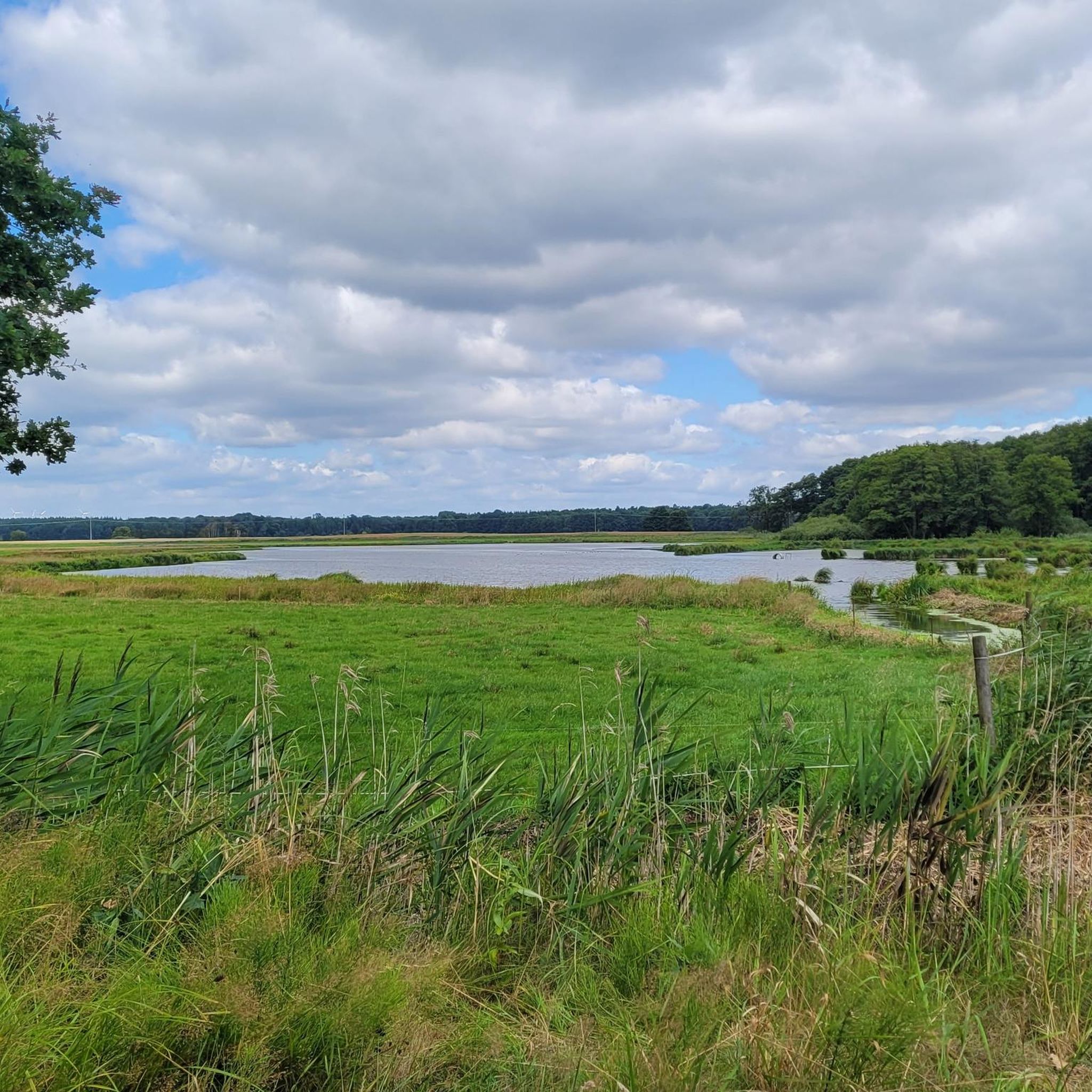
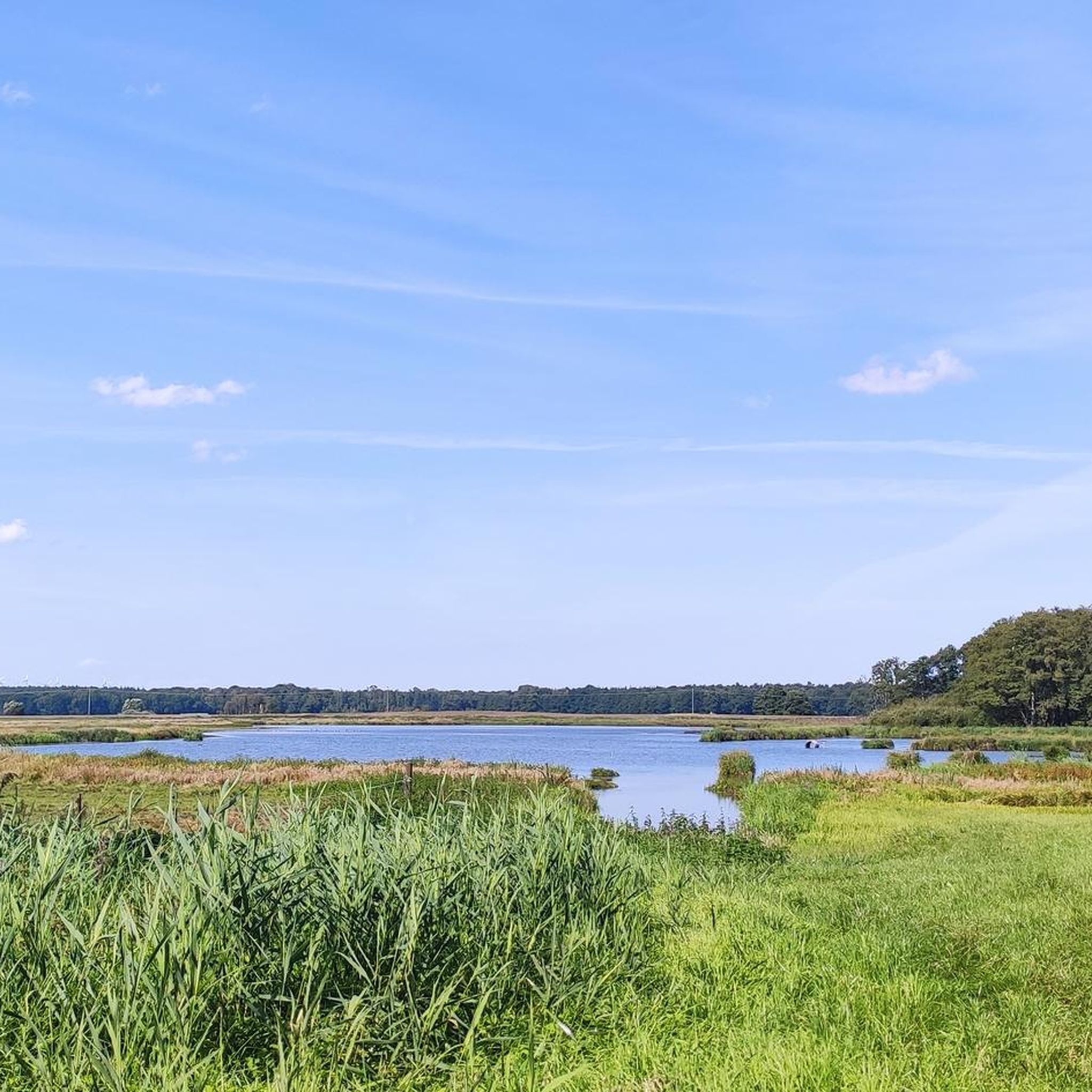
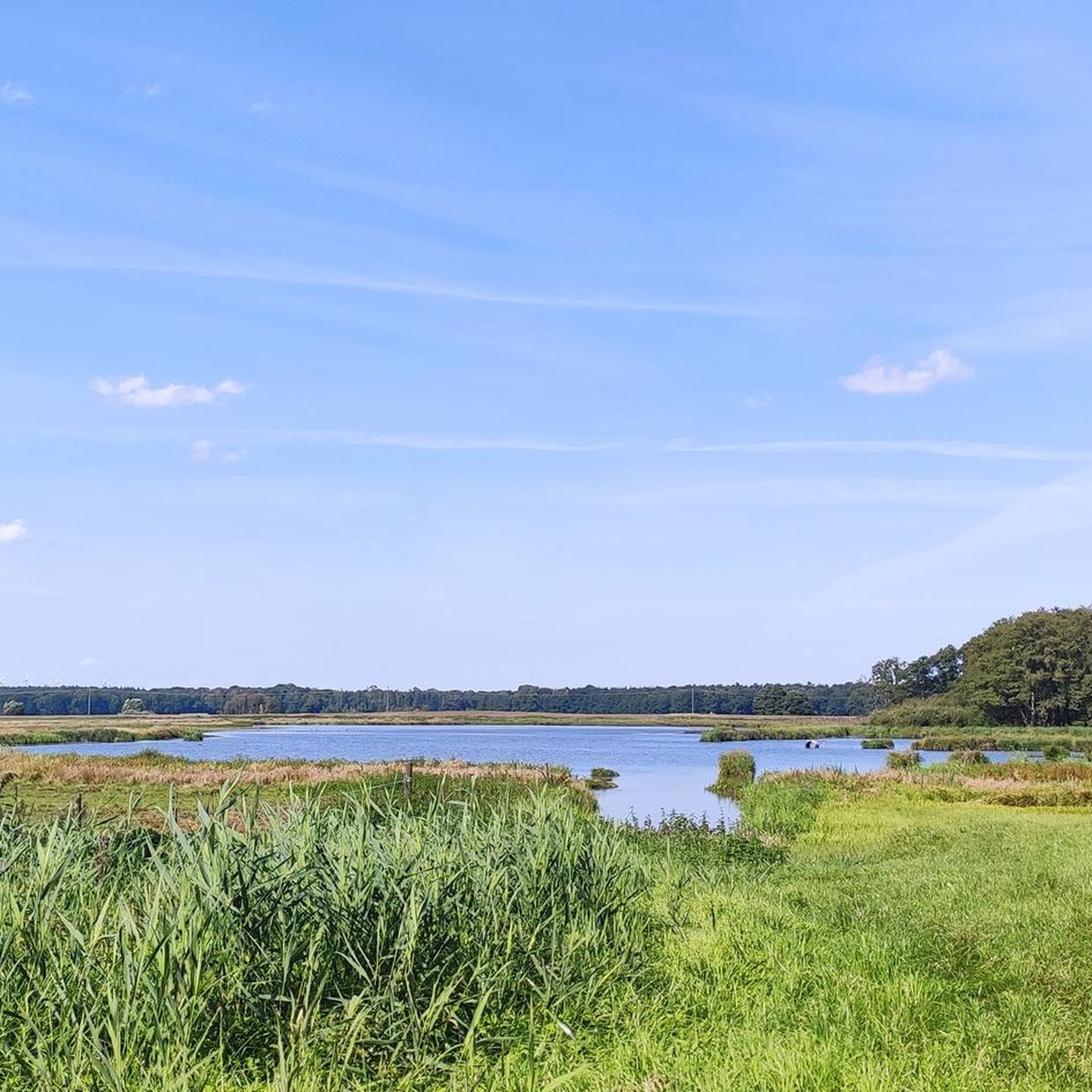
The Kieve Polder is a successful example of modern peatland restoration and active climate protection. The approximately 65-hectare area was intensively used for agriculture until 2012 and was severely affected by drainage. As part of an ambitious project, it was rewetted to restore the natural water balance and halt the decomposition of the peat – a crucial step towards reducing CO₂ emissions. At the same time, the area developed into a diverse habitat: bog plants returned, rare animal species found new habitats, and biodiversity visibly increased. The project was the first of its kind in the world to be financed through MoorFutures certificates, an innovative concept for the voluntary promotion of climate protection measures. Today, the Kieve Polder represents not only ecological regeneration but also a forward-looking interplay of nature conservation, sustainability, and regional responsibility.
0
0
The Kieve Polder is a restored moorland that was rewetted as part of a large-scale climate protection project. The approximately 65-hectare area was previously heavily drained and used for agriculture. When the project began in 2012, the water level was deliberately raised to slow peat decomposition and thereby reduce CO₂ emissions. At the same time, ecological diversity was promoted, as the rewetting led to the return of typical moorland plants and animal species. The project was the first of its kind worldwide to be financed through MoorFutures certificates – an innovative method for supporting voluntary climate protection measures. Today, the Kieve Polder not only contributes to climate protection but also provides a valuable habitat for numerous bird species and is an example of successful moorland restoration.
0
0
The village church in Priborn was built from brick in the neo-Gothic style between 1869 and 1870. It replaced an older building and was designed according to plans by Schwerin's building inspector Theodor Krüger. The rectangular building, with a polygonal chancel and a striking west tower, is richly decorated with decorative friezes and brick blind panels. Inside, there is a simple wooden altar with an altarpiece from 1869, a limestone baptismal font, a carved pulpit, and an organ from 1899. A stained-glass window bearing the coat of arms of Duke Carl from 1591 was retained from the old church. The church was closely associated with the Priborn estate, which at that time was owned by the von Ferber family. Today, the church belongs to the region's Evangelical Lutheran parish and is a listed building.
1
0

well signposted
0
0

Beautiful village church in a tranquil village
0
0

The building was rebuilt after being destroyed in the Thirty Years' War and later changed several times. more information: https://de.wikipedia.org/wiki/Dorfkirche_Kieve
0
0
Frequently Asked Questions
How many touring cycling routes are available around Wredenhagen?
There are over 100 touring cycling routes available around Wredenhagen, offering a wide range of options for different skill levels and preferences. You'll find everything from easy, short loops to more challenging, longer excursions.
What kind of terrain can I expect on touring cycling routes in Wredenhagen?
The terrain around Wredenhagen is diverse, shaped by the ice age. You can expect a mix of extensive forests, sprawling meadows, and numerous lakes. While many sections are largely flat, there are occasional hilly stretches. Surfaces vary from sealed roads and asphalted paths to unpaved forest tracks, especially within the Müritz National Park.
Are there options for less experienced touring cyclists in Wredenhagen?
Yes, Wredenhagen offers plenty of easy touring cycling routes suitable for beginners or those looking for a relaxed ride. For example, the Priborn Village Church – Polder Kieve loop from Melz is an easy 28.8 km (17.9 miles) trail that takes you through forests and past lake views. In total, there are 65 easy routes to choose from.
What do other touring cyclists say about the routes in Wredenhagen?
The touring cycling routes in Wredenhagen are highly rated by the komoot community, with an average score of 4.4 stars from over 3000 reviews. Cyclists often praise the region's stunning natural landscapes, the variety of terrain, and the well-marked paths that make exploration enjoyable.
What natural features can I discover while cycling around Wredenhagen?
The region is a 'land of a thousand lakes,' offering numerous opportunities to cycle past beautiful bodies of water like Rohrteich, Nebelsee, and Mönchteich. You can also explore the unique moorland and lake landscape along the Müritz Moor Trail, or cycle through extensive forests with old beech trees, especially within the Müritz National Park.
Are there any cultural or historical sights to visit on a touring cycling trip near Wredenhagen?
Absolutely. Beyond Wredenhagen's historic castle complex, you can cycle to attractions like the impressive Fieldstone Barn Bollewick, Germany's largest fieldstone barn, which houses local shops. The charming Röbel Harbour offers a pleasant promenade and dining options, while the Village Church Vipperow provides a glimpse into local history.
Are there family-friendly touring cycling routes in Wredenhagen?
Yes, many routes around Wredenhagen are suitable for families. The region's generally flat sections and well-maintained paths make for enjoyable rides with children. Look for easy-rated routes, which often stick to sealed roads or smooth forest tracks. The Müritz National Park also features marked cycling paths suitable for half-day tours.
Can I find circular touring cycling routes around Wredenhagen?
Yes, circular routes are a popular option for touring cyclists in Wredenhagen. Many tours are designed as loops, allowing you to start and end at the same point. An example is the moderate Natural beach Glambecksee – Großer Kiever See loop from Mönchsee, which covers 34.9 km (21.7 miles).
Is it possible to combine cycling with public transport in the Wredenhagen area?
Yes, the region is well-integrated with public transport options that accommodate bicycles, particularly around the Müritz National Park. Buses and regional trains can be used to create attractive combined tours, allowing you to cover longer distances or return to your starting point easily. It's advisable to check specific schedules and bike carriage rules beforehand.
Are there any cafes or pubs along the touring cycling routes in Wredenhagen?
Yes, you'll find various amenities along the routes. For instance, the Genuss Kiosk Vipperow is a cafe that can be integrated into your cycling tour. Additionally, towns like Röbel offer dining options, and the Fieldstone Barn Bollewick also has shops and event spaces where you might find refreshments.
What is the best time of year for touring cycling in Wredenhagen?
The best time for touring cycling in Wredenhagen is generally from spring to autumn, when the weather is mild and the natural landscapes are at their most vibrant. The 'land of a thousand lakes' is particularly beautiful during these seasons. While winter cycling is possible, some paths might be less accessible, and amenities might have reduced hours.
Are there any longer touring cycling routes that pass through Wredenhagen?
Yes, Wredenhagen is situated within a region that hosts parts of significant long-distance cycling routes. The Müritz National Park, which is nearby, is integrated into routes like the Havel Cycling Route and sections of the Berlin-Copenhagen Cycling Route. The Mecklenburg Lake District Cycle Route, spanning 645 kilometers, also guides cyclists through the heart of the lake district, past Lake Müritz and the National Park.
Most popular routes around Wredenhagen
Most popular attractions around Wredenhagen

Get inspired with the komoot mobile app


Explore more
Browse the best Cycling routes in other regions.
