The best MTB trails around Wißmannsdorf
4.5
(616)
2,015
riders
240
rides
Mountain bike trails around Wißmannsdorf are set within the diverse landscapes of Germany's Eifel region. The area features green hills, dense forests, and the scenic Prüm river valley, offering varied terrain for mountain bikers. Volcanic landscapes and impressive rock formations, such as the Devil's Gorge, contribute to the region's unique character. Riders can expect a mix of flowing trails, rocky passages, and gravel fields, with routes winding through areas shaped by ancient volcanic activity.
Best mountain bike trails around Wißmannsdorf
…Last updated: August 20, 2026
4.5
(16)
42
riders
14.8km
01:18
290m
290m
Moderate mountain bike ride. Great for any fitness level. Advanced riding skills necessary.
5.0
(12)
34
riders
34.3km
03:14
800m
800m
Moderate mountain bike ride. Good fitness required. Advanced riding skills necessary.

Sign up for free
4.6
(24)
71
riders
53.6km
03:04
480m
480m
Moderate mountain bike ride. Good fitness required. Suitable for all skill levels.
4.0
(7)
15
riders
30.6km
02:27
500m
510m
Moderate mountain bike ride. Good fitness required. Advanced riding skills necessary.
3.0
(4)
14
riders
28.7km
02:25
620m
620m
Moderate mountain bike ride. Good fitness required. Advanced riding skills necessary.
Get access to more routes and recommendations from other explorers.
Sign up for free
Already have an account?
Our route recommendations are based on thousands of hikes, rides, and runs completed by other people on komoot.
Start today with a free account
Your next adventure awaits.
Login or Signup
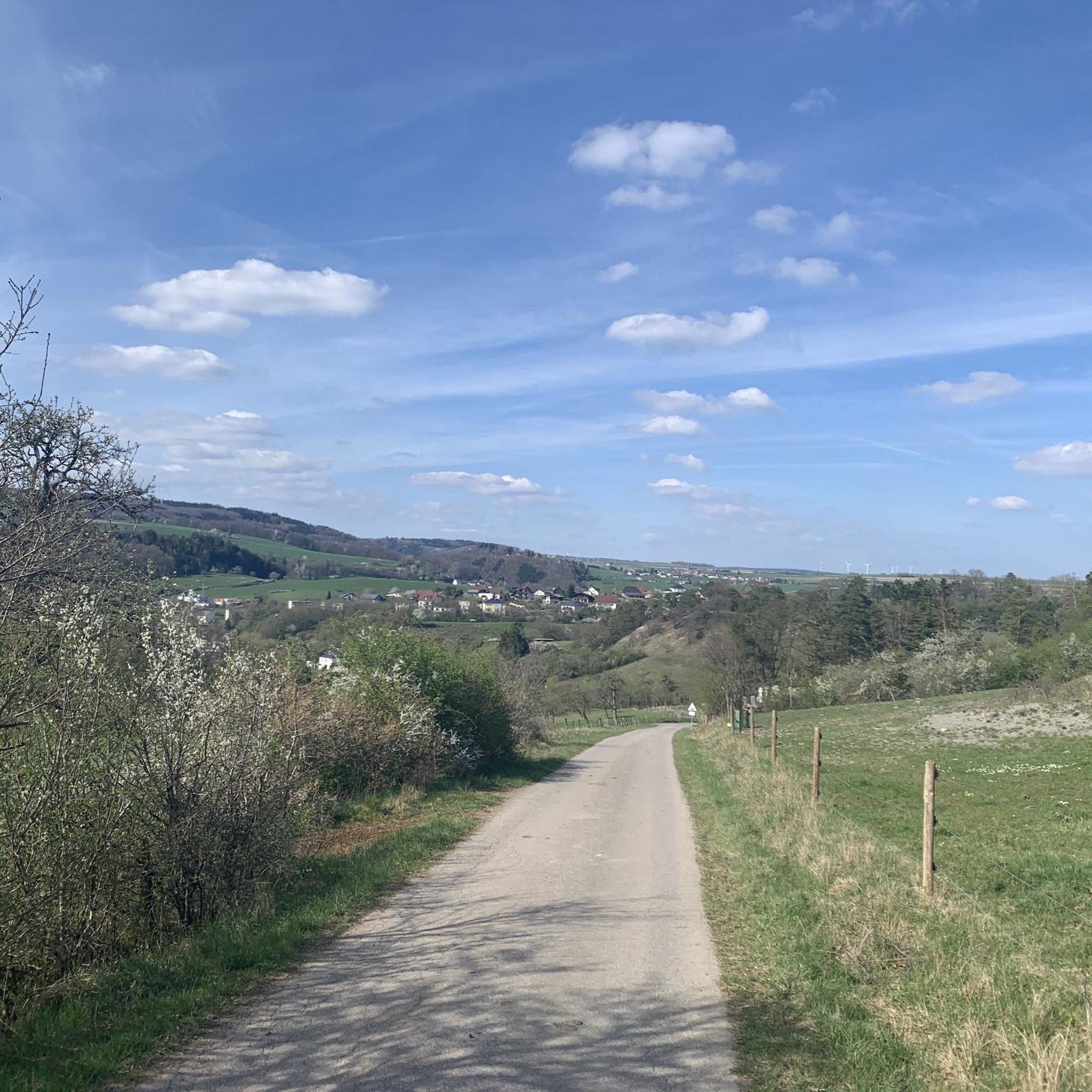
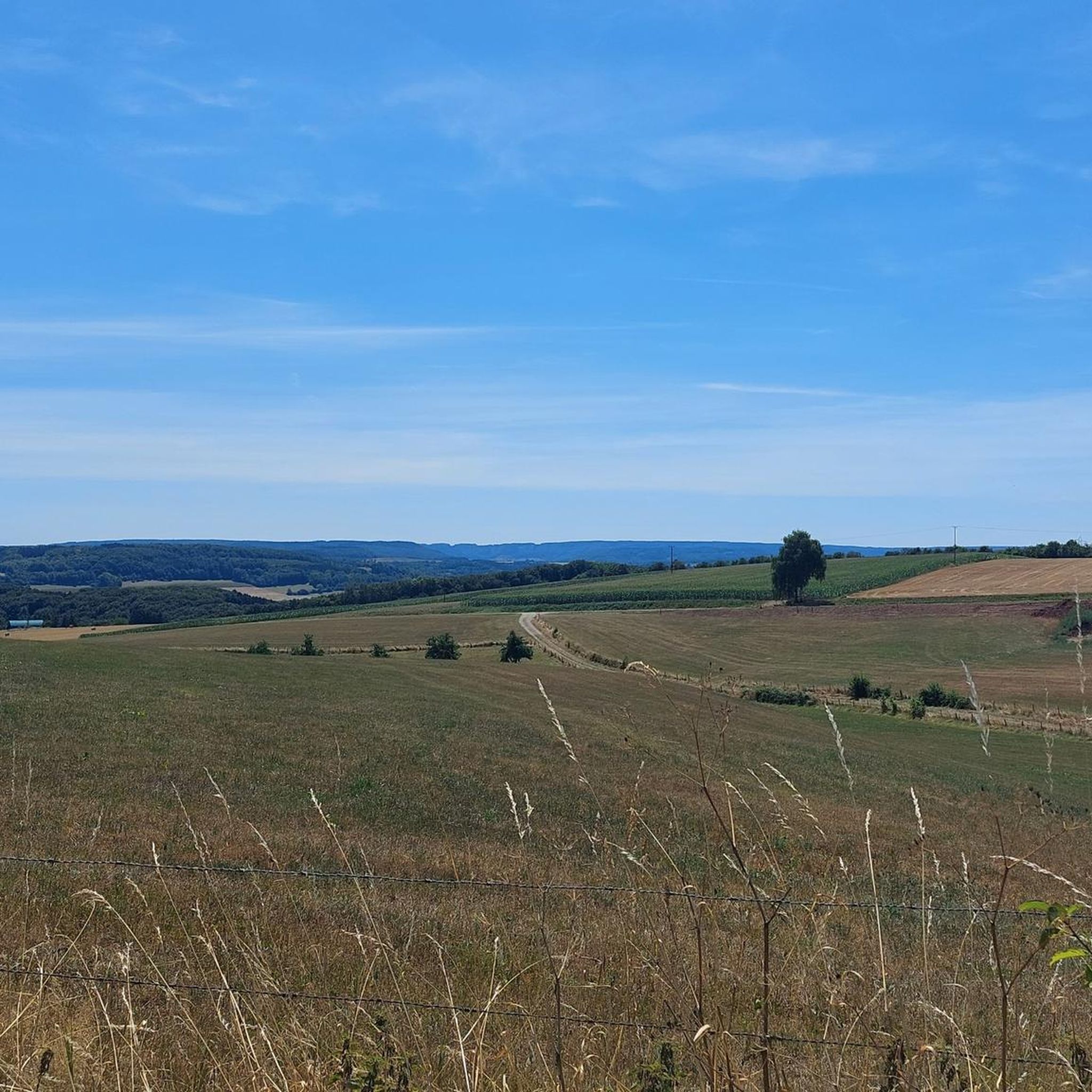
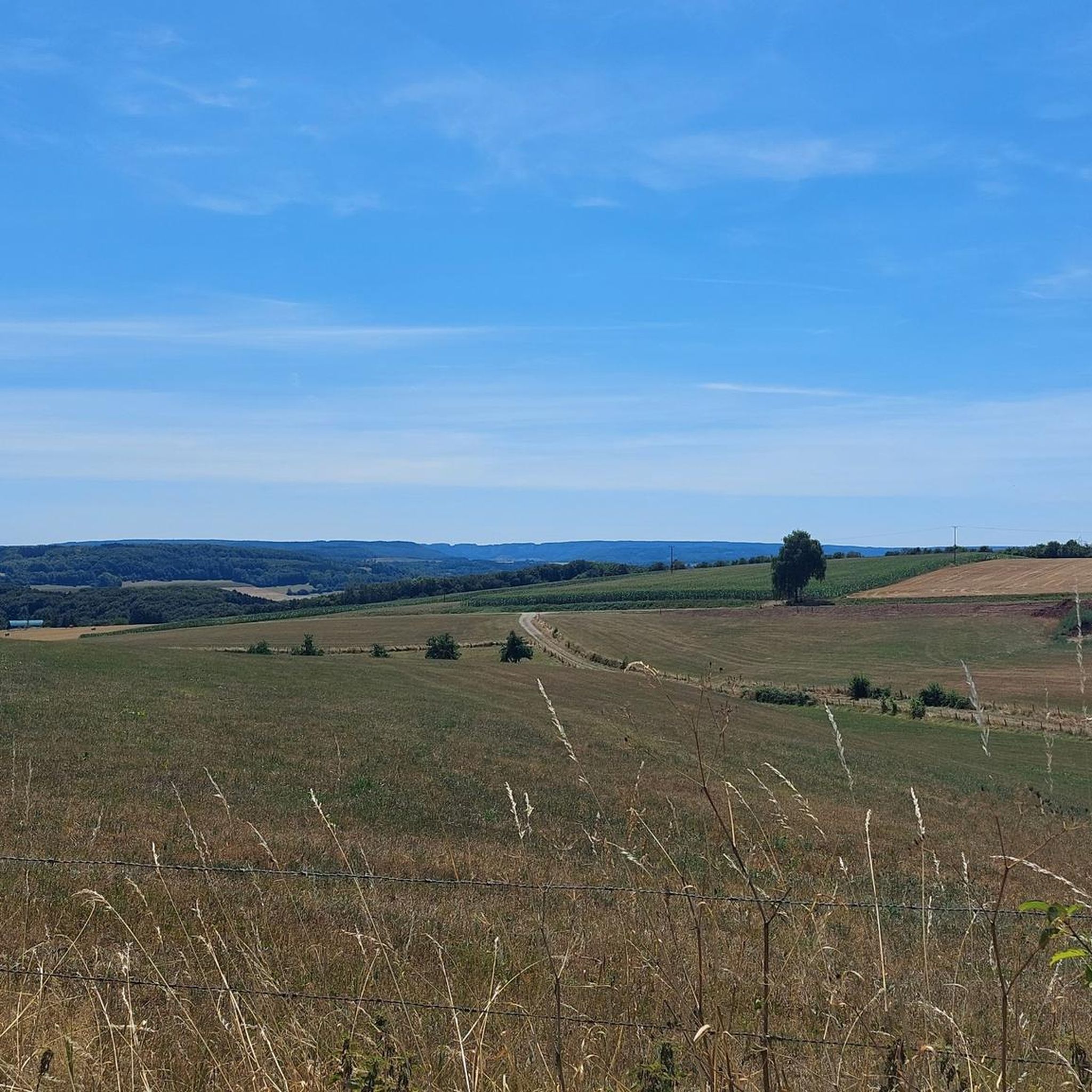
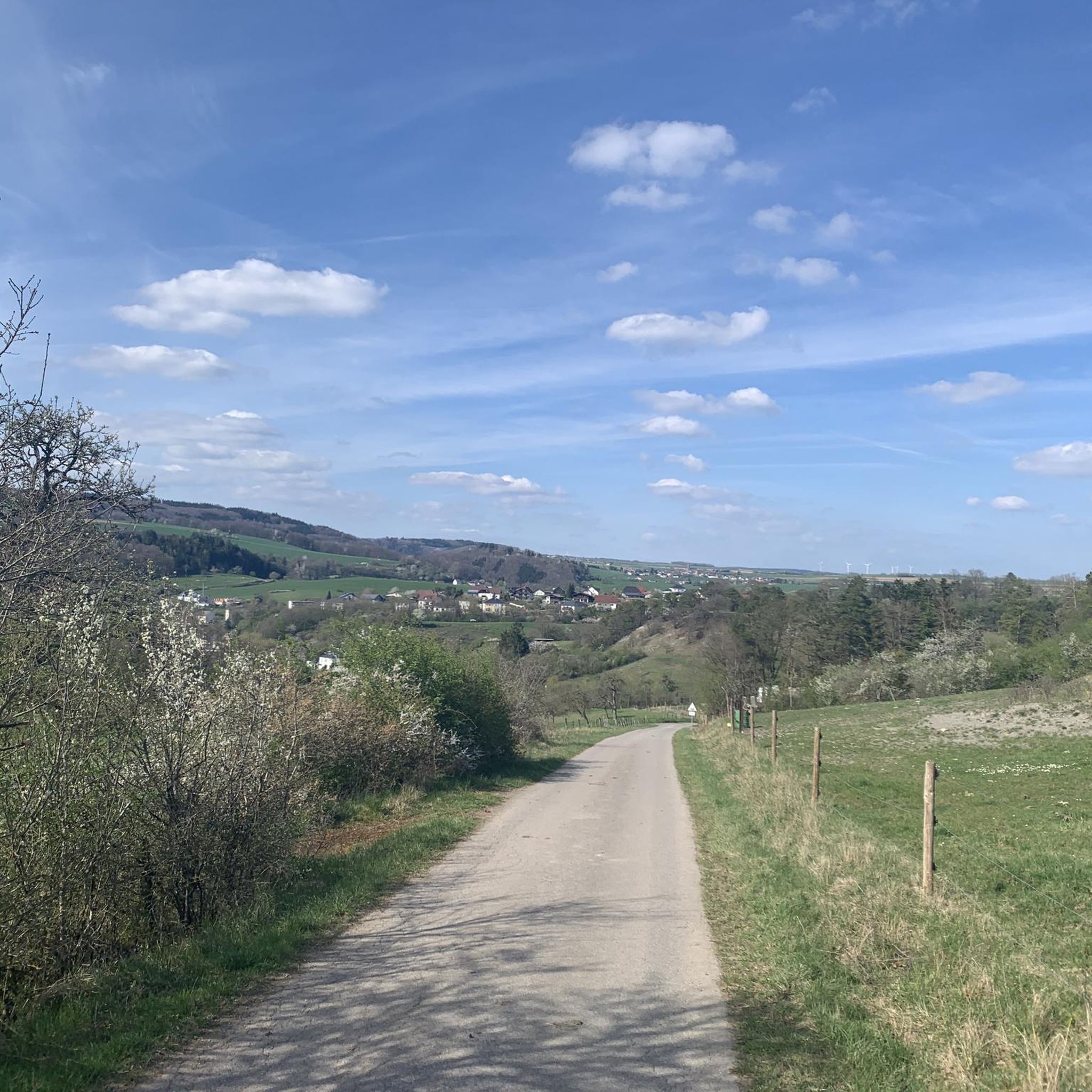
Tips from the Community

The House As early as 1052, a medieval defensive structure in Hamm was mentioned, which was repeatedly adapted to contemporary needs over the centuries through alterations and new constructions. It stands on the site of a much older, early medieval refuge castle, where the inhabitants of the surrounding manors could retreat in times of danger during the Migration Period. The present appearance is significantly shaped by the surrounding and defensive walls as well as a residential complex from the Gothic period. The complex has dimensions of 40 x 80 m. The oldest building, still preserved in its basic structure, can be traced back to the Romanesque period and includes, among other things, the chapel, which was converted in the Baroque style in 1700. Two round towers frame a palace from the 14th century, also dating back to the late Gothic period, which was replaced by a Renaissance building in 1586. After a long period of vacancy around the mid-19th century, a fundamental renovation with some structural changes took place from 1885-1896. The Renaissance palace, like parts of the adjacent Gothic building, fell victim to arson by German troops in 1945, who did not want to let any German cultural heritage fall into the hands of the Allies. The post-war reconstruction secured the courtyard facade of the Renaissance palace, but removed the garden side, which was heavily destroyed by the building fabric, and added a small half-timbered structure in its place. The Family The original owners of Hamm were the Counts of Hamm, who served as vogts of the Abbey of Prüm. It was a fief of the Counts of Vianden, with whom they had close family ties. For a long time, the Bidgau was also administered from here. In 1371, the property was passed on through the marriage of the last of their line, Maria von Hamm, to the von Malberg - Milburg family. The last of her name, Anna von Malberg, married Gerhard von der Horst around 1580, the builder of the Renaissance palace. About 100 years later, the property passed through the marriage of the last von der Horst to the Counts Lannoy, who, after a hall collapse in connection with a fire in 1835, in a part of the building no longer preserved today, retreated entirely to their homeland of Clerf (Clervaux/Luxemburg). After the castle stood empty and the estate fell into disrepair, a descendant of theirs, Baroness Sidonie v. Tornaco, finally received the inheritance. She married Count Friedrich v. Renesse and, with him, carried out the aforementioned fundamental renovation. Their daughter Elisabeth married Egon Graf von und zu Westerholt und Gysenberg in 1909. Their son Otto managed and lived in Hamm with his family. After his death in 1980, his son Ferdinand took over the property and the house. Since 1998, Schloss Hamm has been partially accessible to the public through tours, weddings, registry office branch, festivals and cultural events, and much more.
0
0

The route is sometimes very difficult to find due to fallen trees. Washed out sections and a lot of asphalt.
0
0

Campsite with an award. The cycle path leads off-road over the site or more comfortably above it on a paved path past.
0
0
When the weather is nice, it's pleasant to take a short break from cycling in the cafe. Opposite the cafe is the figure called "The Stonebreaker" in standard German.
0
0

🏰 Rittersdorf Castle Rittersdorf Castle is one of the most valuable and best-preserved medieval sites in the region: a moated castle located in the municipality of Rittersdorf, just about three kilometers north of Bitburg, directly on the Nims River. The almost square structure is surrounded by a moat. Surrounded by the tranquil Nims river landscape, Rittersdorf Castle is a popular destination for history buffs, gourmets, and cyclists in the Eifel region.
1
0
🌊 The Nims River The Nims is an idyllic river that flows through the Bitburg-Prüm district in the Eifel region: The Nims is an approximately 61 km long left tributary of the Prüm. It rises near Weinsheim and flows south, past towns such as Schönecken and Bitburg, before joining the Prüm below Irrel.
1
0

Beautiful romantic ensemble of the Nims river with its weirs and fortifications and the mighty castle complex in the style of a moated castle.
2
0

beautifully situated, dog-friendly, clean campsite
0
0
Frequently Asked Questions
What kind of mountain biking terrain can I expect around Wißmannsdorf?
The Wißmannsdorf area, situated in the Eifel region, offers a diverse range of mountain biking terrain. You'll find a mix of flowing trails, rocky passages, root carpets, and gravel fields. The landscape includes green hills, dense forests, and areas shaped by ancient volcanic activity, providing varied and engaging rides.
Are there mountain bike trails suitable for beginners or families in Wißmannsdorf?
Yes, Wißmannsdorf offers mountain bike trails suitable for various fitness levels, including easier options. Out of over 260 routes, about 40 are classified as easy, making them a good choice for beginners or families looking for a less strenuous ride. These trails often feature smoother paths and less challenging ascents.
What are some challenging mountain bike routes for experienced riders?
For experienced riders seeking a challenge, Wißmannsdorf has several difficult routes. One such option is the Bitburger Siegelhopfen Fields – Prümerburg Castle Ruins loop from Oberweis, a 46.9 km path with significant elevation changes and views of historical sites. There are 27 routes classified as difficult in the area.
Are there any circular mountain bike routes around Wißmannsdorf?
Many of the mountain bike trails around Wißmannsdorf are designed as circular routes, allowing you to start and end at the same point. For example, the popular Forest Trail in the Eifel – Fast Pipe Trail loop from Oberweis is a 15.1 km circular route featuring flowing trails and scenic forest sections.
What natural landmarks or attractions can I see while mountain biking in the area?
The region around Wißmannsdorf is rich in natural beauty. You might encounter impressive rock formations like the Devil's Gorge, or enjoy scenic views along the Prüm river. Some routes pass by natural monuments such as the Roter Puhl Sandstone Cliffs on the Enz or the Roter Puhl. You could also discover waterfalls like the Tanzlay Waterfall and Rock Formations or the Hüttingen Waterfall.
What do other mountain bikers say about the trails in Wißmannsdorf?
The mountain bike trails around Wißmannsdorf are highly rated by the komoot community, with an average score of 4.5 stars from over 580 reviews. More than 2000 mountain bikers have explored the varied terrain, often praising the diverse landscapes, lush forests, and the mix of flowing and technically demanding sections.
Is there parking available near the mountain bike trails in Wißmannsdorf?
Yes, many mountain bike trails in the Wißmannsdorf area offer convenient parking options at their starting points or nearby villages. It's advisable to check the specific tour details on komoot for information on designated parking areas for each route.
Can I reach the mountain bike trails using public transport?
While Wißmannsdorf is well-connected, public transport options for reaching specific trailheads with a mountain bike can vary. It's recommended to research local bus or train services in the Eifel region and their bike transport policies, especially if you plan to use public transport to access the trails.
What is the best time of year for mountain biking in Wißmannsdorf?
The Eifel region, including Wißmannsdorf, is generally excellent for mountain biking from spring through autumn. The mild temperatures and vibrant natural scenery make these seasons ideal. While winter riding is possible, be prepared for potentially muddy or icy conditions, especially on shaded trails.
Are there any longer mountain bike tours available in the Wißmannsdorf area?
Yes, for those looking for longer rides, there are several options. The Wisselbach footbridge – View of the Nims River loop from Rittersdorf is a substantial 58.6 km trail that leads through varied landscapes, including scenic river views, and can take around 3 hours 26 minutes to complete.
Are there places to eat or stay near the mountain bike trails?
Wißmannsdorf and its surrounding villages offer various options for refreshments and accommodation. You'll find local cafes and restaurants, as well as guesthouses and hotels. Some routes might even pass by barbecue huts or shelters, like the Shelter in Naturpark Südeifel or the Königswäldchen barbecue hut, perfect for a break.
What makes the Eifel region unique for mountain biking?
The Eifel region, where Wißmannsdorf is located, is renowned as one of Germany's most diverse mountain bike destinations. Its unique character comes from a combination of volcanic landscapes, deep forests, and river valleys. The Vulkaneifel Trail Park alone boasts over 750 kilometers of marked trails, offering technically demanding and varied rides with spectacular panoramic views.
Most popular routes around Wißmannsdorf
Most popular attractions around Wißmannsdorf

Get inspired with the komoot mobile app


Explore more
Browse the best MTB trails in other regions.
