The best walks and hikes around Wimmis
4.5
(121)
1,078
hikers
37
hikes
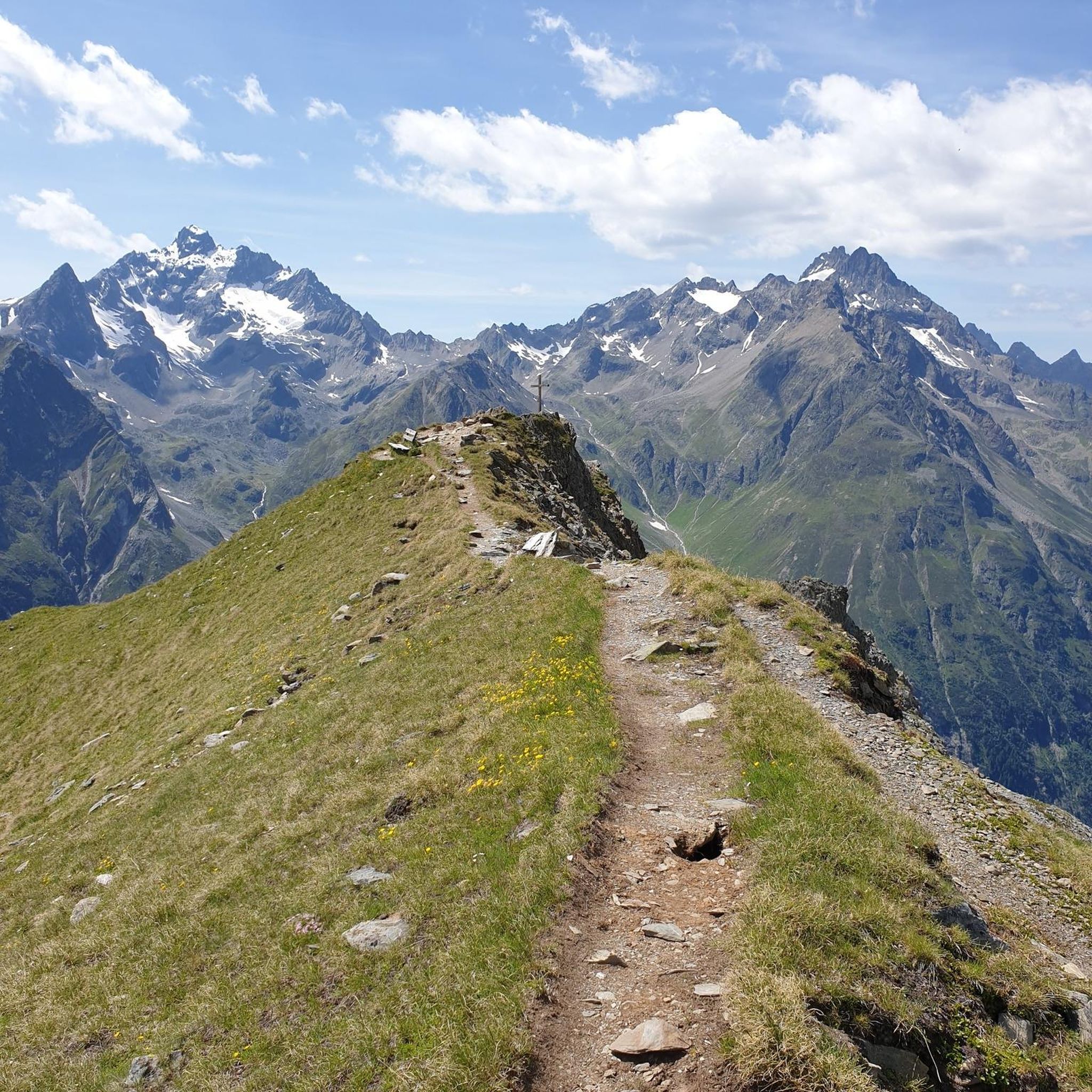
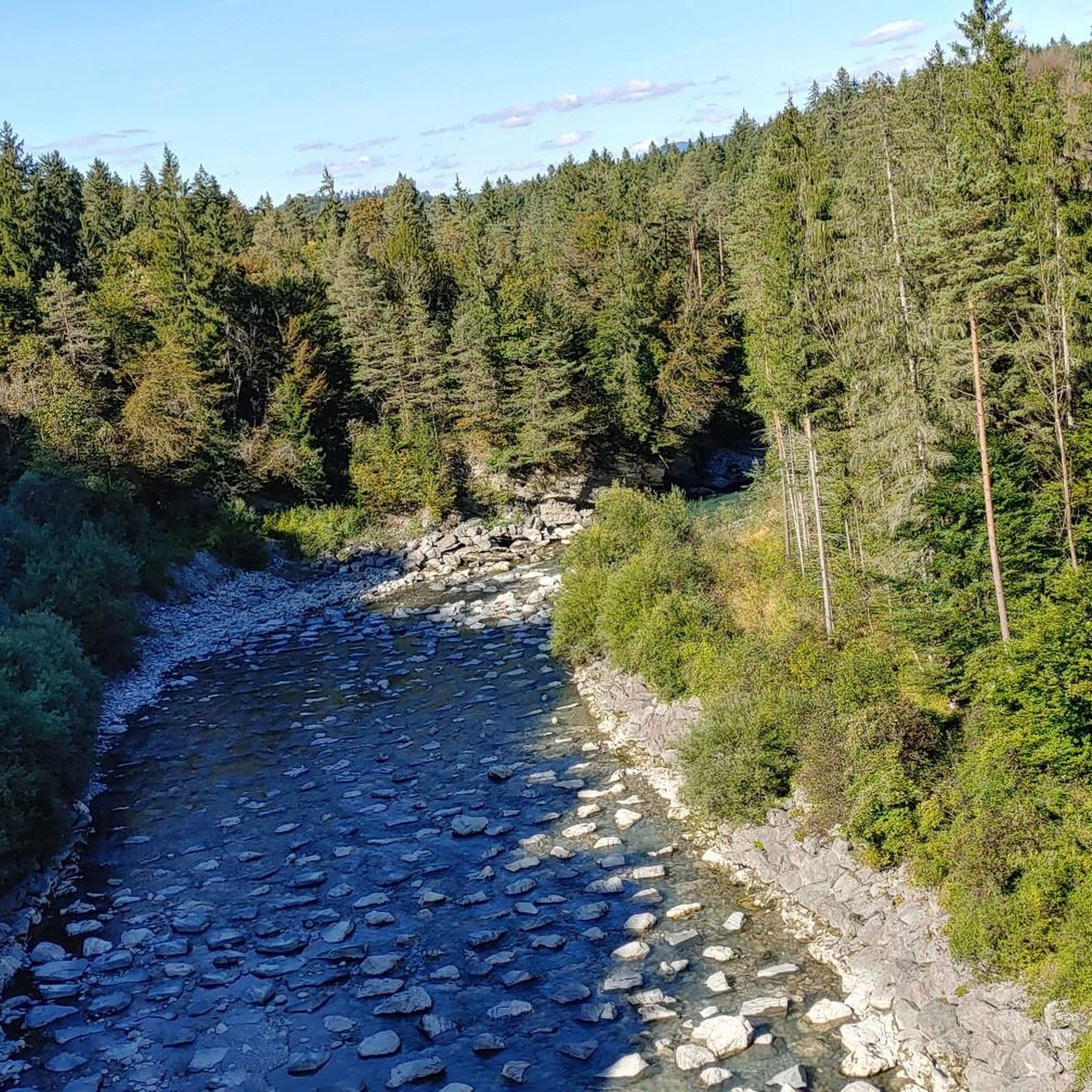
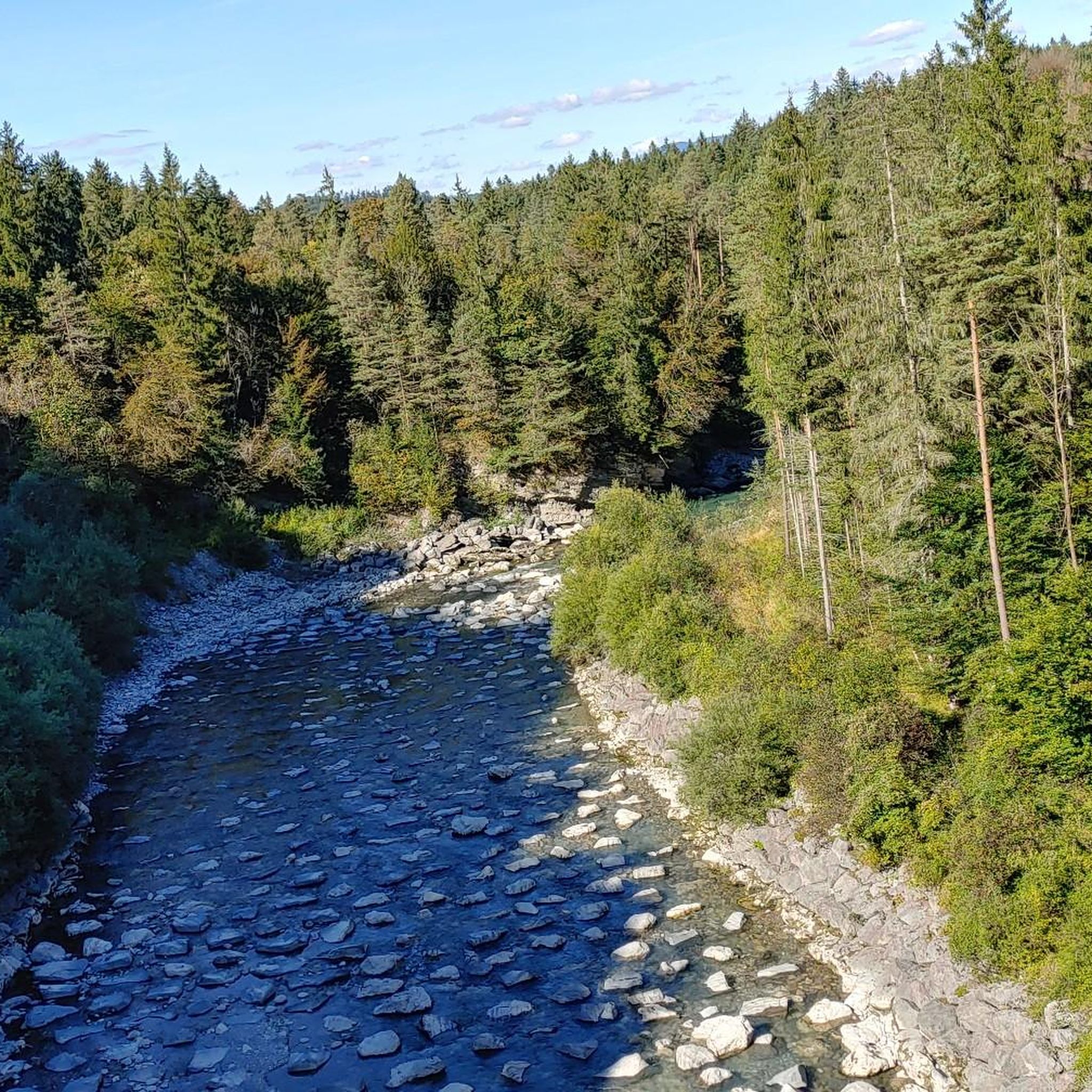
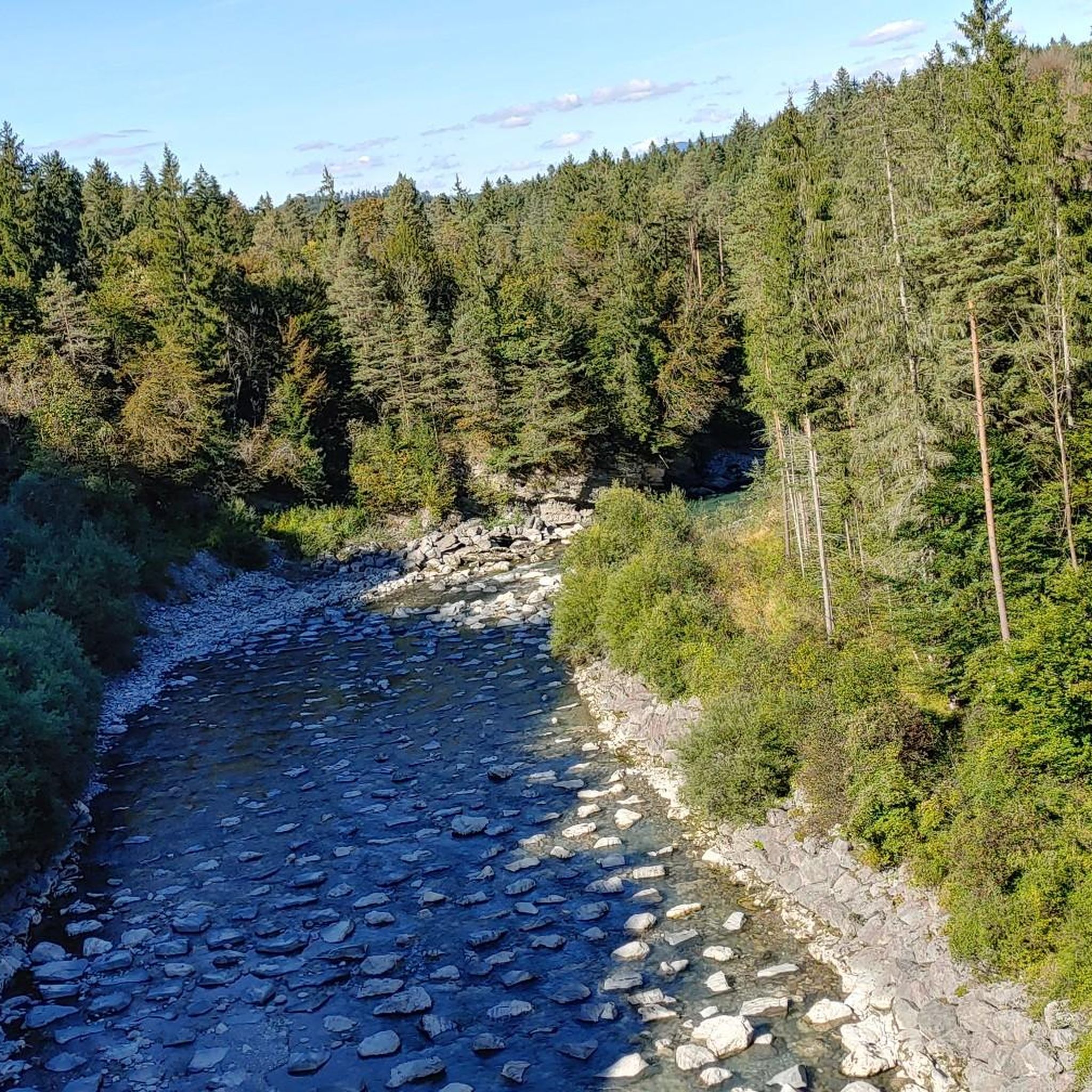
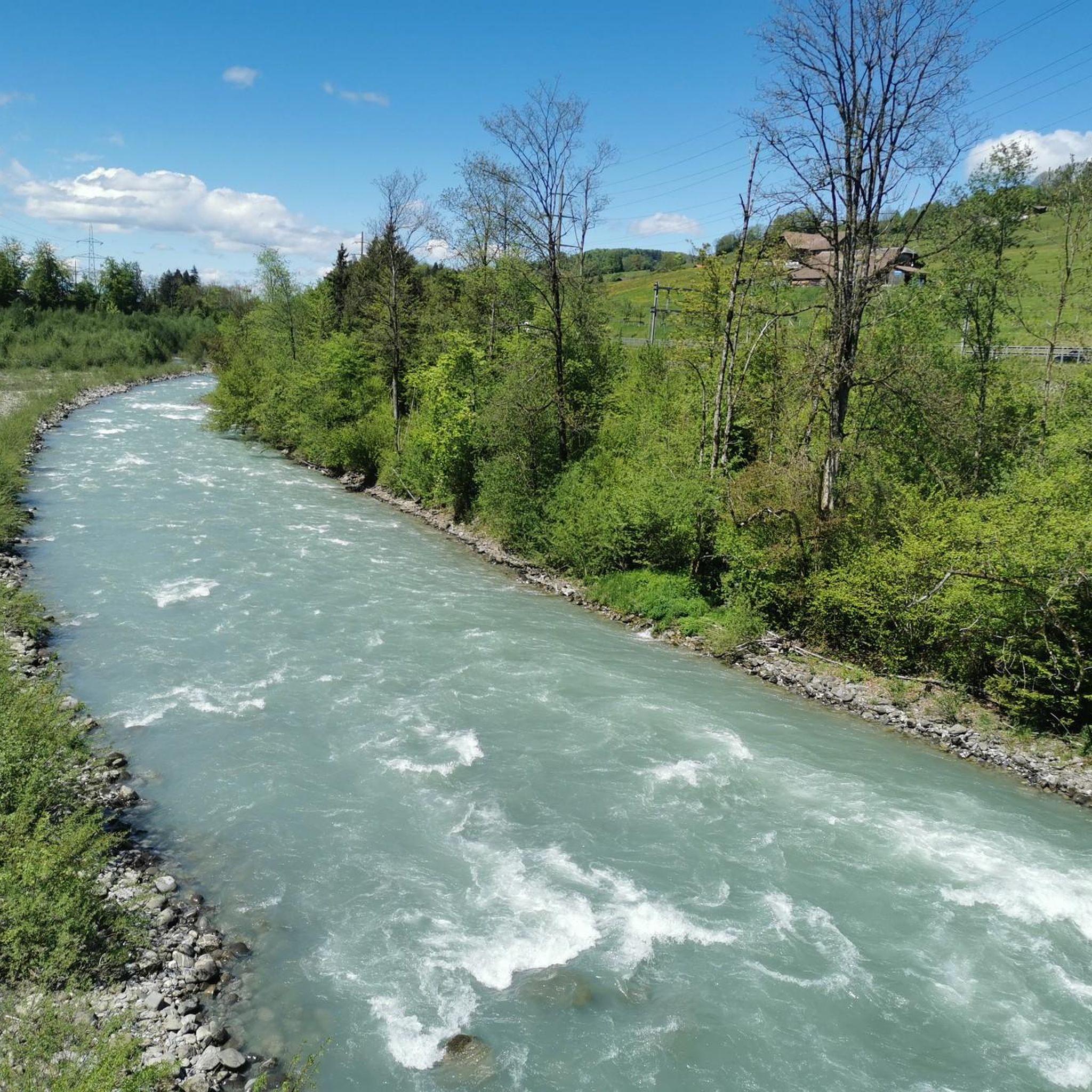
Hiking around Wimmis offers diverse terrain at the entrance to the Simmental valley, characterized by the convergence of the Kander and Simme Rivers. The region features prominent peaks like the pyramid-shaped Niesen and the Stockhorn, alongside the Simmenfluh and Sunnighorn, providing varied elevation and panoramic views. Trails often include views of Lake Thun and pass by historical landmarks such as Wimmis Castle. This landscape provides a range of hiking experiences from river valleys to alpine ascents.
Best hiking trails around Wimmis
- The most popular hiking route is Augand floodplain area – Wimmis Covered Wooden Bridge loop from Wimmis, a 6.2 miles (10.0 km) trail that takes 2 hours 39 minutes to complete. This moderate route explores the natural floodplain environment and features a distinctive covered wooden bridge.
- Another top favourite among local hikers is Wimmis Castle – Wimmis Covered Wooden Bridge loop from Eifeld, a moderate 5.2 miles (8.4 km) path. This trail offers views of the historic Wimmis Castle and the surrounding valleys.
- Local hikers also love the Sunnighorn Via Ferrata – Sunnighorn Via Ferrata loop from Wimmis, a 6.3 miles (10.2 km) trail leading through alpine terrain, often completed in about 4 hours 56 minutes. This difficult route includes sections of via ferrata.
- Hiking around Wimmis is defined by majestic mountains, river valleys, and views of Lake Thun. The network offers options for various ability levels, from easy riverside paths to challenging mountain ascents and via ferratas.
- The routes in Wimmis are highly rated by the komoot community with an average score of 4.6 stars from over 90 reviews. More than 900 hikers have used komoot to explore Wimmis's varied terrain.
Last updated: October 14, 2026
4.0
(13)
56
hikers
10.1km
02:41
110m
110m
Moderate hike. Good fitness required. Easily-accessible paths. Suitable for all skill levels.
4.7
(3)
35
hikers
10.3km
04:58
830m
830m
Hard hike. Good fitness required. Sure-footedness, sturdy shoes and alpine experience required.

4.0
(4)
34
hikers
6.77km
01:59
190m
190m
Easy hike. Great for any fitness level. Easily-accessible paths. Suitable for all skill levels.
5.0
(3)
23
hikers
3.26km
00:52
40m
40m
Easy hike. Great for any fitness level. Easily-accessible paths. Suitable for all skill levels.
4.6
(12)
60
hikers
8.69km
03:29
550m
550m
Hard hike. Good fitness required. Sure-footedness, sturdy shoes and alpine experience required.
Get access to more routes and recommendations from other explorers.
Already have an account?
Our route recommendations are based on thousands of hikes, rides, and runs completed by other people on komoot.
Start today with a free account
Your next adventure awaits.

Tips from the Community

Great after-work hike, but I would recommend a helmet as rockfalls from wildlife or other hikers cannot be ruled out.
0
0

Built in the 12th/13th centuries by the Lords of Strättligen (or Wimmis), the complex came into the possession of the Barons of Weissenburg around 1260. Weissenburg War & Contested During the 14th century, during the Weissenburg Wars, there were a total of about nine sieges, including a successful Bernese conquest in 1334. Under Bernese Rule In 1449, Bern acquired the castle and the office. It served as the seat of the bailiff/landvogt until 1967 and later as a district court. In 2010, it became the property of the municipality. Renovations & Expansion Important expansions: 15th–17th centuries, addition of the south wing in 1696, northeast wing in 1741/42, renovations in 1789–90, 1949–51, and 1984–87. Current Use The first and second floors house offices of the cantonal forest administration, and the third floor houses a private apartment. Public tours are offered during the summer months.
8
0

An architectural highlight! This bridge over the Simme River impresses with its enormous span and elegant wooden structure. It symbolizes innovation in harmony with nature. A must-see!
0
0

Beautiful view, large bike path, old bridge
0
0

The bridge itself is great. Unfortunately, there are no cycle paths before or after it and so this bridge is definitely not of "national importance".
0
0

Great and practical slow traffic connections
0
0

to reach, follow the red signs. If you come from the west, go straight up at the boulders (not left or right)
0
0

Impressive large wooden bridge, which was built especially for bicycle traffic. Very atmospheric with the skylight.
0
0
Frequently Asked Questions
How many hiking trails are available around Wimmis?
Wimmis offers a diverse network of over 35 hiking trails, catering to various skill levels. You'll find everything from easy riverside paths to challenging mountain ascents and via ferratas.
What kind of terrain can I expect on hikes near Wimmis?
The terrain around Wimmis is highly varied. You can expect gentle paths along the Kander and Simme Rivers, moderate ascents with views of Lake Thun, and demanding alpine routes on peaks like the Niesen and Stockhorn. Some trails, such as the Sunnighorn Via Ferrata, include sections of via ferrata.
Are there any family-friendly hiking options in Wimmis?
Yes, Wimmis has several easy and moderate trails suitable for families. These often follow river valleys or offer less strenuous ascents, providing enjoyable outdoor experiences for all ages. For example, the Simmen Bridge – Wimmis Covered Wooden Bridge loop is an easy option.
What natural landmarks or viewpoints can I see while hiking in Wimmis?
Hikers in Wimmis are treated to stunning natural features and panoramic viewpoints. You can enjoy captivating views of Lake Thun, the Simmental and Diemtigtal valleys, and the majestic peaks of Niesen and Stockhorn. The area is also known for the convergence of the Kander and Simme Rivers, and trails often pass through picturesque floodplains like those on the Augand floodplain area loop.
Are there any historical sites or attractions along the hiking routes?
Absolutely. A prominent historical landmark is Wimmis Castle, a distinctive white castle complex visible from afar. The Wimmis Castle – Wimmis Covered Wooden Bridge loop offers views of this historic site. The region also features well-preserved architectural heritage in the Diemtigtal valley and the Simmentaler Hausweg, a cultural walk showcasing historic farmhouses.
What do other hikers say about the trails in Wimmis?
The hiking routes in Wimmis are highly rated by the komoot community, with an average score of 4.6 stars from over 90 reviews. Hikers frequently praise the diverse terrain, the stunning panoramic views of Lake Thun and the surrounding mountains, and the well-maintained paths that cater to various ability levels.
Are there any circular hiking routes available in Wimmis?
Yes, many of the trails around Wimmis are designed as loops, offering convenient circular routes. Examples include the Augand floodplain area – Wimmis Covered Wooden Bridge loop and the Wimmis Castle – Wimmis Covered Wooden Bridge loop, allowing you to start and end your hike in the same location.
Can I find any waterfalls near Wimmis?
Yes, the region around Wimmis features beautiful waterfalls. Notably, the Waterfall in front of the Beatus Caves is a significant natural attraction that can be incorporated into a hiking trip, often alongside a visit to the St. Beatus Caves.
Is there public transport access to the trailheads in Wimmis?
Wimmis is well-connected, and many trailheads are accessible via public transport. The village itself is at the entrance to the Simmental valley, making it a convenient starting point for various hikes. It's advisable to check local bus and train schedules for specific trailhead access.
Where can I park my car for hiking in Wimmis?
Parking facilities are generally available in and around Wimmis, especially near popular starting points for trails. For instance, if you plan to visit the St. Beatus Caves area, there is a dedicated St. Beatus Caves Parking Lot. Always look for designated parking areas to ensure a smooth start to your hike.
Are there any cafes or pubs near the hiking trails in Wimmis?
Wimmis, as a charming Swiss village, offers options for refreshments. You can find cafes and pubs within the village itself, which are often conveniently located near trailheads or easily accessible after a hike. These establishments provide a good opportunity to relax and refuel.
What is the best time of year for hiking in Wimmis?
The best time for hiking in Wimmis is typically from spring through autumn, when the weather is mild and trails are clear. Summer offers lush landscapes and warmer temperatures, while spring and autumn provide beautiful colors and fewer crowds. Some lower-altitude trails may be accessible in winter, but higher alpine routes can be challenging due to snow and ice.
Most popular routes around Wimmis
Most popular attractions around Wimmis

Get inspired with the komoot mobile app


Explore more
Browse the best Hikes in other regions.
