Top 10 Caves around Kniveton
Best caves around Kniveton are found within the Peak District, a region known for its limestone landscapes. The area, particularly Dovedale and Wolfscote Dale, features a mix of natural caves with historical significance and geological interest. These sites offer opportunities for exploration and provide insights into ancient human habitation.
Best caves around Kniveton
- The most popular caves is Wolfscote Dale, a viewpoint that features dramatic screes, cliffs, and a number of small, natural caves. This dale offers a serene experience with scenic views of the River Dove.
- Another must-see spot is Dove Holes Caves, a historical site consisting of three impressive, shallow caves beside the River Dove. These caves were formed by glacial meltwater and show evidence of human habitation dating back 13,000 BCE.
- Visitors also love Reynard’s Cave and Natural Arch, a cave located high on the bank of Dovedale. This site is known for its portal entrance, archaeological discoveries including Roman coins, and panoramic views of the Dovedale valley.
- Kniveton is known for historical, geological, and natural caves. These sites offer a variety of experiences, from archaeological discovery to tranquil exploration.
- The caves around Kniveton are appreciated by the komoot community, with 298 upvotes and 139 photos shared by users.
Last updated: October 4, 2026
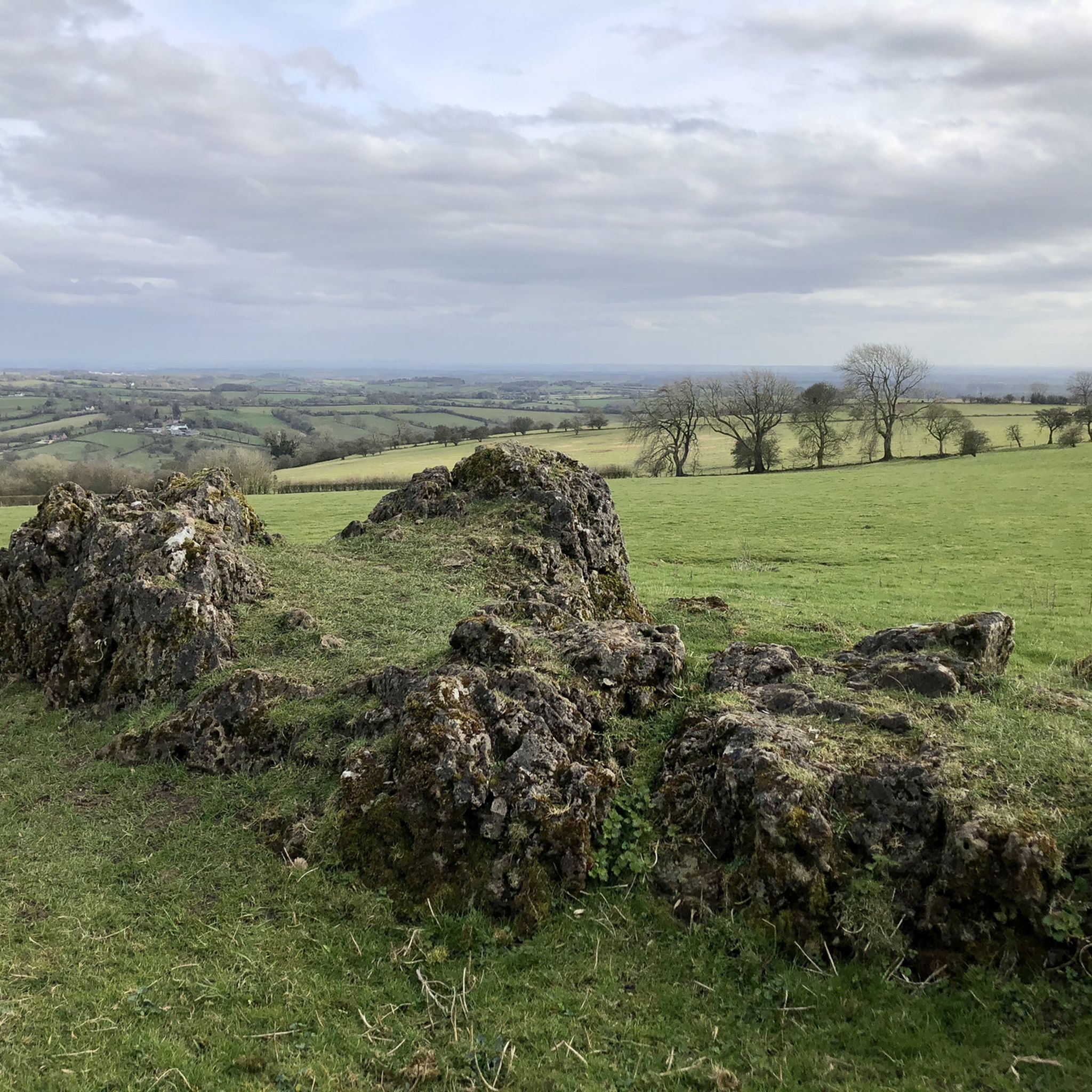
Dove Holes Caves
Highlight • Historical Site
Tip by

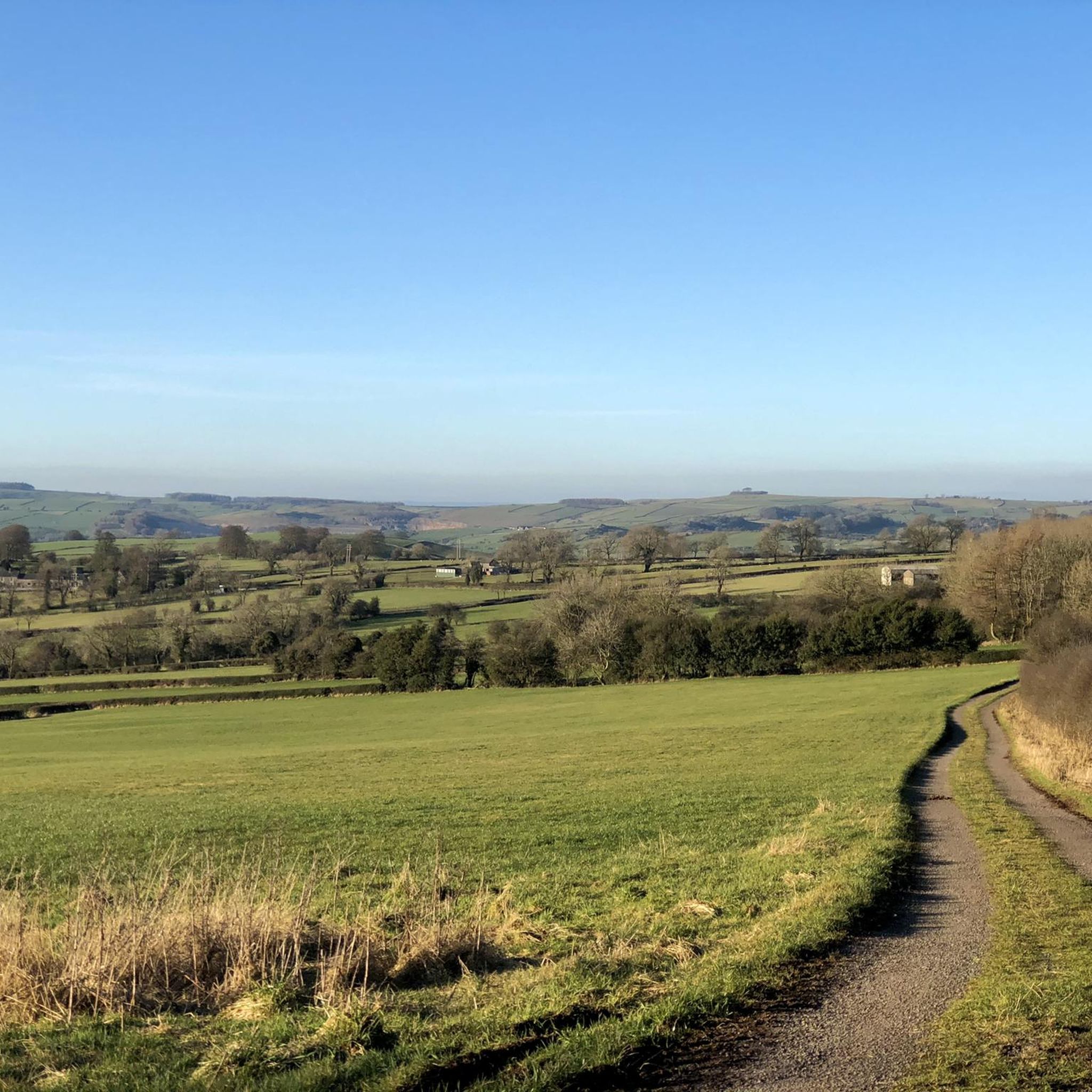
Wolfscote Dale
Highlight • Viewpoint
Tip by
Sign up now to discover places like this
Get recommendations on the best single tracks, peaks, & plenty of other exciting outdoor places.
Reynard’s Cave and Natural Arch
Highlight • Cave
Tip by
Ilam Rock
Highlight • Natural
Tip by

Mill Dale Caves
Highlight • River
Tip by

Sign up for free to discover even more caves around Kniveton.
Already have an account?
Start today with a free account
Your next adventure awaits.

Tips from the Community

Impressive little archway, I didn't but I believe you can walk all the way up and come down a different way
0
0


Wolfscote Dale is apparently the area in which the last wild wolf in England was killed in the 15th Century
1
0

Just along the hiking trails you will find several caves in the stone walls of the mountain. Nice to take a look, although it can be very busy.
0
0

very busy on the first few miles , but great solo after 7 miles
1
0

Whether you love hiking, fancy a peaceful picnic in picturesque surroundings, are visiting by yourself or with your family, there really is something for everyone at Dovedal
0
0
Frequently Asked Questions
What kind of historical significance do the caves around Kniveton hold?
The caves in the Kniveton area, particularly Reynard’s Cave and Dove Holes Caves, are rich in history. Both show evidence of human habitation dating back as far as 13,000 BCE, with Upper Paleolithic hunters using them for shelter. Later, Neolithic farmers used them as tombs. Reynard's Cave is also notable for the discovery of a significant hoard of Late Iron Age and Roman coins.
Are there any family-friendly caves to explore near Kniveton?
Yes, Dove Holes Caves are shallow and easy to access from the main path, making them suitable for casual exploration with families. Additionally, the small, natural caves in Wolfscote Dale, like those near 'Frank i' th' Rocks', are often large enough for children to crawl into, offering an engaging experience for young explorers.
What geological features can I observe in the caves near Kniveton?
The caves around Kniveton showcase fascinating geological formations. Dove Holes Caves were formed approximately 350 million years ago by glacial meltwater. Reynard’s Cave, with its distinctive portal entrance and natural archway, is a result of limestone erosion by acidic rainwater. The entire region is known for its dramatic limestone landscapes.
What outdoor activities can I combine with a visit to the caves?
The area around Kniveton offers various outdoor activities. You can find numerous easy hiking routes, such as those around Carsington Water or from Tissington, which are detailed in the Easy hikes around Kniveton guide. For cycling enthusiasts, there are routes like the Carsington Water family loop, found in the Cycling around Kniveton guide. Running trails, including the Carsington Water circular run, are also available in the Running Trails around Kniveton guide.
Are there any caves near Kniveton that are popular for climbing?
Yes, both Reynard’s Cave and Dove Holes Caves are known to attract rock climbers. Reynard's Cave, with its challenging scramble to reach it, is popular with climbers, and Dove Holes Caves are also a known spot for the activity.
Which caves offer the best views of the surrounding landscape?
Reynard’s Cave, situated high on the bank of Dovedale, rewards visitors with breathtaking panoramic views of the Dovedale valley after a steep climb. In Wolfscote Dale, the small cave known as 'Frank i' th' Rocks' provides a perfect spot to sit and admire wonderful views of the dale and the River Dove.
What should I wear or bring when visiting the caves around Kniveton?
When visiting caves like Reynard’s Cave, sturdy footwear is essential, especially as the rocks can be slippery, particularly on wet days. For general exploration, comfortable clothing suitable for walking and potentially scrambling is recommended. A headlamp or flashlight can also be useful for exploring deeper sections of some caves.
Are there any quieter, less crowded cave exploration options near Kniveton?
For a more serene experience, consider exploring the caves in Wolfscote Dale. This idyllic limestone dale is generally quieter and less crowded than Dovedale, making its small, natural caves perfect for those seeking peace and natural beauty away from the main tourist paths.
Can I find caves along popular walking routes like the Milldale to Dovedale walk?
Yes, Mill Dale Caves are located along the Dovedale valley and are often encountered as part of the popular Milldale to Dovedale walk. These caves offer additional points of interest along a beautiful riverside route and provide opportunities for general exploration and cooling off.
What makes Reynard's Cave a significant archaeological site?
Reynard’s Cave is nationally important due to its rich history of human occupation and significant archaeological discoveries. In 2014, a rare hoard of Late Iron Age and Roman coins, including Roman coins predating the Roman invasion of Britain, was found there, highlighting its ancient past.
Is it possible to access the caves freely, or do I need a permit?
The caves mentioned, such as Reynard’s Cave and Dove Holes Caves, are generally freely accessible to the public for exploration. There is no mention of requiring permits for casual visits to these specific natural caves.
What is the best time of year to visit the caves around Kniveton?
The Peak District, including the areas around Kniveton, is beautiful year-round. However, for exploring caves and trails, spring and autumn often offer pleasant weather with fewer crowds than peak summer. During winter, trails can be muddy and rocks slippery, so extra caution and appropriate footwear are advised.
Most popular attractions around Kniveton

Get inspired with the komoot mobile app


Explore more
Extend your search for the best caves by checking out these guides of the top ones around Kniveton:
