The best cycling routes around Weiler bei Bingen
4.5
(8966)
44,210
riders
660
rides
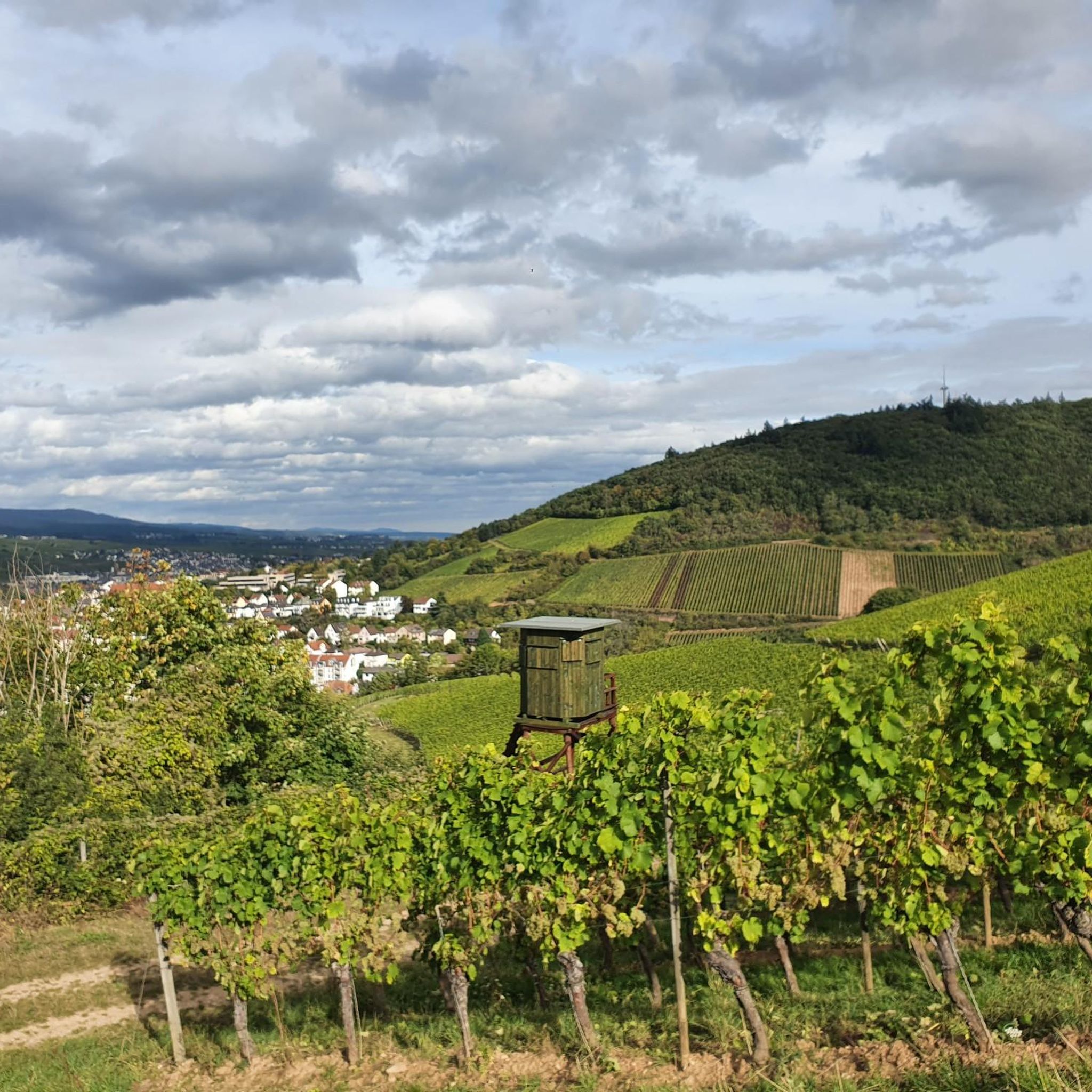
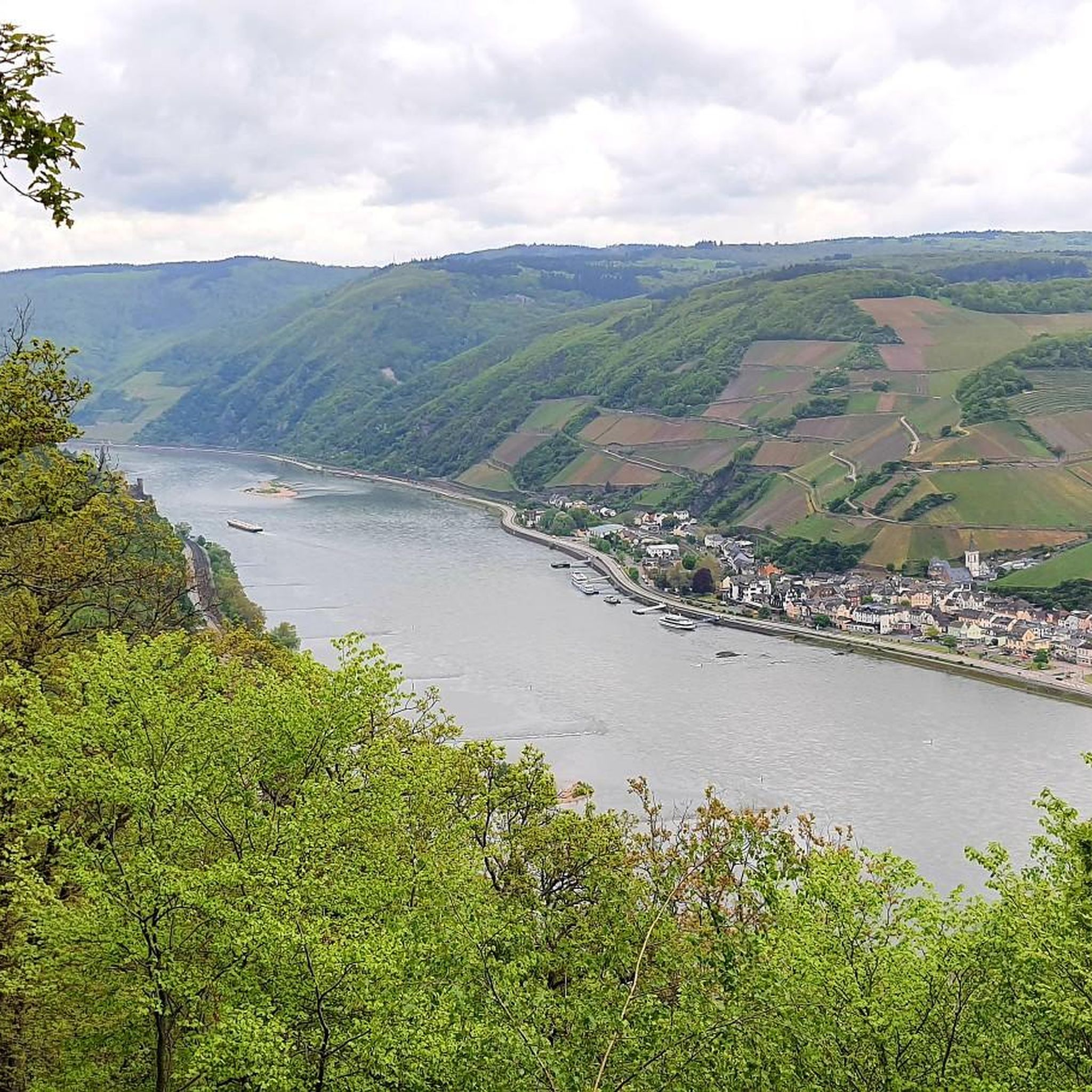
Touring cycling routes around Weiler bei Bingen are set within the UNESCO World Heritage Upper Middle Rhine Valley, characterized by the confluence of the Nahe and Rhine rivers. The terrain includes gentle hills, extensive vineyards, and dense woodlands such as the Bingen Forest and parts of the Hunsrück. This area offers a mix of flat riverside paths and more undulating routes through forests and agricultural lands.
Best touring cycling routes around Weiler bei Bingen
- The most popular touring cycling route…
Last updated: October 18, 2026
4.5
(94)
345
riders
39.8km
02:27
210m
210m
Moderate bike ride. Good fitness required. Some segments of this route may be unpaved and difficult to ride.
162km
10:14
1,250m
1,240m
Hard bike ride. Very good fitness required. You may need to push your bike for some segments of this route.

4.2
(25)
185
riders
Easy bike ride. Great for any fitness level. Mostly paved surfaces. Suitable for all skill levels.
4.6
(19)
176
riders
Easy bike ride. Great for any fitness level. Mostly paved surfaces. Suitable for all skill levels.
4.5
(23)
87
riders
Hard bike ride. Very good fitness required. Mostly paved surfaces. Suitable for all skill levels.
Get access to more routes and recommendations from other explorers.
Already have an account?
Our route recommendations are based on thousands of hikes, rides, and runs completed by other people on komoot.
Start today with a free account
Your next adventure awaits.
Popular around Weiler bei Bingen
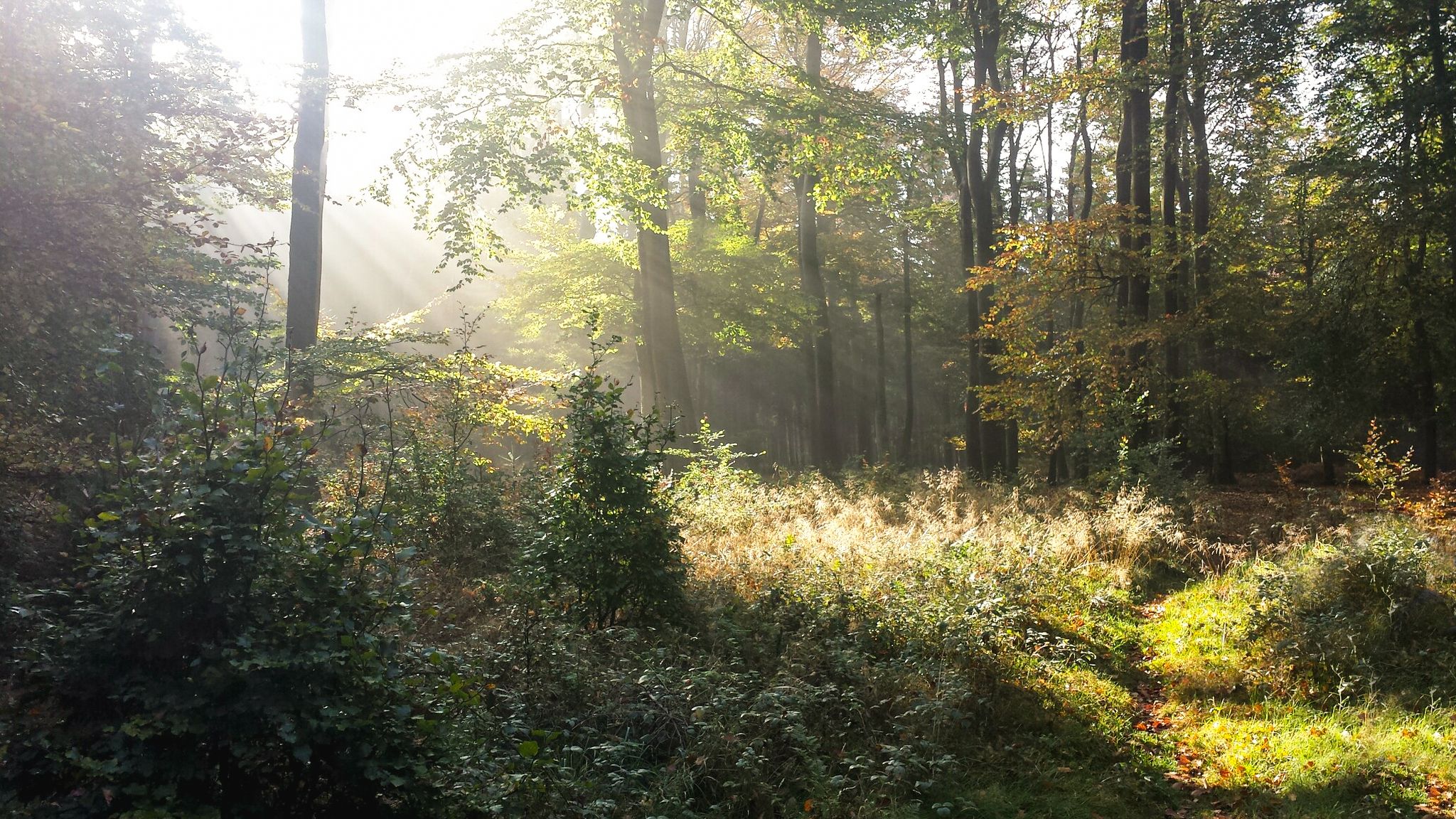
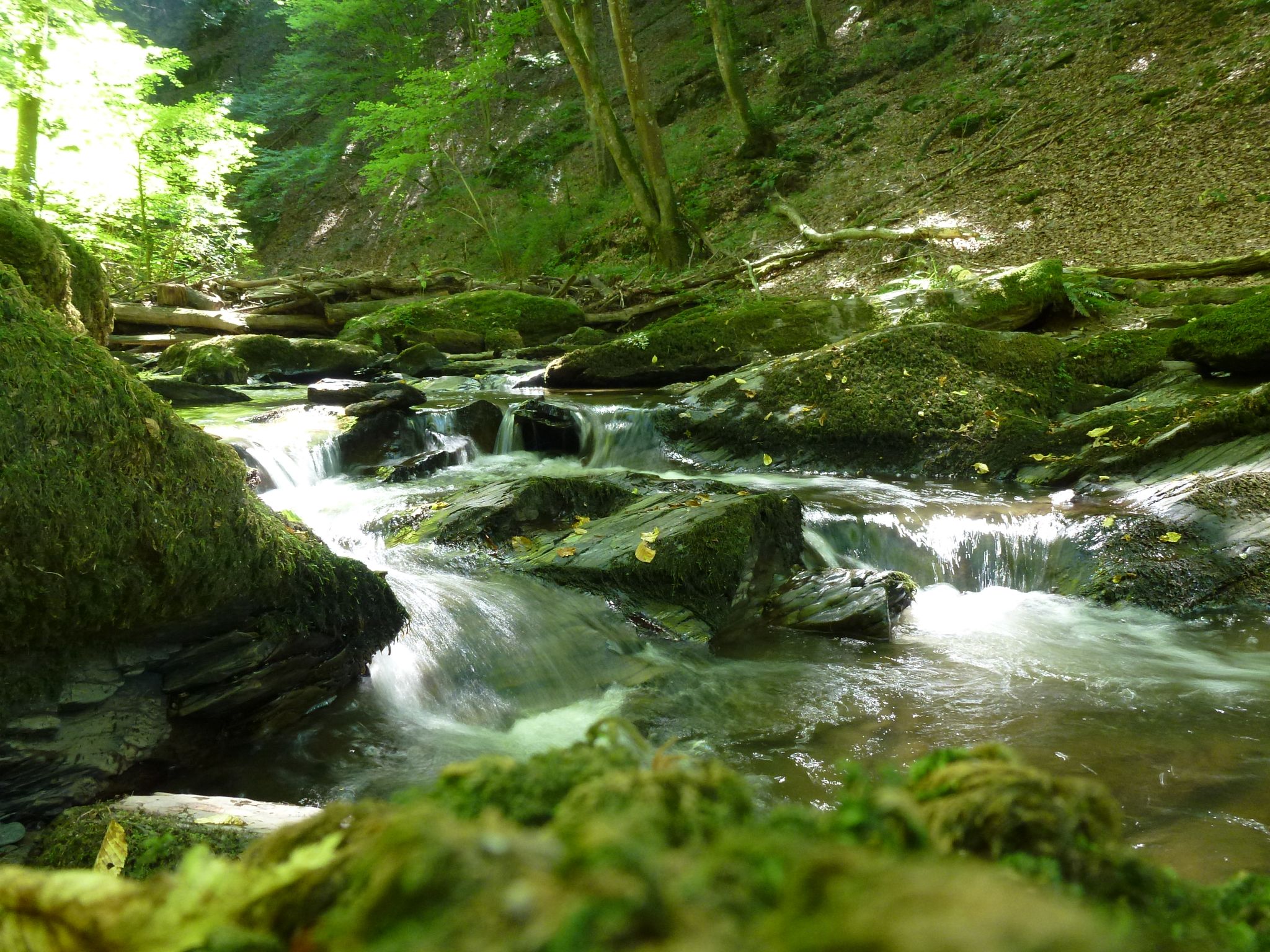
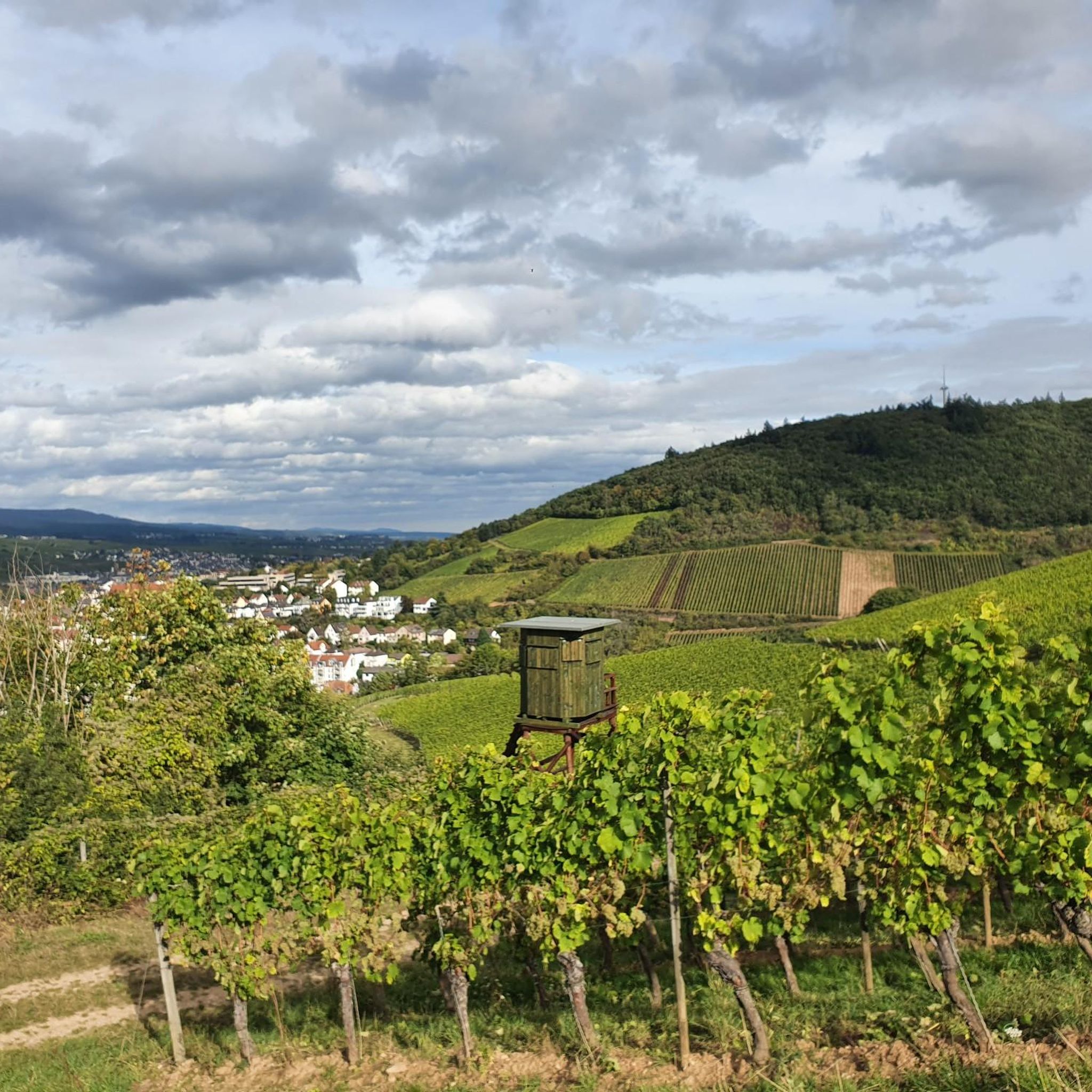
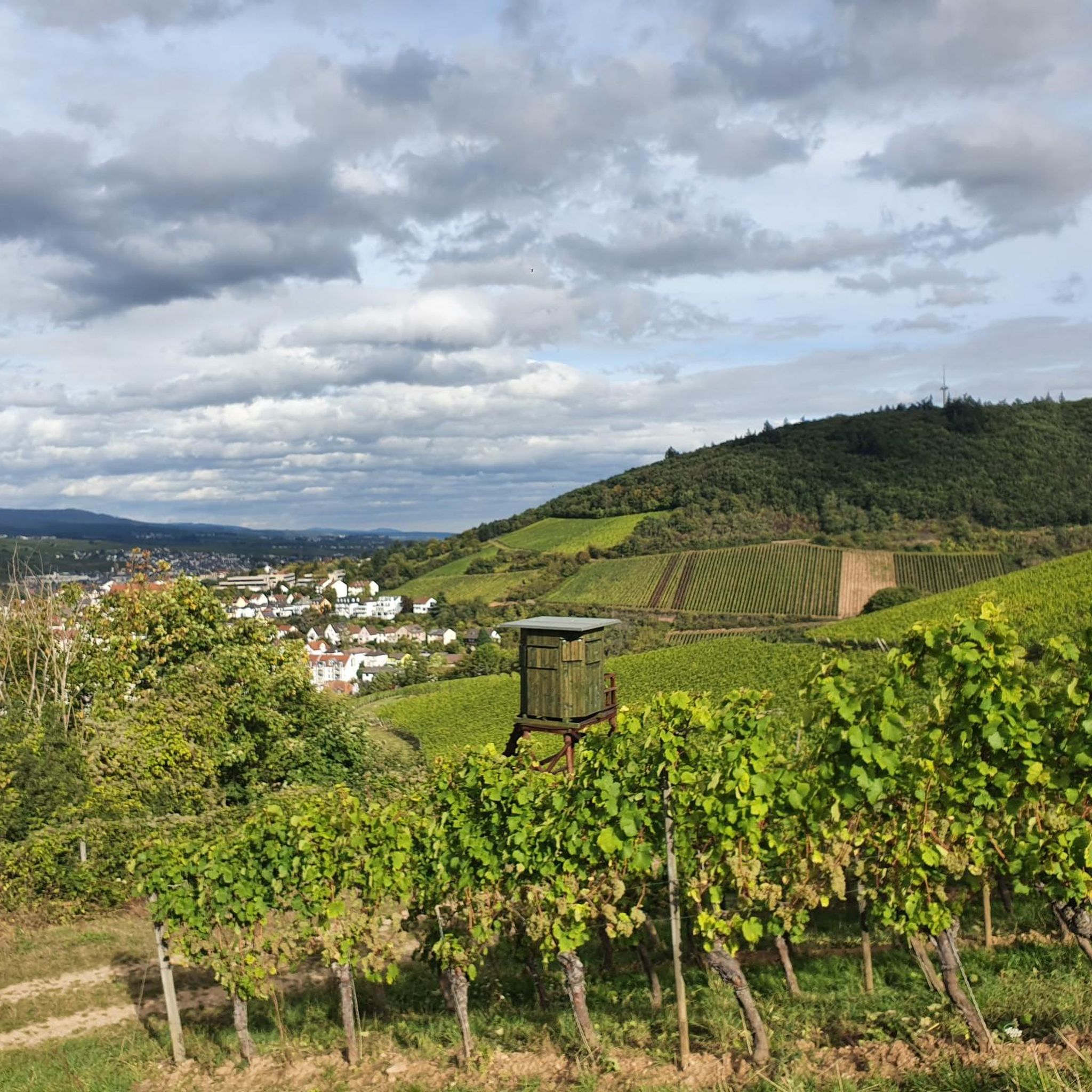
Other adventures around Weiler bei Bingen

Tips from the Community

burg soneck seen from the bike path
0
0

Very nice to look at 👍
0
0


Very nice historical highlight
0
0

The Hindenburgbrücke was an important railway bridge over the Rhine, connecting Rüdesheim am Rhein with Bingen am Rhein (Kempten district). It was built between 1913 and 1915 and solemnly opened in August 1915 during World War I. With a total length of over a kilometer, it was an imposing technical structure that primarily served to close the strategically important railway connection between the Ruhr area and the Saarland and to relieve the Rhine routes. The structure was designed for double tracks and featured combined steel and stone arch constructions. A distinctive feature were the widely visible, castle-like bridge towers at the ends, which were architecturally adapted to the castles of the region. During World War II, the bridge became a strategic target and was finally blown up by German troops in March 1945 to stop the advance of the US Army; additional air raids almost completely destroyed the remaining parts. After the war, the Hindenburgbrücke – unlike many other bridges – was not rebuilt, as transport routes had changed and the priority lay with other Rhine crossings. Today, only the striking stone approach bridges and the bridge towers remain as "silent witnesses" on the Rhine bank and on the island of Rüdesheimer Aue. These ruins are listed as historical monuments and are part of the UNESCO World Heritage Upper Middle Rhine Valley, with the remaining piers in the shipping channel being blown up in the 1960s for navigational safety reasons.
7
0
Here in this position, the Nahe flows into the Rhine
7
1
Very nicely done, absolutely recommended
1
0
Frequently Asked Questions
How many touring cycling routes are available around Weiler bei Bingen?
Weiler bei Bingen offers a selection of 11 touring cycling routes. These include 3 easy routes, 6 moderate routes, and 2 more challenging options, catering to various skill levels.
Are there any family-friendly touring cycling routes in the area?
Yes, the region is well-suited for family cycling. The Wald-Ernisch Farmstead – Evangelical Church Genheim loop from Weiler bei Bingen is an easy 8.4-mile (13.5 km) route. Additionally, sections of the Rhine Cycle Route are generally flat and ideal for leisurely family outings. The Large wine press loop from Bingen is another easy option, covering 5.2 miles (8.4 km).
What kind of terrain can I expect on touring cycling routes near Weiler bei Bingen?
The terrain around Weiler bei Bingen is diverse. You'll find flat riverside paths along the Rhine and Nahe rivers, undulating routes through extensive vineyards, and more challenging climbs and descents through the Bingen Forest and parts of the Hunsrück. The UNESCO World Heritage Upper Middle Rhine Valley provides a scenic backdrop with gentle hills and dramatic river gorges.
What are some notable landmarks or natural features to see along the cycling routes?
The region is rich in sights. You can explore the enchanting Steckeschlääferklamm — Tree Spirits (Baumgeister) Trail, known for its carved wooden figures. Other highlights include the imposing Niederwalddenkmal with its expansive views, the historic Rossel Ruins, and the adventurous Kreuzbach Gorge and its suspension bridge. The entire area is also famous for its picturesque vineyards.
Are there any circular touring cycling routes available?
Yes, many routes are designed as loops. For instance, the View of the Niederwalddenkmal – View of Burg Reichenstein loop from Weiler bei Bingen offers a moderate 14.5-mile (23.3 km) circular journey with stunning views. The Wald-Ernisch Farmstead – Stromberg Town Square loop from Weiler bei Bingen is another moderate option, spanning 21.3 miles (34.2 km).
What is the best time of year for touring cycling in Weiler bei Bingen?
The spring and autumn months are generally ideal for touring cycling in Weiler bei Bingen. During these seasons, the weather is typically mild, and the landscapes are particularly beautiful, with blooming orchards in spring and vibrant foliage in autumn. Summer can also be pleasant, but it's advisable to start earlier in the day to avoid the midday heat.
What do other touring cyclists enjoy most about the routes in Weiler bei Bingen?
The touring cycling routes in Weiler bei Bingen are highly rated by the komoot community, with an average score of 4.6 stars from over 6,900 reviews. Cyclists frequently praise the scenic river valleys, the abundance of historic castles, and the charming vineyard-covered hills. The well-maintained paths and diverse options for different ability levels are also often highlighted.
Are there any routes that pass by waterfalls or gorges?
Yes, the region features the enchanting Steckeschlääferklamm — Tree Spirits (Baumgeister) Trail, which is a gorge known for its unique carved wooden figures. While not a large waterfall, the Morgenbachtal Gorge and Waterfalls is another natural feature in the vicinity that offers a picturesque experience.
Can I reach the cycling routes using public transport?
Weiler bei Bingen is well-connected, and Bingen am Rhein, a major hub, has a train station. Many riverside cycle paths, such as the Rhine Cycle Route, are easily accessible from towns with public transport links. It's advisable to check local bus and train schedules for specific access points to your chosen route.
Where can I find parking for my car when starting a touring cycling route?
Parking is generally available in and around Weiler bei Bingen and nearby towns like Bingen. Look for designated parking areas near trailheads or in town centers. Many routes, especially those starting from populated areas, will have convenient parking options.
Are there any less crowded touring cycling routes in the area?
While popular routes like the Rhine Cycle Route can see more traffic, exploring paths through the Bingen Forest or the Nahe Cycle Path, particularly away from major towns, can offer a more tranquil experience. Routes like the Wald-Ernisch Farmstead – Evangelical Church Genheim loop from Weiler bei Bingen might provide a quieter ride through varied countryside.
What are the typical distances for touring cycling routes around Weiler bei Bingen?
The routes vary in length to suit different preferences. You can find shorter, easy routes like the Large wine press loop from Bingen at 5.2 miles (8.4 km), up to longer moderate and difficult routes such as the Steckeschlääfer Gorge – Wald-Ernisch Farmstead loop from Weiler bei Bingen, which is 15.5 miles (24.9 km).
Most popular routes around Weiler bei Bingen
Most popular attractions around Weiler bei Bingen

Get inspired with the komoot mobile app


Explore more
Browse the best Cycling routes in other regions.
