Top 6 Caves around Clifton And Compton
Best caves around Clifton And Compton offer diverse subterranean experiences within a landscape shaped by geological processes. The region features limestone formations, river gorges, and historical sites. These natural features provide opportunities for exploration and offer insights into both geological history and past human activity.
Best caves around Clifton And Compton
- The most popular caves is Dove Holes Caves, a historical site that consists of three impressive caves beside the River Dove. They were formed by glacial meltwater and…
Last updated: July 1, 2026
Dove Holes Caves
Highlight • Historical Site
Tip by

Reynard’s Cave and Natural Arch
Highlight • Cave
Tip by
Sign up now to discover places like this
Get recommendations on the best single tracks, peaks, & plenty of other exciting outdoor places.
Sign up for free
Ilam Rock
Highlight • Natural
Tip by

Mill Dale Caves
Highlight • River
Tip by

Wolfscote Dale and Iron Tors Riverside Walk
Highlight (Segment) • River
Tip by
Sign up for free to discover even more caves around Clifton And Compton.
Sign up for free
Already have an account?
Start today with a free account
Your next adventure awaits.
Login or Signup
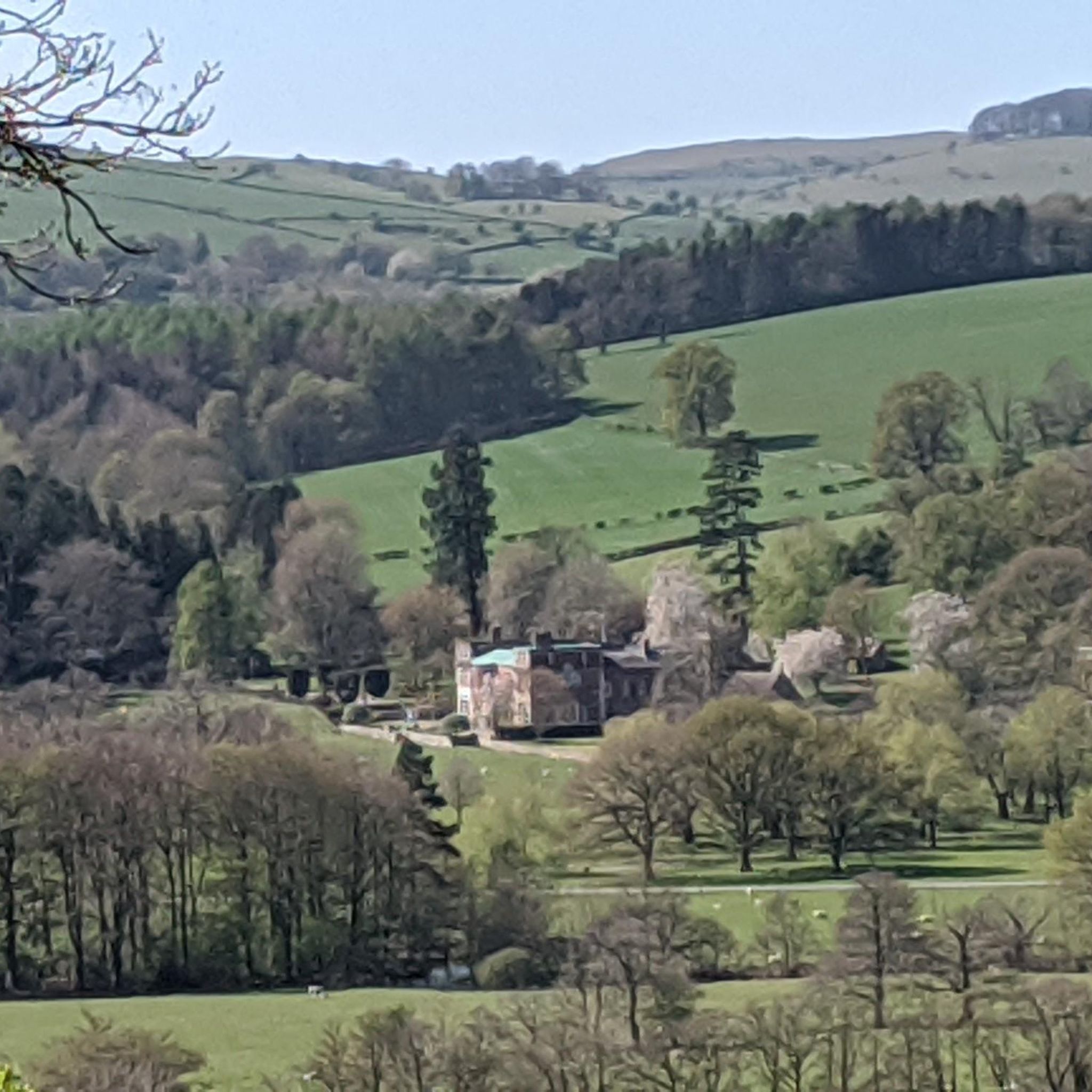
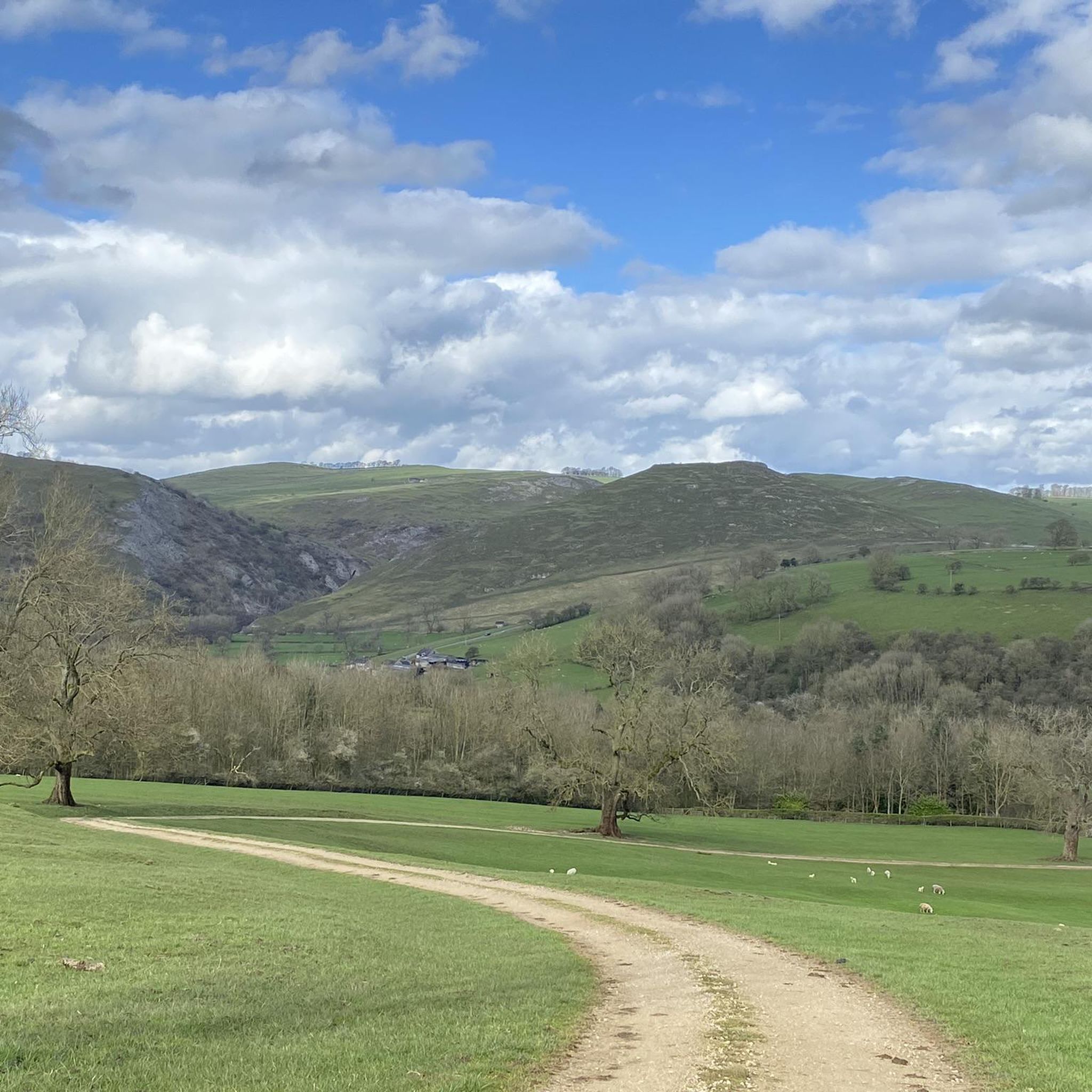
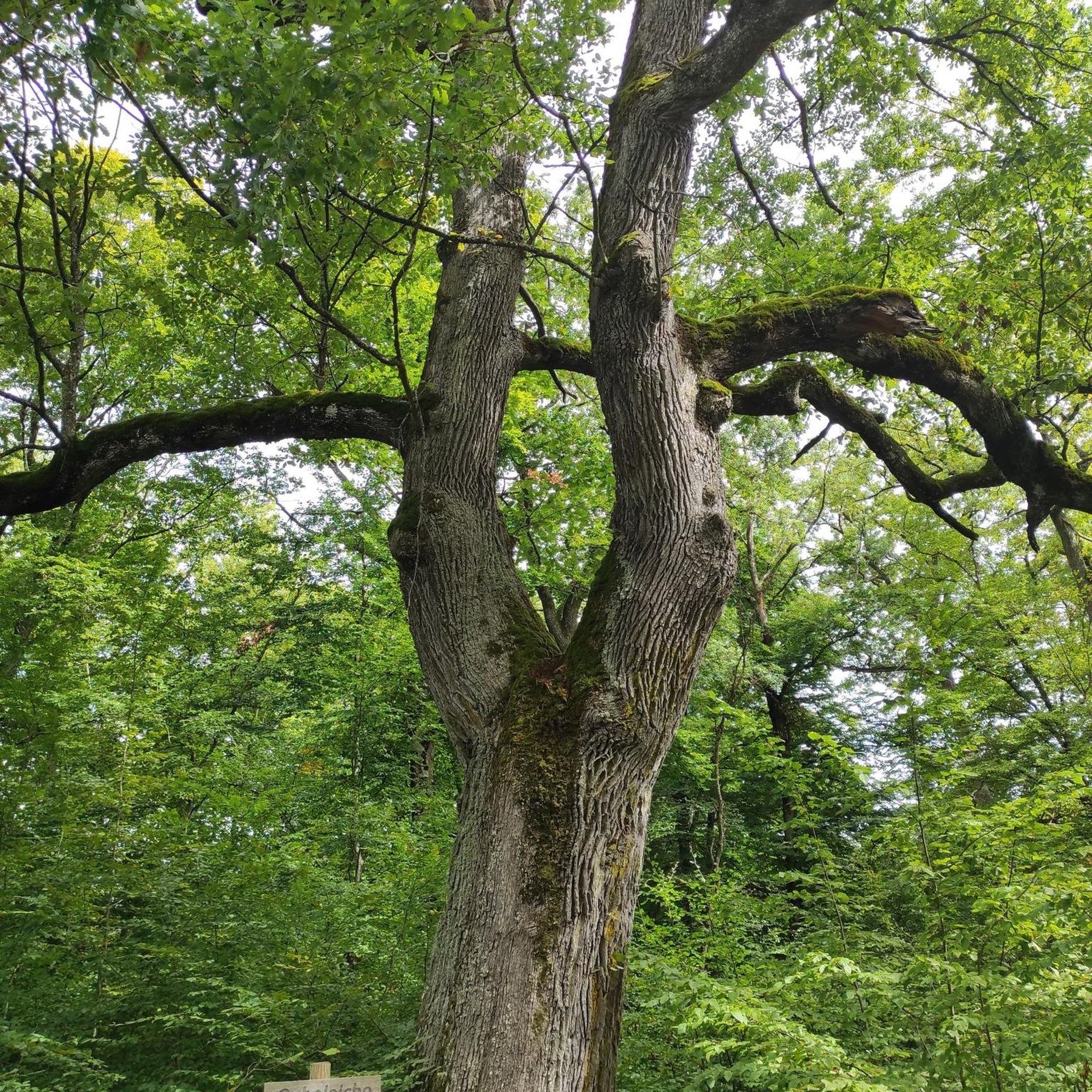
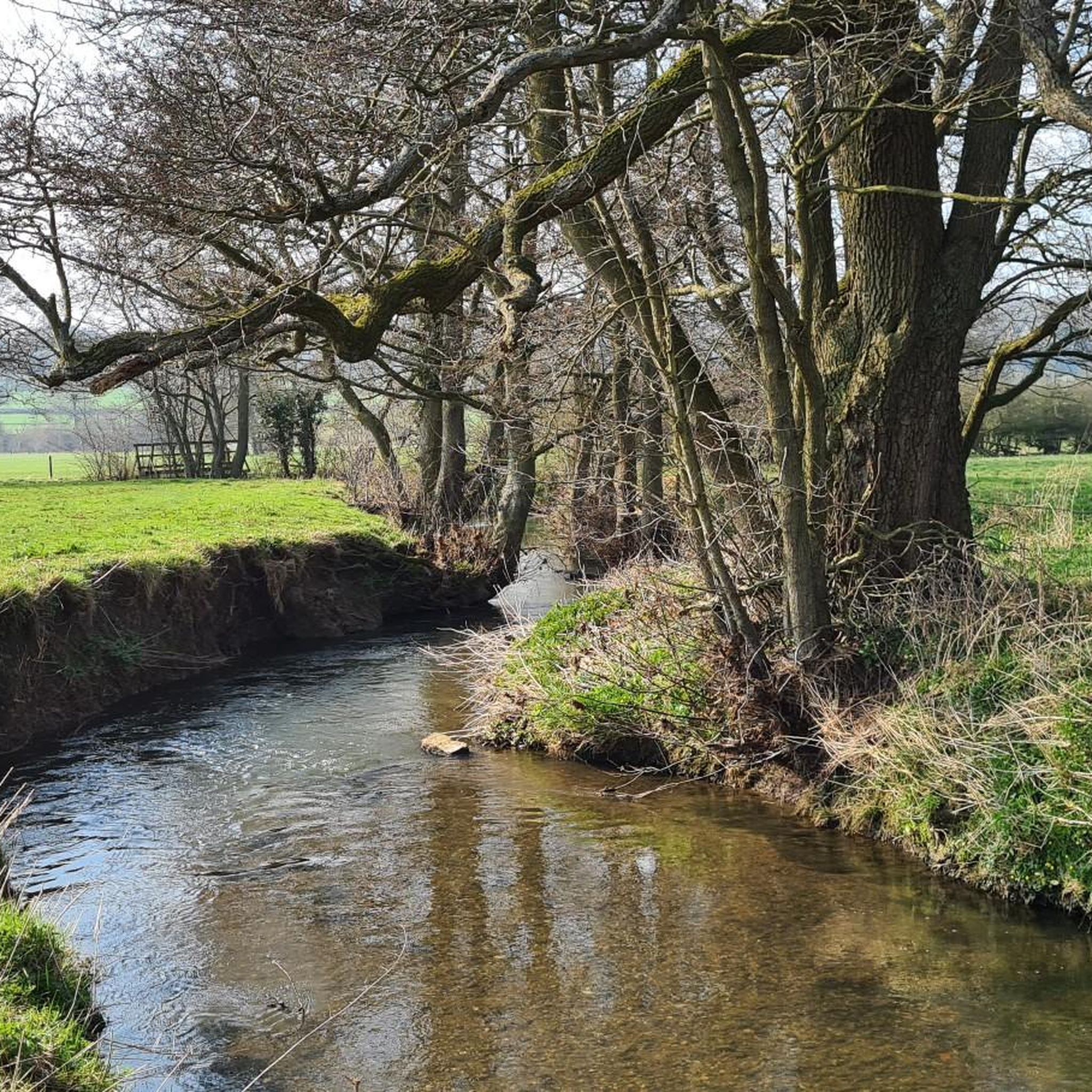
Tips from the Community

Impressive little archway, I didn't but I believe you can walk all the way up and come down a different way
0
0


Just along the hiking trails you will find several caves in the stone walls of the mountain. Nice to take a look, although it can be very busy.
0
0

very busy on the first few miles , but great solo after 7 miles
1
0

Whether you love hiking, fancy a peaceful picnic in picturesque surroundings, are visiting by yourself or with your family, there really is something for everyone at Dovedal
0
0

Frequently Asked Questions
What are the most popular caves to visit in the Clifton And Compton region?
The region offers several highly-rated caves. Dove Holes Caves are a historical site formed by glacial meltwater, used by humans since 13,000 BC. Another favorite is Reynard’s Cave and Natural Arch, known for its limestone erosion formations and historical use as a shelter. Visitors also appreciate Ilam Rock, a natural monument with a nearby cave, showcasing distinctive rock formations.
Are there family-friendly caves or easy-to-access caves in the area?
Yes, Mill Dale Caves are noted as family-friendly and are located along hiking trails, offering an interesting place to explore. Dove Holes Caves are also shallow and easy to access from the path, though care should be taken as rocks can be slippery.
What kind of historical significance do the caves in Clifton And Compton hold?
Many caves in the region have significant historical importance. Dove Holes Caves, for instance, show evidence of human habitation dating back to 13,000 BC by Upper Paleolithic hunters and later by Neolithic farmers around 4,500 years ago. Reynard’s Cave was also historically used as a shelter by hunters.
What natural features can I expect to see around the caves?
The caves are often set within stunning natural landscapes. You'll find impressive rock formations, such as the 25-meter-high column of Ilam Rock. Many caves, like Dove Holes Caves, are located beside the River Dove, showcasing formations created by glacial meltwater and river erosion. The area also features gorges and valleys with diverse flora.
Are there hiking or running trails near the caves?
Absolutely. The caves are often integrated into scenic routes. For running, you can find trails like the Dovedale Trail or the Manifold Tea Room loop. For general hiking, areas like Wolfscote Dale and Iron Tors Riverside Walk offer picturesque sections with caves, weirs, and stepping stones. You can explore more options on the Running Trails around Clifton And Compton guide.
What do visitors enjoy most about the caves in this region?
Visitors frequently highlight the impressive natural formations and the historical significance. Many enjoy the fun of climbing into caves like Dove Holes, exploring the unique erosion features of Reynard's Cave, and discovering the scenic beauty of areas like Wolfscote Dale. The opportunity to combine cave exploration with riverside walks and stunning viewpoints is also highly valued.
Can I go cycling near the caves in Clifton And Compton?
Yes, the wider Clifton And Compton area offers various cycling opportunities. Routes like the Tissington Trail are popular for touring bicycles, and there are also road cycling routes available, such as the Hambury Hill & the River Dove loop. For more details, check the Cycling around Clifton And Compton and Road Cycling Routes around Clifton And Compton guides.
What should I be aware of when visiting the caves?
When exploring caves, especially after rain, be aware that rocks can be very slippery. This is particularly noted for Dove Holes Caves and Reynard’s Cave. Always wear appropriate footwear and exercise caution. Some areas might be busy, especially on popular trails leading to the caves.
Are there any caves that offer unique geological insights?
Yes, Dove Holes Caves were formed by glacial meltwater around 350 million years ago, offering a direct look into the region's ancient geological processes. The limestone erosion that created Reynard’s Cave and Natural Arch also provides a clear example of how natural forces shape the landscape over millennia.
Are there any caves that are particularly challenging to access?
While many caves are accessible, some, like Reynard’s Cave, are located high up on the bank and can be challenging to reach, especially when rocks are wet and slippery. Always assess your comfort level and preparedness for such climbs.
Most popular routes around Clifton And Compton
Most popular attractions around Clifton And Compton

Get inspired with the komoot mobile app


Explore more
Extend your search for the best caves by checking out these guides of the top ones around Clifton And Compton:
