Top 18 Gorges around Sheldon
Best canyons around Sheldon are found within a rugged landscape characterized by deep and winding geological formations, including narrow gorges, limestone valleys, and cave systems. This region features a varied topography, showcasing the area's volcanic terrain and the effects of erosion. Elevations within the canyons range significantly, supporting a rich array of flora and fauna. The area offers a variety of canyons to see and explore, from those with unique geological features to those supporting diverse ecosystems.
Best canyons around…
Last updated: October 17, 2026
Headstone Viaduct, Monsal Dale
Highlight • Viewpoint
Tip by

Chee Dale Stepping Stones
Highlight • Structure
Tip by

Sign up now to discover places like this
Get recommendations on the best single tracks, peaks, & plenty of other exciting outdoor places.
Chee Dale: Stepping Stones and Cliffs
Highlight • Trail
Tip by

Lathkill Head Cave
Highlight • River
Tip by

Monk's Dale
Highlight (Segment) • Natural
Tip by
Sign up for free to discover even more gorges around Sheldon.
Already have an account?
Start today with a free account
Your next adventure awaits.
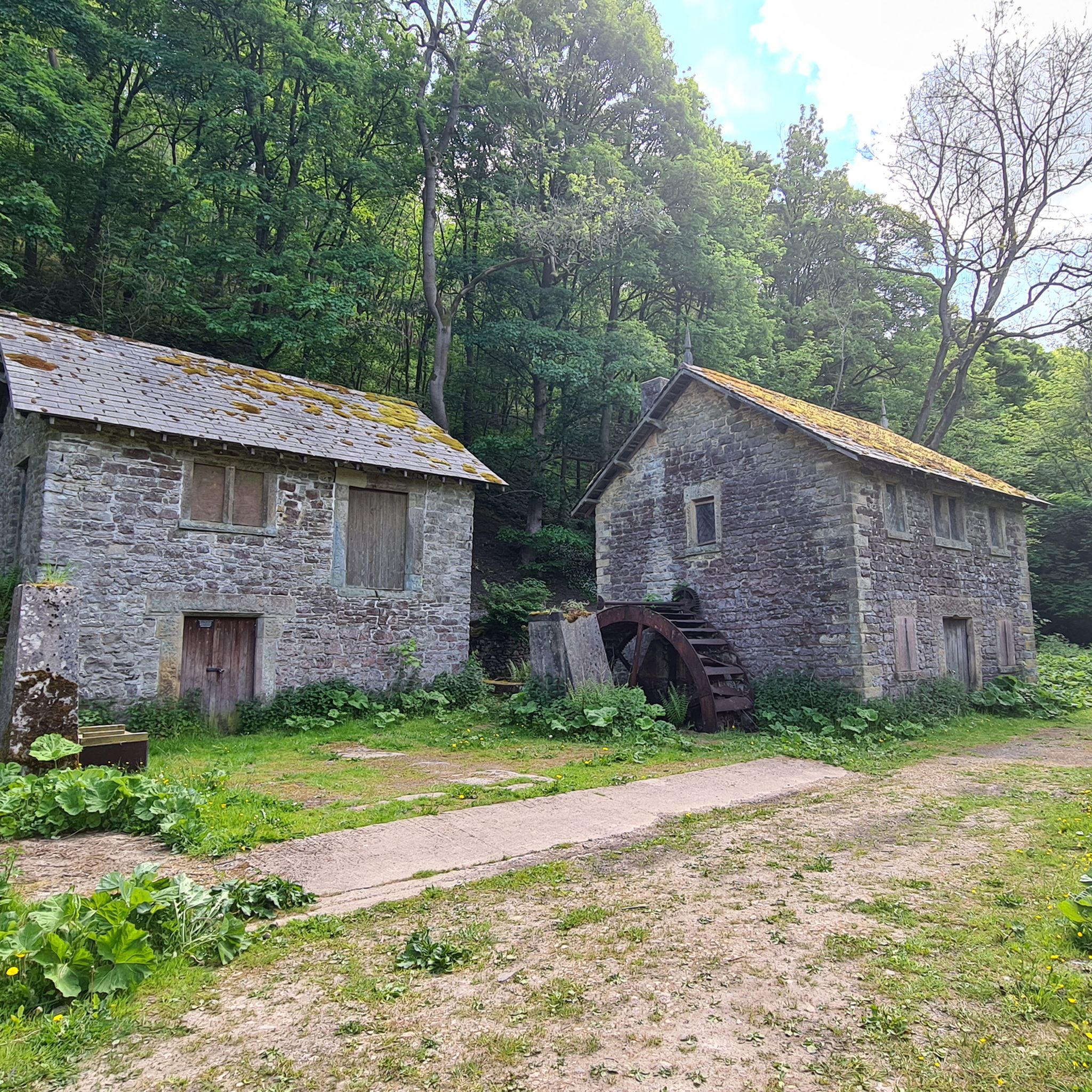
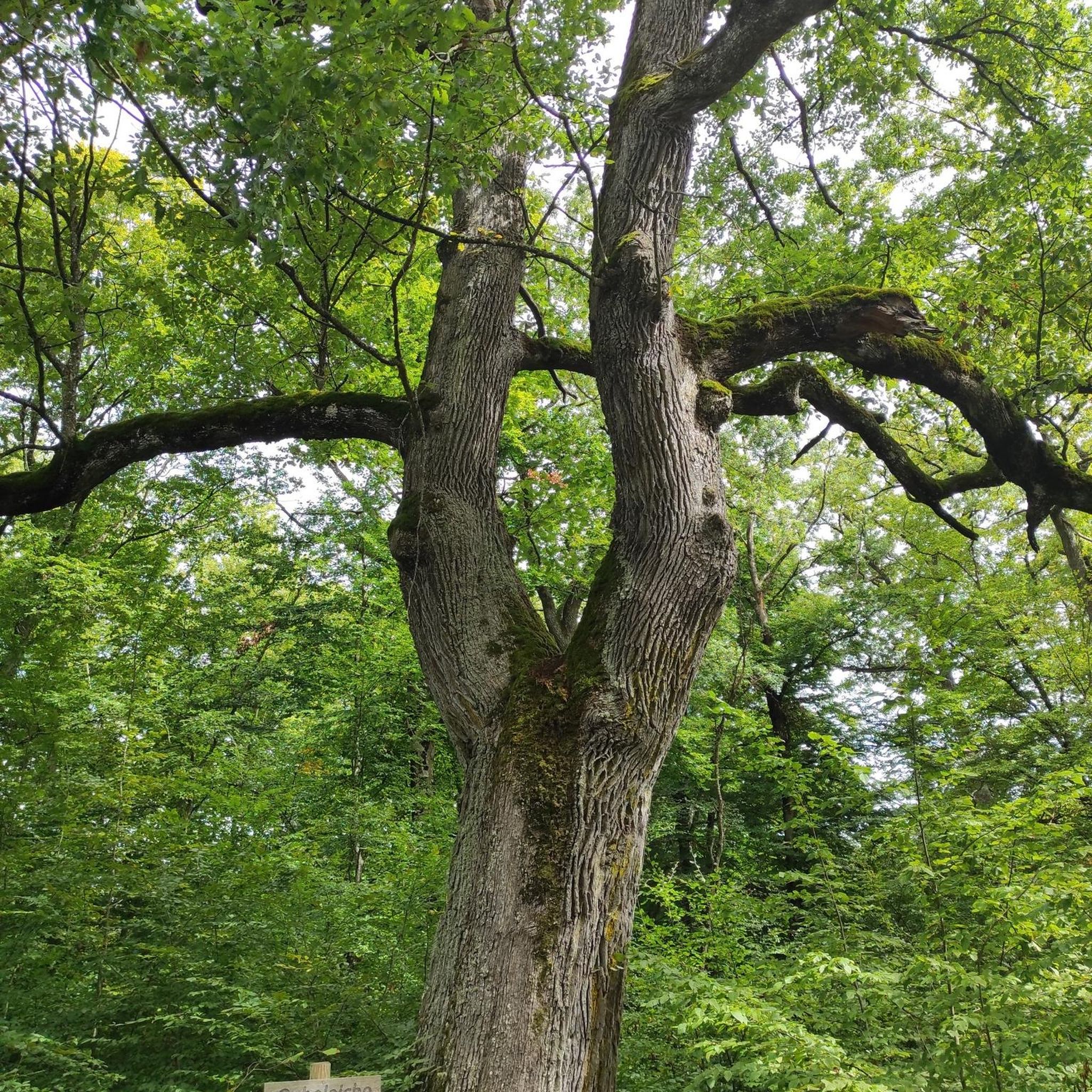
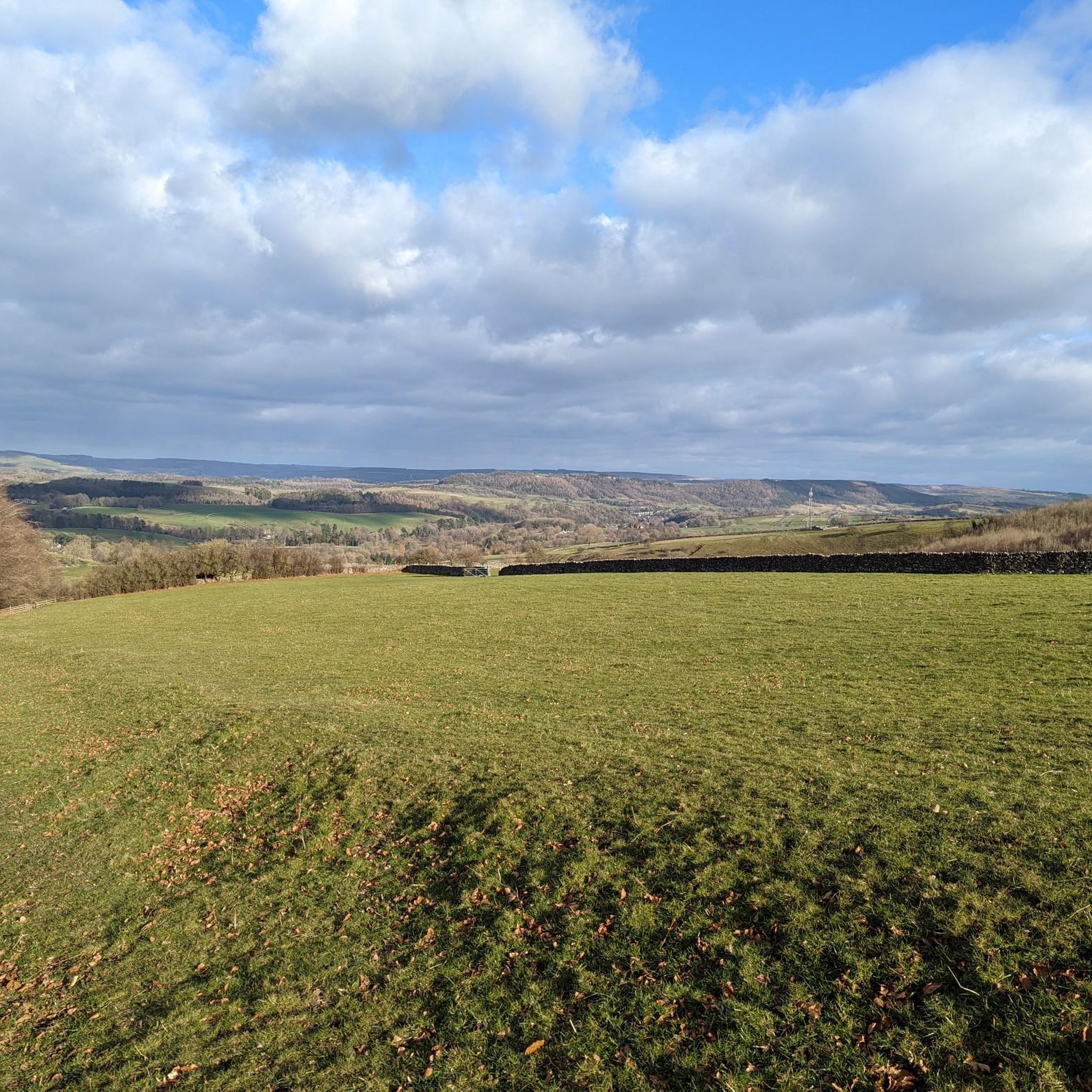
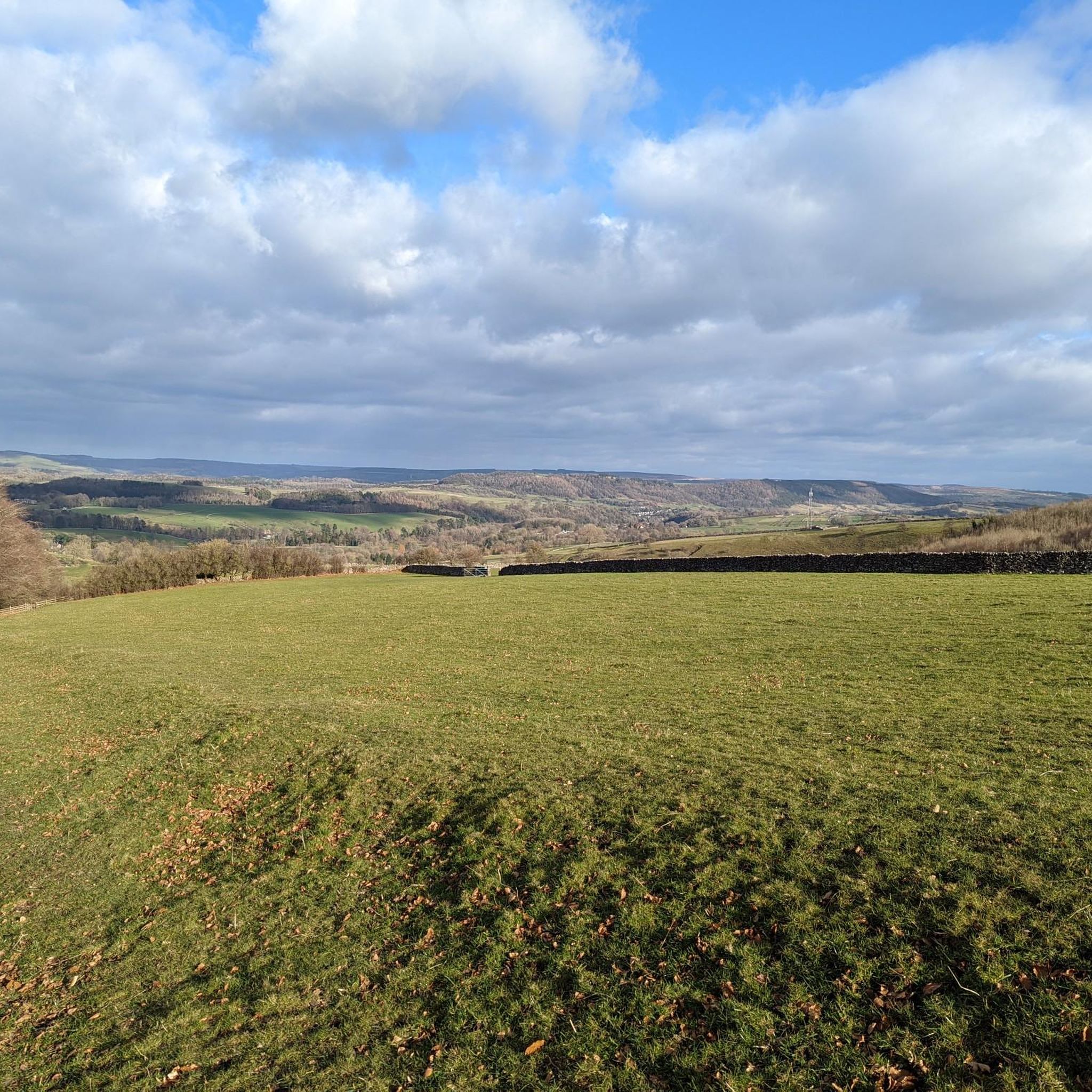
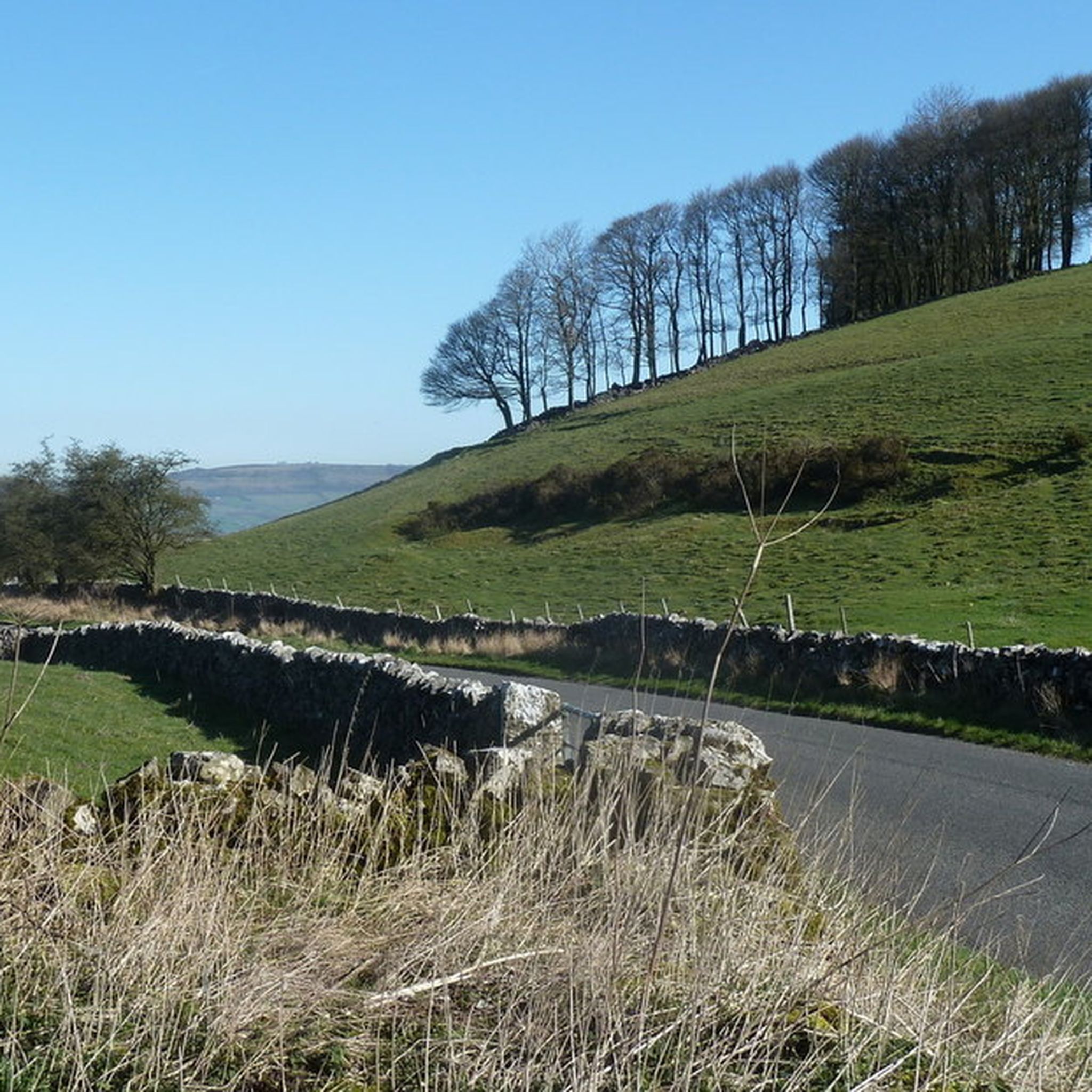
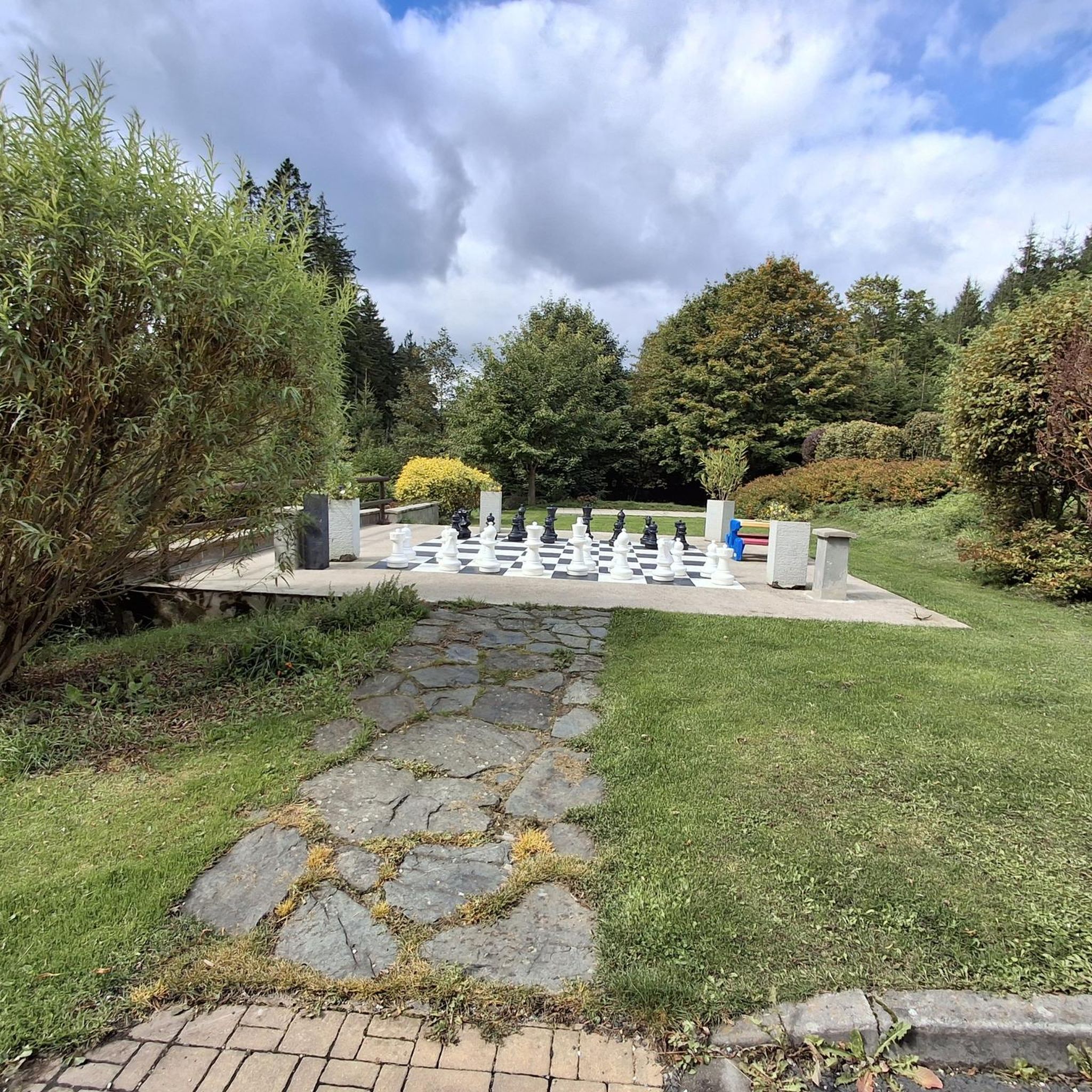
Tips from the Community


Rocky in parts so be sure to take hand wipes
0
0

deffo the slowest part of a route ankle braking rocks all the way up you definitely need poles for help looks in winter would be even wetter and slippy but worth it for the peace and views
1
0


Challenging, narrow, rough and gnarly hike over slippery limestone rocks & stones and through patches of scratchy hawthorns. Like horizontal mountaineering, this section of Monk's Dale is the wild sibling of the other Limestone Dales in the area
4
0

Don’t be fooled by the photo. The next mile and a half through the Dale is very challenging, rocky and with a number of fallen trees to negotiate.
3
0

Frequently Asked Questions
What kind of natural features can I expect to see in the canyons around Sheldon?
The canyons around Sheldon are characterized by a rugged, high desert landscape with deep and winding geological formations. You'll find varied topography, from high basalt tablelands to vast sagebrush valleys. Specific features include narrow gorges, limestone valleys, and cave systems. For example, Lathkill Head Cave is a notable cavern within the limestone of Lathkill Dale, where a stream can gush forth in wet weather to form the River Lathkill.
Are there any historical or cultural sites within the canyons?
Yes, some canyons offer historical interest. For instance, Thirst House Cave in Deep Dale is a site where Roman-era artifacts, including bronze jewelry, pottery fragments, and coins, along with a bear's skull, were discovered during 19th-century excavations. It was also historically known as 'Hob Hurst House' and believed to be home to a goblin.
What outdoor activities can I do near the canyons around Sheldon?
Beyond exploring the canyons themselves, the region offers a variety of outdoor activities. You can find numerous hiking trails, including routes like 'Monsal Head & Deep Dale loop from Ashford in the Water'. For mountain biking enthusiasts, there are MTB trails such as the 'Monsal and Black Harry Trails Loop'. Additionally, there are mountain hikes available, like the 'Chrome Hill – View of Parkhouse Hill loop'.
What is the best time to visit the canyons around Sheldon?
While the canyons can be enjoyed in any season, the region's diverse flora and fauna are particularly vibrant in spring. For example, Monk's Dale bursts into a riot of color as wildflowers blossom in spring, and you'll hear a chorus of birdsong in April and May. However, be prepared for potentially slippery footing in wet conditions, especially on trails like those in Chee Dale.
Are there any family-friendly options for exploring the canyons?
While specific 'family-friendly' categories aren't listed for all highlights, some areas offer unique and engaging experiences. The stepping stones at Chee Dale: Stepping Stones and Cliffs can add a fun element to a walk, though checking water levels is advised. Always consider the terrain and potential for slippery sections, especially with younger visitors.
What should I wear for a canyon hike in Sheldon?
Given the rugged and sometimes challenging terrain, wearing proper walking boots is highly recommended. Areas like Monk's Dale can be rocky and tough underfoot. If you plan to traverse stepping stones, such as those at Chee Dale Stepping Stones, be prepared for potentially wet feet, especially if water levels are high.
What kind of wildlife can I see in the canyons?
The diverse habitats within and around the canyons support a wide range of wildlife. You might spot pronghorn antelope, California bighorn sheep (which inhabit rocky tablelands and canyons), mule deer, and sage grouse. The area is also home to a variety of migratory birds and reptiles. The solitude of the canyons offers excellent opportunities for wildlife observation.
What do visitors enjoy most about the canyons around Sheldon?
Visitors appreciate the profound sense of solitude and the true wilderness experience offered by hiking through the deep canyons. The dramatic geological formations, such as the sheer rock walls of gorges and the unique limestone features, are a significant draw. The mix of terrain, from moss-covered rocks to vibrant wildflower meadows, also contributes to an enjoyable and atmospheric experience.
Are there any specific challenges or tips for visiting the canyons?
Yes, several tips can enhance your visit. For areas with stepping stones like Chee Dale Stepping Stones, always check water levels beforehand, as high water can make them impassable. Be aware that trails can be slippery, especially after rain, so wear appropriate footwear. Some sections, like parts of Monk's Dale, are rocky and require careful footing.
Can I go rock climbing in the canyons?
Yes, some areas within the canyons offer opportunities for rock climbing. For example, the limestone crags in Chee Dale are used for rock climbing, offering a range of routes, including some quite challenging ones, despite the rock quality not always being superb.
Are there any hidden gems or less-known canyons to explore?
While the guide highlights popular spots, the region is known for its many narrow gorges and limestone valleys, offering a sense of discovery. Monk's Dale is often described as a 'forgotten valley,' with its moss-covered rocks and clear running water, providing an extremely atmospheric and less-traveled experience that feels like something from a fairytale.
What is the elevation range within the canyons around Sheldon?
The elevations within the canyons and the broader Sheldon region vary significantly, ranging from approximately 4,200 feet to over 7,200 feet at higher points like Catnip Mountain. This varied topography contributes to the diverse ecosystems and dramatic landscapes you'll encounter.
Most popular routes around Sheldon
Most popular attractions around Sheldon

Get inspired with the komoot mobile app


Explore more
Already discovered everything in this region? See additional gorges around Sheldon for your next adventure:
