The best walks and hikes around Parwich
4.6
(8092)
51,556
hikers
24
hikes
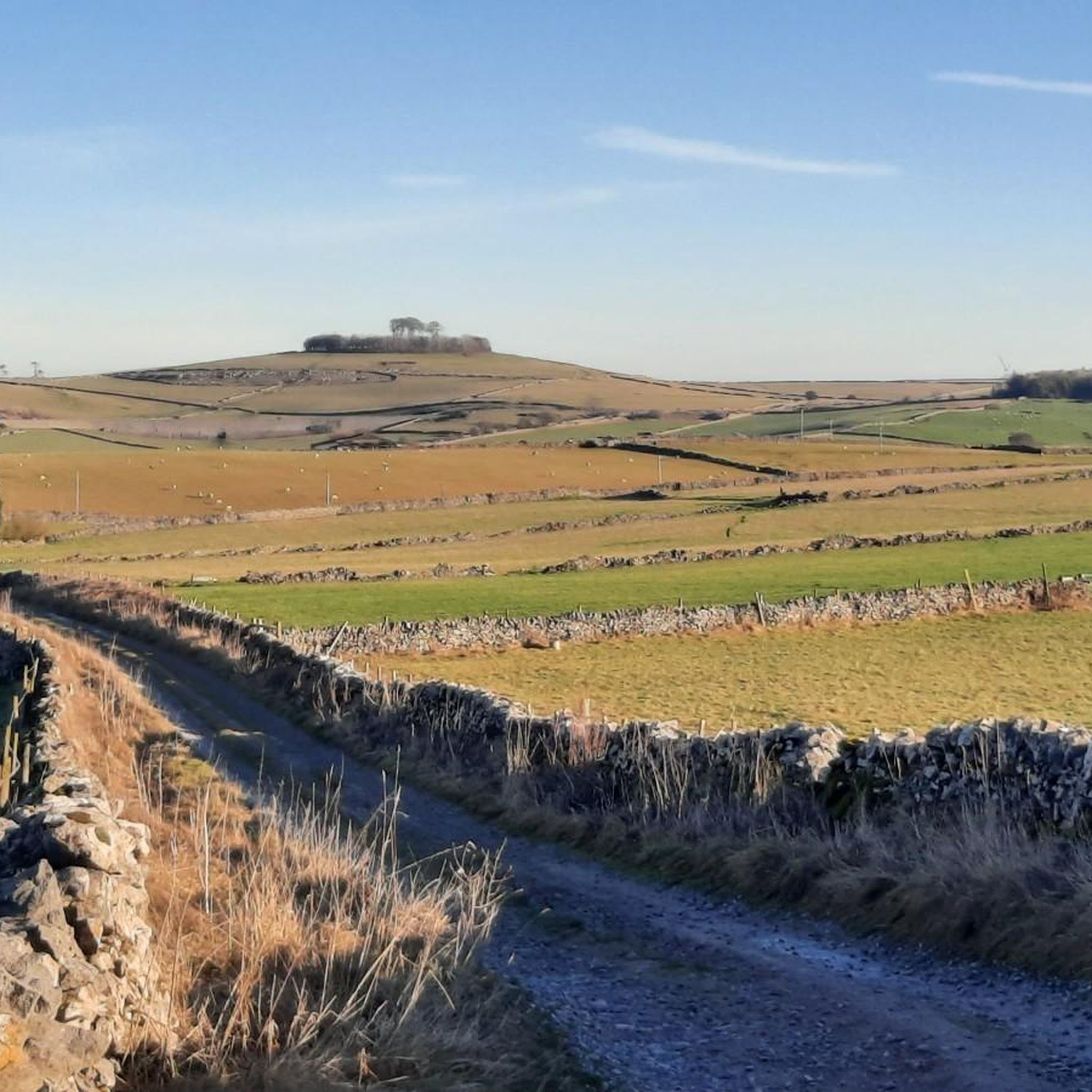
Hikes around Parwich explore the rolling countryside of the Derbyshire Dales. The village is located in the White Peak area of the Peak District National Park, characterized by its limestone landscape, gentle hills, and quiet valleys. The network of trails passes through a mix of open fields, small wooded areas, and along local streams.
Best hiking trails around Parwich
- The most popular hiking route is St Peter's Church, Parwich – Tissington's Craft Corner loop from Parwich CP, a 4.1…
Last updated: June 23, 2026
4.9
(11)
50
hikers
10.1km
02:44
150m
150m
Hike the moderate Long Dale and Gratton Dale Loop in Peak District National Park, exploring unique limestone dales and rich biodiversity.
4.4
(9)
71
hikers
6.64km
01:58
200m
200m
Easy hike. Great for any fitness level. Easily-accessible paths. Suitable for all skill levels.

Sign up for free
4.7
(9)
40
hikers
11.0km
03:05
210m
210m
Moderate hike. Good fitness required. Easily-accessible paths. Suitable for all skill levels.
4.4
(8)
21
hikers
Moderate hike. Good fitness required. Easily-accessible paths. Suitable for all skill levels.
4.5
(2)
13
hikers
7.83km
02:13
170m
170m
Moderate hike. Good fitness required. Easily-accessible paths. Suitable for all skill levels.
Get access to more routes and recommendations from other explorers.
Sign up for free
Already have an account?
Our route recommendations are based on thousands of hikes, rides, and runs completed by other people on komoot.
Start today with a free account
Your next adventure awaits.
Login or Signup
Other adventures around Parwich

Tips from the Community

St Peter's Church is a 19th-century church (1873) that replaced a 12th-century Norman building, preserving Romanesque elements like a detailed tympanum and chancel arch. The current limestone structure, designed by Stevens & Robinson, was funded by Sir Thomas William Evans, and it became an independent parish in 1650.
0
0
St Mary's is a historic 12th-century Norman church located in the heart of the village. Known for its robust, defensive, "tank-like" architecture, the church was heavily restored in 1854. It features an original 12th-century tower, south porch, and font. The church, linked to the FitzHerbert family of Tissington Hall, is central to the village's famous, ancient well-dressing tradition. The original church was built around 1100, featuring a squat, thick-walled (approx. 4 ft) tower built for defense, likely reflecting the, at times, volatile nature of the period.
0
0
A redundant Anglican church under the care of the Friends of Friendless Churches. The church dates originally from the 12th century. Over the centuries the building has been partly rebuilt or restored, including in 1822 and in 1882. The last service in the church took place on 18 April 2003.
0
0

One of the most celebrated events in the village is the annual Well Dressing festival, a unique and tradition that dates back centuries. What is Well Dressing? Well dressing is an ancient custom that involves decorating wells and springs with intricate and beautiful designs made from natural materials such as flowers, petals, leaves, and seeds. Some suggest the tradition began after Tissington escaped the Black Death, with villagers attributing their survival to the purity of their water supply. Pagan Origins: Another theory suggests the custom may have roots in pagan practices of offering thanks to the gods of wells and springs The festival usually takes place during Ascension Week, a religious observance that occurs 40 days after Easter Sunday.
0
0
One of the most celebrated events in the village is the annual Well Dressing festival, a unique and tradition that dates back centuries. What is Well Dressing? Well dressing is an ancient custom that involves decorating wells and springs with intricate and beautiful designs made from natural materials such as flowers, petals, leaves, and seeds. Some suggest the tradition began after Tissington escaped the Black Death, with villagers attributing their survival to the purity of their water supply. Pagan Origins: Another theory suggests the custom may have roots in pagan practices of offering thanks to the gods of wells and springs The festival usually takes place during Ascension Week, a religious observance that occurs 40 days after Easter Sunday.
0
0
One of the most celebrated events in the village is the annual Well Dressing festival, a unique and tradition that dates back centuries. What is Well Dressing? Well dressing is an ancient custom that involves decorating wells and springs with intricate and beautiful designs made from natural materials such as flowers, petals, leaves, and seeds. Some suggest the tradition began after Tissington escaped the Black Death, with villagers attributing their survival to the purity of their water supply. Pagan Origins: Another theory suggests the custom may have roots in pagan practices of offering thanks to the gods of wells and springs The festival usually takes place during Ascension Week, a religious observance that occurs 40 days after Easter Sunday.
0
0
One of the most celebrated events in the village is the annual Well Dressing festival, a unique and tradition that dates back centuries. What is Well Dressing? Well dressing is an ancient custom that involves decorating wells and springs with intricate and beautiful designs made from natural materials such as flowers, petals, leaves, and seeds. Some suggest the tradition began after Tissington escaped the Black Death, with villagers attributing their survival to the purity of their water supply. Pagan Origins: Another theory suggests the custom may have roots in pagan practices of offering thanks to the gods of wells and springs The festival usually takes place during Ascension Week, a religious observance that occurs 40 days after Easter Sunday.
0
0
One of the most celebrated events in the village is the annual Well Dressing festival, a unique and tradition that dates back centuries. What is Well Dressing? Well dressing is an ancient custom that involves decorating wells and springs with intricate and beautiful designs made from natural materials such as flowers, petals, leaves, and seeds. Some suggest the tradition began after Tissington escaped the Black Death, with villagers attributing their survival to the purity of their water supply. Pagan Origins: Another theory suggests the custom may have roots in pagan practices of offering thanks to the gods of wells and springs The festival usually takes place during Ascension Week, a religious observance that occurs 40 days after Easter Sunday.
1
0
Frequently Asked Questions
Are the hiking trails around Parwich suitable for dogs?
Yes, many trails in the White Peak area are great for walking with dogs. However, you'll be crossing fields with livestock, so it's essential to keep your dog on a lead. The paths can also be rocky and uneven in places, so ensure your dog is comfortable with varied terrain.
What are some good easy, family-friendly walks near Parwich?
The area offers several gentle walks perfect for families. The landscape is characterized by rolling hills rather than steep climbs. A great option is the Tissington Village – Yew Tree Well loop from Parwich CP, which is a moderate but manageable walk through picturesque countryside to the charming village of Tissington.
Where can I find a good pub walk starting from Parwich?
Parwich is an excellent starting point for a classic pub walk. You can enjoy a scenic hike through the dales and finish at a traditional village pub. Many circular routes lead to nearby villages like Tissington or Brassington, both of which have well-regarded pubs for a post-hike meal or drink.
How can I access the Tissington Trail from Parwich?
You can easily incorporate the Tissington Trail into a circular walk from Parwich. Several footpaths connect the village to this popular traffic-free trail, which follows the route of a former railway line. It offers gentle gradients and fantastic views over the White Peak landscape.
Are there any long-distance footpaths that pass through Parwich?
Yes, Parwich lies directly on the Limestone Way, a 46-mile long-distance path stretching from Castleton to Rocester. This makes the village an ideal starting point for tackling a section of the trail or a convenient overnight stop for those walking its entire length.
What kind of historical sites can I see on walks around Parwich?
The area is rich in history. A particularly noteworthy route is the hike to Minninglow Hill, where you can explore a Neolithic chambered tomb. The Royston Grange Archaeology Trail also reveals 6,000 years of history, including Roman farms and a medieval grange.
Where is a good place to park for walks starting in the village?
Most hikes that begin in the village itself can be started from the Parwich CP (car park). This is the designated starting point for many of the most popular circular routes in the area, providing convenient access to the local footpath network.
What do other hikers say about the trails around Parwich?
The trails around Parwich are highly rated by the komoot community. Hikers often praise the classic White Peak scenery, with its rolling limestone hills and beautiful dales. The well-maintained paths and the mix of gentle walks and more challenging routes are also frequently mentioned.
What are the main features of the Long Dale & Gratton Dale walk?
The Long Dale & Gratton Dale loop is a beautiful walk through two classic limestone dales. You can expect classic White Peak scenery with wildflower-rich grasslands, ancient ash woodland, and quiet, well-defined paths that are typical of the Peak District National Park.
How many hiking routes are available around Parwich?
There are over 20 designated hiking routes to explore around Parwich on komoot. These range from easy circular walks suitable for a short afternoon outing to more demanding full-day hikes, offering plenty of options for all fitness levels.
What is the terrain like on the hikes around Parwich?
The hiking around Parwich is typical of the White Peak area. You'll encounter rolling limestone countryside, lush green fields, and quiet valleys known as dales. The paths are a mix of grassy tracks, farm lanes, and some rocky sections within the dales.
Can I combine the High Peak and Tissington Trails for a longer walk?
Yes, combining sections of the High Peak and Tissington Trails is a popular way to create longer circular routes. A network of local footpaths and bridleways connects the two former railway lines, allowing for extended hikes with magnificent views across the Derbyshire Dales.
Most popular routes around Parwich
Most popular attractions around Parwich

Get inspired with the komoot mobile app


Explore more
Browse the best Hikes in other regions.
