Attractions and Places To See around Wyre Forest - Top 20
Best attractions and places to see around Wyre Forest include diverse natural features and historic sites. This district in northern Worcestershire, England, is characterized by ancient woodlands and the River Severn. The area offers a variety of activities, from exploring nature reserves to visiting historic towns and cultural landmarks. It is a region known for its natural beauty and rich history.
Best attractions and places to see around Wyre Forest
- The most popular attractions is Bewdley Bridge, a bridge and settlement that offers a charming riverside experience. This Georgian town features many listed buildings and a bridge designed by Thomas Telford.
- Another must-see spot is Victoria Bridge on the River Severn, a man-made monument that crosses the River Severn. Completed in 1862, this Grade II-listed single-span cast iron bridge was once the longest of its kind in Britain.
- Visitors also love Burlish Top Nature Reserve, an 86-acre lowland heath. This nature reserve provides a habitat for insects, reptiles, and rare plants, with trails for rambling.
- Wyre Forest is known for its ancient woodlands, historic towns, and diverse natural features. Visitors can explore a variety of sites, from nature reserves to historical landmarks and cultural points of interest.
- The attractions around Wyre Forest are appreciated by the komoot community, with over 170 upvotes and 47 photos shared.
Last updated: October 9, 2026
Bewdley Bridge
Highlight • Cafe
Tip by

Victoria Bridge on the River Severn
Highlight • Monument
Tip by

Sign up now to discover places like this
Get recommendations on the best single tracks, peaks, & plenty of other exciting outdoor places.
Knowles Mill
Highlight • Historical Site
Tip by
Burlish Top Nature Reserve
Highlight • Natural
Tip by

Wyre Forest Line Rail Trail
Highlight • Trail
Following the completion of the Tenbury & Bewdley Railway in 1864, the GWR took over the working of traffic over the Tenbury Railway section on behalf of the joint companies, with the LNWR also having running powers. As part of this process, the GWR telegraph system was extended to Woofferton; also the LNWR agreed to a turntable being installed at Tenbury to be paid for by the GWR. This turntable was moved from Bewdley and re-erected in the goods yard at Tenbury. (Some confusion has occurred in the past, as there was a small wagon turntable at Woofferton in its early days.) The completed line ran north from the GWR station at Bewdley on a single line track alongside the Severn Valley Line for a distance of about a mile before diverging to the west to cross the river Severn at Dowles Bridge (the viaduct referred to by Capt. Tyler), the remains of which are visible from trains on the SVR. The abutments where the line passed over what is now the B4194 remain in-situ. The line continued to Woofferton via Wyre Forest, Cleobury Mortimer, Neen Sollars, Newnham Bridge, Tenbury (later renamed Tenbury Wells) and Easton Court.
The route acquired a number of names. A platform sign at Woofferton station referred to 'The Bewdley Branch', while passengers at Bewdley could take 'The Tenbury Branch'. Informally the route was often referred to as 'The Wyre Forest Line' or 'The Tenbury Line'. The Engineer's Line References were TBY for 'Tenbury & Bewdley' and WTW for 'Woofferton and Tenbury Wells', while the 1905 Ordnance Survey map describes it as the 'GW&L&NW Joint Railway - Woofferton & Tenbury' and the 'GWR - Tenbury & Bewdley Branch'
One purpose of the Tenbury & Bewdley Railway was for freight traffic to gain access to the expanding markets of the West Midlands. However at the time of opening, this journey would require traveling to the SVR's southern terminus at Hartlebury, with a reversal to reach the West Midlands via Kidderminster. This was hampered by a lack of siding space at Hartlebury and resulted in frequent delays, leading to construction of the 'Kidderminster Loop Line' from Bewdley to Kidderminster. After the GWR built 'The Loop', the majority of services from Stourbridge and Kidderminster to Bewdley continued on the Wyre Forest Line.
In January 1869, ownership of the Tenbury Railway was transferred jointly to the LNWR and GWR. It nominally remained an independent company until nationalisation in January 1948. The Tenbury & Bewdley Railway ceased to exist as a separate company when ownership was transferred to the GWR in February 1870. Both the GWR and the Tenbury Railway became part of British Railways' Western Region after nationalisation.
In 1908 the Cleobury Mortimer and Ditton Priors Light Railway opened. This connected with the Tenbury & Bewdley Railway at Cleobury Mortimer and ran as a spur for 12½ miles to Ditton Priors.
Tip by

Chaddesley Wood National Nature Reserve
Highlight • Natural Monument
Visitors to the eastern half of the nature reserve will find themselves in ancient woodland that is predominantly mature oak with hazel coppice. The understorey also contains holly, rowan and other berry-bearing shrubs that are popular with winter thrushes such as fieldfares. Midland hawthorn thrives here – a rare shrub that is identified by the two seeds in its berries as opposed to the normal one. Open glades are important for invertebrates and encourage shrubby growth, which provides nesting cover for birds. Some old and dead oaks are retained for hole-nesting birds, fungi and invertebrates. At the right time of year the wood is full of birdsong and lucky visitors may catch a glimpse of the elusive woodcock.
There are also two areas of meadow, although these are only accessible on special open days. Hockley Meadow and Black Meadow are old pastures with wildflowers such as knapweed, dyer’s greenweed, pepper saxifrage and adder’s-tongue fern. The meadows are grazed to maintain their floral interest.
The western half of the reserve is a largely planted woodland of broad-leaved species and extensive areas of conifer. The conifers wouldn’t normally grow here and we’re gradually clearing these and replacing them with native hardwoods that are more suitable to the local geology and attract summer migrants like chiffchaff and blackcap. Crossbills sometimes breed in the conifer plantations – their unusual beak structure of crossed tips allows them to feed on the seeds.
A Worcestershire speciality, land caddis, occurs at Chaddesley Woods. A national rarity, this is the only one of almost two hundred species of caddis fly that spends its entire life-cycle on land. It burrows in leaf litter and adults only live for a couple of weeks in autumn.
Tip by

Trimpley Reservoir
Highlight • Structure
Tip by

Leapgate Old Railway Line
Highlight • Trail
The Sherwood Sandstone Group, the older Permian-aged Bridgnorth Sandstone and the younger Triassic-aged Mercia Mudstone Group have one thing in common; they were deposited in a vast rift basin, called the Worcester Basin.
The Worcester Basin was north-south orientated and formed during the Permian period. Its western edge, in the Geopark area, followed the line of a major fault-line, the East Malvern Fault. In the present day this fault line is most clearly marked by the Malvern, Suckley and Abberley Hills. The eastern edge of the Basin followed the line of another major fault-line, the Inkberrow Fault.
Into this basin a great variety of different sedimentary rocks were deposited and formed. Some were windblown deposits, others were despotised by streams and rivers, evaporate deposits also formed in lakes and the other significant deposit was alluvial fans that formed along the edge of the basin. Each of the rocks represents the changing environments experienced in the basin through the passage of time.
The rocks seen along the ‘Old Railway Line’ belong to the Wildmoor Sandstone Formation, part of the Sherwood Sandstone Group of rocks. They are around 220 million years ago and comprises soft, weakly cemented, pale red-brown, micaceous, sandstones. The well-rounded, evenly sized grains suggest reworking of windblown sands that were deposited the Worcester Basin during the Permian period.
Source: geopark.org
Tip by
Wyre Forest Butterfly Trail
Highlight • Trail
The track that you have walked along from the bridge over Dowles Brook is a good area to spot the bright yellow Brimstone butterfly. The Brimstone hibernates as an adult through
the winter and is often the first butterfly seen each spring. Some people believe that the insect's original name of 'butter-coloured fly' was the origin of the word 'butterfly'.
It is only the male that is bright yellow in colóuration; the female is a more greenish-
white and in flight might be mistaken for a Large White.
The reason why the Brimstone is generally numerous here is because of the presence of several bushes of alder buckthorn between the track and the brook on which the female lays her eggs. If you look carefully during May and June you can often spot the yellow skittle-shaped eggs on the undersides of leaves and sometimes also the caterpillars which are extremely well camouflaged against the green of the leaves. The caterpillar goes through a number of skin changes. as it grows before eventually pupating away from its food-plant to emerge as an adult butterfly in late July.
Brimstones can then be seen visiting flowers like teasels and thistles for several more weeks before going into hibernation to emerge the following spring. It is often regarded as Britain's longest lived butterfly with some adults surviving as long as 11 months. Only a handful of our butterflies hibernate as adults in this way, most species pass the winter as an egg, caterpillar or pupa. Consequently, their adult stage may only last for a few days but, nevertheless, long enough for courtship, pairing and egg-laying to take place to ensure the survival of the species for another year.
Other species to look out for include the Comma, with a distinctive ragged edge to its wings; the Common Blue, on the wing in May and June with a second generation from July to early September (if you see a 'blue' butterfly before May then it is almost certainly a Holly Blue which is similar in size and colour but lacks the orange markings on the underside of the hindwing); and the Gatekeeper, which is generally brown in colour with orange splashes across its forewings.
The Butterfly Trail now continues to Coopers Mill. Two butterflies to look out for on your return journey are the graceful and very beautiful White Admiral, which has only colonised Wyre in recent years and is still something of a rarity here; and the Speckled Wood which is on the wing for most of the summer in a series of overlapping broods and is generally found in shadier spots along the Trail.
Tip by
Redstone Caves
Highlight • Natural Monument
The Geopark Way, a long-distance footpath specialising in geological marvels in the area, runs unsurprisingly right past these caves.
Tip by
Sign up for free to discover even more attractions around Wyre Forest.
Already have an account?
Start today with a free account
Your next adventure awaits.
Popular around Wyre Forest
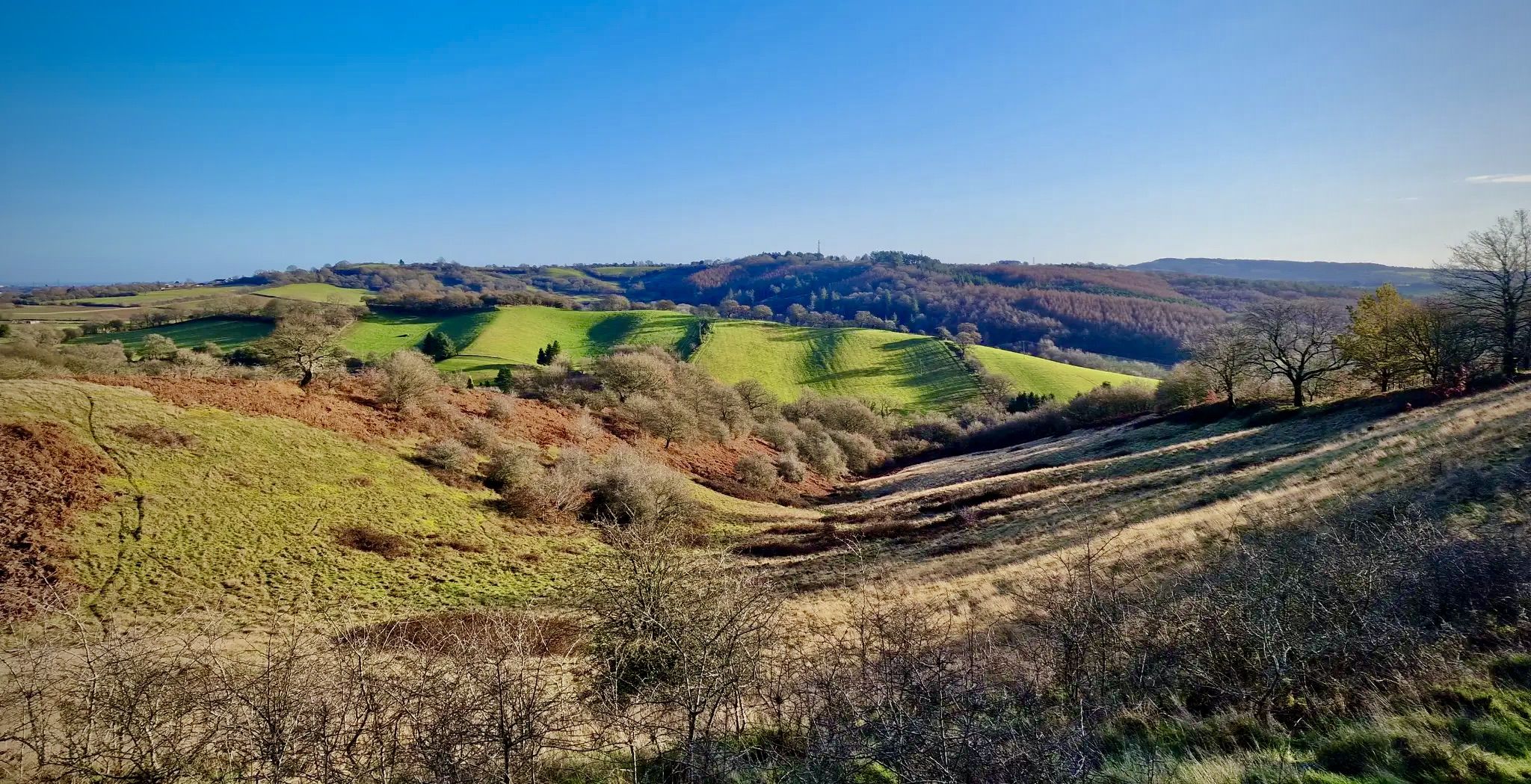
North Worcestershire Path – Explore rolling hills and country parks
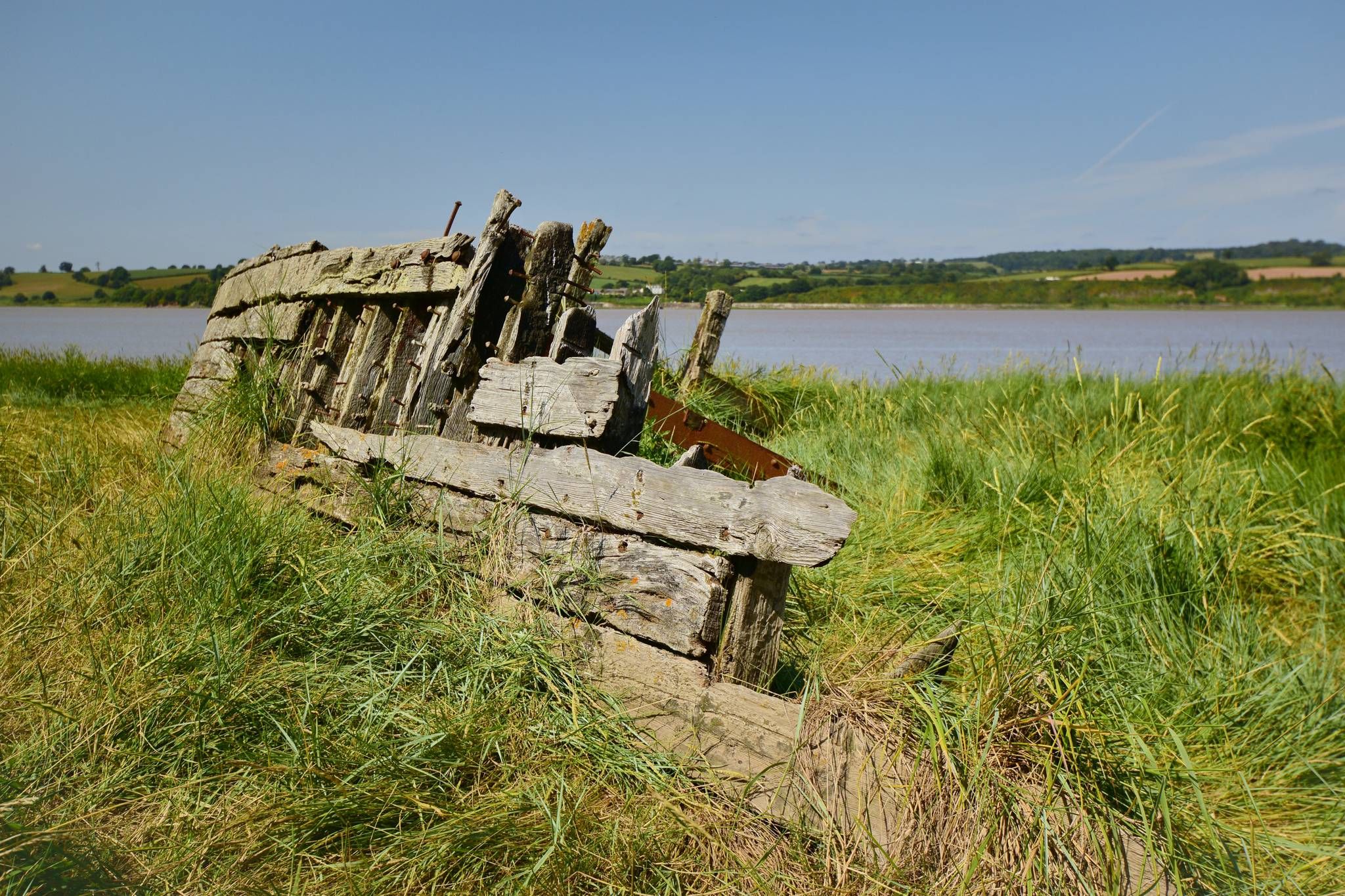
Severn Way — Hike Britain's longest river from source to sea
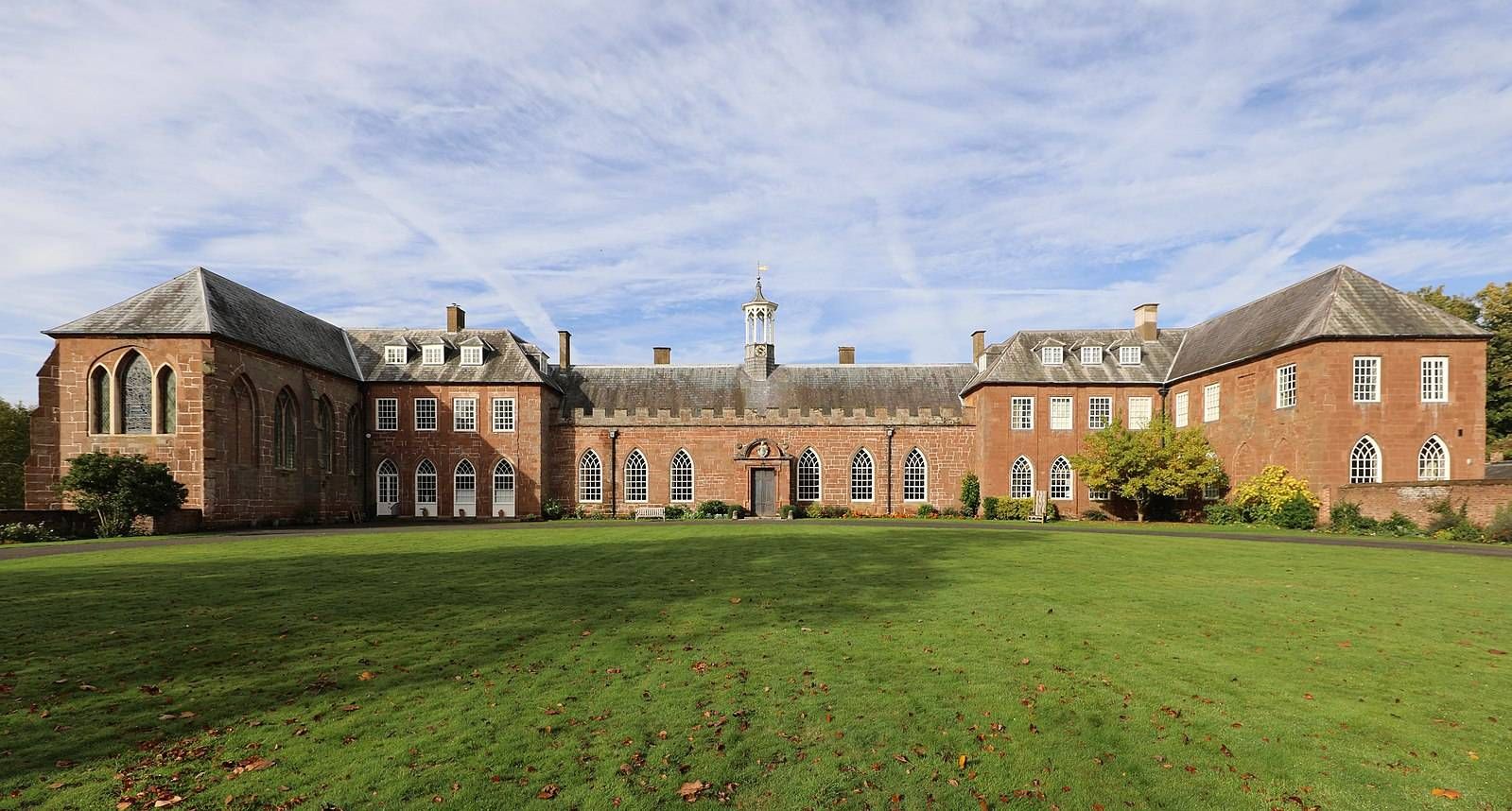
Cycling the Mercian Way – Explore England's historic heart
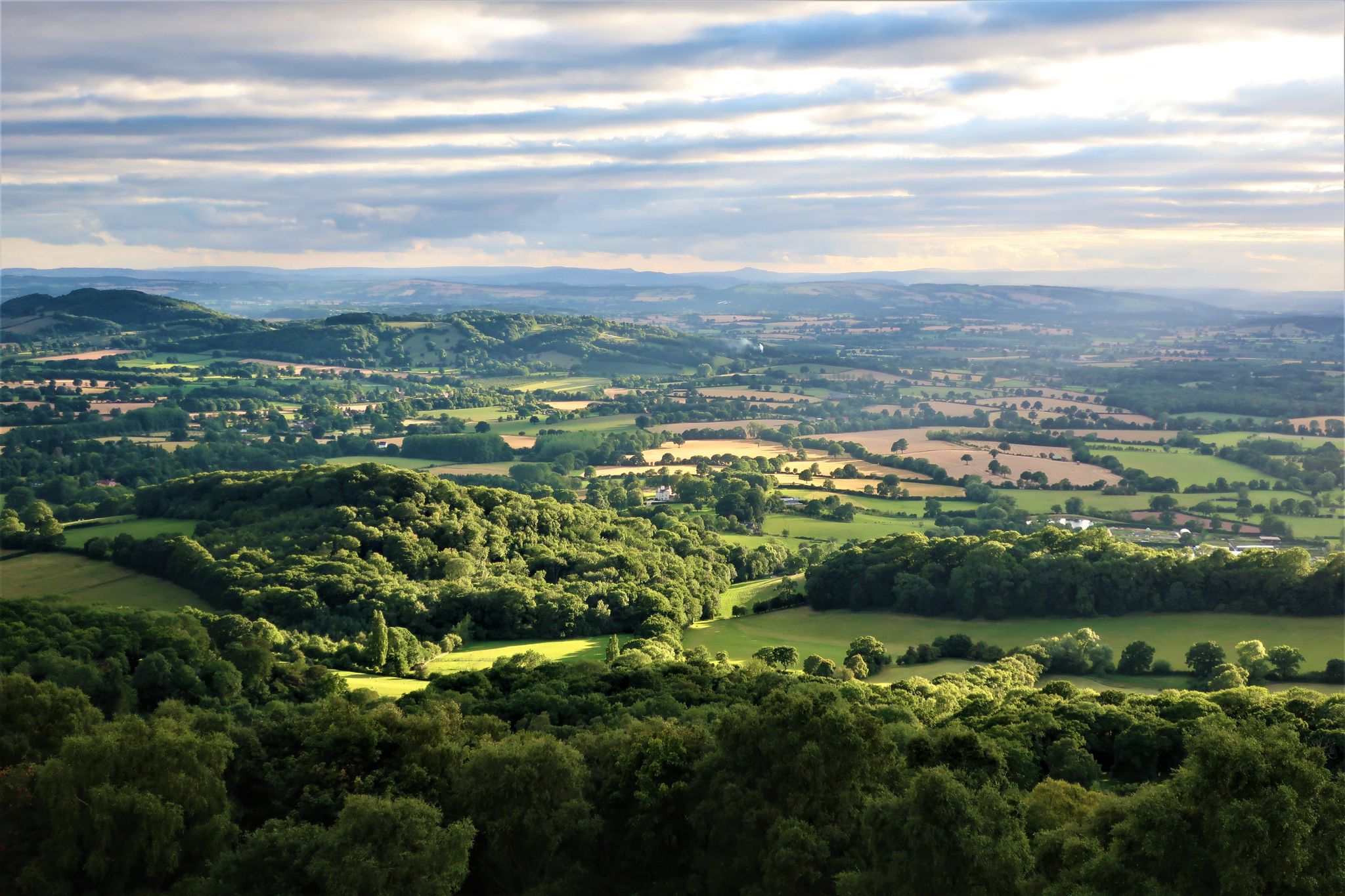
Hike vibrant, rolling hills and lush valleys — Worcestershire Way
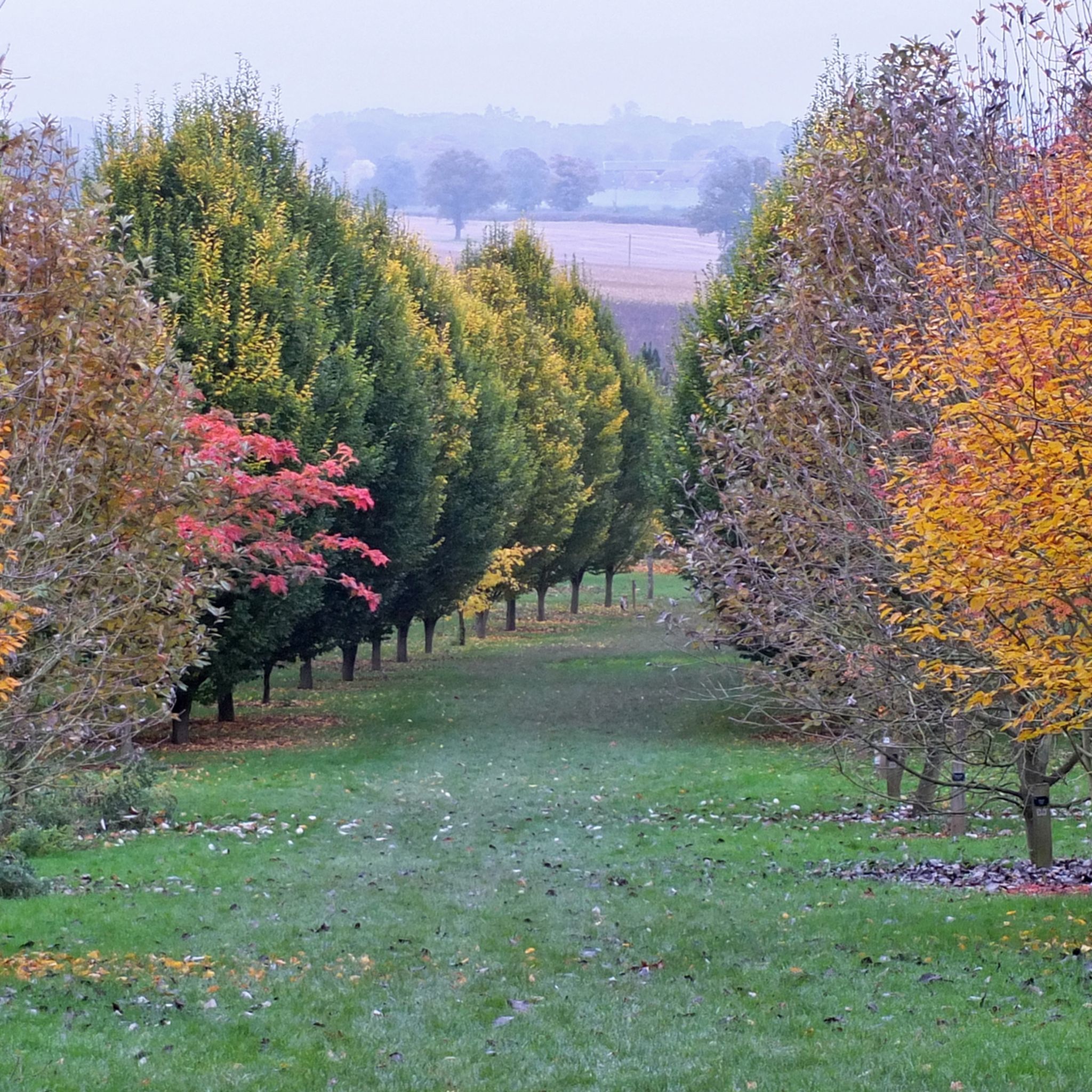
Hiking around Wyre Forest
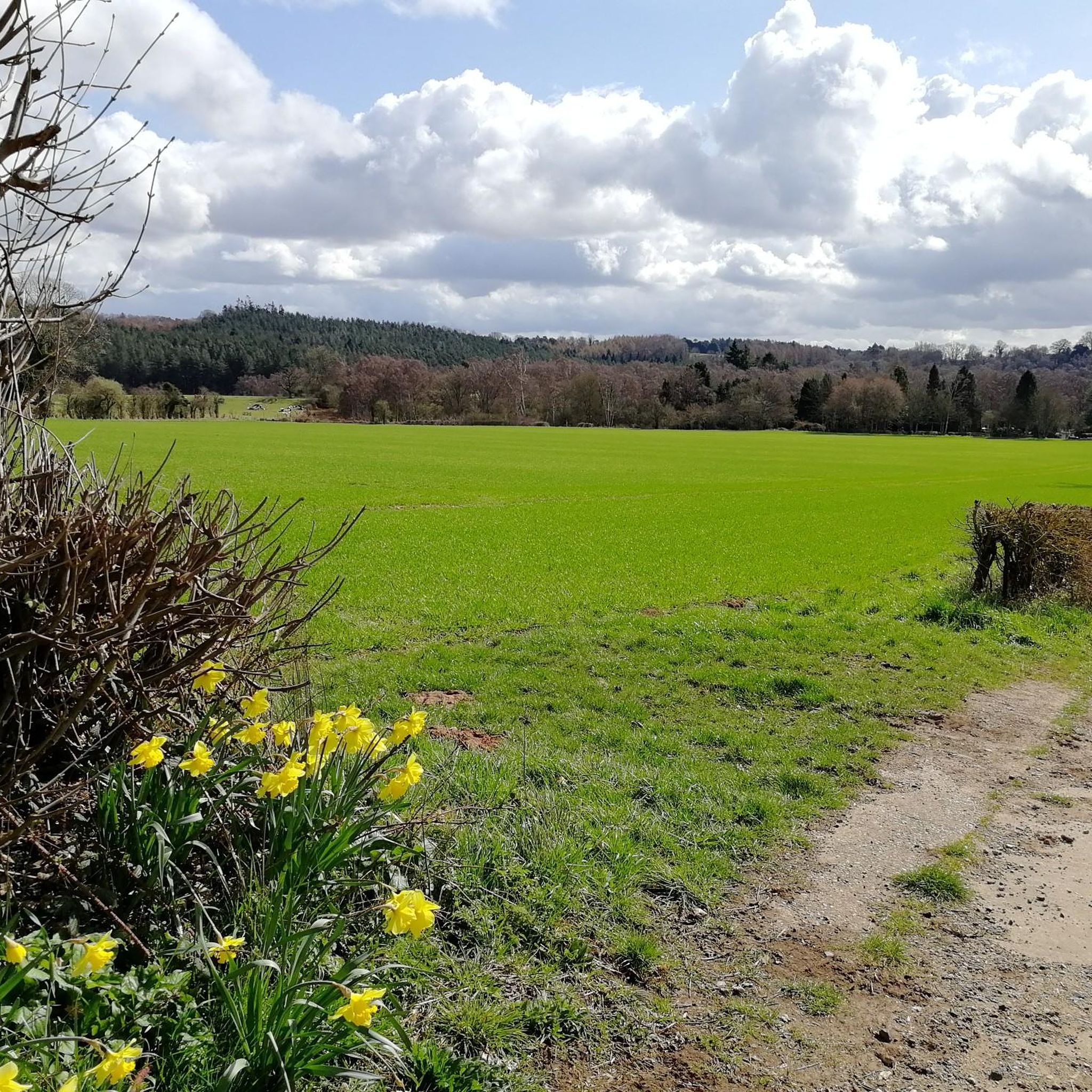
Running Trails around Wyre Forest
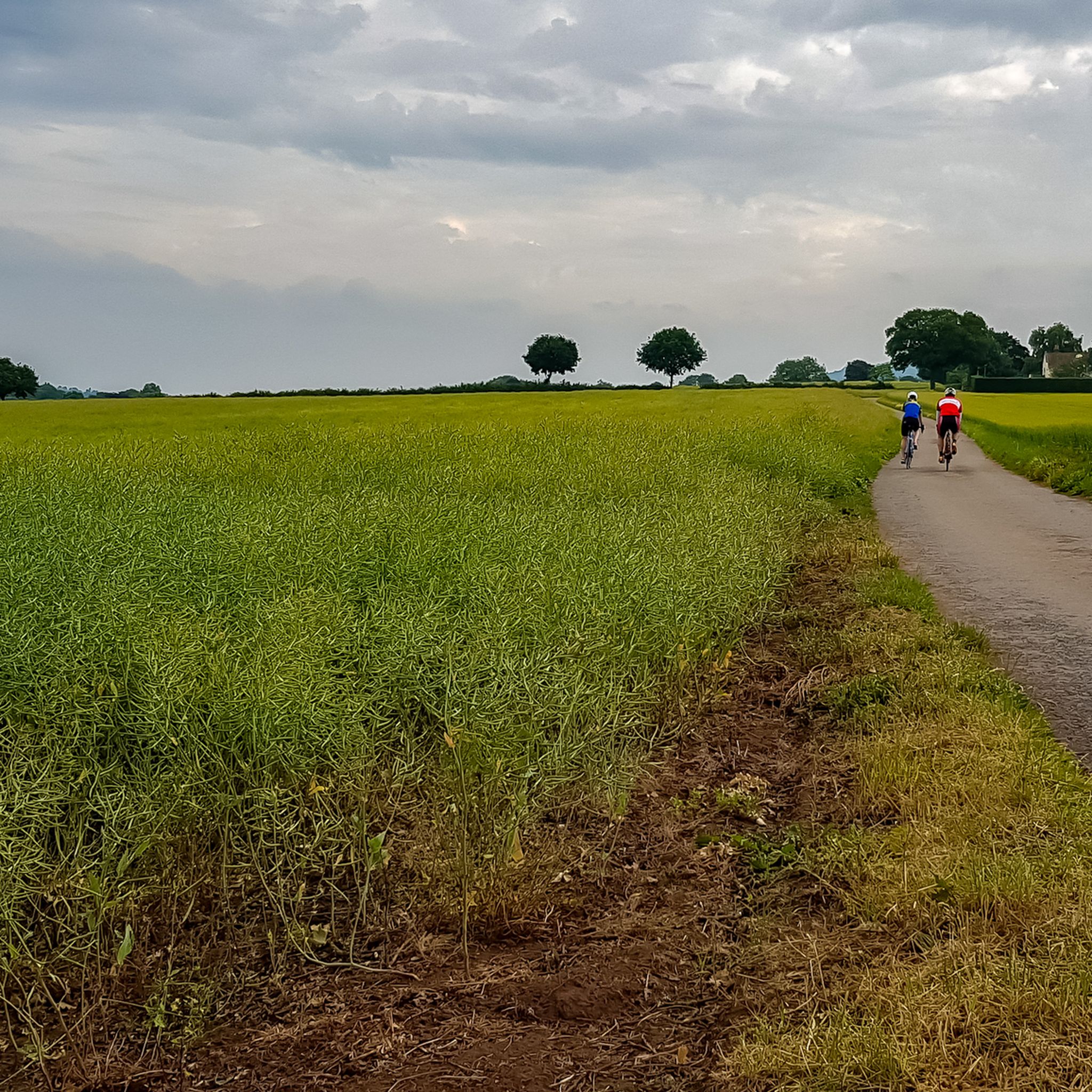
Road Cycling Routes around Wyre Forest
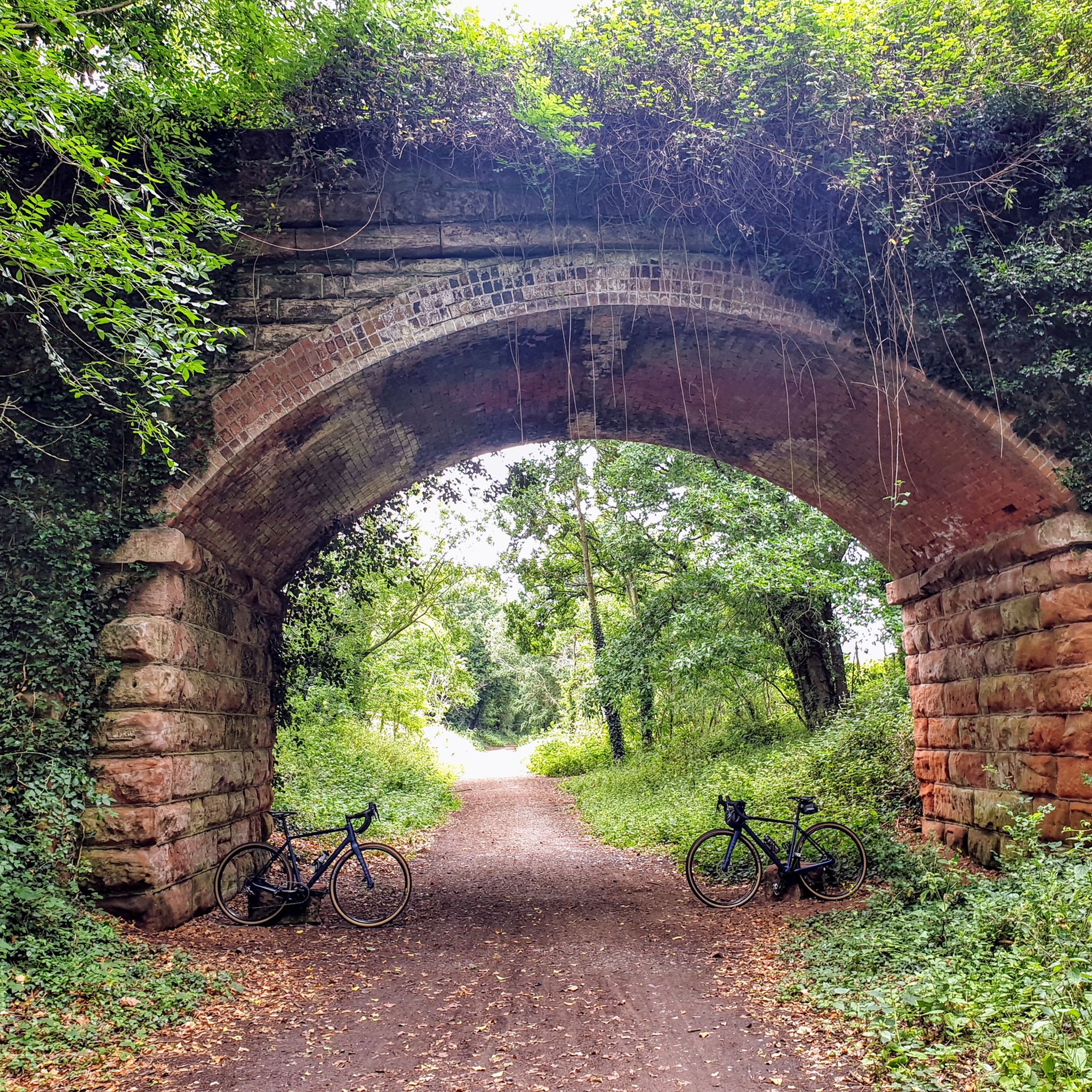
Cycling around Wyre Forest
MTB Trails around Wyre Forest

Gravel biking around Wyre Forest
Other adventures around Wyre Forest


Tips from the Community

One of the highlights of this part of the Geopark Way, rather better than walking through Stourport.
0
0
Great place to watch the steam trains of the Severn Valley Railway.
0
0
This spot gives one of the best views of the steam trains on the Severn Valley Railway. I went here specifically to watch the Flying Scotsman make a guest appearance to re-open the line after a winter landslide closed it.
0
0


Knowles Mill is the remains of an eighteenth-century water-powered grain mill, located in the Wyre Forest in Worcestershire, England. The mill has been owned by the National Trust since 1938. The mill and its surroundings feature extant machinery, as well as notable populations of adders and wood cranesbill. One of nine possible mills that historically worked on Dowles Brook, Knowles Mill was built in the eighteenth-century, and was later modified in the nineteenth-century. The surviving building is two storeys high and the site also preserves an overshot mill wheel made of iron and a great spur wheel, alongside other remnant machinery. The first record of a mill on the site dates to 1757 when it was listed as for sale in a local newspaper. However there is documentary evidence preceding 1757 that lists owners of the land that the mill was built on. These owners include Arthur Palmer, c.1661, Edward Wheeler, c.1693, Roger Hunt, c.1704, Antony Betts, c.1717, Edward Faulkner, c.1722 and Daniel Crun, c.1735. The first owner of the mill was William Crun, in 1757. It passed through a number of owners, including William and Mary Herbert, William Nicholls and Arthur Nott. The mill takes its name from the Knowles family who worked there from 1803 to the 1870s; earlier names included Coventry Mill and Upper Town Mill. The first member of the family to be listed as owner was James Knowles. The mill continued in use until 1891, when it became no longer financially viable. It was donated to the National Trust by Paul Cadbury in 1938, along with four acres of orchards. The property was visited by the historian James Lees-Milne during his work as a curator for the Trust. Source: Wikipedia
0
0
The nature reserve is approximately 35 hectares (86 acres) in size. The dominant habitat is heath and acid grassland, surrounded by oak and birch scrub. The acid grassland has been surveyed by many professional bodies, and Natural England rated it as the best quality acid grassland in the county. Wildlife on the site is typical for what you would expect on a heathland site, while reptiles are scarce due to the levels of disturbance from the public; however common lizard, grass snake and slow worm have been seen. There are many notable species of solitary bee and wasp which make use of the bare sandy soil, as do unusual heathland specialists, the green tiger beetle. The open areas are also utilised by a variety of ground feeding birds such as green woodpecker and as nesting sites for rarities like woodlark. There are a few small pools on site; one in particular supports a good breeding population of smooth newt, common frog, various dragonflies, damselflies and great diving beetle. Although traditionally a heath, this has given way in the main to gorse and broom scrub. There has been an increase in the density of rare grey hair grass after scrub clearance carried out in previous years. The area has an interesting history, with the site being used as a World War II American Army training and hospital camp. All that remains from those days are concrete paths, and some foundations from the original buildings. Much of this has been highlighted along a way marked ‘History’ trail. The website 'Burlish Camp' has more on the history of the site. In addition to the history trail, there are 3 other trails around the site, including 2 easy going routes, which take advantage of the sites historical concrete tracks, and a heathland circular, which also incorporates much of the Rifle Range SSSI. Source: Wyre Forest District Council
0
0
The ‘Old Railway Line’ cuts through the red sandstone bedrock. These sandstones are Triassic in age, belonging to the ‘Sherwood Sandstone Group’ of rocks. The Sherwood Sandstone Group, the older Permian-aged Bridgnorth Sandstone and the younger Triassic-aged Mercia Mudstone Group have one thing in common; they were deposited in a vast rift basin, called the Worcester Basin. The Worcester Basin was north-south orientated and formed during the Permian period. Its western edge, in the Geopark area, followed the line of a major fault-line, the East Malvern Fault. In the present day this fault line is most clearly marked by the Malvern, Suckley and Abberley Hills. The eastern edge of the Basin followed the line of another major fault-line, the Inkberrow Fault. Into this basin a great variety of different sedimentary rocks were deposited and formed. Some were windblown deposits, others were despotised by streams and rivers, evaporate deposits also formed in lakes and the other significant deposit was alluvial fans that formed along the edge of the basin. Each of the rocks represents the changing environments experienced in the basin through the passage of time. The rocks seen along the ‘Old Railway Line’ belong to the Wildmoor Sandstone Formation, part of the Sherwood Sandstone Group of rocks. They are around 220 million years ago and comprises soft, weakly cemented, pale red-brown, micaceous, sandstones. The well-rounded, evenly sized grains suggest reworking of windblown sands that were deposited the Worcester Basin during the Permian period. Source: geopark.org
0
0
Frequently Asked Questions
Are there family-friendly attractions in Wyre Forest?
Yes, Wyre Forest offers several family-friendly attractions. You can visit Burlish Top Nature Reserve, an 86-acre lowland heath with trails for rambling, or explore the Wyre Forest Line Rail Trail. The West Midlands Safari Park in Bewdley is also a popular choice for families, offering a safari drive and rides. Many of the trails within Wyre Forest, such as the Wyre Forest Butterfly Trail, are suitable for family walks.
What natural features can I explore in Wyre Forest?
Wyre Forest is rich in natural beauty. The Burlish Top Nature Reserve is an important area of lowland heath, providing habitat for insects, reptiles, and rare plants. The Wyre Forest National Nature Reserve itself is one of England's largest ancient woodlands, known for its diverse wildlife and numerous trails. You can also visit Trimpley Reservoir, a great spot for bird watching, or the Chaddesley Wood National Nature Reserve.
What historical sites can I visit in Wyre Forest?
The region boasts a rich history. You can explore Knowles Mill, the remains of an 18th-century water-powered grain mill. Other notable historical sites include Hartlebury Castle and Harvington Hall. The dramatic ruins of Witley Court and Gardens, a grand 17th-century manor, also offer a glimpse into the past. For a unique experience, Drakelow Tunnels, former WWII underground military tunnels, are occasionally open for booked visits.
Are there good walking or hiking trails around Wyre Forest attractions?
Yes, Wyre Forest is an excellent area for walking and hiking. The Wyre Forest National Nature Reserve features numerous waymarked trails. You can also explore the Burlish Top Nature Reserve with its rambling paths, or follow the Wyre Forest Butterfly Trail. For more options, consider exploring the walking routes available in the Cycling around Wyre Forest guide, which often include paths suitable for walking.
What outdoor activities are available near Wyre Forest attractions?
Beyond walking and hiking, Wyre Forest offers various outdoor activities. The Wyre Forest National Nature Reserve has trails suitable for cycling and horse-riding, and also features a Go Ape high ropes course. The River Severn provides opportunities for riverboat trips and watersports. For cycling enthusiasts, there are numerous routes, including those detailed in the Cycling around Wyre Forest, Gravel biking around Wyre Forest, and Road Cycling Routes around Wyre Forest guides.
What attractions can I find along the River Severn in Wyre Forest?
The River Severn is a central feature of the district. The charming Georgian town of Bewdley is situated on its banks, featuring a bridge designed by Thomas Telford. Further along, you'll find the impressive Victoria Bridge on the River Severn, a Grade II-listed cast iron bridge. Stourport-on-Severn, a lively riverside town, is also located at the confluence of the Rivers Severn and Stour, offering riverboat trips and independent shops.
When is the best time to visit Wyre Forest?
Wyre Forest can be enjoyed year-round, with each season offering a different experience. Spring and summer are ideal for enjoying the diverse wildlife, including butterflies like the Pearl-bordered Fritillary, and exploring the numerous trails. Autumn brings vibrant foliage to the ancient woodlands, while winter offers crisp walks. Check local event listings for seasonal activities.
Are there dog-friendly places or trails in Wyre Forest?
Many of the natural areas and trails in Wyre Forest are dog-friendly, making it a great destination for pet owners. The Wyre Forest National Nature Reserve welcomes dogs on its numerous walking trails. Always ensure dogs are kept under control, especially in areas with wildlife, and check specific attraction rules before visiting.
What cultural sites are there in the Wyre Forest area?
The area offers several cultural points of interest. The Severn Valley Railway provides a heritage steam train experience through picturesque countryside, including stops at restored stations like Arley Railway Station. You can also visit the Bewdley Museum, housed in the historic Tanners' Shambles, to learn about local history and traditional crafts. The Museum of Carpet in Kidderminster showcases the town's rich carpet-making heritage.
What do visitors enjoy most about Wyre Forest?
Visitors particularly enjoy the diverse natural beauty and historical charm of Wyre Forest. The komoot community appreciates the charming riverside experience of Bewdley Bridge and the town itself, often stopping for tea, cake, or a drink by the river. The impressive sight of Victoria Bridge on the River Severn is also highly rated for its historical significance and scenic views. The tranquil trails of places like Burlish Top Nature Reserve are also popular for rambling.
Are there any unique or lesser-known attractions worth visiting?
Beyond the main highlights, you might enjoy Stone House Cottage Garden and Nursery, known for its selection of rare plants set in an old walled kitchen garden. Arley Arboretum offers another beautiful green space. For a local taste, Astley Vineyard provides a unique wine experience. The picturesque villages like Arley, Rock, Chaddesley Corbett, and Wolverley also offer scenic countryside to explore.
Most popular routes around Wyre Forest

Get inspired with the komoot mobile app


Didn’t find what you were looking for?
Are you keen on exploring more awesome places nearby? Browse our guides:
Explore more
Still not found the Highlight you’re looking for? See guides of the top attractions in other regions:
