Attractions and Places To See around South Somerset - Top 20
Best attractions and places to see around South Somerset encompass a diverse landscape of historic sites, natural features, and cultural points of interest. The region features ancient hillforts, Elizabethan architecture, and tranquil nature reserves. Visitors can explore a variety of settings, from the limestone ridges of the Mendip Hills to the wetlands of the Somerset Levels. This area offers a blend of historical exploration and outdoor activities.
Best attractions and places to see around South Somerset
- The most popular attractions is Alfred's Tower Climb, a climb that features a 49m high folly designed in 1772. It is believed to mark the site where King Alfred rallied his troops in 878 and is managed by the National Trust.
- Another must-see spot is Sutton Bingham Reservoir, a lake built in 1955 and managed by Wessex Water. It is a popular destination for fishing and walking, offering views across its waters.
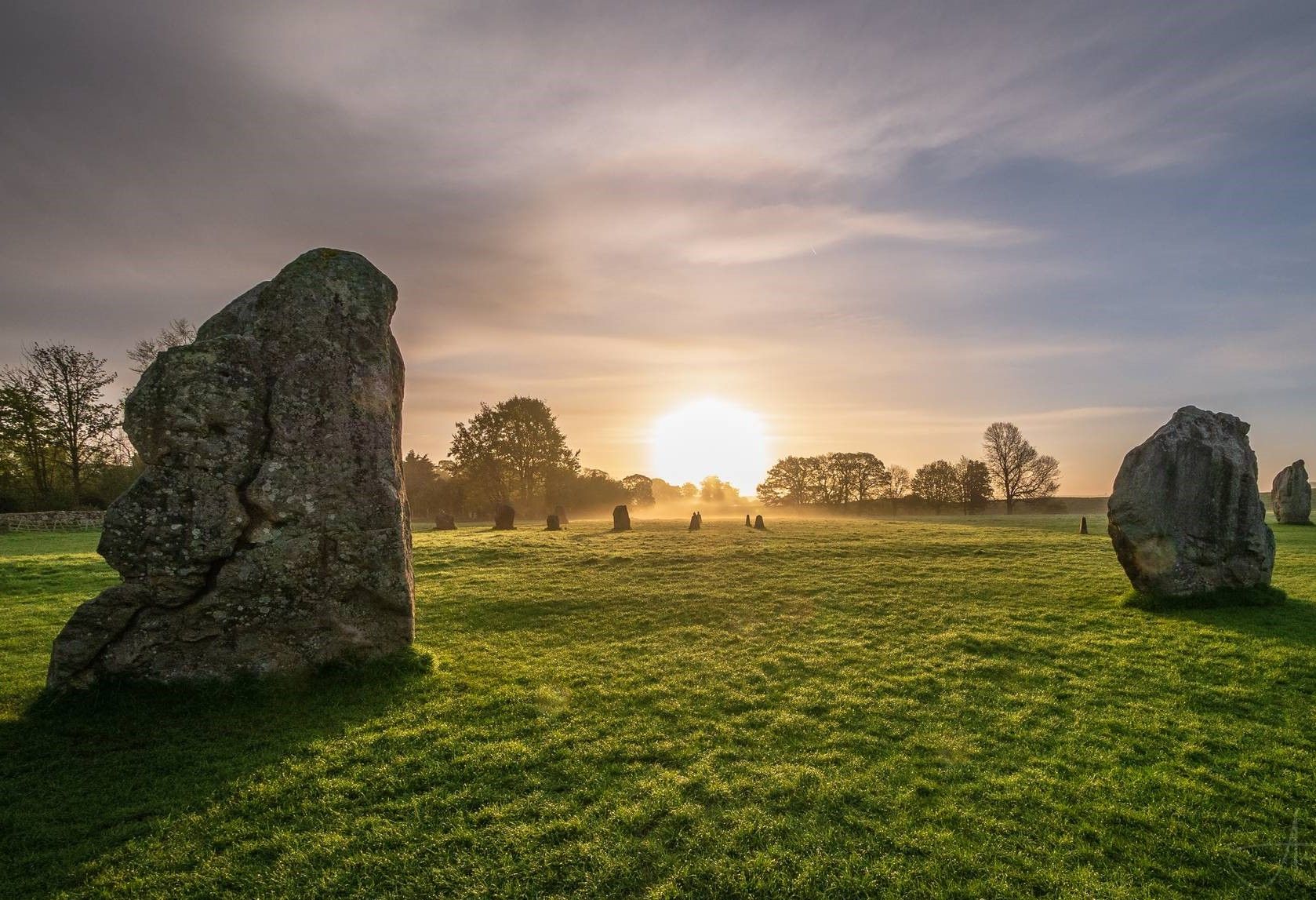
- Visitors also love Ham Hill War Memorial and Stone Circle, a man-made monument commemorating the First and Second World Wars. This site offers outdoor seating at a nearby pub overlooking the rolling slopes.
- South Somerset is known for its historic houses, ancient hillforts, and diverse nature reserves. The region offers a variety of attractions to see and explore, from Elizabethan architecture to significant Iron Age sites.
- The attractions around South Somerset are appreciated by the komoot community, with 115 highlights, 5 photos, and 35 upvotes.
Last updated: October 9, 2026
Alfred's Tower Climb
Highlight • Climb
The tower is a 49m high folly designed in 1772. It's believed to mark the site where King Alfred rallied his troops in 878.
Tip by

Ham Hill War Memorial and Stone Circle
Highlight • Monument
Second World War (1939-1945), First World War (1914-1918), Northern Ireland Conflict; The Troubles (1969-1998)
Maker
Ham Hill and Doulting Stone Company (Makers)
Mr W. Bussell of Montacute (Designer)
Ceremony
Unknown
Date: 19 July 1923
Attended by: HRH Prince of Wales KG laid a bronze laurel wreath at the foot of the memorial (to whose column it was later fixed).
Unveiled
Date: 26 September 1920
Attended by: Reverend E. Skilton
Dedicated
Date: 26 September 1920
Attended by: Reverend E. Skilton performed the service. Those present included relatives of the Fallen, and villagers
Tip by

Sign up now to discover places like this
Get recommendations on the best single tracks, peaks, & plenty of other exciting outdoor places.
Castle Neroche Iron Age Hill Fort
Highlight • Castle
Now it's a really fascinating place; the old earth works are covered in trees with amazing views between the trunks. Managed by Forestry England.
Tip by
King Alfred's Tower
Highlight • Monument
Tip by

Donyatt Halt
Highlight • Structure
Tip by

St Vincent's Church, Ashington
Highlight • Historical Site
Tip by

Sutton Bingham Reservoir
Highlight • Lake
There is a public toilet and bike racks in the car park.
Tip by
Forde Abbey and Gardens
Highlight • Monument
The gardens at Forde Abbey are spectacular and include lawns, water features and an arboretum. It also has the highest powered fountain in the country, which comes on intermittently and might surprise you if you’re walking by.
There’s a cafe, shop and plant nursery here making it easy to while away your time. There is a charge to enter which is not insignificant.
Tip by

Dillington House
Highlight • Historical Site
During the Second World War, the house was part of 'Fortress Ilminster' as part of the Taunton Stop Line, a plan to protect against Nazi invasion. Tanks and gun emplacements stood along a long drive, which is now a public footpath.
Tip by

Hollow Lane
Highlight • Trail
Tip by
Sign up for free to discover even more attractions around South Somerset.
Already have an account?
Start today with a free account
Your next adventure awaits.
Popular around South Somerset
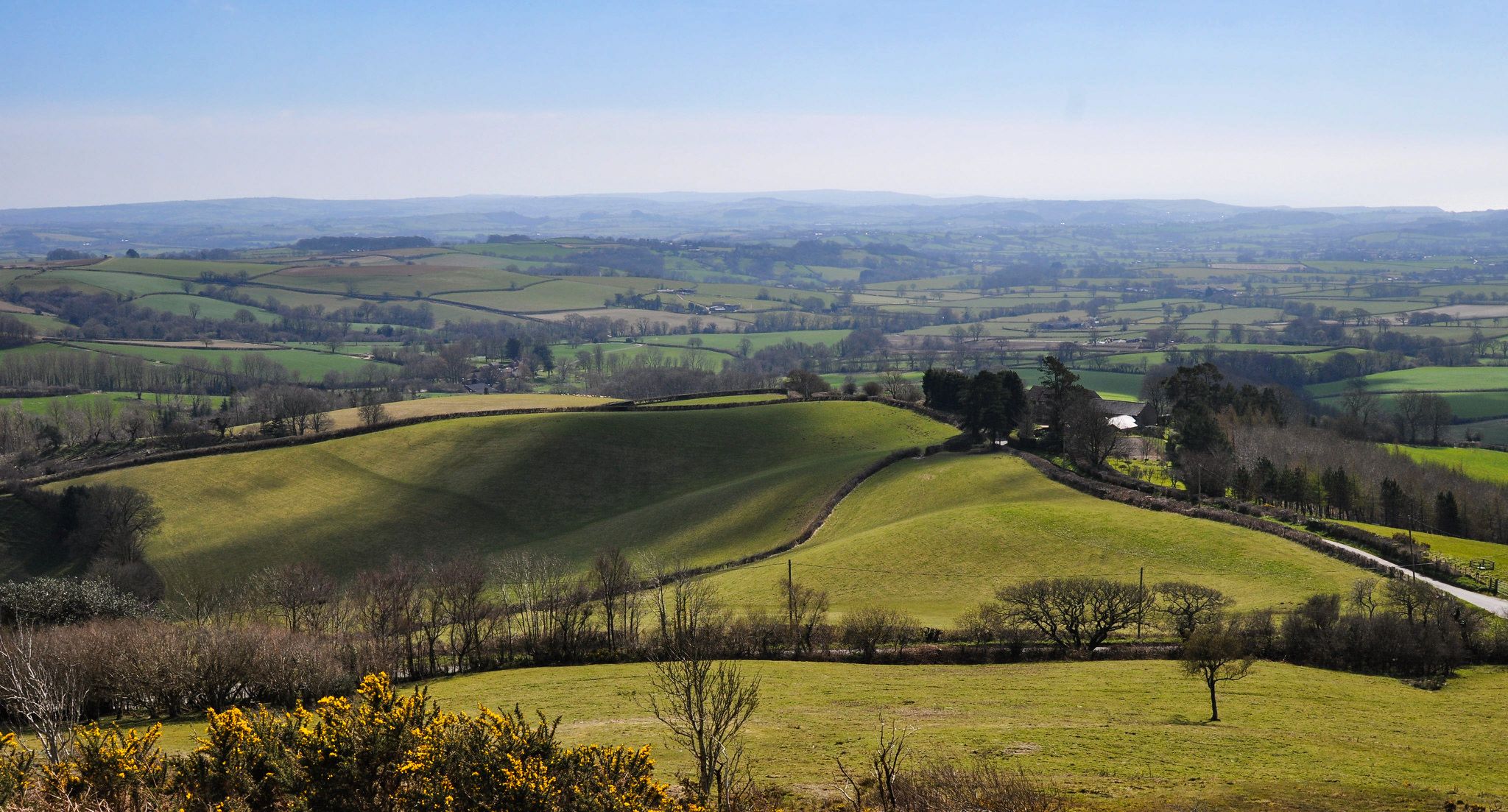
Celtic Way — An epic pilgrimage through prehistory and wild beauty
Hiking the Orange Way — Southern England in the footsteps of a king
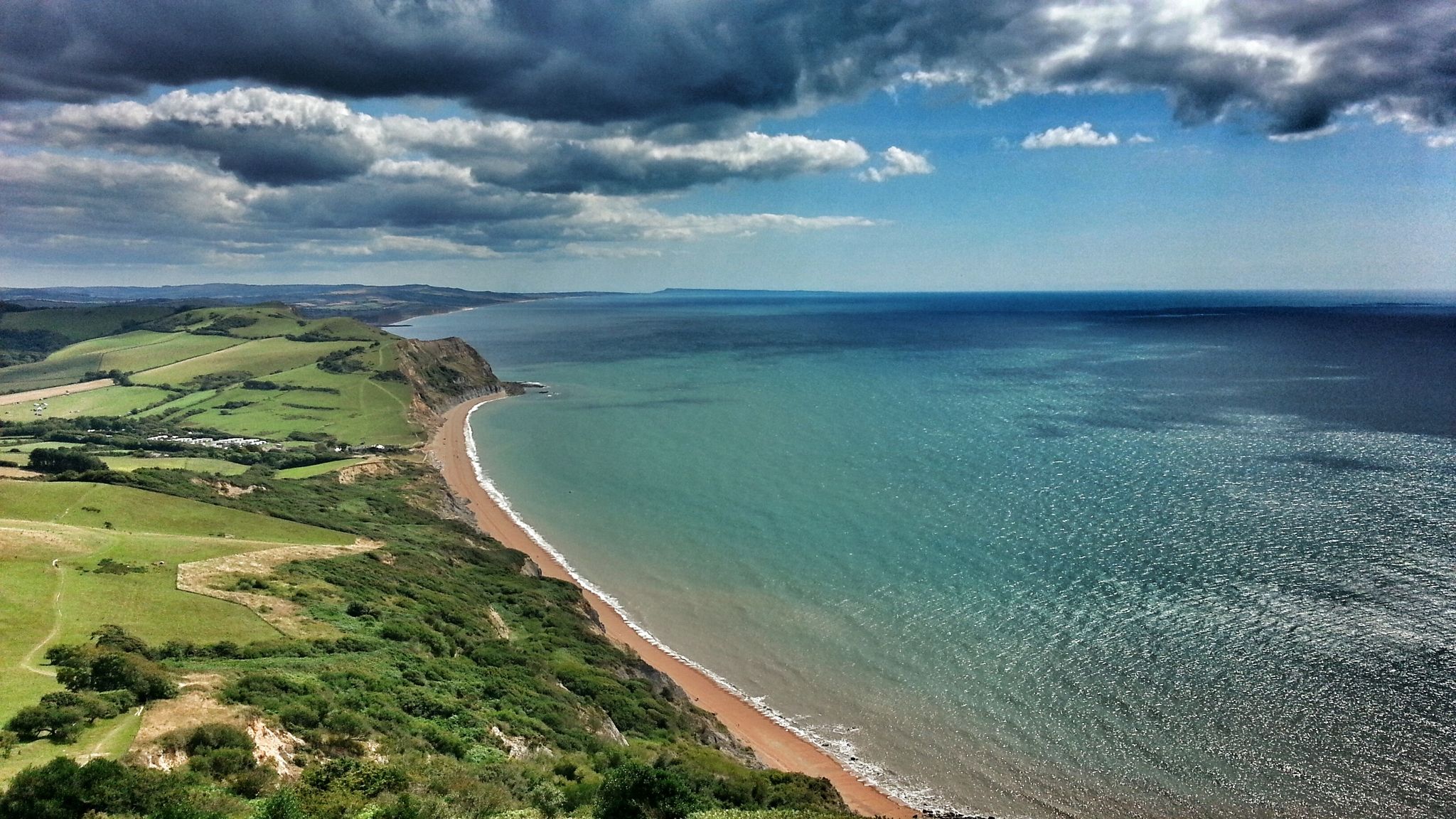
Monarch's Way: Part 3 — Conquer the longest inland trail in England
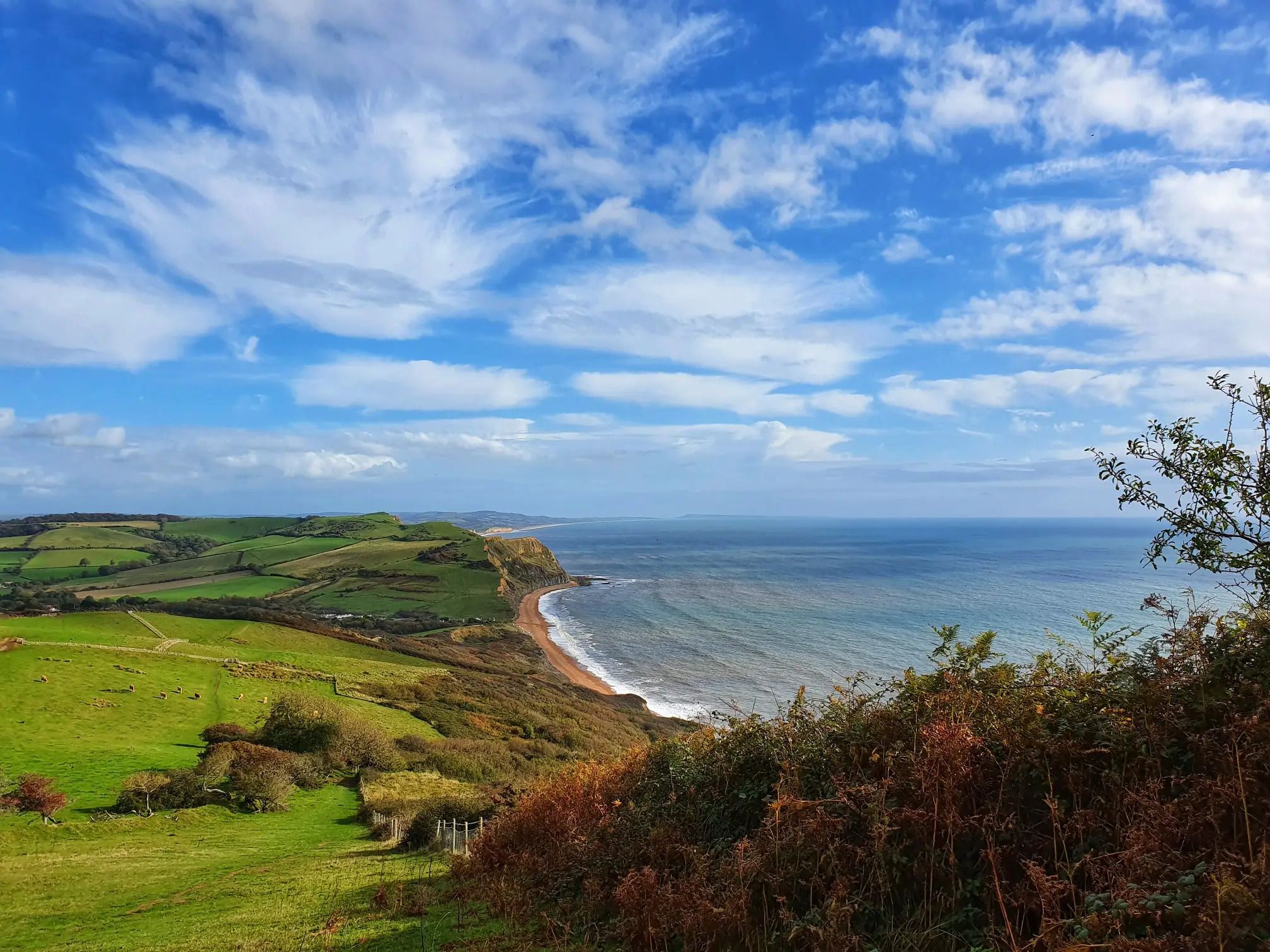
Monarch's Way: Part 2 — Conquer the longest inland trail in England
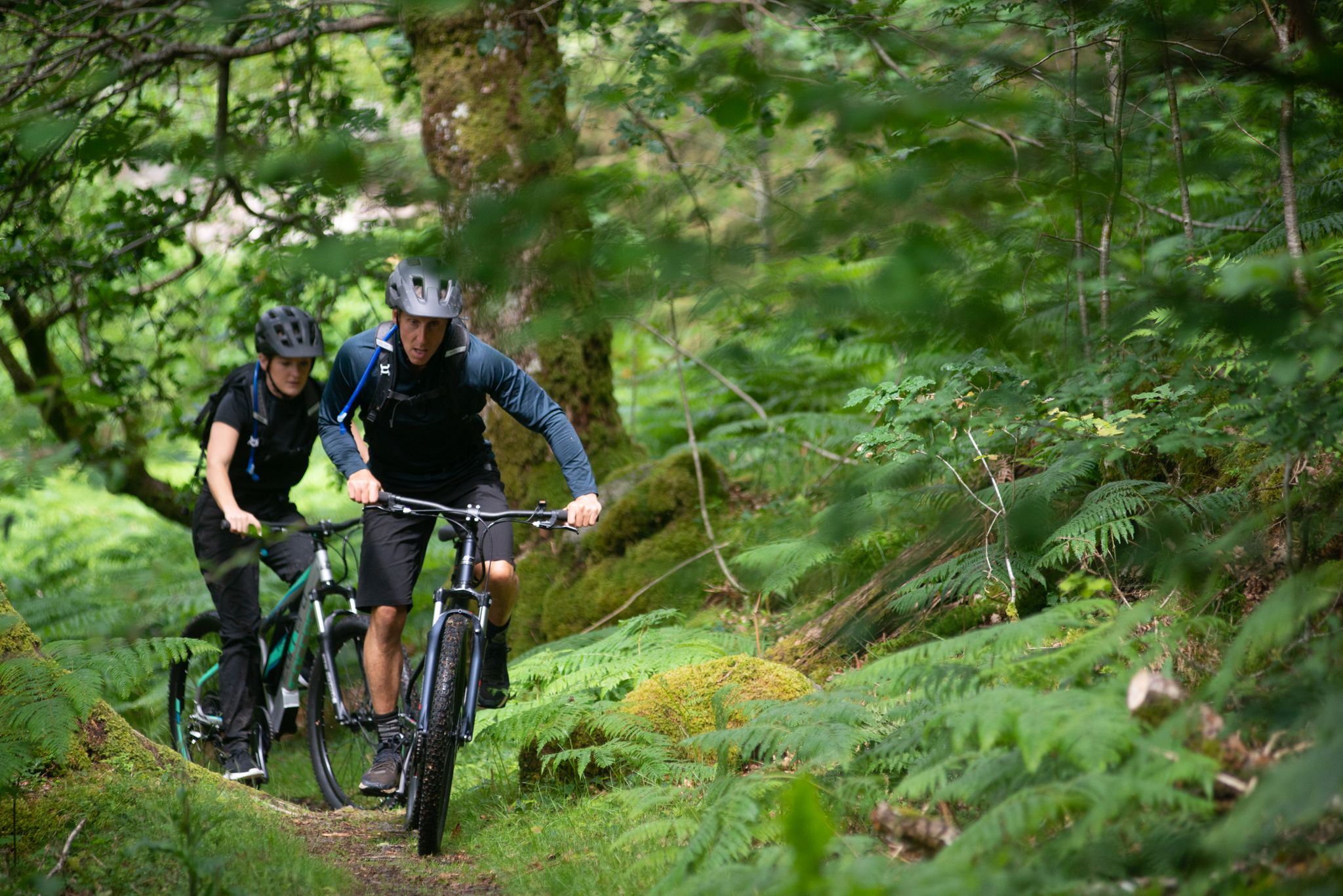
Spectacular rides in Wales and south-west England – e-bike trials by Halfords
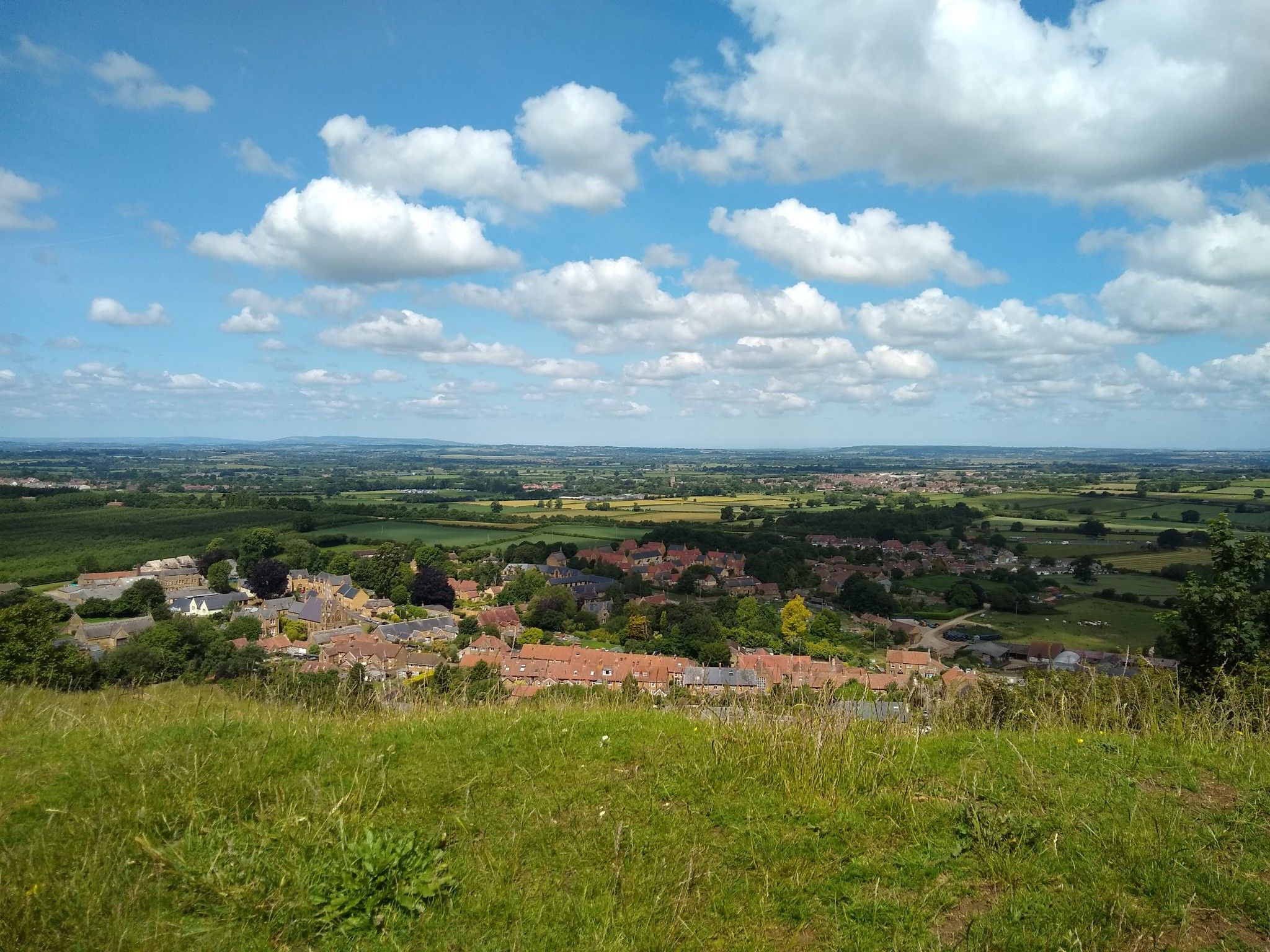
Ancient villages and historic hills — the Liberty Trail
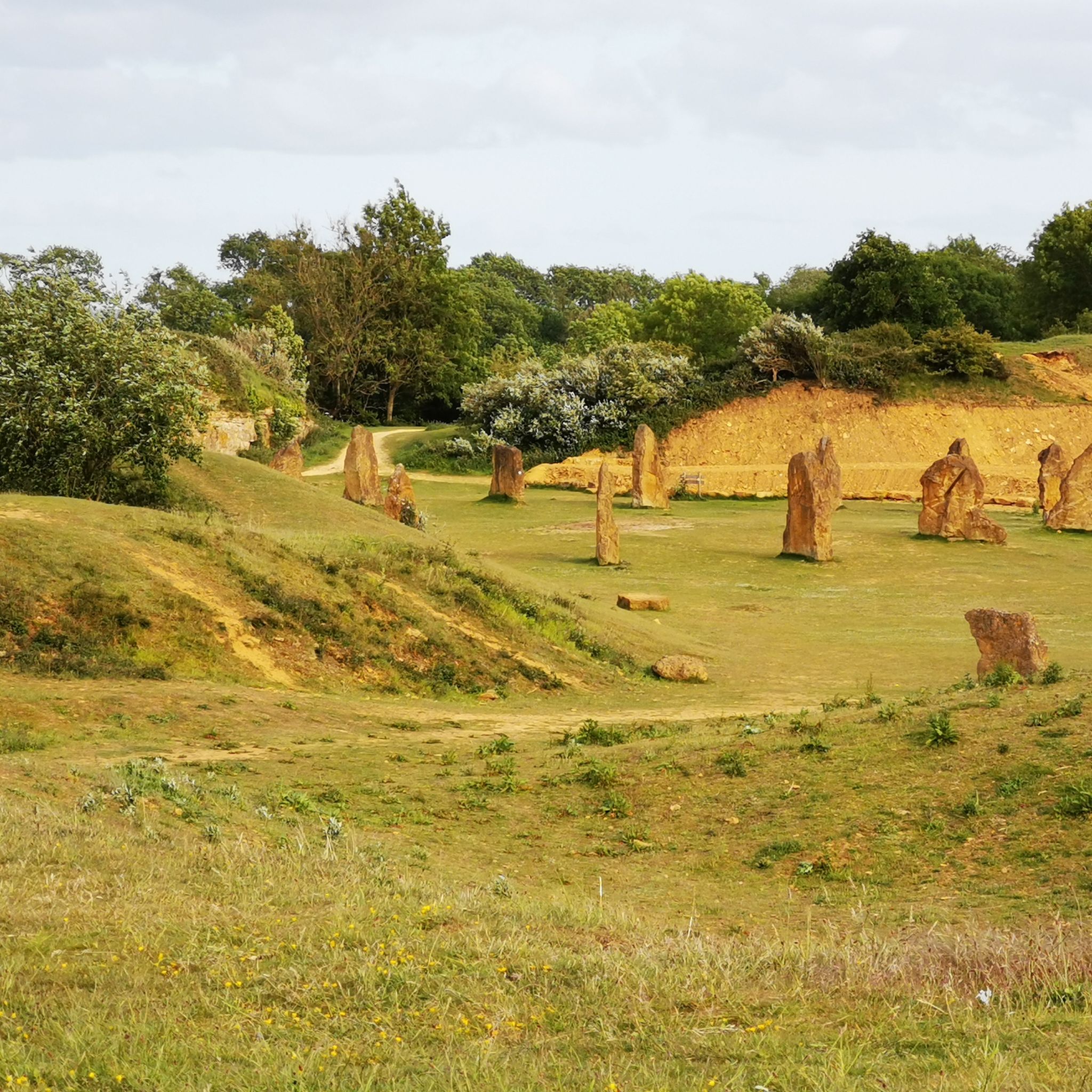
Hiking around South Somerset
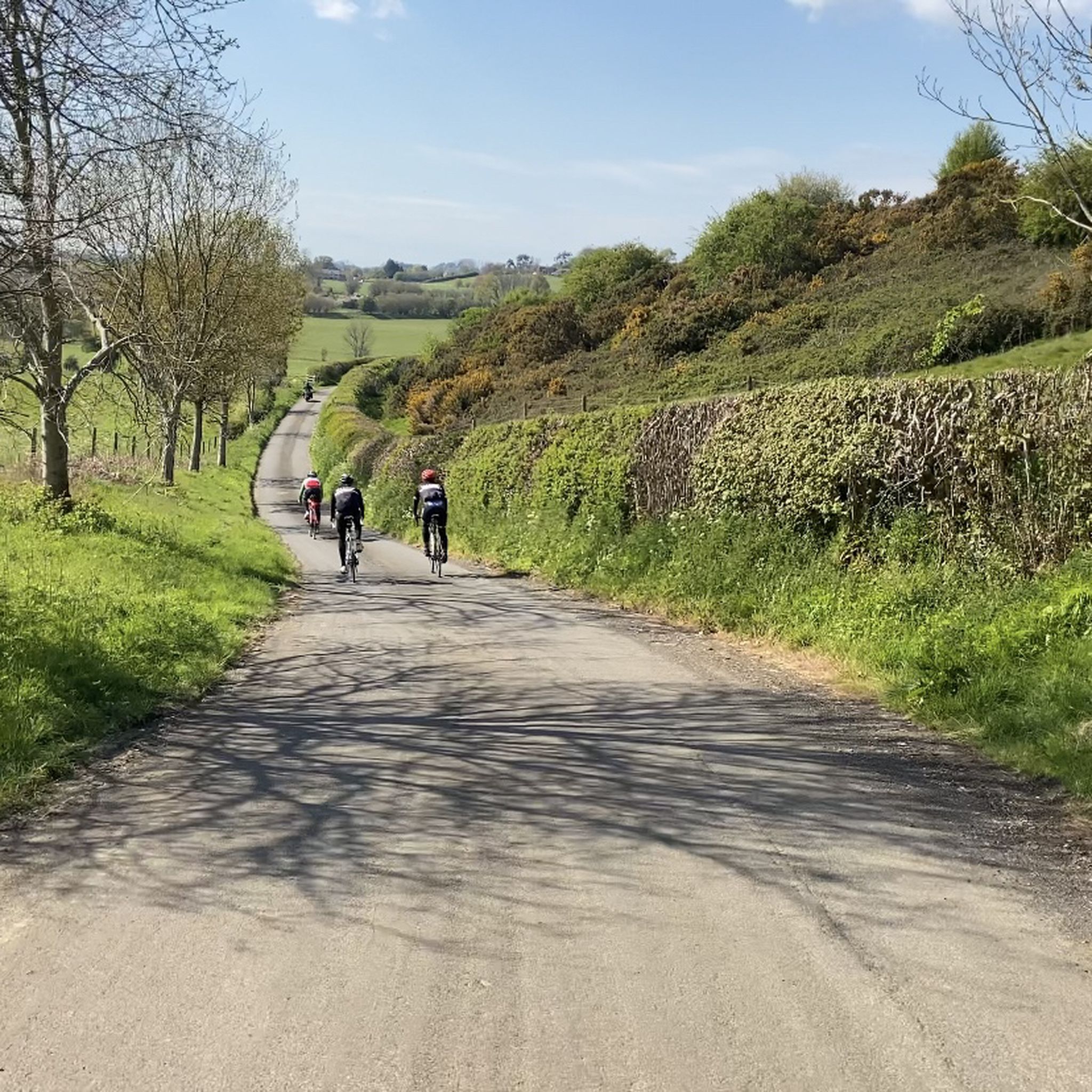
Road Cycling Routes around South Somerset
Cycling around South Somerset
Running Trails around South Somerset
Other adventures around South Somerset


Tips from the Community

However, such war memorials, which one encounters so frequently along the way, regardless of nationality, language, or name, are always a testimony – still significant and relevant today – to the horrors of war and tyranny. They therefore all have two essential functions, and this continues anew for each generation: -1- To commemorate and remember the victims -2- To remind people of the need to maintain peace
2
0

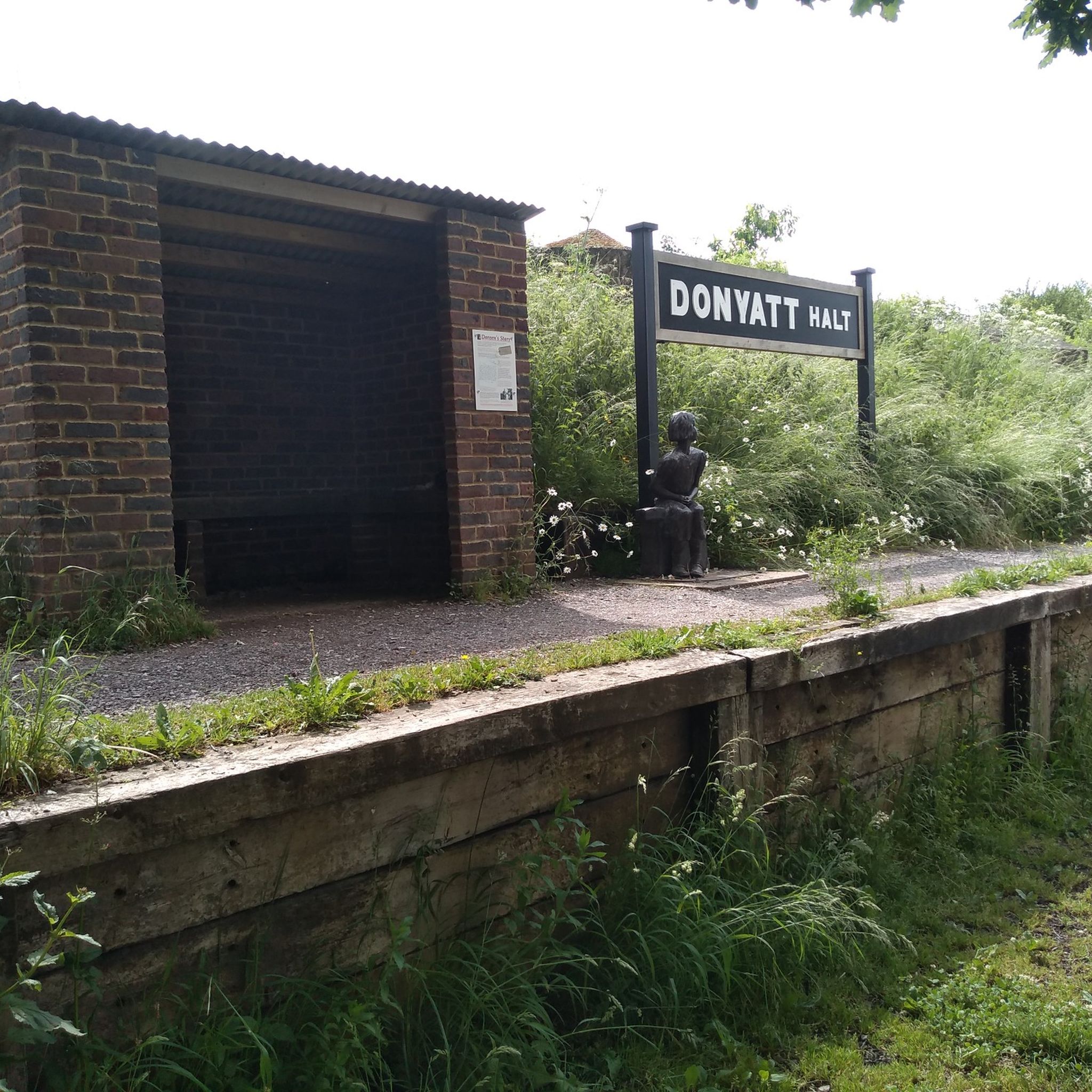
Donyatt Halt Records for Donyatt Halt state: "This halt, opened on May 5th, 1928, has a single platform edged with wooden sleepers, and a small wooden shelter. A pathway leads up from the platform to the road, which crosses the line by an overbridge at the Ilminster end of the platform. An ornate oil lamp stands at the top of the path and there are various posts with brackets for hanging oil lamps in winter." It would be the guard's duty to light and extinguish these lamps. Five trains a day operated in each direction taking about 45 minutes for the 15 - mile journey from Taunton to Chard, having made stops at Thornfalcon, Hatch, Ilton, Ilminster and Donyatt. Donyatt.com
0
0


Norman castle The earthworks at the site are larger than would normally be found in a castle from the Norman period, raising speculation that it reused previously developed features. The castle was probably built by Robert, Count of Mortain in the 11th century. Archaeological evidence suggests it was built in several stages. During the first a rampart enclosing 7.5 acres (3.0 ha) was built. Soon after the Norman Conquest a smaller inner ringwork was constructed. The site was later converted into a motte and bailey, with a corner of the 20 feet (6.1 m) high motte serving as a barbican. By the early 12th century the castle was no longer in regular use. However, its use was resumed during The Anarchy, a period of civil war and unsettled government during a succession dispute between the supporters of King Stephen (1135–1154) and those of his cousin, the Empress Matilda. Continued use in the later 12th century may have been by administrators of the surrounding royal forest as a base for operations against poachers.
2
1
Castle Neroche is a Norman motte-and-bailey castle on the site of an earlier hill fort in the parish of Curland, near Staple Fitzpaine, Somerset, England. It is a Scheduled Ancient Monument. The origin of the term Neroche is believed to be a contraction of the Old English words nierra and rechich or rachich for Rache, a type of hunting-dog used in Britain in the Middle Ages, giving a meaning of the camp where hunting dogs were kept. This also gives the site its alternative name of Castle Rache. Iron Age The reason for the construction of Iron Age hill forts has been a subject of debate. It has been argued that they could have been military sites constructed in response to invasion from continental Europe, sites built by invaders, or a military reaction to social tensions caused by an increasing population and consequent pressure on agriculture. The dominant view since the 1960s has been that the increasing use of iron led to social changes in Britain. Deposits of iron ore were separated from the sources of tin and copper necessary to make bronze, and as a result trading patterns shifted and the old elites lost their economic and social status. Archaeologist Barry Cunliffe believes that population increase played a role and has stated "[the forts] provided defensive possibilities for the community at those times when the stress [of an increasing population] burst out into open warfare. But I wouldn't see them as having been built because there was a state of war. They would be functional as defensive strongholds when there were tensions and undoubtedly some of them were attacked and destroyed, but this was not the only, or even the most significant, factor in their construction.
2
0

Alfred's Tower is a folly in Somerset,England, on the edge of the border with Wiltshire, on the Stourhead estate. The tower stands on Kingsettle Hill and belongs to the National Trust. It is designated as a Grade I listed building. Henry Hoare II planned the tower in the 1760s to commemorate the end of the Seven Years' War against France and the accession of King George III, and it was erected near the site of Egbert's Stone, where it is believed that Alfred the Great, King of Wessex, rallied the Anglo-Saxons in 878 before the Battle of Edington. The tower was damaged by an aeroplane in 1944 and restored in the 1980s.
0
0
In the parish of Chilton Cantelo, Somerset | c13th, Grade 1. Interior includes Jacobean furnishings. Box pews and pulpit with a tester from the c17th Although lacking a tower, it has a rare ‘lantern’ bellcote, likely added in the late 15th or early c16th One of only 6 churches in England dedicated to this Spanish Saint The recent dating of the treble bell (1290) makes it quite a remarkable piece quite possibly one of the oldest still hanging in England.
0
0

Dillington House was built originally in the 16th century, but re-built in the 19th century. Recently, Dillington House was used by Somerset Council as an event venue and a place to run adult education courses. However the council has stopped this as of September 2023.
1
0
Frequently Asked Questions
What historical sites can I explore in South Somerset?
South Somerset is rich in history. You can visit ancient hillforts like Castle Neroche Iron Age Hill Fort, or the legendary Cadbury Castle, often associated with King Arthur. The region also features grand historic houses such as Montacute House, Barrington Court, and Forde Abbey, which was originally a Cistercian monastery. Don't miss the ruins of Muchelney Abbey or the historic Norton-sub-Hamdon Village with its 17th-century manor.
Are there any natural attractions or viewpoints in South Somerset?
Yes, South Somerset offers beautiful natural landscapes and viewpoints. Ham Hill Country Park is a significant Iron Age hillfort and a wildlife haven with fantastic views across the South Somerset Moors. You can also enjoy the tranquil waters of Sutton Bingham Reservoir, a popular spot for walking and birdwatching. The River Parrett Trail provides paths through the Somerset Levels, offering opportunities to spot diverse wildlife.
What are some family-friendly attractions in the area?
For family days out, consider the Haynes Motor Museum, which houses the UK's largest collection of cars and motorbikes, or the Fleet Air Arm Museum for immersive aviation experiences. Forde Abbey and Gardens also offers extensive grounds for exploration. Ferne Animal Sanctuary near Chard provides a refuge for animals and includes a nature trail and visitor center, perfect for children.
Where can I go for a walk or hike in South Somerset?
South Somerset offers numerous walking opportunities. You can explore the trails around Ham Hill Country Park, known for its views and historical significance. The River Parrett Trail is excellent for leisurely walks through the Somerset Levels. For more structured routes, consider the hiking trails available in the region, such as the Herepath Trail near Castle Neroche or loops around Montacute House. You can find detailed hiking routes at Hiking around South Somerset.
Are there cycling routes available near the attractions?
Yes, South Somerset is well-suited for cycling. The old Chard to Ilminster railway line, passing through Donyatt Halt, has been converted into a cycle path, offering a pleasant ride. For more extensive cycling, you can explore routes like the South Somerset Cycleway or loops over the Blackdown Hills. Discover more cycling options at Cycling around South Somerset.
What cultural experiences can I find in South Somerset?
Beyond historical sites, South Somerset boasts vibrant cultural spots. Hauser & Wirth in Bruton is a world-class art gallery with beautiful gardens. You can also visit Muchelney Pottery to see local artisans at work or Shakspeare Glass in Langport for glass art. The South Somerset Heritage Collection provides a fascinating overview of the area's past, and Perry's Somerset Cider & Rural Museum explores the region's cider-making tradition.
What is the best time of year to visit South Somerset?
The best time to visit South Somerset largely depends on your interests. Spring and summer (April to September) are ideal for enjoying the gardens, outdoor activities, and nature reserves, with warmer weather and longer daylight hours. Autumn offers beautiful foliage, especially around places like Stourhead, and can be pleasant for walking. Winter provides a quieter experience, though some attractions may have reduced opening hours.
Are there any unique or 'hidden gem' attractions?
For something unique, consider visiting East Lambrook Manor Gardens, a quintessential English cottage garden created by celebrated plantswoman Margery Fish. The Newt in Somerset offers extensive gardens, a farm shop, and a unique experience. Also, the historic market towns and villages like Bruton, South Petherton, and Hinton St George offer charming architecture and local boutiques away from the main tourist trails.
Can I find places to eat or drink near the attractions?
Many attractions and walking routes in South Somerset have nearby dining options. For instance, Ham Hill War Memorial and Stone Circle is close to a pub with outdoor seating overlooking the slopes. Historic towns and villages like Norton-sub-Hamdon also offer local pubs and cafes. It's always a good idea to check specific locations for their nearest amenities.
What is Glastonbury Tor and why is it significant?
Glastonbury Tor is a prominent hill in South Somerset, topped by the roofless St Michael's Tower. It's a site of immense spiritual significance, steeped in mythology and folklore, often associated with King Arthur and ancient Celtic traditions. Visitors can climb the Tor for panoramic views of the Somerset Levels and beyond, making it a popular spot for both its historical mystery and scenic beauty.
What kind of wildlife can I expect to see in South Somerset?
South Somerset's diverse landscapes support a variety of wildlife. At places like Chard Reservoir Nature Reserve and along the River Parrett Trail, you might spot birds such as herons, kingfishers, and various waterfowl. The region's numerous Wildlife and Nature Reserves, including Aller and Beer Woods, are home to diverse flora and fauna, including otters, butterflies, and a range of woodland creatures.
Most popular routes around South Somerset
Most popular attractions around South Somerset

Get inspired with the komoot mobile app


Didn’t find what you were looking for?
Are you keen on exploring more awesome places nearby? Browse our guides:
Explore more
Still not found the Highlight you’re looking for? See guides of the top attractions in other regions:
