Attractions and Places To See around Barrow-In-Furness - Top 16
Best attractions and places to see around Barrow-In-Furness include a diverse range of historical landmarks, cultural sites, and expansive natural features. Situated on the Furness Peninsula in Cumbria, the area is known for its rich industrial and maritime history. Visitors can explore coastal views encompassing Morecambe Bay and the Duddon Estuary, alongside significant natural areas like Walney Island and Sandscale Haws.
Best attractions and places to see around Barrow-In-Furness
- The most popular attractions is Pond at North Walney National Nature Reserve, a natural area offering footpaths, wildlife, and views towards the Isle of Man and Lake District fells. This reserve provides opportunities for quiet walks and observing local flora and fauna.
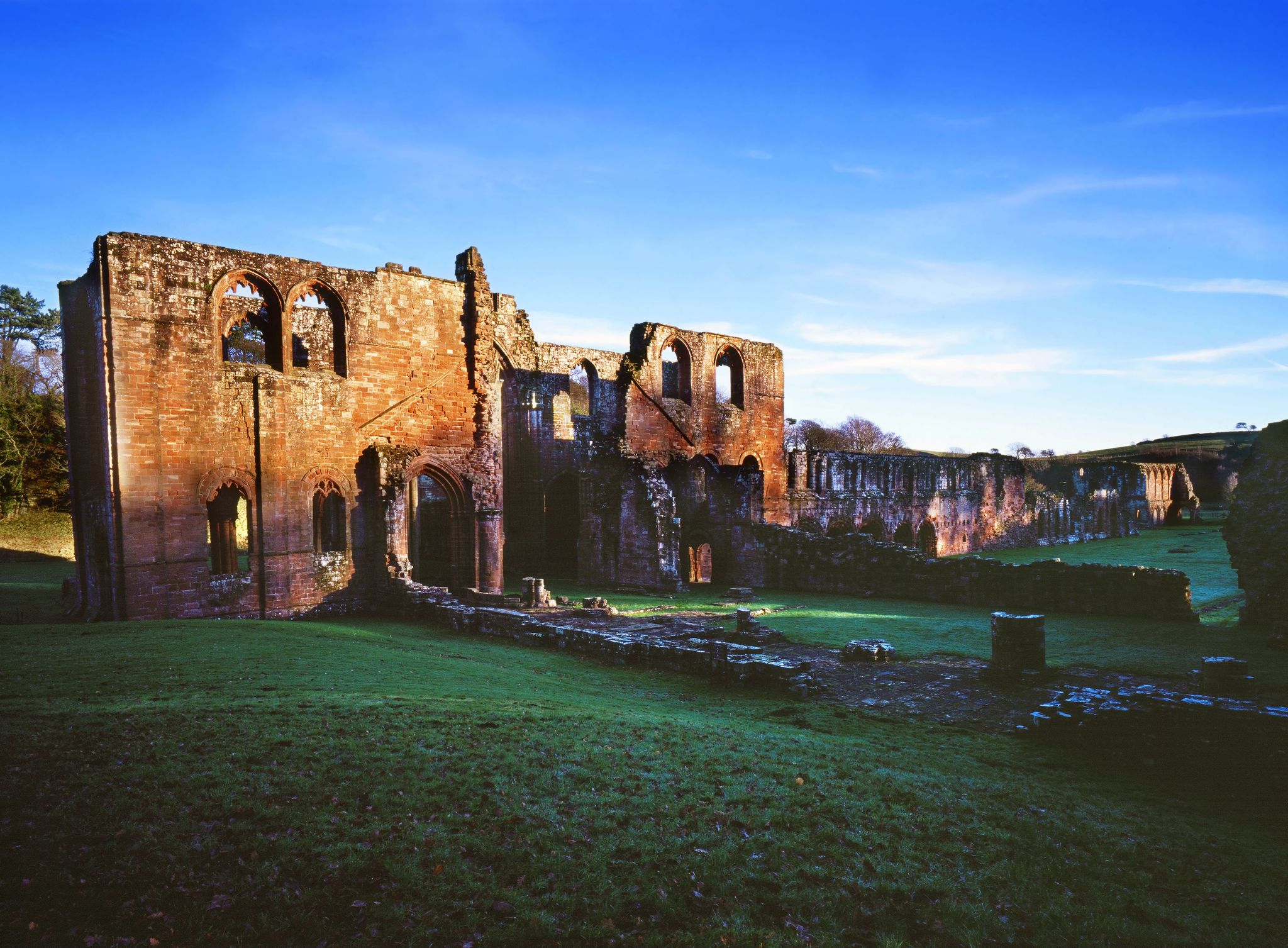
- Another must-see spot is Furness Abbey Ruins, a historical abbey ruin that was once a powerful Cistercian monastery. Its impressive red sandstone ruins offer a glimpse into its past wealth and importance.
- Visitors also love Roa Island, a settlement connected to the mainland by a causeway. From here, visitors can catch a ferry to Piel Island, known for its castle ruins.
- Barrow-In-Furness is known for its historical sites, natural reserves, and coastal landscapes. The region offers a variety of attractions to see and explore, from ancient ruins to significant wildlife habitats.
- The attractions around Barrow-In-Furness are appreciated by the komoot community, with 15 upvotes and 6 photos shared by visitors.
Last updated: October 11, 2026
Furness Abbey Ruins
Highlight • Monument
The site contains a number of Grade I-listed buildings and is a Scheduled Monument. Built in 1123, it is located in the Vale of Nightshade to the south of Dalton. It was passed to the Cistercians in 1147.
During their time here, the Cistercians built the nearby Piel Castle on Piel Island to oversee trade between the Furness Peninsula and another of their strongholds: the Isle of Man. On the orders of Henry VIII, the abbey was destroyed 1537.
Tip by

Roa Island
Highlight • Beach
Tip by
Sign up now to discover places like this
Get recommendations on the best single tracks, peaks, & plenty of other exciting outdoor places.
Abandoned Boat at Rampside
Highlight • Beach
The Cistercian monks of Furness Abbey used the village as a small port. Wordsworth visited the village in 1805 and wrote a verse about the splendid view.
Tip by
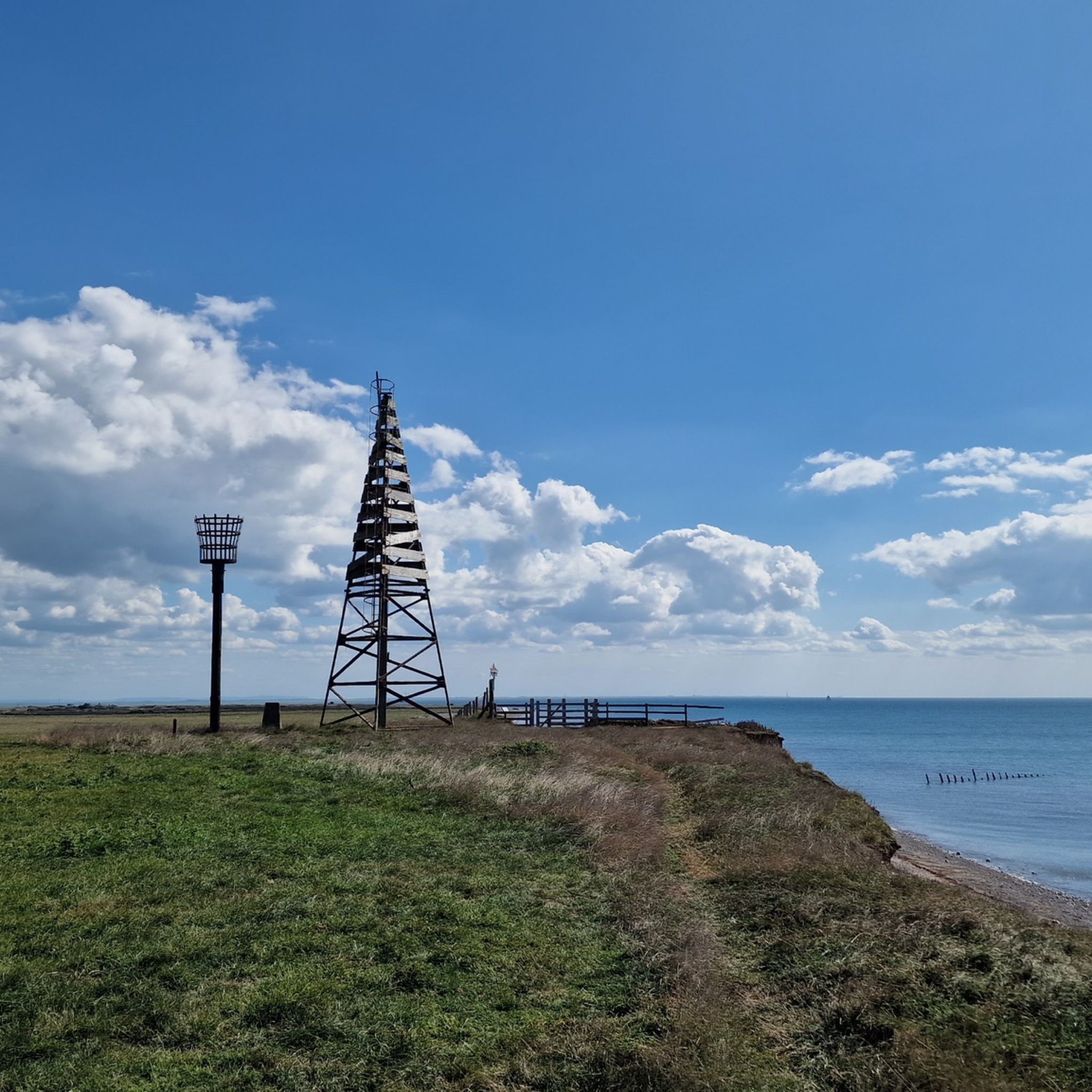
Rampside Leading Light (The Needle)
Highlight • Historical Site
Tip by

Sandscale Haws Nature Reserve
Highlight • Natural
Tip by
Pond at North Walney National Nature Reserve
Highlight • Natural
Tip by

Roanhead Beach
Highlight • Beach
Strong currents however make it unsafe to swim.
Tip by

Roosecote Sands
Highlight • Natural
The vibrant wildlife and geology of the mudflats, saltmarshes, lagoons and shingle make it a dynamic place to walk alongside. For your own safety and the preservation of the habitats, stick to the paths and roads at all times.
Tip by
Dalton Castle
Highlight • Castle
Tip by
Dunnerholme Limestone Outcrop
Highlight • Beach
Tip by
Sign up for free to discover even more attractions around Barrow-In-Furness.
Already have an account?
Start today with a free account
Your next adventure awaits.
Popular around Barrow-In-Furness
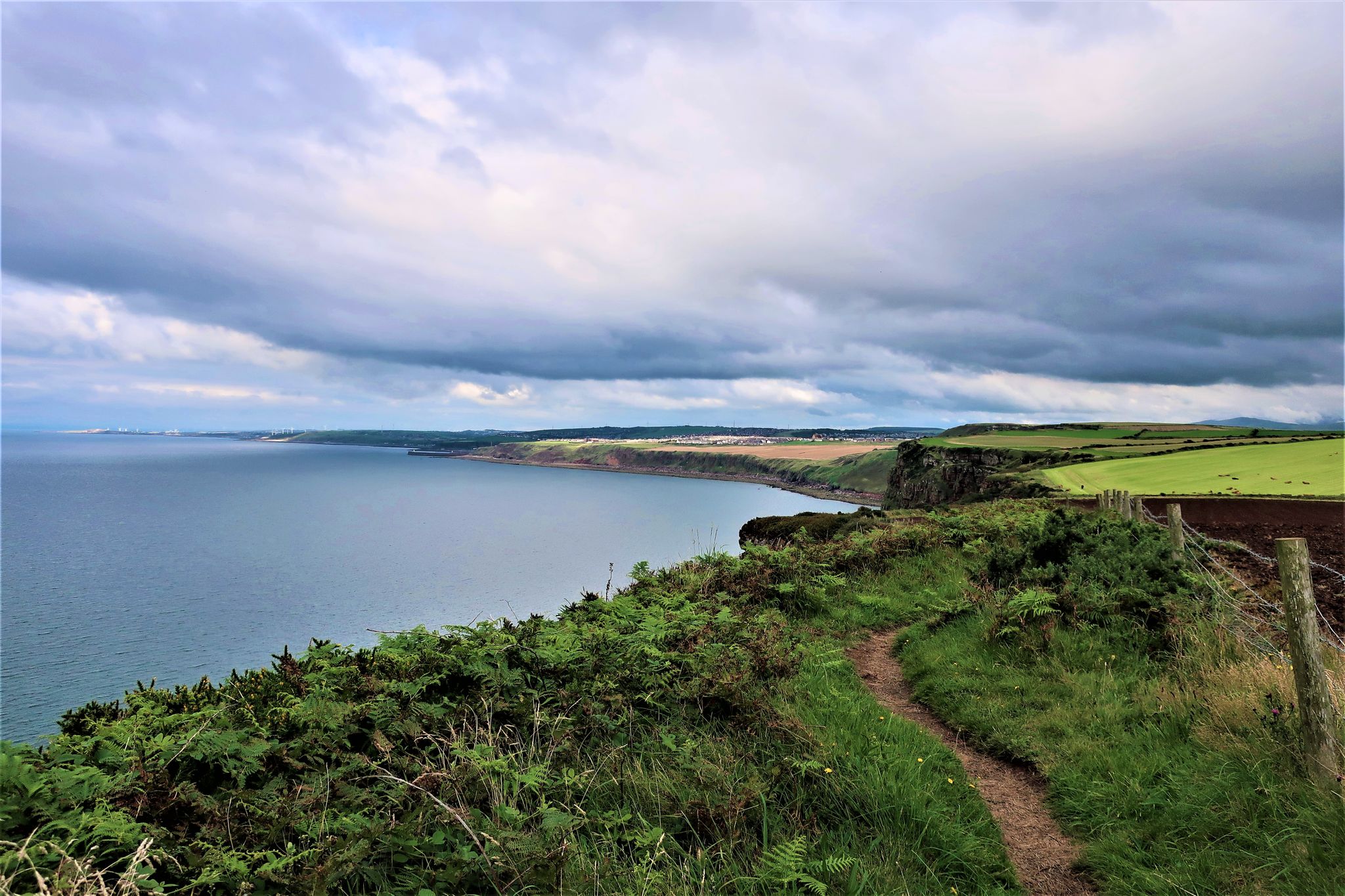
The Cumbria Coastal Way — Hike vibrant estuaries and historic coastline
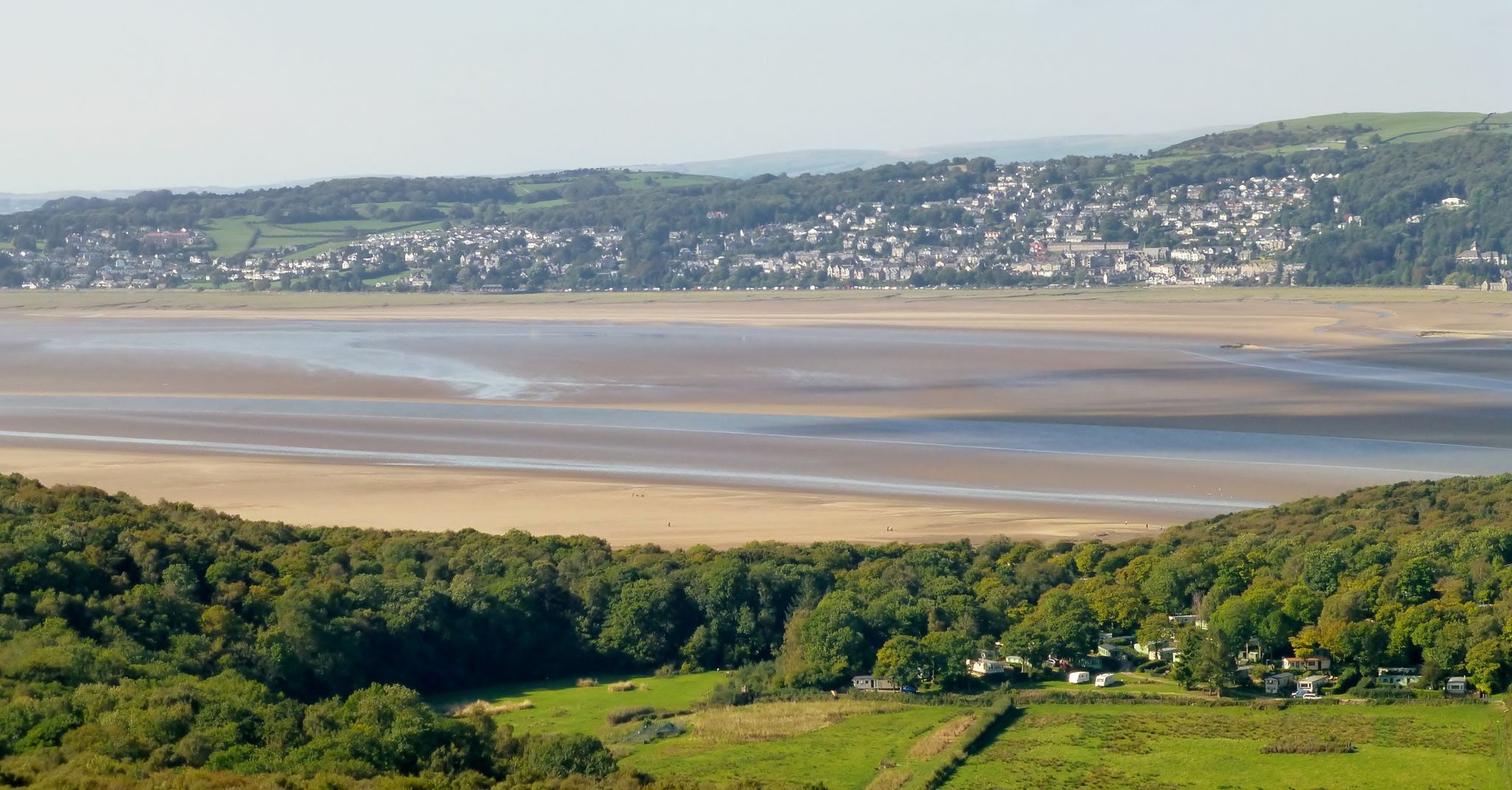
Bay Cycle Way – The perfect ride for first-time adventurers
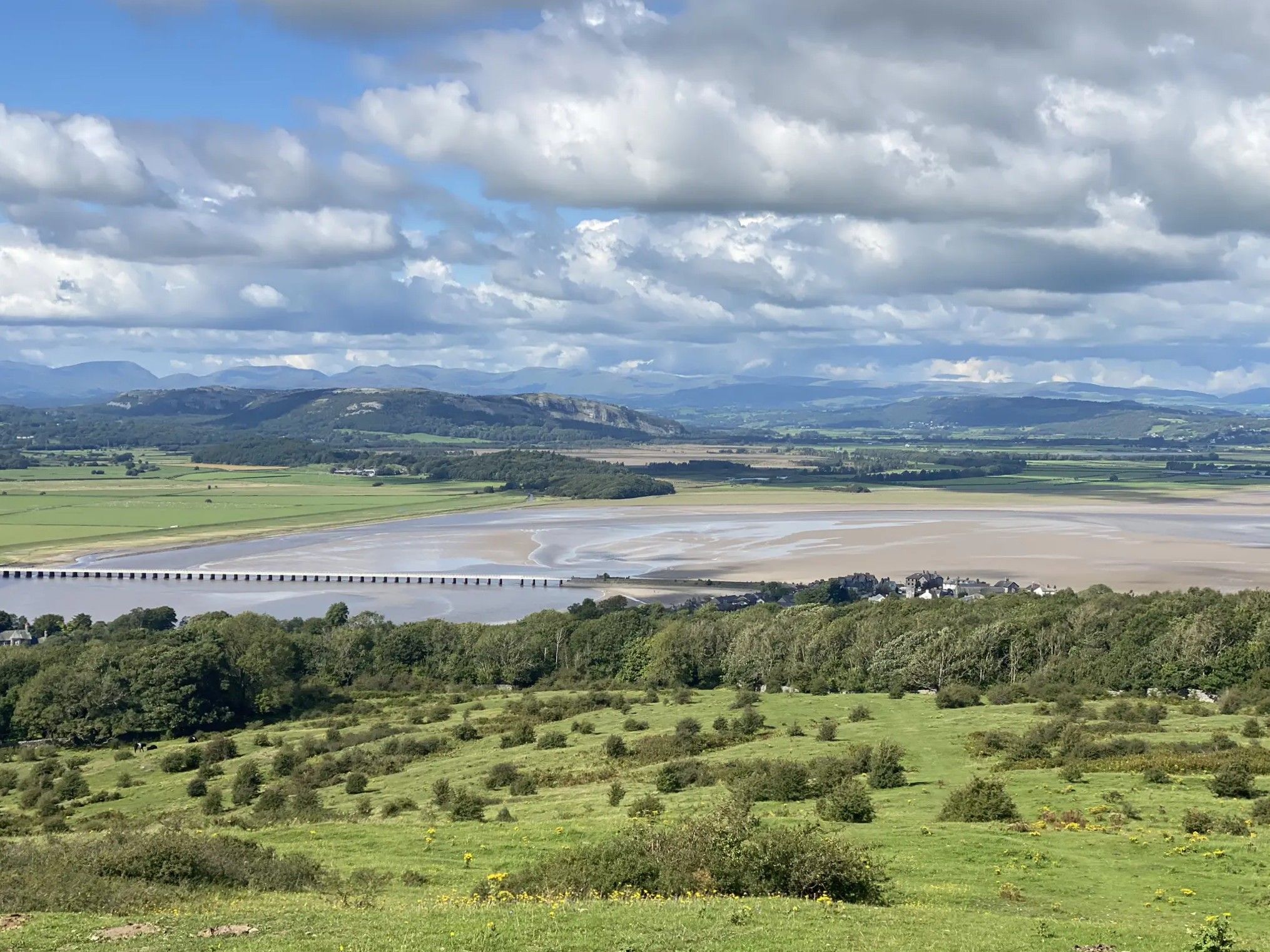
Hiking adventures in South Cumbria along the Furness Line
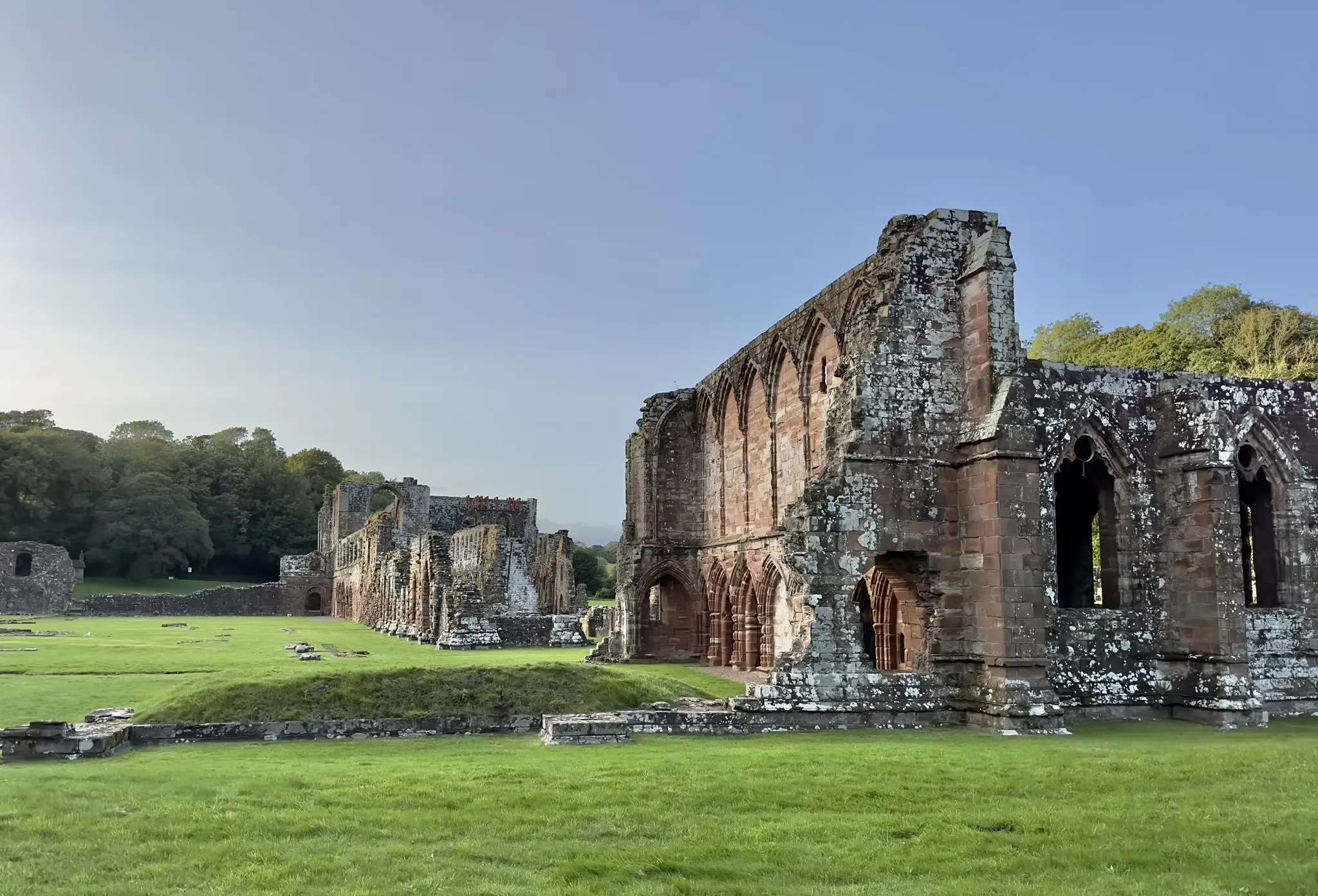
Train and bike in South Cumbria — Cycling along the Furness Line
A heavenly hike amongst historic wonder — Cistercian Way
Road Cycling Routes around Barrow-In-Furness
Cycling around Barrow-In-Furness
Running Trails around Barrow-In-Furness
Hiking around Barrow-In-Furness
MTB Trails around Barrow-In-Furness
Other adventures around Barrow-In-Furness


Tips from the Community

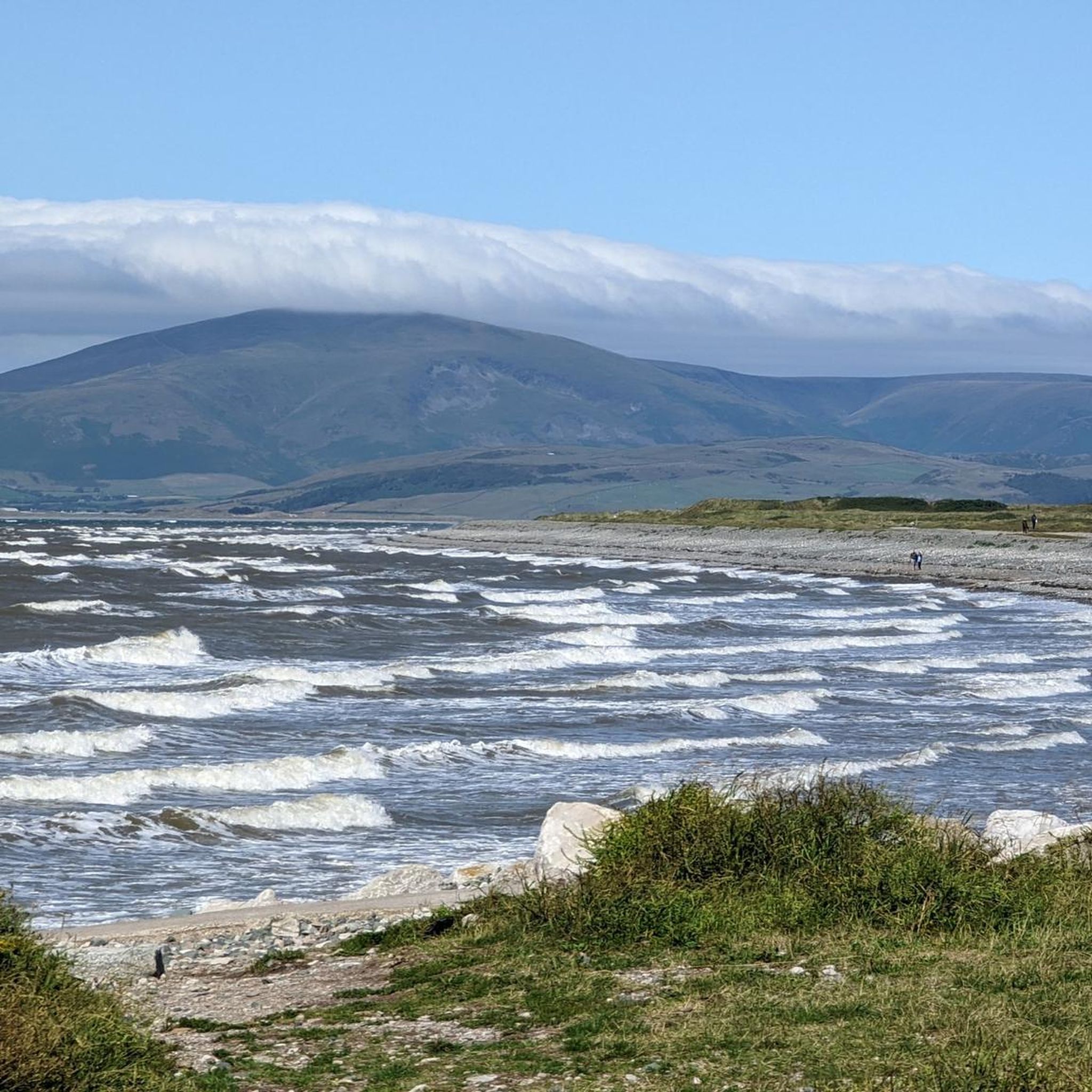
A beautiful sandy beach that's an important nature reserve, home to a variety of insects and numerous rare plants. Strong currents however make it unsafe to swim.
0
0

Small car park. Beautiful place, ideally dogs on leads near the dunes to protect wildlife.
0
0

The footpaths around North Walney Nature Reserve are really nice to walk. Lots of wildlife, peace and quiet and gorgeous views out towards the Isle of Man on once side and the Lake District fells on the other.
1
0

Its a great structure and an amazing view.....but it is not a lighthouse! It is a Leading Light.
0
1

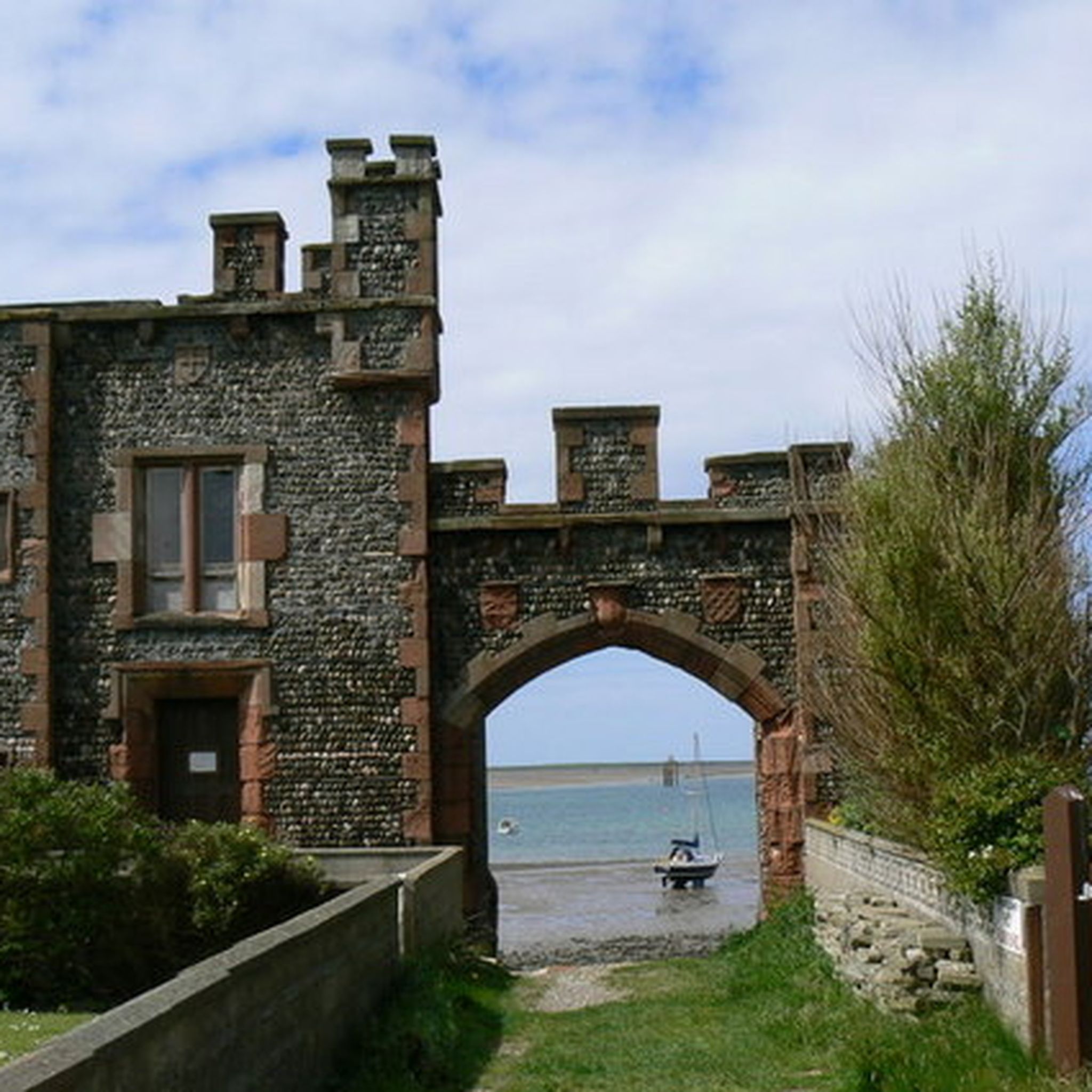
Towards the southern tip of the historic Furness Peninsula, Rampside is a small village with big sea views. It is connected to Roa Island by a causeway and from there you can take the ferry to Piel Island and its impressive castle. The Cistercian monks of Furness Abbey used the village as a small port. Wordsworth visited the village in 1805 and wrote a verse about the splendid view.
0
0
Once second only to Fountains Abbey in Yorkshire in terms of wealth and power, Furness Abbey was a Cistercian monastery of great importance. Today, it is an impressive sandstone ruin and an evocative vestige of former glory. The site contains a number of Grade I-listed buildings and is a Scheduled Monument. Built in 1123, it is located in the Vale of Nightshade to the south of Dalton. It was passed to the Cistercians in 1147. During their time here, the Cistercians built the nearby Piel Castle on Piel Island to oversee trade between the Furness Peninsula and another of their strongholds: the Isle of Man. On the orders of Henry VIII, the abbey was destroyed 1537.
2
0
Dalton Castle is a Grade I-listed pele tower in the Cumbrian town of Dalton. Constructed by the monks of Furness Abbey in the 14th-century, it was an important defense against marauding Scots. The building has also been at the heart of the region's justice system, serving as both a prison and as a venue from which the abbot administered legal matters.
0
0
An impressive finger of limestone that juts out into the Duddon Estuary, Dunnerholme is a good spot for lunch. Whilst you shelter from the wind, take in the beautiful estuary views and sweeping sands. Further afield Black Combe rises beyond Millom and to the north are distant profiles of the Coniston and Scafell mountains.
0
0
Frequently Asked Questions
What historical sites can I visit in Barrow-in-Furness?
Barrow-in-Furness is rich in history. You can explore the impressive red sandstone ruins of Furness Abbey Ruins, once a powerful Cistercian monastery. Another significant site is Piel Castle, a 14th-century stronghold on Piel Island, accessible by ferry from Roa Island. Dalton Castle, also built by Furness Abbey, served as a courthouse and prison. For maritime and industrial history, visit The Dock Museum, built over a Victorian graving dock.
Where can I experience nature and wildlife around Barrow-in-Furness?
For nature and wildlife, Walney Island is a must-visit. It hosts the North and South Walney Nature Reserves, with South Walney being home to Cumbria's only grey seal colony and both excellent for birdwatching. Sandscale Haws Nature Reserve, a National Trust site, features unique sand dunes, nearly 600 species of flora, and a significant population of natterjack toads. You can also enjoy the green oasis of Barrow Park, the largest park in the town.
Are there family-friendly attractions in Barrow-in-Furness?
Yes, several attractions are great for families. The Dock Museum offers fascinating insights into the town's shipbuilding heritage and features a large outdoor adventure playground. Walney Island's nature reserves provide opportunities for wildlife spotting and walks. Barrow Park is a spacious green area with a bandstand, perfect for a family outing. Many of the natural areas like Sandscale Haws Nature Reserve also have boardwalks suitable for exploring with children.
What coastal areas or beaches can I explore?
Barrow-in-Furness is surrounded by stunning coastal landscapes. Walney Island offers various beaches, including the popular Earnse Bay and the scenic West Shore, known for its sunsets. You can also visit Roa Island, connected to the mainland by a causeway, which provides sea views and a starting point for ferries to Piel Island. The wider Morecambe Bay and Duddon Estuary areas also offer impressive vistas and coastal walks.
What outdoor activities, like hiking or cycling, are available near these attractions?
There are many outdoor activities to enjoy. For hiking, you can find easy trails like the 'View of Piel Castle – Walney Lighthouse loop from South Walney Nature Reserve' or the 'Furness Abbey Ruins – Furness Abbey loop from Barrow-in-Furness'. Moderate hikes include the 'Rusted Boat on the Shore – Roa Island loop from Roose'. Cycling enthusiasts can explore routes such as the 'View of Roa Island loop from Barrow-in-Furness' or longer rides like the 'Gleaston Castle & Ulverston loop'. You can find more details on these routes in the hiking guide and cycling guide for Barrow-in-Furness.
How can I get to Piel Island and what can I do there?
Piel Island is accessible by a small ferry from Roa Island, which is connected to the mainland by a causeway. On Piel Island, you can explore the ruins of Piel Castle, a 14th-century fortress. The island is also famous for its unique tradition at the Ship Inn, where visitors can be 'knighted' by the 'King of Piel'.
Are there any unique viewpoints or hidden gems to discover?
Beyond the main attractions, consider visiting Rampside Leading Light (The Needle), an unusual Grade II listed lighthouse from 1875 offering significant sea views. The Pond at North Walney National Nature Reserve provides peaceful footpaths and gorgeous views towards the Isle of Man and the Lake District fells. The West Shore of Walney Island is also a hidden gem for stunning sunsets.
What is the best time to visit Barrow-in-Furness for outdoor activities?
The best time for outdoor activities in Barrow-in-Furness is generally during the spring and summer months (April to September) when the weather is milder and days are longer. This period is ideal for exploring nature reserves, coastal paths, and historical sites. Birdwatching at Walney Island is particularly rewarding during migration seasons in spring and autumn.
Are there any markets or places to find local produce?
Yes, Barrow Market Hall is one of the largest indoor markets in Cumbria. It offers a vibrant array of local produce, goods, and crafts, providing a great opportunity to experience local culture and find unique items.
What is the significance of Walney Lighthouse?
Walney Lighthouse, located on Walney Island, is an early 19th-century functioning lighthouse. It marks the southernmost man-made structure in Cumbria and serves as an important navigational aid. It's a notable landmark and offers scenic views of the surrounding coastline.
Can I find places to eat or drink near the attractions?
Yes, you'll find options for refreshments. On Roa Island, there's a cafe that makes for a great lunch spot. Piel Island hosts the historic Ship Inn. In the main town of Barrow-in-Furness, and in villages like Rampside, you can find pubs and cafes. It's always a good idea to check local listings for current opening times.
Most popular routes around Barrow-In-Furness

Get inspired with the komoot mobile app


Didn’t find what you were looking for?
Are you keen on exploring more awesome places nearby? Browse our guides:
Explore more
Still not found the Highlight you’re looking for? See guides of the top attractions in other regions:
