Top 2 Castles around Dover
Castles around Dover offer a journey through centuries of English history, set against the backdrop of the iconic White Cliffs and the English Channel. This region in Kent is strategically significant, having served as a key defensive point for England for over 2000 years. The landscape features dramatic coastal views and historical fortifications, providing insights into Roman, medieval, and wartime eras.
Best castles around Dover
- The most popular castles is Dover Castle, a castle that has protected the gateway…
Last updated: November 14, 2026
Deal Castle
Highlight • Monument
Translated by Google •
Tip by

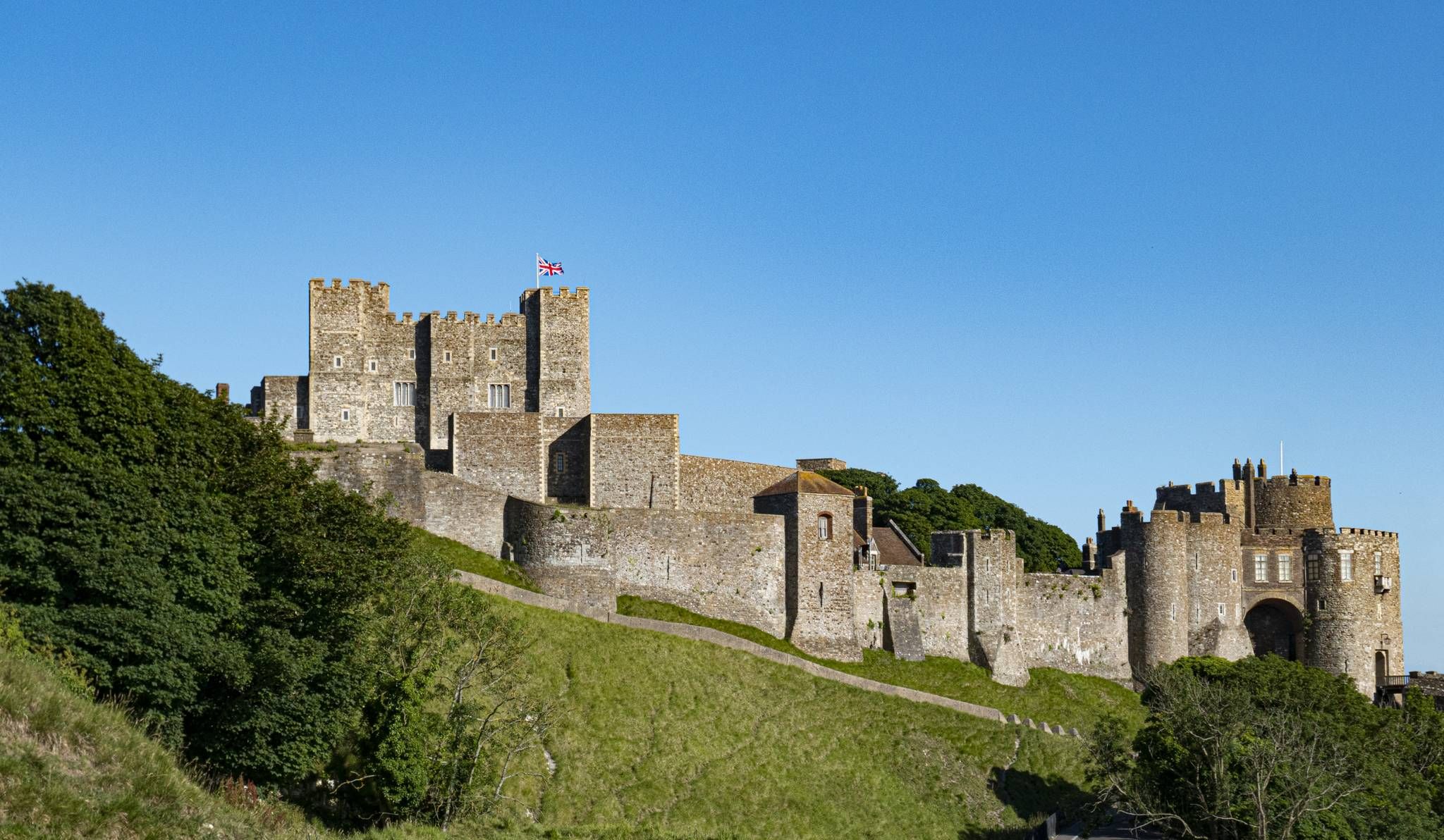
Dover Castle
Highlight • Castle
Tip by

Sign up now to discover places like this
Get recommendations on the best single tracks, peaks, & plenty of other exciting outdoor places.
Walmer Castle
Highlight • Monument
Translated by Google •
Tip by
Walmer Castle and Gardens
Highlight • Castle
Tip by
Richborough Castle
Highlight • Historical Site
Tip by
Start today with a free account
Your next adventure awaits.
Popular around Dover
From Amsterdam to London - along the North Sea and across the water
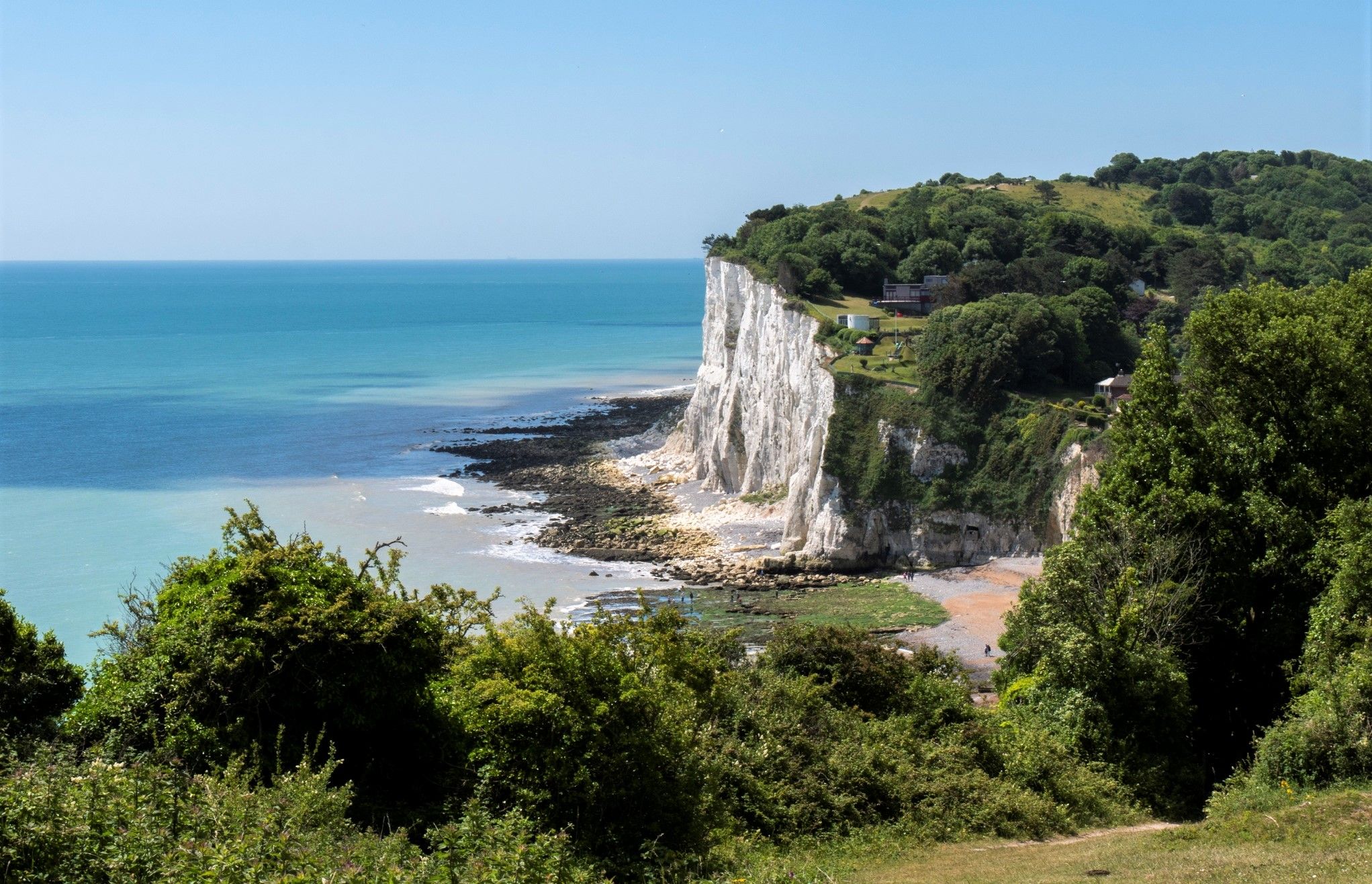
Cycling the Garden of England – orchards, cliffs and maritime history
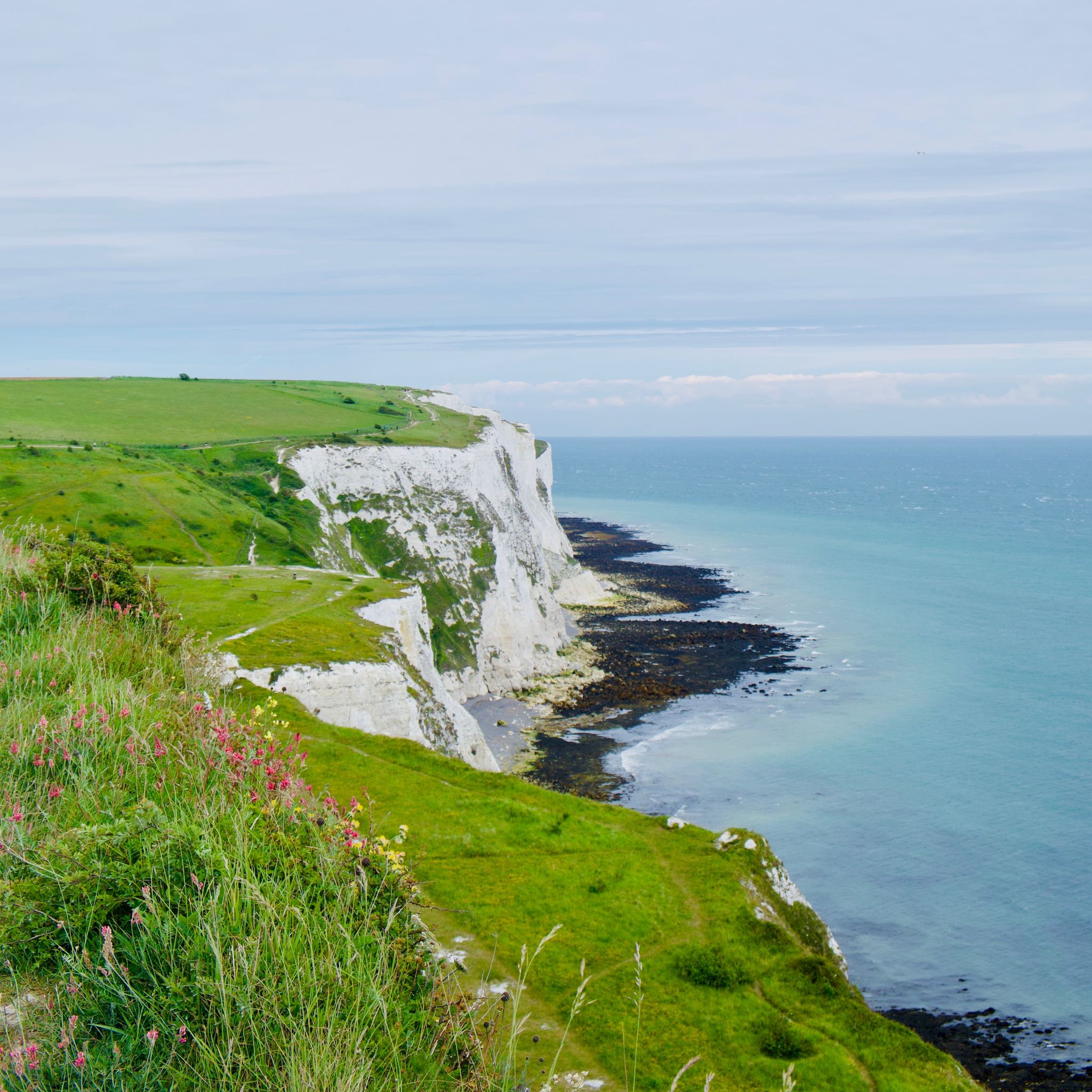
Saxon Shore Way — A historic hike along breathaking coastline
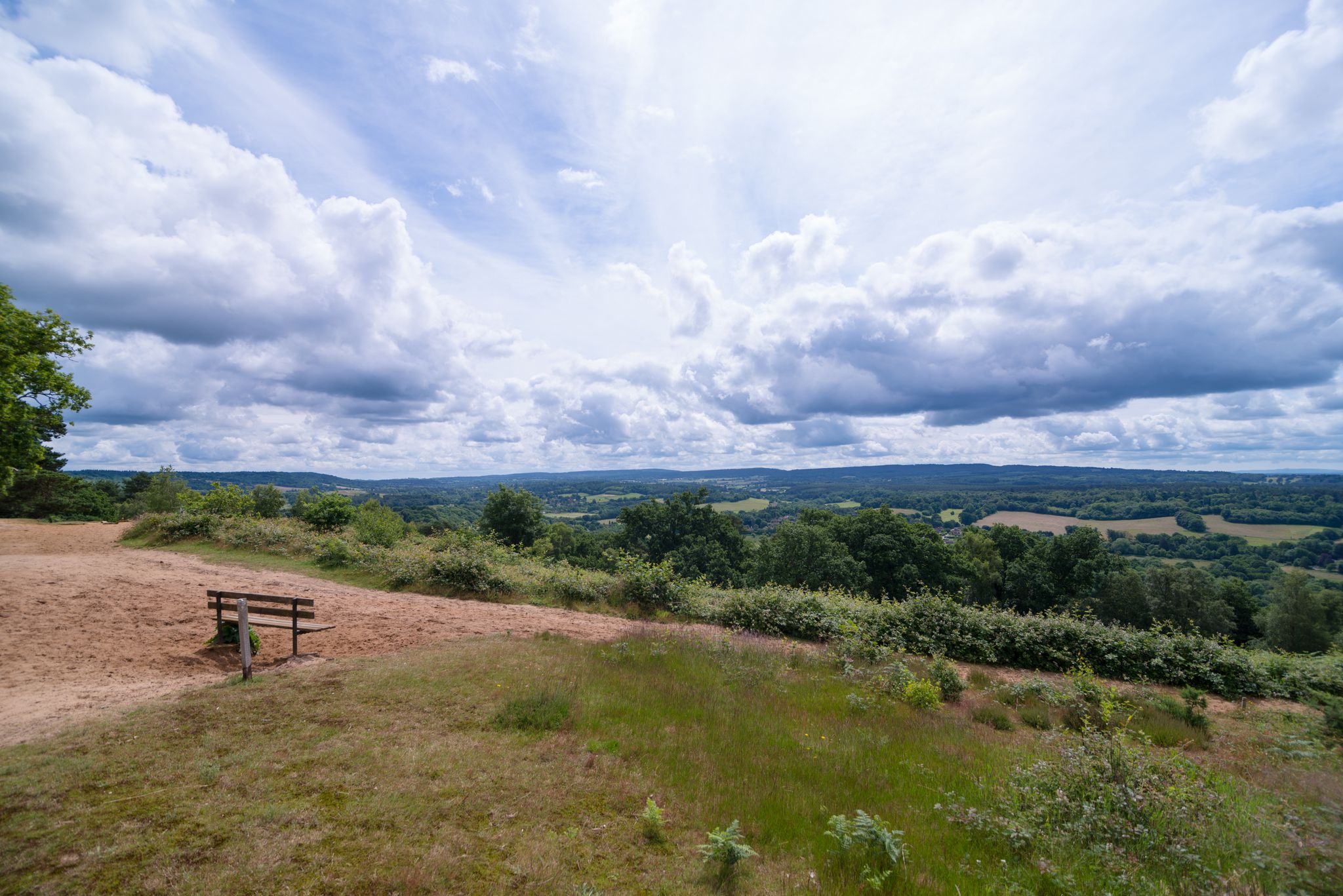
North Downs Way — Hike through 3,000 years of heavenly history
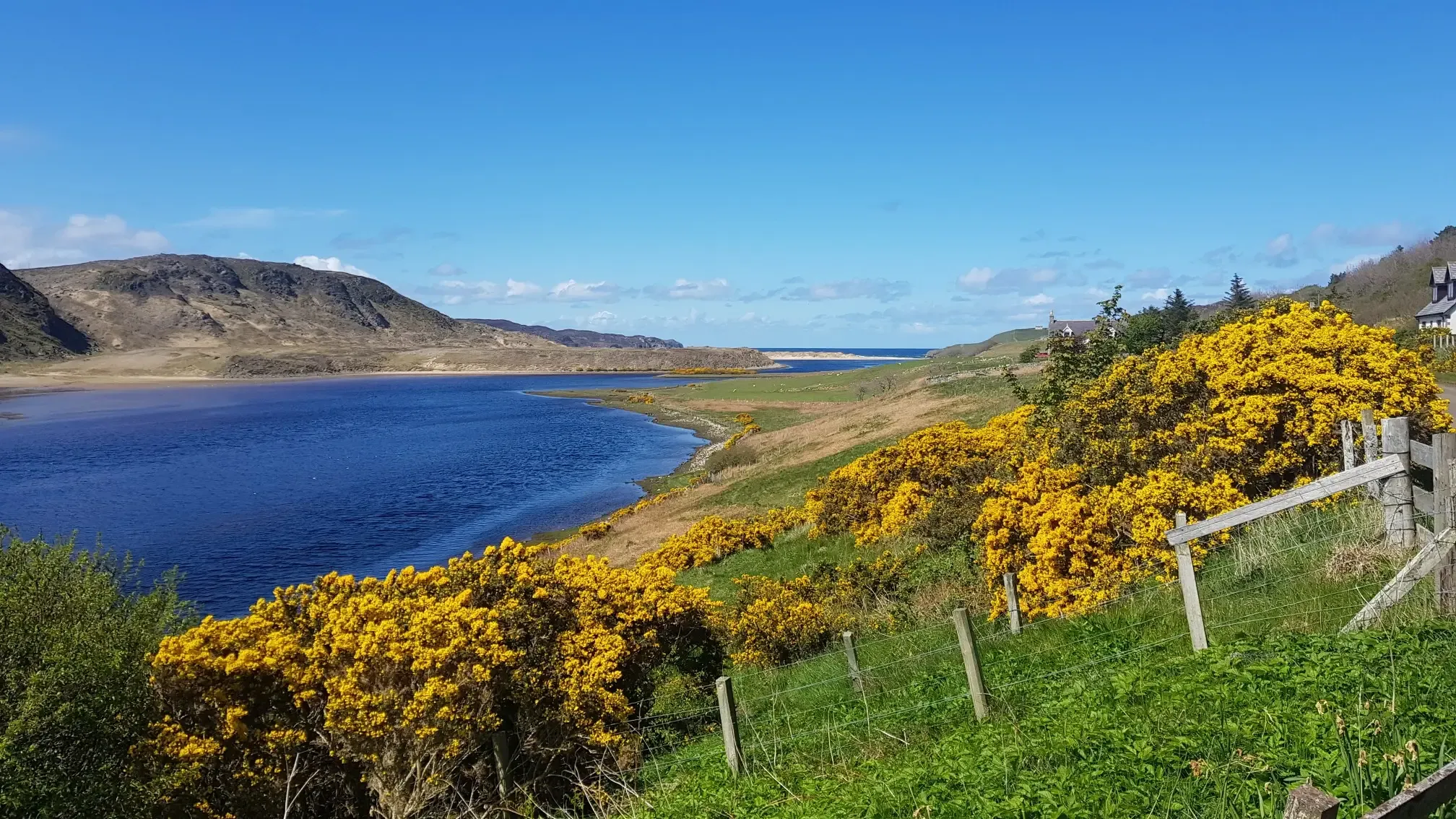
A fantastic journey along Britain’s entire East Coast – NCN 1
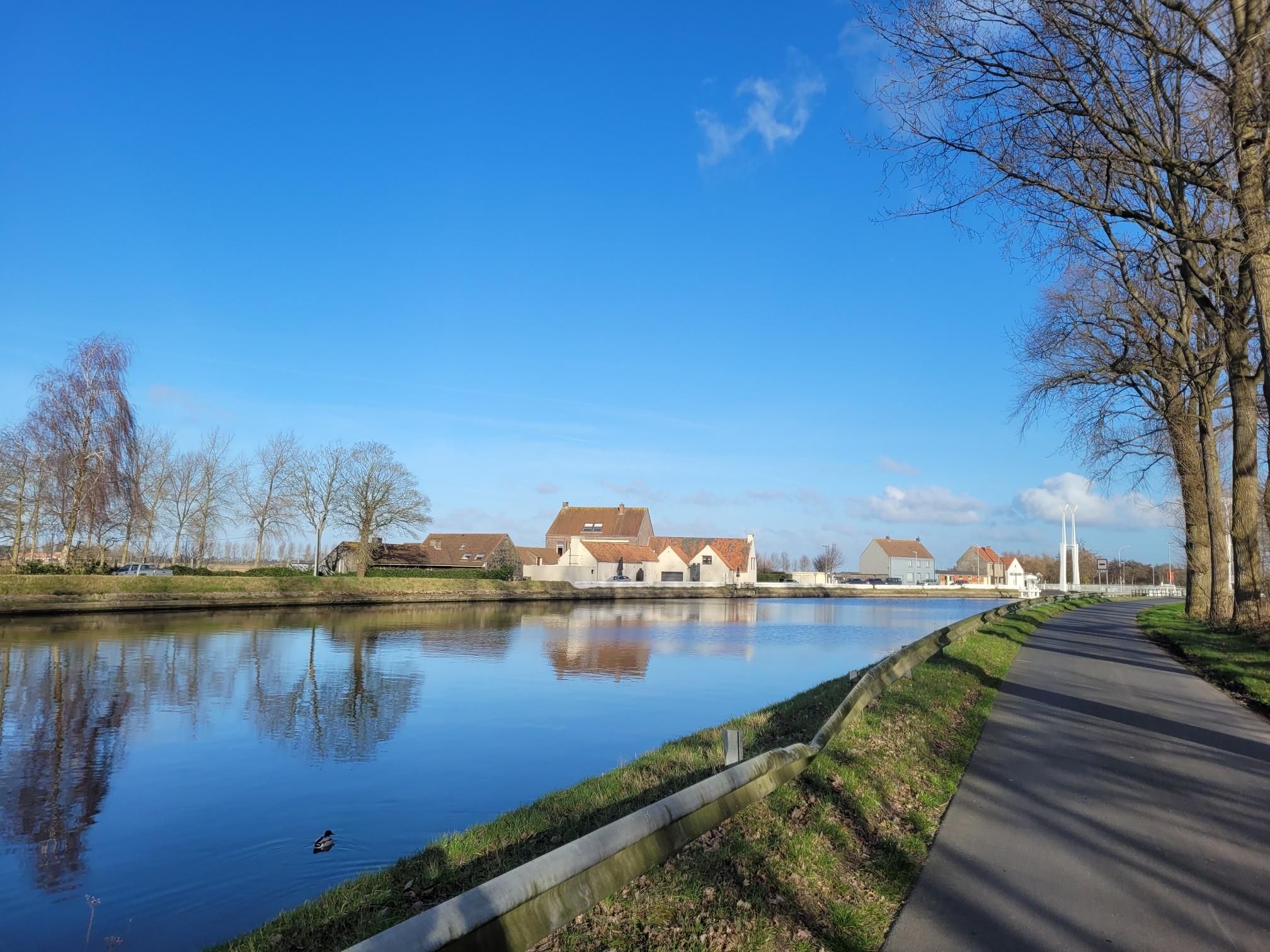
Belgian beaches and canals – London to Bruges

London to Brussels – through Flanders Fields
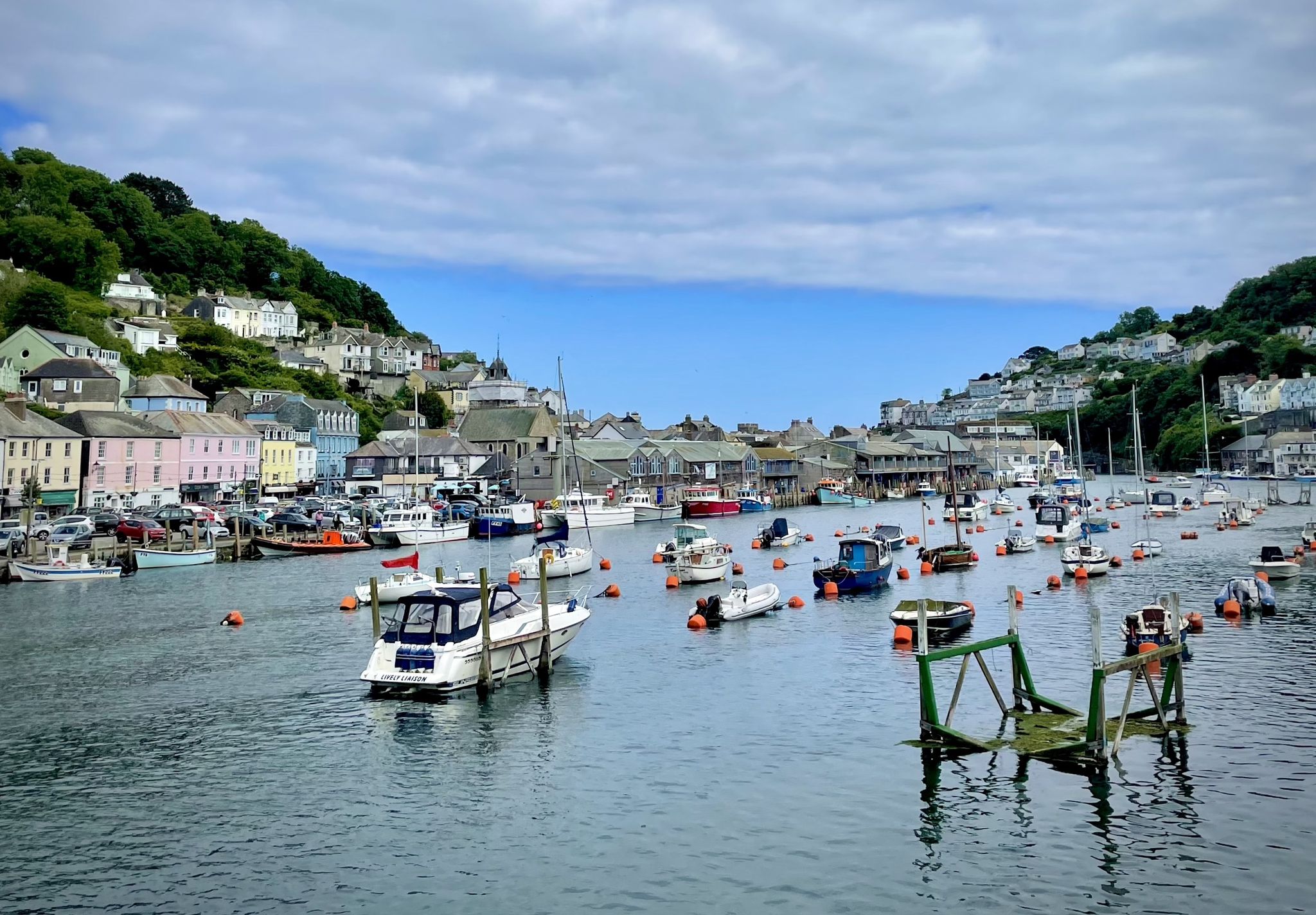
Dover to St Austell — National Cycle Network Route 2

Around the edge in 80 days — cycling the coastline of Britain
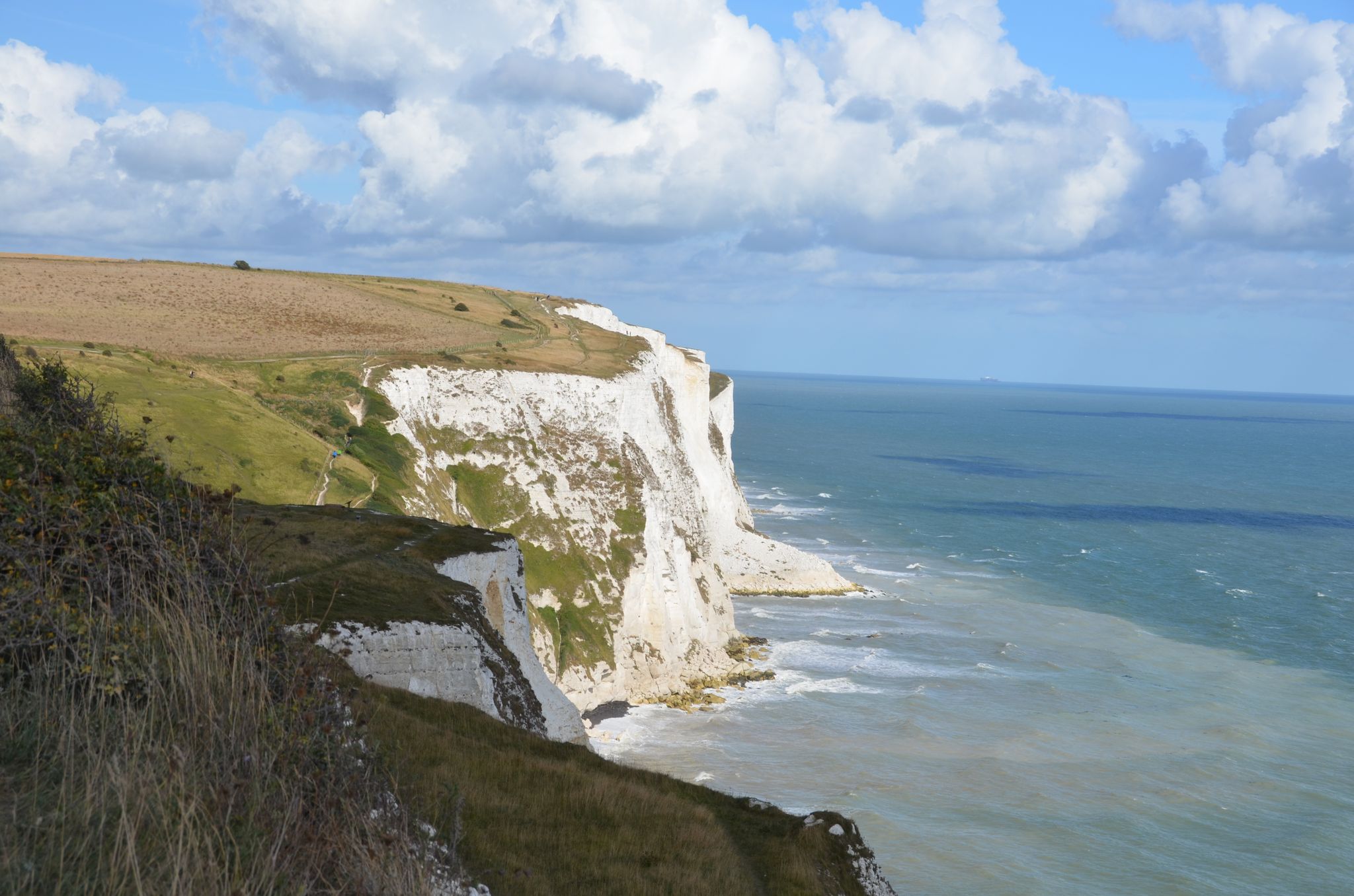
Beautiful walks in Kent - the garden of England
Other adventures around Dover


Tips from the Community

Old Roman fort and amphitheater.
1
0

Deal Castle is an artillery fort built by Henry VIII in Deal, Kent, between 1539 and 1540. It was part of the King's Device program to protect against invasions from France and the Holy Roman Empire, and defended the strategically important Downs anchorage off the English coast. Consisting of a keep with six inner and outer bastions, the water-surrounded stone castle covered 0.85 acres (0.34 ha) and had sixty-six firing positions for artillery. During the Second English Civil War of 1648-49, Deal was captured by pro-Royalist rebels and was only recaptured by Parliamentary forces after several months of fighting. Although still armed, Deal was adapted by Sir John Norris and Lord Carrington during the 18th and 19th centuries to form a more suitable private home for the captain of the castle, which was now an honorary title.
7
0
Walmer Castle is an artillery fort originally built by Henry VIII in Walmer, Kent, between 1539 and 1540. It was part of the King's Device program to protect against invasions from France and the Holy Roman Empire, defending the strategically important Downs anchorage off the English coast. Walmer Castle later became the official residence of the Lord Warden of the Cinque Ports and was gradually transformed from a military fortress into a private residence. Inside the castle there are new areas to explore, opening to the public for the first time in 2024. Discover the Lord Warden's private chambers and see where the Queen Mother stayed during her visits. The grounds include the Queen Mother's Garden, designed by Penelope Hobhouse as a 95th birthday present for Elizabeth in 1997.
8
0

Well worth the price of admission on a hot day with a family. Slowly take in the garden and tea rooms attached.
1
0

The round shape of the fortress is striking; from above it looks like a rose blossom. The round shape was designed to better withstand the projectiles from ships' cannons.
0
0
A Henry VIII fort built in 1539. There is a circular keep, 270 feet in diameter, surrounded by 6 circular bastions
2
0

Deal Castle stands as an artillery fortress commissioned by Henry VIII in the town of Deal, Kent, built between the years 1539 and 1540. Its creation was integral to the King's Device program, designed to fortify England against potential invasions from France and the Holy Roman Empire. The castle played a crucial role in safeguarding the strategically significant Downs anchorage along the English coast.
0
0

At 5 p.m. everything is barricaded. Managed by English Heritage, with plenty of parking spaces attached. We could only see it from the outside, it was very picturesque
3
0
Frequently Asked Questions
Which castles around Dover are best for families?
Several castles in the Dover area offer engaging experiences for families. Dover Castle provides historical re-enactments, knight tournaments, and interactive activities. Deal Castle is great for children to role-play with wooden muskets and enjoy audio adventures. Walmer Castle features a nature-inspired adventure play trail with wobbly bridges and giant nets within its extensive gardens.
What historical periods do the castles in the Dover area cover?
The castles around Dover span a vast range of English history. Dover Castle alone covers Roman times (with its Pharos lighthouse), the medieval period (Henry II's Great Tower), and both the Napoleonic and World Wars (Secret Wartime Tunnels). Deal Castle and Walmer Castle are prime examples of Tudor military engineering from Henry VIII's reign, with Walmer later evolving into an elegant country residence with connections to figures like the Duke of Wellington and the Queen Mother. Additionally, Richborough Castle is a significant Roman site, marking one of the first and last strongholds of Roman rule in Britain.
Are there any walking trails near the castles around Dover?
Yes, the Dover area offers numerous walking opportunities, often with views of the castles or incorporating them into routes. You can find various hiking trails, including moderate options like 'The White Cliffs of Dover – South Foreland Lighthouse loop from Dover' or 'Great Tower of Dover Castle – View of Dover Port loop from Dover'. For more details on these and other routes, explore the Hikes from bus stations around Dover guide.
What are the best times of year to visit the castles in Dover?
Spring and summer (April to September) are generally the best times to visit the castles around Dover. The weather is typically milder, making it more pleasant to explore the extensive outdoor grounds and battlements, such as those at Dover Castle and the award-winning gardens at Walmer Castle. During these months, many sites also host special events and re-enactments.
How long should I plan for a visit to these castles?
For Dover Castle, it's recommended to allow at least 3 to 4 hours, as it is England's largest castle with multiple areas to explore, including the Great Tower, medieval tunnels, and Secret Wartime Tunnels. For Deal Castle and Walmer Castle, a visit typically takes 2 to 3 hours, allowing time to explore the interiors and gardens.
Are there any cycling routes that pass by or near the castles?
Yes, the area around Dover offers several cycling routes that can take you near these historic sites. You can find moderate touring bicycle routes like 'Deal Castle – View of Dover Castle loop from Dover Priory' or 'View of Dover Castle – View of Dover Castle loop from Walmer'. For mountain biking, there's a 'Deal Castle – View of Dover Castle loop from Walmer'. Explore these and other options in the Traffic-free bike rides around Dover guide and the MTB Trails around Dover guide.
What unique features can I expect at Walmer Castle?
Walmer Castle uniquely blends its Tudor military origins with its later role as an elegant country residence. Visitors can explore historic rooms once used by figures like the Duke of Wellington and the Queen Mother, complete with personal artifacts. A major highlight is its eight acres of award-winning gardens, including the Queen Mother's Garden and a vibrant Kitchen Garden, making it an RHS Partner Garden.
What makes Deal Castle distinct from other castles in the area?
Deal Castle stands out as one of the finest surviving Tudor artillery castles in England, built by Henry VIII. Its distinctive rose-shaped layout with a central keep and multiple semi-circular bastions was specifically designed for 360-degree defense against cannon fire. You can explore its unique 'Rounds Passage' circling the castle walls and see centuries-old graffiti left by soldiers.
What natural features can be seen from the castles?
From Dover Castle, perched atop the iconic White Cliffs, you get commanding views of the surrounding countryside, Dover town, and the English Channel, with France visible on clear days. From Deal Castle and Walmer Castle, both situated along the coast, you can enjoy seaside views and the expansive English Channel.
Is there parking available at the castles?
Yes, parking is generally available at the main castles. Deal Castle, managed by English Heritage, has plenty of attached parking spaces. Dover Castle also has extensive parking facilities. It's always advisable to check the official websites for current parking information and any potential fees.
Are there less crowded castle options near Dover?
While Dover Castle is very popular, Deal Castle and Walmer Castle, though also well-visited, can sometimes offer a slightly less crowded experience, especially outside of peak holiday periods. For a different historical perspective and potentially fewer crowds, consider Richborough Castle, an atmospheric Roman site on the East Kent marshes.
Most popular routes around Dover
Most popular attractions around Dover

Get inspired with the komoot mobile app


Didn’t find what you were looking for?
Explore Dover’s best castles region by region:
Explore more
Looking for the best castles somewhere else? Discover other guides around Dover:
