Attractions and Places To See around Worcester - Top 20
Best attractions and places to see around Worcester include historical landmarks, cultural sites, and natural features. Situated on the River Severn, Worcester offers a blend of urban and natural landscapes. The city is recognized for its rich history and diverse points of interest.
Best attractions and places to see around Worcester
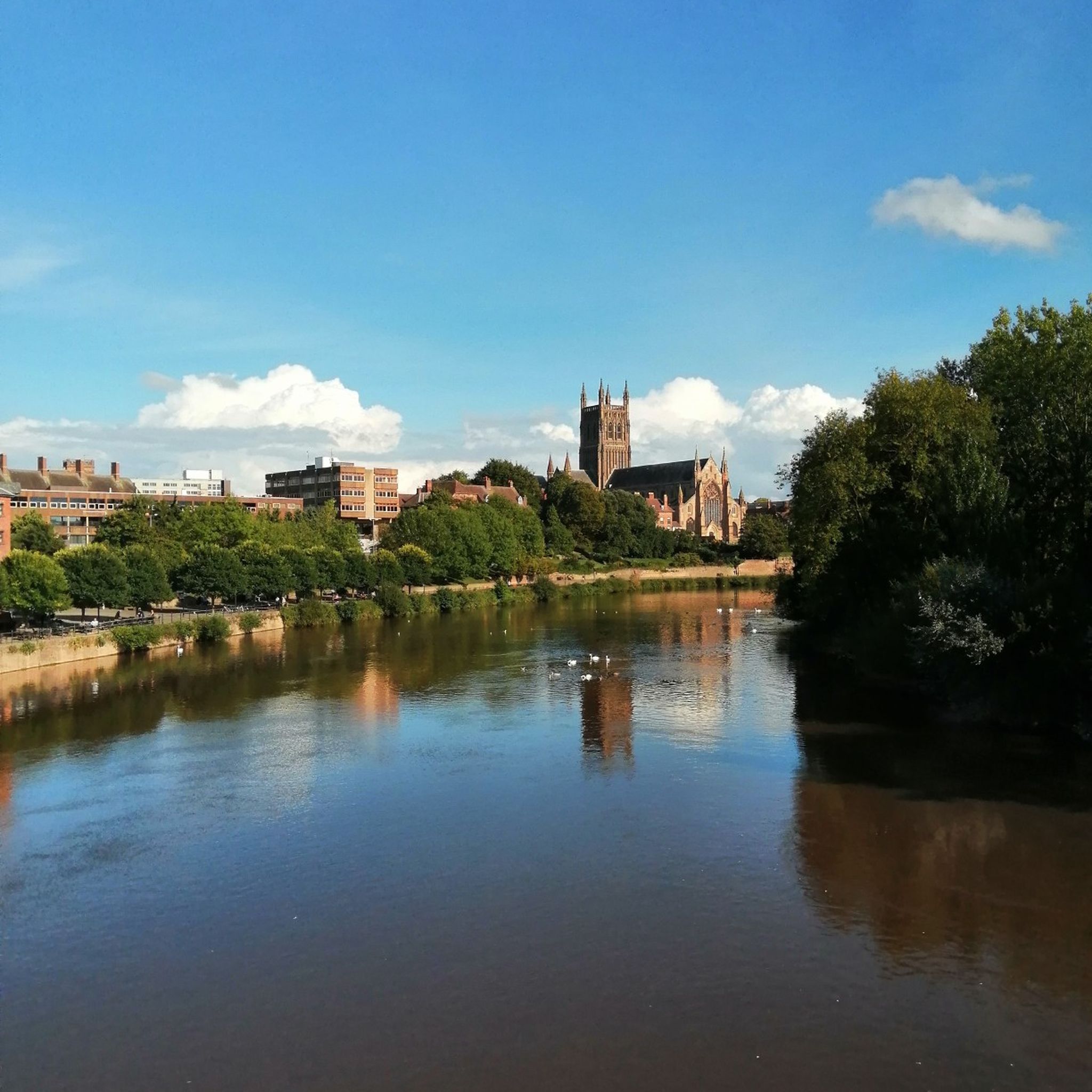
- The most popular attractions is Worcester Cathedral, a historical site that has been a place of worship for over 14 centuries. Construction of this Grade I-listed structure began in 1084 and continued until 1504, showcasing Norman and Perpendicular Gothic styles.
- Another must-see spot is Diglis Bridge, a wheelchair accessible bridge. This 66-meter suspension bridge links the marina area with Lower Wick and is part of the National Cycle Network, offering scenic views of the River Severn.
- Visitors also love Powick Bridge, a historical bridge. This site witnessed the first and last battles of the English Civil War, making it a significant landmark for historical events.
- Worcester is known for its historical sites, bridges, and cycle routes. The area offers a variety of attractions to see and explore, from ancient cathedrals to modern pedestrian infrastructure.
- The attractions around Worcester are appreciated by the komoot community, with 124 upvotes and 42 photos shared across the highlights.
Last updated: October 9, 2026
Worcester Cathedral
Highlight • Historical Site
Showing Translation
Tip by

Hylton Road Cycle and Pedestrian Bridge
Highlight (Segment) • Cycleway
At the northern end the bridge links up to a muddy path, barely passable after rain, or you can cross four lanes of traffic and ride on a pavement towards town.
At the Northern end you can also ride on a pavement for 50metres, before crossing four lanes of traffic and heading towards Powick/Malvern.
There is also the option of going round the roundabout. Whilst busy this avoids taking the hilly diversion that is the bridge, and means you don't have to rejoin by crossing traffic on a busy road.
Lovely structure, would look great in a bridge museum, where it would probably be more useful. Cyclists are lucky, the footpath from Malvern is fenced off making the bridge the only option for pedestrians.
Tip by

Sign up now to discover places like this
Get recommendations on the best single tracks, peaks, & plenty of other exciting outdoor places.
Diglis Weir and Worcester Riverside Path
Highlight (Segment) • Trail
Tip by

Diglis Bridge
Highlight • Bridge
As part of a £5 million riverside regeneration project aimed at revitalising the Diglis Basin and Marina, Diglis Bridge was opened on the 20th of July 2010 as a new link in the National Cycle Network. It also creates a completely elliptical cycle path between Worcester’s main Sabrina Bridge and the Diglis Locks. At the time of writing, it is the most recent bridge to be built across Britains longest river – The Severn.
Designated as a pedestrian and bicycle bridge it was architecturally designed by YEE Associates and installed by Alun Griffiths Ltd as part of the ‘Sustrans Connect2’ (sustainable Transport) Initiative. The completed bridge is believed to have cost 1.8 million pound to develop and install.
The suspension bridge a-frame pylon tower is 28m in height and is inclined towards the river at a 22.5° angle. It’s believed to be only one of two Bridges worldwide where the cable-stayed tower inclines towards the span of the river – the other one being located in Tasmania.
Diglis Bridge is 66 metres in length and links the marina area with Lower Wick. The decking is made from aluminium planks and the parapets are designed as post-and-wire railings. The width is a minimum of 3.5 metres to allow for cyclists traveling in opposite directs to pass each other with ease. Overall, the bridge weighs about 70 tonnes and clears the river surface by an average of 8.3 metres.
Given its unusual design and scenic setting it has become something of a tourist attraction in its own right. It is particularly popular with photographers as the sun angles directly behind the main pylon during sunset.
Tip by

The Mug House
Highlight • Historical Site
Tip by

Worcester and Birmingham Canal
Highlight • Structure
Translated by Google •
Tip by

Powick Bridge
Highlight • Bridge
Tip by

Swan Statue, Worcester
Highlight • Monument
The stonemasons of Worcester Cathedral made a second section for the column which is now two metres high.
Tip by
St John the Baptist Church, Claines
Highlight • Religious Site
The present church appears to have been entirely rebuilt in the early 15th century upon the site of an older building, some fragments of which, dating from the late 12th century, and consisting of the moulded base and capital with a few of the drum stones of an arcade pier and some arch stones of a doorway, with an embattled moulding, were discovered beneath the north wall of the north aisle on its demolition for the modern extension. The north and south chapels were added early in the 16th century, and a rood gallery constructed or enlarged at the same period. In 1887–8 a new north aisle was added to the existing aisle, the north wall of the which was moved outwards and rebuilt practically stone for stone. The walling throughout the church is of large squared sandstone, laid in more or less regular courses.
The east window of the chancel is of three trefoiled ogee lights with vertical tracery within a two-centred head. At the south-east is a plain piscina recess with a square basin, originally projecting, but now cut back flush with the wall. The north and south walls are occupied by the chapel arcades, each of two bays with two-centred arches. Those of the north arcade are of two orders, the outer hollow-chamfered and the inner wave-moulded, and interesting example of the reversion to type charateristic of early 16th-century work. The column and responds continue the orders, which are interrupted by bell capitals of a clumsy section. The south arcade has arches of one order only, moulded with a plain chamfer, set back a little from the wall face and supported by an octagonal column, with responds of the same form. The two-centred chancel arch is of a single chamfered order, with semi-octagonal responds having moulded capitals and bases, of the same plain section as those of the nave arcades. Externally there were originally diagonal buttresses at both the eastern angles, but that at the south-east appears to have been taken down and set square with the east, wall on the addition of the south chapel. This is shown both by the disturbance of the facing here and by a short portion of the original return of the plinth mould, which surrounds the whole of the early 15th-century building.
The east window of the north chapel has a straight-sided four-centred head, and is of three trefoiled lights with vertical tracery over. The mullions are hollow-chamfered, and the tracery is set near the middle of the wall with a wide external casement. The square-headed window of three trefoiled ogee lights at the north-east is one of the original north windows of the chancel reset, and is of the same general type as those used throughout the church in the work of the earlier period. The remainder of the north wall is occupied by an arch opening into the modern vestry. At the north-west is a doorway with an elliptical head opening into the rood stairs, which are contemporary with the chapel. A two-centred arch of two chamfered orders, with responds of the same form as those of the chancel arcade, opens into the north aisle. The wall at the south-west angle is said to have been cut away and two squints cut from the aisle to the chapel, and from the chapel to the chancel, in the first half of the 19th century, when a small font was placed here. A portion of the plinth mould of the north wall of the chancel is visible at the south-east. Both here and in the case of the south chapel the whole of the length of chancel wall occupied by the arcade has been cut away and rebuilt. Externally the east wall has a plainly moulded cornice, now surmounted by a gable, which is evidently of later date, the present high-pitched roof being an addition. A piece of quatrefoil panelling at the north-east shows that there was originally a panelled parapet, similar in type to that which crowns the walls of the south chapel. The pinnacles which surmounted it have been reset at the angles of the tower parapet. At the eastern angle is a diagonal buttress of two offsets, and at the west end of the north wall a buttress of a similar number of offsets is visible inside the modern vestry, one of the east windows of which, removed originally from the north wall of the chancel to the chapel, has again been removed to its present position. The plinth of the chapel is of the same section as that of the chancel, the stones having probably been re-used. Over the north-east window is a large grotesque gargoyle.
The south chapel has one east window similar to that of the north chapel, but the tracery is more symmetrically set out, and generally shows traces of a slightly earlier date. The two square-headed windows in the south wall, of three and two lights respectively, are the reset south windows of the chancel, and are similar in detail to the reset north windows. Between them is a blocked doorway. An acute two-centred arch with semi-octagonal responds opens into the south aisle. Externally the walls are crowned by a heavily-moulded cornice and a pinnacled parapet panelled with quatrefoils. The pinnacles are crocketed, gabled and panelled; on each is carved a blank shield below a rose. The parapet is unpanelled on the east, and appears to have been disturbed, the coping being set at a less inclination than the cornice, which follows the slope of the low-pitched lean-to roof. There is a diagonal buttress at the south-east, one between the two windows of the south wall and one at the junction of the chapel with the aisle, all of two offsets. A plain chamfered plinth runs round the walls
The nave arcades are each of four bays with acute two-centred arches of a single chamfered order, supported by octagonal columns and responds having moulded capitals and bases, similar in section to those of the chancel arch. In the apex of the east gable is a single cinquefoiled light. The north wall of the north aisle has been taken down and re-erected as the north wall of the additional aisle, added in 1887. Its three-light square-headed windows, three in number, are reset in this wall, with the original buttresses between them, and a diagonal buttress at the north-west angle, all of two offsets. The west window, which occupies its original position, is of similar design. All correspond in type to those of the chapels described above. An arcade of four-centred arches divides the two aisles. The south aisle has a west and three south windows of the same pattern as those of the north aisle, with buttresses between them and at the south-west angle. Between the two western windows is the south doorway, which has a plain chamfered two-centred head and segmental rear arch.
The tower is of three stages with an embattled parapet, at the angles of which are placed the four pinnacles of the north chapel. At the west are diagonal buttresses of four offsets. The tower arch is of a single acute two-centred order, and the west window of the ground stage is a square-headed three-light window of the type prevailing throughout the building. In the north and south walls are blocked doorways. The ringing chamber is lighted on the north, west and south by single ogee-headed lights, and the belfry by square-headed windows of three trefoiled ogee lights. The plinth mould of the chancel, nave and aisles is continued round the base of the tower.
The roofs of the chancel and chapels are modern; the ceiling of the north chapel conceals internally its later high-pitched roof. The nave has its original trussed rafter roof, and some of the timbers of the aisle roofs are also of original date. Externally the roofs of chancel, nave and aisles are tiled, those of the chapels being leaded.
In the north porch are preserved some fragments of encaustic tiles of the 15th century, including the four-tile Talbot design so common in the neighbourhood. In the vestry is some early 17th-century panelling.
In the east bay of the south chancel arcade, moved here from the churchyard, where it had been for many years, is the elaborate table tomb of John Porter, who died in 1577. It is now very imperfect, part only of the panelled sides remaining. Upon the top is his recumbent effigy. Of the inscription only the fragment— 'IOHN PORTER WHICH WAS A LAWYER 1577' — survives. The panels of the sides have semicircular heads with shells in their tympana and blank shields inclosed in smaller trefoiled panels below, the whole exhibiting a curious and characteristic mixture of Gothic and Renaissance. Above the three shields on the north side are the initials 'I.,' 'I.P.' and 'P.' Below is decipherable 'Anno Domini 1577.' That this tomb has always been a cenotaph is shown by a tablet now in the north chapel inscribed as follows: 'Subtus requiescit sed in erectissima | spe resurrectionis Iohannes Porter | Iurisconsultus qui Obiit Anno Do[mini] | 1577 | Omnia transibunt, nos ibimus, ibitis, ibunt | Ignari, gnari, conditione pari.' |
In the floor at the west end of the nave is a slab with a Passion cross having a shield in the centre and the arms crossed at the ends incised in outline upon it. The slab is probably of the 13th century. Upon the east wall of the north aisle is an elaborate mural tablet to Mary Porter, widow of John Porter, who died in 1668. Other mural tablets include those to Henry Wynne 'of Clifford's Inn,' who died in 1693; to Elizabeth wife of Phincas Jackson, who died in 1714, and several of her children who died young; and to George Porter, who died in 1709, and his wife Elizabeth, who died in 1720. In the nave floor are many slabs, none earlier than the late 17th century.
There is a ring of five bells inscribed as follows: treble, 'Francis Wythes, William Reynolds, Churchwardens 1686'; second, recast by Warner of London in 1886 from a bell said to have been of the late 14th century; third, 'Gloria in Excelsis Deo 1622'; fourth, 'Jesus be oure spede 1623'; tenor, 'God bless oure Nobell King 1623.'
The plate consists of an Elizabethan cup, the foot gone and the rim renewed, the hall-mark of which has disappeared; a cover paten, which doubtless belonged to it, inscribed on the foot 1571, with the mark of 1570; two silver cups, a flagon, and a paten of 1846, a chalice and paten of silver-gilt of 1902, a silver paten, a silver chalice and paten formerly used at the mission room at Fernhill Heath, three mounted cruets and a silver bread box, all modern.
Tip by
Worcester Boer War Memorial
Highlight • Historical Site
Tip by

Sign up for free to discover even more attractions around Worcester.
Already have an account?
Start today with a free account
Your next adventure awaits.
Popular around Worcester
Severn Way — Hike Britain's longest river from source to sea
Cycling the Mercian Way – Explore England's historic heart
Monarch's Way: Part 1 — Conquer the longest inland trail in England
Road Cycling Routes around Worcester
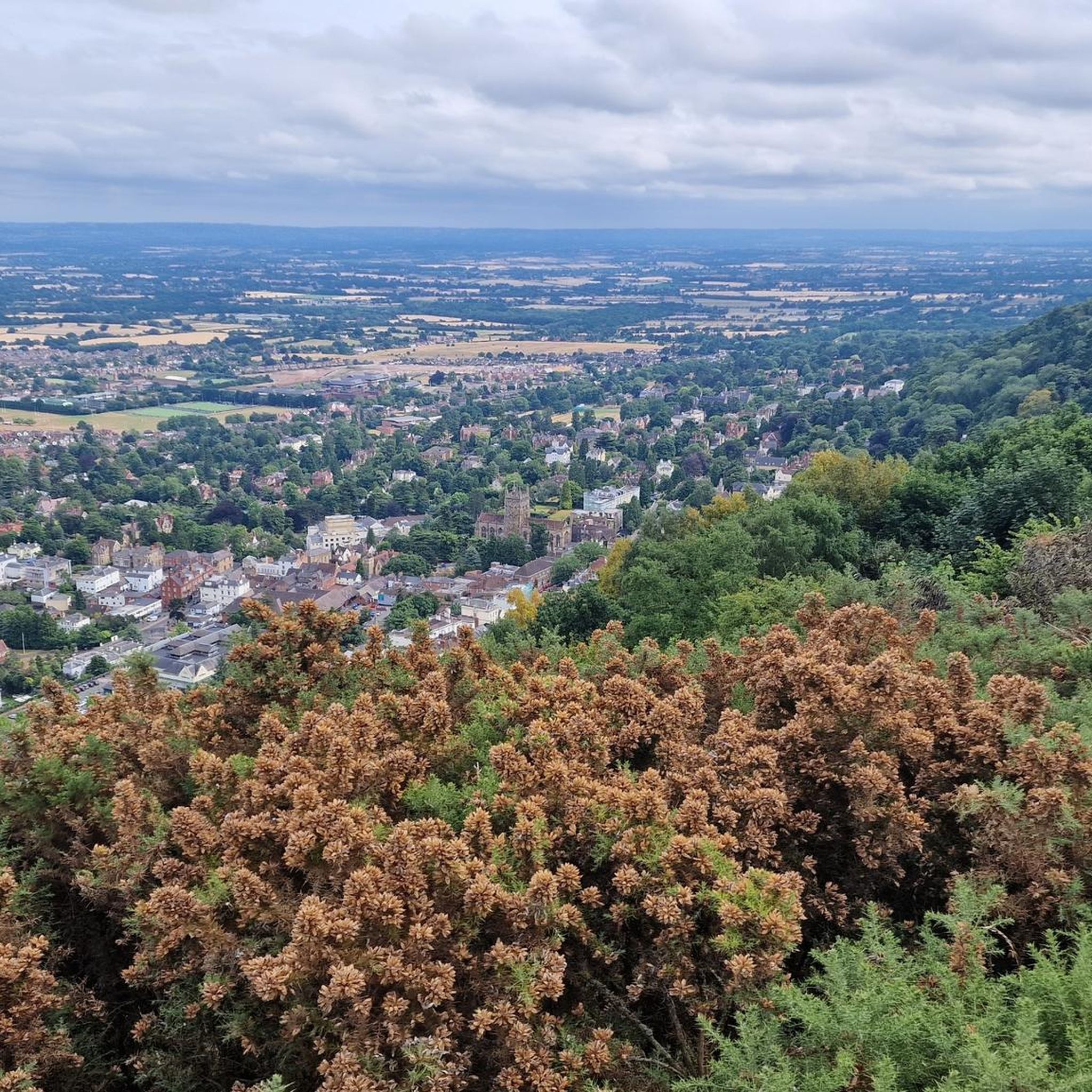
Running Trails around Worcester
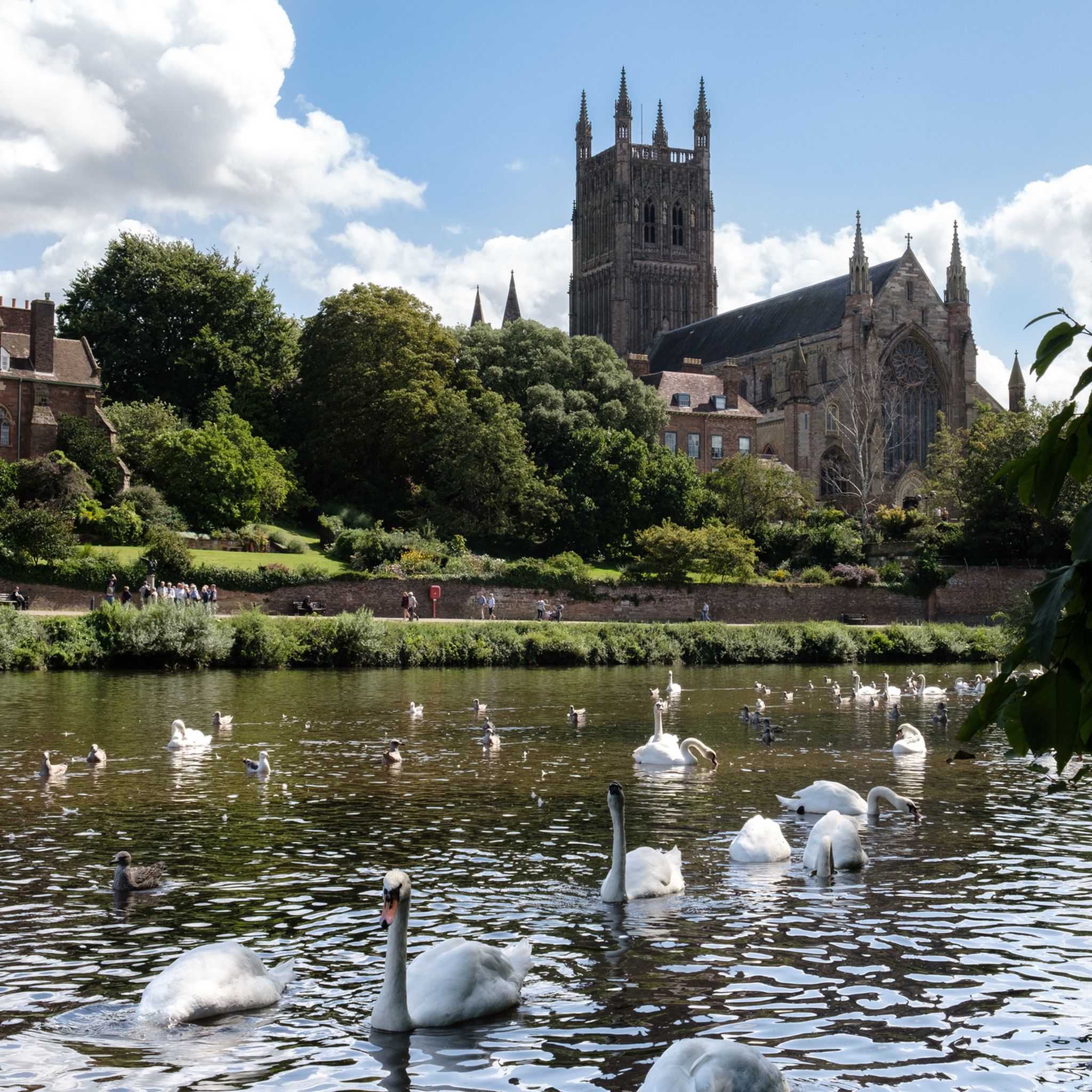
Hiking around Worcester
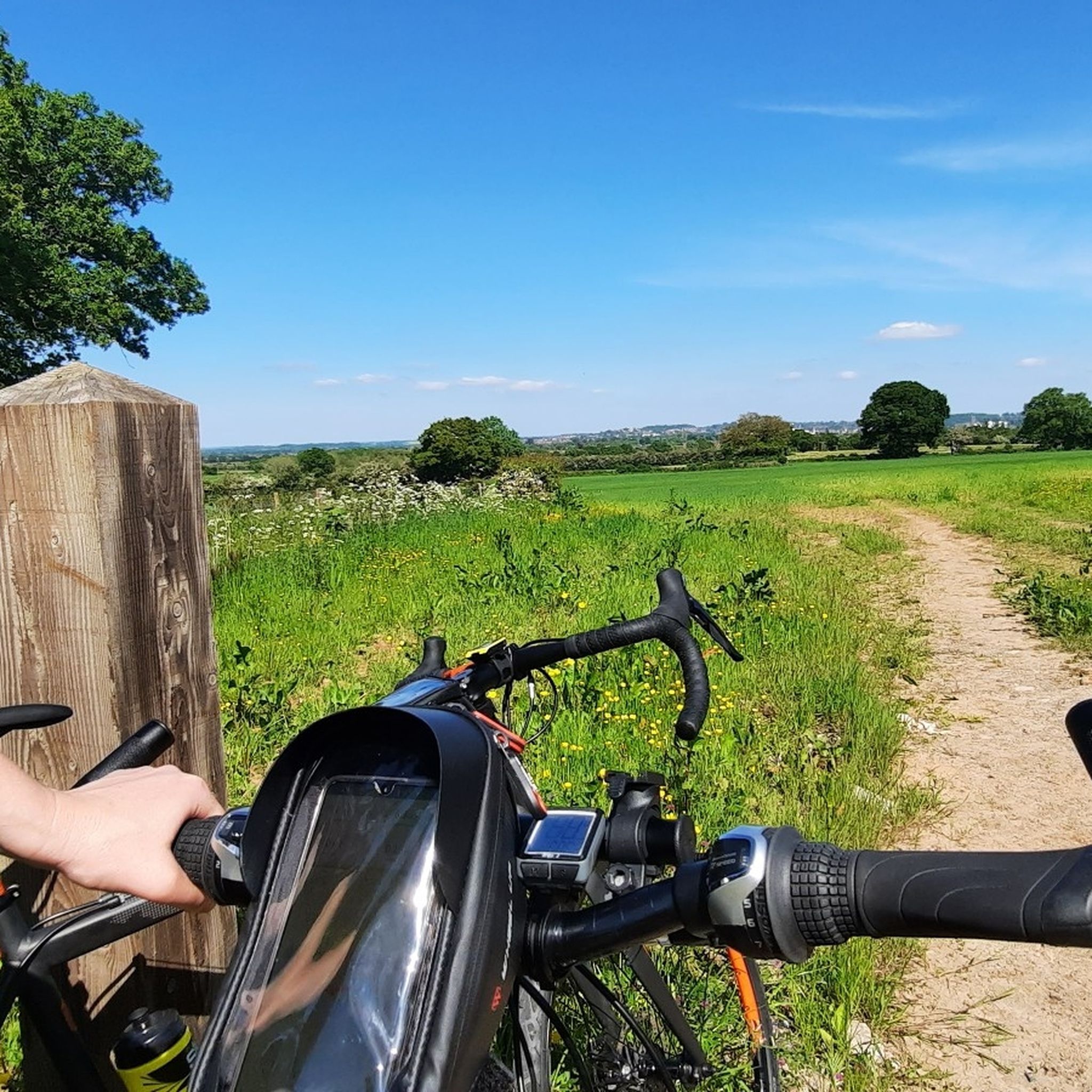
Cycling around Worcester
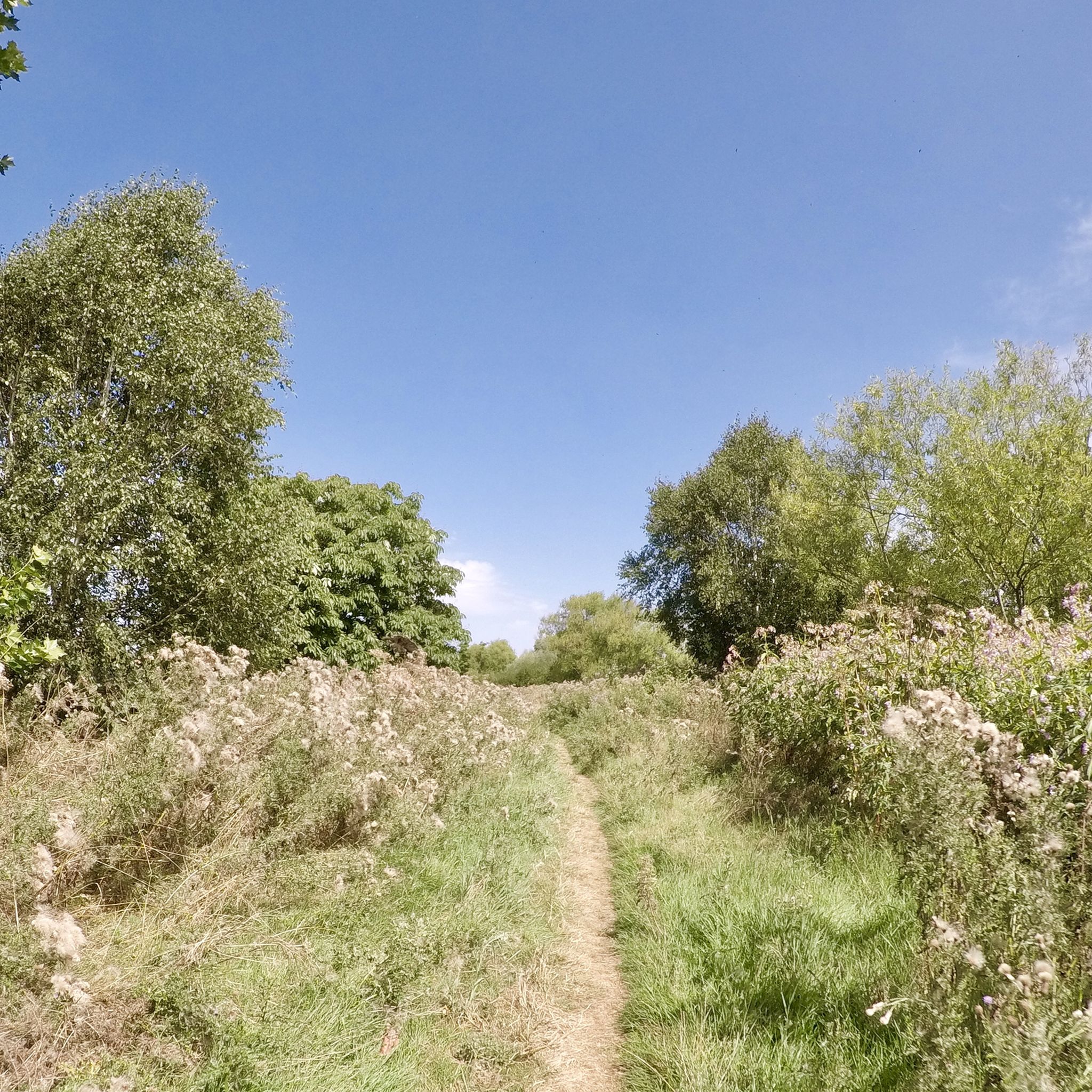
MTB Trails around Worcester
Other adventures around Worcester


Tips from the Community

Cute cable stayed Bridge over the River Severn
0
0

Still closed to all traffic in May 2026. Its been 2 years now. Diversion requires walking up to the main road and walking back (there is a path) to the new bridge.
0
0

The Cathedral – i.e. a bishop’s church – in the city of Worcester is a very historic building with an almost thousand-year-old Christian tradition. The construction of this house of worship was begun as early as AD 1084, shortly after the Norman conquest of England (by William the Conqueror, formerly Duke of Normandy, then King of England, AD 1066). This house of worship and thus the entire diocese has, which is by no means unusual for Anglican cathedrals, been entrusted to a double patronage: firstly Jesus Christ himself, the God-son incarnate, and secondly the most blessed Mother of God and Virgin Mary.
2
0

A super nice cycleway that goes along the banks of the Severn and beyond. The surface is super good and avoids busy road sections. A good alternative if you were doing the LEJOG like us.
0
0
This memorial to the victims of war and tyranny takes us back a step further in history than the two terrible world wars that usually spring to mind first, and which claimed so many lives in the first half of the 20th century. However, this WAR MEMORIAL commemorates the fallen of the Second Anglo-Boer War, at the very beginning of the century (1899 to 1902), in which the British Empire subjugated the "Boer Republic of the Orange Free State" and the "South African Republic (Transvaal)."
0
0

very useful for cyclists, especially in terms of safety
0
0

The swan is set on a plain cylindrical column within a circular area of cobbles. The swan stands facing the river, one foot raised to support a shield with the arms of Kleve shown in low relief. Its neck arches backwards and then forwards as its beak points out across the river, and its wings stretch upwards and outwards. The swan is the symbol of the town of Kleve in Germany, one of the two towns twinned with Worcester (the other being Le Vesinet, France).
0
0
Frequently Asked Questions
What historical sites can I visit in Worcester?
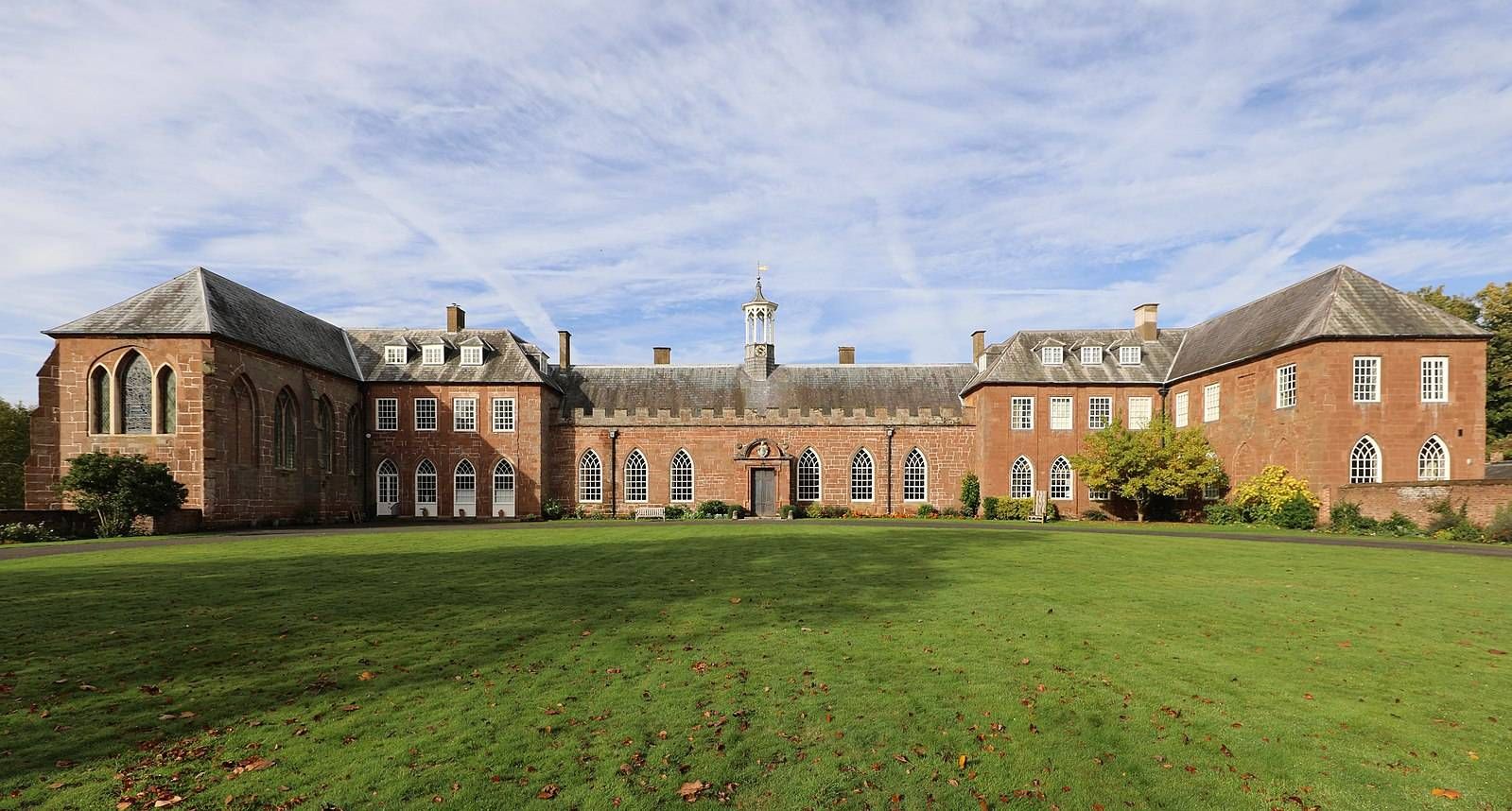
Worcester is rich in history. You can explore the magnificent Worcester Cathedral, a Grade I-listed structure with a Christian tradition spanning over 14 centuries. Another significant historical landmark is Powick Bridge, which witnessed the first and last battles of the English Civil War. Don't miss Greyfriars House and Garden, a preserved historical building offering a glimpse into the past, or the Powick Old Bridge and Victorian Power Station.
Are there any family-friendly attractions in Worcester?
Yes, several attractions in Worcester are suitable for families. Worcester Cathedral is a fascinating historical site that can be enjoyed by all ages. The Diglis Weir and Worcester Riverside Path offers a relaxing stroll along the River Severn, perfect for a family outing. Additionally, the Worcester Boer War Memorial and The Mug House are also listed as family-friendly.
What outdoor activities can I do near Worcester's attractions?
Worcester offers a variety of outdoor activities, especially along the River Severn. You can enjoy cycling across the Diglis Bridge, which is part of the National Cycle Network, or the Hylton Road Cycle and Pedestrian Bridge. The Diglis Weir and Worcester Riverside Path is ideal for leisurely walks or bike rides. For more structured outdoor adventures, explore the easy hikes, MTB trails, or running trails around Worcester.
Are there any wheelchair-accessible attractions in Worcester?
Yes, Diglis Bridge is specifically designed to be wheelchair accessible, linking the marina area with Lower Wick and offering scenic views of the River Severn. The Swan Statue and the Worcester Boer War Memorial are also wheelchair-friendly.
Where can I find scenic views in Worcester?
For scenic views, head to the Diglis Weir and Worcester Riverside Path, which offers great vistas across the River Severn, including views of Worcester Cathedral. The Diglis Bridge is also popular with photographers, especially during sunset, due to its unique design and river setting.
What kind of bridges can I see in Worcester?
Worcester features several notable bridges. The modern Diglis Bridge is a 66-meter suspension bridge known for its unique inclined pylon and accessibility. The Hylton Road Cycle and Pedestrian Bridge offers lovely views and a smooth ride. For historical significance, visit Powick Bridge, a site of major English Civil War battles, and the nearby Powick Old Bridge.
Are there any easy hiking trails near Worcester's attractions?
Yes, there are several easy hiking trails around Worcester. For example, you can find routes like the 'Pond in Worcester Woods loop' or the 'Diglis Bridge – River Severn Footbridge loop'. These trails offer accessible ways to explore the natural beauty of the area. You can find more details and routes in the Easy hikes around Worcester guide.
What do visitors enjoy most about Worcester's attractions?
Visitors particularly enjoy the historical depth of sites like Worcester Cathedral, appreciating its magnificent architecture and long history. The riverside paths, such as the Diglis Weir and Worcester Riverside Path, are praised for their relaxing atmosphere and scenic views. The unique design and accessibility of Diglis Bridge also make it a popular spot for both locals and tourists.
Can I find places to cycle near Worcester's main attractions?
Absolutely. Worcester is well-suited for cycling, with several attractions integrated into cycle routes. The Diglis Bridge is a key part of the National Cycle Network, offering a completely elliptical cycle path between Worcester’s main Sabrina Bridge and the Diglis Locks. The Hylton Road Cycle and Pedestrian Bridge also provides a dedicated path for cyclists. Many routes along the River Severn, like the Diglis Weir and Worcester Riverside Path, are multi-use and popular with cyclists.
Are there any monuments or memorials to see in Worcester?
Yes, Worcester has several monuments and memorials. You can visit the Worcester Boer War Memorial, a significant historical monument. Additionally, the Swan Statue is another notable man-made monument in the city.
What are the best places for a leisurely walk in Worcester?
For a leisurely walk, the Diglis Weir and Worcester Riverside Path is highly recommended. It offers a classic and relaxing experience along the River Severn with great views of Worcester Cathedral. The path is multi-use, so you can enjoy a peaceful stroll while sharing the space with others. The area around Diglis Bridge also provides pleasant walking opportunities.
Most popular routes around Worcester

Get inspired with the komoot mobile app


Didn’t find what you were looking for?
Are you keen on exploring more awesome places nearby? Browse our guides:
Explore more
Still not found the Highlight you’re looking for? See guides of the top attractions in other regions:
