Attractions and Places To See around Verdal - Top 16
Attractions and places to see around Verdal, a municipality in Trøndelag county, Norway, offer a blend of historical significance, cultural experiences, and natural landscapes. The region is known for its pivotal role in Norwegian history, particularly the Battle of Stiklestad. Visitors can explore ancient ruins, historical churches, and sites commemorating significant events. Verdal also features diverse natural environments, including wetlands, rivers, and parts of a national park.
Best attractions and places to see around Verdal
- The most popular attractions is…
Last updated: October 11, 2026
Stiklestad Church
Highlight • Religious Site
Translated by Google •
Tip by

Saint Olav's Chapel
Highlight • Religious Site
Translated by Google •
Tip by

Sign up now to discover places like this
Get recommendations on the best single tracks, peaks, & plenty of other exciting outdoor places.
Munkeby Monastery Ruins
Highlight • Historical Site
The monastery ruins have not been fully excavated. The ruins show the typical shape of a Cistercian church in the form of a cross.
Away from the ruins is a toilet.
Translated by Google •
Tip by

Wooden Shelter by the River
Highlight • Mountain Hut
Tip by

Grill hut by the river
Highlight • Mountain Hut
Translated by Google •
Tip by

Sign up for free to discover even more attractions around Verdal.
Already have an account?
Start today with a free account
Your next adventure awaits.
Tips from the Community

The Orthodox chapel was consecrated at Stiklestad in 2014. Originally a storehouse from about 1750 it was redesigned to serve its present function in 2002. The chapel signifies that St. Olav lived and was canonized in the time of the undivided Church and his close ties to Kievan Rus'.
0
0
Stiklestad Church is a stone church from around 1150 – 1200. According to tradition, the church was built over the altar which is believed to be the place where Olav Haraldsson fell during the battle on 29 July in 1030. In the years 1927 – 1930, the church was heavily restored to appear as beautiful as possible for Olav's jubilee in 1930. The external plaster was removed so that the church went from being white to the expression it has today. A new armory was built on the west side and the tower was changed. Inside, the choir was decorated with the fresco "The Sword and the Lily" by the artist Alf Rolfsen. During the restoration, a number of frescoes from the 14th-1500th centuries were uncovered on the nave's long walls. On the south wall are two painted coats of arms, one of which is the national coat of arms. The other contains several Nordic national coats of arms and thus points to one of the union kings.
0
0

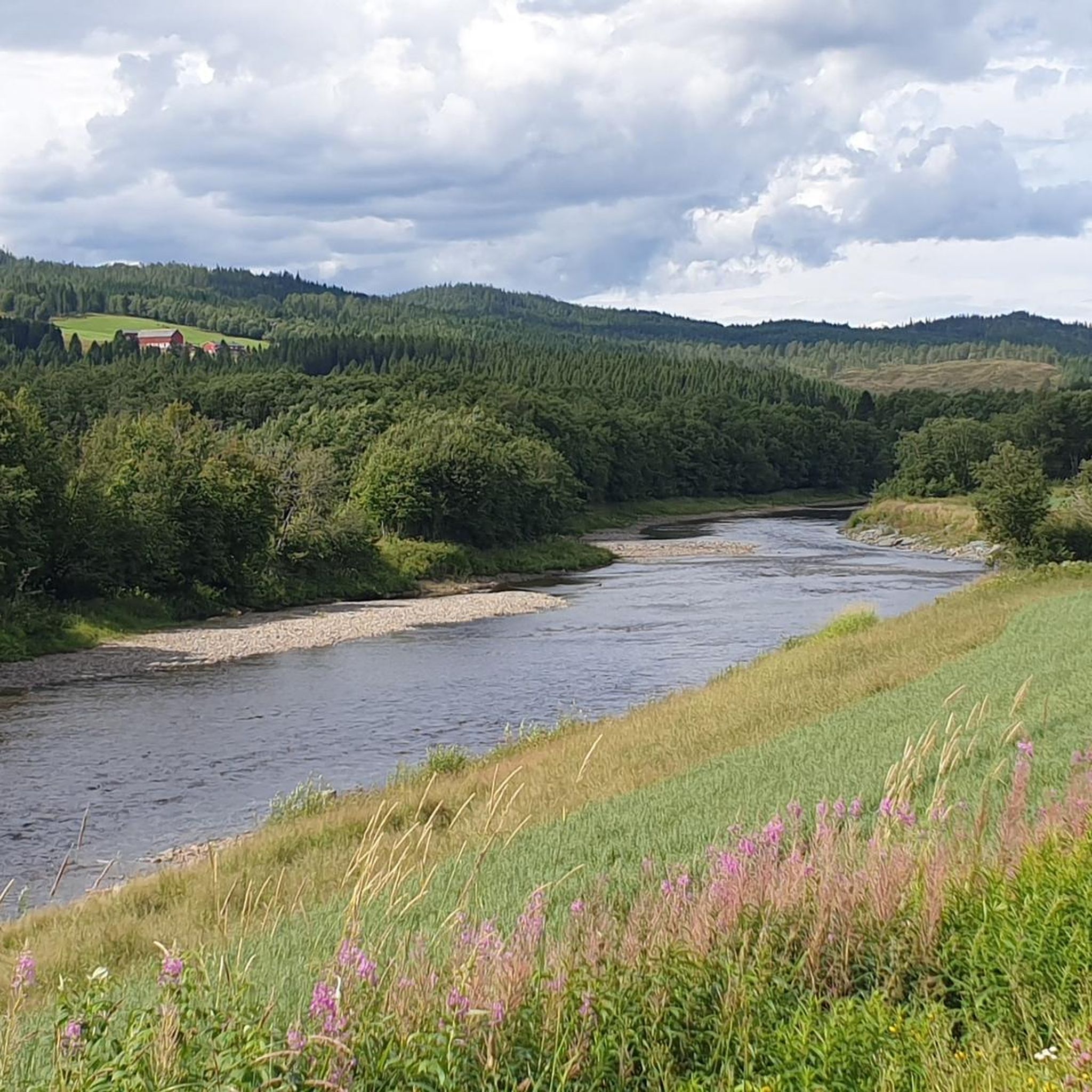
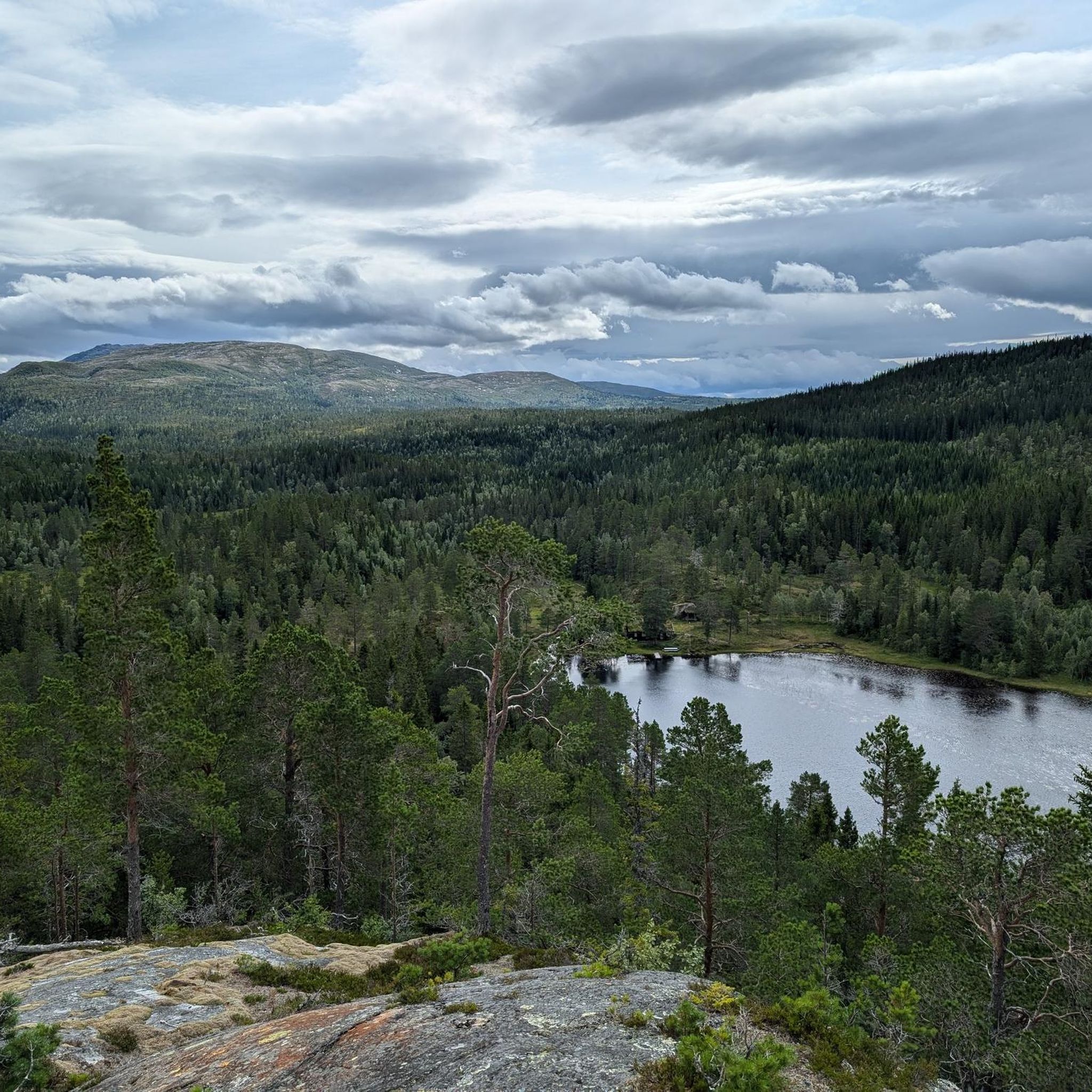
The river directly south of the river serves as a good spot for fetching water and for bathing. A bit north of the road, if you continue to follow the road, a nice camping spot exists as well.
0
0

Inside, the choir is decorated with the fresco “The Sword and the Lily” (Battle of Stiklestad). In the church, behind the altar, there is a stone that, according to tradition, is the stone on which Olav lay or leaned at the moment of his death, and thus became a place of pilgrimage.
2
0
It is likely that a wooden church stood in Stiklestad before the stone church was built. According to tradition, the church was built over the altar, which is believed to have been the place where Olav Haraldsson fell during the battle on July 29, 1030.
3
0
The chapel is a Russian Orthodox church building that was consecrated in 2003. Originally, the chapel was a log cabin from Folldal from the mid-18th century. It belonged to the Orthodox monk Father John Føien and was located on his farm in Folldal. Saint Olav the Holy was canonized in 1031, before a major schism in the church in 1054. Therefore, he is also considered a saint in Russian Orthodox history.
3
0

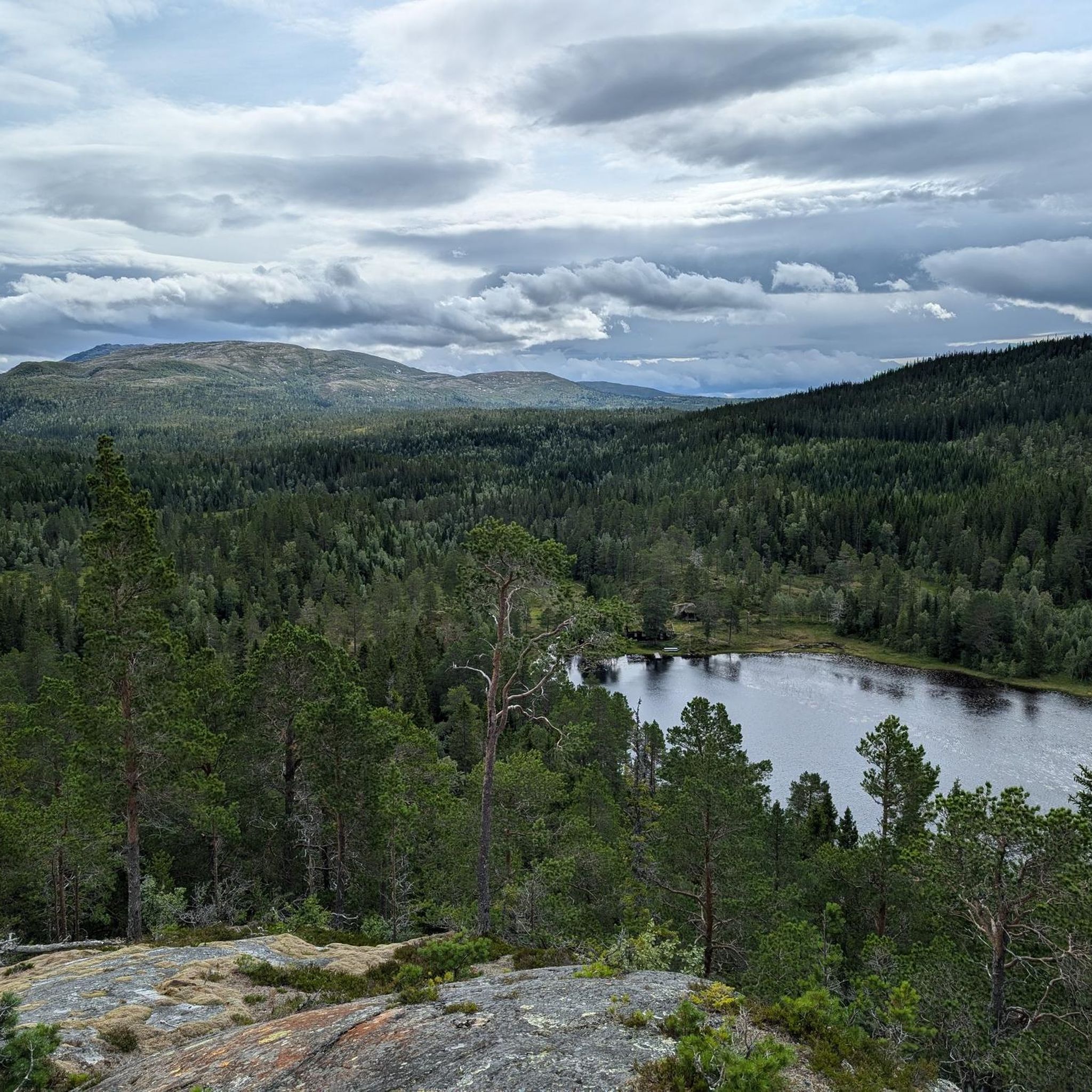
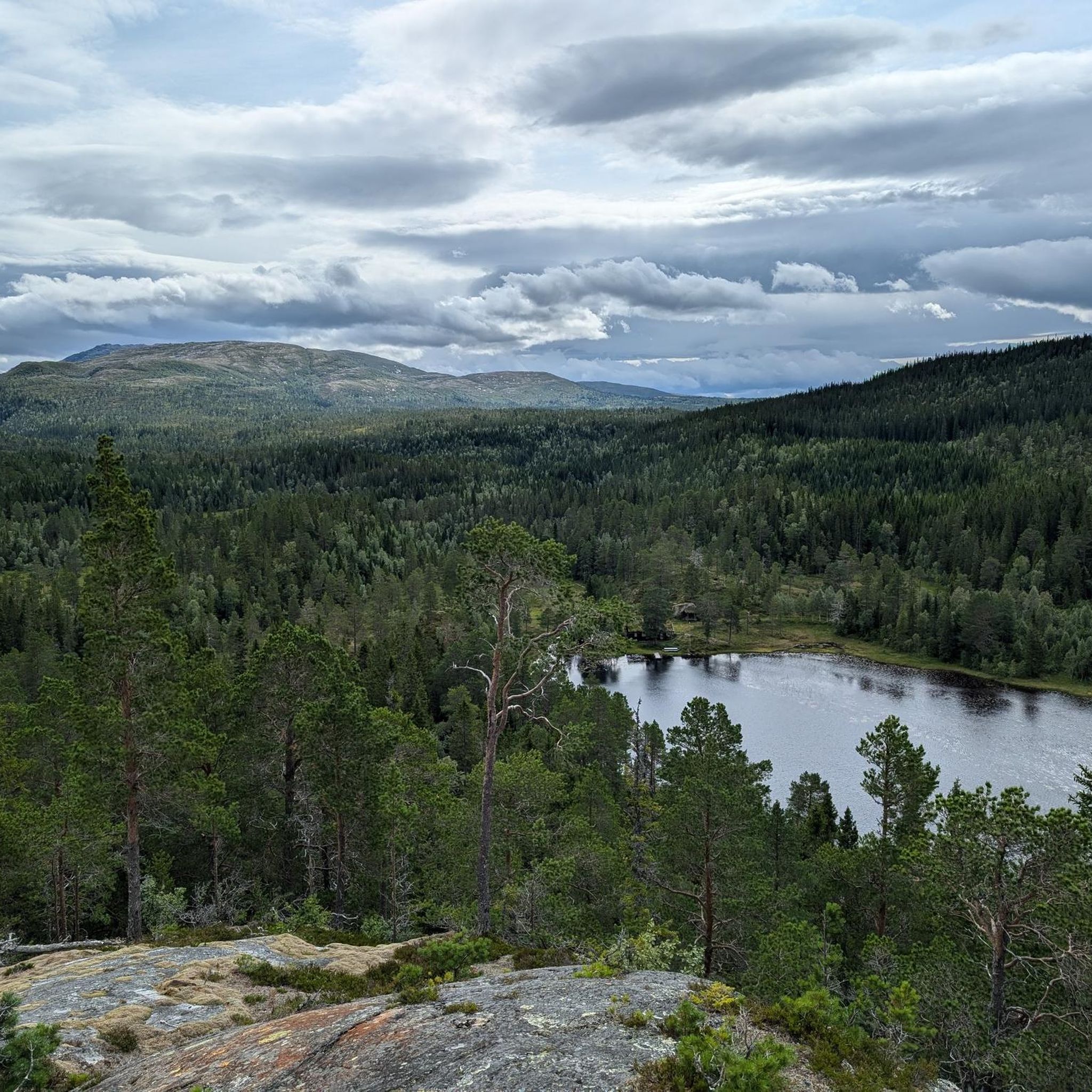
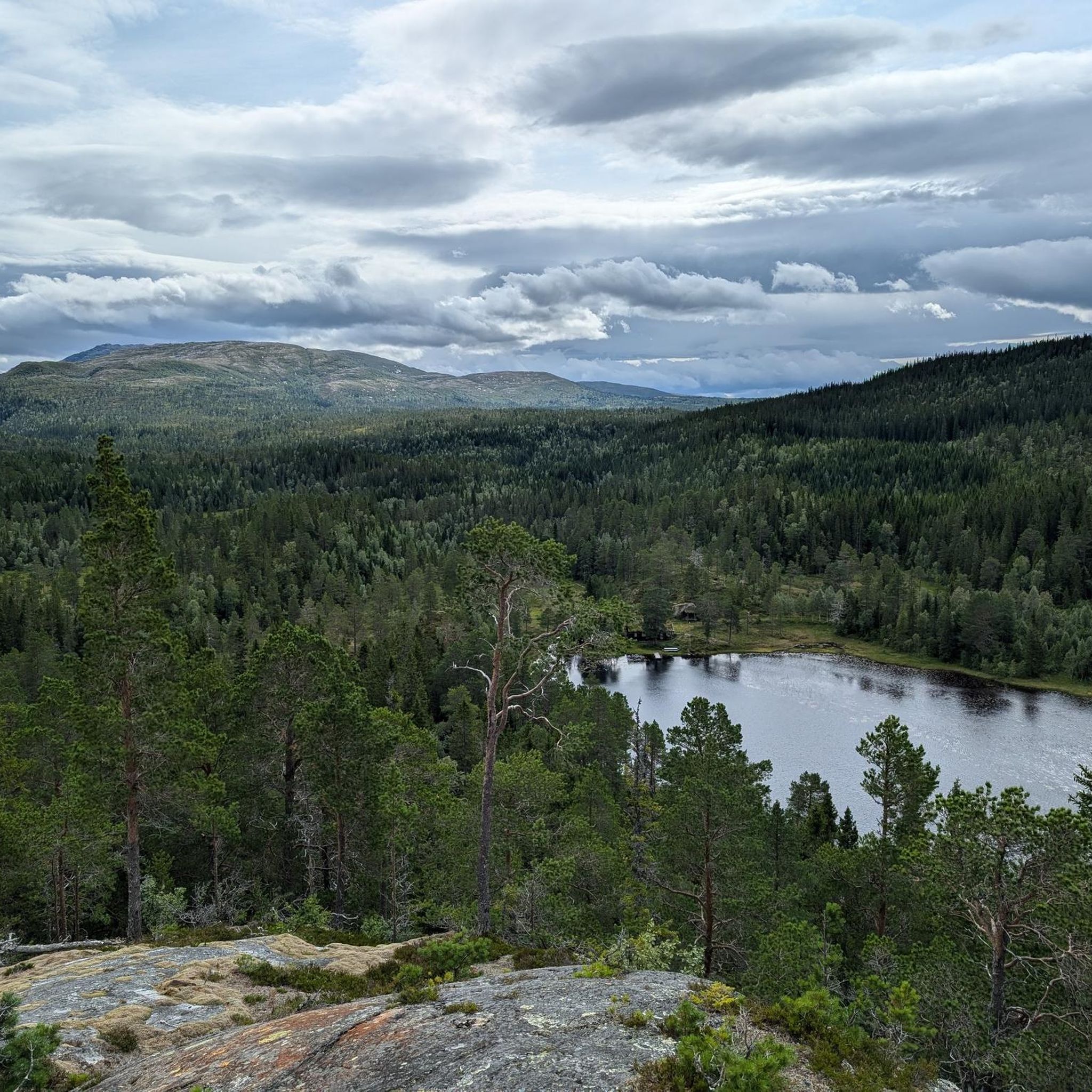
Small cabin with fireplace. Located directly on the creek and not far from the lake.
0
0

On the back of the altar (below the altar) is the stone that Olav leaned against when he died. It is said that touching it brings good luck.
1
0
Frequently Asked Questions
What historical sites can I visit in Verdal?
Verdal is rich in history. A cornerstone is the Stiklestad National Cultural Centre, marking the site of the pivotal Battle of Stiklestad in 1030. Here, you can explore the Stiklestad Church, a folk museum, and various exhibitions. Other significant historical sites include the ancient Munkeby Monastery Ruins, dating back to the 1140s, and the Verdal Fortifications, part of a defense system built in the early 20th century.
Are there any family-friendly activities or attractions in Verdal?
Yes, Verdal offers several family-friendly options. The Stiklestad National Cultural Centre provides year-round medieval storytelling and a comprehensive folk museum with historical buildings. During summer, their 'Viking Summer' program offers daily activities for all ages. The Stiklestad Church and Saint Olav's Chapel are also considered family-friendly historical sites. For outdoor fun, the Riverside Path (Elvepromenaden) is a pleasant trail suitable for families.
Where can I experience nature and wildlife in Verdal?
For nature enthusiasts, the Trondheimsfjord Wetland Centre at Ørin is globally recognized for its importance to migratory and resident bird populations, offering excellent birdwatching opportunities from observation towers. The Riverside Path (Elvepromenaden) also provides chances to spot some of the 204 recorded bird species. Additionally, the southern tip of the vast Blåfjella–Skjækerfjella National Park lies in Verdal, offering unspoiled forests and mountain valleys for exploration.
What kind of outdoor activities can I do around Verdal?
Verdal is ideal for outdoor activities. You can explore various hiking trails, including the historic Karl Johans vei, an old travel route between Norway and Sweden. The Verdalselva River is well-known for salmon angling. For more structured activities, you can find numerous routes for hiking, road cycling, and mountain biking in the area.
Are there any significant viewpoints or scenic spots in Verdal?
Yes, Verdal offers several scenic viewpoints. The Lysthaugen memorial, commemorating the 1893 Verdal Landslide, provides a panoramic view of the landslide area. Another viewpoint at Jermstad also offers reflection on this event. The Straumen Fishermen's Cabins offer charming views, and Løysmundhatten, the highest peak in the municipality, provides expansive vistas for those who reach its summit.
What is the St. Olavsleden pilgrimage route?
St. Olavsleden is Scandinavia's answer to the Camino de Santiago. This historic pilgrimage route stretches through Sweden and Norway, following the footsteps of King Olav Haraldsson's fateful 1030 journey to Trondheim. Parts of this route pass through Verdal, offering a unique way to experience the region's history and landscapes.
What cultural events or festivals take place in Verdal?
Verdal is known for its vibrant cultural scene. The St. Olav's Festival, held at Stiklestad in late July, is a major event featuring the St. Olav Drama, performed on Scandinavia's largest open-air theater stage. The Olsok Festival is another annual celebration of Norwegian heritage with parades, traditional food, and folk music. The Turnéteater i Trøndelag in Verdal town center also offers outstanding theatrical performances throughout the year.
Can I find local food and drinks in Verdal?
Yes, Fæby Farm, located within walking distance of Verdal train station, is a great place to experience local flavors. This historic farm, mentioned in writings as far back as the 1280s, offers local food and drinks from its own brewery, using ingredients sourced from the farm and neighboring areas.
What is the significance of the Verdal Landslide Memorials?
The Verdal Landslide Memorials, located at Lysthaugen and the Jermstad viewpoint, commemorate the deadliest landslide in modern Norwegian history, which occurred in 1893. Lysthaugen marks the resting place of 33 victims and offers a panoramic view of the affected area, while the Jermstad viewpoint provides additional information and a place for reflection on this significant event.
Are there any unique accommodations or shelters in the natural areas?
In the natural surroundings of Verdal, you can find places like the Wooden Shelter by the River. This small cabin with a fireplace is located directly on a creek and not far from a lake, offering a rustic and interesting countryside experience with nice tracks and plenty of nature nearby.
What is the best time to visit Verdal for outdoor activities?
The best time for outdoor activities in Verdal is generally during the warmer months, from late spring to early autumn (May to September), when the weather is mildest for hiking, cycling, and exploring natural features. Summer also hosts major cultural events like the St. Olav's Festival. However, the region's natural beauty can be appreciated year-round, with winter offering opportunities for snow-based activities.
Where can I go birdwatching in Verdal?
The Trondheimsfjord Wetland Centre at Ørin is the prime location for birdwatching in Verdal. It is globally recognized for its importance to migratory and resident bird populations. You can utilize observation towers at Tronestangen and Leksdalsvatnet for excellent viewing opportunities. The Riverside Path (Elvepromenaden) also offers chances to spot various bird species.
Most popular routes around Verdal

Get inspired with the komoot mobile app


Explore more
Still not found the Highlight you’re looking for? See guides of the top attractions in other regions:
