The best cycling routes around Maaseik
4.4
(6687)
55,530
riders
1,645
rides
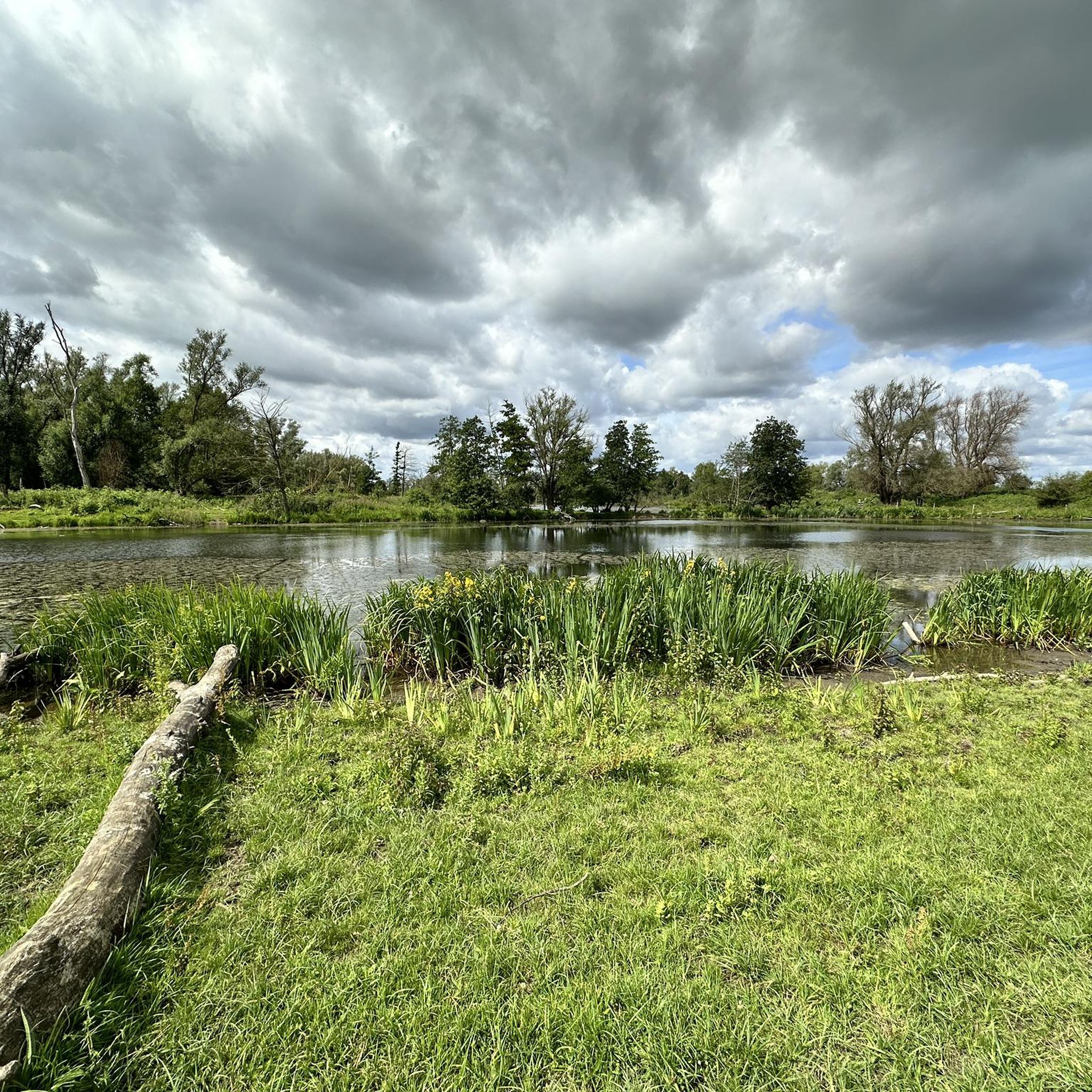
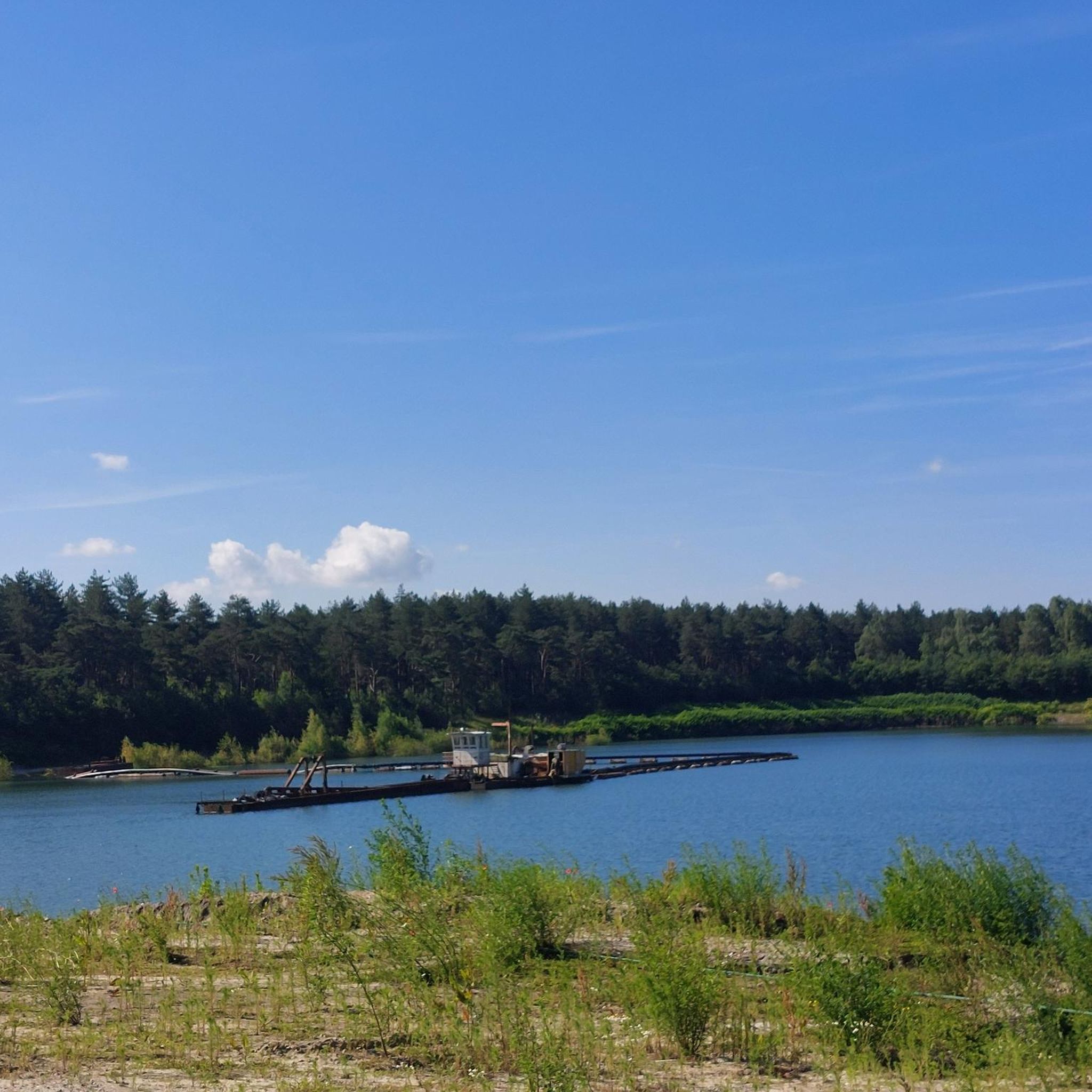
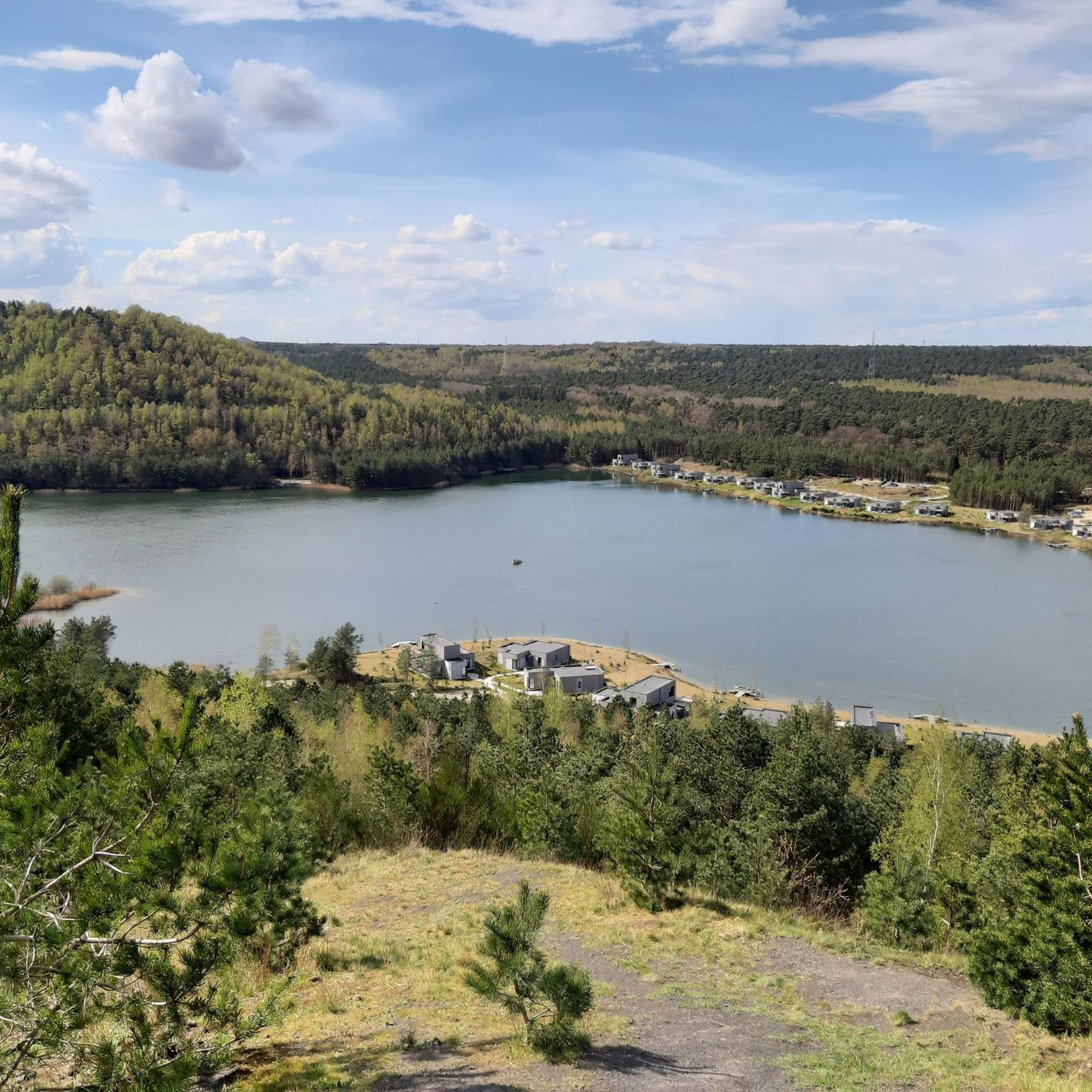
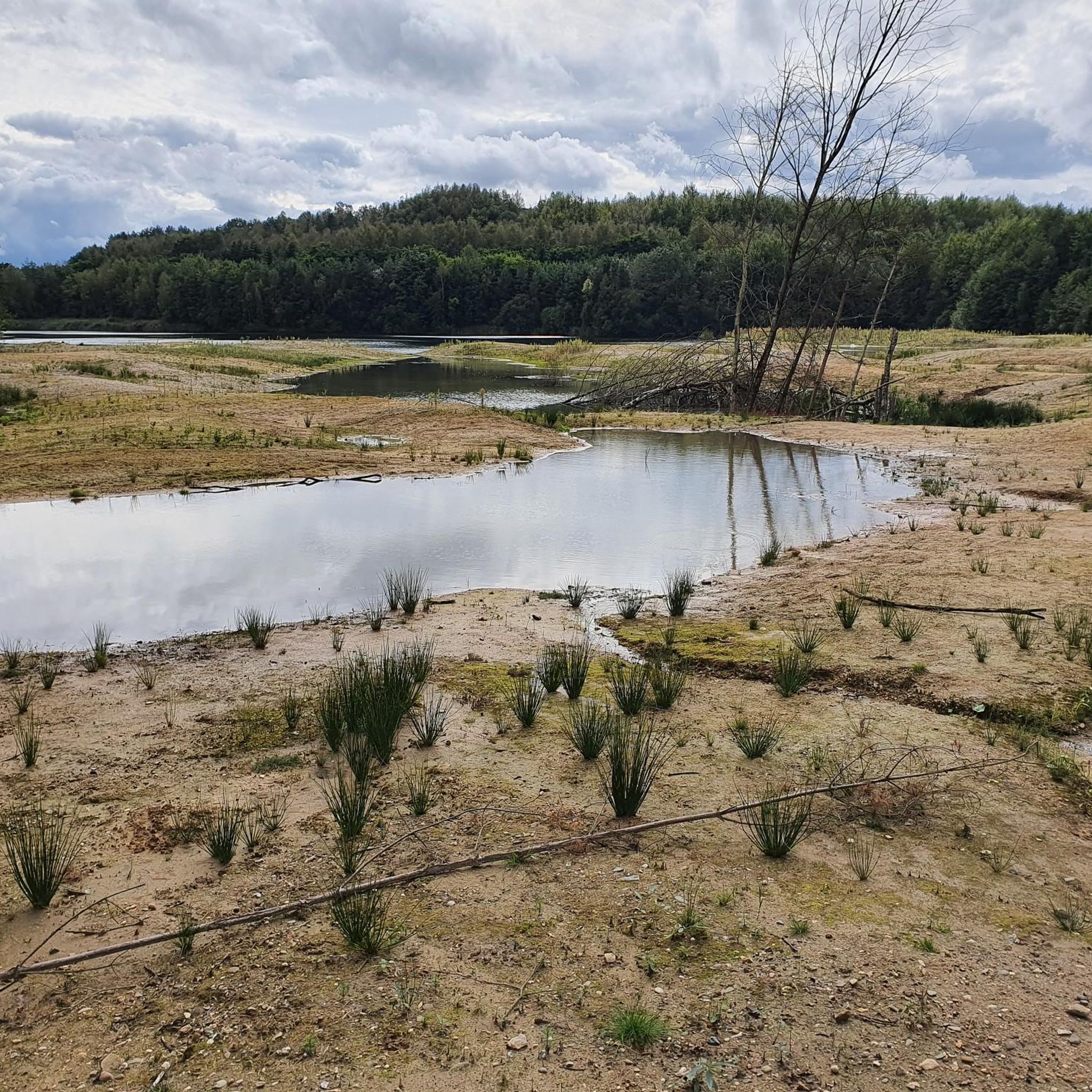
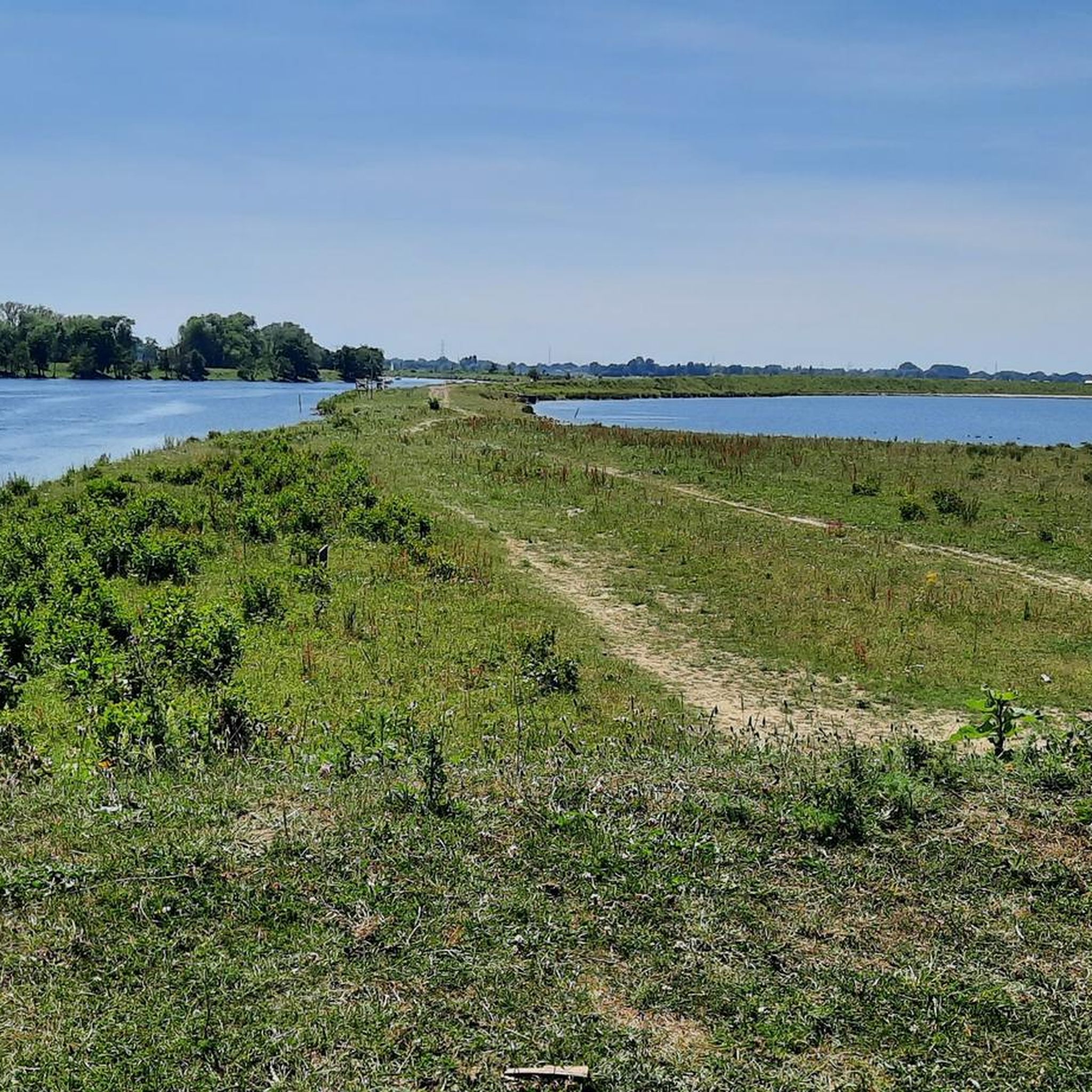
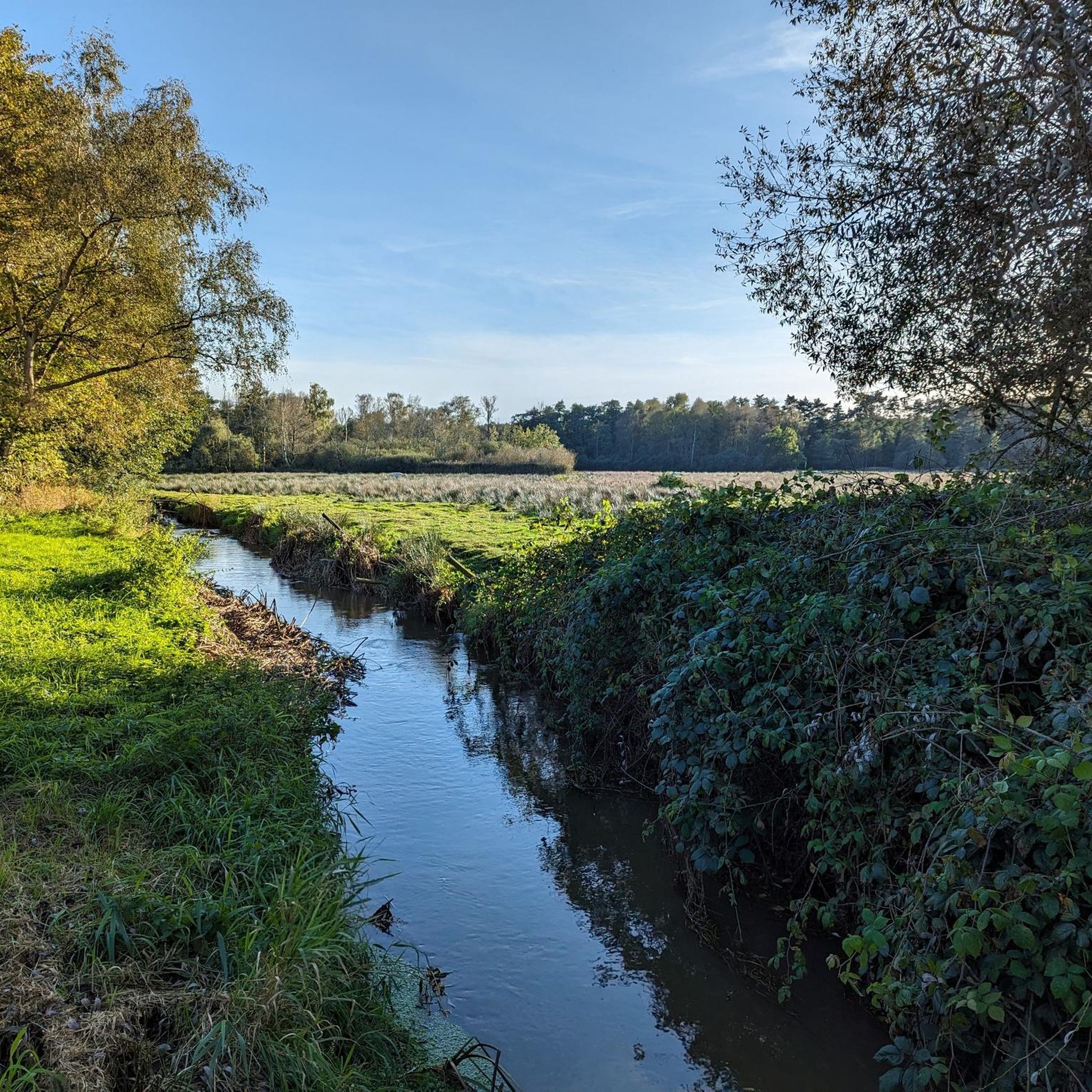
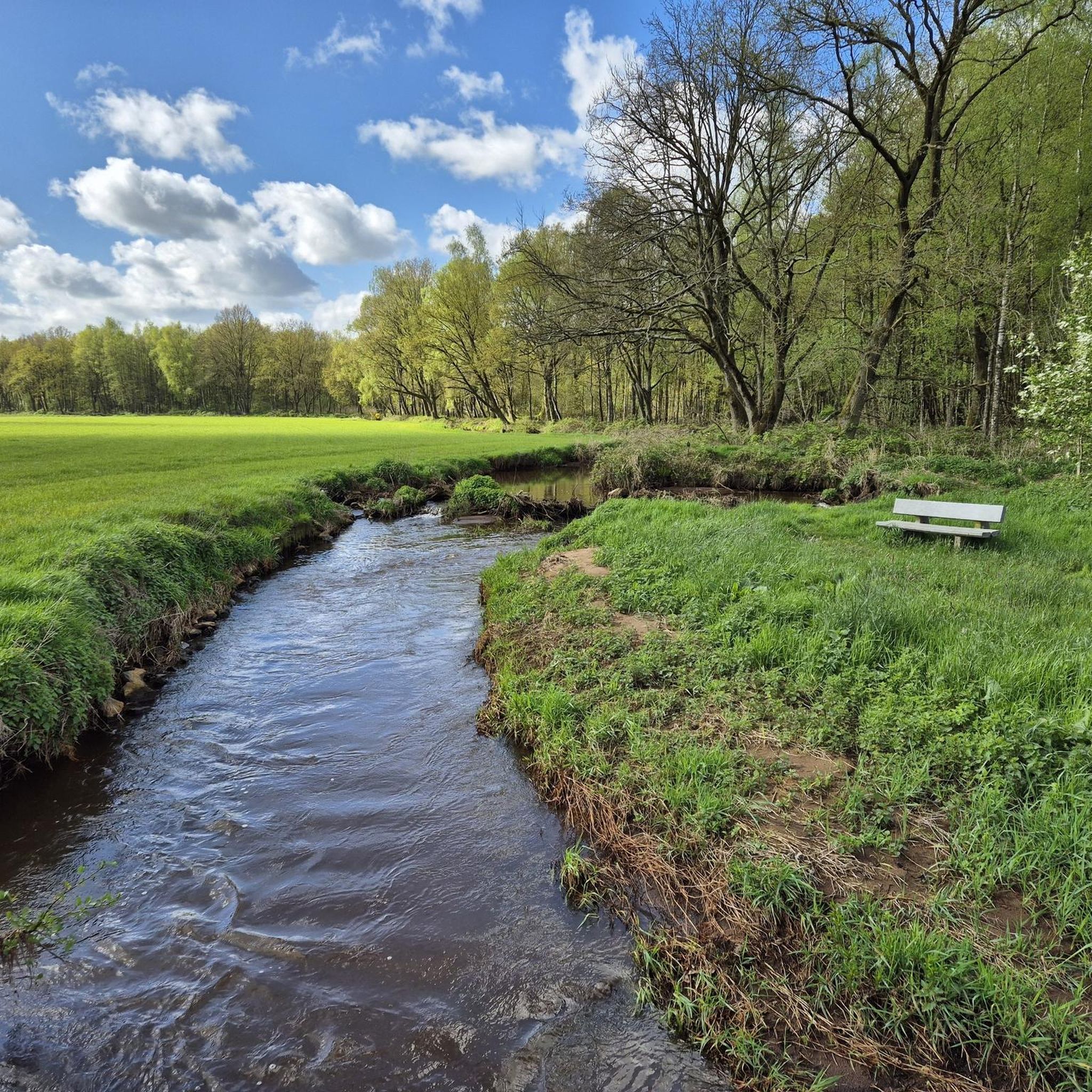
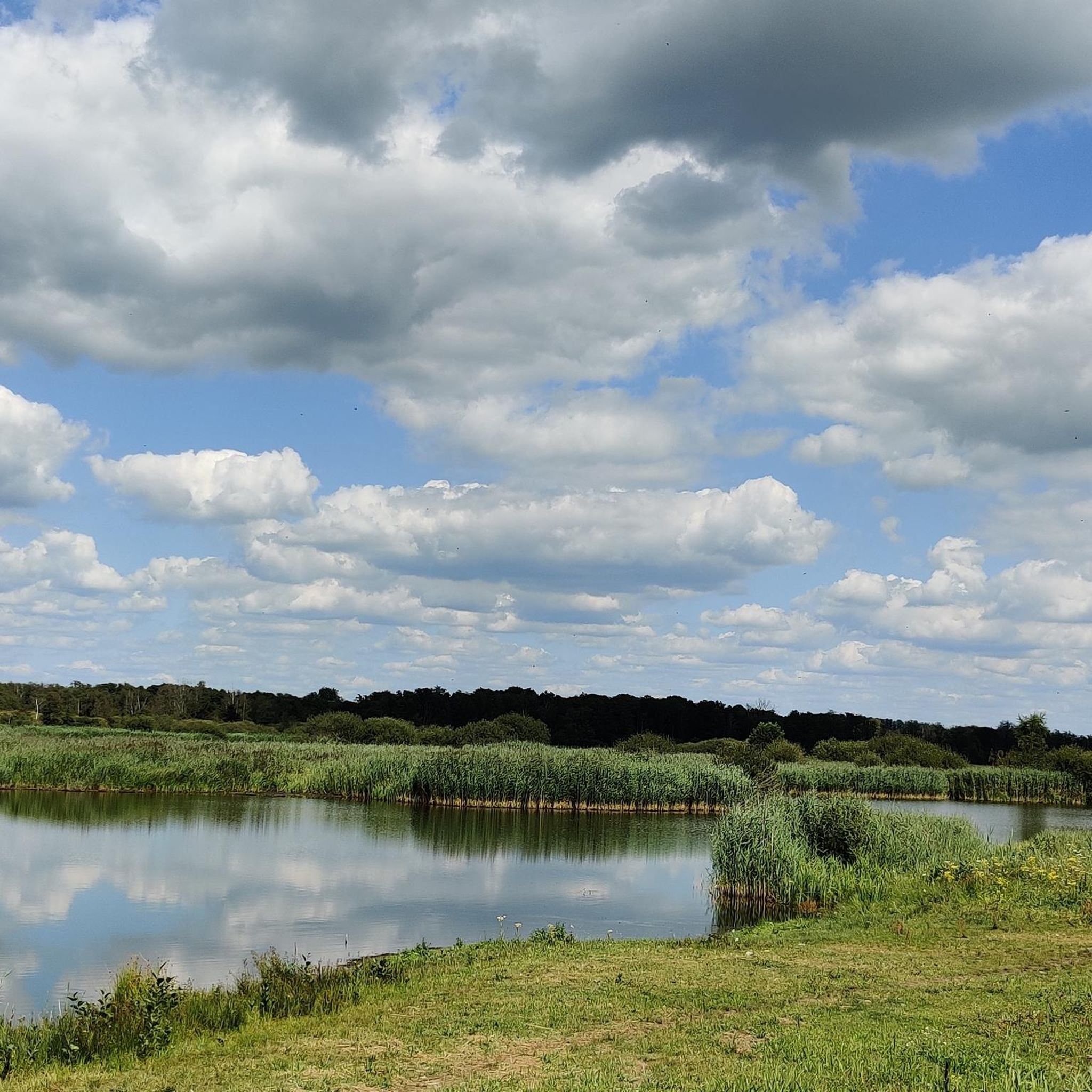
Touring cycling around Maaseik offers diverse landscapes in the Belgian province of Limburg. The region features rural green areas, woodlands, and idyllic brooklets. A significant natural feature is the Meuse river, with many routes laid out along its banks, winding through historical villages. The area also includes landscapes shaped by its mining heritage and provides access to nature parks like Rivierpark Maasvallei and Hoge Kempen National Park.
Best touring cycling routes around Maaseik
- The most popular touring cycling route is…
Last updated: October 12, 2026
4.6
(293)
1,678
riders
38.8km
02:19
80m
80m
Moderate bike ride. Good fitness required. Mostly paved surfaces. Suitable for all skill levels.
4.7
(83)
508
riders
48.4km
02:47
150m
150m
Moderate bike ride. Good fitness required. Mostly paved surfaces. Suitable for all skill levels.

4.7
(296)
3,629
riders
Moderate bike ride. Good fitness required. Mostly paved surfaces. Suitable for all skill levels.
4.4
(41)
165
riders
51.4km
03:00
80m
80m
Cycle 31.9 miles (51.4 km) from Maaseik to Eisden, exploring Limburg's mining heritage and unique landscapes on mostly paved paths.
4.6
(508)
2,375
riders
Moderate bike ride. Good fitness required. Mostly paved surfaces. Suitable for all skill levels.
4.6
(32)
151
riders
41.2km
02:23
80m
80m
Moderate bike ride. Good fitness required. Mostly paved surfaces. Suitable for all skill levels.
4.6
(184)
1,011
riders
52.1km
03:01
200m
190m
Moderate bike ride. Good fitness required. Mostly paved surfaces. Suitable for all skill levels.
4.6
(139)
789
riders
41.6km
02:21
70m
70m
Moderate bike ride. Good fitness required. Mostly paved surfaces. Suitable for all skill levels.
4.6
(143)
694
riders
Easy bike ride. Great for any fitness level. Mostly paved surfaces. Suitable for all skill levels.
4.6
(136)
674
riders
Easy bike ride. Great for any fitness level. Mostly paved surfaces. Suitable for all skill levels.
Get access to more routes and recommendations from other explorers.
Already have an account?
Our route recommendations are based on thousands of hikes, rides, and runs completed by other people on komoot.
Start today with a free account
Your next adventure awaits.
Other adventures around Maaseik


Tips from the Community


In 1909, geologist André Dumont discovered the first coal deposits of the Campine Basin in Waterschei.
4
0

Before you reach the climb, shift down in time. With a 10% gradient, you'll need some strength
1
0
A great experience to be here during the heather bloom
3
0

Super great idea and a real highlight of the region. Whoever looks closely will see at which points the bridge is movable and can slightly change its shape.
11
0

Thor Central is a powerfully impressive industrial building that was protected as heritage after the closure of the mines. The search for a meaningful function for the Waterschei mining site and the option to develop the site into a technology park also included the task of giving this beautiful building a new future. Thor Central has evolved into the beating heart of the Thor Park site. Besides the Food Plaza with restaurant Partaasch and brasserie Lampada, the building mainly has a business function, with meeting rooms, an auditorium, a central reception, and even a daycare center. Events and exhibitions are regularly held there.
5
0

Cycling between the terraces, also known as cycling over water, is a cycling project that opened to the public in September 2024. It is a pontoon cycle/footpath across the Große Plas (Great Pond) between the waste heaps at resort Terhills. It is a new addition to the series of special cycling projects previously realised in the cycling paradise of Limburg (such as cycling through the water (Domain Bokrijk), cycling through the heathlands (north of Zutendaal), and cycling through the forests (Bosland National Park)).
0
0
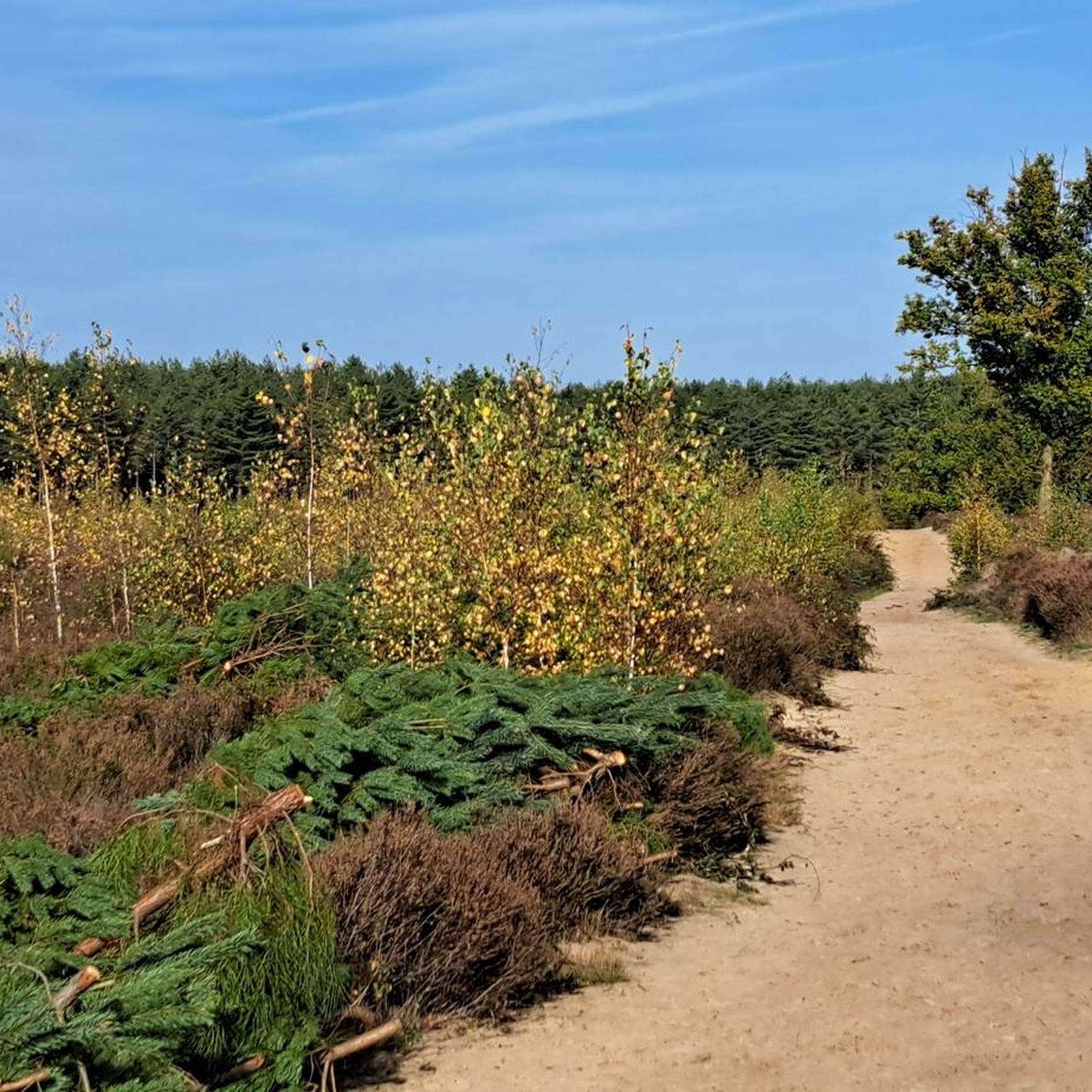
Cycling across the heath takes you right through the Hoge Kempen National Park. In this park, vast pine forests alternate with endless heathlands. Thanks to the new connection between cycle nodes 550 and 551, nature is presented to you on a platter. You cycle across the Mechelse Heide, with 700 hectares, one of the largest heathland areas in Flanders. The highlight of this route is undoubtedly the almost 300-meter-long wooden bridge, a recognizable element in the landscape. From the bridge, you have a panoramic view of the natural surroundings.
2
0
Frequently Asked Questions
How many touring cycling routes are available around Maaseik, and what are their difficulty levels?
Maaseik offers a wide array of touring cycling routes, with over 1300 options available. These routes cater to various fitness levels, including more than 750 easy routes, nearly 470 moderate routes, and over 130 more challenging trails.
What kind of landscapes can I expect to see while touring cycling around Maaseik?
The region around Maaseik is characterized by diverse landscapes. You'll cycle through rural green areas, extensive woodlands, and along idyllic brooklets. A significant feature is the Meuse river, with many routes winding along its banks through historical villages. The area also showcases unique landscapes shaped by its mining heritage and provides access to nature parks like Rivierpark Maasvallei and Hoge Kempen National Park.
Are there any unique cycling experiences or attractions in the Maaseik region?
Yes, Maaseik is known for its innovative cycling attractions. You can experience 'Cycling through Water' in Bokrijk, a path that crosses a pond below water level, offering a unique perspective. Another notable attraction is 'Cycling between the Slag Heaps' in Hoge Kempen National Park, featuring a floating pontoon bridge that provides 360° views of the water and green mine hills.
What are some notable landmarks or viewpoints I can discover along the touring cycling routes?
Along the routes, you can find several interesting landmarks and viewpoints. For birdwatching enthusiasts, there are spots like the Birdwatching spot on the Maas and the Birdwatching Hide Koningssteen-Kollegreend. You might also encounter the Lommelse Sahara Observation Tower, offering panoramic views, or the unique Fietsen Tussen de Mijnterrils Bridge. The town of Maaseik itself is considered an open-air museum with its Maasland Renaissance buildings, the Maasland Museum, and the St-Catharina Church.
Are there any family-friendly touring cycling routes suitable for children?
Yes, Maaseik offers many family-friendly routes. The region's generally flat terrain along the Meuse river and through woodlands makes it suitable for cyclists of all ages. Many of the over 750 easy routes are perfect for families. For example, the route De Boom In by Will Beckers – Cycling through the Trees loop from Overpelt Hoeveneinde is an easy 25.7 km path that can be enjoyed by families.
Can I bring my dog on the touring cycling routes around Maaseik?
While many outdoor areas in Belgium are dog-friendly, it's always best to check specific park regulations if you plan to enter nature reserves like Rivierpark Maasvallei or Hoge Kempen National Park. Generally, dogs on a leash are welcome on public cycling paths. Ensure your dog is comfortable with cycling and that you carry water for them.
What is the best time of year for touring cycling in Maaseik?
The spring and autumn months are generally ideal for touring cycling in Maaseik. During these seasons, the weather is typically mild, and the natural landscapes are particularly beautiful, with blooming flowers in spring and vibrant foliage in autumn. Summer can also be pleasant, but it's advisable to start early to avoid the midday heat.
Are there circular touring cycling routes available from Maaseik?
Yes, many touring cycling routes around Maaseik are designed as loops, allowing you to start and end in the same location. An excellent example is the Meuse Valley Cycle Loop from Maaseik, which is a moderate 51.4 km trail that brings you back to your starting point.
What do other touring cyclists enjoy the most about cycling in Maaseik?
The area is highly rated by the komoot community, with an average score of 4.4 stars from over 4300 reviews. Reviewers often praise the region's diverse landscapes, from the tranquil Meuse riverbanks to the unique mining heritage sites and lush woodlands. The well-maintained paths and the variety of routes catering to different skill levels are also frequently highlighted.
Are there options for cross-border cycling from Maaseik?
Yes, Maaseik's location near the border allows for exciting cross-border cycling experiences. Many routes enable you to explore the border region, even offering the possibility of cycling through three countries in a single route, connecting Belgium, the Netherlands, and Germany. This adds a unique international dimension to your touring cycling adventure.
Where can I find parking for cycling routes in Maaseik?
Maaseik and its surrounding villages offer various parking options, often near the starting points of popular cycling routes or in town centers. Look for designated public parking areas. For specific routes, it's advisable to check the route details on komoot, as many tours provide information on nearby parking facilities.
Are there any routes that highlight the region's mining heritage?
Absolutely. The region around Maaseik has a rich mining history, and several routes are designed to showcase this heritage. A prime example is Cycling between Meuse and mine - Limburg, a moderate 48.4 km path that takes you through landscapes shaped by the mining industry, offering a glimpse into the past.
Can I find cafes or pubs along the cycling routes for a break?
Yes, the Maaseik region is well-equipped with places to stop for refreshments. Many routes pass through charming historical villages and towns where you'll find cafes, pubs, and restaurants. Especially along the Meuse river and in popular cycling hubs, there are ample opportunities to take a break, enjoy local delicacies, and refuel.
Most popular routes around Maaseik
Most popular attractions around Maaseik

Get inspired with the komoot mobile app


Didn’t find what you were looking for?
Check out more Cycling routes throughout Maaseik below and find the perfect route in your destination.
