Attractions and Places To See around Nivelles - Top 20
Best attractions and places to see around Nivelles, a town in the Walloon Brabant province of Belgium, offers a diverse range of historical landmarks, cultural sites, and green spaces. Its history dates back to 650 CE with the founding of an abbey. The region provides opportunities to explore significant historical sites and natural features. Visitors can discover a variety of attractions, from ancient ruins to picturesque parks.
Best attractions and places to see around Nivelles
- The most popular attractions is Villers-la-Ville Abbey, a historical site founded in the 12th century by Cistercian monks. This former abbey is listed as a UNESCO World Heritage Site, with 900 years of history told through its extensive grounds.
- Another must-see spot is Château de La Hulpe, a castle built in 1842 on the model of the Loire castles, surrounded by lush gardens. The castle itself is not accessible to visitors, but its park and domain are freely accessible and feature remarkable trees and French gardens.
- Visitors also love View of the Lion's Mound at Waterloo, a man-made monument offering a panorama of the Battle of Waterloo. This site provides a historical experience with a cylindrical painting and sound effects, giving the viewer the feeling of being present at the battle.
- Nivelles is known for its historical sites, cultural attractions, and natural features. The area offers a variety of attractions to see and explore, from ancient abbeys to scenic parks and historical battlefields.
- The attractions around Nivelles are appreciated by the komoot community, with more than 900 upvotes and over 600 photos shared by visitors.
Last updated: October 9, 2026
Villers-la-Ville Abbey
Highlight • Historical Site
Translated by Google •
Tip by

Château de La Hulpe
Highlight • Castle
Translated by Google •
Tip by

Sign up now to discover places like this
Get recommendations on the best single tracks, peaks, & plenty of other exciting outdoor places.
Domaine Solvay
Highlight • Castle
The castle is not open to the general public, but is suitable for all kinds of events.
destinationbw.be/nl/ontdekken/de-hoogtepunten/het-gewestelijk-domein-solvay
Translated by Google •
Tip by

Villers Abbey Mill
Highlight • Historical Site
Translated by Google •
Tip by
Lake Genval
Highlight • Lake
The small river Argentina, which fed a modest pond in the 19th century, today defines the language barrier. Since its inception, Lake Genval has been a popular tourist spot for locals in Brussels and wealthy foreigners who live in the region. Experience the numerous and opulent villas that were built from the Belle Epoque to the present day. One of these highlights is without a doubt the Château du Lac, a prestigious five-star hotel where the French football team stayed in Belgium during the Euro 2000.
Translated by Google •
Tip by

Porte de Namur
Highlight • Monument
Translated by Google •
Tip by

Through a beautiful forest
Highlight (Segment) • Forest
Translated by Google •
Tip by

View of the Lion's Mound at Waterloo
Highlight • Monument
The panorama is located near the Lion of Waterloo in Braine-l'Alleud. Since 2015, the panorama has been part of the Mémorial 1815 museum.
The painting is located in a building that can be characterized as a roundabout in terms of architectural style. The raised center of the rotunda and the perspective talent of Louis DuMoulin gives the viewer the feeling that he is looking out at scenes set during the Battle of Waterloo. In addition to the visual aspect, sound effects are played to give the viewer the most realistic experience possible of the battle between the infantry and the cavalry.
In July 2008, the International Panorama Council had the panorama added to Belgium's preliminary proposal for the UNESCO World Heritage List.
nl.wikipedia.org/wiki/Panorama_van_de_Slag_bij_Waterloo
Translated by Google •
Tip by
Folon Foundation Outdoor Statues and Fountains
Highlight • Monument
Translated by Google •
Tip by

Ruins of Villers-la-Ville Abbey
Highlight • Historical Site
Translated by Google •
Tip by
Sign up for free to discover even more attractions around Nivelles.
Already have an account?
Start today with a free account
Your next adventure awaits.
Popular around Nivelles
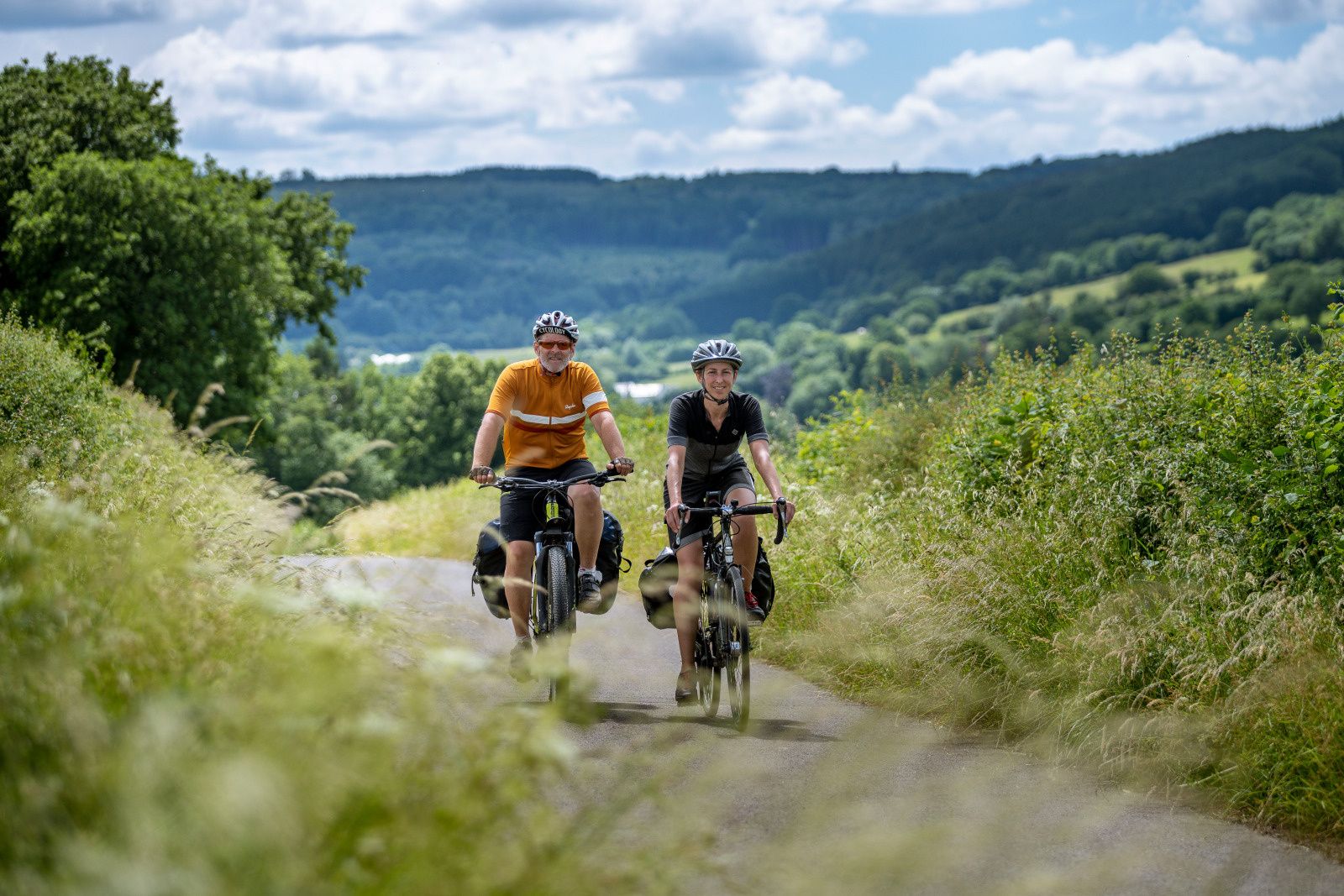
The most beautiful bike rides in Wallonia – pure nature and culture
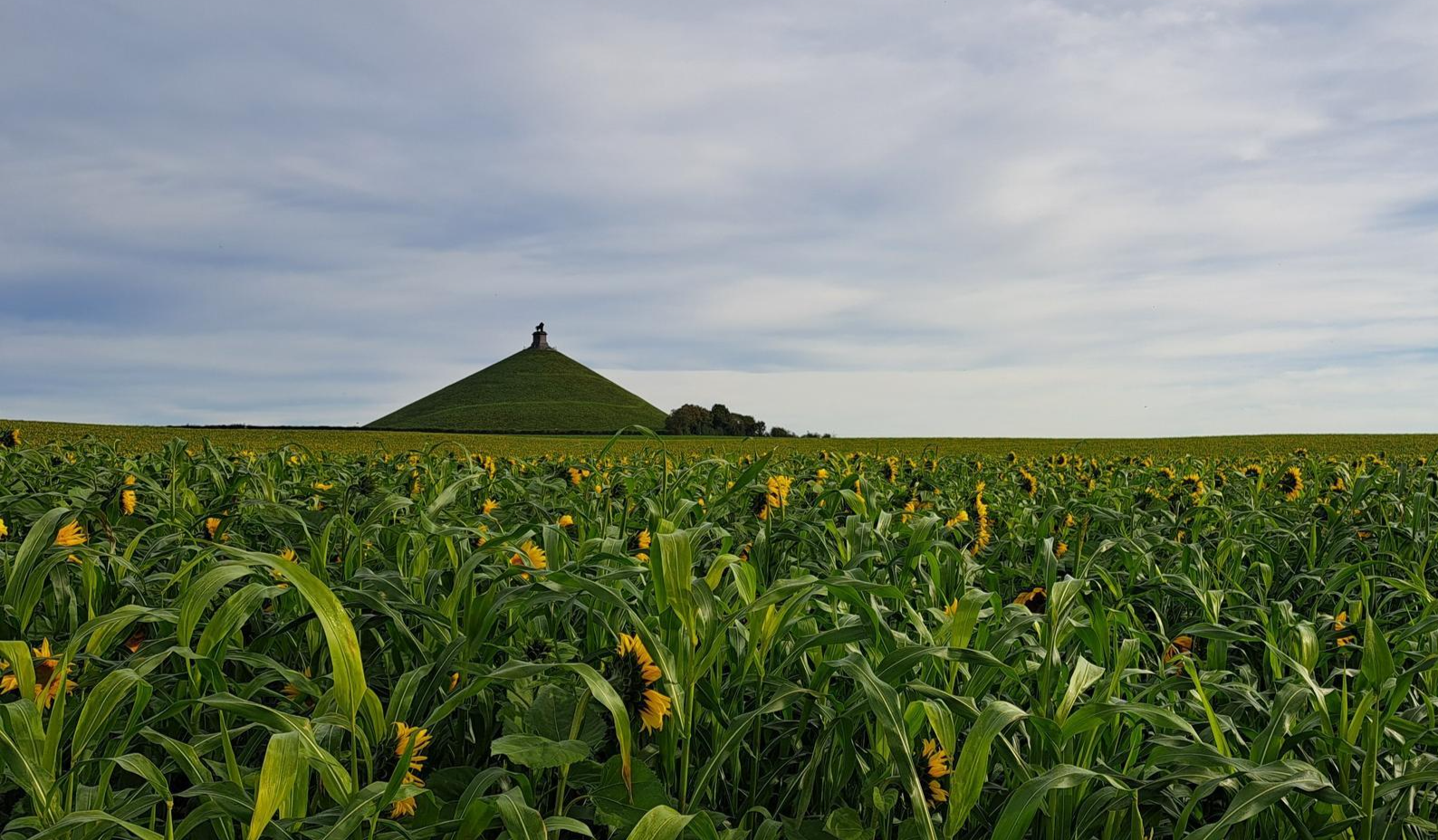
Crossing from east to west — Wallonia by Gravel
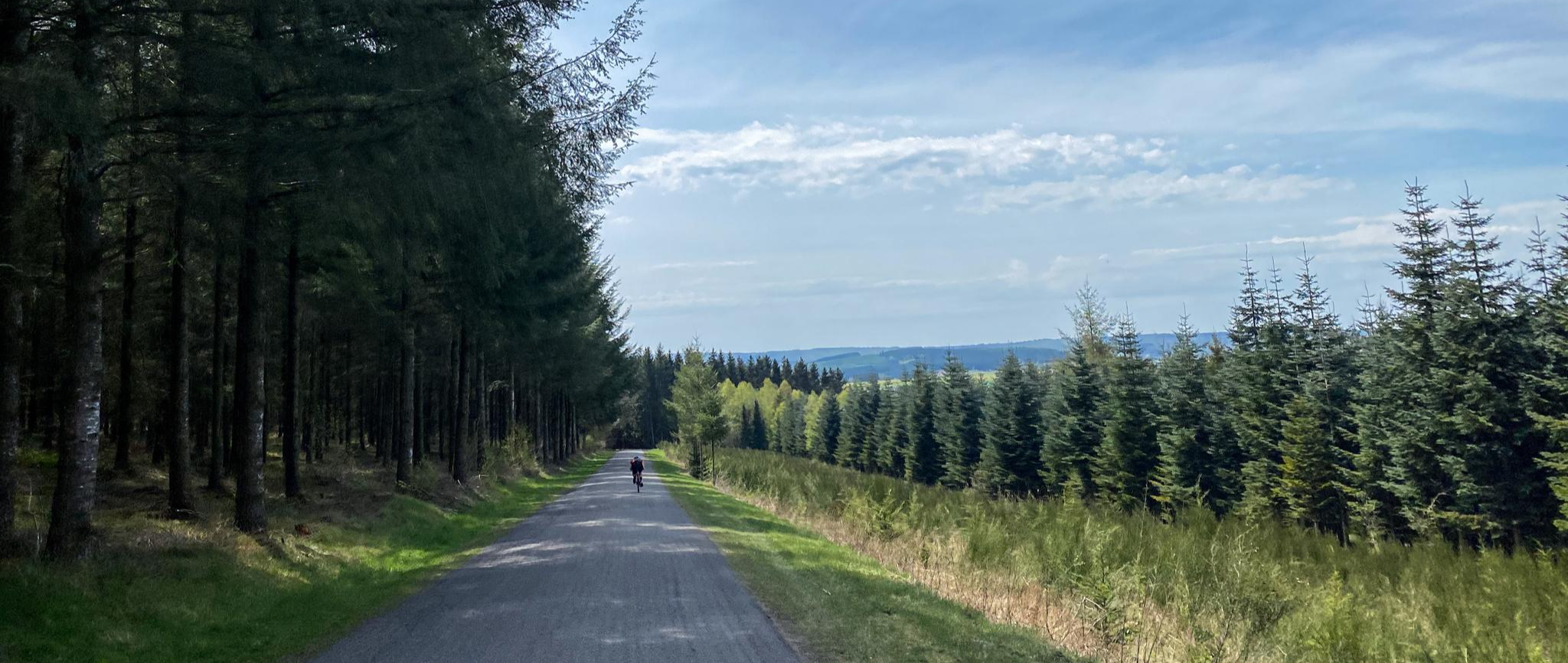
From Picardie to the Ardennes — Crossing Wallonia by Bike
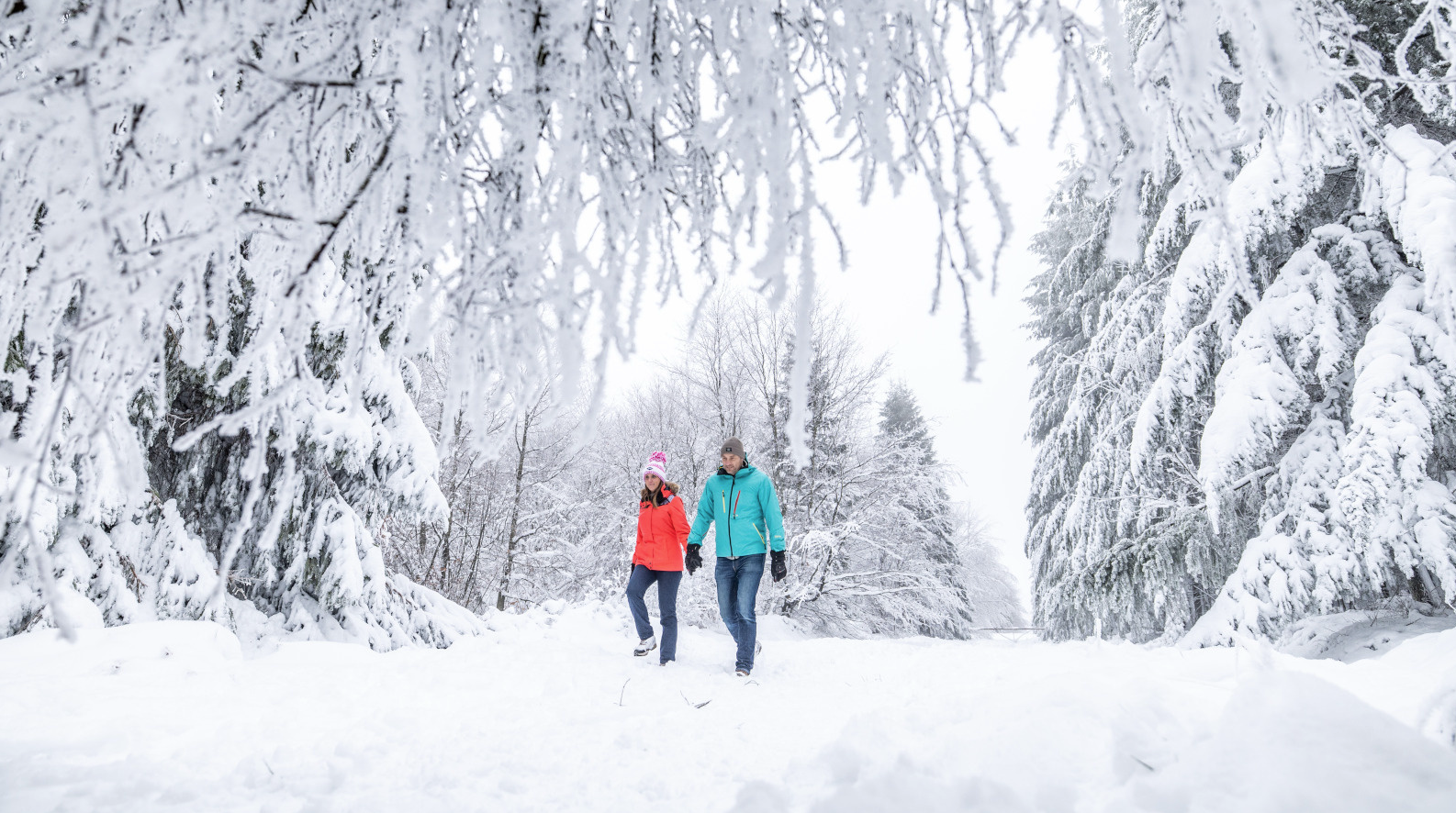
Belgian Ballads – winter hiking in the Belgian Ardennes
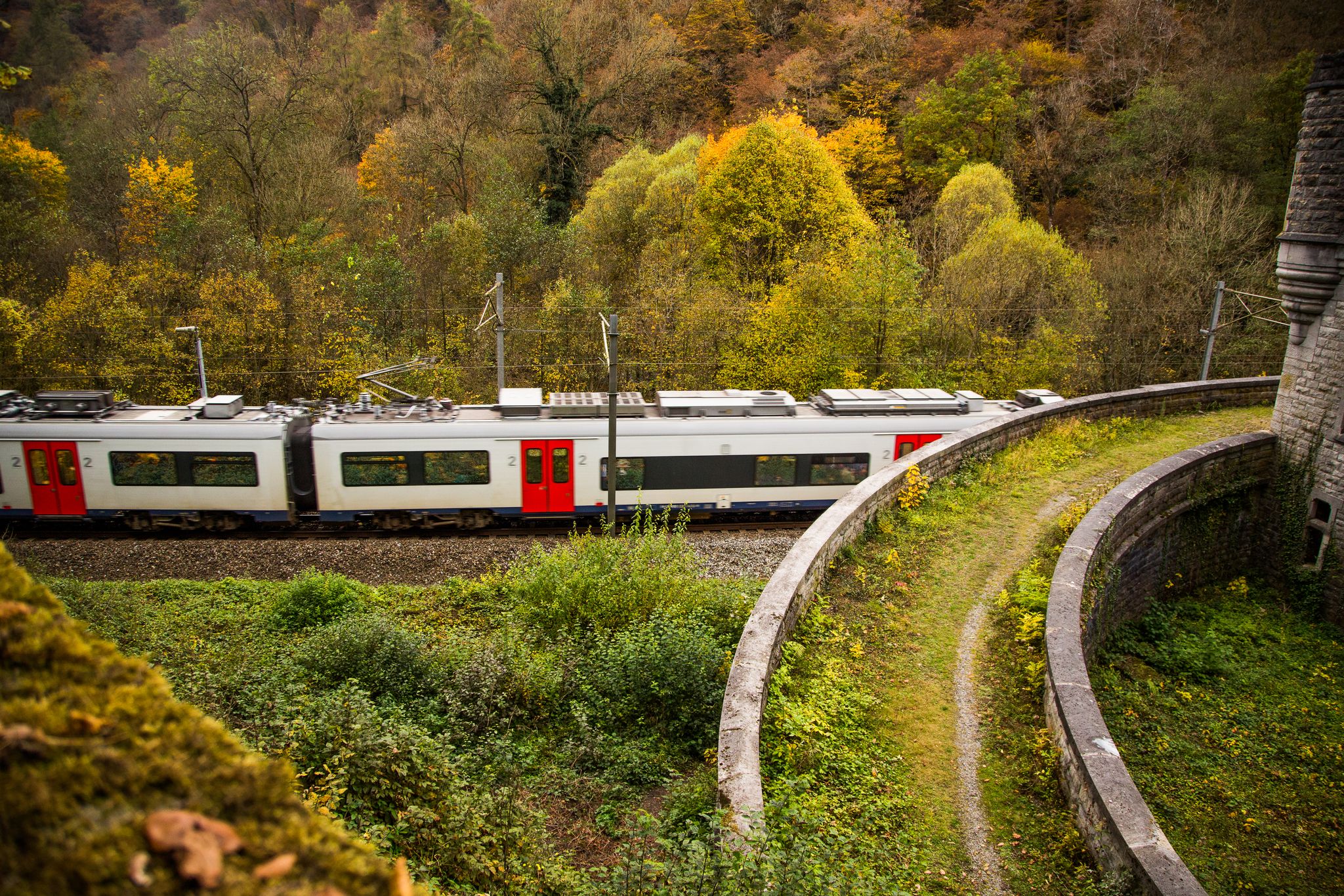
Exploring Belgium’s Wallonia — 8 hikes from station to station
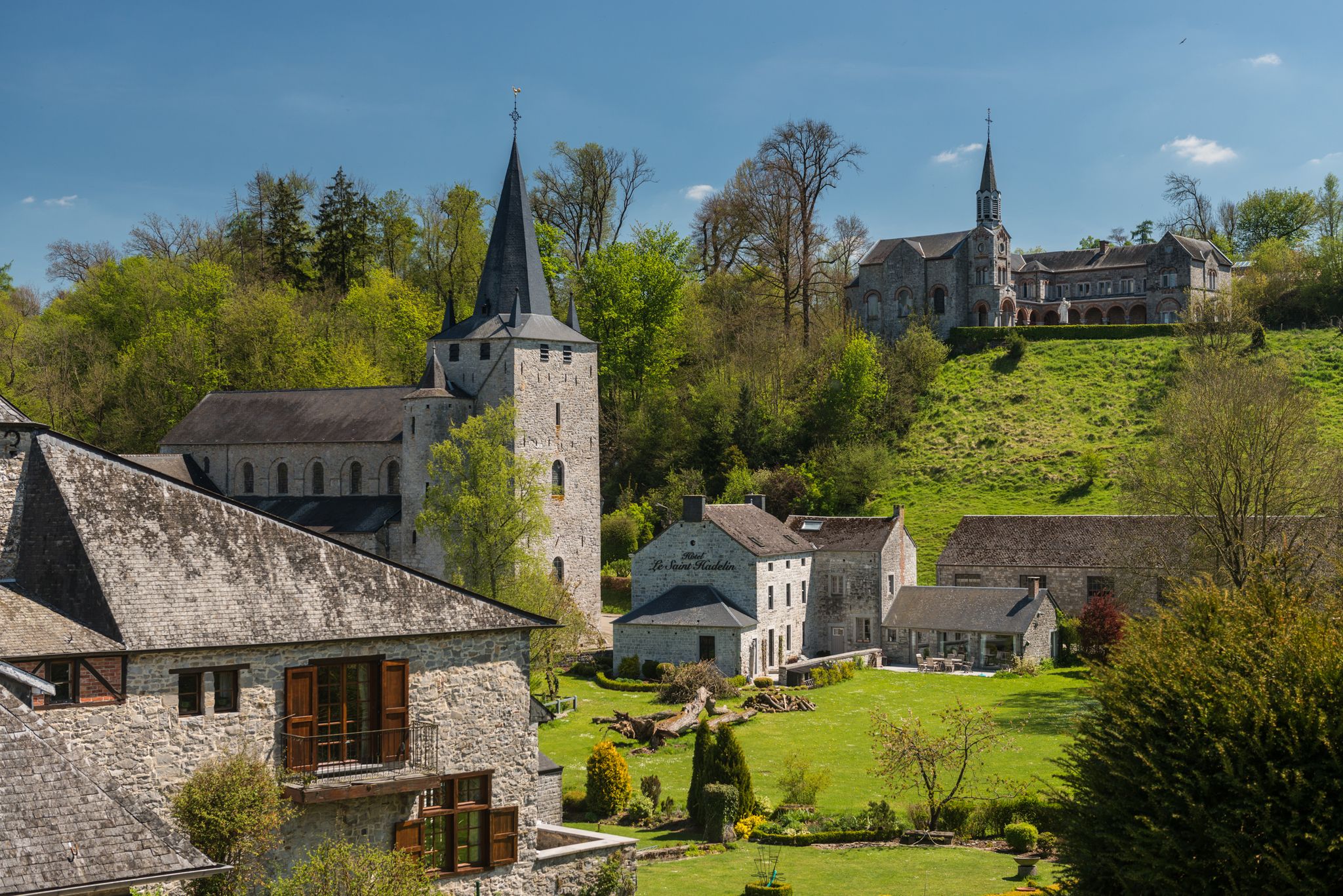
Walks in the Belgian Ardennes — historic walls & magical forests
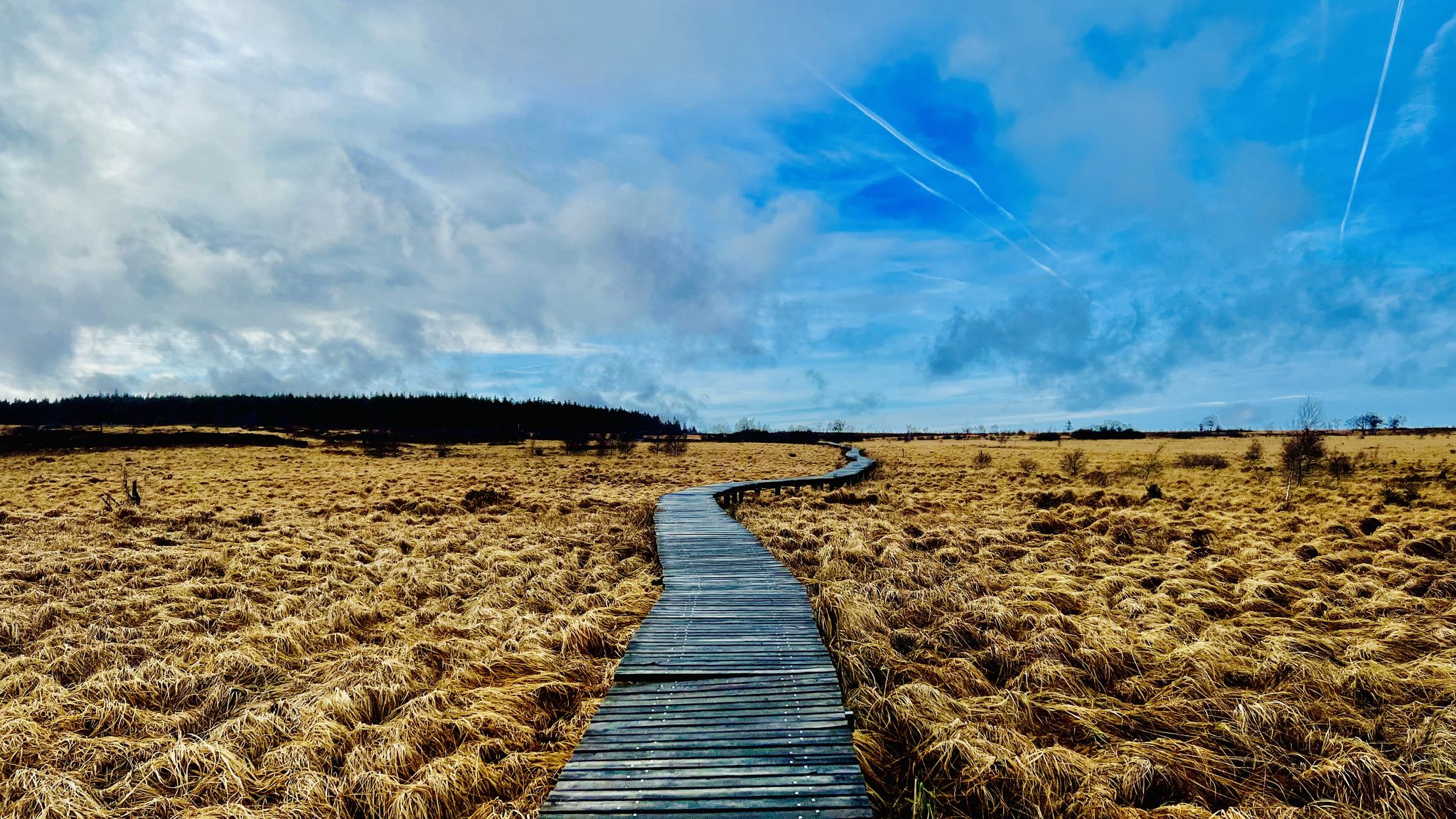
Belgische Balladen - charmante Kurzwanderungen in den belgischen Ardennen
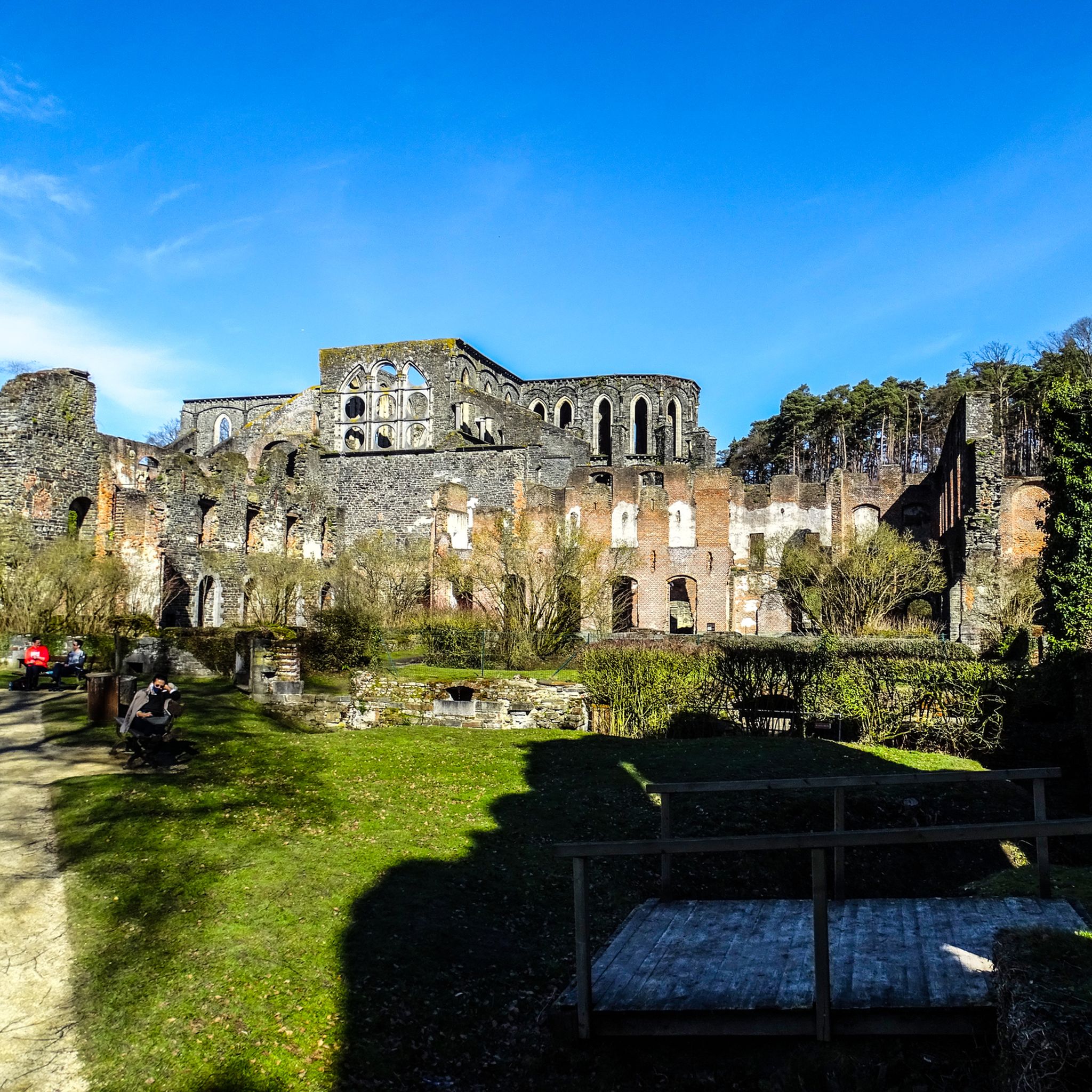
Hiking around Nivelles
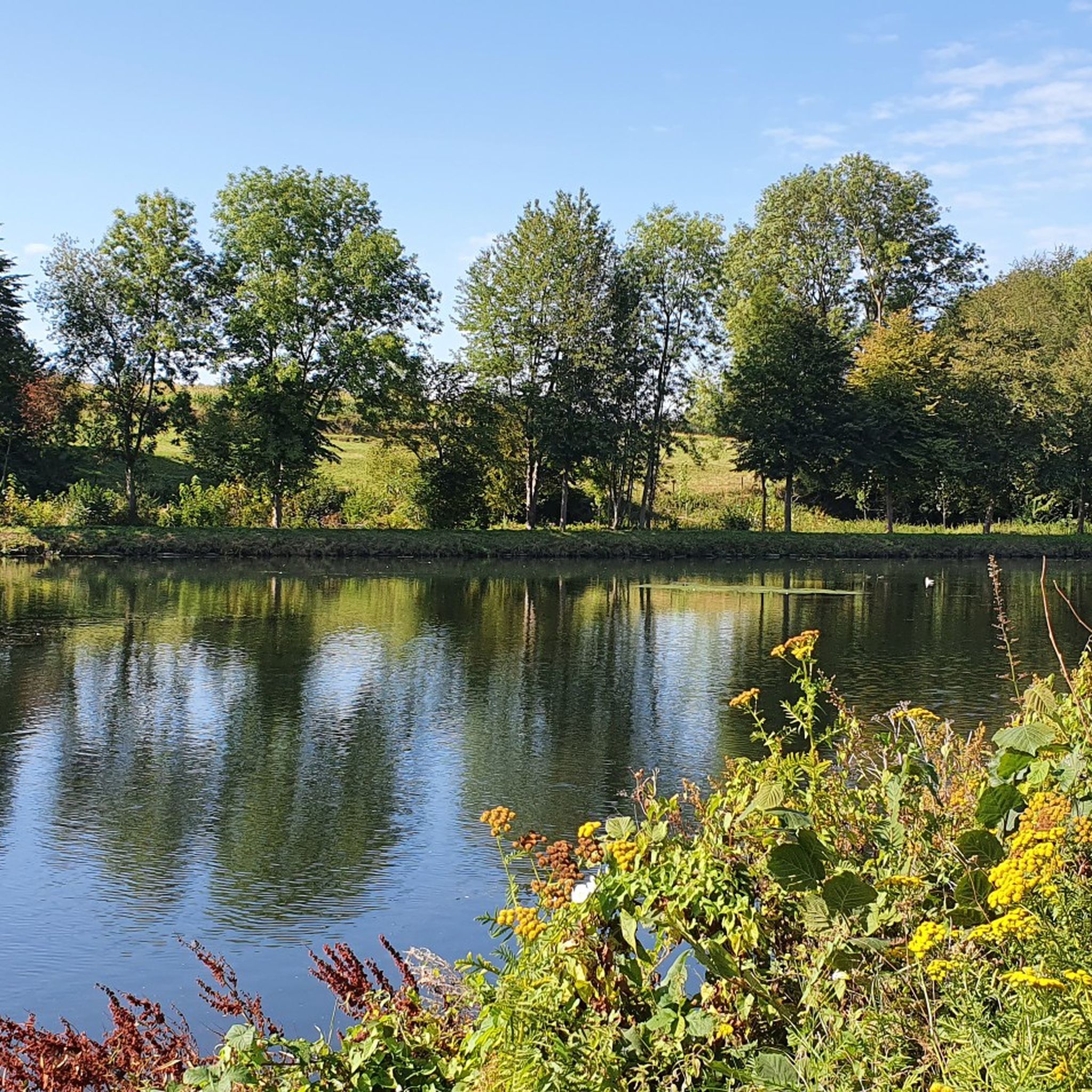
Cycling around Nivelles
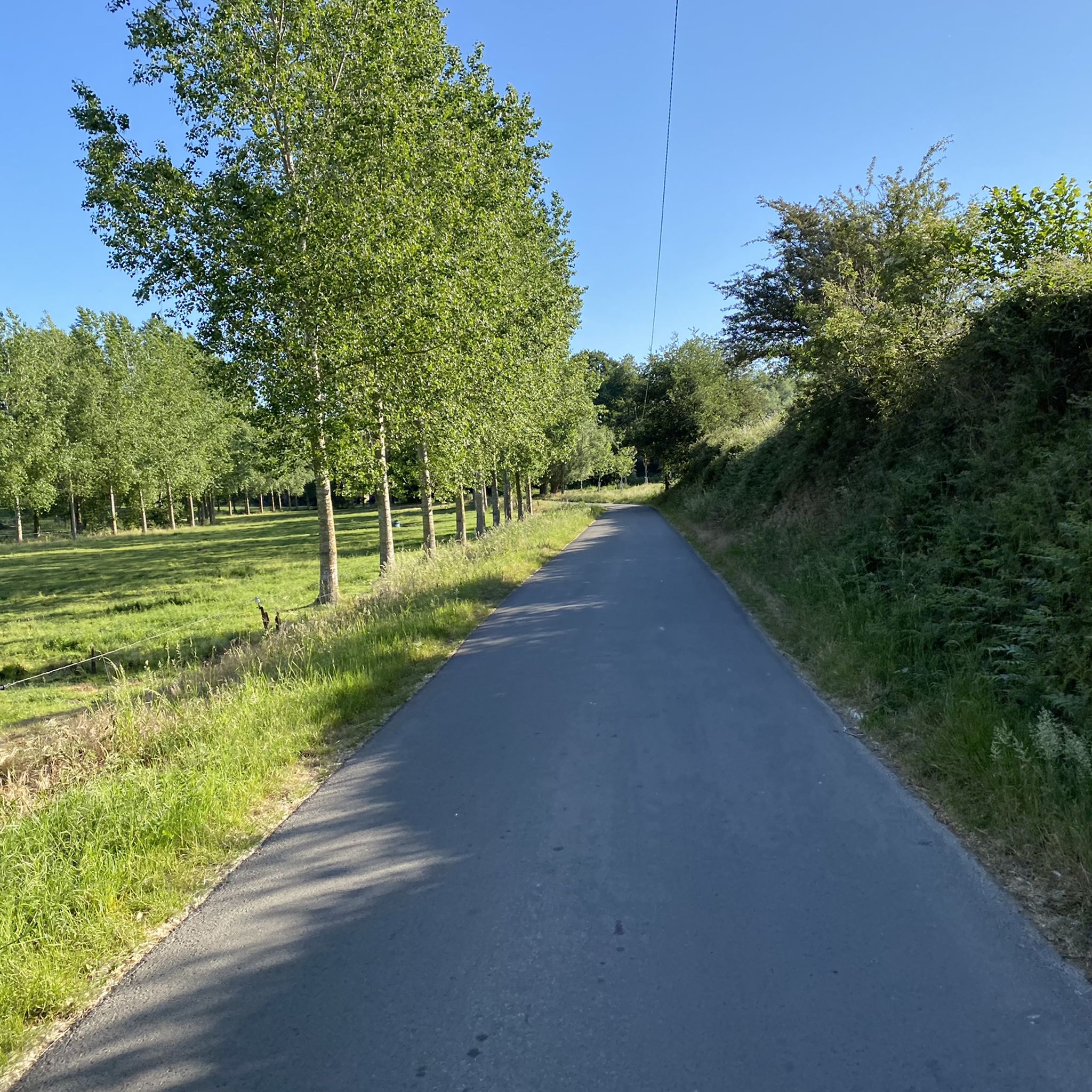
Road Cycling Routes around Nivelles
Other adventures around Nivelles


Tips from the Community

Mill, history & enjoyment A wonderful place to stop after your visit to the abbey. Behind the building, the authentic water wheel still turns, powered by the river Thyle – a beautiful piece of living history. In the 19th century, Victor Hugo himself stayed here several times, finding inspiration for his work. Today, this is still an atmospheric stop: discover more about the abbey in the visitor centre and then enjoy the terrace or the historic vaulted rooms at Bistro de l’Abbaye. Be sure to try one of the artisanal abbey beers from the in-house microbrewery. 🍺 History, water, atmosphere, and a delicious local beer… a stop you don't want to miss! 😉
4
0
The Mills of Villers Abbey is where history & the present meet. The historic Abbey Mill is the ultimate gateway to the magical Cistercian site of Villers-la-Ville. This 13th-century monumental building, where the monks once ground their grain and baked 2000 loaves weekly for the poor, now serves as the modern visitor centre and the atmospheric Bistro de l'Abbaye. It forms the perfect starting or stopping point for your walk or bike ride.
5
0
Visit Abdij Villers-la-Ville Abdij van Villers – a ruin to reflect on 😉 The Abdij van Villers-la-Ville is an impressive Cistercian ruin from 1146 and one of the largest and best-preserved medieval abbey sites in Europe. Wander among the gigantic Gothic walls, columns, and roofless vaults where nature and centuries-old architecture are beautifully intertwined. The abbey reached its peak in the 13th century, but after centuries of wars and changes, monastic life came to an abrupt end in 1796. During the French Revolution, the monks were expelled and the abbey was sold. Buildings were dismantled stone by stone, after which wind, rain, and encroaching nature slowly transformed the complex into an impressive ruin. In the 19th century, Villers became a beloved spot for artists and romantics. Victor Hugo (French writer, poet, playwright, and political thinker) was also fascinated by the ruins and visited the abbey several times. Thanks to restoration and heritage conservation, the site is beautifully preserved today. The combination of history, architecture, and nature makes a visit particularly atmospheric. Tip: allow at least 1.5 to 2 hours to explore the abbey at a leisurely pace. Admission – entrance fees: Adults: €10 Children (6 to 12 years): €4 Children (under 6 years): free Seniors (65+): €8 People with disabilities: free Dogs are welcome on a leash. An absolute must-see for anyone who loves history, mysterious ruins, and photogenic places! “Post tenebras, spero lucem” – “After darkness, I hope for light.” 🌑➡️☀️
5
0
The imposing Porte de Namur was built in 1725 under the leadership of the influential abbot Jacques de Lierneux. What makes this gate extra special is that it had a double function. The exterior (which you are now looking at) was erected in a rich, classic Renaissance style of brick and bluestone to impress high-ranking guests. On top of the gate passage is a robust stone tower room. Historically, this served as a guardhouse and prison cell for the abbey, which was allowed to exercise its own jurisdiction at the time. A monumental transition from the open nature to the ancient abbey domain!
4
0
Villers Abbey – a ruin to pause at 😉 The Abbey of Villers-la-Ville is an impressive Cistercian ruin from 1146 and one of the largest and best-preserved medieval abbey sites in Europe. Wander among the gigantic Gothic walls, columns, and roofless vaults where nature and centuries-old architecture are beautifully intertwined. The abbey experienced its greatest flourishing in the 13th century, but after centuries of wars and changes, monastic life came to an abrupt end in 1796. During the French Revolution, the monks were expelled and the abbey was sold. Buildings were dismantled stone by stone, after which wind, rain, and encroaching nature slowly formed the complex into an impressive ruin. In the 19th century, Villers grew into a beloved spot for artists and romantics. Victor Hugo (French writer, poet, playwright, and political thinker) was also fascinated by the ruins and visited the abbey several times. Thanks to restoration and heritage conservation, the site is beautifully preserved today. The combination of history, architecture, and nature makes a visit particularly atmospheric. Tip: allow at least 1.5 to 2 hours to discover the abbey at a leisurely pace. Admission – entrance fees: Adults: €10 Children (6 to 12 years): €4 Children (under 6 years): free Seniors (65+): €8 People with disabilities: free Dogs are welcome on a leash. An absolute recommendation for those who love history, mysterious ruins, and photogenic places!
5
0

It is difficult to imagine a more beautiful setting for a hike than that of Villers-la-Ville. After walking along the impressive ruins of the old Cistercian abbey, the path gradually escapes into the surrounding woods and countryside. Here, old stones and nature seem to have found a perfect balance. A walk where every turn tells a story.
2
0
It is probably this contrast that makes Villers-la-Ville so endearing. On one hand, the majestic remains of an abbey founded in 1146; on the other, paths that plunge into the woods and cross the peaceful landscapes of Walloon Brabant. The mineral and the vegetal respond to each other throughout the hike, giving the route a historic, romantic, and deeply natural atmosphere.
3
0

Steep and bad cobblestones
1
0
Frequently Asked Questions
What historical sites can I explore in Nivelles?
Nivelles boasts a rich history. You can visit the impressive Collegiate Church of Saint Gertrude, known for its Romanesque crypt and the iconic 'Jean de Nivelles' figurine. Other historical landmarks include the 12th-century Tour Simone, part of the old town ramparts, and the Fontaine du Perron. Just outside Nivelles, the magnificent Villers-la-Ville Abbey, a UNESCO World Heritage Site, offers extensive ruins to explore.
Are there any significant natural parks or green spaces in Nivelles?
Yes, Nivelles is home to Parc de la Dodaine, a large and picturesque heritage site featuring French gardens, a central fountain, and a water body. It's also a key section of the 'Blue loop' walking route. Further afield, you can explore the beautiful grounds of Château de La Hulpe, which includes remarkable trees and French gardens, or enjoy the serene Lake Genval.
What family-friendly activities are available around Nivelles?
Many attractions around Nivelles are suitable for families. The Villers-la-Ville Abbey offers vast grounds for exploration, and the park surrounding Château de La Hulpe is freely accessible for walks. For a unique historical experience, visit the View of the Lion's Mound at Waterloo, where a cylindrical painting and sound effects bring the Battle of Waterloo to life. Parc de la Dodaine in Nivelles is also a great spot for a family outing.
Can I find opportunities for outdoor activities like hiking or cycling near Nivelles?
Absolutely. The region around Nivelles offers various outdoor activities. You can find several hiking routes, including waterfall hikes, with options ranging from easy to moderate difficulty. For cyclists, there are gravel biking routes, some of which pass through areas like the Sonian Forest. You can explore detailed routes and guides for these activities, such as waterfall hikes or gravel biking, on komoot.
What is the Collegiate Church of Saint Gertrude known for?
The Collegiate Church of Saint Gertrude is a central landmark in Nivelles with a history spanning over 1350 years. It's renowned for its impressive Romanesque crypt, one of the largest in Europe, and its archaeological basement. On the southern tower, you'll find 'Jean de Nivelles,' an iconic copper figurine that strikes the bell hourly. The church also houses the remains of a Gothic shrine.
Are there any unique cultural experiences in Nivelles?
Beyond its historical sites, Nivelles offers cultural insights. The Communal Museum (Museum of Archeology), housed in a Louis XV mansion, displays art, artifacts from various periods, and works by Laurent Delvaux. You can also visit the Domaine du Chapitre Vineyard & Winery for guided walks and tasting sessions. If your visit aligns, the Nivelles Carnival, featuring the famous Gilles, is a notable local event taking place on the first weekend of Lent.
What is the best time of year to visit Nivelles for sightseeing?
Nivelles can be enjoyed year-round, but for optimal sightseeing and outdoor activities, the spring (April to June) and autumn (September to October) months offer pleasant weather. During these periods, temperatures are mild, making it comfortable to explore historical sites, parks, and walking routes. The Nivelles Carnival is a unique cultural event if you visit in late winter/early spring.
Are there any attractions around Nivelles that are wheelchair accessible?
Yes, some attractions around Nivelles offer wheelchair accessibility. For instance, the park and domain of Château de La Hulpe are freely accessible and noted as wheelchair-friendly. The Folon Foundation Outdoor Statues and Fountains are also listed as wheelchair accessible. It's always advisable to check specific accessibility details with individual venues before your visit.
Where can I learn about the history of Nivelles?
To delve into Nivelles' history, start with the Collegiate Church of Saint Gertrude and its archaeological basement. The Communal Museum (Museum of Archeology) provides a comprehensive overview of the area's past, from Palaeolithic to Merovingian periods. You can also follow the 'Gold Walk,' a major walking route through the historic center, which has extensions like the 'Pink loop' through Simon Tower, offering a guided exploration of the town's rich heritage.
What is the significance of the Villers-la-Ville Abbey?
The Villers-la-Ville Abbey is a profoundly significant historical site, founded in the 12th century by Cistercian monks. It is listed as a UNESCO World Heritage Site and represents 900 years of history through its extensive grounds, walls, medieval gardens, and vaults. The impressive Ruins of Villers-la-Ville Abbey are among the most complete archaeological complexes in Belgium, offering a unique glimpse into monastic life and architecture.
Can I visit a vineyard or winery near Nivelles?
Yes, the Domaine du Chapitre Vineyard & Winery, which began planting vines in 2013, is located near Nivelles. They offer tours that include guided walks through the vineyard and tasting sessions, providing a delightful experience for wine enthusiasts.
What is the 'Gold Walk' in Nivelles?
The 'Gold Walk' is the primary walking route designed to help visitors explore the historic center of Nivelles. It allows you to discover the town's rich history and key landmarks. The Gold Walk also features three extensions: the Green loop through Holy Sepulchre, the Pink loop through Simon Tower, and the Blue loop through Parc de la Dodaine, offering varied perspectives of the area.
Most popular routes around Nivelles
Most popular attractions around Nivelles

Get inspired with the komoot mobile app


Didn’t find what you were looking for?
Are you keen on exploring more awesome places nearby? Browse our guides:
