Attractions and Places To See around Leuven - Top 20
Best attractions and places to see around Leuven include a mix of historical landmarks, cultural institutions, and natural spaces. The city, a university hub in Belgium, is characterized by its rich history and diverse landscape. Visitors can explore well-preserved medieval architecture, extensive woodlands, and serene parklands. The region offers opportunities to discover both urban cultural sites and tranquil natural environments.
Best attractions and places to see around Leuven
- The most popular attractions is Horst Castle, a castle that is an idyllic moated castle from the 13th century. The characteristic square keep dates from the 15th century.
- Another must-see spot is Smeysberg Climb, a challenging climb. It offers an elevation gain of 50 meters over 600 meters.
- Visitors also love Footbridge over the Weefberg Pond, a bridge crossing a beautiful fens. It provides an idyllic view of the Weefberg Pond and surrounding nature.
- Leuven is known for historical sites, natural landscapes, and cycling routes. The region offers a variety of attractions to see and explore, from ancient abbeys to scenic ponds and challenging climbs.
- The attractions around Leuven are appreciated by the komoot community, with more than 1500 upvotes and over 1000 photos shared across 2500 highlights.
Last updated: October 10, 2026
Averbode Abbey
Highlight • Religious Site
On the grounds, you will also find an experience center dedicated to traditional crafts. The old farm buildings now house a monastery café with its own brewery, a bakery, and a monastery shop.
By the way: You can also stay overnight in one of the guest rooms.
Information and registration: gastenkwartier@abdijaverbode.be.
Translated by Google •
Tip by

Leuven Town Hall
Highlight • Historical Site
The plans for the town hall of Leuven are based on and inspired by the town hall of Bruges. The town hall of Bruges is one of the oldest in Belgium and, in addition to that of Leuven, served as a model for the town halls of Oudenaarde, Brussels and Ghent, among others. The stones were made of Ledian stone from quarries such as De Helle in Dilbeek.
The town hall has three floors. There are two niches between the windows, which protrude slightly. Three of the four corner towers also have niches. The corbels are sculpted representations from the Bible. The recurring theme is guilt and penance. They had a didactic and admonishing function. During the first restoration in the nineteenth century, most of them were replaced; however, the original corbels are located in the attic of the town hall. Since the city services moved to the City Office at Professor Roger Van Overstraetenplein (at the station), the historic city hall is only used for ceremonies.
nl.wikipedia.org/wiki/Stadhuis_van_Leuven
Translated by Google •
Tip by

Sign up now to discover places like this
Get recommendations on the best single tracks, peaks, & plenty of other exciting outdoor places.
Demer Towpath
Highlight • Cycleway
Translated by Google •
Tip by

Footbridge over the Weefberg Pond
Highlight • Bridge
Translated by Google •
Tip by

Ponds of Tervuren Park
Highlight • Lake
Translated by Google •
Tip by

Cycling Highway Leuven-Mechelen Along the Leuven-Dijle Canal
Highlight • Cycleway
The left bank is used between Leuven and Boortmeerbeek. At the Pontstraat in Boortmeerbeek, the route crosses and then uses the right bank to Mechelen.
Translated by Google •
Tip by

Horst Castle
Highlight • Castle
Translated by Google •
Tip by

Smeysberg Climb
Highlight (Segment) • Climb
Translated by Google •
Tip by

Leuven–Dijle Canal
Highlight • River
Tip by

Reed Pond
Highlight • Lake
Translated by Google •
Tip by

Sign up for free to discover even more attractions around Leuven.
Already have an account?
Start today with a free account
Your next adventure awaits.
Popular around Leuven
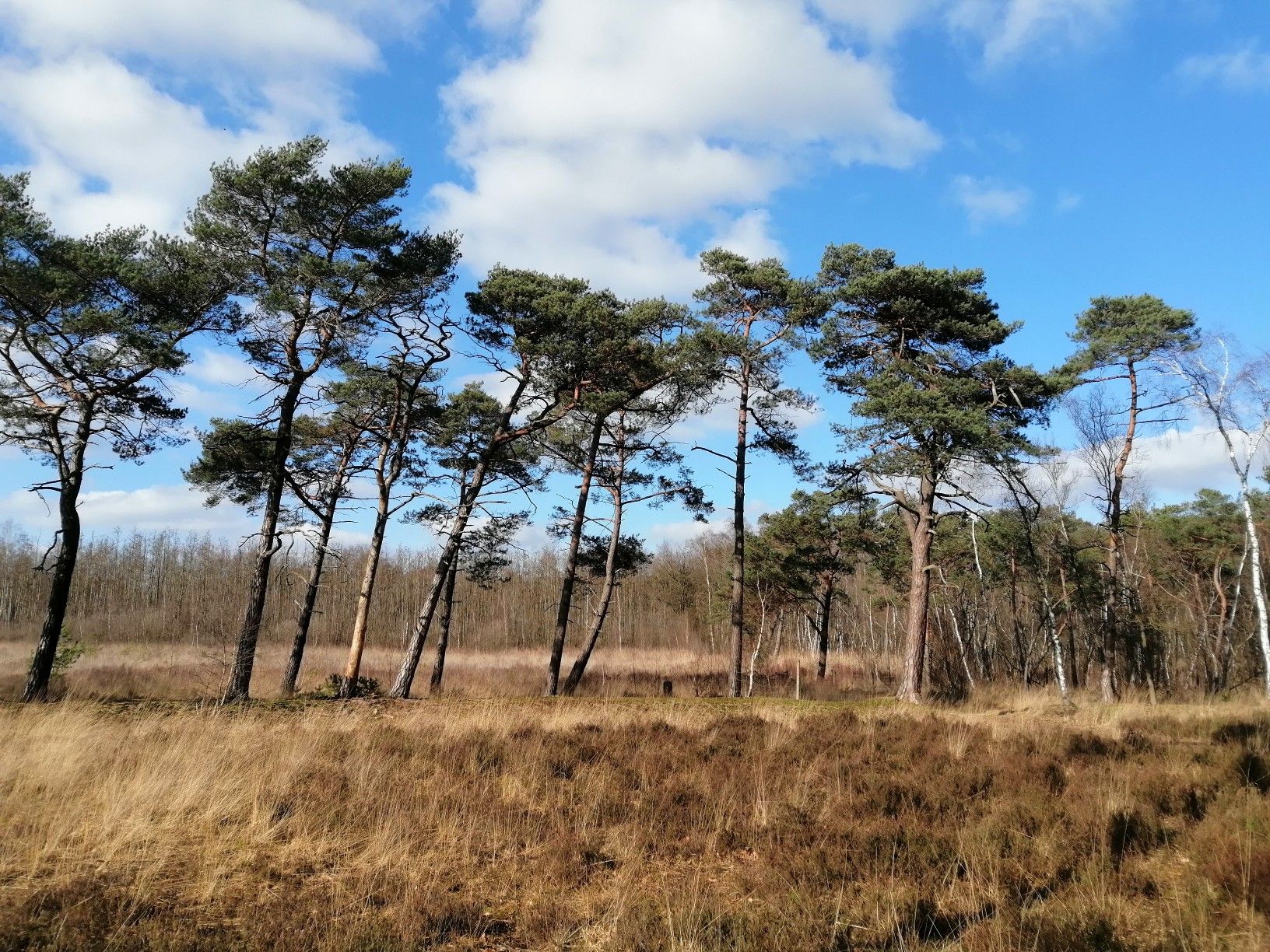
From Flanders to the Ardennes — GR 5 in Belgium
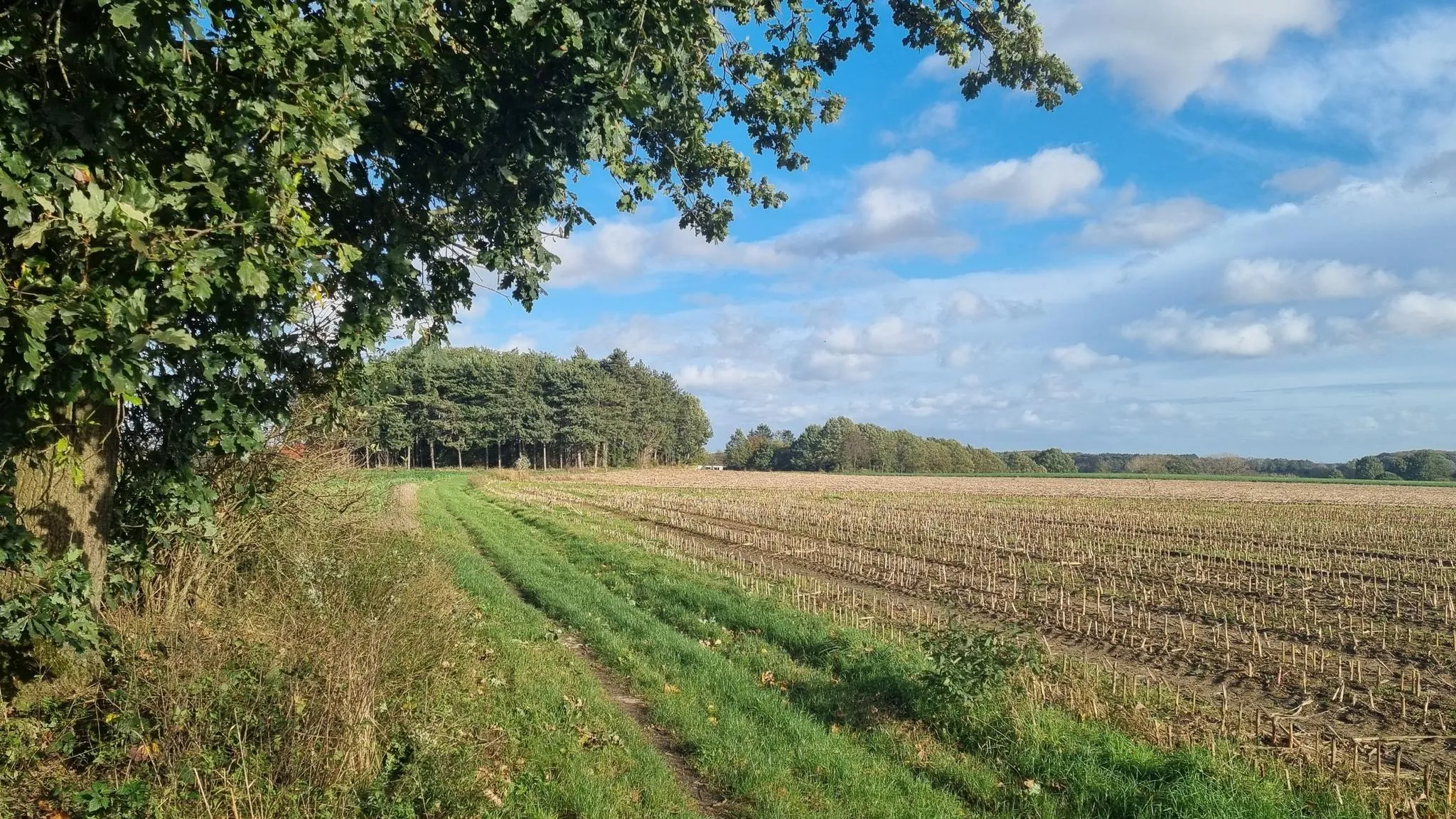
Streek-GR Hageland – Hollow roads and endless fields
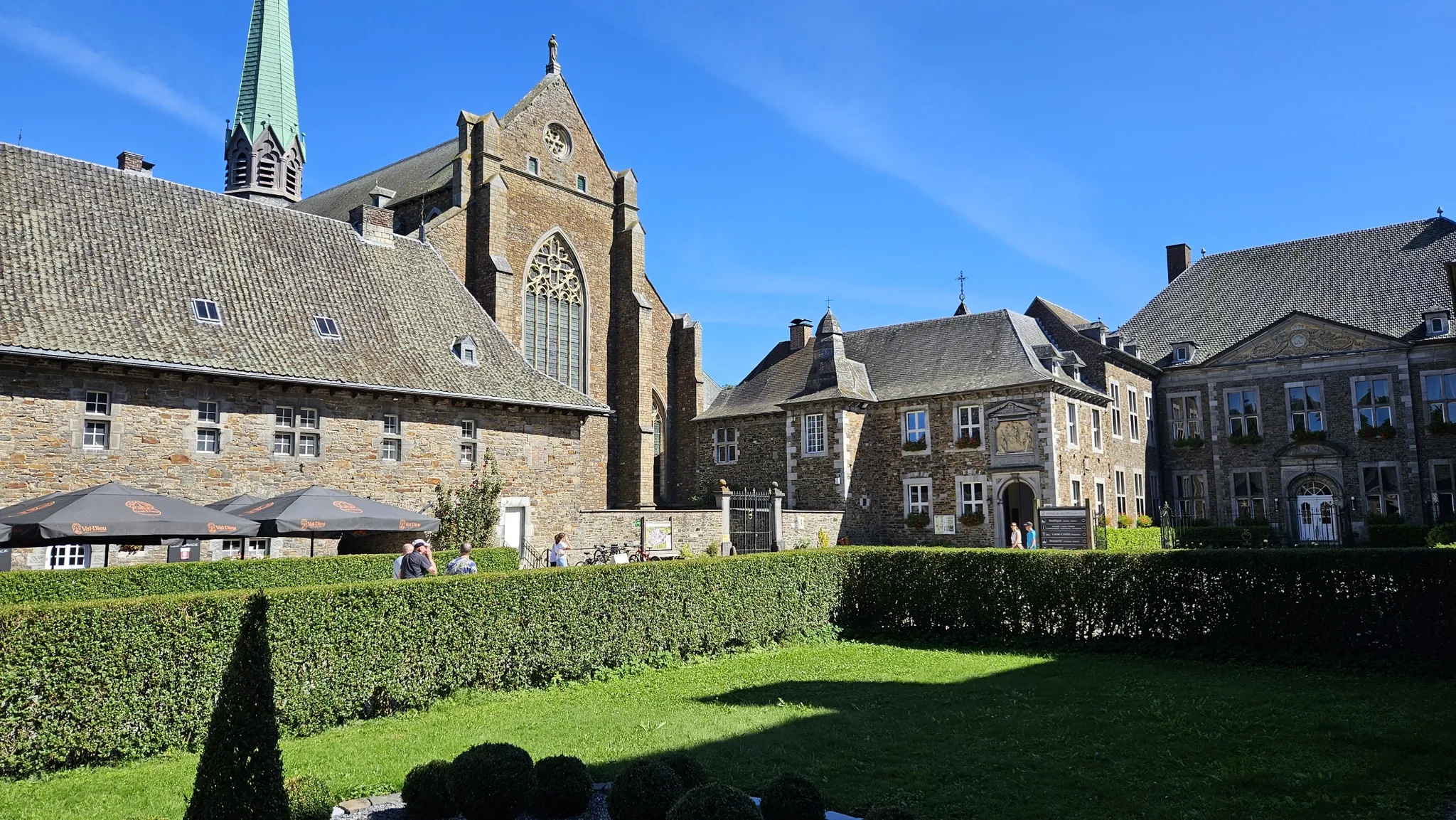
Trappist abbeys cycle route – Between beers and heritage
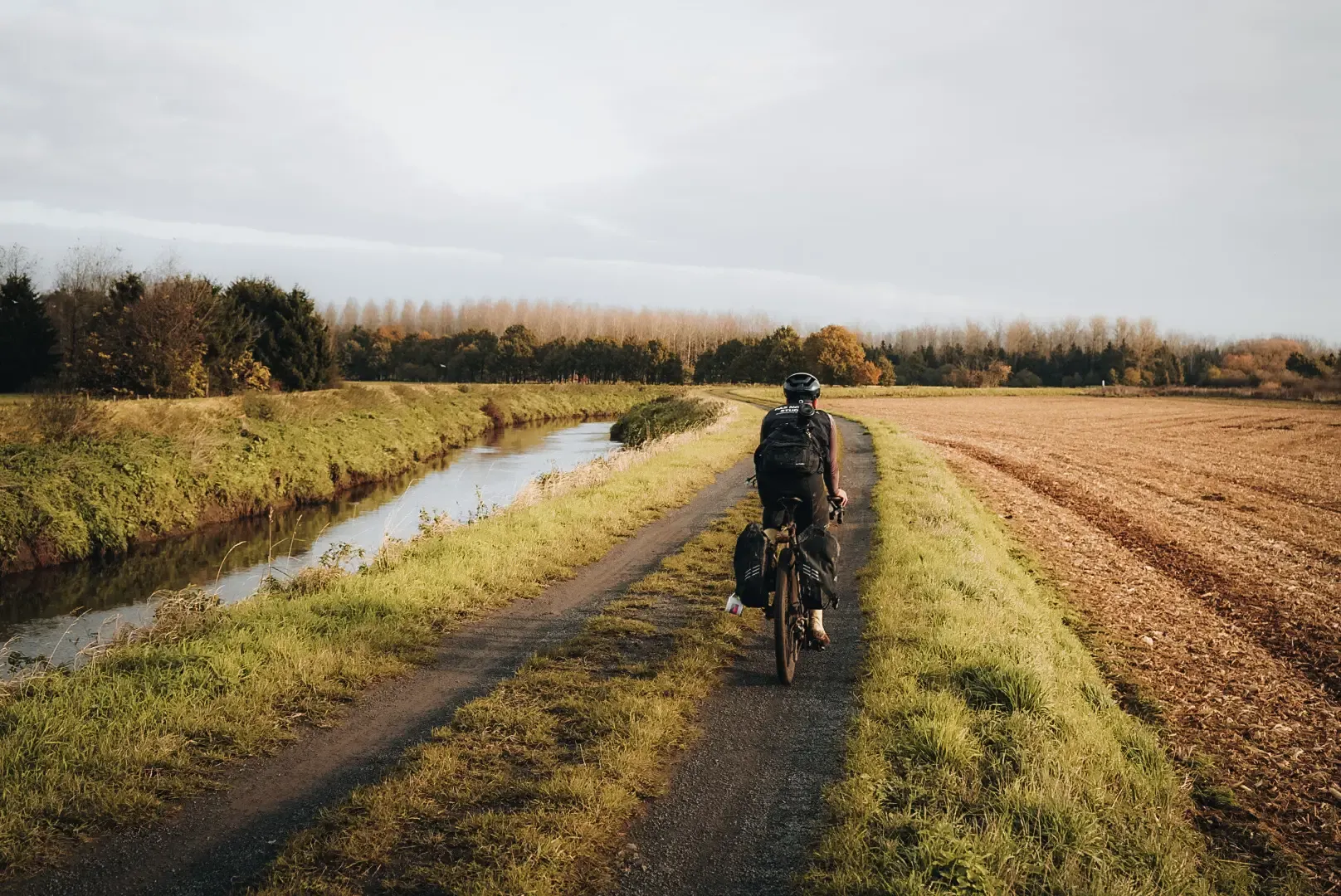
Flanders Divide - Across Flanders
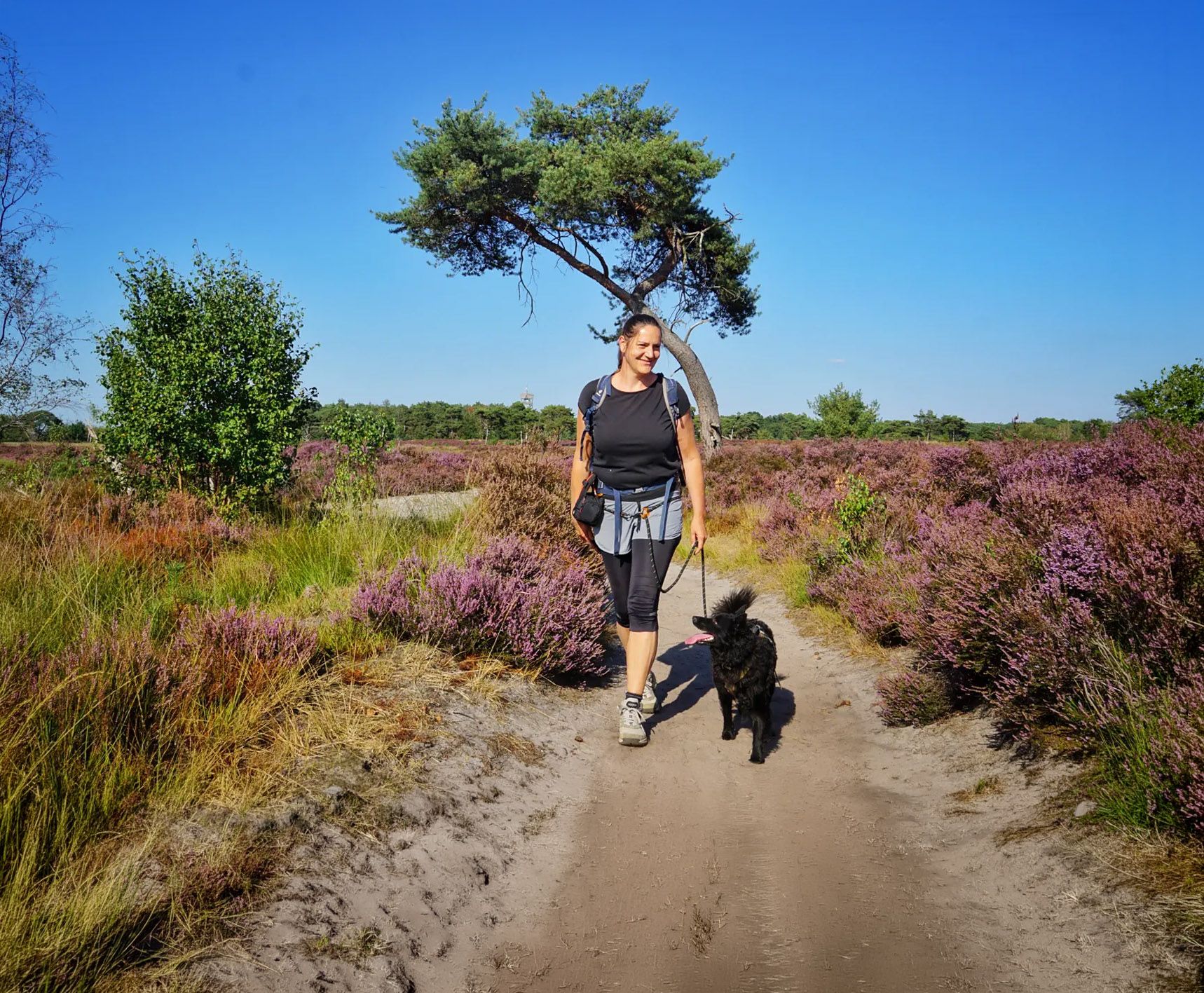
Purple trails and small discoveries – enjoyable hiking in Flanders
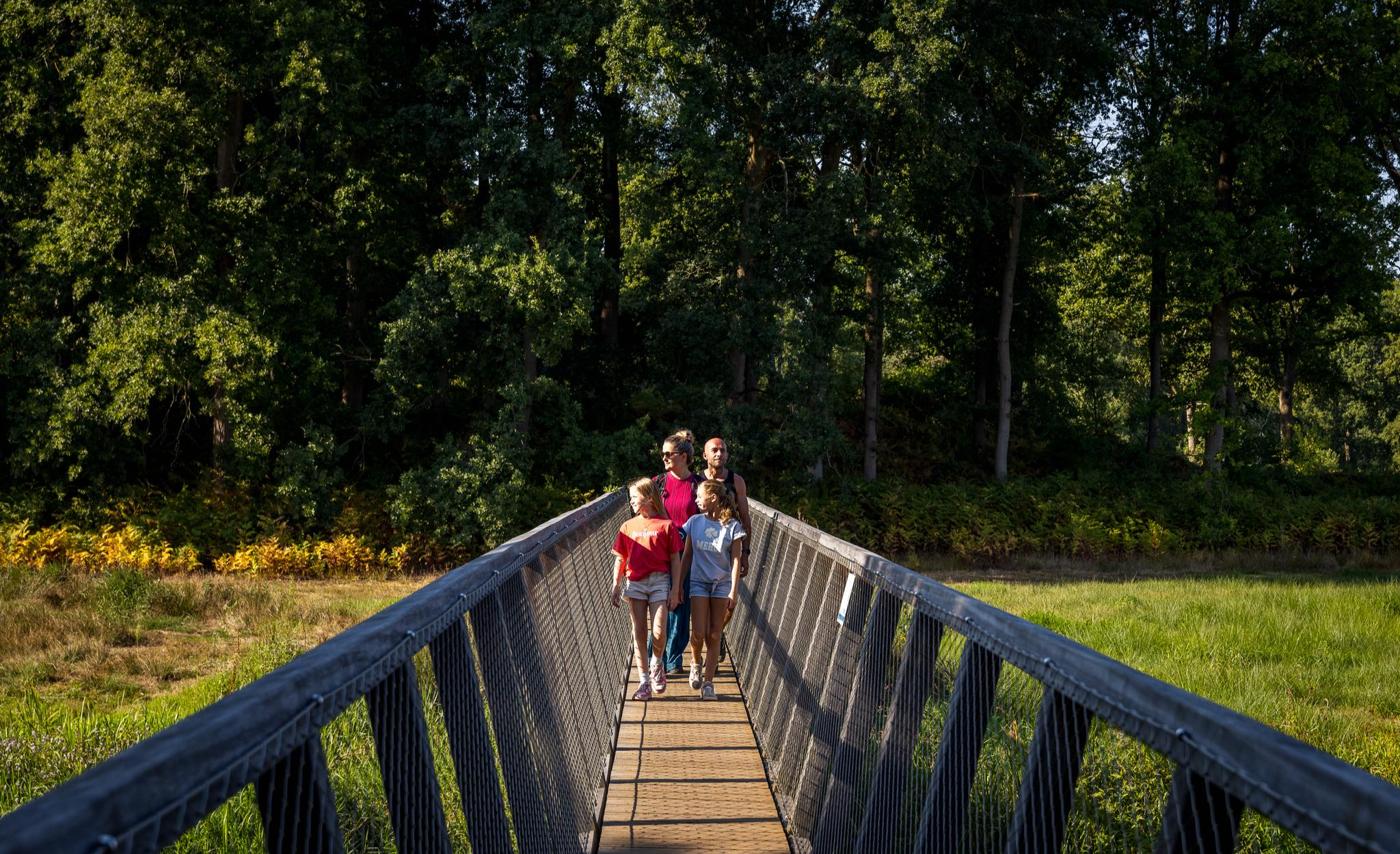
Flanders’ Finest Hiking Routes
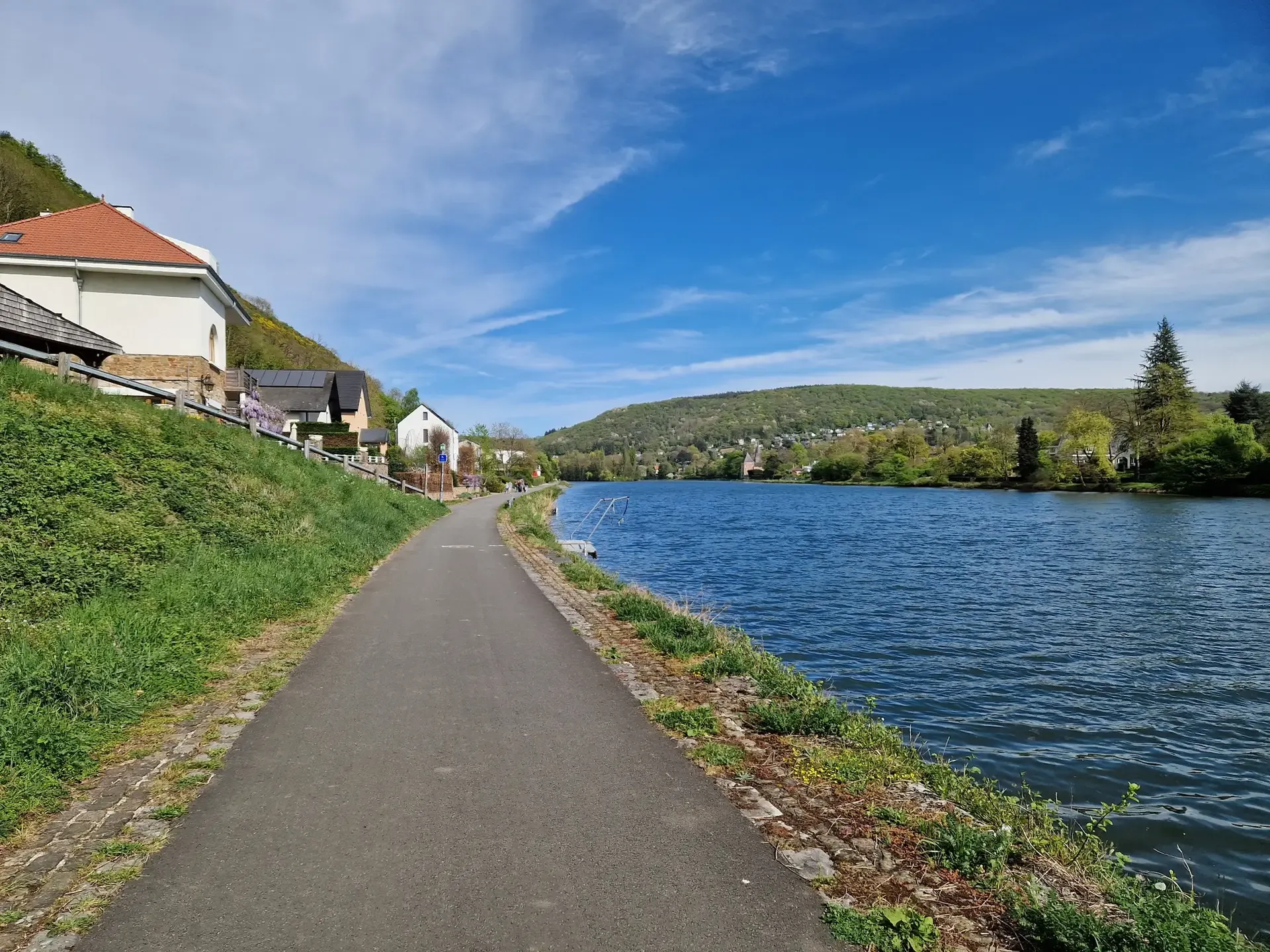
La Wallonie à vélo - RV2 : La Namuroise
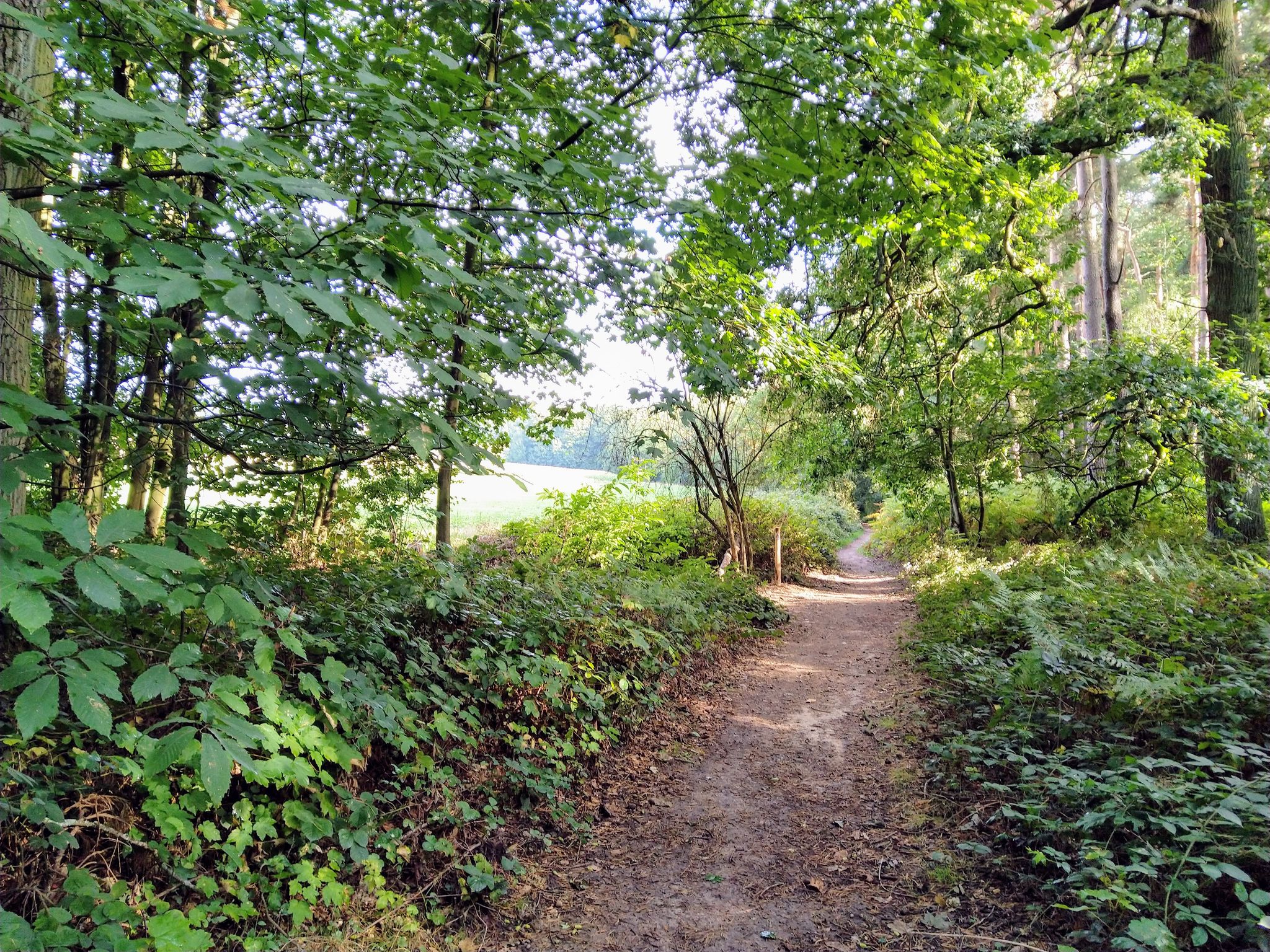
MTB Challenge – the Frans Claes route
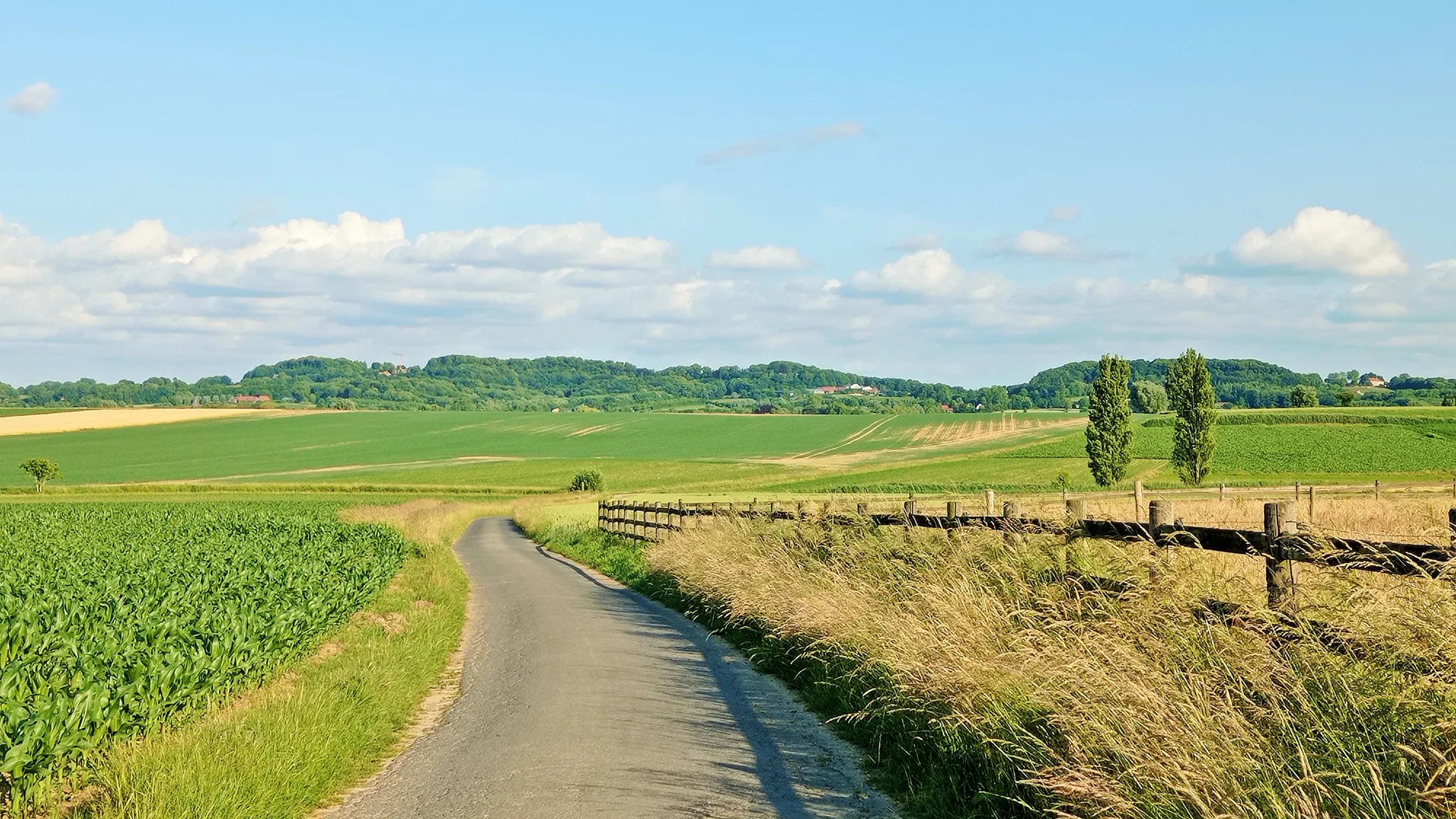
Seven-day Cycling tour through the South-Flemish hills – Hilly Route
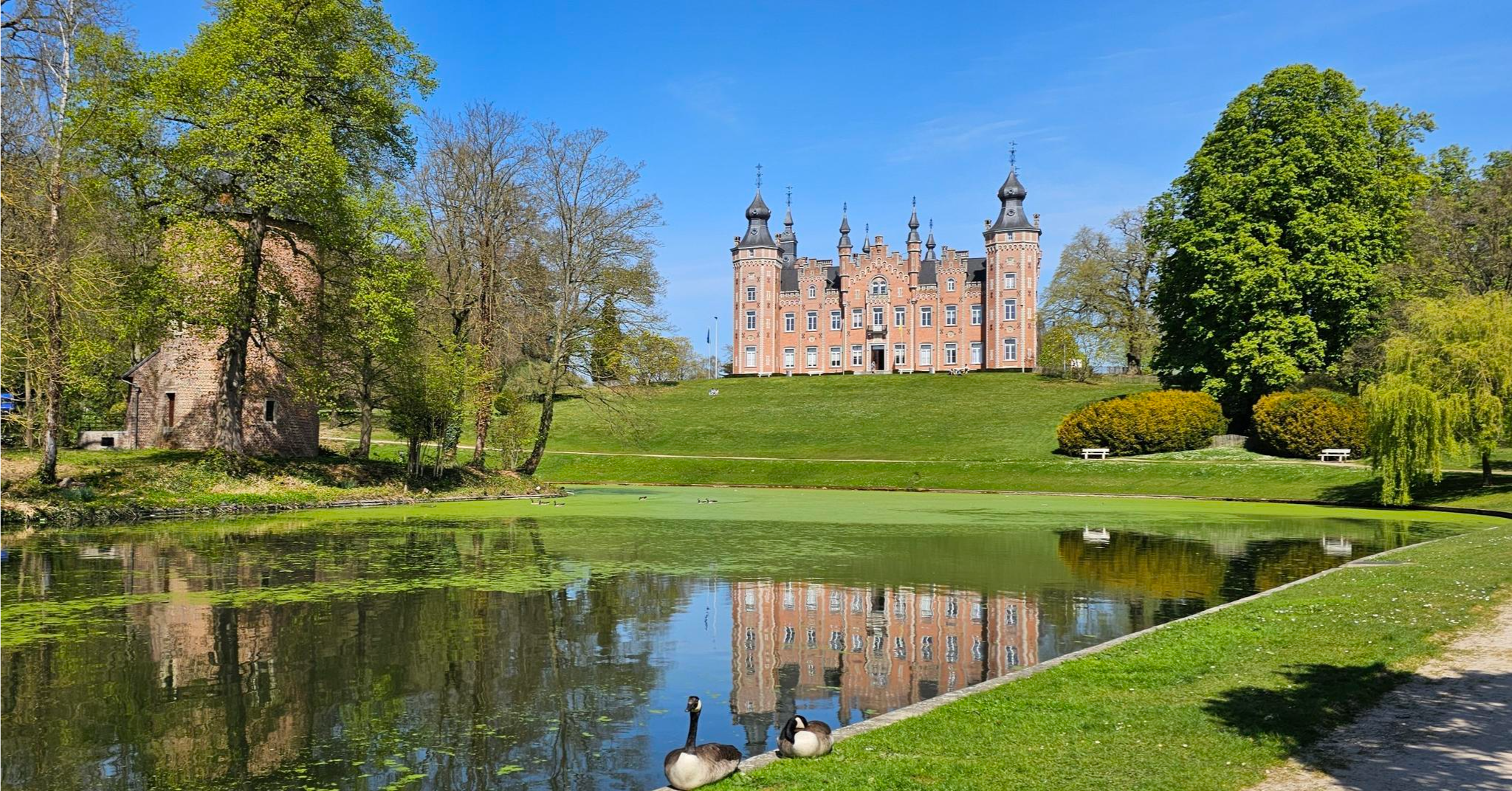
Tour around Brussels – Streek-GR Groene Gordel
Other adventures around Leuven


Tips from the Community

Class cycle path along the canal.
0
0
Very nice cycle path along the ponds in the park of Tervuren.
0
0

Contemplation is a strong positive medication!
1
0


Definitely stop by Ernesto koffie (right at the roundabout Walensebaan and Smisstraat), a cozy little food truck right by the ponds. There are also cozy seating areas provided at the food truck itself. Delicious coffee and wonderful pastries. Ideal for a refueling stop. Super friendly service. Open Wednesday to Sunday from 10:30
1
0

In front of the park is a French garden with ponds, flower beds and statues, which extends to a series of ponds that receive their water from the Voer.
1
0

Cycling along the canal is pleasant, near Mechelen you have kayakers and there is always something to do.
3
0

One of my favorite places in the area.
7
0
Frequently Asked Questions
What historical landmarks can I explore in Leuven?
Leuven is rich in history. You can visit the stunning 15th-century Gothic Leuven Town Hall on the Grote Markt, known for its intricate statues. The Averbode Abbey, founded in 1134, offers a glimpse into ten centuries of monastic life. Don't miss the UNESCO World Heritage site, the Great Beguinage, a beautifully preserved 13th-century 'village within the city' with cobbled streets and red-brick houses. Other notable sites include Saint Peter's Church and Arenberg Castle.
Are there any natural attractions or parks to visit in and around Leuven?
Yes, Leuven offers several serene natural spaces. You can enjoy the peaceful Sint-Donatus Park in the city center or explore the 42-hectare protected landscape surrounding Park Abbey, featuring large ponds and meadows. The Botanical Garden (Hortus Botanicus Lovaniensis) is perfect for leisurely strolls. Further afield, the extensive Heverleebos and Meerdaalwoud woodlands offer beautiful forested landscapes and walking paths, including the "Path of Ad" with fairytale tree sculptures. You can also find tranquil spots like the Ponds of Tervuren Park and the Reed Pond.
What are some family-friendly activities available near Leuven?
Many attractions around Leuven are suitable for families. The Horst Castle, an idyllic moated castle, is a popular spot. Children might enjoy exploring the grounds of Averbode Abbey with its monastery café and bakery. Natural areas like Sint-Donatus Park, the Botanical Garden, and Kessel-Lo Provincial Park offer space for outdoor play and exploration. The Footbridge over the Weefberg Pond provides an idyllic view of nature that families can enjoy together.
Where can I find scenic viewpoints around Leuven?
For panoramic views of the city, the bell tower of the University Library is a great option. The Footbridge over the Weefberg Pond offers idyllic views of the pond and surrounding nature. Additionally, the Smeysberg Climb, though challenging, rewards visitors with a viewpoint at the top.
Are there opportunities for cycling or walking along canals and rivers?
Yes, Leuven offers pleasant routes along its waterways. You can enjoy the Demer Towpath, which is ideal for cycling. The Cycling Highway Leuven-Mechelen Along the Leuven-Dijle Canal provides a dedicated path for cyclists. The Leuven–Dijle Canal itself is a scenic route for both walking and cycling.
What kind of outdoor activities can I do near Leuven's attractions?
The region around Leuven is excellent for outdoor enthusiasts. You can find numerous routes for running, hiking, and even mountain biking. For running, consider trails like the Meerdaal Forest Tomberg Loop or the Leuven-Dijle Canal Path. Hikers can explore the Antitank canal walk or the Averbode Forest and Heath Loop. For more challenging mountain hikes, options like the Weertse Dreef in Meerdaal Forest are available. You can find more details on these activities in the Running Trails around Leuven, Hiking around Leuven, and Mountain Hikes around Leuven guides.
What is the best time to visit Leuven for outdoor activities?
The spring and summer months generally offer the most pleasant weather for outdoor activities, with lush greenery in the parks and woodlands. However, the extensive woodlands like Heverleebos and Meerdaalwoud can also be beautiful for walks in autumn with changing foliage or even for crisp winter walks, depending on weather conditions.
Are there any cultural institutions or museums in Leuven?
Leuven is a vibrant cultural hub. The M Museum Leuven, opened in 2009, houses over 46,000 masterpieces, blending contemporary art with old masters. Park Abbey also features the PARCUM Museum of Religious Art, offering a unique collection of artifacts and artworks within a tranquil setting.
Can I find places to eat or drink near the main attractions?
Yes, the Grote Markt, where the Leuven Town Hall and Saint Peter's Church are located, is a central hub with various cafes and restaurants. The Oude Markt, famously known as "the longest bar in Europe," is lined with numerous bars and eateries, making it a lively spot for socialising. The Brasserie Wagenhuis near Horst Castle is also a good option for a stop.
What is the Great Beguinage and why is it significant?
The Great Beguinage (Groot Begijnhof) is a UNESCO World Heritage Site and a beautifully preserved 13th-century historical quarter. It's significant for its unique architecture, featuring cobbled streets, red-brick houses, gardens, and bridges over the River Dijle. It offers a peaceful glimpse into Leuven's past, having once housed religious women and now serving as accommodation for students and professors of KU Leuven.
Are there any challenging cycling routes or climbs in the area?
For cyclists seeking a challenge, the Smeysberg Climb is a notable spot. It's described as a very tough climb with an average gradient of 7.5% (max 17%) over 600 meters, offering an elevation gain of 50 meters. Reaching the top provides a rewarding experience.
What are some unique natural features to discover around Leuven?
Beyond the well-known parks, you can discover unique natural features like the Ponds of Bellefroid, a 20-hectare green oasis that was once used for matchwood production and has since been reclaimed by nature. The Heverleebos and Meerdaalwoud woodlands are remnants of the ancient Coal Forest and are home to a variety of plants and the oldest deer population in Flanders.
Most popular routes around Leuven
Most popular attractions around Leuven

Get inspired with the komoot mobile app


Didn’t find what you were looking for?
Are you keen on exploring more awesome places nearby? Browse our guides:
Explore more
Still not found the Highlight you’re looking for? See guides of the top attractions in other regions:
