Attractions and Places To See around Philippeville - Top 20
Best attractions and places to see around Philippeville include a diverse range of historical sites, natural features, and cultural points of interest. This municipality in the Belgian province of Namur is characterized by its underground passages, unique geological formations, and extensive natural parks. Visitors can explore ancient ruins, enjoy water sports on large lakes, and discover rich biodiversity in protected areas. The region offers a blend of historical exploration and outdoor adventure.
Best attractions and places to see around Philippeville
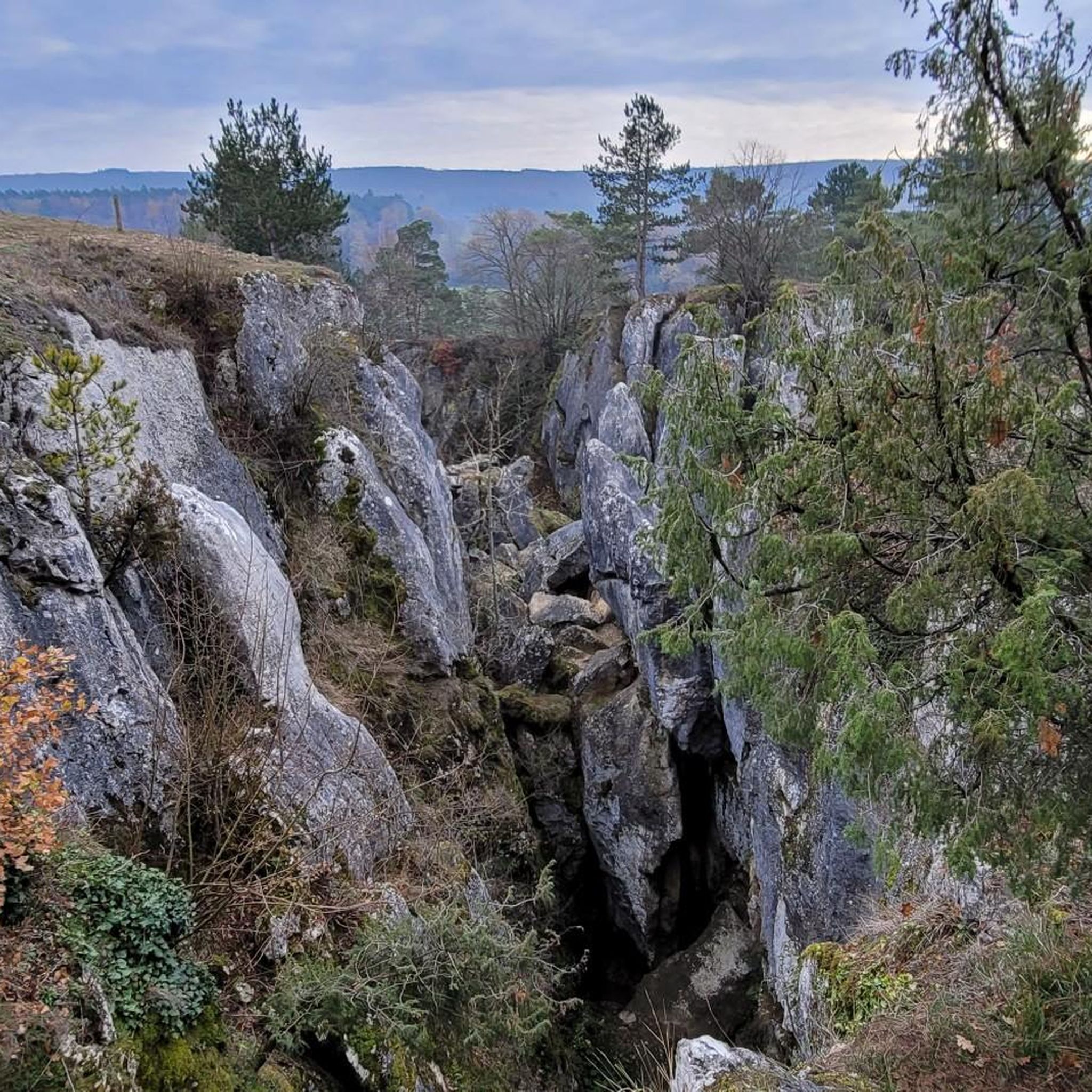
- The most popular attractions is Fondry des Chiens Gorge, a gorge that was formed by rainwater erosion over millions of years. This impressive natural gorge is a protected site known for its unique biodiversity, including wild orchids, and limestone grassland.
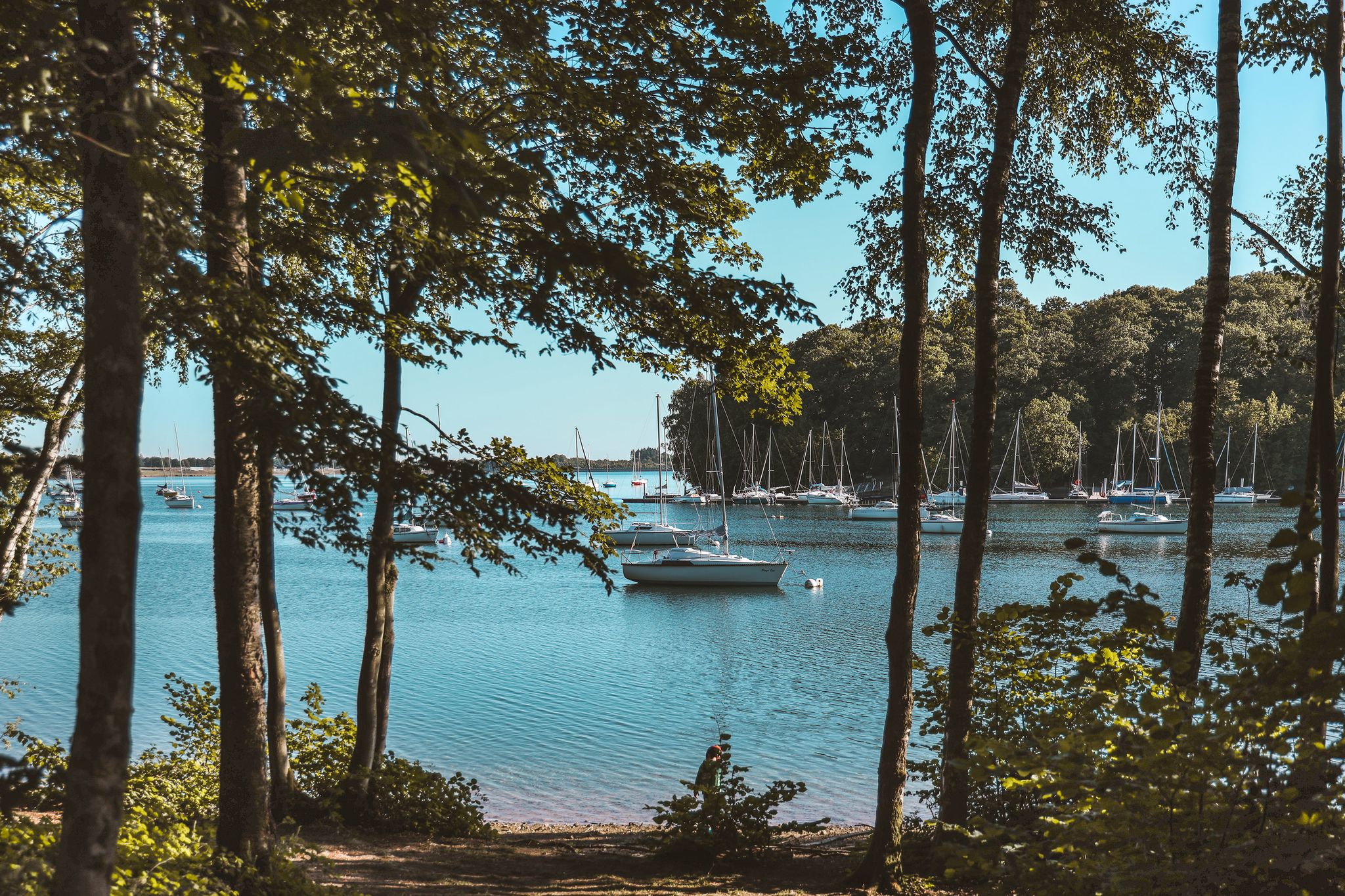
- Another must-see spot is Ry de Rome Dam, a man-made monument. From the dam, visitors can enjoy views of the water and the surrounding forest, and cross the dam itself for an exceptional viewpoint.
- Visitors also love Haute Roche Castle Ruins, historical castle ruins. Situated on a 200-meter high rocky promontory, these ruins offer fascinating views and provide insight into medieval architecture and Gallo-Roman history.
- Philippeville is known for its natural gorges, historical castle ruins, and extensive natural parks. The area offers a variety of attractions to see and explore, from underground passages to large lakes.
- The attractions around Philippeville are appreciated by the komoot community, with over 1000 upvotes and more than 600 photos shared by visitors.
Last updated: October 9, 2026
Fondry des Chiens Gorge
Highlight • Gorge
Translated by Google •
Tip by

Falcon Rock
Highlight • Viewpoint
Translated by Google •
Tip by

Sign up now to discover places like this
Get recommendations on the best single tracks, peaks, & plenty of other exciting outdoor places.
Dourbes Tunnel
Highlight • Structure
Translated by Google •
Tip by
Moulin Guillaume
Highlight • Monument
The watermill has been generating green electricity since 2013. it is a project of the municipality and the Parc Naturel. 600 liters of water per minute passes by, which should be enough to generate 30,000 kWh per year. the electricity equivalent of 6 families. The conversion cost 60,000 €.
molenechos.org/molen.php?nummer=1468
Translated by Google •
Tip by
Eau Noire River in Nismes
Highlight • River
Translated by Google •
Tip by
Haute Roche Castle Ruins
Highlight • Castle
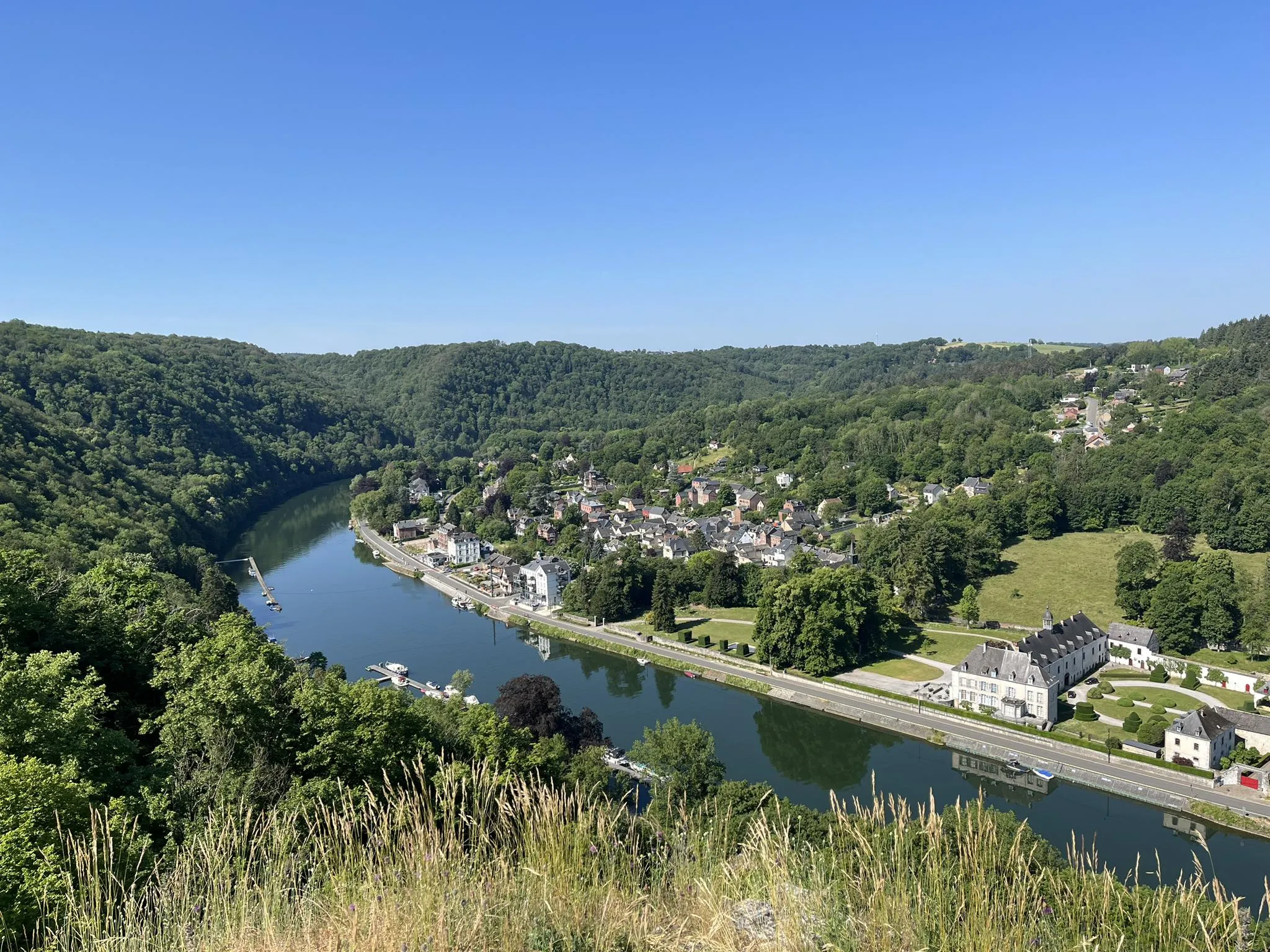
This castle is located on a rocky promontory, about 200 metres high, overlooking the Dourbes valley and the Viroin river. Although the exact date of construction is not clear, there is evidence that a castle existed on this site as early as the 9th century. Archaeological excavations have even revealed traces of Gallo-Roman use of the site. The current castle was probably built at the end of the 13th century.
The history of Haute Roche is closely linked to the nearby Château de Fagnolles. Over the centuries, several noble families have been associated with the castle, including the Jauche, the Berlaymont, the Egmont, the Pignatelli and the d’Arenberg.
In the 16th century, the castle was fortified with a new gatehouse and an advanced defensive wall to withstand gunfire. In 1554, however, the castle was besieged and taken by Anne de Montmorency, who worked for the French king Henri II. A year later, William of Orange (nicknamed the Silent) reconquered the area and also dismantled the nearby castle of Fagnolles. Haute Roche Castle then fell into disrepair.
The isolated position of the castle is separated from the plateau by a large, hand-dug ditch. The square keep has walls at least 2.5 metres thick and was originally at least 13 metres high. The castle offers fascinating views of the surrounding landscape and is an intriguing witness to the past.
Translated by Google •
Tip by
View of the ruins of Dourbes Castle
Highlight • Castle
If you like, you can also climb up to the castle and visit the old walls.
Translated by Google •
Tip by

Quarry Prospèr
Highlight • Climb
Translated by Google •
Tip by
Ry de Rome Dam
Highlight • Monument
Translated by Google •
Tip by

Poetry Chairs on the Passerelle sur l'Eau Noire
Highlight • Bridge
The chairs, inaugurated in Nismes on October 17, 2014, have taken their place on the pedestrian bridge between the Place de Châtillon and the Rue Grande.
Each of these chairs contains a poem by Henri Michaux or another contemporary poet, one from Quebec and the other from Wallonia or Brussels.
You can also admire these chairs in Namur and Dinant.
viroinval.be/fr/loisirs/tourisme/office-du-tourisme/decouvrez/office-du-tourisme/images/guide-touristique-viroinval-2020.pdf
Translated by Google •
Tip by
Sign up for free to discover even more attractions around Philippeville.
Already have an account?
Start today with a free account
Your next adventure awaits.
Popular around Philippeville
Sentier des abbayes trappistes part 1 – Between nature and gastronomy
GR 2 d’Orval à Renaix — The Parcs Naturels du sud de la Belgique in gravel
National Park between Sambre and Maas - Long distance hiking in Belgium on the GRP125
Waterside hikes – Belgium’s Eau d'Heure Lakes region
Walks in the Belgian Ardennes — historic walls & magical forests
Hiking along majestic castles and nature – Belgian Ardennes
Pure nature on the hiking trails in the Belgian Ardennes
Hiking around Philippeville
Running Trails around Philippeville
Road Cycling Routes around Philippeville
Other adventures around Philippeville


Tips from the Community


The origin of Moulin Guillaume dates back to the period when watermills played an essential role in local economies. The mill was powered by running water from nearby streams, which is typical for this region with its varied landscape and natural waterways. The energy of the water was used to grind grain into flour, a crucial activity for the local food supply in earlier centuries. Architecturally, Moulin Guillaume belongs to the traditional rural architectural style of the region. The building is usually constructed from natural stone, which was not only available in the surroundings but also contributed to its durability and integration into the landscape. Its location along waterways is a functional feature that was essential for the operation of the mill. Remnants of the original mechanism or water infrastructure can often still be partially visible at such sites. Ecologically, the environment of Moulin Guillaume is interesting due to the combination of water, forest, and calcareous soil. These factors create a varied ecosystem where both moisture-loving and lime-loving plant species occur. Moreover, old watercourses and ponds contribute to the biodiversity of amphibians and insects.
0
0

You can reach the castle via a "climbing path," which is a bit more challenging but also more adventurous, or via a good path with stairs on the steeper sections. So, it's easily accessible for everyone!
1
0

The area surrounding this still-active watermill is wonderfully peaceful. Nearby, there's a large bench where you can take a break.
2
0

Walked past here today. Completely closed off with barbed wire. And inaccessible.
2
0

Trains still pass through this tunnel. Using it is a real danger.
2
0
Ancient medieval castle. Visitable after a short walk.
1
0

“Carrière Prosper” is the name of the place that now houses around twenty climbing routes ranging from level 4C to 7A (more for experienced climbers). Adapting the quarry took around five hundred hours of work. “We have to remove the unstable stones, carefully inspect the quality of the rock and possibly fix it, and only at the end do we start drilling holes to install what we call ‘the pins’, i.e. the belay points,” explains Koen Hauchecorne, head of rocks at the Flemish Climbing Federation (this federation manages this site and a dozen others, and it’s more or less the same for its French-speaking counterpart).
13
0
Frequently Asked Questions
What are the must-see natural attractions around Philippeville?
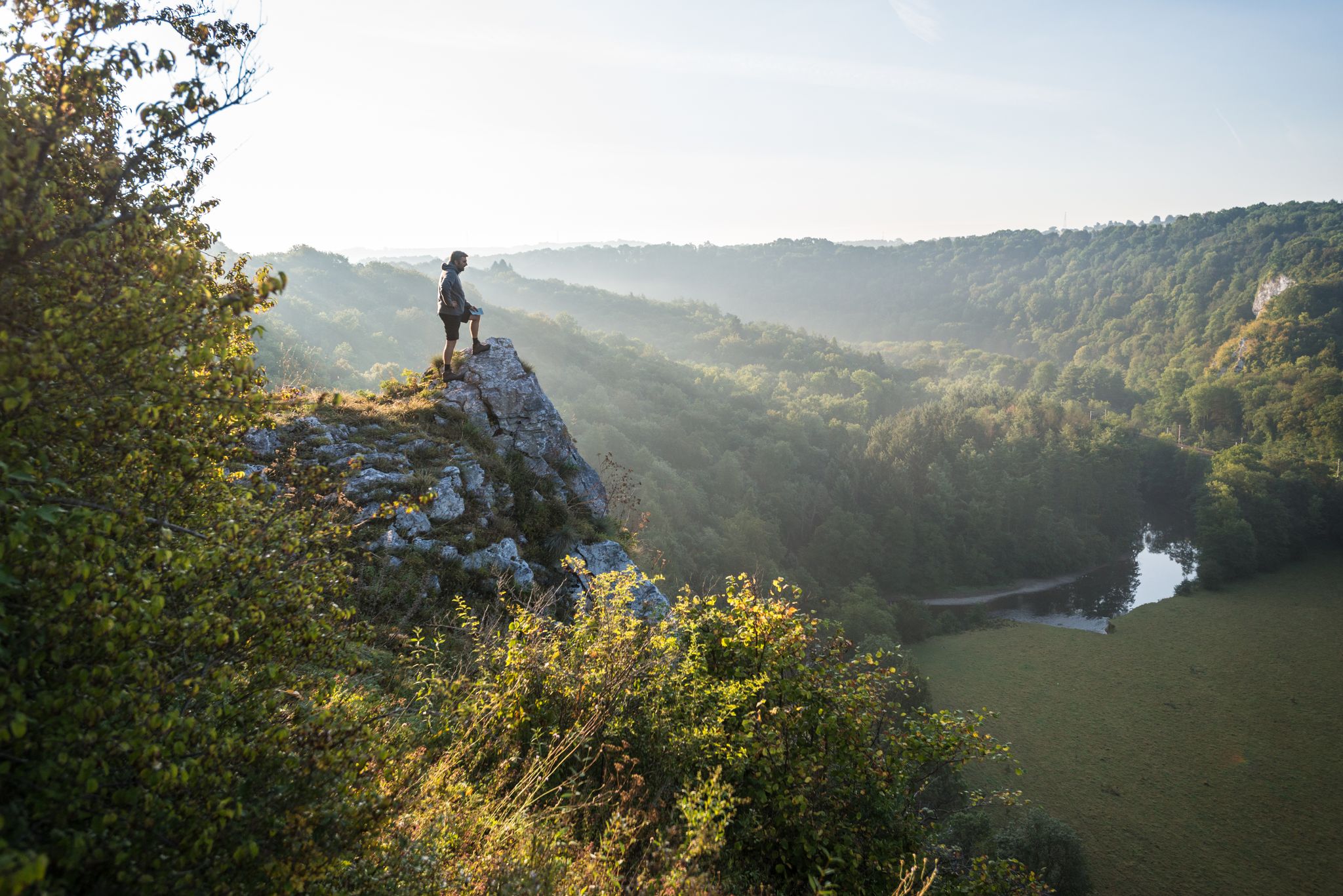
The region boasts several impressive natural sites. Don't miss the Fondry des Chiens Gorge, often called the 'Belgian Grand Canyon,' a unique geological formation with rich biodiversity. The Falcon Rock offers scenic views over the Viroin valley. You can also explore the Viroin-Hermeton Natural Park, known for its magnificent landscapes, or visit the Eau Noire River in Nismes.
Are there any historical sites or ruins to explore in Philippeville?
Yes, Philippeville is rich in history. The Haute Roche Castle Ruins, situated on a 200-meter high rocky promontory, offer fascinating views and insight into medieval architecture. You can also visit the Philippeville Underground Passages, extensive 17th-century defensive fortifications, or the ruins of Château de Fagnolle. The Town Hall and the Church of Saint-Philippe are also notable historical landmarks.
What outdoor activities can I do near Philippeville's attractions?
The area is perfect for outdoor enthusiasts. The Lacs de l'Eau d'Heure offer a wide range of water sports, cycling, and mountain biking. For hiking, you can find many trails in the Viroin-Hermeton Natural Park. Explore Easy hikes around Philippeville, Running Trails around Philippeville, or Road Cycling Routes around Philippeville for more options.
Are there family-friendly attractions around Philippeville?
Absolutely! The Lacs de l'Eau d'Heure provide various recreational activities suitable for families, including beaches and water sports. The Jardin d'O de Nismes is a communal park with water points for boating, mini-golf, discovery trails, and play areas for children. The Ry de Rome Dam also offers family-friendly views and walking opportunities.
Where can I find the best viewpoints in the Philippeville region?
For stunning panoramic views, head to the Falcon Rock on the plateau des Abannets, which overlooks the Viroin valley. The Haute Roche Castle Ruins also provide fascinating vistas from their elevated position. Additionally, the Ry de Rome Dam offers an exceptional viewpoint over the water and surrounding forest.
What is the best time to visit Philippeville's attractions?
The best time to visit Philippeville largely depends on your interests. Spring and summer (April to September) are ideal for outdoor activities, hiking, and enjoying the natural beauty, especially when wild orchids bloom at sites like the Fondry des Chiens Gorge. The weather is generally pleasant for exploring historical sites and enjoying the lakes.
Can I visit the Philippeville Underground Passages?
Yes, a 500-meter section of the Philippeville Underground Passages is accessible to the public. These 17th-century defensive fortifications, located 10 to 15 meters deep, offer a unique glimpse into the city's history. It's advisable to check opening hours and booking information on the official tourism website for Philippeville: tourismephilippeville.be.
Are there any unique geological formations in the area?
The most prominent unique geological formation is the Fondry des Chiens Gorge, a sinkhole formed by rainwater erosion over millions of years, creating a deep, narrow gorge. The region is also known for its ancient red marble quarries, some of which are now popular diving sites like Carrière de Rochefontaine.
What are some lesser-known or 'hidden gems' near Philippeville?
Beyond the main attractions, consider exploring the charming villages nearby, such as Mariembourg, Soulme, and Vierves-sur-Viroin, known for their beauty and character. The Château-ferme of Roly, a remarkable 16th-century architectural complex, also offers a unique historical experience.
What kind of cultural experiences can I find in the Philippeville area?
For a nostalgic cultural experience, take a ride on the Chemin de fer à vapeur des 3 Vallées (Steam train of the 3 Valleys), an authentic steam train journey between Mariembourg and Treignes. The region also has historical sites like the Gallo-Roman Temple 'Tienne des Noël,' indicating its ancient past.
Are there opportunities for water-based activities?
Yes, the Lacs de l'Eau d'Heure are a major hub for water-based activities, offering everything from swimming and relaxing on beaches to various water sports. Additionally, some of the former marble quarries in the region, such as Carrière de Rochefontaine, have been repurposed as popular diving sites.
What is the significance of the Ry de Rome Dam?
The Ry de Rome Dam is a significant man-made monument that forms a reservoir, supplying drinking water to several municipalities. It also serves as an excellent viewpoint, allowing visitors to enjoy panoramic views of the water and surrounding forests, and is part of popular walking and cycling routes.
Most popular routes around Philippeville
Most popular attractions around Philippeville

Get inspired with the komoot mobile app


Didn’t find what you were looking for?
Are you keen on exploring more awesome places nearby? Browse our guides:
Explore more
Still not found the Highlight you’re looking for? See guides of the top attractions in other regions:
