Top 20 Caves around Dinant
Caves around Dinant offer a diverse subterranean landscape, characterized by limestone formations and underground rivers. The region's geology, shaped by the Meuse and Lesse rivers, has created numerous natural cavities. Dinant is known for its significant cave systems, including notable sites like Grotte La Merveilleuse, which features extensive stalactite and stalagmite formations. These natural features provide opportunities for exploration and observation of geological processes.
Best caves around Dinant
- The most popular caves is Resurgence d’Éprave, a viewpoint where the Lomme River resurfaces after an underground course. This location offers views of the river emerging and flowing into the Lesse.
- Another must-see spot is Éprave Cave, a natural monument and cave. This large cavity extends into the limestone rock, representing a former outlet of the Lomme River.
- Visitors also love Descent to the Lesse River, a trail that includes a cave on the side of the road. This path descends from the plateau to the Lesse, passing rocks and mossy flanks.
- Dinant is known for its natural caves, river resurgences, and historical cave sites. The area offers a variety of subterranean experiences, from large cavities to smaller grottoes.
- The caves around Dinant are appreciated by the komoot community, with 46 upvotes and 13 photos shared across the highlights.
Last updated: October 11, 2026
Lorette-Rochefort Cave
Highlight • Cave
The cave contains six rooms, of which the largest and highest (35 meters) is called the Sabbath room. This room, which is 65 metres underground, owes its name to the supposed "witches' sabbath" that, according to the gossip of the first visitors, was held there, because they found a large chief witch there, sitting high up from her chair looking down at a group of other witches forming a coven.
In order to rid the cave of its sinister reputation, the cave was recently renamed "Lorette", after the chapel of the Madonna of Loretto near the cave.
The cave can be visited with a guide. In addition to the sabbath room, in which a small hot air balloon has been launched during the visit for over 100 years to emphasise the height of the cave, since 2003 the route also leads through the smaller underground room "the Cataclysm".
Translated by Google •
Tip by

Tramway of the Caves of Han
Highlight • Structure
Today, this non-electrified meter gauge line is operated for tourism and serves the Caves of Han.
Translated by Google •
Tip by

Sign up now to discover places like this
Get recommendations on the best single tracks, peaks, & plenty of other exciting outdoor places.
Gatte d'Or Cave
Highlight • Cave
There were a long time when fabric was lacking and banks did not exist. People made little bags out of hairy skin and hid their money where they could. So that sometimes, they would forget them or die with their secret… The unfortunate people without memory make people happy much later!
hautcoeurdulieu.be/2020/08/19/la-gatte-dor
Translated by Google •
Tip by

Han Caves
Highlight • Cave
The caves have been used since time immemorial: from prehistoric shelter to the tourist attraction they are today.
Translated by Google •
Tip by

Grotto of Our Lady of Lourdes
Highlight • Religious Site
The church's memorial day "Our Lady of Lourdes" is on February 11th, which is the anniversary of the Marian apparition (1858), when the Mother of God appeared to 14-year-old Bernadette Soubirous in a rock grotto very close to Lourdes. Bernadette later became a nun and died at the age of just 35. On December 8th (the Feast of the Immaculate Conception of Mary) 1933, she was canonized by Pope Pius XI.
The commemoration of the Madonna of Lourdes is also World Day of the Sick.
Translated by Google •
Tip by

Éprave Cave
Highlight • Cave
Former outlet of the Lomme River, today about ten meters above the riverbed.
A stunning resurgence that brings an underground river back to the surface.
Translated by Google •
Tip by

Trou Mairiat Cave
Highlight • Cave
Translated by Google •
Tip by

Resurgence d’Éprave
Highlight • Viewpoint
Translated by Google •
Tip by
Descent to the Lesse River
Highlight (Segment) • Trail
Translated by Google •
Tip by

Chantoir de Laide Fosse
Highlight • Cave
Tip by
Sign up for free to discover even more caves around Dinant.
Already have an account?
Start today with a free account
Your next adventure awaits.
Popular around Dinant
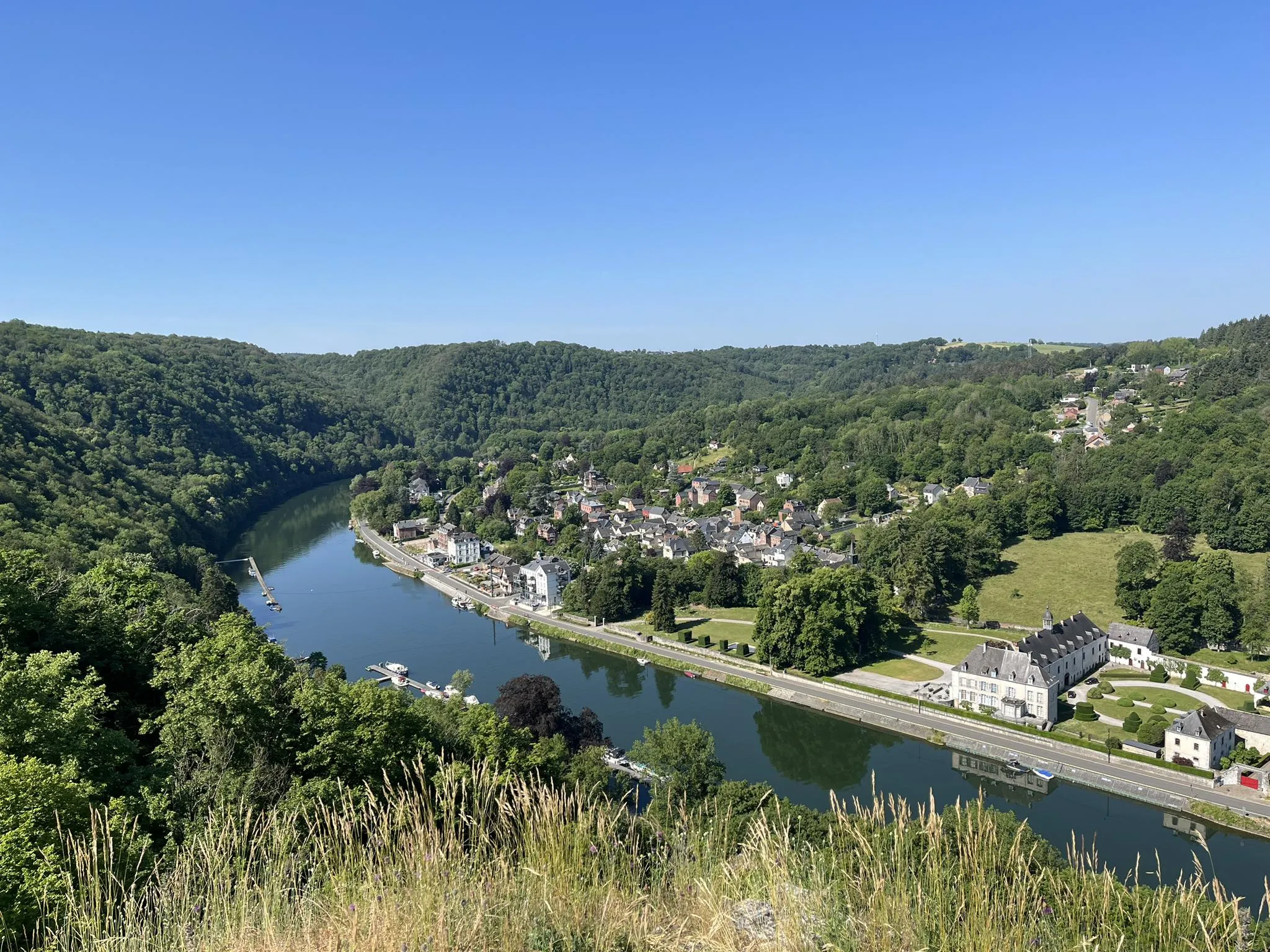
Sentier des abbayes trappistes part 1 – Between nature and gastronomy
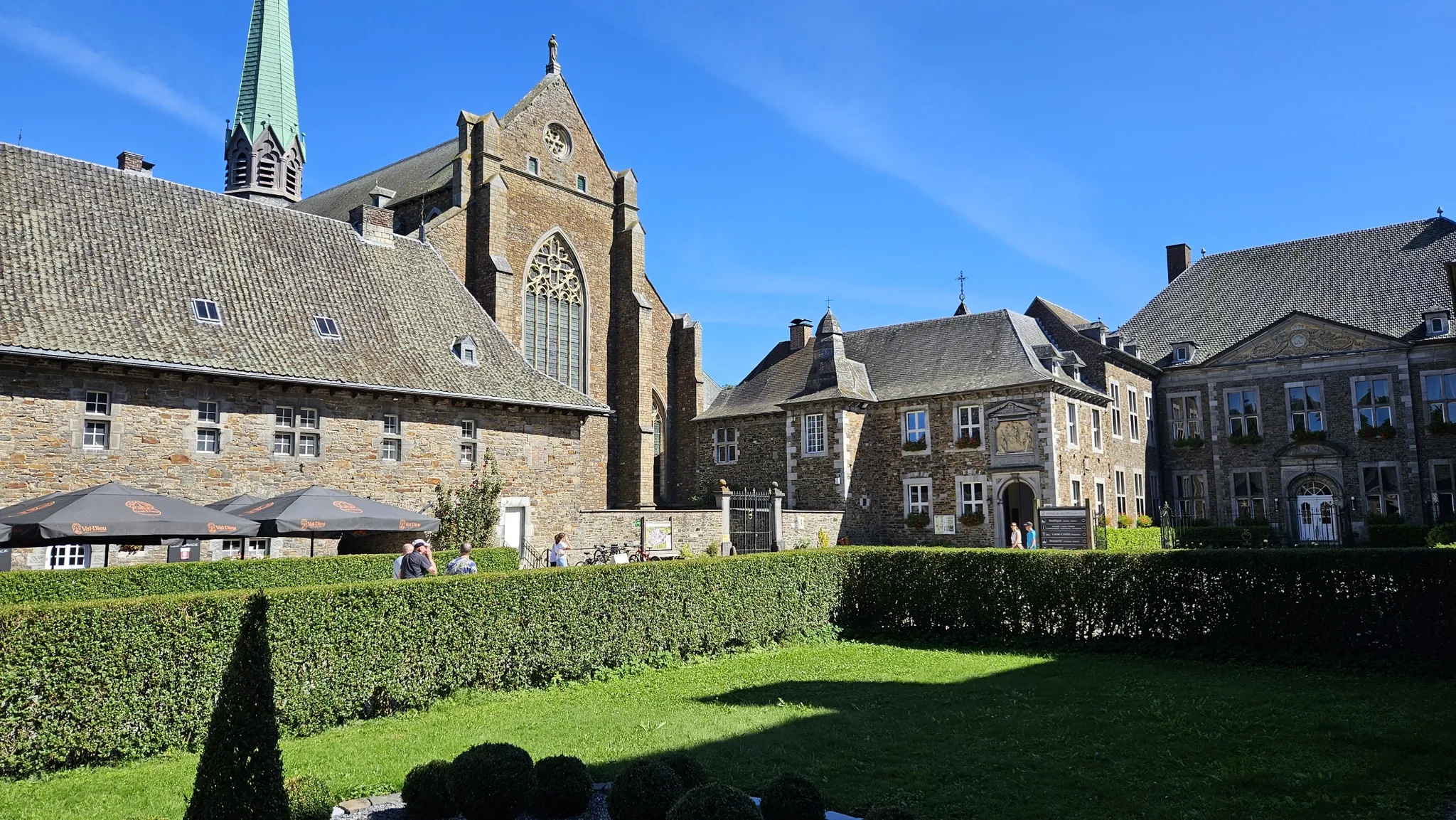
Trappist abbeys cycle route – Between beers and heritage
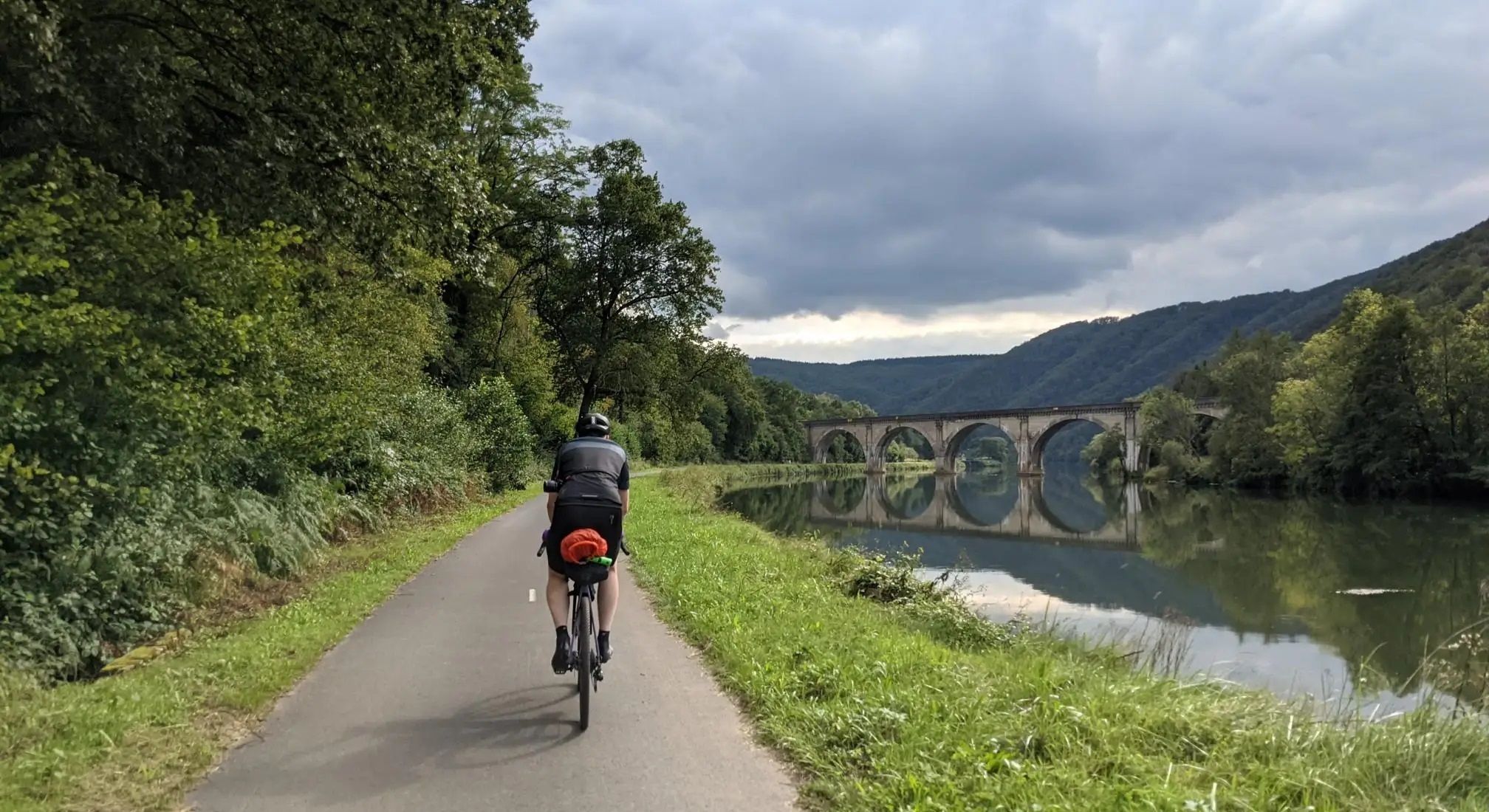
Aachen to Reims – Ardennes, Meuse and Champagne
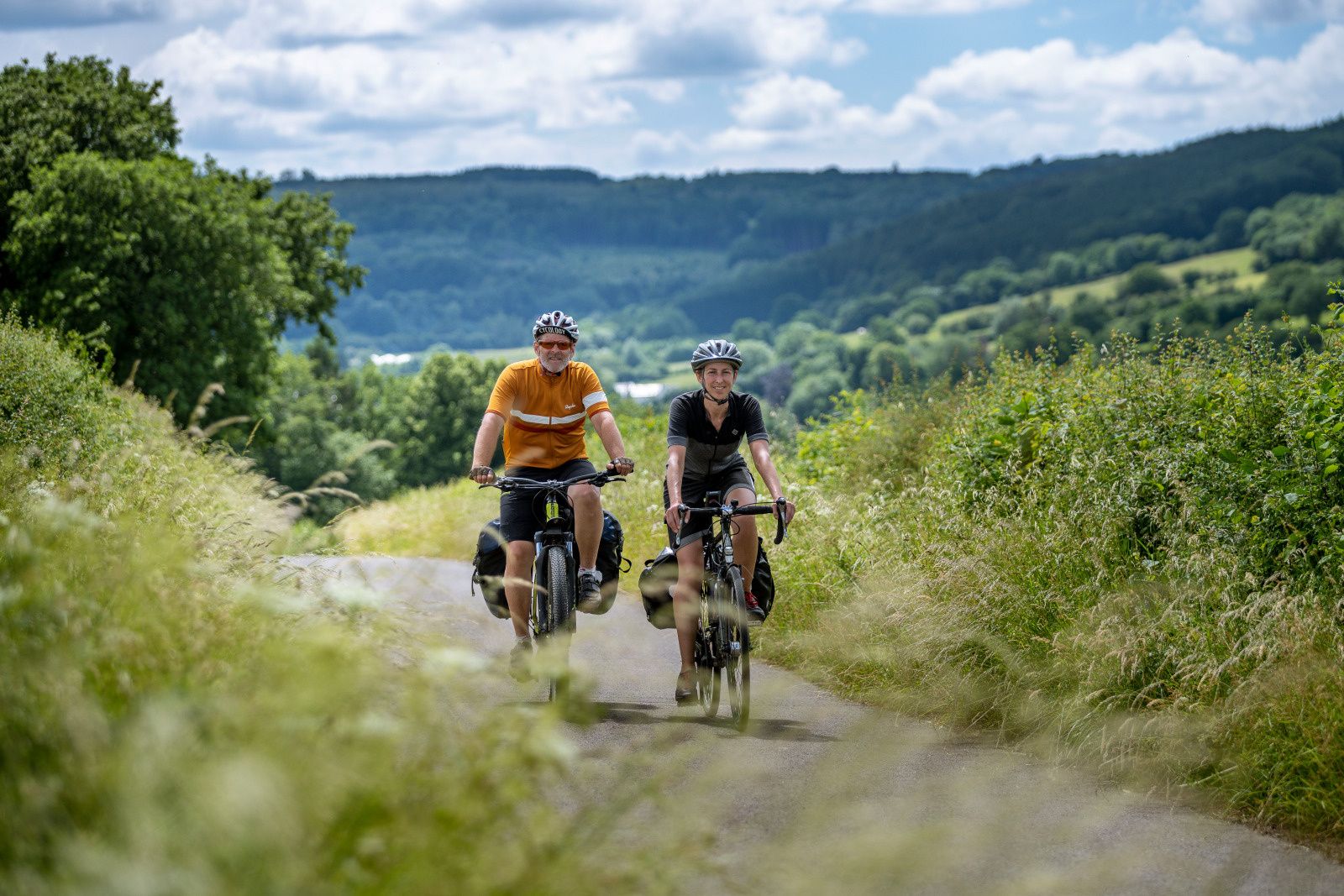
The most beautiful bike rides in Wallonia – pure nature and culture
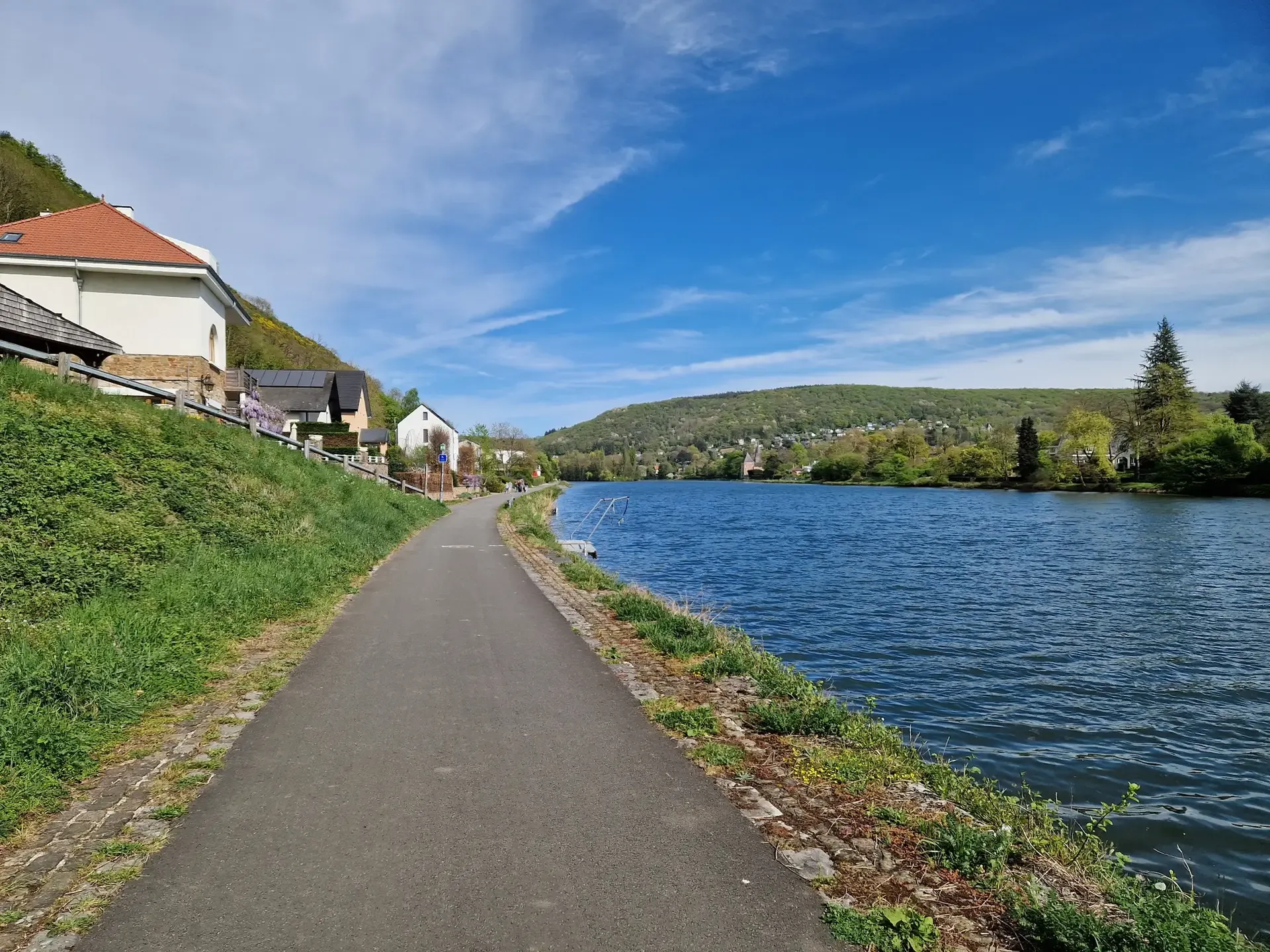
La Wallonie à vélo - RV2 : La Namuroise
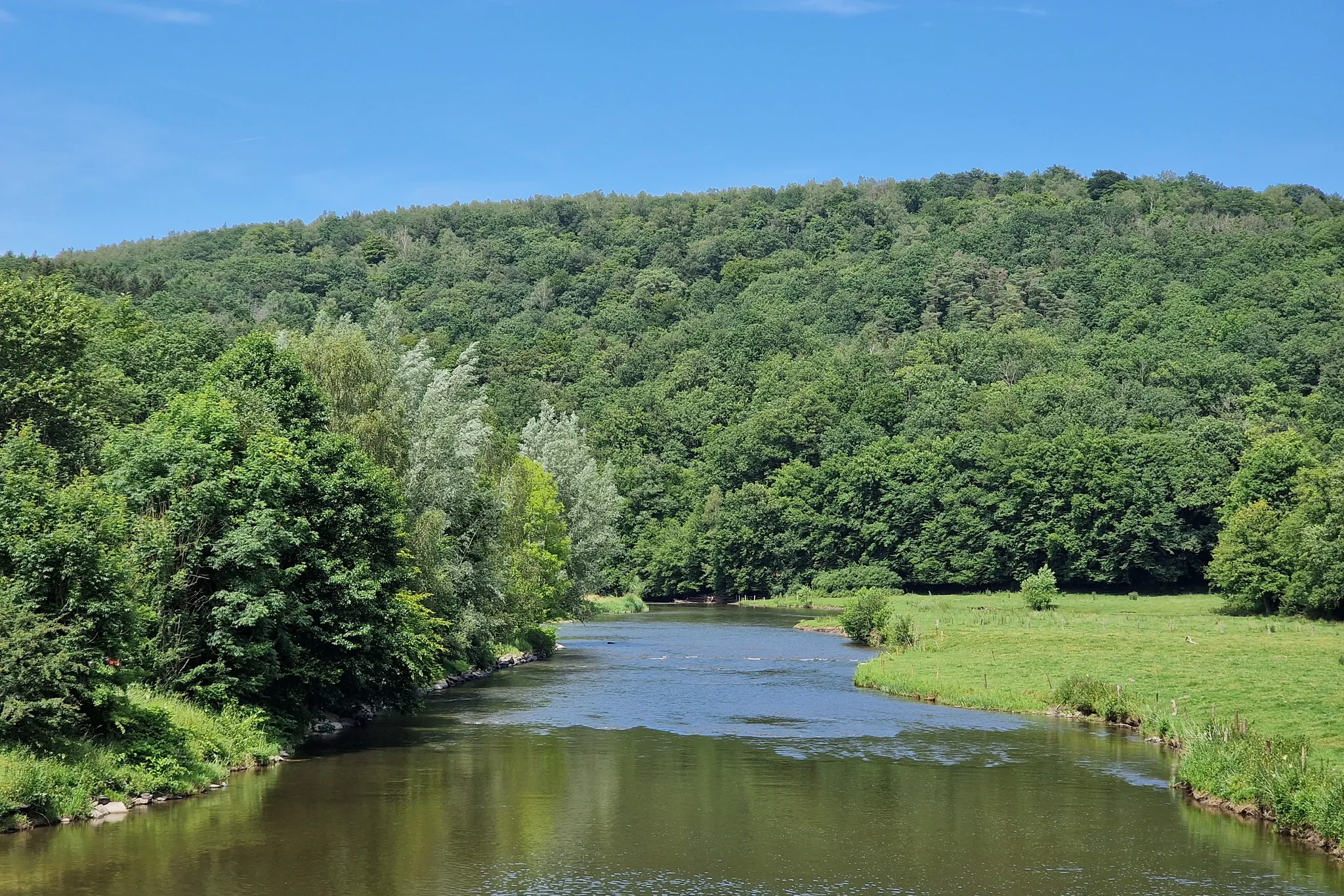
Between nature and gastronomy - Trappist abbeys trail part 2
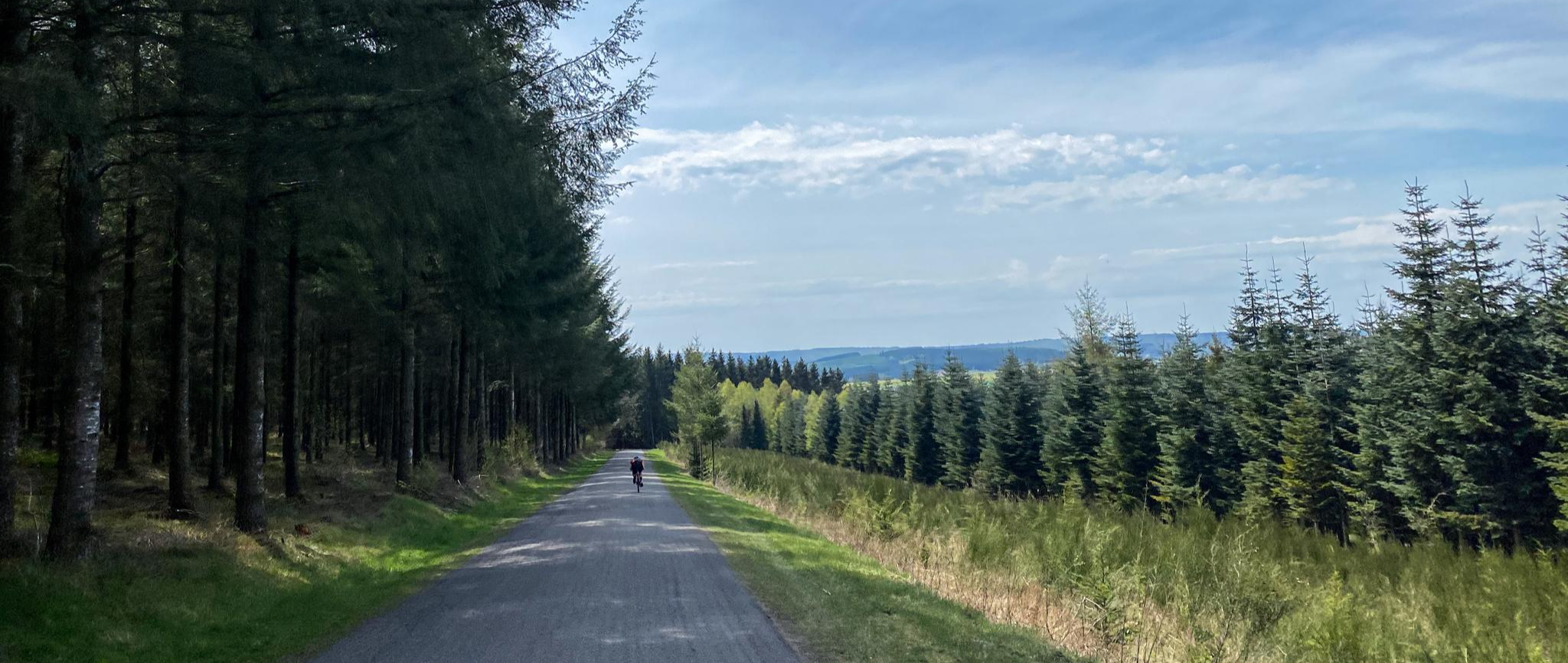
From Picardie to the Ardennes — Crossing Wallonia by Bike
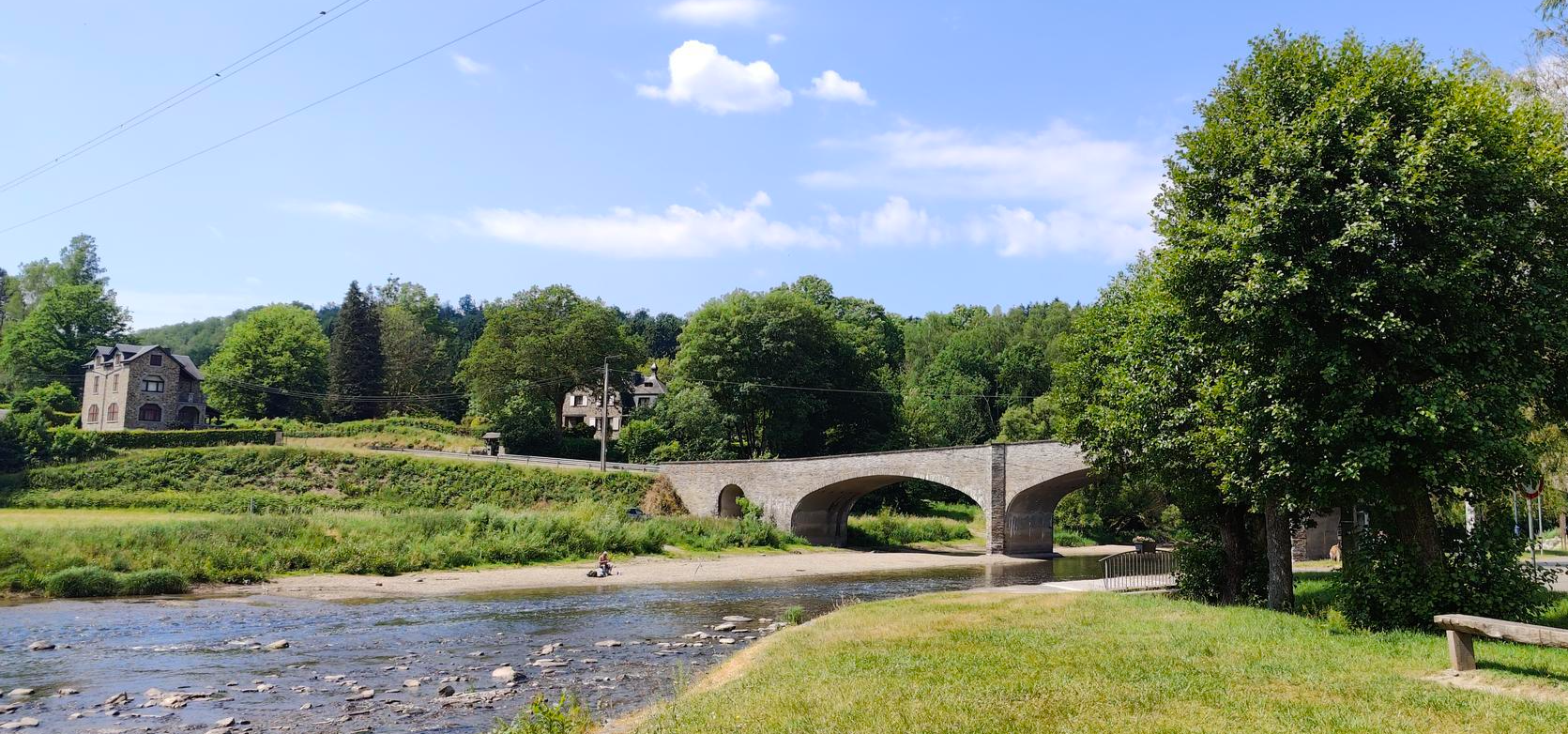
Memory and cycling remembrance duty - La Route du Maquis
From station to station — hiking in the romantic Meuse Valley
Train & Sac à dos: hiking between stations in southern Belgian forests
Other adventures around Dinant


Tips from the Community

Beautiful cave, but ensure enough participants for the tour, at least 3 or the guide will not depart for safety reasons
0
0

Part of the route there was no passable path. Point 3 and 4 of the route were missing
0
0
The tram service was discontinued at the beginning of 2026 and therefore unfortunately no longer runs.
1
0

The visitor route in the Han-sur-Lesse caves leads through impressive halls and passageways. Highlights include the Salle du Dôme, a vast domed hall, and the Salle d’Armes, where a light and sound show takes place. Along the way, visitors can admire numerous dripstone formations such as stalactites, stalagmites, and limestone columns. In some places, the underground course of the Lesse River is also directly visible.
1
0
The tramway operates on a one-meter gauge track. Originally, steam locomotives were used, but from around 1934 diesel trams were introduced and are still in use today. The tramway serves tourist purposes and connects the village center of Han-sur-Lesse with the cave entrance, providing visitors with convenient access to the stalactite cave. The route is currently about 3.1 kilometers long.
2
0

Beautiful along the Lesse
0
0

There are two ways to exit this gorge. You can, of course, simply walk back the way you came. But with your back to the sinkhole, you can walk out of the gorge on the right. The path is just visible; you'll definitely manage with walking sticks.
11
0
This gorge is a carved valley that is mostly dry. At the end of the gorge you come to a chantoir, a vanishing hole where the water of the stream disappears into a subterranean tunnel system at high water levels. This piece of natural phenomenon is not even mentioned in many (hiking) brochures.
12
0
Frequently Asked Questions
What kind of natural formations can I expect to see in the caves around Dinant?
The caves around Dinant are renowned for their diverse and beautiful geological formations. You can expect to see elegant stalactites, stalagmites, and calcite waterfalls, particularly in Grotte La Merveilleuse. Other notable features include monumental galleries, underground rivers, and unique formations like the stalagmite and stalactite that did not meet in the 'Great Hall' of La Merveilleuse.
Are there family-friendly caves to visit in Dinant?
Yes, several caves around Dinant offer family-friendly experiences. Gatte d'Or Cave is recommended for children, with tips suggesting it's ideal for playing hide and seek. The Han Caves and the Tramway of the Caves of Han are also categorized as family-friendly. Additionally, Grotte La Merveilleuse hosts special Halloween events with actors, making it engaging for families.
Do the caves around Dinant have historical significance?
Many caves in the Dinant region hold historical importance. Grotte La Merveilleuse served as a refuge for Dinant residents during World War II bombings. Furfooz Nature Park contains caves that were inhabited from prehistoric times until the Middle Ages, with reconstructions of Roman fortresses nearby. The Han Caves are also noted as a historical site. Trou Mairiat Cave is another historical natural monument.
What is the best time of year to visit the caves in Dinant?
The caves maintain a cool temperature of around 12°C (54°F) year-round, offering a refreshing escape, especially during warmer months. While specific seasonal opening hours vary by cave, Grotte La Merveilleuse is known to host a colony of hundreds of bats in its 'Great Hall' during winter, which can be a unique sight. It's advisable to check individual cave websites for precise opening times, especially outside of peak season.
How challenging is it to explore the caves around Dinant?
The difficulty varies by cave. For instance, Grotte La Merveilleuse involves several hundred steps across its three levels, descending from 155 meters to 100 meters in altitude, making it a somewhat physical visit. Other caves like Lorette-Rochefort Cave and Éprave Cave are classified as intermediate difficulty. Some, like Gatte d'Or Cave, offer passages that can be long, narrow, and dark, requiring a flashlight.
What should I wear when visiting the caves?
Given the consistent cool temperature of around 12°C (54°F) inside the caves, it's recommended to wear warm clothing, even during summer. Comfortable walking shoes with good grip are also advisable due to potentially damp or uneven surfaces and numerous steps in some caves.
Are there other outdoor activities to do near the caves in Dinant?
Yes, the Dinant region offers a variety of outdoor activities. You can find numerous running trails, such as those in the Running Trails around Dinant guide, including routes like 'Promenade les Cascatelles'. For mountain biking, explore options in the MTB Trails around Dinant guide, such as 'Between Meuse and Lesse'. Road cycling enthusiasts can check out routes like 'Vresse loop' in the Road Cycling Routes around Dinant guide. Many trails offer views of the Meuse and Lesse rivers, often passing by natural features and historical sites.
Is parking available near the caves?
While specific parking details vary by cave, major attractions like Grotte La Merveilleuse typically have dedicated parking facilities. For trails that lead to caves, such as the Descent to the Lesse River, there might be alternative departure places with parking possibilities. It's always best to check the official website of the specific cave you plan to visit for up-to-date parking information.
Do I need to make reservations to visit the caves?
For popular caves like Grotte La Merveilleuse, especially during peak season or for guided tours, making reservations in advance is highly recommended to ensure entry and avoid long waits. Some smaller or less developed caves might not require reservations. Always check the official website of the specific cave for their booking policy.
Are there any caves in Dinant that are less known but worth exploring?
Beyond the well-known Grotte La Merveilleuse, the region offers other intriguing subterranean sites. The Éprave Cave is a large natural monument and former outlet of the Lomme River, featuring a massive arch. The Resurgence d’Éprave is a viewpoint where the Lomme River resurfaces after an underground course, offering a unique natural spectacle. Grotto of Our Lady of Lourdes is a religious building set within a cave, offering a different kind of experience.
Can I find places to eat or drink near the caves?
Yes, Dinant and its surrounding areas offer various amenities. The town of Dinant itself has numerous cafes, restaurants, and pubs. For specific caves, it's common to find facilities or nearby establishments. For example, the Tramway of the Caves of Han is part of a larger site that includes facilities. Checking local guides or maps for the immediate vicinity of your chosen cave will provide the most accurate information on dining options.
What is the difference between Grotte La Merveilleuse and Grotte de Mont-Fat?
Grotte La Merveilleuse is widely celebrated for its stunning, often white and fine, stalactites, stalagmites, and calcite waterfalls, and is considered one of Belgium's most beautiful caves. It offers 650 meters of accessible galleries. Grotte de Mont-Fat, located within the Parc Familial du Mont-Fat, is also present in the area and has historical significance, with excavations revealing remains of glacial mammals. While less detailed information is readily available for Mont-Fat, La Merveilleuse is the more prominent and extensively developed tourist attraction.
Most popular routes around Dinant
Most popular attractions around Dinant

Get inspired with the komoot mobile app


Didn’t find what you were looking for?
Discover more caves around Dinant region by region:
Explore more
Extend your search for the best caves by checking out these guides of the top ones around Dinant:
