The best cycling routes around Bree
4.5
(281)
3,635
riders
130
rides
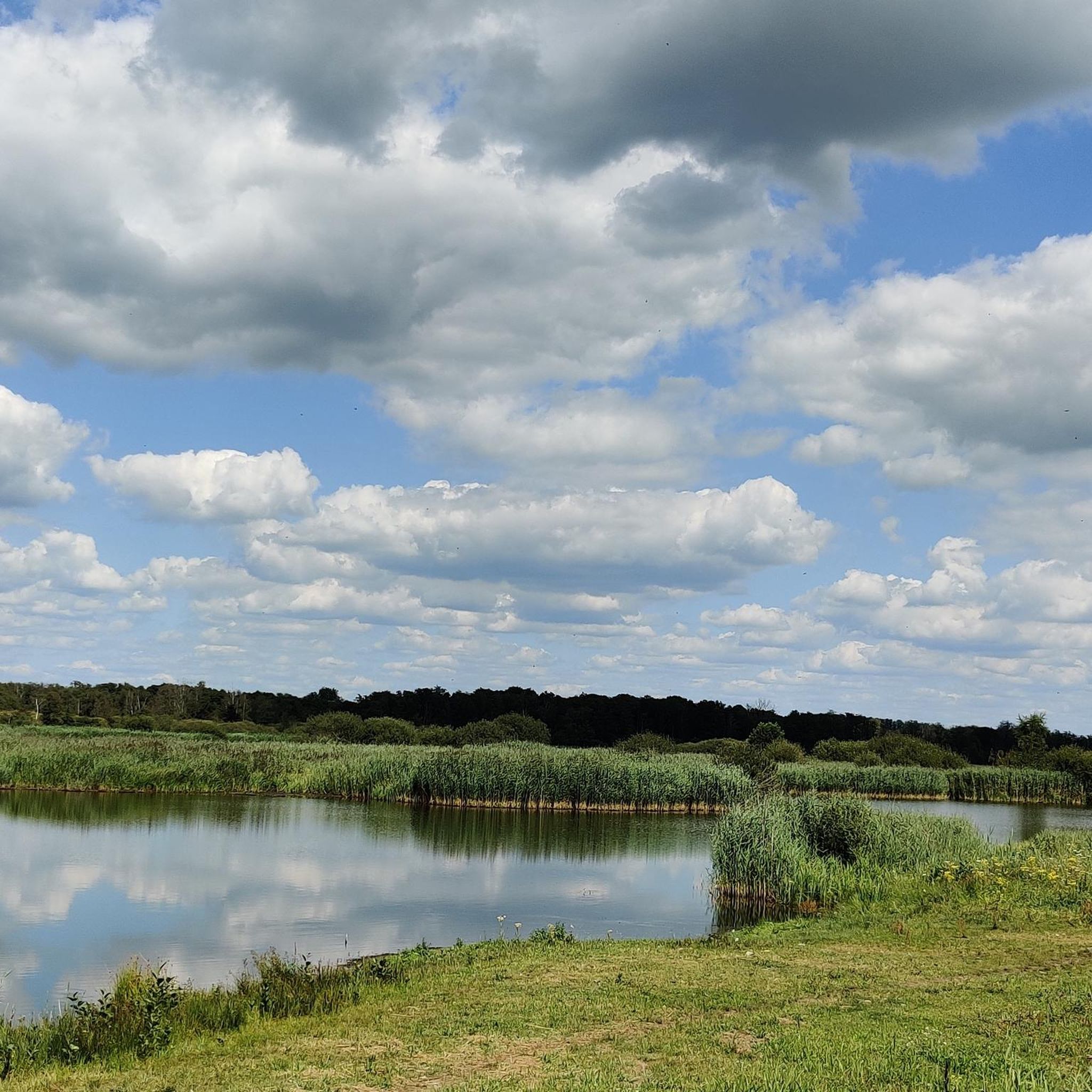
Touring cycling routes around Bree are characterized by a landscape of waterways, canals, and forested areas. The region features gentle terrain, with routes often following dikes and gravel paths through nature reserves. This area provides a mix of open stretches along the water and shaded sections through woodlands.
Best touring cycling routes around Bree
- The most popular touring cycling route is Zuid-Willems Canal – Fulling Mill Opoeteren loop from Opitter, a 27.0 miles (43.4 km) trail that takes 3…
Last updated: October 11, 2026
4.9
(7)
267
riders
38.9km
03:00
140m
140m
Hard bike ride. Good fitness required. You may need to push your bike for some segments of this route.
4.8
(9)
221
riders
Hard bike ride. Good fitness required. You may need to push your bike for some segments of this route.

4.6
(34)
133
riders
35.2km
02:02
80m
80m
Moderate bike ride. Good fitness required. Mostly paved surfaces. Suitable for all skill levels.
4.6
(21)
178
riders
50.0km
02:53
70m
70m
Moderate bike ride. Good fitness required. Mostly paved surfaces. Suitable for all skill levels.
4.3
(21)
89
riders
47.9km
02:46
90m
90m
Hard bike ride. Good fitness required. You may need to push your bike for some segments of this route.
Get access to more routes and recommendations from other explorers.
Already have an account?
Our route recommendations are based on thousands of hikes, rides, and runs completed by other people on komoot.
Start today with a free account
Your next adventure awaits.


Tips from the Community

Orshof beautiful terrace and resting place for the horses
0
0

Originally, a Romanesque church stood on this site, likely founded by the Count of Loon. In 1078, Countess Ermengardis donated the patronage rights of this church to the chapter of the Sint-Bartolomeüskerk in Liège. In the mid-15th century, construction began on the church in the Maasland Gothic style, starting with the choir, which is presumed to date from 1452. The nave is from the early 16th century. The Romanesque tower was retained. In 1506, a Chapel of Saint Anne was built on the orders of Arnold van Mewen and his wife Aleydis Bormans, forming the present southern transept arm. In 1606, the spire was blown off by the wind, damaging the Our Lady's Chapel, which had been built in 1469. The chapel and tower were repaired. In 1831, the tower was again dilapidated and was restored. From 1901-1902, the church was enlarged, during which the tower was demolished and a new one built, the nave was extended westward by one bay, side aisles were added, as well as the northern transept arm and the sacristy.
2
0

a drink and a bite at the mill
1
0

The wayside chapel on Broekstraat, near the bridge over the Abeek, is located in the Kempen region, more precisely in Belgian Kempenland (north of Limburg). This area is known for its wooded surroundings, the Abeek river, and as a popular destination for cyclists and hikers.
0
0

Beautiful sand dunes with heather, relatively small but well worth it. A highlight of our walk.
0
0
A beautiful woodland chapel with a few benches inside for relaxing and unwinding. Next to it is a lovely building especially for birds.
0
0
Frequently Asked Questions
How many touring cycling routes are available around Bree?
There are over 110 touring cycling routes available around Bree on komoot, offering a wide variety of options for different skill levels and preferences.
What kind of terrain can I expect on touring cycling routes in Bree?
The touring cycling routes around Bree are characterized by a gentle landscape of waterways, canals, and forested areas. You'll often find routes following dikes and gravel paths through nature reserves, providing a mix of open stretches along the water and shaded sections through woodlands.
Are there easy touring cycling routes in Bree for beginners?
Yes, Bree offers a good selection of routes suitable for beginners. There are 40 easy touring cycling routes available, perfect for those looking for a relaxed ride. These routes typically feature gentle terrain and well-maintained paths.
Are there challenging touring cycling routes for experienced cyclists in Bree?
Absolutely. For experienced touring cyclists seeking a challenge, Bree has 18 difficult routes. An example is the Zuid-Willems Canal – Fulling Mill Opoeteren loop from Opitter, which is 27.0 miles (43.4 km) long and follows the Zuid-Willems Canal, passing a historic fulling mill.
Can I find circular touring cycling routes around Bree?
Many of the touring cycling routes around Bree are designed as loops, allowing you to start and end at the same point. For instance, the Gravel Path Through Forest – Oudsberg loop from Bree is a popular circular route that takes you through forested areas and gravel sections, including the Oudsberg nature reserve.
What are some scenic highlights or attractions along the touring cycling routes in Bree?
Along the touring cycling routes in Bree, you can discover various points of interest. Notable attractions include the charming Thorn, the little white town, the Molenplas Tree Monument, and the unique Stepping Stone Bridge. You might also encounter various birdwatching hides like the Birdwatching Hide Koningssteen-Kollegreend.
Are there family-friendly touring cycling paths in Bree?
While specific 'family-friendly' routes aren't explicitly categorized, the region's gentle terrain and numerous easy routes (40 in total) make many paths suitable for families. Routes along canals and dikes often provide flat, safe surfaces away from heavy traffic.
What do other cyclists say about touring cycling in Bree?
The touring cycling routes in Bree are highly rated by the komoot community, with an average score of 4.5 stars from over 190 reviews. More than 3,100 touring cyclists have used komoot to explore Bree's varied terrain, often praising the quiet paths and scenic waterways.
Are there routes that feature gravel sections in Bree?
Yes, some routes in Bree incorporate gravel sections, offering a varied cycling experience. The Gravel Path Through Forest – Oudsberg loop from Bree is a prime example, leading through forested areas with notable gravel paths, including those within the Oudsberg nature reserve.
What are the typical distances and durations for touring cycling routes in Bree?
Touring cycling routes in Bree vary significantly in length and duration. For example, the Front Luys Watermill – Kettingdijk, also known as Graveldijk loop from Bree is a longer route at 34.2 miles (55.1 km), typically taking around 3 hours 58 minutes. There are also shorter options available, with routes ranging from easy to difficult.
Where can I find quiet touring cycling paths away from traffic in Bree?
Many of Bree's touring cycling routes follow dikes, canals, and paths through nature reserves, offering peaceful rides away from busy roads. The region's focus on waterways and forested areas naturally provides many quiet sections, ideal for a tranquil cycling experience.
Are there routes that pass by historical watermills in the Bree area?
Yes, the region around Bree is known for its historical watermills. The Front Luys Watermill – Kettingdijk, also known as Graveldijk loop from Bree is a route that specifically highlights areas with watermills and dikes, offering a glimpse into the local heritage.
Most popular attractions around Bree

Get inspired with the komoot mobile app


Explore more
Browse the best Cycling routes in other regions.
