Top 15 Castles around Le Rœulx
Best castles around Le Rœulx are found in a region with a notable historical landscape. The area is home to significant landmarks, including the classical Le Rœulx Castle, which has origins in an 11th-century fortified structure. This setting provides a glimpse into centuries of European history through its architecture and ancient fortifications. The vicinity also features several other châteaux, contributing to the area's cultural heritage.
Best castles around Le Rœulx
- The most popular castles is Écaussinnes-Lalaing Castle, a castle…
Last updated: July 7, 2026
Écaussinnes-Lalaing Castle
Highlight • Castle
Translated by Google •
Tip by

Feluy Castle
Highlight • Castle
Translated by Google •
Tip by

Sign up now to discover places like this
Get recommendations on the best single tracks, peaks, & plenty of other exciting outdoor places.
Sign up for free
La Rocq Castle
Highlight • Castle
Translated by Google •
Tip by

Château de Seneffe and Gardens
Highlight • Castle
Translated by Google •
Tip by
Havré Castle
Highlight • Castle
Translated by Google •
Tip by
Sign up for free to discover even more castles around Le Rœulx.
Sign up for free
Already have an account?
Start today with a free account
Your next adventure awaits.
Login or Signup

Tips from the Community

Beautiful castle as well as park!
1
0

Unfortunately, it's not very visible in summer Open for Adeps walks
0
0

This castle is worth a visit, there are regular cultural events
1
0

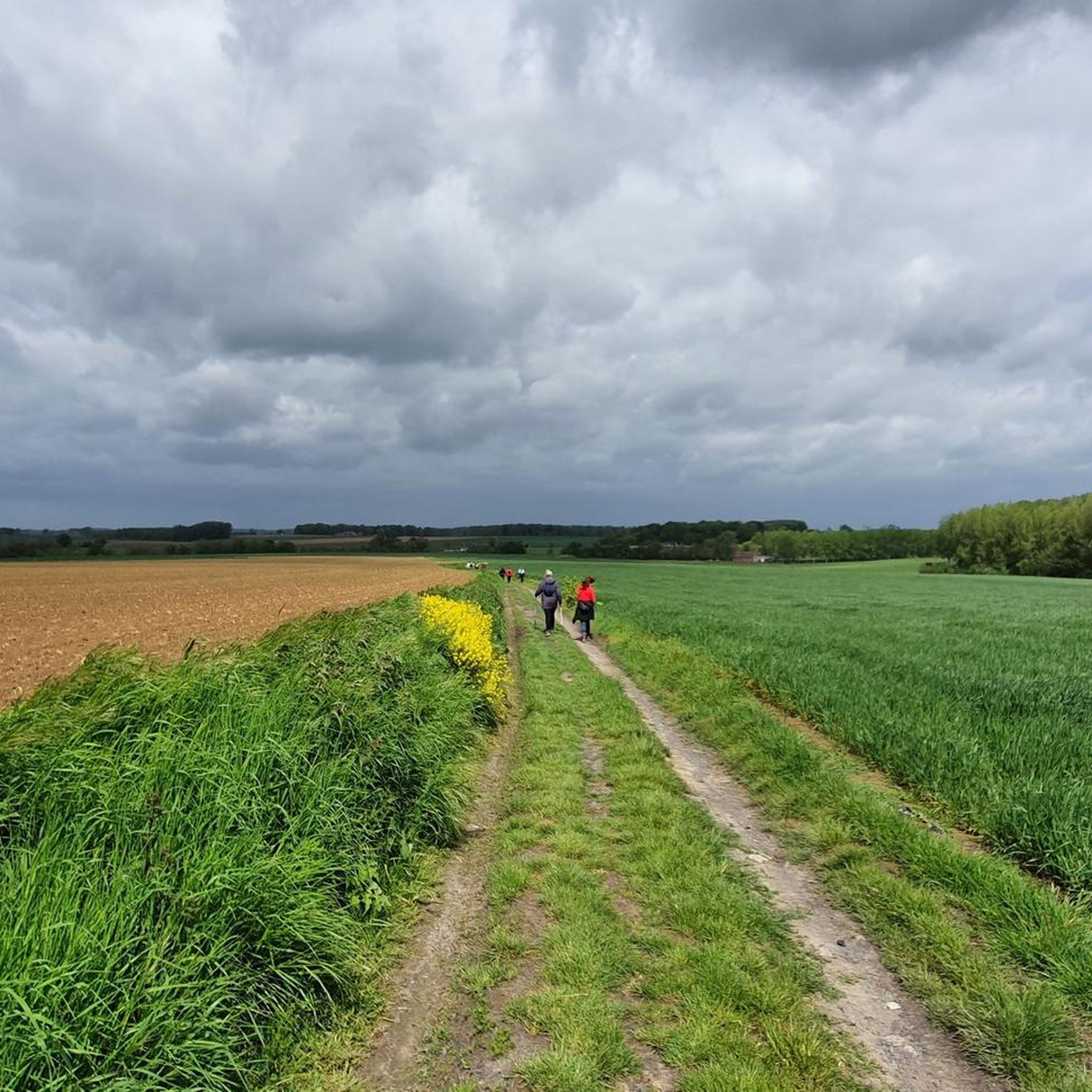
short, easy and very pleasant hike.
2
0

Access to the castle authorized for the occasion of the Adeps march. Thank you 🤗💕
1
0

A splendid view of the bridge with the castle
3
0

Small paved area uphill in front of the castle
3
0

The castle of Feluy was built in 1380 by order of Eustache II de Bousies. Until 1576, the domain would remain in the possession of the de Bousies family, when it passed into the hands of the Rubemprés, then it belonged to the Renesse family until 1659. After that, the domain remained in the hands of the de Berghe family for a century. The castle was neglected and in 1774 it was bought by Countess d’Ysendoorn de Blois. Around 1777, the castle was transformed into a luxurious residence and the moats were widened into a pond. Around 1940, architect Puttemans had the castle modified once more. After the Second World War, the castle of Feluy fell into disrepair. In 1972, the restoration of the castle began under the direction of architect Gochet. Since then, the castle of Feluy has regained the splendor of earlier centuries.
3
0
Frequently Asked Questions
What is the primary castle located directly in Le Rœulx?
The main historical landmark in Le Rœulx is the **Le Rœulx Castle**, also known as the Château des Princes de Croÿ. It has origins dating back to an 11th-century fortified structure and has been the family seat of the Princes of Croÿ since 1429. The current classical appearance is largely due to 18th-century transformations.
Is Le Rœulx Castle accessible to the public?
Le Rœulx Castle and its grounds are generally **not accessible to the public** for regular visits. It typically opens only on rare occasions, such as for an international hot air balloon tournament held once a year. While historically and architecturally significant, direct visitation is highly restricted. You can find more information about its history on Le Rœulx Tourisme.
Which castles in the area are known for their historical significance and architecture?
Beyond Le Rœulx Castle, the region boasts several historically significant castles. The Écaussinnes-Lalaing Castle is a 12th-century fortified structure that played a strategic role in a disputed area. Feluy Castle is a 14th-century water castle transformed into a luxurious residence. Havré Castle, attested as early as 1266, has a rich history of sieges and noble residents.
Are there any castles with gardens or parks that are open to visitors?
Yes, the Château de Seneffe and Gardens offers extensive gardens that are accessible free of charge. These gardens were recreated partly according to original 18th-century plans. Havré Castle also features remarkable gardens, including a beautiful rose garden, which are open to visitors.
Can I visit the interior of any of these castles?
Yes, some castles offer interior visits. Écaussinnes-Lalaing Castle opens its doors to visitors by reservation and showcases historical furniture, weapons, a dungeon, and a Gothic chapel. Château de Seneffe houses a museum of silversmithing. Havré Castle and its exhibition rooms can be visited from February to the end of November.
Are there family-friendly castles to visit near Le Rœulx?
Yes, both Château de Seneffe and Gardens and Havré Castle are considered family-friendly. Château de Seneffe offers extensive gardens for exploration, while Havré Castle provides a historical ruin experience with gardens that can be enjoyed by families.
What outdoor activities can I do near the castles in the Le Rœulx area?
The region around Le Rœulx offers various outdoor activities that can be combined with castle visits. You can find numerous cycling routes, including easy touring bicycle loops like the 'Strépy-Thieu Boat Lift loop from Thieu' or more challenging road cycling routes. There are also MTB trails, such as the 'Havré Castle and Gardens – Forest Trail loop from Havré'. For detailed routes, explore the Cycling around Le Rœulx, Road Cycling Routes around Le Rœulx, and MTB Trails around Le Rœulx guides.
Are there walking or hiking trails near any of the castles?
Yes, you can find walking opportunities near several castles. The gardens of Château de Seneffe are perfect for a leisurely stroll. Similarly, Havré Castle is surrounded by beautiful gardens ideal for walks. For more extensive hiking, you can find routes in the broader Le Rœulx area, including MTB trails that can be walked, such as those near Havré Castle.
What do visitors enjoy most about the castles around Le Rœulx?
Visitors appreciate the rich history and architectural beauty of the castles. Many highlight the magnificent fortified structures like Écaussinnes-Lalaing Castle, noting the sense of stepping back in time. The extensive and well-maintained gardens, such as those at Château de Seneffe, are also highly praised for their beauty and serenity.
Are there any castles that are difficult to view or access?
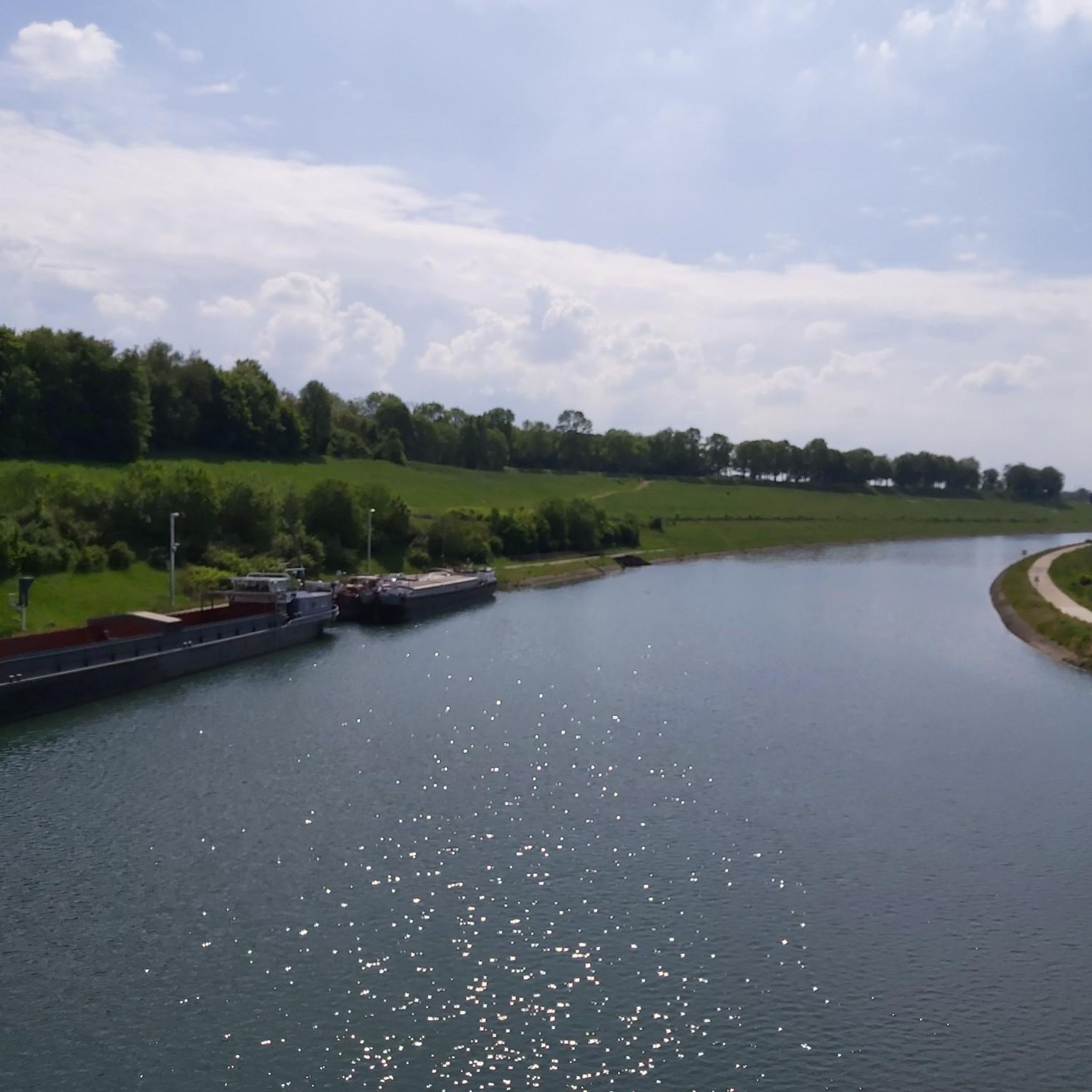
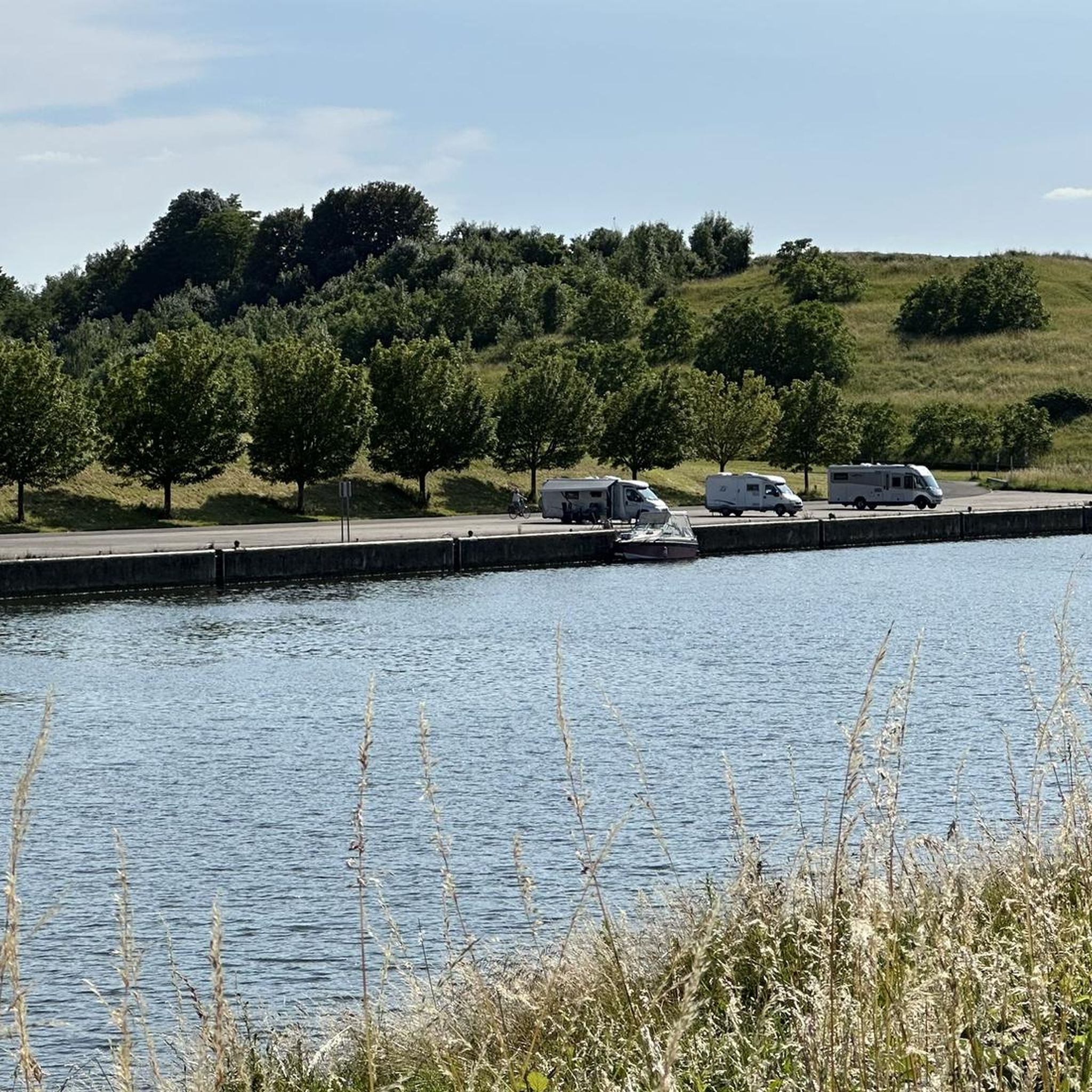
Yes, La Rocq Castle, a 16th-century site situated along the canal, can be challenging to view due to dense vegetation. Additionally, Le Rœulx Castle itself has very limited public access, typically only opening for special events.
What is the best time of year to visit the castles and their surrounding areas?
The best time to visit is generally from spring through autumn (roughly February to November) when the weather is pleasant for exploring castle grounds and gardens. For example, Havré Castle and its exhibition rooms are open from February to the end of November, allowing visitors to enjoy the gardens in bloom or the autumn colors.
Can I find information about the history of the castles in the region?
Yes, the castles in the Le Rœulx area are steeped in history. Le Rœulx Castle, for instance, has hosted numerous notable figures including Dukes of Burgundy, Emperor Charles V, and Marie de' Medici. Château de Seneffe has a detailed history from its construction in the 18th century to its role in WWII. Information about their historical significance is often available on-site or through local tourism resources.
Most popular routes around Le Rœulx
Most popular attractions around Le Rœulx

Get inspired with the komoot mobile app


Explore more
Looking for the best castles somewhere else? Discover other guides around Le Rœulx:
