Top 20 Castles around Voeren
Best castles around Voeren are found in the picturesque municipality of Voeren, located in the Belgian province of Limburg. This region is characterized by its historic landscapes, including the tranquil valley of the Noor stream and the source of the Voer river. The area features a blend of well-preserved castles, impressive ruins, and repurposed estates. These landmarks offer a glimpse into the region's rich past and architectural evolution.
Best castles around Voeren
- The most popular castles is Schaloen Castle,…
Last updated: October 9, 2026
Schaloen Castle
Highlight • Castle
The very first building …
Translated by Google •
Tip by

Château Neercanne
Highlight • Castle
Translated by Google •
Tip by

Sign up now to discover places like this
Get recommendations on the best single tracks, peaks, & plenty of other exciting outdoor places.
Commandery of Sint-Pieters-Voeren
Highlight • Castle
The place is known for its coming. Daniel de Fouron …
Translated by Google •
Tip by

Eyneburg Castle
Highlight • Castle
Translated by Google •
Tip by

Mheer Castle
Highlight • Castle
Translated by Google •
Tip by

Sign up for free to discover even more castles around Voeren.
Already have an account?
Start today with a free account
Your next adventure awaits.
Tips from the Community

The Neercanne castle is built on the original site of Roman fortifications whose caves still exist and are used as a wine cellar. In the hall, the original staircase with a railing on wide columns is still present. Weapon trophies are depicted in relief on the ceiling. Currently, the castle is used as a hotel and restaurant. The restaurant has been awarded one star by the Michelin Guide.
5
0

The Commanderie is a textbook example of the Maasland Renaissance style, recognizable by: brick construction combined with Namur stone; straight, symmetrical volumes; decorative tiers of brick; a closed, almost monastic courtyard.
11
0

Beautiful historic location, worth a stop.
8
0

Commanderie Castle is one of the most historically significant buildings in the region. Its origins date back to the Middle Ages: as early as the 13th century, a settlement of the Teutonic Knights existed here, from which the name "Commanderie" is derived. The castle was not only a stately residence but also an administrative and economic center for the surrounding lands. The complex is surrounded by a moat and has been rebuilt and expanded several times over the centuries. A characteristic feature is the combination of medieval foundations with later Renaissance and Baroque elements. Particularly striking are the picturesque courtyard, the historic farm buildings, and the castle grounds surrounded by avenues and meadows. After the end of the Order's rule, the property passed into private hands and was used for agricultural purposes for a time. Today, Commanderie Castle is privately owned but parts of it are used for cultural and tourist activities. The castle represents the eventful history of the border region between Belgium, the Netherlands, and Germany and reflects the influence of religious orders of knights on the cultural landscape of this region.
14
0

Mheer Castle is a beautiful medieval castle located in the Limburg hills, in the village of Mheer (municipality of Eijsden-Margraten). Originally dating from the 14th century, it was later expanded and converted into a stately country house with a distinctive courtyard. The castle is privately owned and not open to the public, but it can be easily admired from the road. Surrounded by meadows and ancient trees, Mheer Castle is a picturesque part of the South Limburg landscape.
6
0

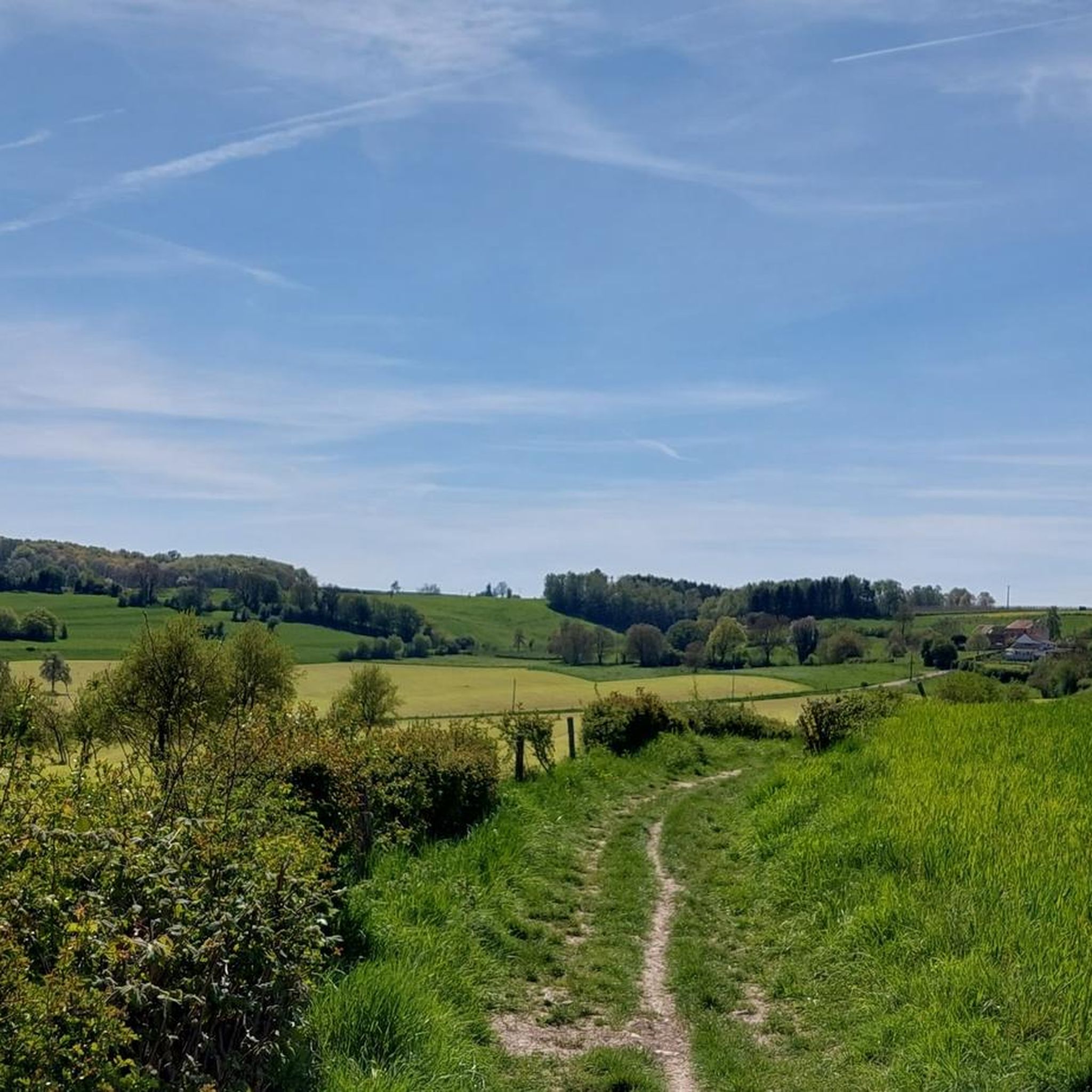
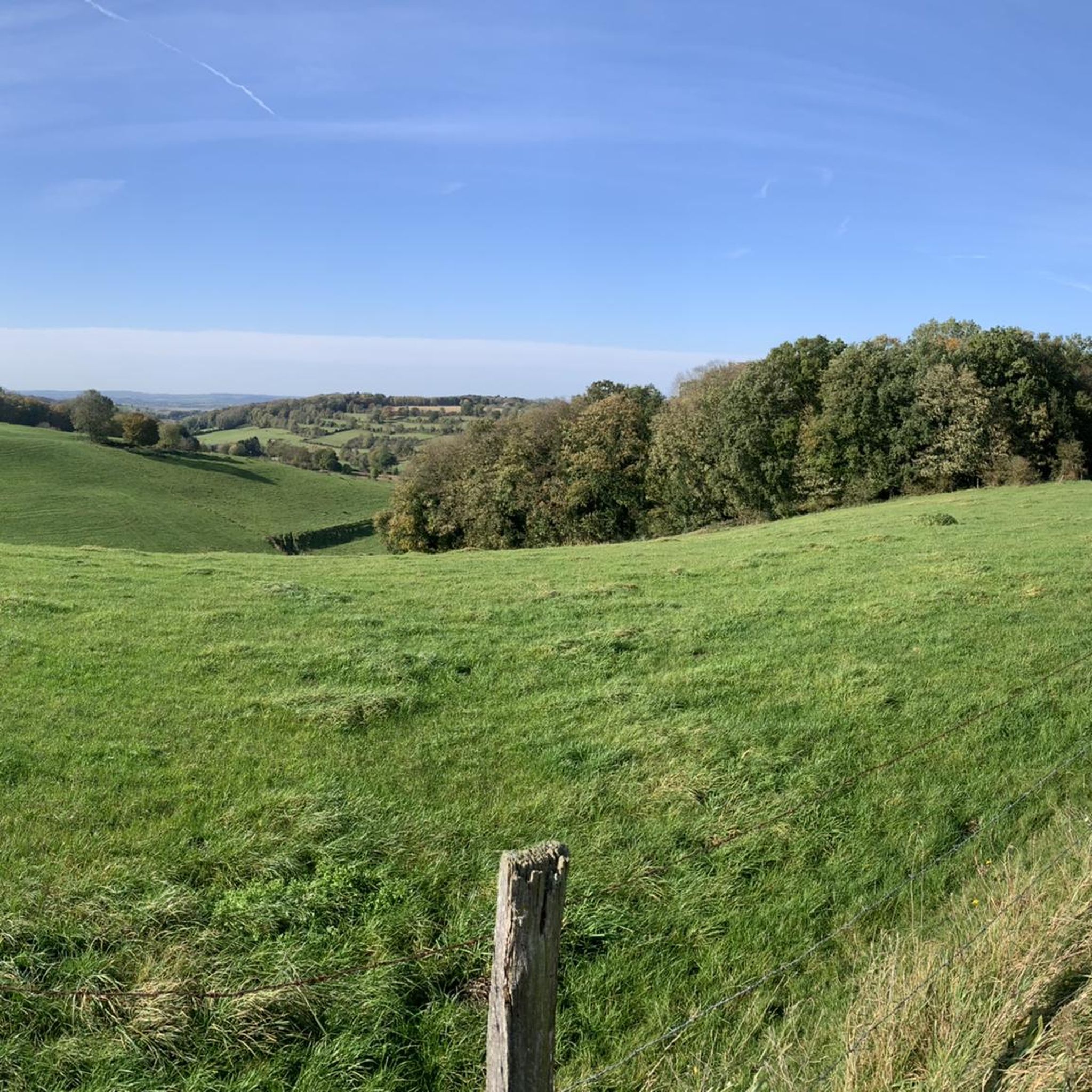
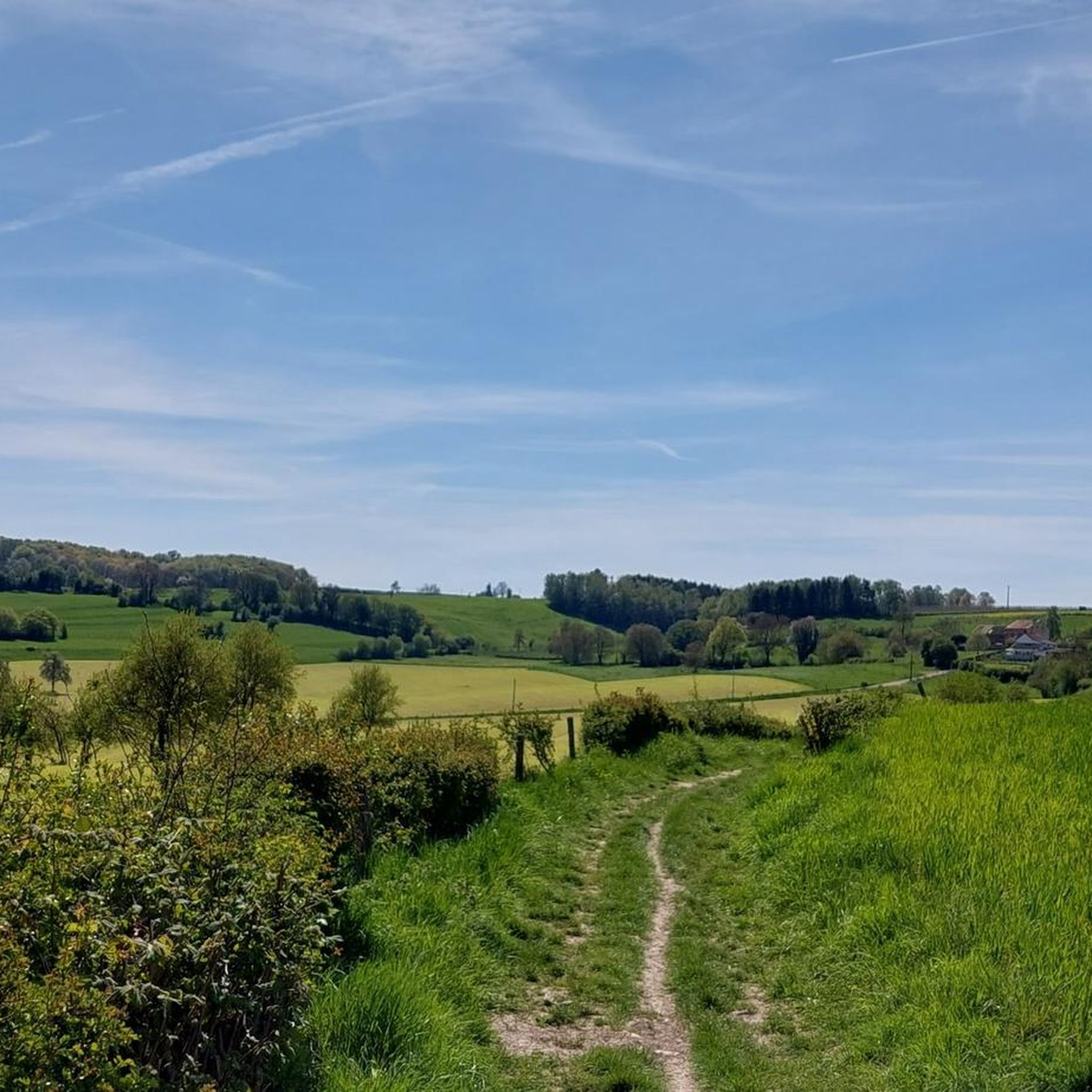
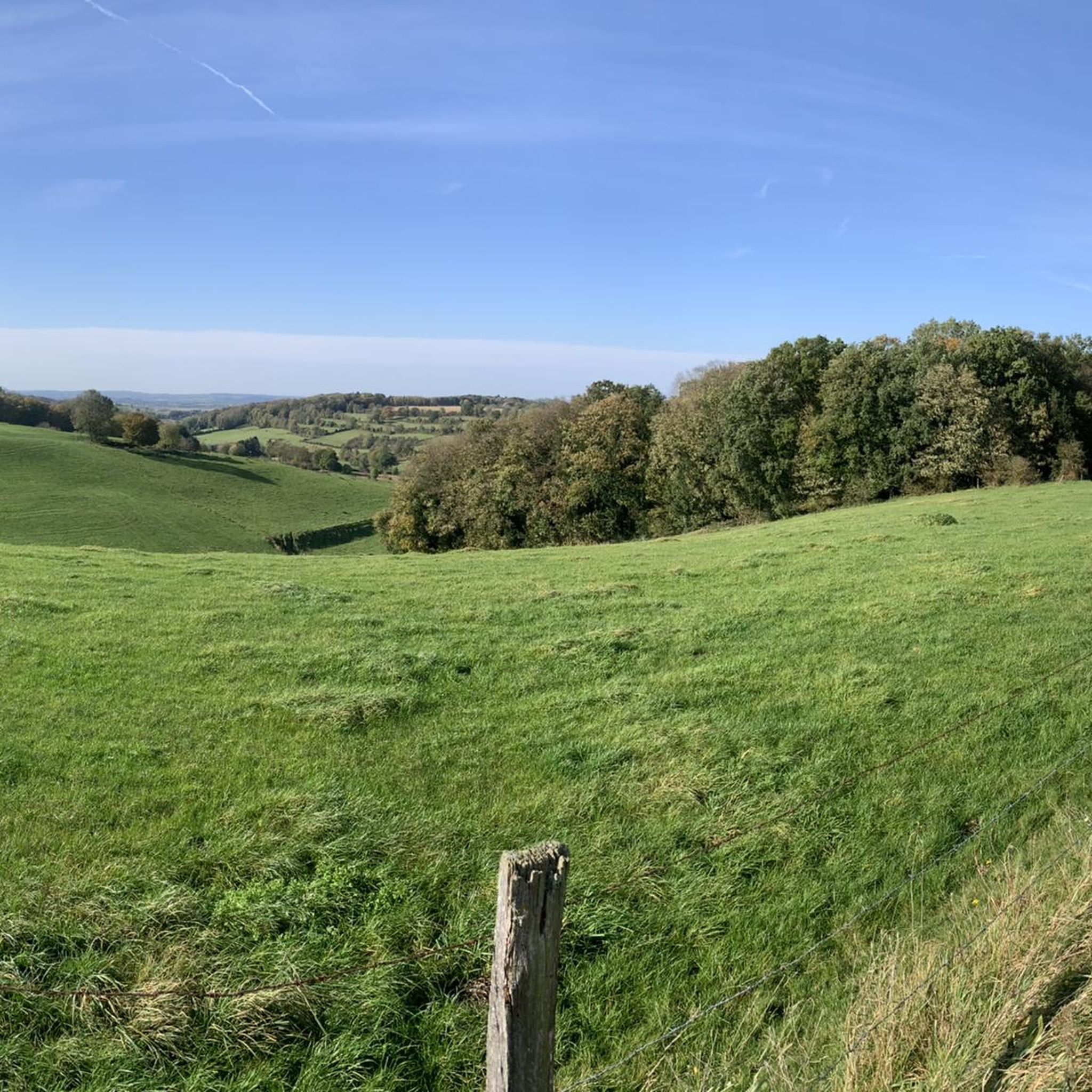
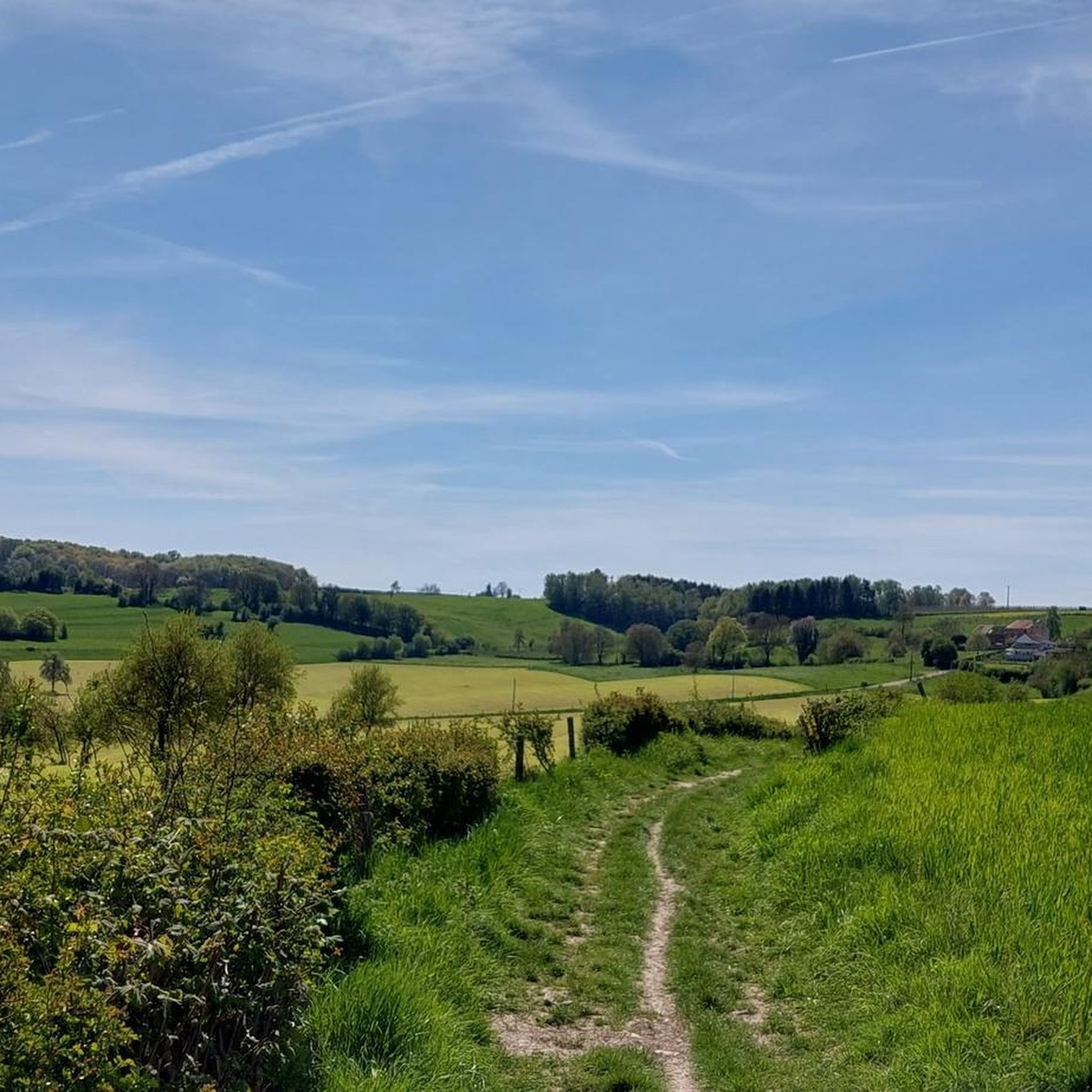
Very nice walking route along the chateau. Beautiful panorama. With a house in the valley below that used to be the border post.
4
0

Neercanne Castle was built on the original site of Roman fortifications, the caves of which still exist and are used as wine cellars. The original staircase with a banister on wide columns is still in the hall. The ceiling features relief depictions of weapon trophies. The castle is currently in use as a hotel and restaurant.
7
0

The Cannerbos is very compact and can therefore be walked in a morning or afternoon. You could say that the forest consists of floors, so you can view and walk nature from below and from higher up. Chateau Neercanne is located on the edge of the Cannerbos. This castle is the only terraced castle in the Benelux. Daniël Wolf van Dopff built this impressive castle in 1698.
4
0
Frequently Asked Questions
What are some of the historically significant castles in the Voeren region?
The Voeren region is rich in history. The Commandery of Sint-Pieters-Voeren, for instance, has origins as a 13th-century settlement for the Teutonic Knights and showcases Maasland Renaissance architecture. Waterburcht Millen also traces its history from a 12th-century donjon to a 14th-century water castle, reflecting the region's turbulent past.
Are there castles in Voeren that offer accommodation or dining experiences?
Yes, several castles in the Voeren region provide unique accommodation or dining. Château Neercanne is known for its restaurant and former stables, offering a culinary experience in a historic setting. Kasteel Altenbroek operates as a hotel and restaurant, providing a peaceful retreat. Castel Notre Dame functions as group accommodation, suitable for retreats and family gatherings.
What natural features can I find around the castles in Voeren?
The castles are often nestled in picturesque natural settings. The Commandery of Sint-Pieters-Voeren is home to the source of the Voer river and features wooded parks with trout ponds. Kasteel Altenbroek is set within a beautiful park with ponds and three springs, including the Saint Lambert Spring. Castel Notre Dame is surrounded by a large nature reserve with sports fields.
Are there family-friendly castles or activities around Voeren?
Many castles in the region are suitable for family visits. Highlights like Schaloen Castle, Château Neercanne, and Commandery of Sint-Pieters-Voeren are categorized as family-friendly. The grounds of the Commanderie, with its historic trout farm, are generally accessible for exploration, offering an interesting experience for all ages.
What kind of outdoor activities can I do near the castles in Voeren?
The Voeren region offers diverse outdoor activities. You can find numerous routes for gravel biking, mountain biking, and road cycling. For example, the 'Path to Sint-Pieters-Voeren – Heusière Path loop' is a moderate gravel biking route, and the 'Sunken Lane to Remersdaal – MTB route Teuven loop' is a popular mountain biking trail. You can explore more options in the Gravel biking around Voeren, MTB Trails around Voeren, and Road Cycling Routes around Voeren guides.
Can I visit the interior of all castles in Voeren?
Not all castles in Voeren are fully open to the public for interior visits. Some, like the Commandery of Sint-Pieters-Voeren, are private residences or event venues, though their grounds might be accessible. Kasteel Altenbroek and Castel Notre Dame offer access through their hotel, restaurant, or group accommodation services. Eyneburg Castle, while historically significant, is currently quite dilapidated and not generally accessible for interior tours.
What is the best time of year to visit the castles in Voeren?
The Voeren region is beautiful year-round, but spring and autumn offer particularly pleasant conditions for exploring the castles and their surroundings. Spring brings blooming nature, while autumn provides vibrant foliage. These seasons generally have milder weather, ideal for walking or cycling between sites.
Are there any castles near Voeren that are outside the immediate municipality but still worth visiting?
Yes, while not directly in Voeren, the Alden Biesen Commandery in Bilzen is a prominent and historically significant castle estate in the wider Limburg region. Founded in 1220 by the Teutonic Order, it's one of the largest castle estates in the Euregio, featuring grand historic buildings, parks, and gardens. It's a major cultural center and offers guided tours.
What do visitors appreciate most about the castles around Voeren?
Visitors frequently appreciate the blend of historical architecture and the tranquil natural surroundings. The fairytale-like appearance of castles like Schaloen Castle, the unique terraced design of Château Neercanne, and the deep historical roots of the Commandery of Sint-Pieters-Voeren are often highlighted. The komoot community has shown significant appreciation, with over 2500 upvotes and 1400 photos shared.
Can I find cafes or restaurants near the castles in Voeren?
Yes, several castles and nearby villages offer dining options. Château Neercanne has a renowned restaurant, and Kasteel Altenbroek also operates a restaurant. The Commandery of Sint-Pieters-Voeren allows visitors to enjoy fish farm products directly at the castle pond. Additionally, the villages within the Voeren region have local cafes and pubs.
What is the architectural style of the castles in Voeren?
The castles in Voeren display a range of architectural styles reflecting their long histories. The Commandery of Sint-Pieters-Voeren is a prime example of Maasland Renaissance. Schaloen Castle features a blend of styles from the 12th to 19th centuries, including elements of a French hunting lodge. Waterburcht Millen evolved from a medieval donjon to a Mosan Renaissance manor.
Is there public transport available to reach the castles in Voeren?
While public transport options exist within the wider Limburg province, reaching specific castles in the rural Voeren region might require a combination of bus services and walking. For more flexibility, driving or cycling is often recommended. Parking facilities are typically available near the more accessible castles.
Most popular routes around Voeren
Most popular attractions around Voeren

Get inspired with the komoot mobile app


Explore more
Looking for the best castles somewhere else? Discover other guides around Voeren:
