Top 20 Caves around Dalhem
Best caves around Dalhem are found within the wider Ardennes region, known for its extensive cave systems. This area features natural wonders carved from Devonian limestone, offering insights into Earth's ancient geological past. The region's geology, part of the Calestienne and Famenne-Ardenne Geopark, supports the formation of complex underground passages. These caves maintain a constant temperature of around 13°C year-round with high humidity.
Best caves around Dalhem
- The most popular caves is Château Neercanne, a castle where an old…
Last updated: July 1, 2026
Château Neercanne
Highlight • Castle
Translated by Google •
Tip by

Trichterberggroeve Limestone Quarry
Highlight • Natural Monument
Translated by Google •
Tip by

Sign up now to discover places like this
Get recommendations on the best single tracks, peaks, & plenty of other exciting outdoor places.
Sign up for free
Savelsbos — The Henkeput
Highlight • Cave
Translated by Google •
Tip by
Thier des Vignes Flint Caves
Highlight • Cave
Source: mini-ardenne.be/poi.card.php?id=6036&language=fr
Translated by Google •
Tip by

Rijckholt Prehistoric Flint Mine
Highlight • Historical Site
Translated by Google •
Tip by

Sign up for free to discover even more caves around Dalhem.
Sign up for free
Already have an account?
Start today with a free account
Your next adventure awaits.
Login or Signup
Other adventures around Dalhem

Tips from the Community

There are old flint quarries in this area: the “Carrières de silex du Thier des Vignes”.
1
0

A mysterious flint cave on the edge of the Albert Canal, near the locks at Klein Ternaaien. You reach the entrance via a steep path through the woods. The caves are dark, cool, and full of atmosphere—perfect for those who love hidden natural spaces. Bring a flashlight and good walking shoes!
2
0

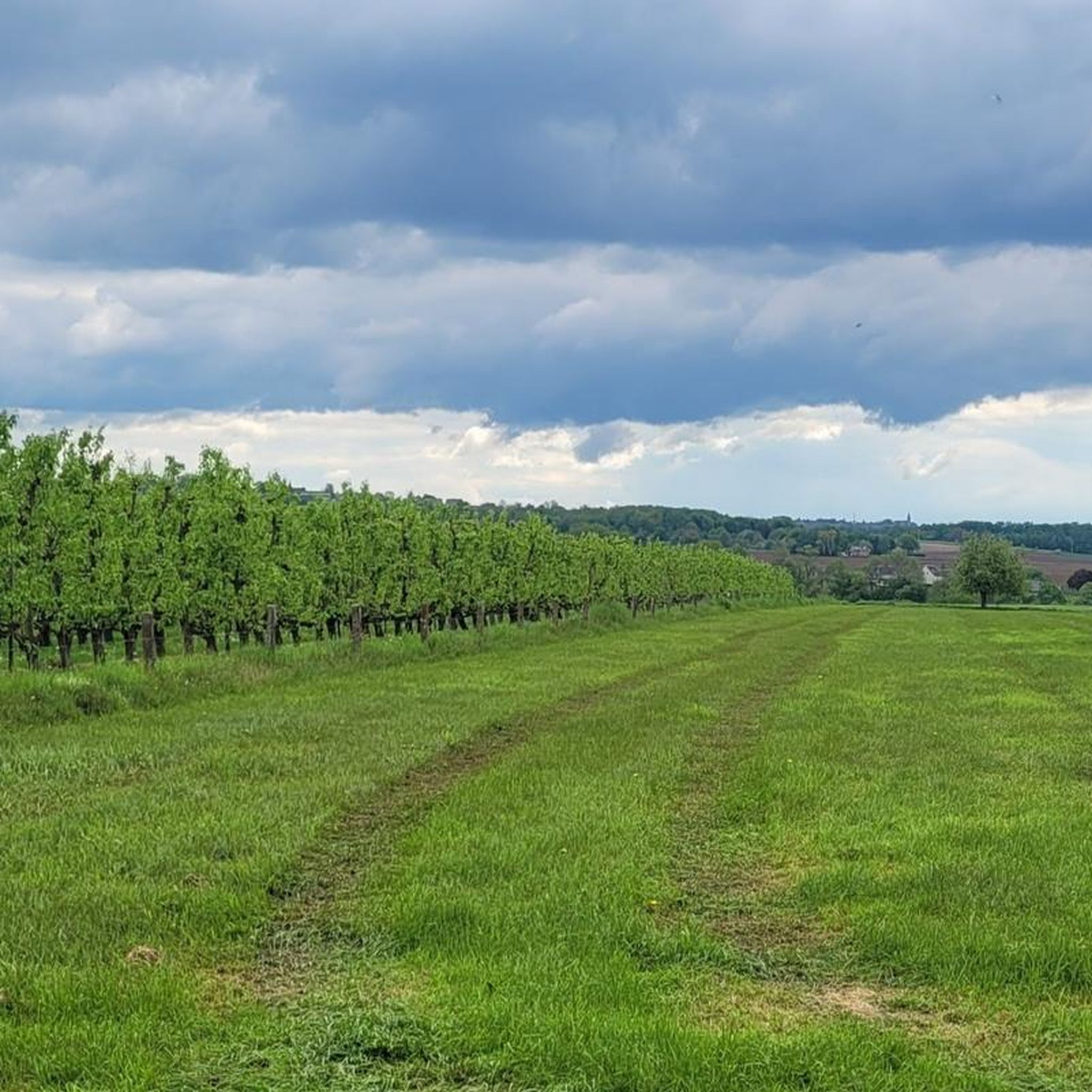
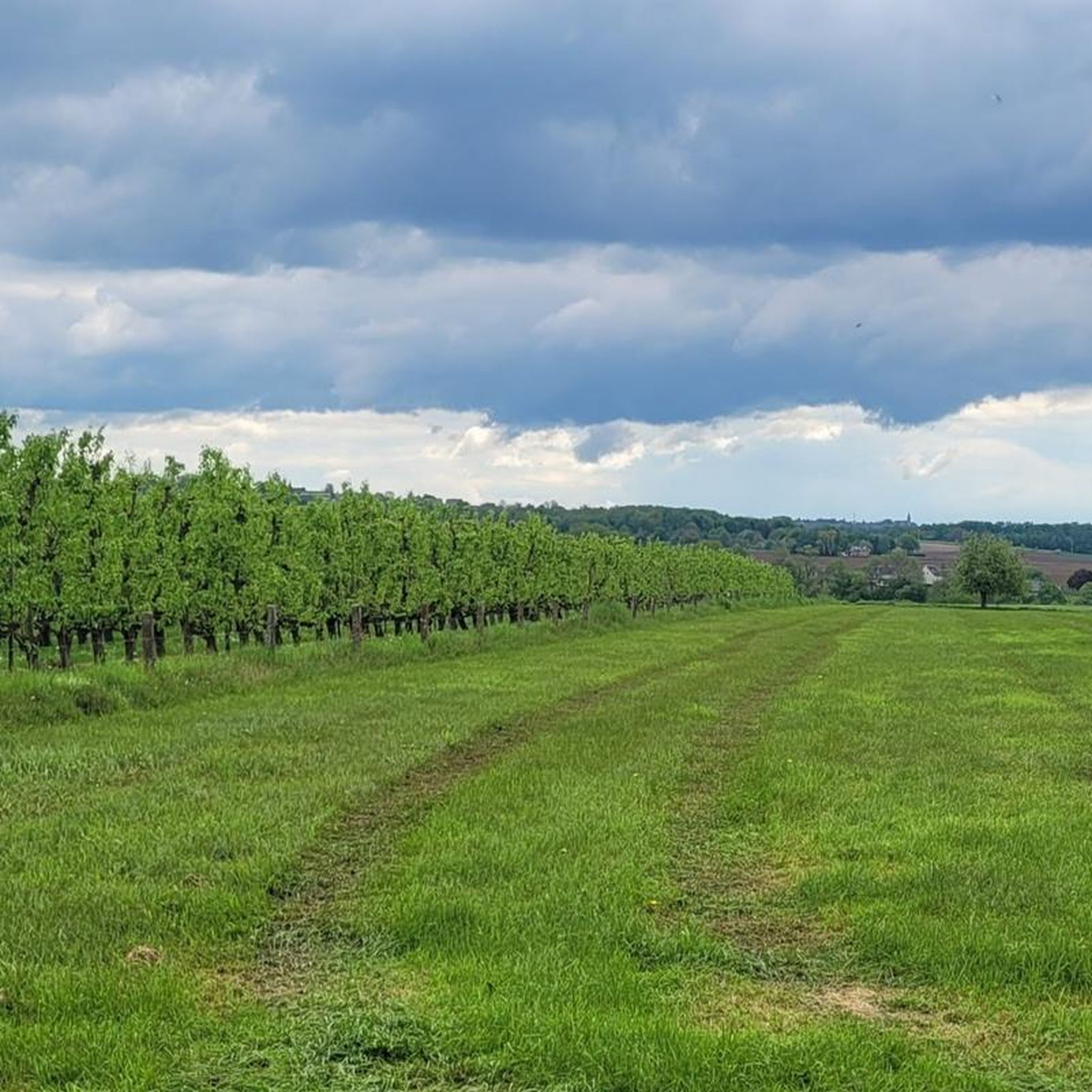
Very nice walking route along the chateau. Beautiful panorama. With a house in the valley below that used to be the border post.
4
0

Neercanne Castle was built on the original site of Roman fortifications, the caves of which still exist and are used as wine cellars. The original staircase with a banister on wide columns is still in the hall. The ceiling features relief depictions of weapon trophies. The castle is currently in use as a hotel and restaurant.
7
0
Impressive, you can see some caves.
1
0

A mysterious deep hole that appeals to the imagination. Good thing there is a sturdy fence around it!
0
0

The Trichterberg quarry is located in the forest to the left of the steep Eckelraderweg, between Gronsveld and Eckelrade. Diagonally opposite are dole chambers. The quarry has been designated as a “Geological Monument”. Steep limestone walls with here and there sawn surfaces and a few small corridor remains are the only remains. Not much is known about the Trichterberg quarry. That is why Peter Jennekens, Kevin Amendt and Rob Habets wrote a source overview for the magazine of the Study Group Underground Limestone Quarries - Natural History Society in Limburg. Based on this, they cautiously conclude that the origin of the quarry must lie somewhere between the years 1846 and 1867. The entire PDF with all sources can be found at https://www.sok.nl (November 2013 edition).
5
0

The Savelsbos is a Natura 2000 area. Respect the outdoor code and stay away from here with bicycles
0
0
Frequently Asked Questions
What types of caves can I explore around Dalhem?
Around Dalhem, you can explore a variety of underground features including limestone caves, flint caves, and impressive underground quarries. These sites offer a mix of natural geological formations and historical mining areas.
Are there any family-friendly cave experiences near Dalhem?
Yes, several sites are suitable for families. For instance, Château Neercanne, while primarily a castle, features an old limestone quarry used as a wine cellar and dining room, offering a unique historical and culinary experience. The Trichterberggroeve Limestone Quarry is also noted as family-friendly, allowing exploration of its remaining niches and corridors.
What historical significance do the caves around Dalhem hold?
The caves and quarries in the Dalhem region are rich in history. For example, the Rijckholt Prehistoric Flint Mine was used about 6,000 years ago by people to make tools and arrowheads from flint. The Thier de Lanaye Underground Quarries are a result of centuries of marl exploitation, creating extensive galleries.
What unique natural features can be found in the caves near Dalhem?
The region's caves, formed in Devonian limestone, are part of the Famenne-Ardenne Geopark. You can find stunning stalactites and stalagmites in the broader Ardennes region. Locally, the Trichterberggroeve Limestone Quarry features 'geological organ pipes' where limestone has been dissolved by rainwater. The Thier de Lanaye Underground Quarries are a significant wintering center for thousands of bats and support a unique biotope with rare plant and animal species.
What are the famous caves in the wider Ardennes region, accessible from Dalhem?
While Dalhem itself has local sites, the wider Ardennes region is home to several renowned cave systems. These include the Grottes de Han (Caves of Han-sur-Lesse), known for their underground river and sound and light show; Grottes de Hotton, Belgium's only entirely classified cave; and Grottes de Remouchamps, famous for the longest underground boat trip in Belgium. You can find more information about the Han Caves at visitardenne.com.
What is the typical temperature inside the caves around Dalhem?
The caves around Dalhem and in the wider Ardennes region maintain a constant temperature of around 13°C (55°F) year-round, with high humidity. It's advisable to dress warmly, even on hot days, when visiting these underground sites.
Are there hiking routes that include or pass by caves near Dalhem?
Yes, there are hiking opportunities around Dalhem that can lead you to these natural features. For instance, the Hiking around Dalhem guide offers various routes, such as the 'Dalhem Tunnel – Dalhem Tunnel loop from Saint-André' or the 'View of Val-Dieu Abbey – Val-Dieu Countryside loop from Dalhem', which can be combined with visits to nearby cave sites.
Can I find cycling routes near the caves around Dalhem?
Absolutely. The Cycling around Dalhem guide provides several routes. You could explore options like the 'Val-Dieu Abbey – Dalhem Tunnel loop from Dalhem' or the 'Aubel Cycle Path – Val-Dieu Abbey loop from Neufchâteau', which allow you to enjoy the regional landscape and potentially visit cave areas.
What do visitors particularly enjoy about the caves and quarries in the Dalhem area?
Visitors appreciate the historical depth and natural beauty. For example, the Thier des Vignes Flint Caves are enjoyed for their numerous entrances and the cool, fresh air inside on a hot day. The Thier de Lanaye Underground Quarries are valued for their impressive network of galleries and their role as a bat wintering center.
What is the geological background of the caves in this region?
The caves and quarries in the Dalhem area are primarily formed in Devonian limestone. This geological formation is part of the Calestienne, a narrow limestone strip within the Famenne-Ardenne Geopark. Over hundreds of thousands of years, slightly acidic rainwater has seeped through cracks, gradually dissolving the rock and carving out the complex underground passages and formations you see today.
Are there any specific regulations or protections for the caves and quarries?
Yes, some sites are protected. For instance, the Thier des Vignes Flint Caves are protected within a Natagora site. The Trichterberggroeve Limestone Quarry has been designated as a 'Geological Monument'. These protections help preserve their natural and historical significance.
How far are the famous Ardennes caves like Han-sur-Lesse or Remouchamps from Dalhem?
The famous caves of the Ardennes, such as Grottes de Han (Han-sur-Lesse) and Grottes de Remouchamps, are located further south in the wider Ardennes region. While not immediately adjacent to Dalhem, they are significant regional attractions that can be reached by car, typically within an hour or two, offering a deeper dive into Belgium's renowned cave systems.
Most popular routes around Dalhem
Most popular attractions around Dalhem

Get inspired with the komoot mobile app


Explore more
Extend your search for the best caves by checking out these guides of the top ones around Dalhem:
