The best road cycling routes around Kortessem
4.7
(20)
276
riders
41
rides
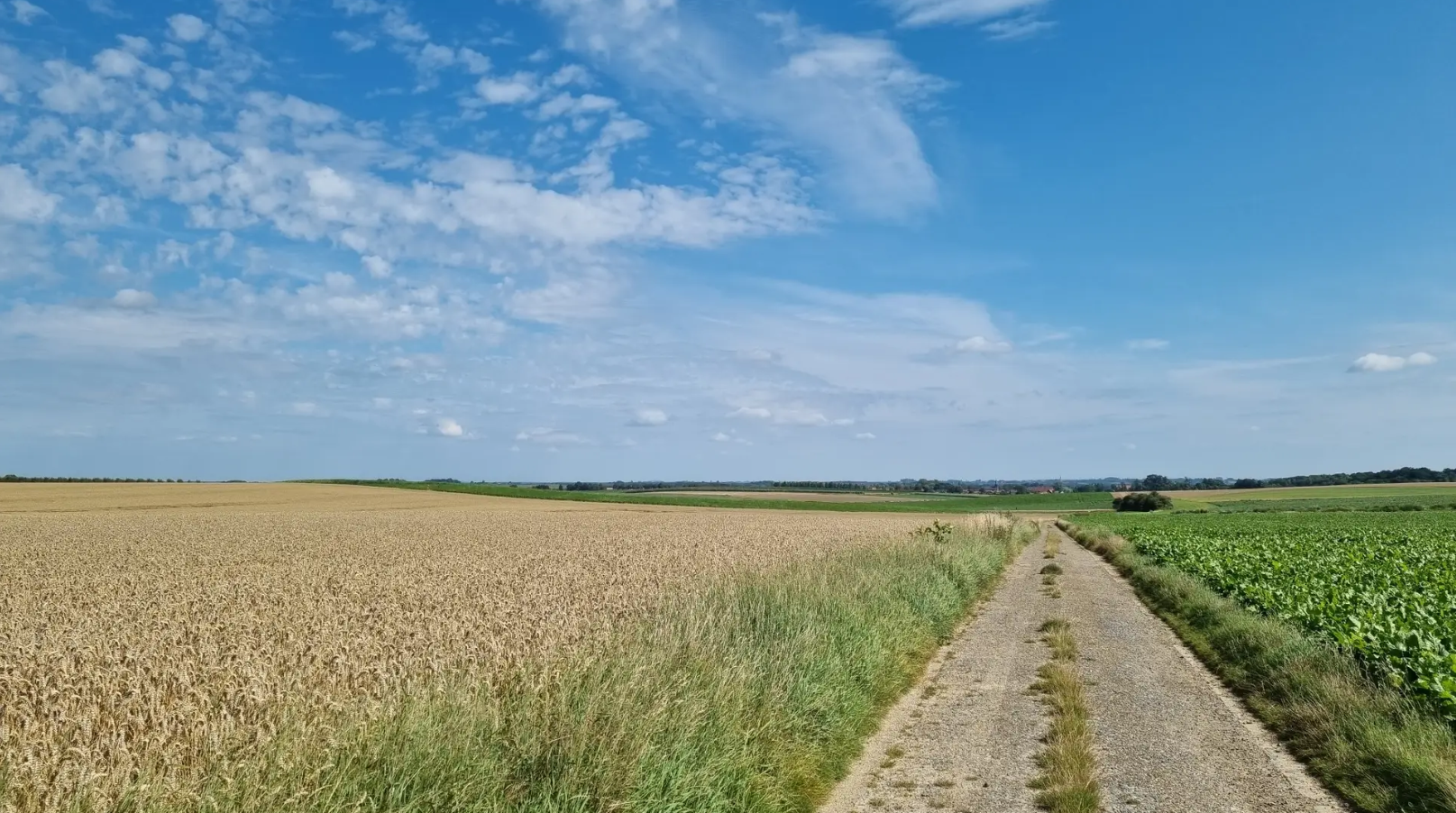
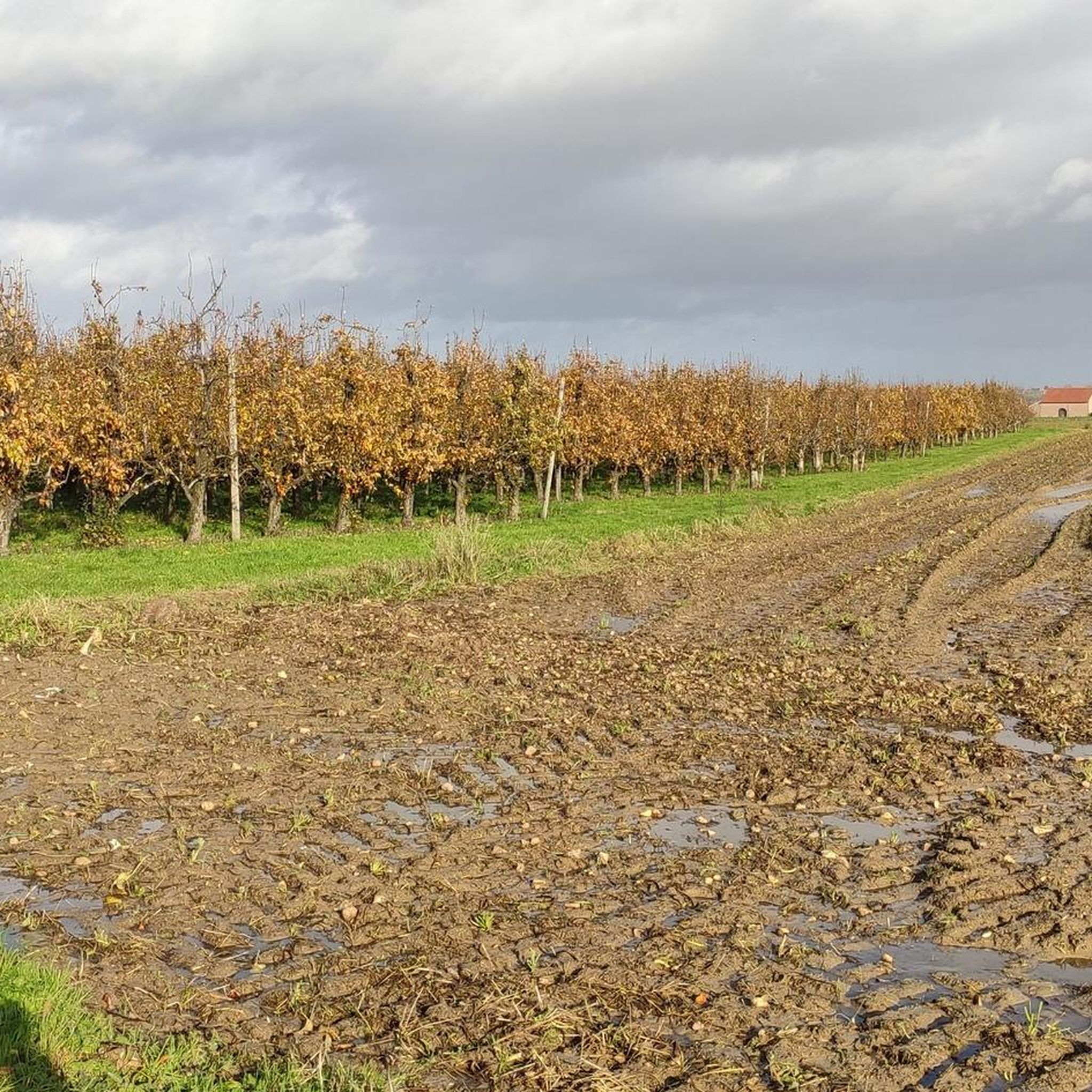
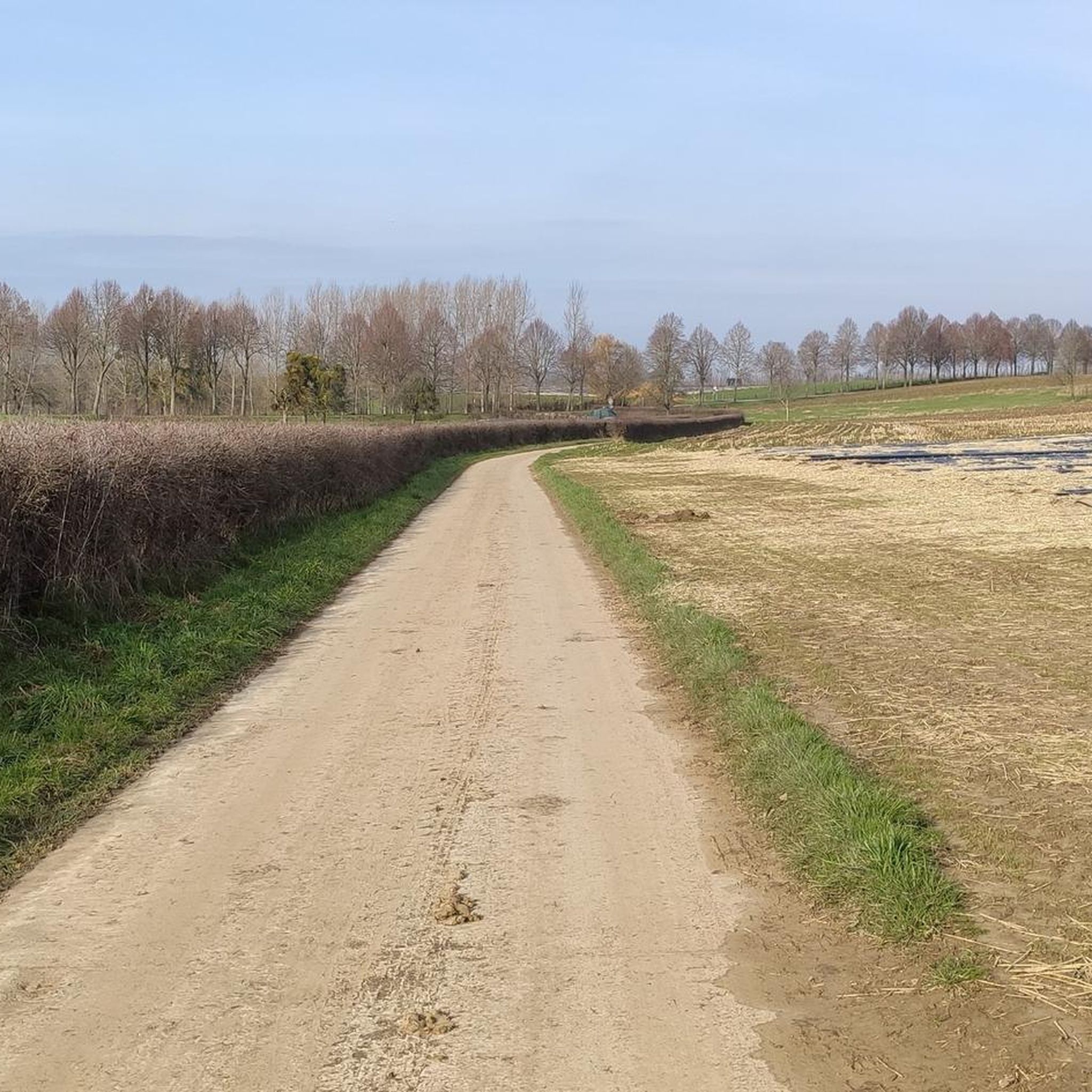
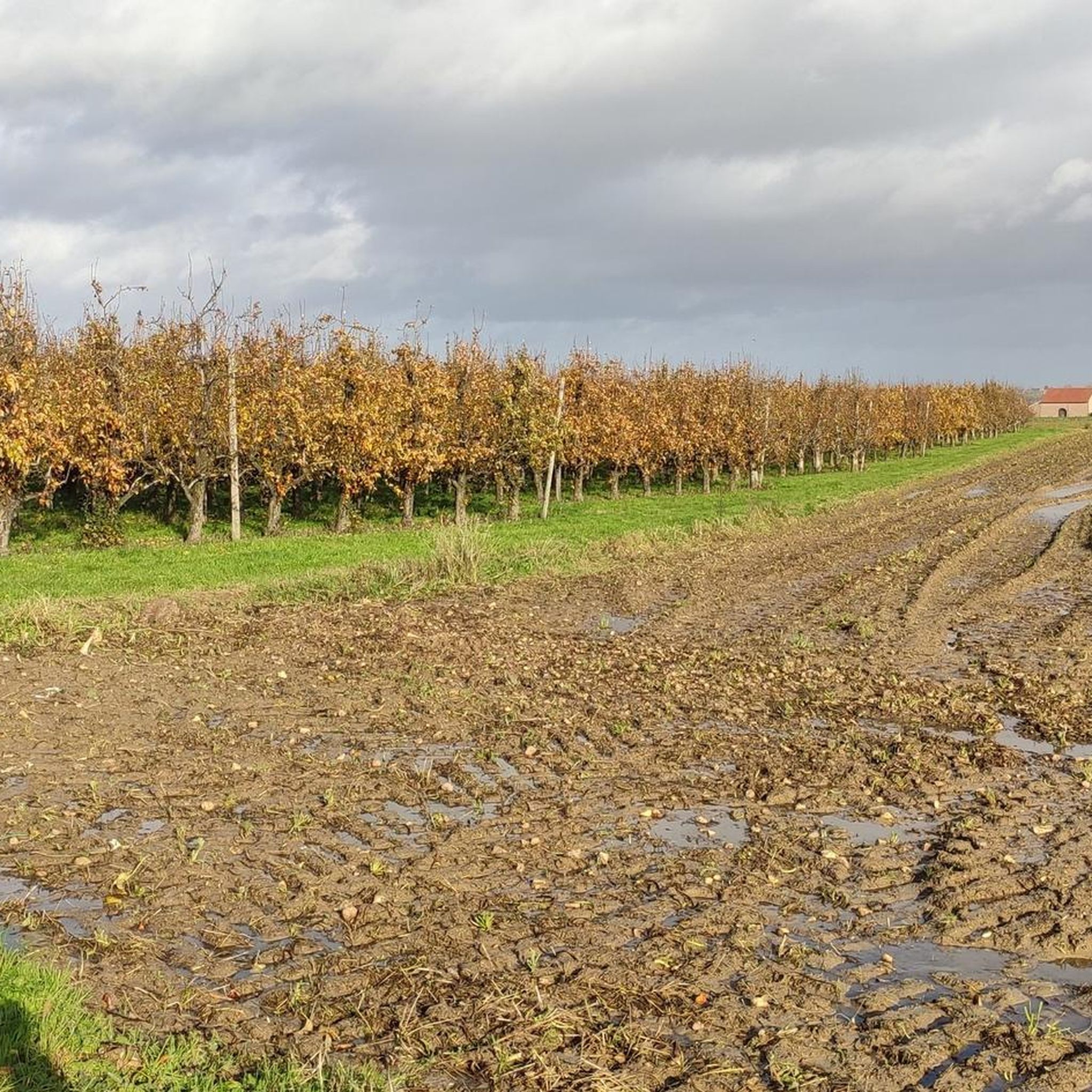
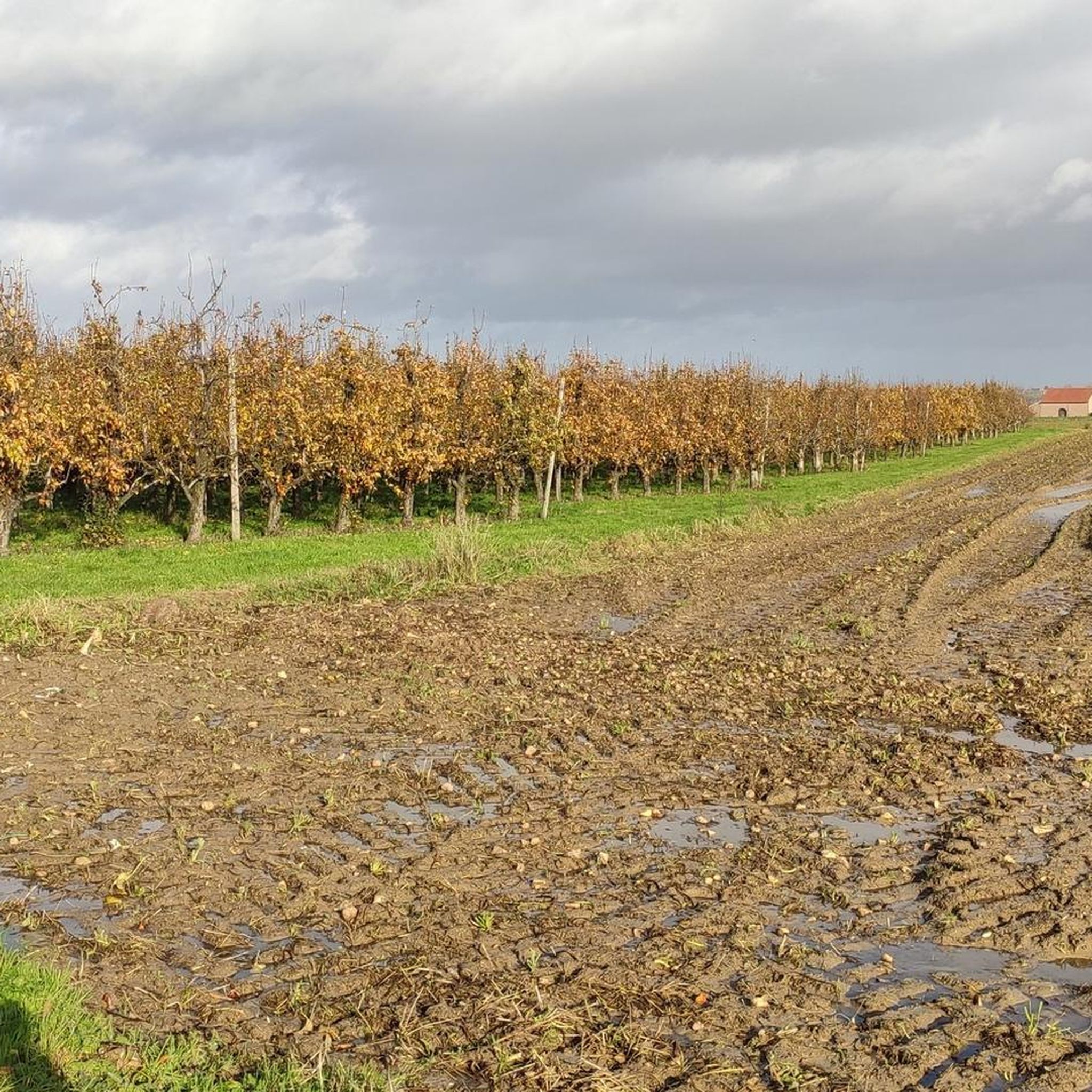
Road cycling around Kortessem offers diverse landscapes within the Haspengouw region of Belgium. The terrain features rolling hills, extensive fruit orchards, and serene creek valleys. Cyclists can also traverse through fields, meadows, and deciduous forests like the Bellevuebos. The area benefits from Limburg's cycling route network, providing well-developed, often car-free paths.
Best road cycling routes around Kortessem
- The most popular road cycling route is Kasteel Hoogveld – Hoogveld Windmill loop from Kortessem, a 21.4 miles (34.4 km) trail that…
Last updated: July 7, 2026
35
riders
34.6km
01:40
200m
200m
Moderate road ride. Great for any fitness level. Some segments of this route may be unpaved and difficult to ride.
21
riders
24.3km
01:13
180m
180m
Moderate road ride. Great for any fitness level. Some segments of this route may be unpaved and difficult to ride.

Sign up for free
23
riders
31.1km
01:25
140m
140m
Easy road ride. Great for any fitness level. Mostly well-paved surfaces and easy to ride.
15
riders
Moderate road ride. Good fitness required. Mostly well-paved surfaces and easy to ride.
11
riders
38.6km
01:43
140m
140m
Moderate road ride. Great for any fitness level. Some segments of this route may be unpaved and difficult to ride.
Get access to more routes and recommendations from other explorers.
Sign up for free
Already have an account?
Our route recommendations are based on thousands of hikes, rides, and runs completed by other people on komoot.
Start today with a free account
Your next adventure awaits.
Login or Signup

Other adventures around Kortessem

Tips from the Community

This place used to be the location of the Motmolen, the nature reserve is named after it: https://youtu.be/dvlbNrtk4W0?feature=shared
3
0

The artwork #inconcreto is both a tourist attraction and a viewpoint. #inconcreto is a concrete head over four meters high and slightly less wide. This landscape artwork by Frits Jeuris is about the contrast between abstract and concrete. A place that inspires reflection and fresh ideas. From the top of the giant concrete head, you overlook the surroundings.
6
0
Together with building number 40, this site forms a beautiful, enclosed unit. Number 40 probably served as the former residence of farm number 39, better known as the Kasteelhoeve. The whole dates back to the 18th century and still breathes the atmosphere of a classic, enclosed farm, although it has been adapted and rebuilt over time.
5
0
On the site where a lordly manor stood in the Middle Ages, the castle of Hardelingen was built in the 19th century. The site had continuous habitation from an early date and was closely linked for centuries to agricultural exploitation in the fertile valley of the Werm. As a lordly manor, the domain functioned not only as a residence but also as an economic center that managed and structured the surrounding land within the traditional Haspengouw agricultural landscape. Today, the castle of Hardelingen, located in the quiet village of Werm, represents a valuable example of the transformation of a medieval lordly manor into a stately 19th-century country residence. The castle and its surrounding park landscape strikingly illustrate the neoclassical ideals of order, harmony, and scenic beauty, thus occupying a special place within the heritage of Haspengouw. Want to know more about the past? Click through to https://www.burchten-kastelen.be/provincies/limburg/042%20Kasteel%20van%20Hardelingen/Kasteel%20van%20Hardelingen.html
6
0
On the spot where, according to legend, a statue of Our Lady, plowed out by a team of oxen, hung against an oak tree, a late Gothic chapel was built in 1538, which quickly became a place of pilgrimage. The chapel's interior also pleasantly surprises visitors. The rood screen is decorated with a beautiful apostle pew from 1613, probably from the Clerk's Chapel. Pilgrims used to offer a kilo of salt here to prevent children from bedwetting. Even today, the chapel attracts many visitors and, thanks in part to the procession, the May pilgrimage, and the candlelight procession, remains a center of religious life. It is open daily. On Sunday, September 8th, or the following Sunday, there is the annual rosary procession around the chapel to commemorate its dedication. This procession features a modern depiction of the mysteries of the Rosary, which also includes the Seven Sorrows of Our Lady. At the beginning of the procession, a farmer walks with an old plow. This refers to the legend that a farmer in the early sixteenth century allegedly found the statue of the Virgin Mary while plowing. The chapel on Ossenweg is said to have been built later in this neighborhood. The statue of Our Lady of Ossenweg is also carried in the procession. Source: https://www.zoutleeuw.be/kapel-van-de-ossenweg
4
0
The chapel at Oetersloven is also known as the chapel of the Bokkenrijders (Goat Riders). Jan van Muysen, a clog maker from Wellen, had left a letter of complaint at the farm of Jan Wouters from Ulbeek, demanding a large sum of money, or else his farm would be set on fire. The money was to be placed in a hole near the chapel. Wouters, however, recognized Van Muysen, despite his disguise. Jan van Muysen was arrested as a goat rider on April 1, 1774, and beheaded on June 16 of the same year in the Bonderkuil in Wellen.
3
0
As early as the 7th century, a wood-and-clay church is said to have stood here. The following saints are said to be buried there: Lambertus, Landoaldus, Amantius, Vinciana, and Landrada. These were followers of Saint Amandus, who is also supposedly buried there. In the second half of the 8th century, the relics of these saints were supposedly elevated to the altar. The saints are known as the Saints of Wintershoven. Around 1200, a single-nave Romanesque church was built of natural stone (coal sandstone, iron sandstone, flint, blue limestone, and the like). Fragments of Roman roof tiles were also incorporated into the church. Many of these building materials likely came from a nearby Roman villa. The building had a single nave, comprised four bays, and had an integrated west tower. The west facade, the two side walls, and the foundations of the choir of this building have been preserved. At the front of the south facade stood a small round-arched doorway, now bricked up, the Paradise Gate, which, in addition to the churchyard, also provided access to the presbytery. Excavations were carried out in the church from 1967 to 1968. Several graves, burial vaults, and three postholes from the original wooden church were uncovered, but no trace of the Saints of Wintershoven was found.
6
0

The lock system was built during the canal construction in the 1930s and includes three locks and a road bridge.
0
0
Frequently Asked Questions
How many road cycling routes are available around Kortessem?
There are over 45 road cycling routes available around Kortessem, catering to various preferences. This includes 10 easy routes and 35 moderate routes, ensuring options for different skill levels.
What is the typical terrain like for road cycling in Kortessem?
The terrain around Kortessem is characterized by picturesque rolling hills and extensive fruit orchards, especially vibrant during blossom season. Cyclists will also traverse through fields, meadows, and serene creek valleys, with sections passing through deciduous forests like the Bellevuebos.
What is the best time of year for road cycling in Kortessem?
The Haspengouw region around Kortessem is particularly beautiful in spring when the fruit orchards are in full blossom. Summer and autumn also offer pleasant cycling conditions, with the orchards yielding their fruit and the landscape displaying rich colors.
Are there options for different skill levels among the road cycling routes?
Yes, the routes around Kortessem offer options for various skill levels. You'll find 10 easy routes perfect for a relaxed ride, and 35 moderate routes that provide a bit more challenge with gentle climbs and varied scenery. There are no difficult routes listed, making it accessible for most road cyclists.
What interesting landmarks or attractions can I see along road cycling routes in Kortessem?
Many routes pass by notable attractions. You can cycle past the unique Cycling Through the Water experience in Bokrijk, or the artistic Reading Between the Lines (See-Through Church) near Borgloon. Other sights include Grootloon High-Stem Orchards and historic castles like Alden Biesen.
Can I cycle to 'Cycling Through the Water' from Kortessem?
Yes, 'Cycling Through the Water' in Bokrijk is a popular and unique attraction near Kortessem that can be incorporated into road cycling routes. It offers an unforgettable experience where you cycle through a pond with the water at eye level. Routes like the Binderveld Moated Castle – Saint Genevieve Church, Zepperen loop from Kortessem can bring you closer to such regional highlights.
Are there family-friendly road cycling routes in Kortessem?
Absolutely. Kortessem offers 10 easy road cycling routes that are well-suited for families. These routes often feature quiet country roads and dedicated cycleways, allowing for a relaxed and enjoyable experience through the scenic Haspengouw landscape.
How well-developed is the cycling infrastructure in the Kortessem region?
The Kortessem region benefits from Limburg's renowned cycling route network, which is highly developed. Cyclists can easily navigate using the 'junction to junction' system across 2000 km of predominantly paved, safe, and often car-free paths. This infrastructure makes planning your rides straightforward and enjoyable.
Are there circular road cycling routes available around Kortessem?
Yes, many of the road cycling routes around Kortessem are designed as circular loops, allowing you to start and end at the same point. Examples include the Kasteel Hoogveld – Hoogveld Windmill loop from Kortessem and the Hardelingstraat Climb – Zammelenkerkveld loop from Kortessem, offering convenient exploration of the region.
What do other road cyclists enjoy about the routes around Kortessem?
The road cycling routes around Kortessem are highly rated by the komoot community, with an average score of 4.7 stars from over 20 reviews. Cyclists often praise the diverse landscapes, including rolling hills and fruit orchards, as well as the well-maintained and often car-free paths that make for a pleasant and safe riding experience.
Are there any specific climbs or challenging sections for road cyclists in Kortessem?
While Kortessem is known for its rolling hills rather than steep mountains, routes like the Hardelingstraat Climb – Zammelenkerkveld loop from Kortessem include sections with gentle climbs, offering a moderate challenge and varied scenery through the Haspengouw landscape.
Where can I find parking for road cycling in Kortessem?
While specific parking locations are not detailed for every route, Kortessem, as a cycling-friendly region, generally offers public parking options in and around the town center or near popular starting points for routes. It's advisable to check local signage upon arrival for the most convenient spots.
Most popular attractions around Kortessem

Get inspired with the komoot mobile app


Explore more
Browse the best Road cycling routes in other regions.
