The best cycling routes around Ypres
4.5
(638)
5,985
riders
306
rides
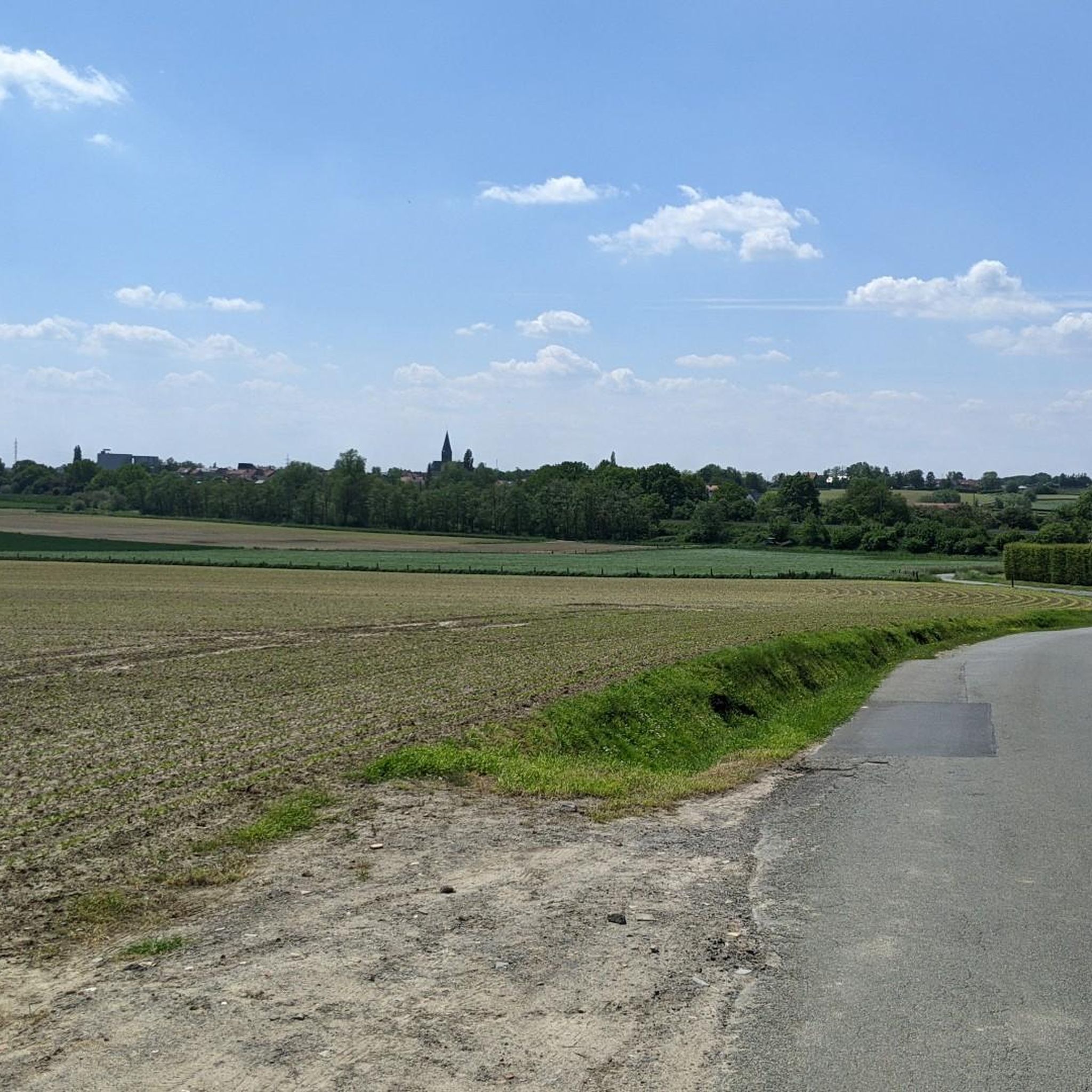
Touring cycling around Ypres offers a blend of historical exploration and gentle landscapes. The region is characterized by its predominantly flat Flandrien countryside, interspersed with green surroundings and notable forests like Hellegat Forest and Polygoonbos. While generally level, some routes feature very gentle, short climbs and descents, providing slight variations in elevation. This terrain makes the area accessible for touring cyclists of varying skill levels.
Best touring cycling routes around Ypres
- The most popular touring cycling route is Peace Route, a 28.1 miles (45.2 km) trail that takes 2 hours 37 minutes to complete. This route guides cyclists through significant World War I battlefields and memorials.
- Another top favourite among local touring cyclists is Hill 60 Memorial – Ypres–Comines Canal loop from Ieper, a moderate 22.0 miles (35.5 km) path. This trail combines historical sites with scenic stretches along the Ypres–Comines Canal.
- Local touring cyclists also love the Hill 60 Memorial – Zillebeke Pond loop from Ieper, a 19.3 miles (31.0 km) trail leading through historical areas and past Zillebeke Pond, often completed in about 1 hour 55 minutes.
- Touring cycling around Ypres is defined by its green surroundings, Flandrien countryside, and numerous World War I historical sites. The extensive network offers options for different ability levels, from easy family rides to more moderate excursions.
- The routes in Ypres are highly rated by the komoot community with an average score of 4.6 stars from over 400 reviews. More than 5000 touring cyclists have used komoot to explore Ypres's varied terrain.
Last updated: October 12, 2026
4.5
(120)
740
riders
45.2km
02:38
180m
180m
Moderate bike ride. Good fitness required. Mostly paved surfaces. Suitable for all skill levels.
4.6
(38)
185
riders
35.4km
02:07
130m
130m
Moderate bike ride. Good fitness required. Mostly paved surfaces. Suitable for all skill levels.

4.7
(33)
213
riders
31.0km
01:55
150m
150m
Easy bike ride. Great for any fitness level. Mostly paved surfaces. Suitable for all skill levels.
4.4
(30)
166
riders
52.0km
03:02
140m
140m
Moderate bike ride. Good fitness required. Mostly paved surfaces. Suitable for all skill levels.
4.6
(27)
176
riders
58.4km
03:28
210m
210m
Moderate bike ride. Good fitness required. Mostly paved surfaces. Suitable for all skill levels.
Get access to more routes and recommendations from other explorers.
Already have an account?
Our route recommendations are based on thousands of hikes, rides, and runs completed by other people on komoot.
Start today with a free account
Your next adventure awaits.
Popular around Ypres
Other adventures around Ypres


Tips from the Community

From Belgian WWI rest zone to Trappist pickup point Today, cyclists and beer lovers come here to pick up their reserved crate of Westvleteren. More than a hundred years ago, this was a very different place. At the end of 1917, the area around St. Sixtus Abbey was set up as a Belgian rest zone. Soldiers could catch their breath here after their deployment at the front. Initially, the monks feared that the Belgian troops would cause nuisance, but that concern proved unfounded. The soldiers behaved exemplarily and helped the abbey where needed. A British officer described the place as an “oasis of rest and peace in the middle of the war desert.” Today, that peace still reigns here, only with a very different mission: no soldiers resting, but cyclists picking up their crate of Blond, 8 or 12. 🍺 Tip: picking up your Westvleteren here? Then take a look at the information board. You are standing in a place where war history and Trappist beer come together beautifully today.
3
0
St. Sixtus Abbey & In de Vrede: Trappist beer with a touch of mystery 🍻 A bike tour through the Westhoek is not complete without a stop at the St. Sixtus Abbey of Westvleteren. The brewery itself remains closed to visitors, but the abbey walls and the information center Het Claustrum offer a beautiful glimpse into the lives of the monks and the rich history of this special place. Right next to the abbey, you'll find In de Vrede, the meeting center where you can enjoy a Westvleteren Blond, 8, or 12, accompanied by a snack on the terrace. In the abbey shop, depending on availability, you can also purchase Trappist beer and official glasses. A delightful stop where tranquility, history, and an authentic West Flemish beer moment come together!
3
0
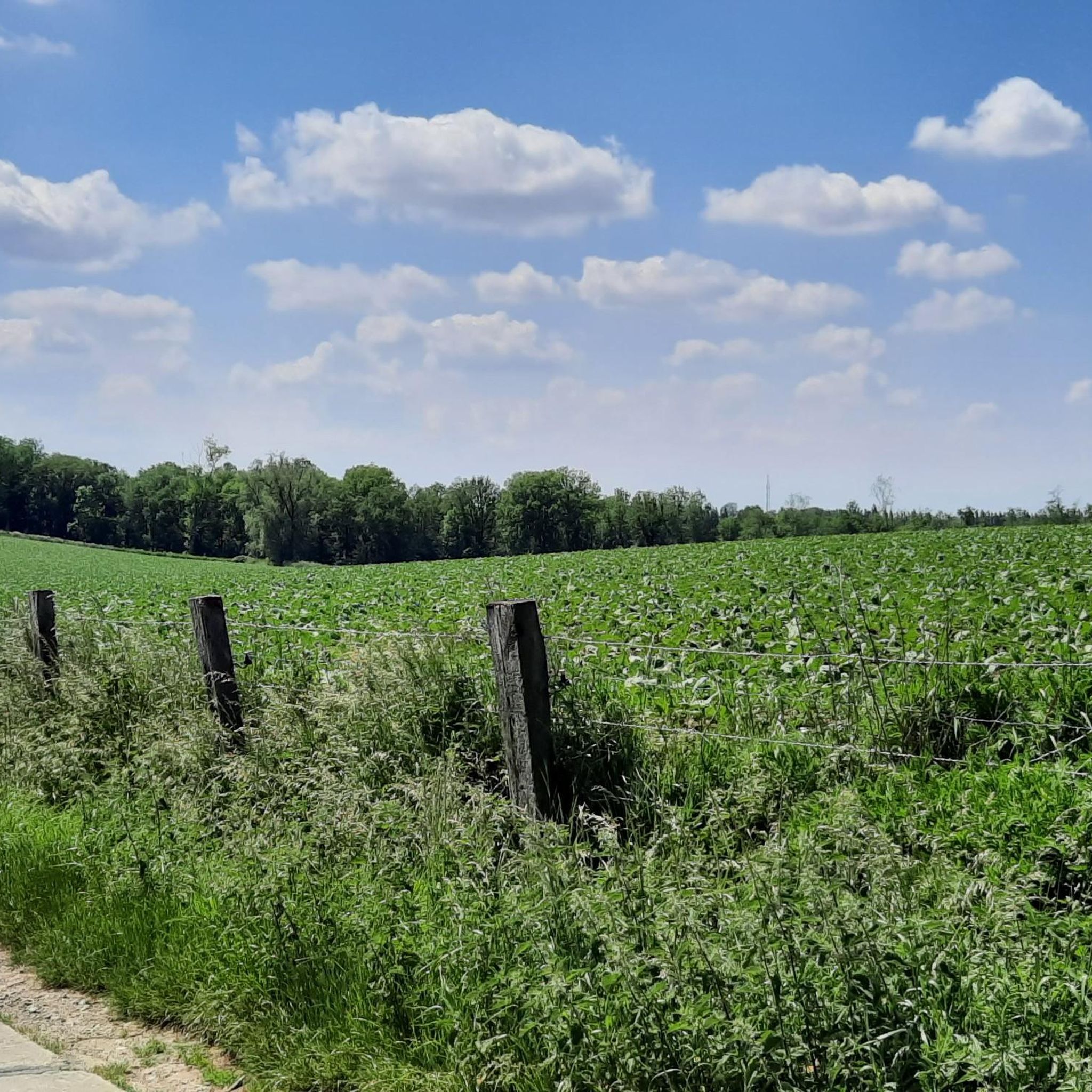
Hop fields around the St. Sixtus Abbey 🍺🌿 Typical Poperingse hop fields regularly appear around the St. Sixtus Abbey. The meters-high wooden poles and wire nets form an impressive landscape where the hop plants enthusiastically climb upwards in the summer. In spring, the first green tendrils appear, and in late summer, the fragrant hop cones are ready for harvest. Even outside the growing season, the tall poles remain a recognizable feature of the landscape. A typical piece of the Poperingse region that immediately gives your bike tour around the abbey extra character! 🚴♂️
5
0

The Rijselpoort (Lille Gate) is a city gate in the Belgian city of Ypres. It is located in the south of the city center, on the road to Lille. The Rijselpoort is the oldest and only preserved city gate from the fourteenth century, connecting two remaining sections of Ypres's fortifications.
0
0

asphalt cycle path.
0
0

Hill 60 is an authentic area from the First World War. The artificial hill, built in 1850, stood at a height of approximately 60 meters, hence the name Hill 60. Between 1914 and 1918, fierce fighting took place here between the Germans and the Allies. Starting in 1915, both sides dug tunnels under the hill in which mines were detonated. The explosion of the deep mines on June 7, 1917, created the current landscape of Hill 60. Many soldiers are still buried beneath this hill.
0
0

Hill 62, also known as Sanctuary Wood, is home to the Canadian Hill 62 Memorial, which commemorates the actions of the Canadian Corps in the defence of the southern sector of the Ypres Salient between April and August 1916. This memorial marks the first time that Canadian divisions were involved in planned offensive operations during the war.
8
0
Tyne Cot Cemetery is the largest Commonwealth cemetery in the world, located near Passchendaele. It was established in October 1917 and contains over 11,000 graves of soldiers who died during the First World War. The site was strategically important during the Battle of Passchendaele and was used as an advanced dressing station after its capture by the 3rd Australian Division on 4 October 1917. The cemetery was designed by Sir Herbert Baker and includes an impressive Cross of Sacrifice, built on a former German bunker. The cemetery was significantly expanded after the Armistice to include graves from nearby battlefields and smaller cemeteries.
8
0
Frequently Asked Questions
How many touring cycling routes are available around Ypres?
Ypres offers a wide selection of touring cycling routes, with over 290 options available. These routes cater to various skill levels, including 143 easy, 130 moderate, and 26 difficult trails.
What is the best time of year for touring cycling in Ypres?
The region around Ypres is generally accessible for cycling throughout much of the year due to its gentle terrain. Spring and autumn offer pleasant temperatures and beautiful scenery, while summer provides longer daylight hours. Even in winter, the flat landscape can be suitable for cycling, though conditions may vary.
What are the general characteristics of the terrain for touring cycling in Ypres?
The terrain around Ypres is predominantly flat, characterized by picturesque Flandrien countryside and green surroundings. While mostly level, some routes feature very gentle, short climbs and descents, providing slight variations without being overly challenging. This makes the area accessible for cyclists of varying skill levels.
Are there easy touring cycling routes suitable for beginners or families?
Yes, Ypres is very family-friendly for touring cyclists. There are 143 easy routes available, perfect for beginners or those looking for a relaxed ride. These routes often utilize quiet country roads or dedicated cycle paths, ensuring a pleasant and safe experience.
What historical landmarks can I explore while cycling around Ypres?
Ypres is rich in World War I history, and many cycling routes are designed to visit significant sites. You can explore battlefields and memorials such as the Hill 60 preserved Battlefield. Routes like the Peace Route guide you through these poignant historical areas.
Are there any natural features or scenic viewpoints to discover on the routes?
Yes, beyond its historical significance, Ypres offers charming natural landscapes. You can cycle through areas like Hellegat Forest and Polygoonbos, known for their natural beauty. Provincial Domain De Palingbeek is another lovely spot for relaxation. While the region is mostly flat, the Flandrien countryside provides picturesque views.
What other attractions are near the touring cycling routes in Ypres?
Beyond the WWI sites, you can find other interesting attractions. For example, the Hill 60 Memorial – Ypres–Comines Canal loop from Ieper combines historical sites with scenic stretches along the canal. You might also encounter highlights like Mont Noir (West) or the Lijstermolen on the Baneberg, which are part of the broader regional landscape.
Are there circular touring cycling routes available in Ypres?
Yes, many touring cycling routes around Ypres are designed as circular loops, allowing you to start and end at the same point. Examples include the Hill 60 Memorial – Zillebeke Pond loop from Ieper and the Ypres Ramparts – Hop field loop from Sint-Jan, making planning your ride convenient.
Where can I park my car when starting a touring cycling route in Ypres?
Ypres, as a popular cycling destination, offers various parking options. You can typically find parking in and around the city center or near major historical sites and provincial domains, which often serve as starting points for routes. It's advisable to check local parking regulations upon arrival.
Are there places to stop for refreshments or food along the touring cycling routes?
Yes, the Ypres region is well-equipped with amenities for cyclists. Many routes pass through charming villages or near historical sites where you can find cafes, pubs, and restaurants to refuel. The extensive cycling network often integrates with local communities, providing ample opportunities for breaks.
Can I bring my dog on touring cycling routes in Ypres?
Many outdoor areas and routes in Ypres are dog-friendly, especially those that follow quiet country roads or dedicated paths. However, it's always recommended to keep your dog on a leash and be mindful of local regulations, particularly in nature reserves or near historical monuments. Always ensure your dog is comfortable with the distance and terrain.
What do other touring cyclists say about the routes in Ypres?
The touring cycling routes in Ypres are highly regarded by the komoot community, boasting an average rating of 4.6 stars from over 480 reviews. Cyclists often praise the well-maintained paths, the historical significance of the sites, and the gentle, scenic Flandrien countryside that makes for an enjoyable ride.
Most popular attractions around Ypres

Get inspired with the komoot mobile app


Explore more
Browse the best Cycling routes in other regions.
