The best running trails around Koksijde
4.3
(198)
13,865
runners
254
runs
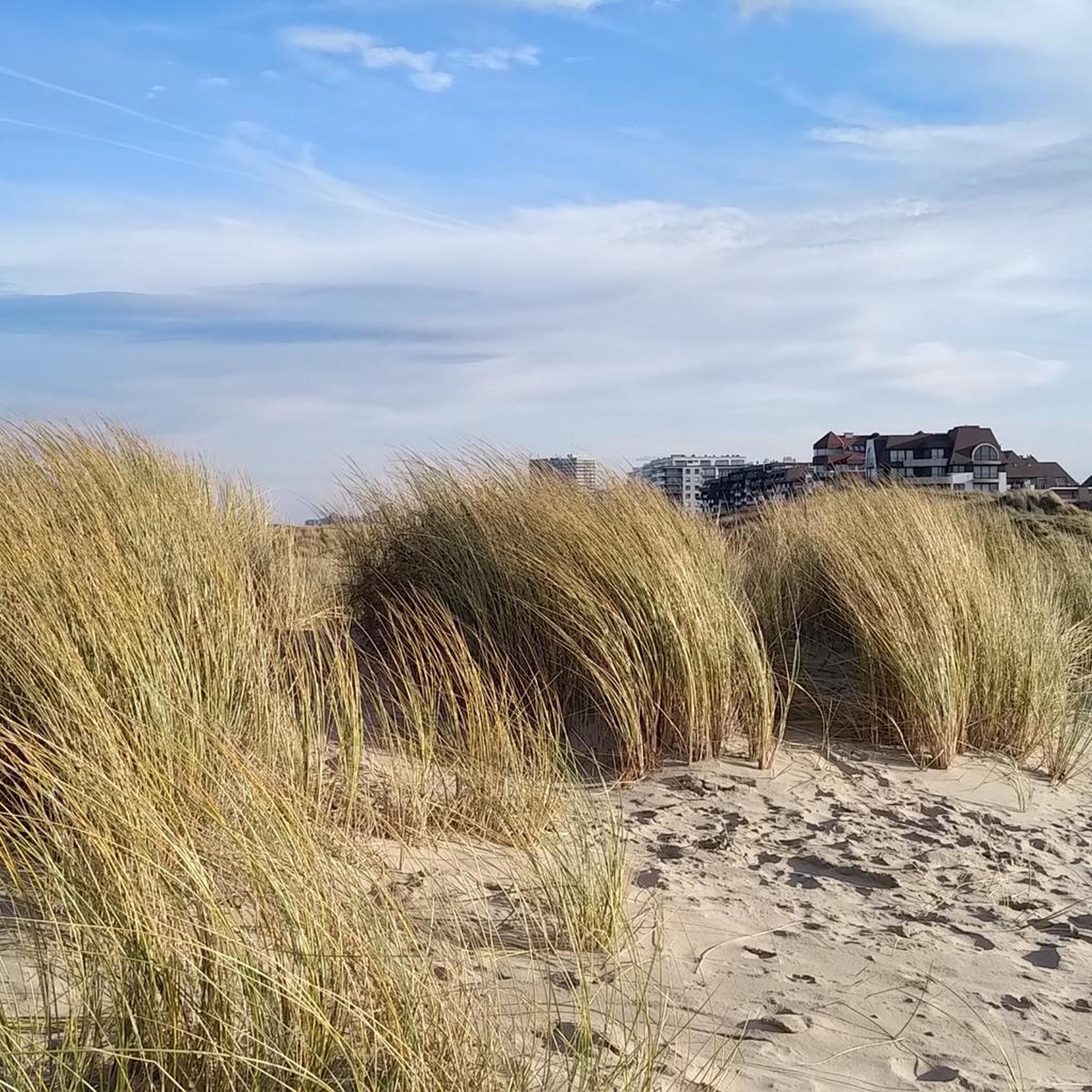
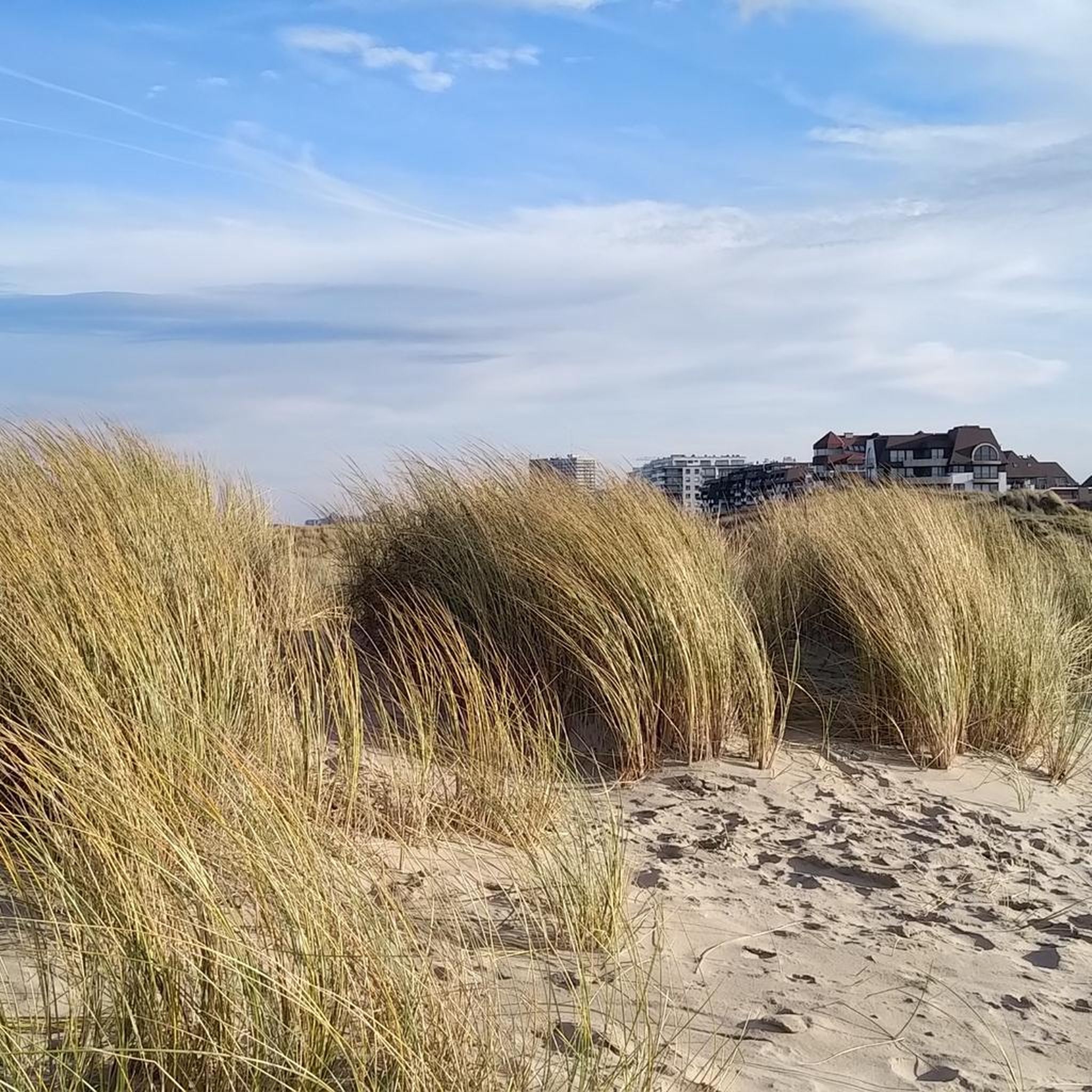
Jogging around Koksijde offers a diverse range of running experiences along the Belgian coast. The region is characterized by expansive sandy beaches, coastal dunes, and nature reserves like the Hoge Blekker, providing varied terrain for runners. While generally flat, some routes incorporate gentle ascents over dunes, offering slight elevation changes. This coastal environment makes for accessible running routes with scenic views of the North Sea and surrounding landscapes.
Best jogging routes around Koksijde
- The most popular jogging route is Climb Hoge Blekker – De Doornpanne loop from Spelleplekke, a 11.0 miles (17.7 km) trail that takes 2 hours 0 minutes to complete. This challenging route explores the Hoge Blekker dune area.
- Another top favourite among local runners is Pier Kloeffe Statue, De Panne – De Panne Beach Huts loop from Koksijde, a moderate 7.8 miles (12.5 km) path. This route offers coastal views and passes by beach huts, providing a classic seaside running experience.
- Local runners also love the IJzer Estuary Nature Reserve – Nieuwpoort Harbour Entrance loop from Nieuwpoort, a 4.7 miles (7.6 km) trail leading through the IJzer Estuary Nature Reserve, often completed in about 47 minutes.
- Jogging around Koksijde is defined by coastal paths, extensive dune systems, and nature reserves. The network offers options for various ability levels, from easy jogs along the beach to more advanced routes through the dunes.
- The routes in Koksijde are highly rated by the komoot community with an average score of 4.3 stars from over 140 reviews. More than 10,000 runners have used komoot to explore Koksijde's varied terrain.
Last updated: July 1, 2026
4.8
(12)
583
runners
Hard run. Very good fitness required. Mostly paved surfaces. Suitable for all skill levels.
2.5
(2)
481
runners
Moderate run. Good fitness required. Mostly paved surfaces. Suitable for all skill levels.

Sign up for free
4.7
(3)
415
runners
31.7km
03:42
100m
100m
Hard run. Very good fitness required. Mostly paved surfaces. Suitable for all skill levels.
3.7
(3)
352
runners
11.2km
01:19
30m
30m
Moderate run. Good fitness required. Mostly paved surfaces. Suitable for all skill levels.
4.6
(5)
304
runners
18.8km
02:08
50m
50m
Hard run. Very good fitness required. Mostly paved surfaces. Suitable for all skill levels.
Get access to more routes and recommendations from other explorers.
Sign up for free
Already have an account?
Our route recommendations are based on thousands of hikes, rides, and runs completed by other people on komoot.
Start today with a free account
Your next adventure awaits.
Login or Signup
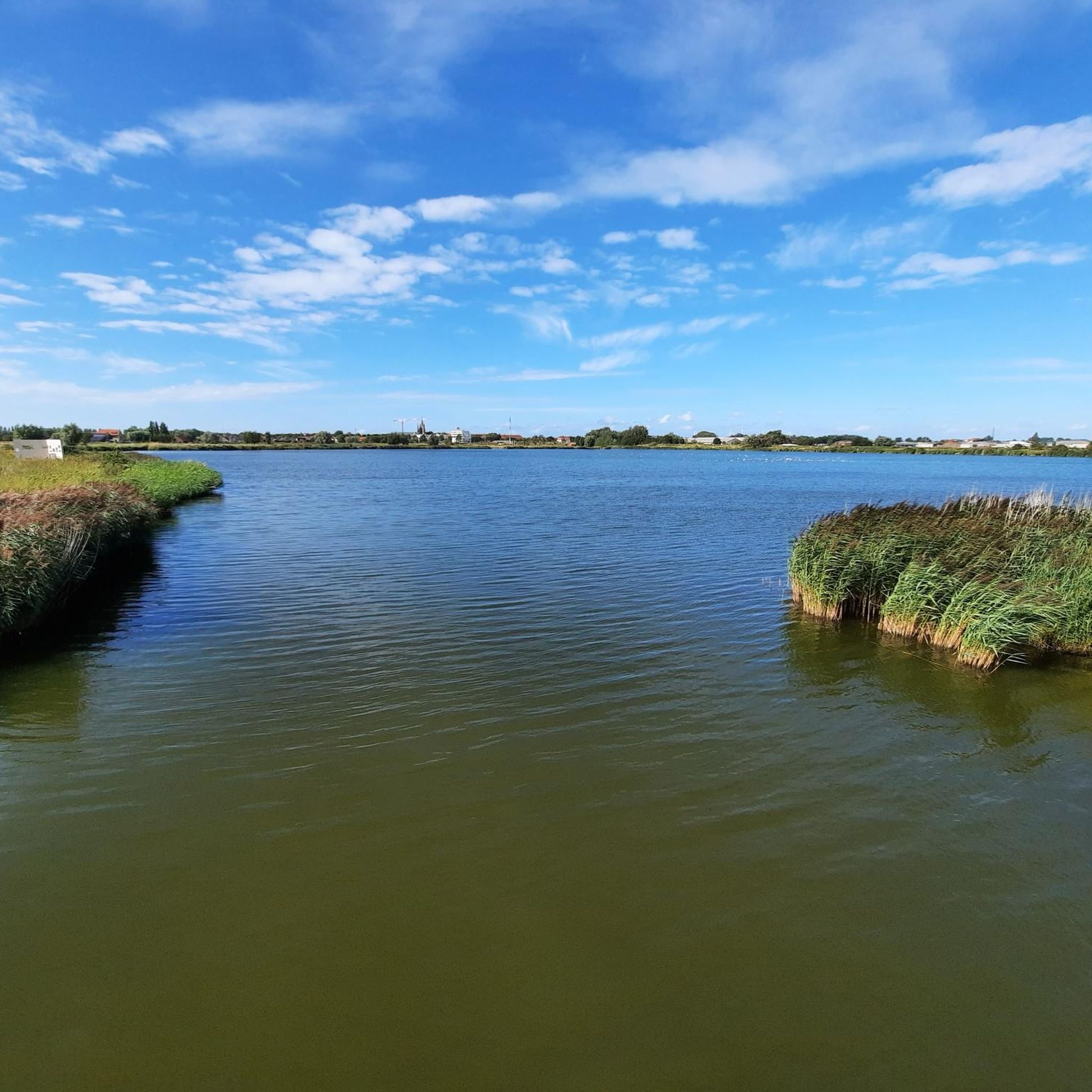


Tips from the Community

A modernist religious building, original in its form, the materials used, and its very simple interior: constructed of concrete, glass concrete, and steel, the color of its walls evokes that of dunes, its shape that of a hull. Its steel roof, covered with blue tiles, is shaped like two waves breaking into one another; it is surmounted by a copper sphere 1.20 meters in diameter and a cross 5.5 meters high. The light that enters through contemporary stained-glass windows, the work of the Chartres master glassmaker Gabriel Loire, has given rise to its other name, the "cathedral of lights." When the sun's rays pass through them, the effect is magnificent. A protected monument since 2005, it is well worth a visit.
3
0

These striking statues can be placed alongside monuments like the Statue of Liberty (New York) or Christ the Redeemer (Rio de Janeiro) thanks to their heroic-realistic character. Originally, such statues served as guides, but now they've become true must-sees. The three heads are also true wiseguys: each stubbornly looks in a different direction: towards France, England, or the Belgian countryside.
0
0
With only a pedestal for a body and their identical faces, the Three Wise Men of De Panne brave the elements. Their monolithic stature towers over the coastline. They fit into a tradition of realistic, public sculptures with a heroic function, such as the Statue of Liberty in New York Harbor, the Cristo Redentor in Rio de Janeiro, or, in the distant past, the Colossus of Rhodes. They stand as guardians or guardian angels for those sailing the sea, and as symbolic protectors of a port or coastal city. Originally serving as a welcoming beacon or guidepost, these statues have become a tourist attraction over time, from a point of reference to the destination itself. Originally, "wisdom" was a colloquial term for a scholar or wise person; now, it's used to describe a know-it-all who confuses wisdom with arrogance. With "The Three Wise Men of De Panne," Jos de Gruyter and Harald Thys have combined the original meaning with an extremely literal interpretation: the "pointing" of the nose. Nothing is as effectively guiding as a human nose; as laughable and banal as it is insurmountable and fundamental. Over each other's heads, the wise men look towards England, France, and the interior respectively, their gaze fixed on infinity. The thoughts, observations, and enigmatic knowledge of their gigantic minds likely extend from these three areas and reach much further. Source: https://www.dekust.be/beaufort-de-drie-wijsneuzen-van-de-panne
4
0
On July 17, 1831, then-Prince Leopold of Saxe-Coburg arrived in De Panne, shortly after Belgium's independence. In 1958, this statue was unveiled by then-mayor Gevaert in the presence of King Baudouin.
2
0
Petrus Decreton may not sound familiar, but you'll probably recognize his nickname, Pier Kloeffe. The Icelandic explorer who regularly fished on the beach after the First World War was immortalized in a bronze statue by Louis Van Den Eynde. Source: https://www.strandverblijf.be/nl/wandelingen/beeldenroute-de-panne
4
0
The sculptor is Fernand Vanderplancke, and the bronze caster is Peter Berghman (Roeselaere, 1964). In 1994, De Panne commissioned Bruges sculptor Fernand Vanderplancke, who lives in Oostduinkerke, to create a work of art that references the sea and is constantly in motion. The result is three seagulls atop a 7-meter-high pole. "The stylized seagulls symbolize the freedom that is central to a beach holiday at De Panne. The seagulls are connected at only a few points and hang on a pole at a height of seven meters." Source: De Panne, beeld voor beeld, Cultuurdienst
3
0
A beautiful church where the many stained-glass windows playfully play with the daylight. History and architectural style: The parish was founded in 1955. The St. Anthony Chapel was used until 1965. Construction of the current church began in 1959 and was completed in 1964. The architectural style was inspired by the flowing movements of the dune sand and the waves of the sea. Because of its modern architecture and the spectacular incidence of light, the church is called the "cathedral of light." It is therefore a unique church building in Flanders that continues to inspire churchgoers and tourists to a serene visit. More information is available on-site.
0
0
A beautiful church where the many stained-glass windows playfully play with the daylight. History and architectural style: The parish was founded in 1955. The St. Anthony Chapel was used until 1965. Construction of the current church began in 1959 and was completed in 1964. The architectural style was inspired by the flowing movements of the dune sand and the waves of the sea. Because of its modern architecture and the spectacular light, the church is called the "cathedral of light." It is therefore a unique church building in Flanders that continues to inspire churchgoers and tourists to a serene visit. More information is available on-site.
6
0
Frequently Asked Questions
How many running routes are available in Koksijde?
Koksijde offers a wide selection of running experiences, with over 220 routes available. These range from easy coastal jogs to more challenging trails through the dunes.
What kind of terrain can I expect on Koksijde's running trails?
The running trails in Koksijde are characterized by diverse coastal terrain. You'll find expansive sandy beaches, extensive dune systems, and nature reserves like the Hoge Blekker. While generally flat, some routes incorporate gentle ascents over dunes, offering slight elevation changes and varied surfaces.
Are there running routes suitable for beginners in Koksijde?
Yes, Koksijde has several easy running routes perfect for beginners. There are 17 routes specifically categorized as easy, providing gentle paths to enjoy the coastal scenery without significant challenges.
Can I find challenging long-distance running trails in Koksijde?
Absolutely. For experienced runners seeking a challenge, Koksijde offers 36 difficult routes. One notable option is the Beach of De Panne – Westerpunt loop from Koksijde, which covers over 24 kilometers and includes varied coastal terrain.
Are there circular running routes in Koksijde?
Many of Koksijde's running routes are designed as loops, allowing you to start and finish in the same location. For example, the popular Pier Kloeffe Statue, De Panne – De Panne Beach Huts loop from Koksijde offers a moderate 12.5 km circular path with coastal views.
What natural sights can I see while running in Koksijde?
While running in Koksijde, you can explore beautiful natural monuments. Highlights include the Yser Estuary, Nieuwpoort, the Krakeelduinen Nature Reserve, and the impressive De Doornpanne dune area. You might even spot the unique Shrimp Fishermen on Horseback at Oostduinkerke Beach.
Are there any historical landmarks or castles near the running paths?
Yes, Koksijde's surroundings feature several historical sites and castles. You could combine your run with a visit to Beauvoorde Castle or the Viconia Castle Farm. The Kasteel-Hospitaal Cabour and Cabour Dunes also offer a glimpse into World War I history.
What do other runners say about the routes in Koksijde?
The running routes in Koksijde are highly regarded by the komoot community, with an average rating of 4.3 stars from over 140 reviews. More than 10,000 runners have used komoot to explore the varied terrain, often praising the scenic coastal views and well-maintained paths.
Are the running routes in Koksijde suitable for families?
Many of Koksijde's easier and moderate routes are suitable for families, especially those along the beach or through less challenging dune areas. The generally flat nature of the region makes it accessible for various fitness levels, allowing families to enjoy a run together.
Are there dog-friendly running routes in Koksijde?
Koksijde offers several running routes where dogs are welcome, particularly in designated areas and during specific times of the year on the beaches. It's always recommended to check local signage and regulations, especially concerning nature reserves and protected dune areas, to ensure a pleasant experience for both you and your dog.
Can I access running trails in Koksijde using public transport?
Yes, Koksijde is well-connected by public transport, particularly the coastal tram (Kusttram) which runs along the entire Belgian coast. Many running trails are accessible from tram stops, making it convenient to reach various starting points without a car. Local bus services also connect to different parts of the municipality.
Are there running routes with good parking options in Koksijde?
Koksijde provides various parking facilities, especially near popular beach access points and town centers. Many running routes, particularly those starting from the main coastal areas or near attractions, have convenient parking nearby. For example, routes around the Hoge Blekker or starting from Koksijde-Bad often have accessible parking.
What is the best time of year for running in Koksijde?
Running in Koksijde is enjoyable year-round, but the spring and autumn months offer particularly pleasant conditions with milder temperatures and fewer crowds. Summer is popular for coastal runs, though it can be busier. Winter running is also possible, with crisp air and unique coastal scenery, but be prepared for potentially windy conditions.
Most popular attractions around Koksijde

Get inspired with the komoot mobile app


Explore more
Browse the best Running Trails & Routes in other regions.
