Attractions and Places To See around De Panne - Top 20
Best attractions and places to see around De Panne include a diverse coastal landscape characterized by wide sandy beaches and extensive dune reserves. The region offers a blend of natural beauty, historical landmarks, and family-friendly activities. Visitors can explore unique ecosystems where fresh and saltwater meet, discover architectural heritage, and engage in various outdoor pursuits. The area provides opportunities for both cultural exploration and outdoor adventures.
Best attractions and places to see around De Panne
- The most popular attractions is Veurne Market Square, a historical site and viewpoint. This square is characterized by pointed towers and magnificently decorated, stepped gables, featuring monumental buildings partly in the Renaissance style.
- Another must-see spot is Yser Estuary, Nieuwpoort, a river where salt and fresh water meet, creating a special biotope with mud flats, salt marshes, dunes, and polders. An extensive network of cycling and hiking trails allows exploration of this natural beauty.
- Visitors also love Maerebrug (Maere Bridge) over the Nieuwpoort–Dunkirk Canal, a steel bridge designed for cyclists, pedestrians, and horse riders. This bridge connects the Belgian and French nature reserves and was built to integrate into the rural environment.
- De Panne is known for its natural features like wide beaches and dune reserves, historical sites, and cycling paths. The region offers a variety of attractions to see and explore, from coastal landscapes to cultural landmarks.
- The attractions around De Panne are appreciated by the komoot community, with more than 1100 upvotes and over 500 photos shared by visitors.
Last updated: October 9, 2026
Veurne Market Square
Highlight • Historical Site
Translated by Google •
Tip by

Yser Estuary, Nieuwpoort
Highlight • River
Translated by Google •
Tip by

Sign up now to discover places like this
Get recommendations on the best single tracks, peaks, & plenty of other exciting outdoor places.
IJzer Estuary Nature Reserve
Highlight • Natural
Translated by Google •
Tip by
Frontzate Railway Path
Highlight • Cycleway
Translated by Google •
Tip by

Maerebrug (Maere Bridge) over the Nieuwpoort–Dunkirk Canal
Highlight • Bridge
The bridge is located on the border France - Belgium
Translated by Google •
Tip by

Sign up for free to discover even more attractions around De Panne.
Already have an account?
Start today with a free account
Your next adventure awaits.
Popular around De Panne
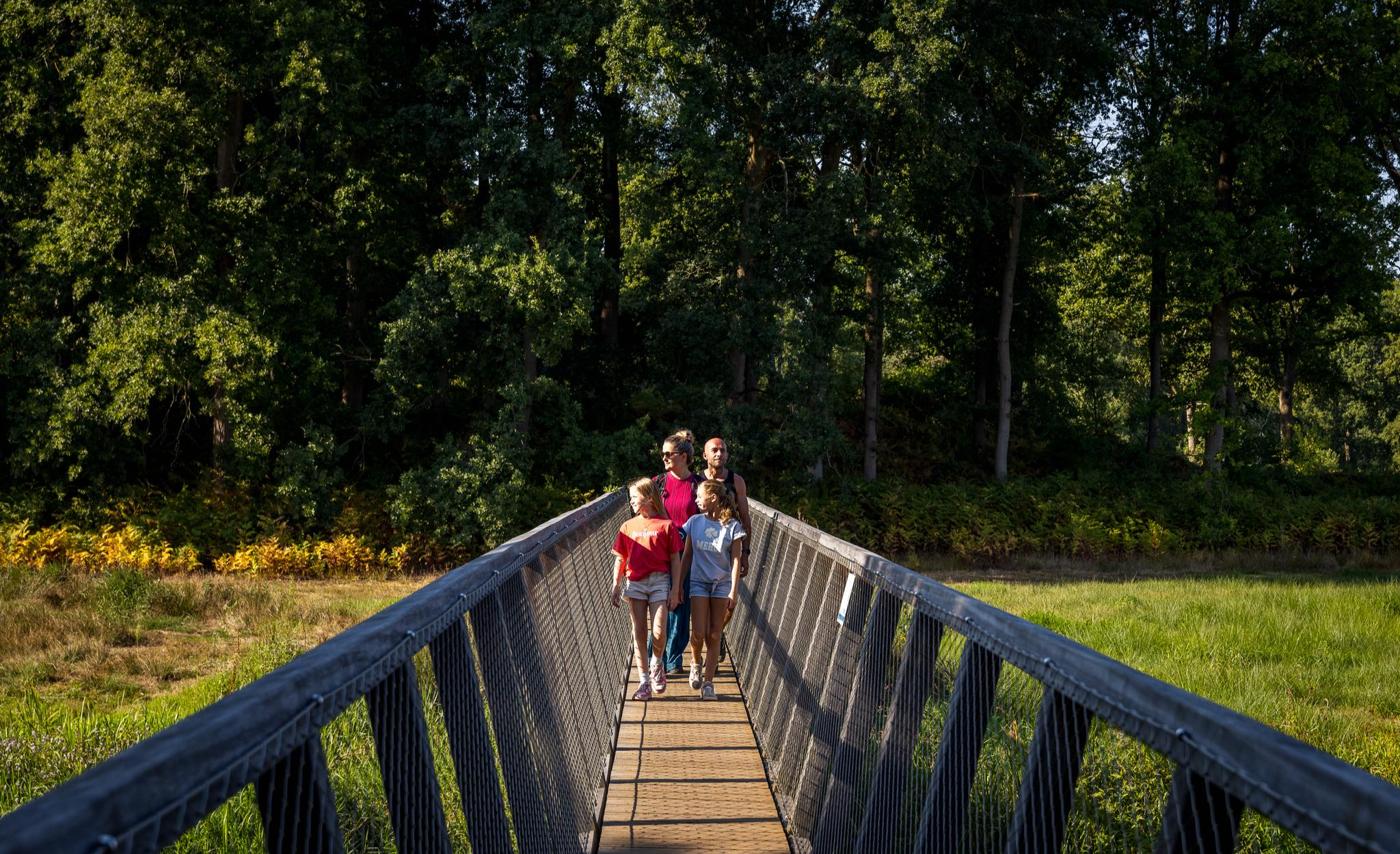
Flanders’ Finest Hiking Routes
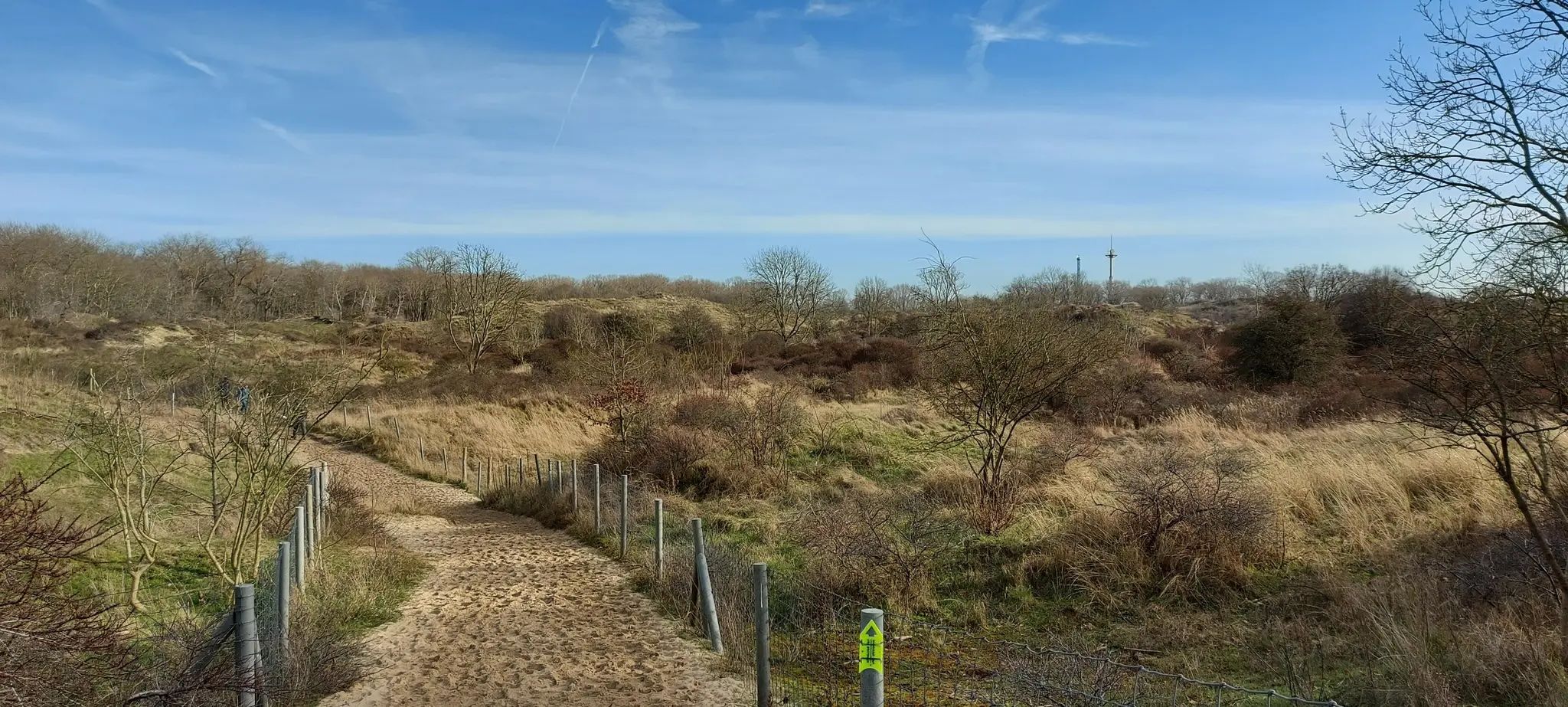
From De Panne to het Zwin – Belgian coastal path (Streek GR Kust)
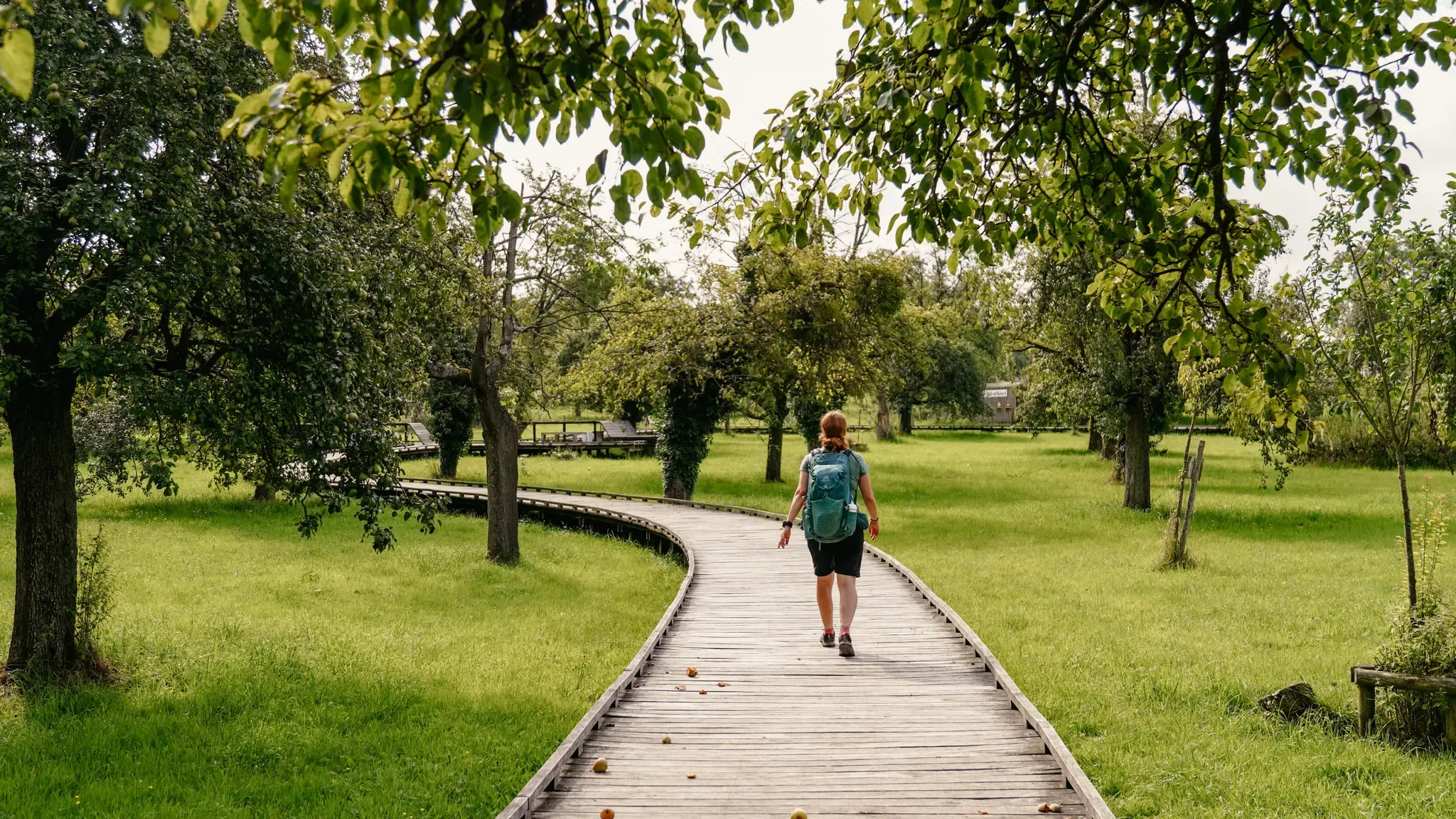
Hiking in Flanders – between dunes, forest and the scenic Meuse
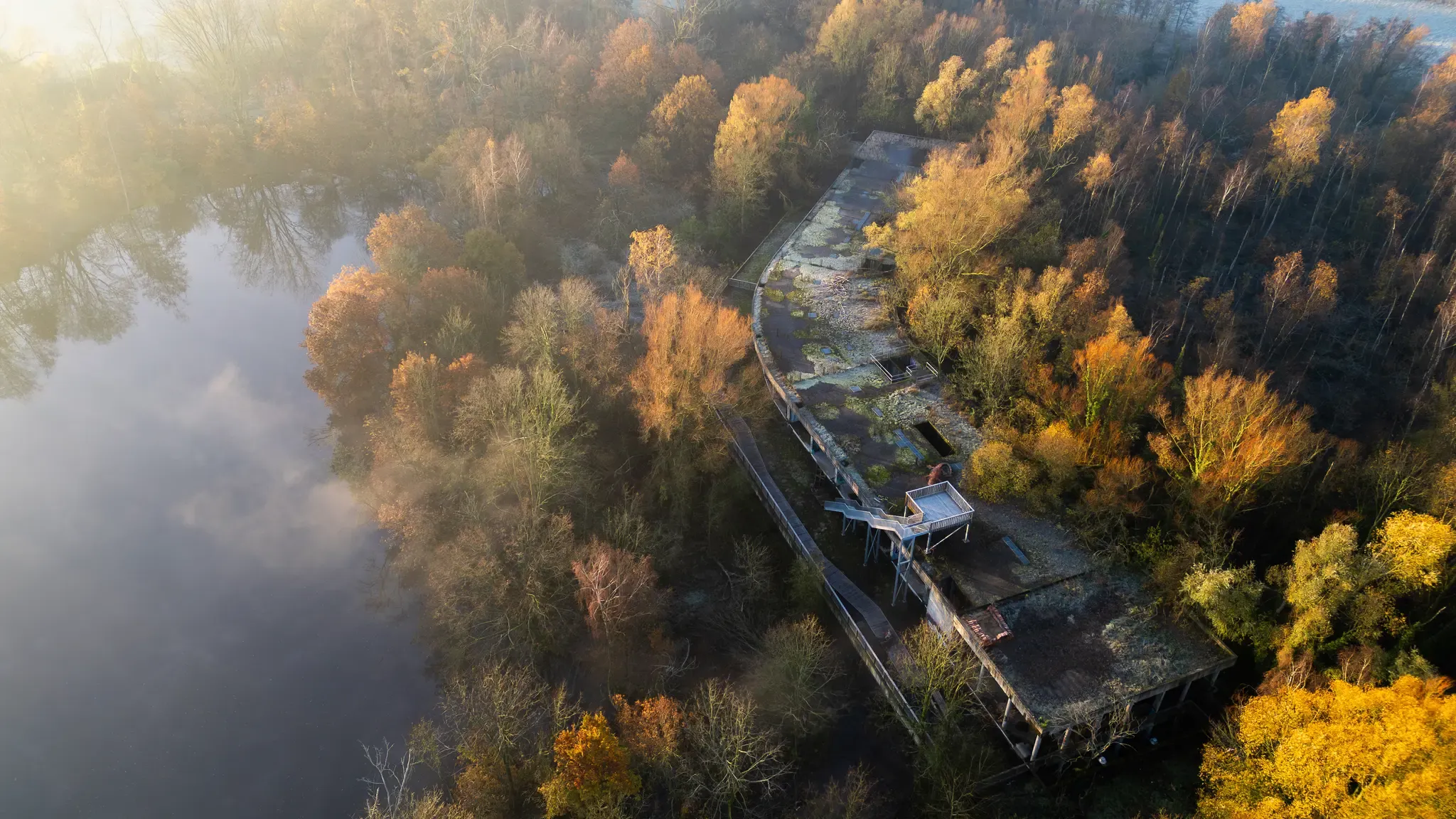
Treinstappers – from station to station in Flanders
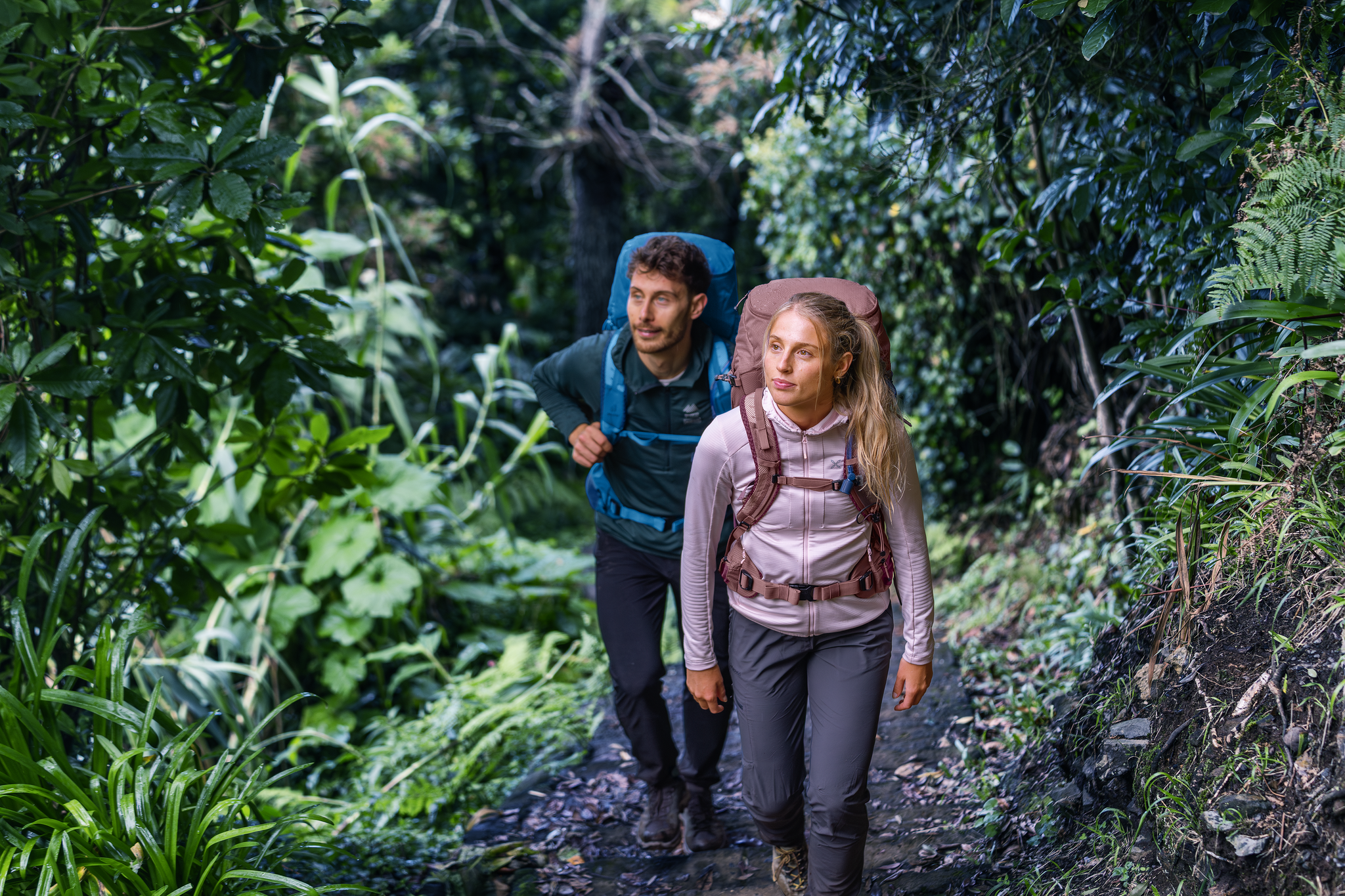
Rucksack auf und los – Weitwandern mit deuter in Belgien und den Niederlanden
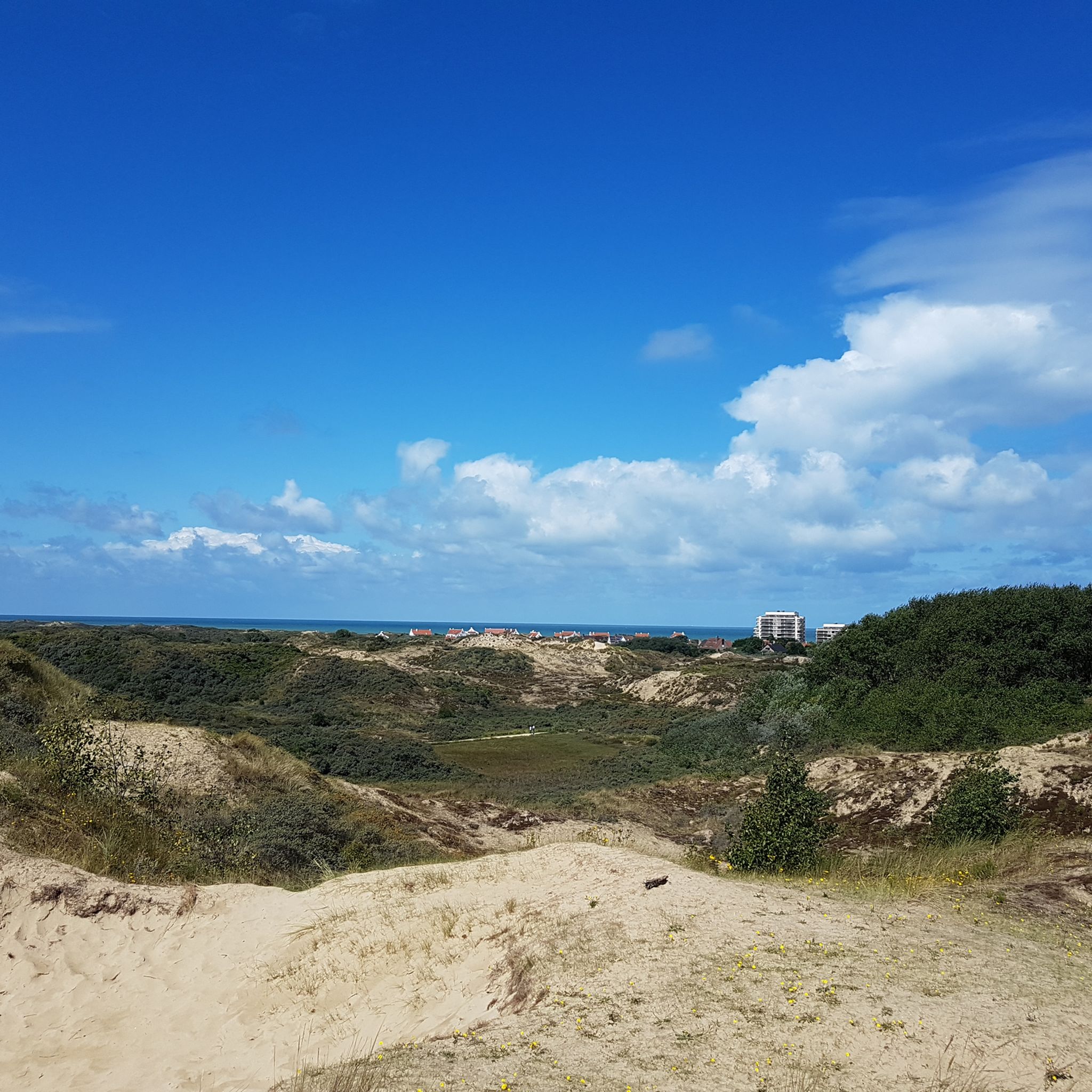
Hiking around De Panne
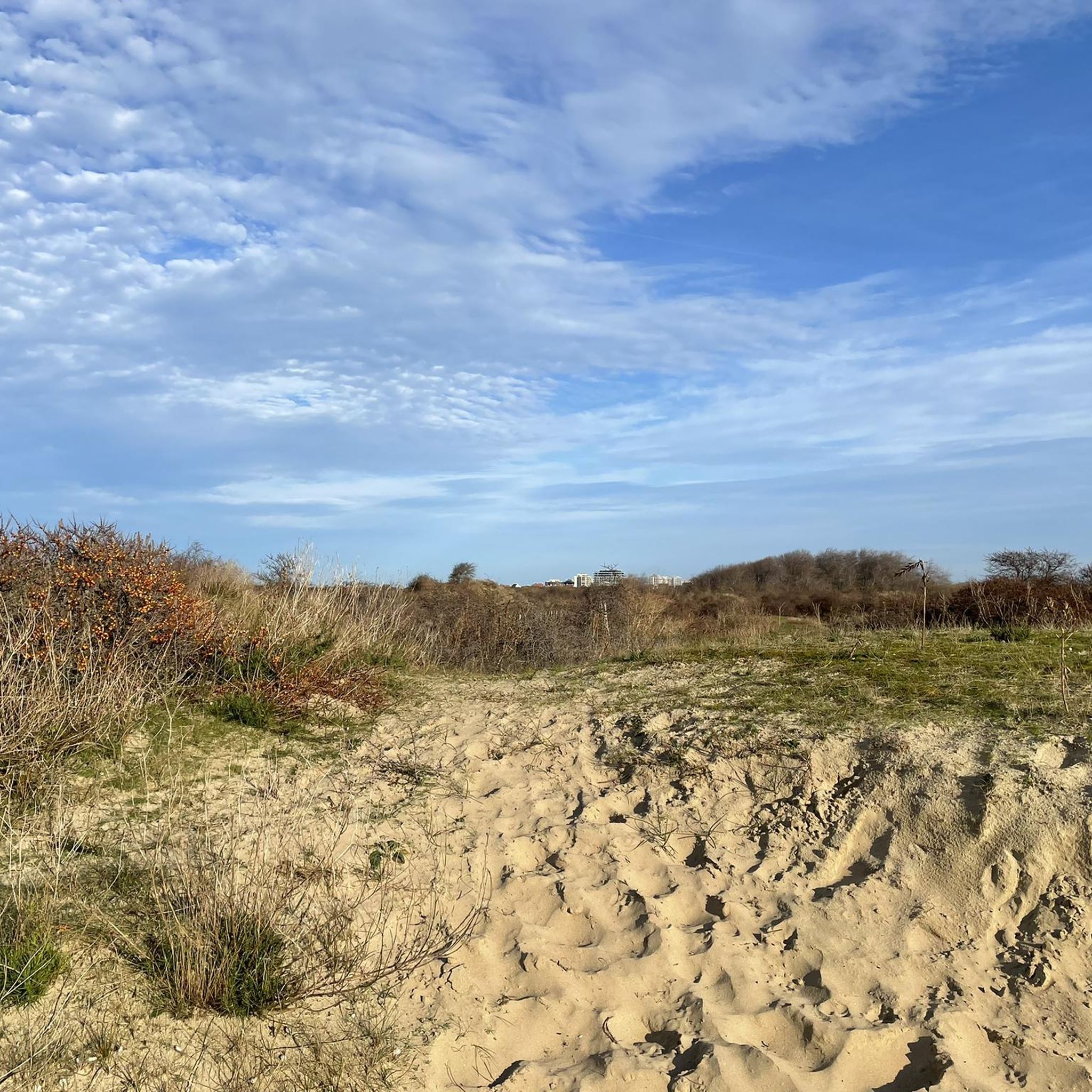
Cycling around De Panne
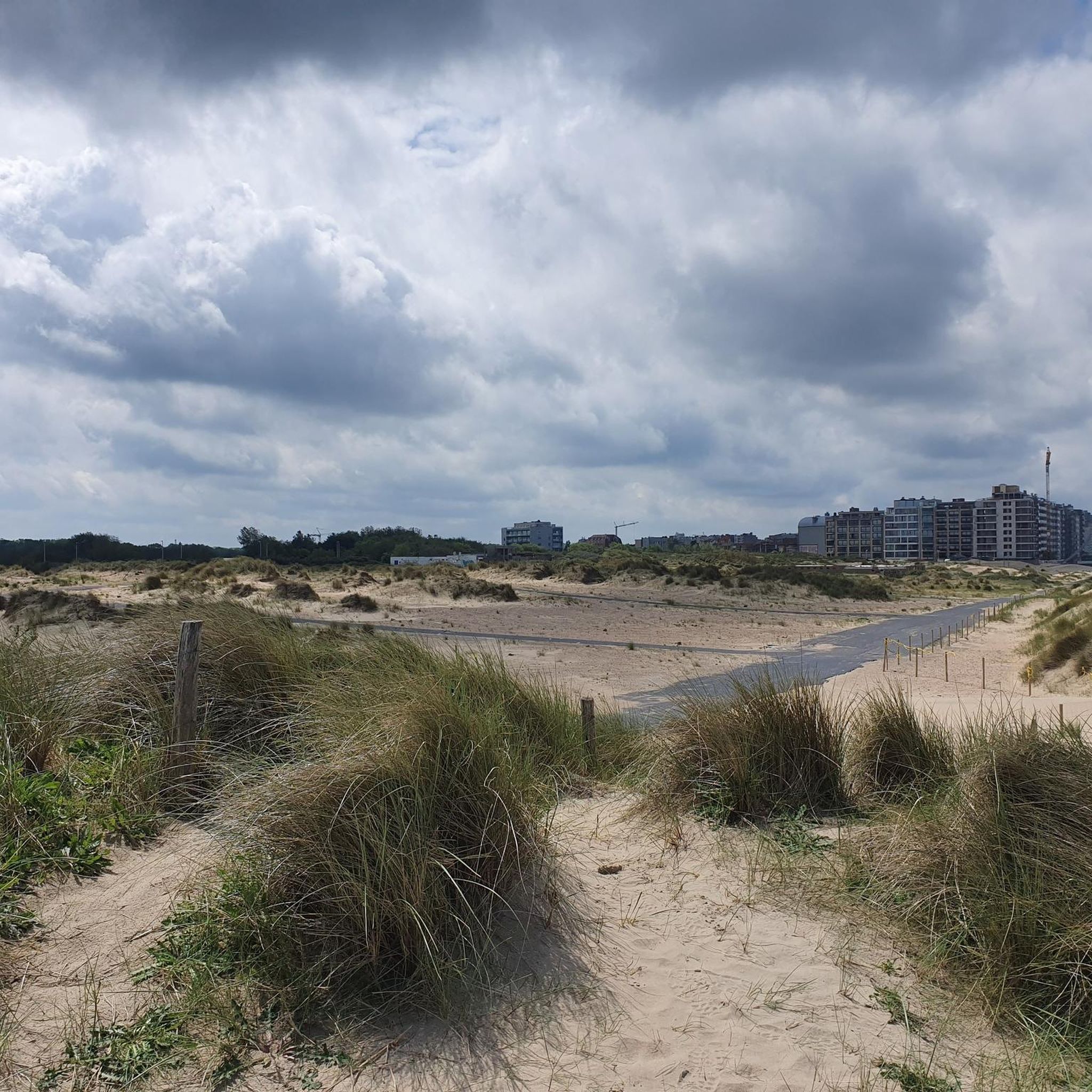
Running Trails around De Panne
Road Cycling Routes around De Panne
MTB Trails around De Panne
Other adventures around De Panne


Tips from the Community

The pedestrian and cycle ferry is free and you can save a lot of distance
0
0

Wooden plank floor is being renovated, autumn 2025
1
1

A nature reserve with a rare wealth of fauna and flora unequaled in Belgium, except in the Zwin nature reserve. The freshwater of the Yser, the only river in Belgium that flows directly into the North Sea, mixes with the salty seawater. Tidal action has created a unique mudflat and salt marsh area, an ideal breeding ground for a rich variety of benthic organisms such as worms, snails, seaweed, shells, and crustaceans. The constant interaction between salt and freshwater in the Yser estuary also creates a unique biotope, characterized by salt-tolerant plants such as samphire, sea plantain, and sea aster. Source: https://www.dekust.be/natuurreservaat-de-ijzermonding
1
0

The Maerebrug in De Panne is an elegant steel bridge spanning the Nieuwpoort–Dunkirk Canal and playing a vital role in the Westhoek recreational network. Designed with gentle slopes on both sides, it is easily accessible for cyclists, walkers, and horse riders. With a width of four meters and a span of 33 meters, the bridge offers safe and comfortable passage over the water and forms a link between Belgian and French nature reserves.
1
0

During holidays it is nice to take the ferry that takes you to the other side for free - with or without a bicycle
2
0
The Frontzate in Nieuwpoort, also known as railway line 74, played an important role during the First World War. This former railway line between Diksmuide and Nieuwpoort-Bad became a strategic line of defense against the German army. During the Battle of the Yser in October 1914, the railway bed was used as a water barrier to limit the flooding of the Yser plain to the area between the Yser and the railway. This stopped the German advance and the area between the Yser and the railway bed became a swampy no man's land. The railway bed itself was reinforced with shelters and trenches, and served as the first line of the Belgian army.
9
0
The Yser is historically important because of the role it played during the First World War. The river formed a natural defense line and was the scene of fierce fighting. Today, you can find various monuments and memorials along the Yser that commemorate this period, such as the Yser Monument at the Ganzepoot. Here on the left bank of the Yser estuary, the cycle route "cycling along the front line of the First World War" also begins. (Nieuwpoort - Bazel)
5
0

Impressive buildings, cafes and parks invite you to linger
5
1
Frequently Asked Questions
What natural attractions can I explore around De Panne?
De Panne is rich in natural beauty. You can visit the Yser Estuary, Nieuwpoort, a unique biotope where fresh and saltwater meet, offering extensive cycling and hiking trails. The Westhoek Nature Reserve, the largest dune landscape on the Belgian coast, features diverse vegetation and wandering dunes. Other notable areas include the Cabour Dunes, Calmeynbos, and Oosthoekduinen, all providing opportunities for nature walks and wildlife spotting.
Are there any historical or cultural sites to visit in the area?
Yes, the region offers several historical and cultural sites. The Veurne Market Square is a must-see, known for its impressive architecture and historical buildings. You can also explore the Dumont Quarter, an architectural heritage gem with its distinctive cottage-style brick architecture. The Statue of King Leopold I on Leopold I Esplanade commemorates Belgium's first king, and the Paul Delvaux Museum, just outside De Panne, showcases the works of the renowned surrealist painter.
What family-friendly activities are available in De Panne?
De Panne is very family-friendly.
A major attraction is Plopsaland De Panne, a popular theme park with rides and shows for all ages. For aquatic fun, Plopsaqua De Panne is a Viking-themed indoor and outdoor water park. The Provincial Visitor Center Duinpanne also offers a free exhibition about sea, beach, and dune life, along with activities for children. Many natural areas like the Yser Estuary are also suitable for families.
Can I find good cycling routes near De Panne's attractions?
Absolutely! De Panne and its surroundings have well-maintained cycling paths. You can find various routes, from easy to difficult, that take you past many attractions. For example, there's an easy 12 km route from De Panne to the Fondation Paul Delvaux. You can explore more options and detailed routes on the Cycling around De Panne guide.
Are there opportunities for hiking or walking in nature reserves?
Yes, De Panne is excellent for hiking and walking. The Westhoek Nature Reserve and the IJzer Estuary Nature Reserve offer extensive networks of marked trails through dunes, mudflats, and salt marshes. The Frontzate Railway Path is another great option, a 15 km walking and cycling path with historical significance. For more detailed routes, check out the Running Trails around De Panne guide, which includes many suitable walking paths.
What unique outdoor activities can I try in De Panne?
Beyond hiking and cycling, De Panne offers unique outdoor experiences. You can try beach sailing at the Royal Sand Yacht Club, where professionals can reach high speeds. Horse riding along the extensive beaches and through the dune areas is also a popular activity. The wide De Panne Beach is perfect for kite flying and various water sports.
How can I get around to see different attractions along the coast?
The Coastal Tram is an excellent way to explore the region. It's the longest tram line in the world, with several stops in De Panne, allowing easy access to other seaside towns along the Belgian coast and offering beautiful views of the North Sea.
Are there any attractions that are wheelchair accessible?
Yes, several attractions are designed to be accessible. The Veurne Market Square is generally wheelchair-friendly. The Maerebrug (Maere Bridge), connecting Belgian and French nature reserves, was specifically built with soft access ramps for cyclists, pedestrians, and riders, making it wheelchair accessible. Many of the wider beach promenades are also suitable.
What is the best time of year to visit De Panne for outdoor activities?
The spring and summer months (April to September) are generally ideal for outdoor activities in De Panne. The weather is milder, making it pleasant for beach activities, hiking, cycling, and exploring the nature reserves. During these months, you'll also find more services and attractions fully operational.
Where can I find a local market in De Panne?
De Panne hosts a vibrant market every Saturday. You can find a variety of local products, including fresh vegetables, fruits, meats, cheeses, and bread, as well as clothing and household items. It's a great way to experience local life and find unique souvenirs.
What is the <a href="https://www.komoot.com/highlight/1449694" target="_blank" rel="noopener">Frontzate Railway Path</a> and why is it significant?
The Frontzate Railway Path is a nearly 15 km walking and cycling path between Nieuwpoort and Diksmuide. It's significant because this former railway line played a crucial role during World War I as a strategic line of defense. The railway bed served as a water barrier during the Battle of the Yser and is dotted with historical bunkers and structures from that period, offering a unique blend of nature and history.
Most popular routes around De Panne
Most popular attractions around De Panne

Get inspired with the komoot mobile app


Explore more
Still not found the Highlight you’re looking for? See guides of the top attractions in other regions:
