The best road cycling routes around Hannut
4.0
(36)
1,026
riders
140
rides
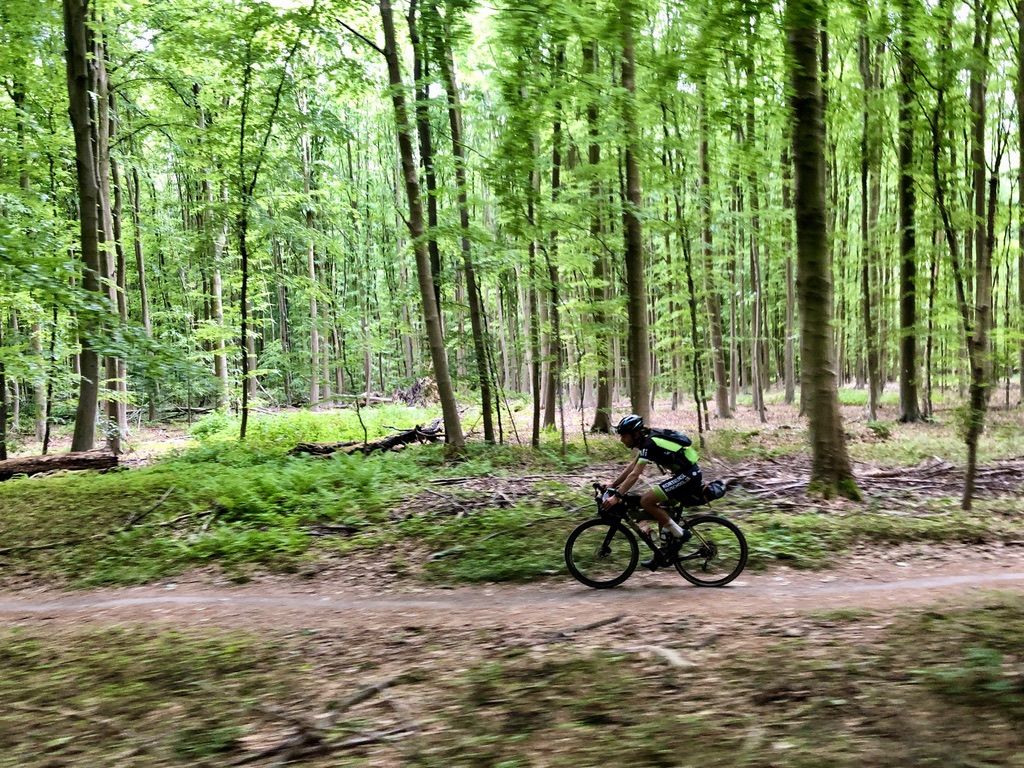
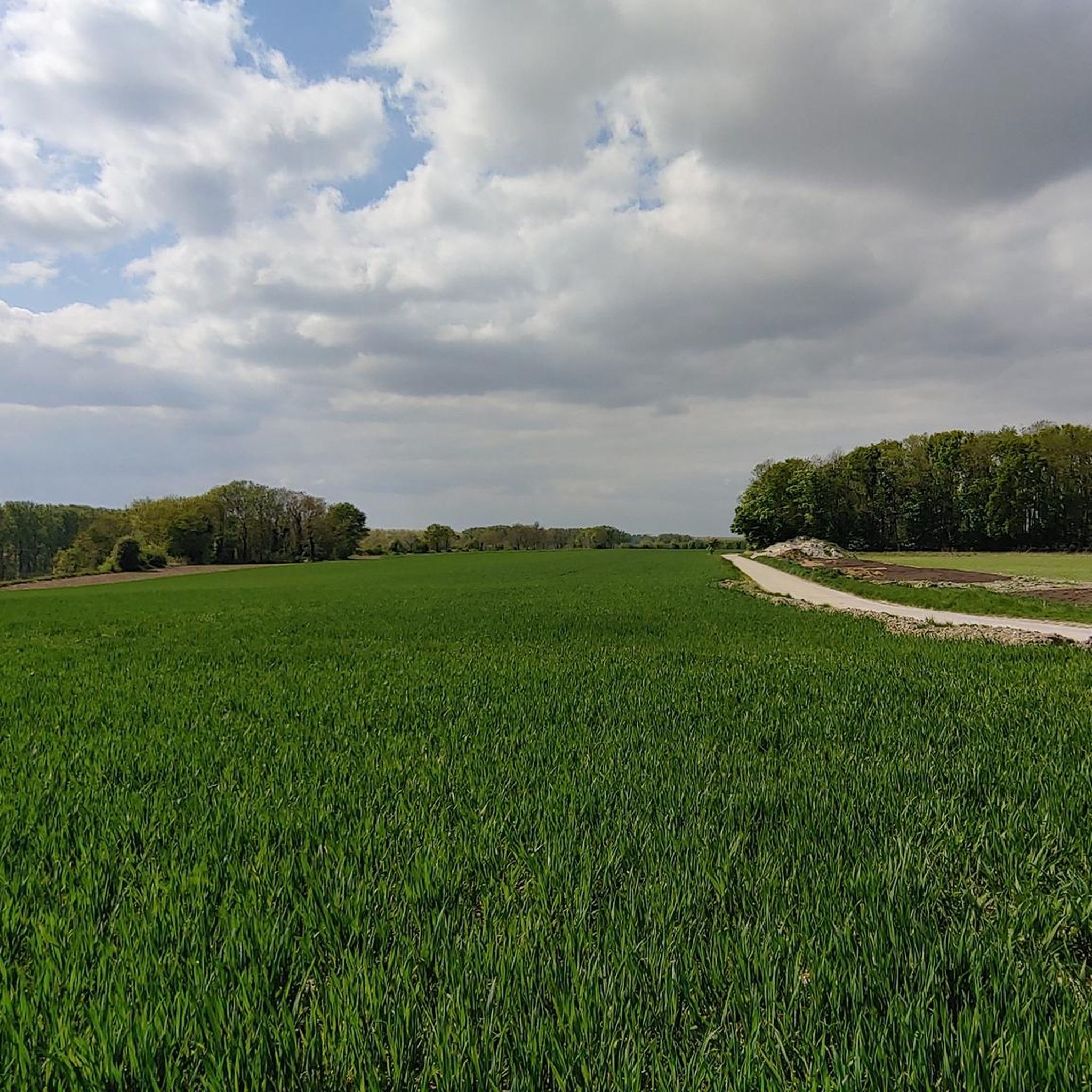
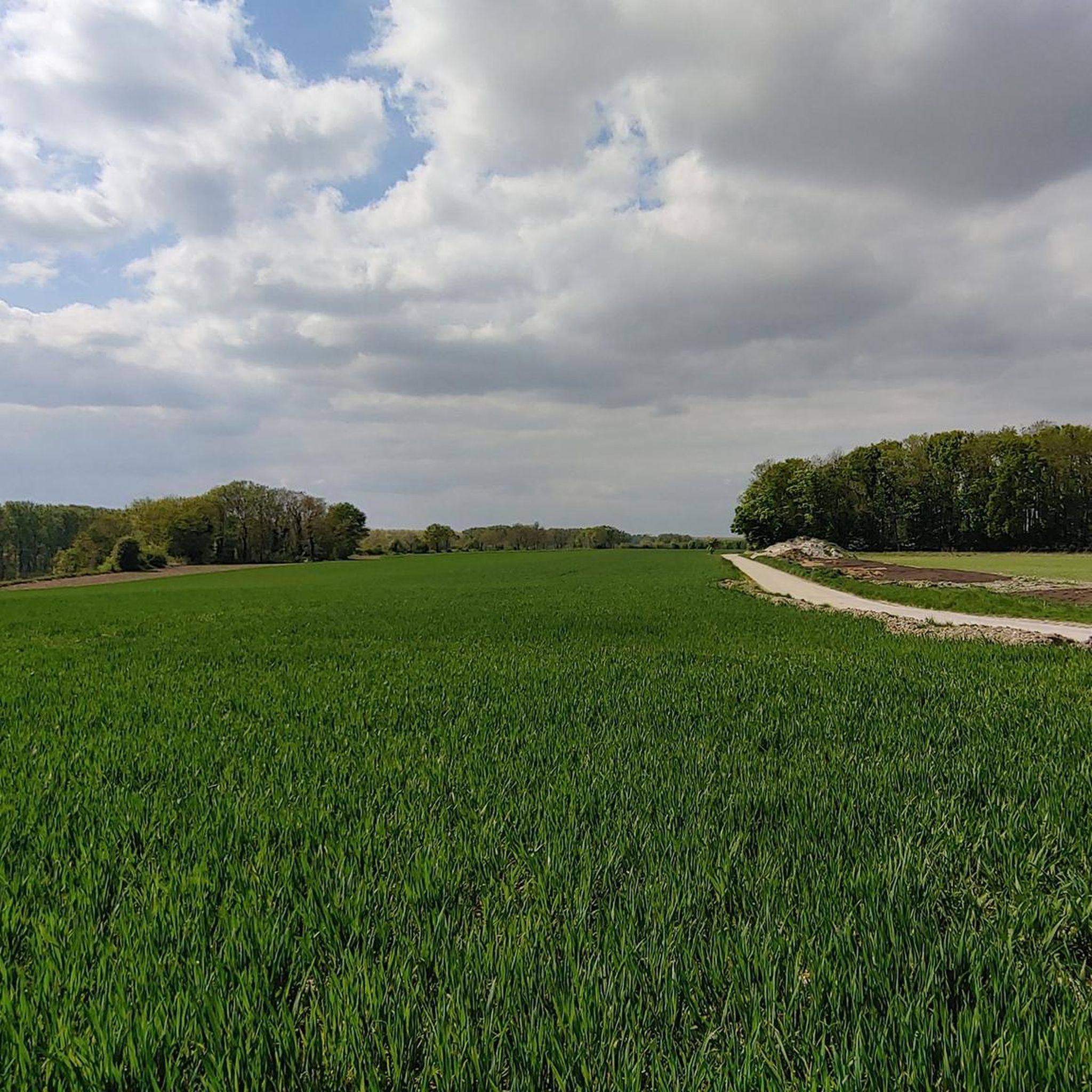
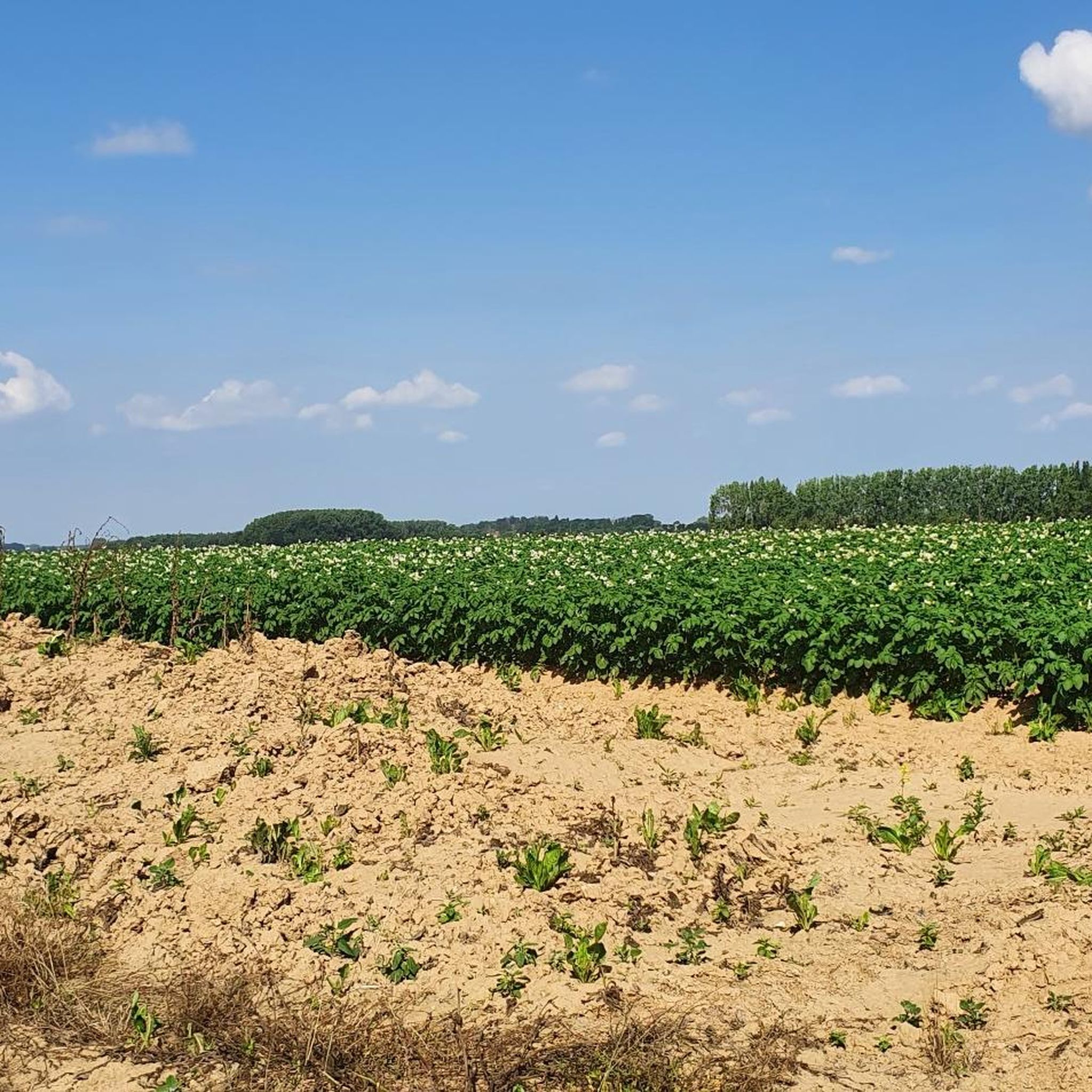
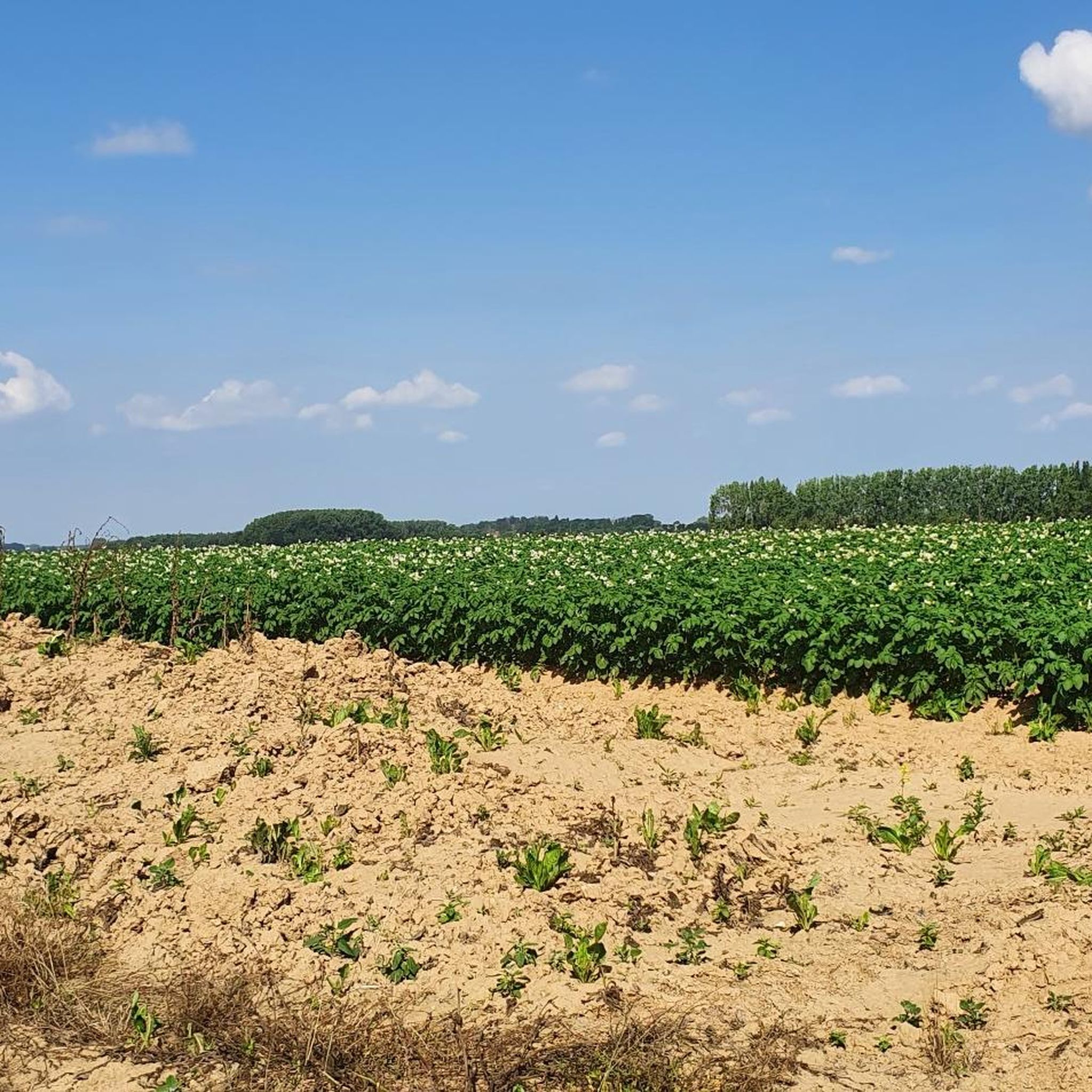
Road cycling around Hannut offers diverse landscapes, featuring mostly paved surfaces ideal for road cyclists. The region is characterized by varied terrains, including flat sections through cereal-growing areas, green hedgerows, and rolling countryside. Cyclists can explore routes through fruit-growing regions and along former railway lines converted into greenways.
Best road cycling routes around Hannut
- The most popular road cycling route is Ferme de la Grosse Tour – Château de Blehen loop from Hannut, a moderate 40.5 miles (65.2 km)…
Last updated: October 8, 2026
44
riders
Easy road ride. Great for any fitness level. Mostly well-paved surfaces and easy to ride.
3.8
(4)
45
riders
39.4km
01:45
190m
180m
Easy road ride. Great for any fitness level. Mostly well-paved surfaces and easy to ride.

50
riders
7.24km
00:22
30m
30m
Easy road ride. Great for any fitness level. Mostly well-paved surfaces and easy to ride.
5.0
(3)
19
riders
54.2km
02:24
250m
250m
Moderate road ride. Good fitness required. Mostly well-paved surfaces and easy to ride.
19
riders
75.6km
03:16
410m
410m
Moderate road ride. Good fitness required. Mostly well-paved surfaces and easy to ride.
Get access to more routes and recommendations from other explorers.
Already have an account?
Our route recommendations are based on thousands of hikes, rides, and runs completed by other people on komoot.
Start today with a free account
Your next adventure awaits.

Other adventures around Hannut

Tips from the Community

The history of Château Snyers, also known as Château de la Valette, began in the early 16th century. In 1505, the original fortified castle, which until then had served a distinctly defensive purpose, was largely destroyed by fire. On the same site, a decision was made to erect a new building that better suited the changing living conditions and residential ideals of the Renaissance period. During the seventeenth century, the estate was repeatedly confronted with the consequences of the many wars that plagued the region. Troop movements, looting, and military occupations left their mark, causing considerable damage to the castle. This period of instability led to decay, which was only thoroughly addressed at the end of the eighteenth century. In 1791, Marquis Jean-Claude-Bernardin de la Valette (chamberlain to the Emperor of Austria) took the initiative for a major reconstruction and embellishment of the castle, giving it its current harmonious appearance. After several changes of ownership, the castle eventually came into the possession of Louis-Joseph Snyers, a notary and former mayor of Hannuit. Under his name, the estate became permanently associated with the Snyers family.
4
0

This fortified dovecote, built in 1625 by the Mollin-Monjoye couple, served as a small fort intended to protect the local population during the passage of troops. Source: Information board on site.
2
0

The Château Rose was built by order of Albert-Pierre Stier (1745-1816). In 1776, he bought the seigniory of Orp, as it had been known since the end of the 17th century, when the land of Orp-le-Grand was merged with that of Orp-le-Petit. The pillory of Orp-le-Petit at the front is one of about fifty in Belgium that are listed by the Royal Institute for Cultural Heritage. When our country was invaded by France in 1794, the French revolutionaries rushed to abolish the symbols of the Ancien Régime and the pillory was demolished. A few years later, around 1826, Baron Jean-François de Vinck de deux Orp (1774-1827), nephew of the builder of the castle, had the restored elements of the pillory rebuilt on his estate, more specifically in the central part of the meadow below the castle. Source: https://www.orp-jauche.be/wp-content/uploads/Brochure_PetitPatrimoinePopulaire_ORP.pdf
7
0
Today, the castle houses a 4-room gîte for 11 people. More info: https://www.letulipierdelempereur.be/
2
0
This estate was owned by the Fastré de la Neuville family, better known as Longchamps, in the mid-15th century. A first castle, the date of construction of which is unknown but of which some remains remain, remained in the Longchamps family until 1710 when Marie-Françoise de Longchamps, wife of Charles Jean-Baptiste de Fabritius, then bequeathed the property to her daughter Marie-Catherine Françoise de Fabritius. After she married Waltère de Sélys, the estate passed to the barons of Sélys-Longchamps 1 . The castle was built for Michel-Laurent de Sélys ( 1759 - 1837 ), who in 1795 , the year of the reunification of the principality of Liège with France , was president of the new municipal council of Liège and in 1800 mayor under the consulate . Michel Laurent de Sélys Longchamps was married to Marie Denise Gandolphe, born in Paris on 19 March 1777 and died at the Château de Longchamps under the Second Empire, on 28 October 1857. Marie Denise was the daughter of Mathieu Joseph Gandolphe and Denise Jacqueline d'Aran des Castans. Michel-Laurent de Sélys-Longchamps asked the Parisian architect Aimé Dubois for plans for a new castle. The project was entrusted to the Liège entrepreneur Duckers and the Parisian sculptor Mongin. The construction of the castle was completed in 1810. During the emperor's reign, magnificent parties were held there. Source: Wikipedia
3
0

This site is wonderful and wild!
0
0
We follow the Geer river in its meanders for several km. Very pleasant
0
0

Striking in pink, on a hill...
9
0
Frequently Asked Questions
How many road cycling routes are available around Hannut?
There are over 130 road cycling routes available around Hannut, catering to various skill levels. You'll find a wide selection, from leisurely rides to more challenging excursions.
What kind of terrain can I expect when road cycling in Hannut?
The terrain around Hannut is quite varied. You can expect mostly paved surfaces, with flat sections through cereal-growing regions, areas with green hedgerows, and rolling countryside. The landscape transitions from open fields to more wooded areas, offering a picturesque backdrop for your rides.
Are there easy road cycling routes suitable for beginners in Hannut?
Yes, Hannut offers several easy road cycling routes perfect for beginners. For example, the Small Monument with Benches – Prieuré de Bertrée loop from Cras-Avernas is an easy 6.2-mile (10.0 km) path, offering an accessible ride through the local countryside. Another easy option is the Château de Longchamps – Old Windmill loop from Moxhe, a 24.7-mile (39.8 km) trail.
Can I find challenging road cycling routes around Hannut?
While many routes offer moderate difficulty, you can find more challenging sections, especially those with rolling hills. The region's diverse landscape allows for routes with varying elevation gains. For a moderate challenge, consider the Ferme de la Grosse Tour – Château de Blehen loop from Hannut, which covers 40.5 miles (65.2 km) with over 360 meters of elevation gain.
What are some notable landmarks or attractions I can see along the road cycling routes?
Many routes pass by interesting landmarks. You might encounter historical sites like the Twee Tommen Gallo-Roman Burial Mounds or the Seron Tumulus I. The Hélécine Estate, with its castle and park, is also a short distance from Hannut and offers a pleasant stop.
Are there any natural features to explore while cycling in Hannut?
Absolutely. The region boasts several natural features. You can cycle near the Haut-Geer Nature Reserve, known as a significant bird observation site. The broader Burdinale-Mehaigne Nature Park also offers opportunities to explore natural beauty. Additionally, routes often traverse fruit-growing regions, which are particularly scenic in spring.
Are there circular road cycling routes available in Hannut?
Yes, many of the road cycling routes around Hannut are designed as circular loops, allowing you to start and end your ride in the same location. Examples include the Wayside Cross of Blehen loop from Blehen and the Oteppe Hill – Côte du Prâle loop from Blehen.
What is the best time of year to go road cycling in Hannut?
The spring and summer months are generally ideal for road cycling in Hannut, offering pleasant weather. Spring is particularly beautiful when the fruit-growing regions are in bloom. The region's varied landscapes are enjoyable throughout the warmer seasons.
Is there parking available near the road cycling routes in Hannut?
Yes, parking is generally available in and around Hannut, especially near popular starting points for routes. The former Braives Railway Station, now 'La Guinguette de la Gare' along the RAVeL L127, is a vibrant hub and an ideal starting point with parking options.
How do other cyclists rate the road cycling experience in Hannut?
The road cycling routes in Hannut are highly rated by the komoot community, with an average score of 4.4 stars from more than 20 reviews. Cyclists often praise the diverse landscapes, well-maintained paved surfaces, and the variety of routes suitable for different abilities.
Are there family-friendly road cycling options in the Hannut area?
While many road cycling routes are on public roads, the general area offers accessible options. The Hélécine Estate, located a short distance from Hannut, features a large park with walking paths and educational ponds, which can be suitable for families looking for a relaxed outdoor experience.
Most popular attractions around Hannut

Get inspired with the komoot mobile app


Explore more
Browse the best Road cycling routes in other regions.
