The best cycling routes around Bekkevoort
4.5
(41)
660
riders
43
rides
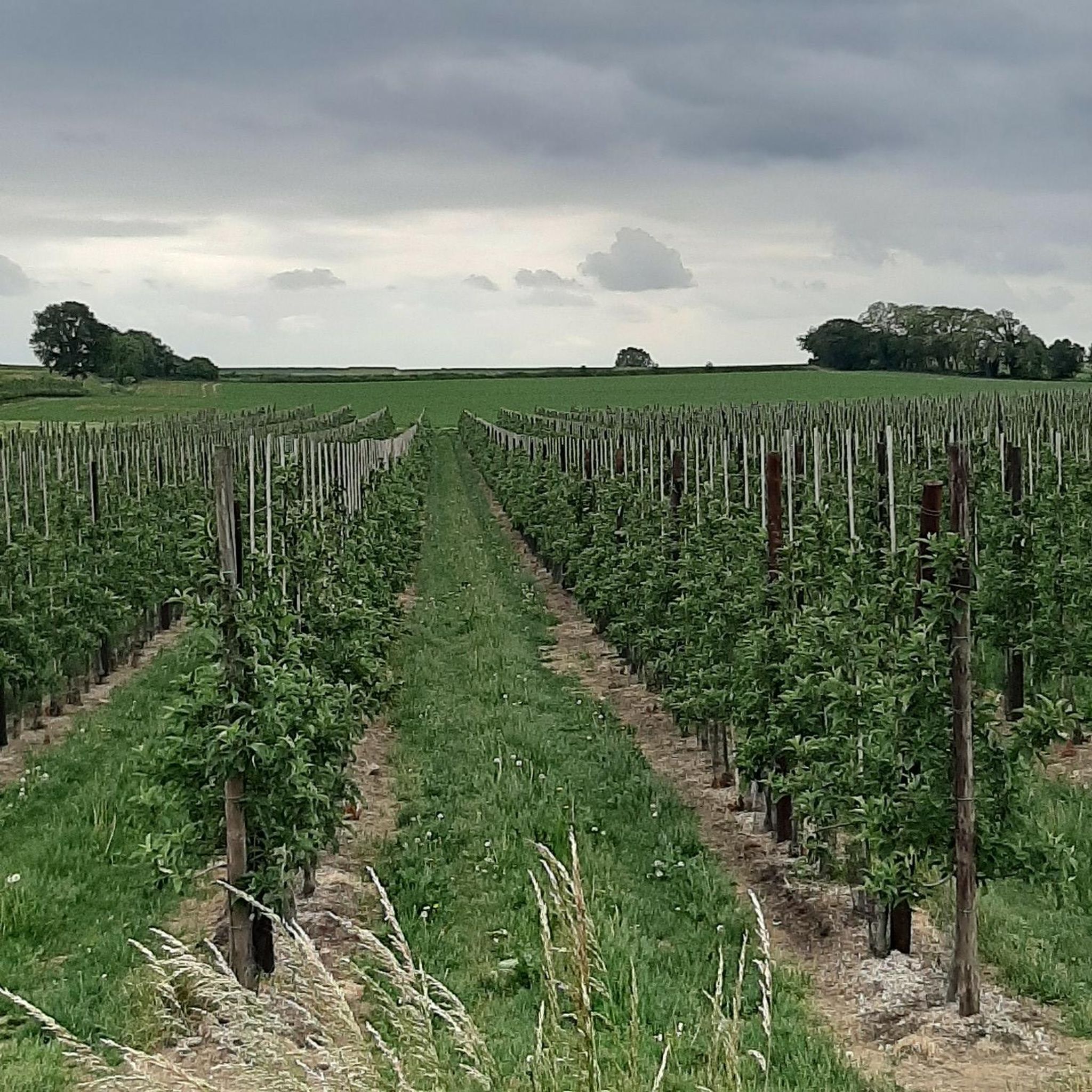
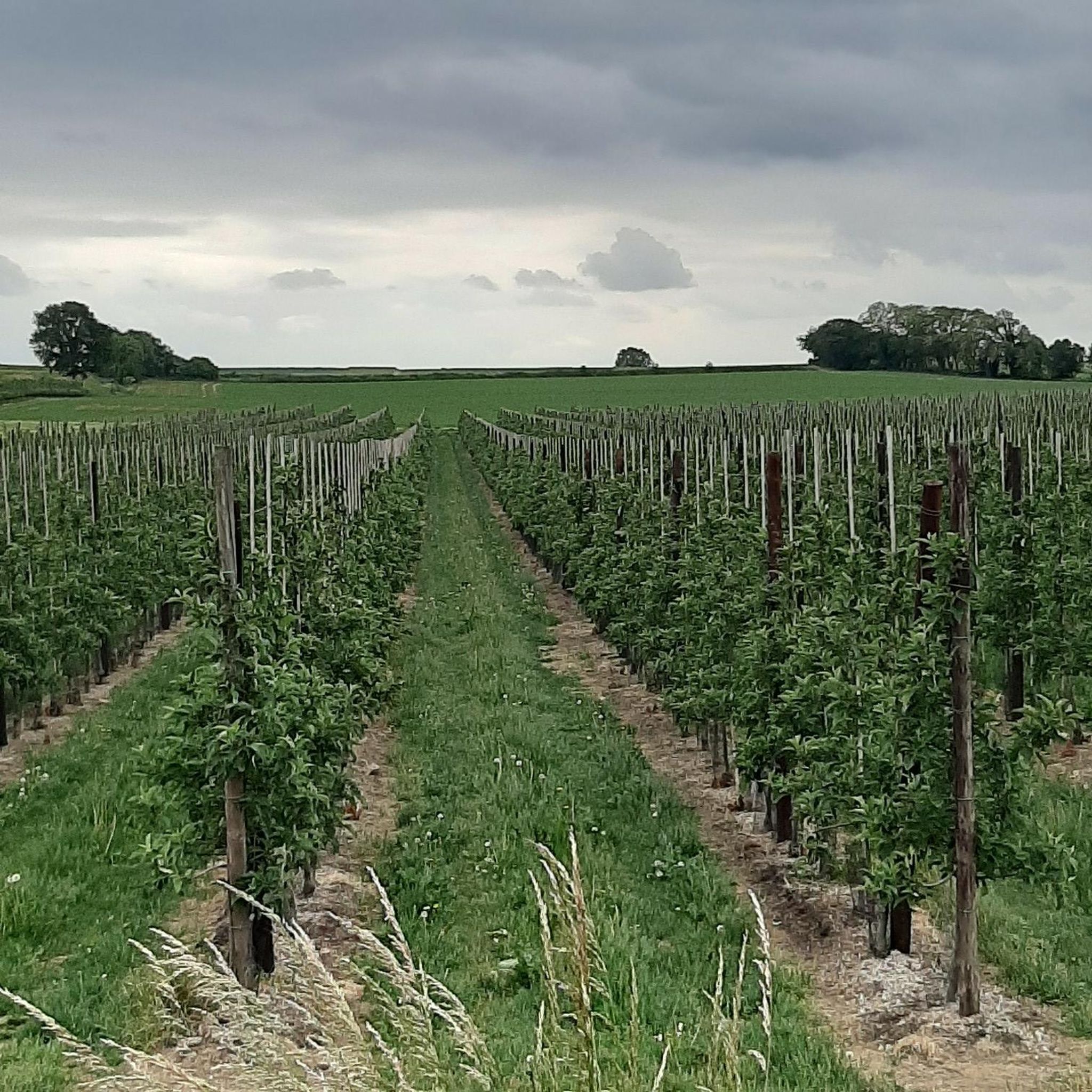
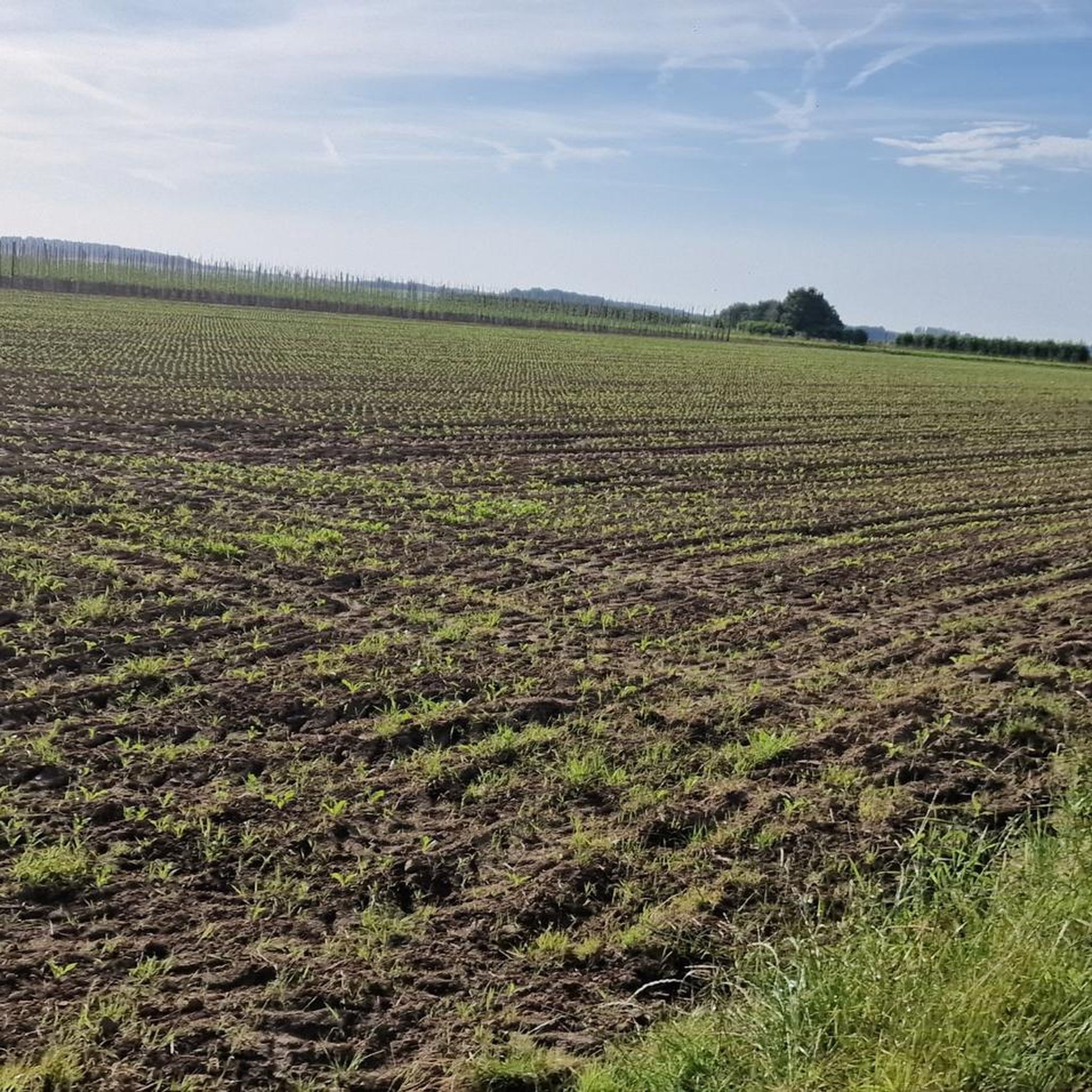
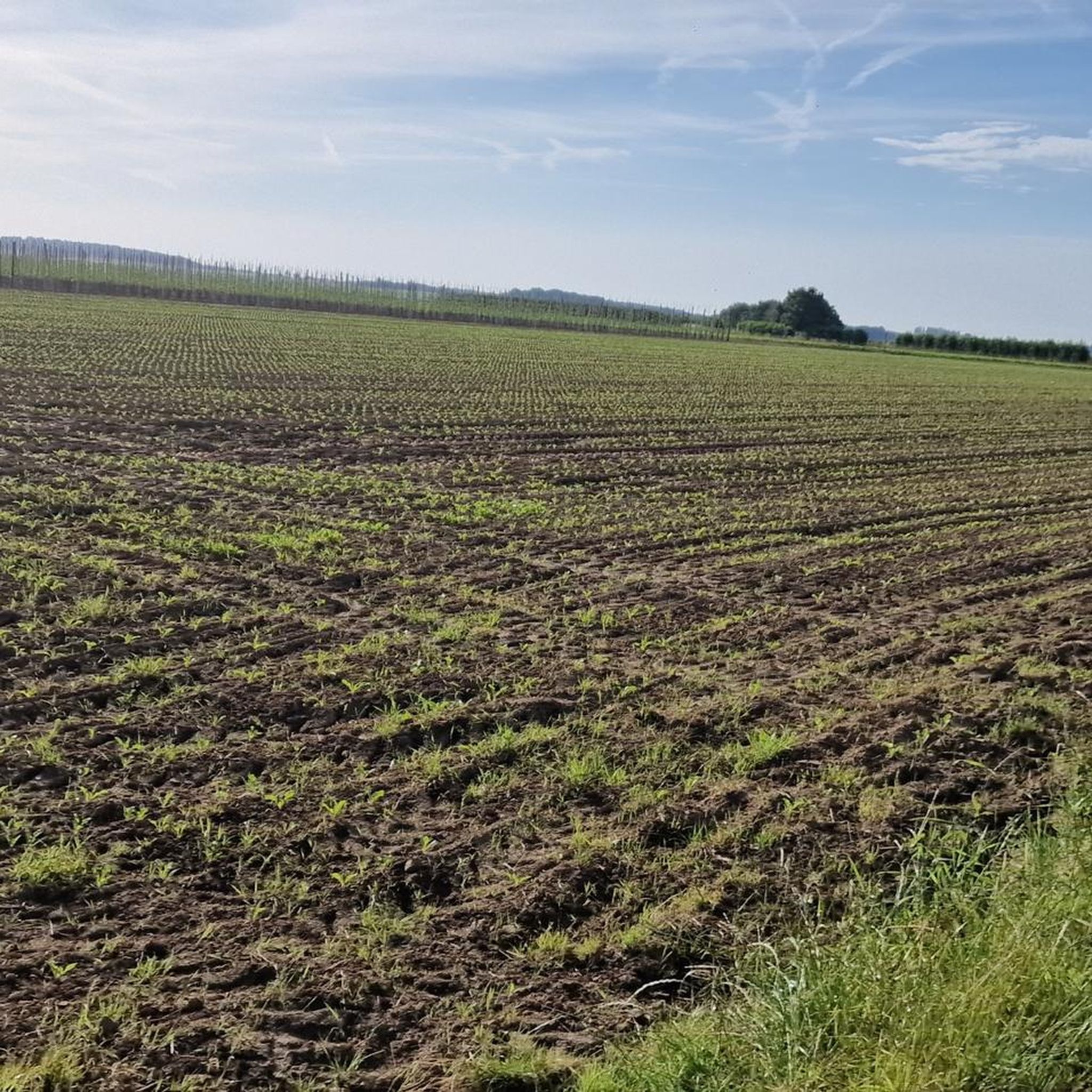
Touring cycling around Bekkevoort features a landscape characterized by gently rolling hills and open countryside, interspersed with agricultural fields and small woodlands. The region's terrain is suitable for various cycling abilities, offering routes with moderate elevation changes. Paths often follow quiet country roads and dedicated cycle paths, connecting local villages and points of interest. This area provides a mix of natural scenery and cultural landmarks for touring cyclists.
Best touring cycling routes around Bekkevoort
- The most popular touring cycling route…
Last updated: August 20, 2026
136
riders
43.1km
02:50
250m
250m
Moderate bike ride. Good fitness required. Mostly paved surfaces. Suitable for all skill levels.
4.2
(10)
67
riders
46.8km
02:43
200m
190m
Moderate bike ride. Good fitness required. Mostly paved surfaces. Suitable for all skill levels.

Sign up for free
59
riders
Hard bike ride. Good fitness required. You may need to push your bike for some segments of this route.
31
riders
23.4km
01:40
180m
180m
Moderate bike ride. Good fitness required. Mostly paved surfaces. Suitable for all skill levels.
4.0
(3)
11
riders
24.4km
01:29
140m
140m
Easy bike ride. Great for any fitness level. Mostly paved surfaces. Suitable for all skill levels.
Get access to more routes and recommendations from other explorers.
Sign up for free
Already have an account?
Our route recommendations are based on thousands of hikes, rides, and runs completed by other people on komoot.
Start today with a free account
Your next adventure awaits.
Login or Signup

Tips from the Community

The city park originated here after doctor Henri Verstappen bequeathed his house and garden with the witness hill and associated grounds to the city council in his will. From 1939, upon the death of Henri Verstappen, the city of Diest came into possession of this domain. Due to the war, the park's development only began in 1948. Henri Verstappen had stipulated that his residence on Graanmarkt should serve as the main entrance to the park. The house was demolished and replaced by a neoclassical entrance gate with four statues on top, originating from the North Station on Rogierplein in Brussels. In 1952, the gate building with a commemorative plaque was inaugurated. At the top of the hill are the foundations of the castle of Diest, erected by Otto I, lord of Diest, in the third quarter of the 11th century. It was a keep made of iron sandstone with stables surrounded by a moat. The castle was demolished in 1512 and the stones from the castle were used for the construction of the Sint-Sulpitius Church in Diest. In the 16th century, the Count of Nassau had plans to build a new castle on the Warande, but these were never carried out. In the 1950s and 1960s, the De Warande sports stadium and the De Warande municipal swimming pool were built.
3
0
The Saspoort (also called Demerpoort) in Diest is a historic hydraulic engineering heritage site from 1841. The complex includes a unique fan sluice and the Grote Steunbeer, designed to supply the city walls with water and control floods. VMM is working on restoration to allow the Demer to flow through the city in a controlled manner again.
2
0
Opposite the entrance to the Halve Maan stands the Lindenmolen. an old windmill. It used to grind in Assent and on the Doodsberg in Schaffen. The last generation of millers donated the mill to the city of Diest and since then it has been standing here to show off.
2
0
The name and origin of the Halve Maan in Diest date back to the 19th century. The area originated as a military defense work (a lunette or ravelin with a crescent-shaped structure) that was part of the defense belt to protect the city. On May 5, 1961, the location officially opened its doors as an outdoor swimming pool and recreational area.
4
0
Opposite the entrance to the Halve Maan stands the Lindenmolen. an old windmill. It used to grind in Assent and on the Doodsberg in Schaffen. The last generation of millers donated the mill to the city of Diest, and since then it has stood here in splendor.
3
0

The museum keeps alive the memory of the Battle of the Silver Helmets, which took place on August 12, 1914, in Halen. It was the last major battle at cavalry division level and the only Belgian victory over German troops without Allied help during WWI. On an impressive 30 m² model, you can follow the course of the battle. You will discover a unique collection of authentic items, such as colorful uniforms, paintings by front-line painter James Thiriar, the diary of Arthur Brühe, testimonies (video montage), and of course the famous 'Silver Helmets'. Opening hours: May 1st to October 31st / Wednesday to Sunday / 2:00 PM to 5:00 PM. Guided tours are only possible by appointment.
1
0

The tourist office has moved to Isabellaplein 1A.
0
0
Frequently Asked Questions
How many touring cycling routes are available in Bekkevoort?
Bekkevoort offers a good selection of touring cycling routes, with over 35 different options to explore. These routes cater to various skill levels, from easy rides to more challenging paths.
Are there easy touring cycling routes in Bekkevoort suitable for beginners or families?
Yes, Bekkevoort has 13 easy touring cycling routes, perfect for beginners or families looking for a relaxed ride. These routes often follow quiet country roads and dedicated cycle paths through the gently rolling landscape.
What are the typical distances and durations for touring cycling routes in Bekkevoort?
The touring cycling routes in Bekkevoort vary in length and duration. For example, the Linden Mill, Diest – Beguinage of Diest loop from Assent is about 14.5 miles (23.3 km) and takes around 1 hour 40 minutes, while the Rotemse Watermill – Railway Line 22 loop from Molenbeek-Wersbeek covers 29.1 miles (46.8 km) and typically takes about 2 hours 42 minutes.
Are there more challenging touring cycling routes for experienced cyclists in Bekkevoort?
While Bekkevoort is known for its gently rolling hills, there are 3 routes classified as difficult, offering more elevation gain for experienced touring cyclists. The region's terrain provides options for those seeking a moderate challenge.
What kind of terrain can I expect on the touring cycling routes in Bekkevoort?
The terrain around Bekkevoort is characterized by gently rolling hills and open countryside. Routes often follow quiet country roads and dedicated cycle paths, passing through agricultural fields and small woodlands. You'll encounter moderate elevation changes, making it suitable for various cycling abilities.
Are there many circular touring cycling routes available in Bekkevoort?
Yes, many of the touring cycling routes in Bekkevoort are designed as loops, allowing you to start and finish at the same point. Examples include the popular Vlooyberg Tower – Vlooyberg Tower loop from Bekkevoort and the Linden Mill, Diest – Old Sluice on the Demer loop from Assent.
What can I see along the touring cycling routes in Bekkevoort?
Along the touring cycling routes, you can discover a mix of natural scenery and cultural landmarks. Notable attractions include the distinctive Horst Castle, the peaceful Averbode Abbey, and various natural features like the Footbridge over the Weefberg Pond and the About Inland Dunes.
What do other touring cyclists enjoy the most about touring cycling in Bekkevoort?
The touring cycling experience in Bekkevoort is highly rated by the komoot community, with an average score of 4.4 stars from over 30 reviews. Cyclists often praise the quiet country roads, dedicated cycle paths, and the varied rural scenery that connects local villages and points of interest.
Is parking available near the touring cycling routes in Bekkevoort?
Bekkevoort is a rural area, and parking is generally available in or near the starting points of many routes, particularly in local villages. It's advisable to check specific route details for designated parking areas.
What is the best time of year for touring cycling in Bekkevoort?
The spring and summer months (April to September) generally offer the most pleasant weather for touring cycling in Bekkevoort, with milder temperatures and longer daylight hours. Autumn can also be beautiful with changing foliage, though cooler temperatures and a higher chance of rain should be expected.
Are dogs allowed on the touring cycling routes in Bekkevoort?
While many outdoor areas in Belgium are dog-friendly, it's always best to keep dogs on a leash, especially when cycling on shared paths or near agricultural land. Specific rules may apply in nature reserves or private estates, so always be mindful of local signage.
Most popular routes around Bekkevoort
Most popular attractions around Bekkevoort

Get inspired with the komoot mobile app


Explore more
Browse the best Cycling routes in other regions.
