Attractions and Places To See around Lubbeek - Top 20
Best attractions and places to see around Lubbeek, a municipality in the Belgian province of Flemish Brabant, offers a blend of historical sites, natural beauty, and local charm. The area features Gothic architecture, medieval history, and significant natural spaces like forests and rolling hills. It provides a serene environment for exploring cultural landmarks and engaging in outdoor activities.
Best attractions and places to see around Lubbeek
- The most popular attractions is Horst Castle, a castle that is a moated…
Last updated: October 10, 2026
Leuven Town Hall
Highlight • Historical Site
The plans for the …
Translated by Google •
Tip by

Demer Towpath
Highlight • Cycleway
Translated by Google •
Tip by

Sign up now to discover places like this
Get recommendations on the best single tracks, peaks, & plenty of other exciting outdoor places.
Horst Castle
Highlight • Castle
Translated by Google •
Tip by

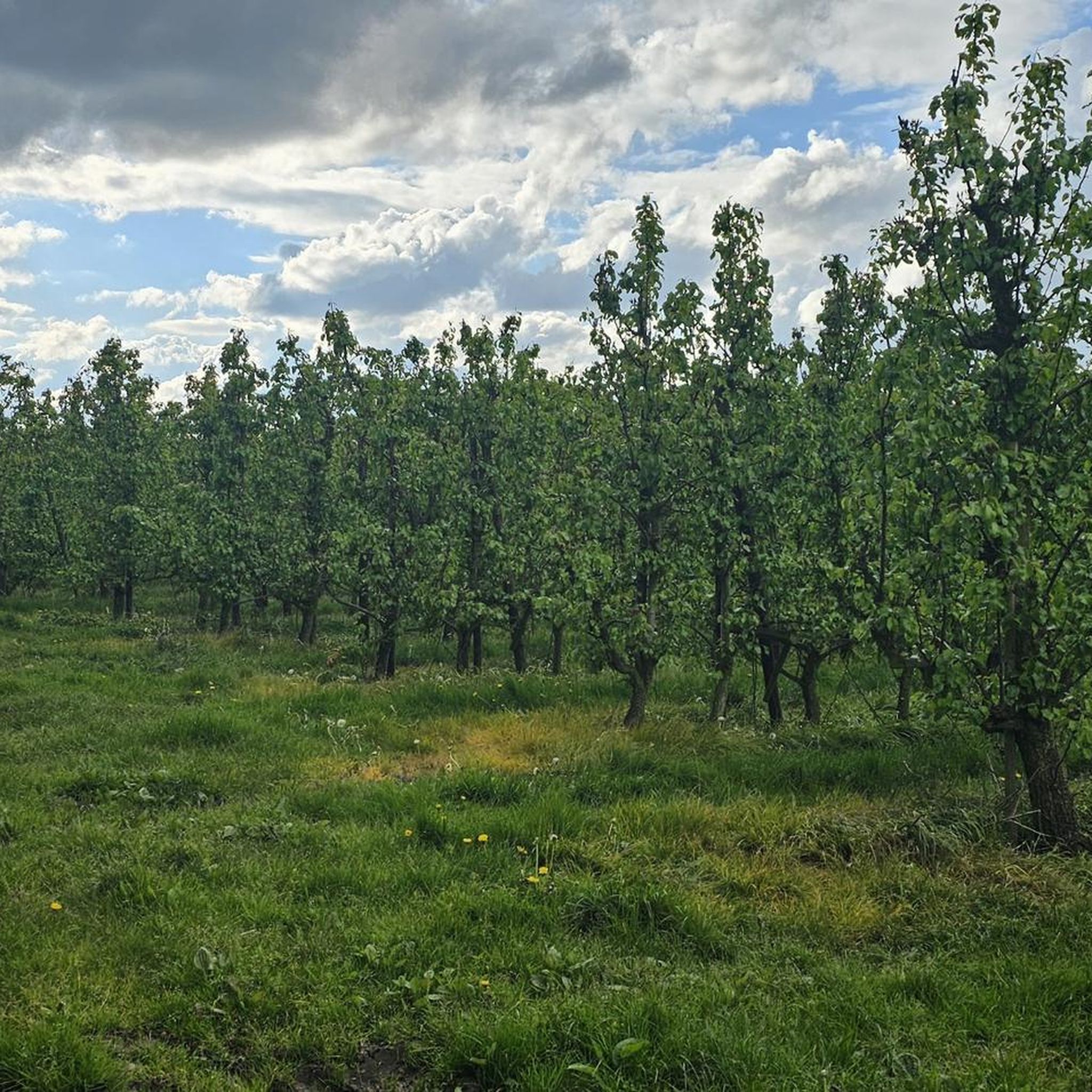
Vineyard on the Wijngaardberg
Highlight • Structure
Translated by Google •
Tip by

Park Abbey
Highlight • Religious Site
Translated by Google •
Tip by

Sign up for free to discover even more attractions around Lubbeek.
Already have an account?
Start today with a free account
Your next adventure awaits.
Tips from the Community

Very colorful in autumn...
4
0

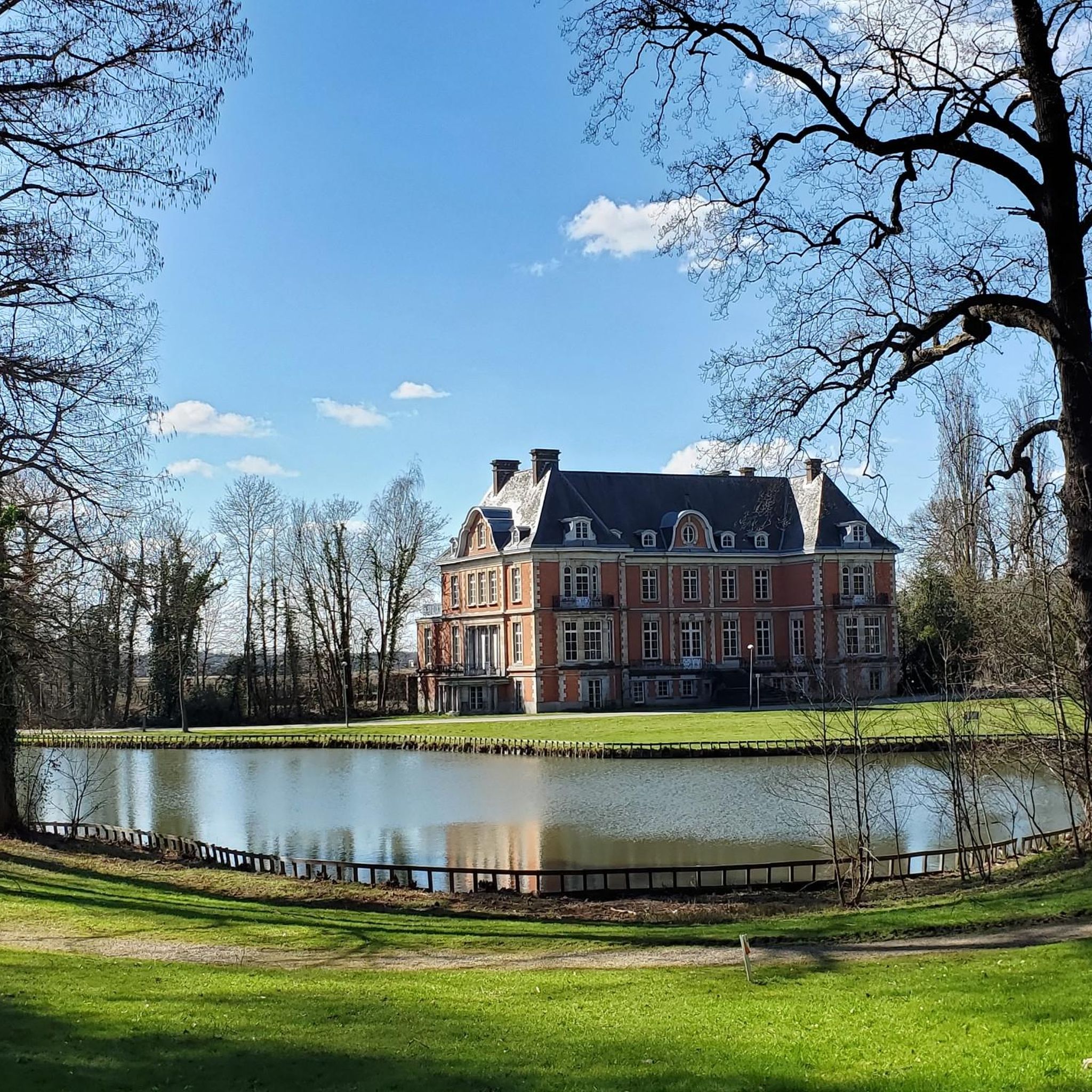
The core of Horst Castle probably dates back to the 13th century and is characterised by a square keep. The keep probably belonged to the oldest core that was further expanded into a fortified castle in the 15th century. During the troubles under Maximilian of Austria in 1489, the castle of Horst was taken by the people of Leuven and set on fire. According to literary sources, only the keep, part of the entrance gate and a defensive wall remained standing. The residential and east wing were renovated and expanded in the 16th century. The round tower also dates from this period. The outer wall was provided with a rectangular bay window. The castle lost its military character and became more of a pleasant residential area with a view of the moat, the ponds and the inner courtyard. Brick construction with sandstone layers characterise these buildings. In 1587, however, the castle was set on fire again during the raids of the Geuzen. It was not until the beginning of the 17th century that restoration work began. It is difficult to deduce from the available sources to what extent this involved restoration or an embellishing conversion of the castle complex. Presumably nothing changed in the internal structure, but only after the structurally necessary repairs were the interiors completely refinished. Maria-Anna Van den Tympel had a new chapel built against the keep in the 17th century. At the beginning of the 19th century, the complex must have been damaged by plundering and neglect, and it is possible that it also suffered from plundering during the Brabant Revolution of 1830. Around 1850, the castle must have been habitable again, but the castle buildings only served as a farm. In the land registry, the site around the castle is called "De Notelaren Boomgaerd". Around that time, the most dilapidated part must have been demolished, namely the southern part and the superstructure of the gate. The rest of the complex was probably restored with reused demolition material and in traditional style. The castle was divided in 1880, with one part being registered as a school house. In 1897, a further division followed, with two plots being designated as houses. Several restoration campaigns followed in the 20th century. Inventory of Immovable Heritage: Horst Castle, https://id.erfgoed.net/erfgoedobjecten/43619
8
0
Since December, there has been a spire on the castle again after the unstable spire was removed more than four years ago and could be viewed on a wooden platform in the pond. Now it is back. And the other works are also progressing quickly. More about the replaced spire on https://www.vrt.be/vrtnws/nl/2024/12/10/torenspits-staat-weer-op-kasteel-van-horst-holsbeek/
8
0
The Leuven town hall is usually identified with the richly decorated late Gothic wing on the Grote Markt. However, this is part of a larger complex that covers the entire block between the Grote Markt, Naamsestraat, Muntstraat and Boekhandelstraat. The various parts of the complex are arranged around a courtyard, the Vrijthof. On the east side is the oldest part of the town hall complex: the rear house, built by Sulpitius van Vorst and Jan II Keldermans between 1439 and 1445. The famous wing on the Grote Markt is the front house, built from 1448 to 1469 under the direction of Matthijs de Layens. The attached conservation house on the Naamsestraat was built in 1461. The southern half of the complex consists of more recent additions. On the Naamsestraat extends the Deanery of the Cloth Weavers, built in 1680 after the university had completely occupied the old cloth hall. The wing on the Muntstraat dates from 1938. The police station on the Grote Markt and Boekhandelstraat was built as a corps de garde in 1821-1822. Inventory of Immovable Heritage: City Hall of Leuven, https://id.erfgoed.net/erfgoedobjecten/42150
10
0
For those who have traded in their horse for a steel steed. Information boards and such on site.
7
0
Leuven's town hall is generally identified with the richly decorated late Gothic wing on the Grote Markt. However, this wing is part of a larger complex that covers the entire block between the Grote Markt, Naamsestraat, Muntstraat, and Boekhandelstraat. The various parts of the complex are arranged around a courtyard, the Vrijthof. On the east side stands the oldest part of the town hall complex: the rear house, built by Sulpitius van Vorst and Jan II Keldermans between 1439 and 1445. The famous wing on the Grote Markt is the front house, built from 1448 to 1469 under the direction of Matthijs de Layens. The attached conservatory on Naamsestraat was built in 1461. The southern half of the complex consists of more recent additions. Along Naamsestraat extends the Deanery of the Cloth Weavers, built in 1680 after the university had completely occupied the old cloth hall. The wing on Muntstraat dates from 1938. The police station on Grote Markt and Boekhandelstraat was built as a corps de garde in 1821-1822. Inventory of Immovable Heritage: Leuven City Hall, https://id.erfgoed.net/erfgoedobjecten/42150
14
0

Frequently Asked Questions
What historical sites can I visit in and around Lubbeek?
Lubbeek and its surroundings are rich in history. You can explore the impressive Leuven Town Hall, a 15th-century Gothic masterpiece. Another significant historical landmark is Horst Castle, a picturesque 13th-century moated castle. Don't miss Park Abbey, a beautifully preserved Premonstratensian abbey with a history dating back to 1129. Within Lubbeek itself, you can find historic churches like Saint Martin's Church and Saint Peter's Church, as well as the ancient Motte van Stakenborg.
Are there any natural attractions or scenic viewpoints in the area?
Yes, Lubbeek offers several natural highlights. The Vineyard on the Wijngaardberg provides beautiful views and opportunities to stroll through orchards. You can also enjoy the peaceful Demer Towpath, which follows the scenic Demer River. The Pellenberg Forest is ideal for nature walks, and the broader region features lush greenery and rolling hills, including expansive natural areas like Meerdaalwoud and Chartreuzenbos forests.
What outdoor activities can I do near Lubbeek's attractions?
The area around Lubbeek is perfect for outdoor enthusiasts. You can find numerous routes for hiking, cycling, and running. For instance, explore the 'Hageland Hill Route' for cycling or the 'The Spichtwandeling - Red' for hiking. Many trails offer scenic views and pass by natural and historical sites. You can find detailed routes and guides for these activities on the Hiking around Lubbeek, Cycling around Lubbeek, and Running Trails around Lubbeek guide pages.
Are there family-friendly attractions in Lubbeek?
Absolutely! Several attractions are suitable for families. The Leuven Town Hall is a fascinating historical site that can spark interest in older children. Horst Castle, with its moated setting, often captivates younger visitors. The Demer Towpath offers an easy and enjoyable route for family walks or bike rides. Additionally, Park Abbey provides open spaces and historical buildings to explore.
What cultural experiences can I find in Lubbeek?
Lubbeek offers a vibrant local culture. Each of its four villages (Lubbeek, Binkom, Pellenberg, and Linden) hosts annual festivals with traditional music, dance, and local cuisine. You can also visit farmers' markets for fresh local produce and artisanal goods. Keep an eye out for 'Tour Elentrik,' an initiative where utility cabinets are decorated with themes related to local heritage, adding an artistic touch to the streets.
Are there any unique or 'hidden gem' attractions in Lubbeek?
Beyond the main highlights, Lubbeek has some charming unique spots. The 200-year-old Ice Cellar offers a cool historical curiosity. The Our Lady Chapel is recognized as one of Brabant's oldest Marian shrines. For a blend of art and local history, seek out the 'Tour Elentrik' decorated utility cabinets scattered throughout the municipality.
Can I find wheelchair-accessible paths or attractions?
Some attractions offer better accessibility than others. The grounds around Horst Castle are generally accessible, though the interior of the castle itself may be challenging. The Leuven Town Hall is also noted as wheelchair accessible. When planning outdoor activities, look for paved or well-maintained paths, such as sections of the Demer Towpath, which are often suitable for wheelchairs.
What is the best time of year to visit Lubbeek?
Lubbeek is enjoyable throughout the year, but the spring and summer months (April to September) are particularly pleasant for outdoor activities and exploring the natural beauty. During this time, the weather is generally mild, and the forests and vineyards are in full bloom. The annual village festivals also typically take place during the warmer months, offering a lively cultural experience.
Where can I go for a peaceful walk or to enjoy nature?
For peaceful walks and nature enjoyment, head to Pellenberg Forest, which offers well-marked trails. The area around the Vineyard on the Wijngaardberg also provides tranquil paths through orchards and forests. Additionally, the fishing ponds in Lubbeek offer a serene environment for relaxation. Many of the hiking routes listed on the Hiking around Lubbeek guide page will lead you through scenic natural landscapes.
Are there any religious sites of interest in Lubbeek?
Yes, Lubbeek has several significant religious sites. The Park Abbey is a major historical and religious complex. Within the municipality, you can visit the Gothic Saint Martin's Church in Lubbeek proper and the Saint Peter's Church in Binkom, known for its Romanesque tower. The Our Lady Chapel is also a historically important Marian shrine.
What do visitors enjoy most about the attractions around Lubbeek?
Visitors frequently praise the blend of historical grandeur and natural beauty. They appreciate the well-preserved architecture of sites like Leuven Town Hall and Horst Castle. The scenic views from places like the Vineyard on the Wijngaardberg and the peaceful atmosphere of the Demer Towpath are also highly rated. The overall charm and the opportunity for diverse outdoor activities contribute to a positive experience.
Most popular routes around Lubbeek
Most popular attractions around Lubbeek

Get inspired with the komoot mobile app


Explore more
Still not found the Highlight you’re looking for? See guides of the top attractions in other regions:
