Attractions and Places To See around Begijnendijk - Top 20
Attractions and places to see around Begijnendijk include a blend of natural landscapes and historical sites in the Belgian province of Flemish Brabant. The municipality is characterized by its diverse terrain, featuring river valleys, forests, and agricultural areas. It offers various opportunities for outdoor activities, particularly walking and cycling routes. The region's geography supports a range of ecosystems, from wetlands to ancient oak forests.
Best attractions and places to see around Begijnendijk
- The most popular attractions is Horst Castle,…
Last updated: October 9, 2026
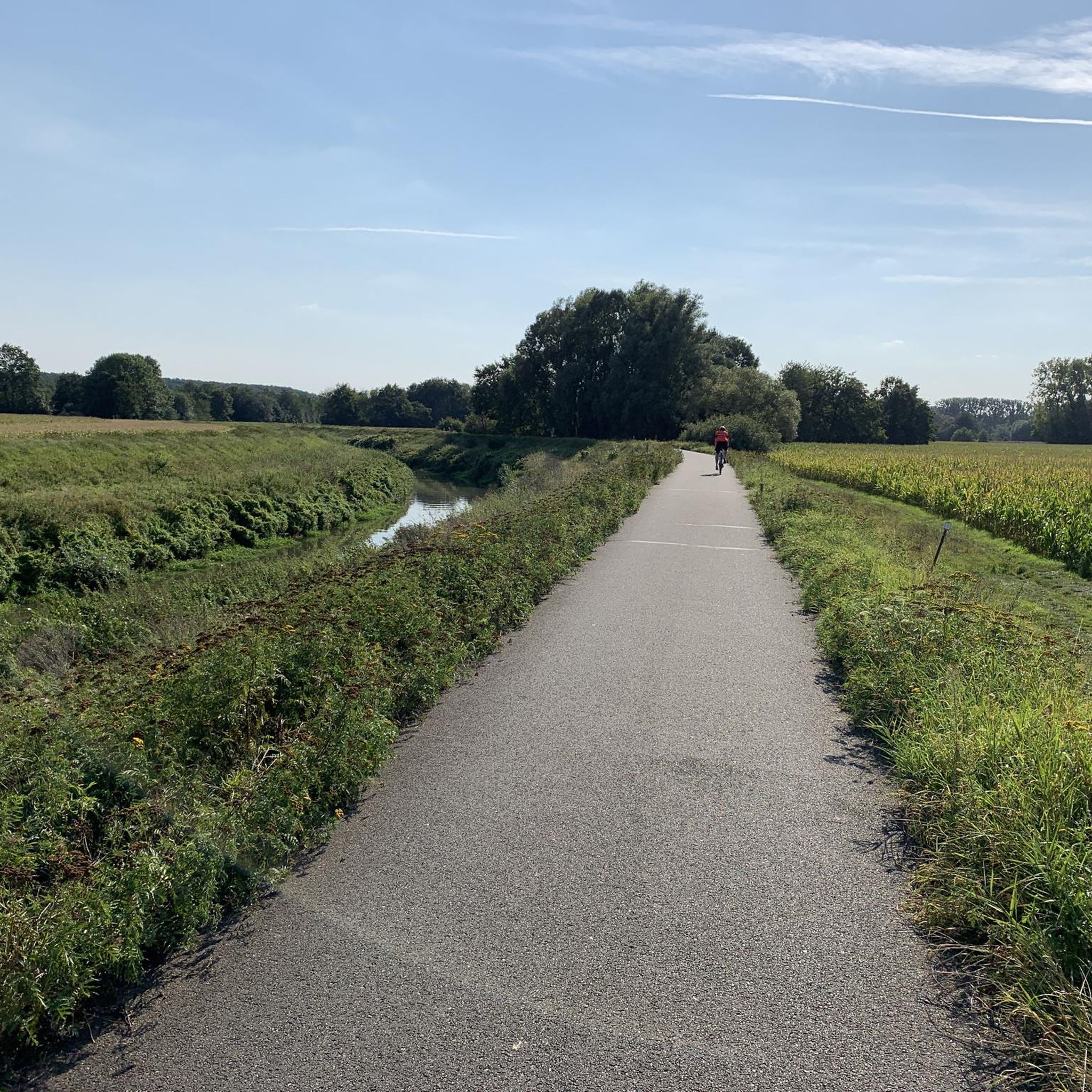
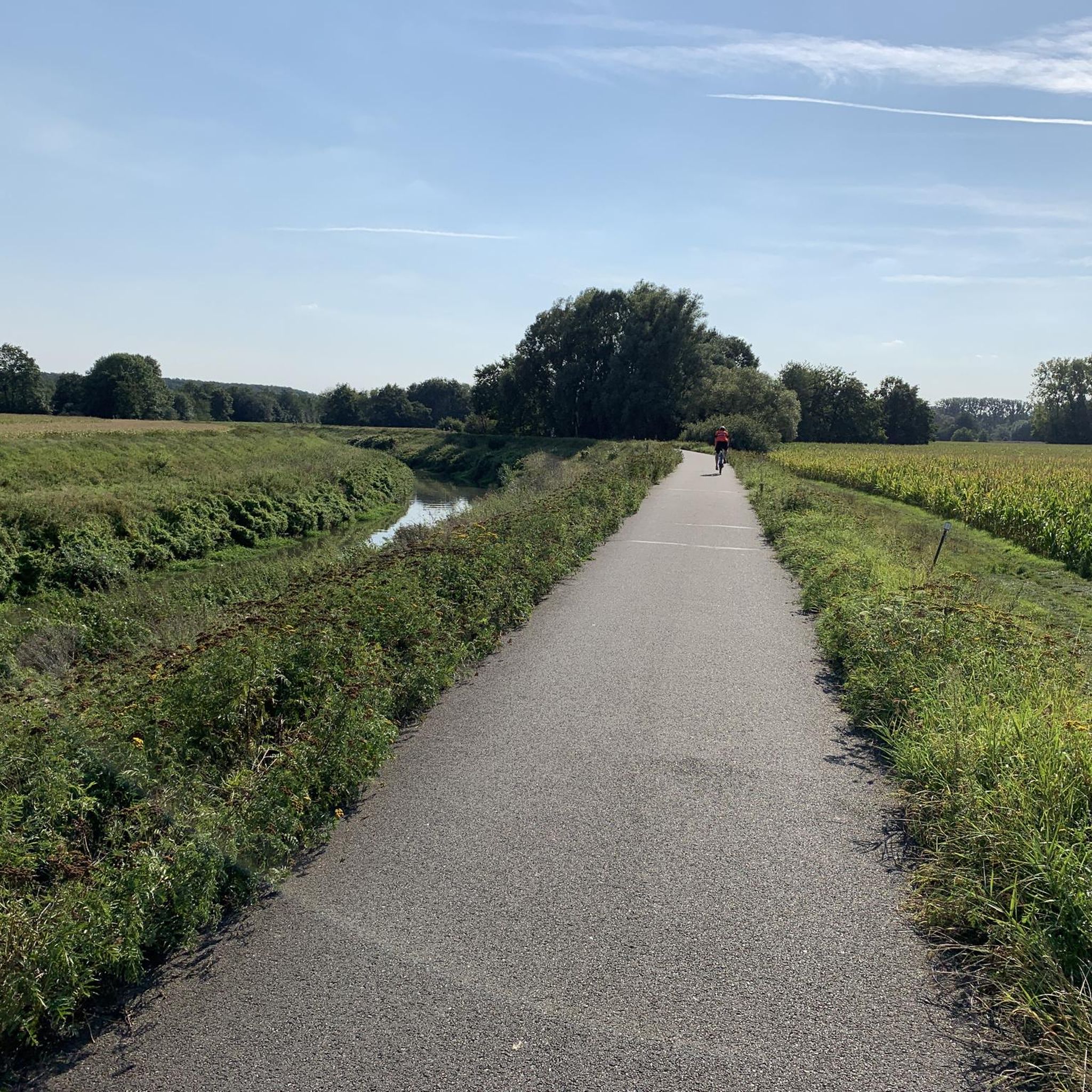
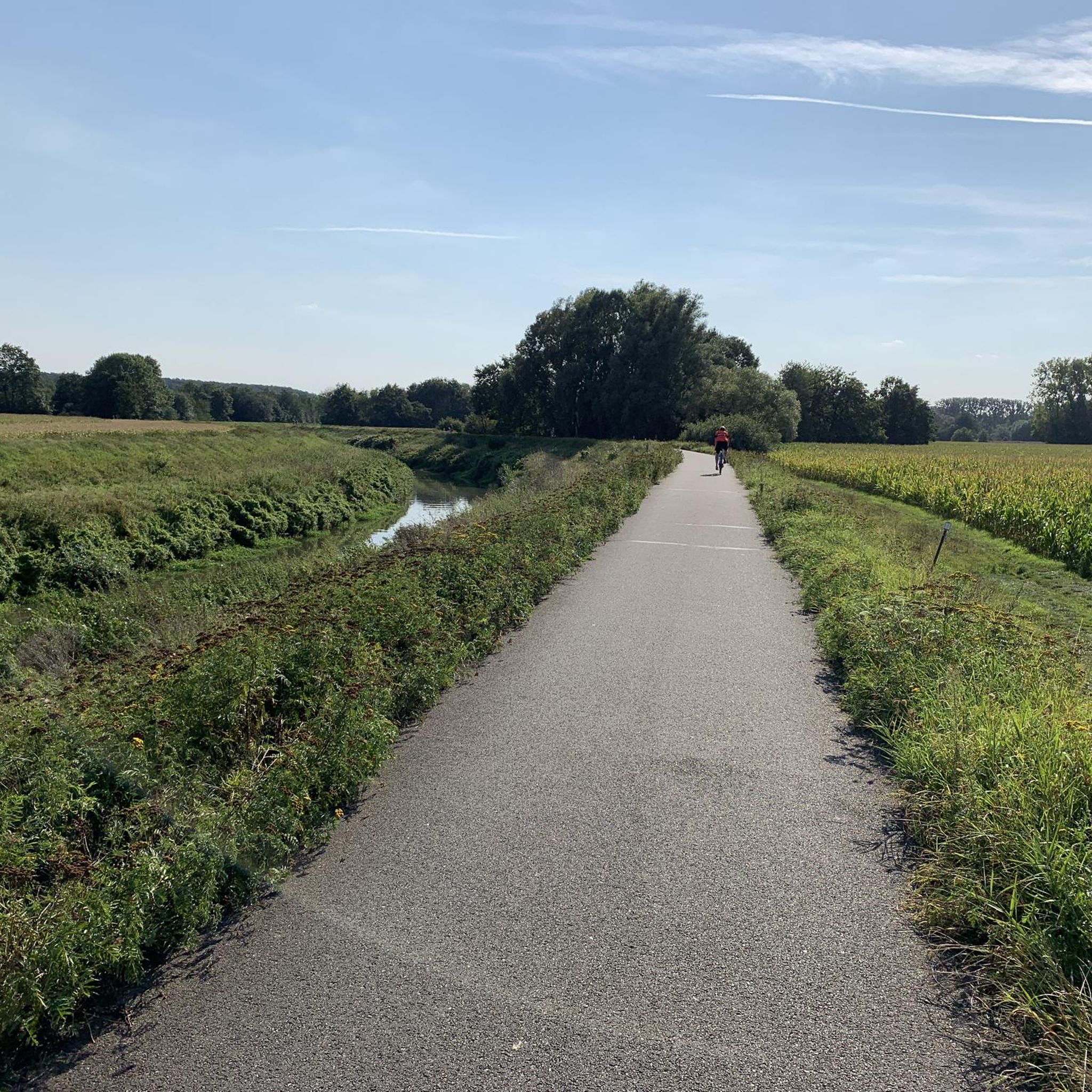
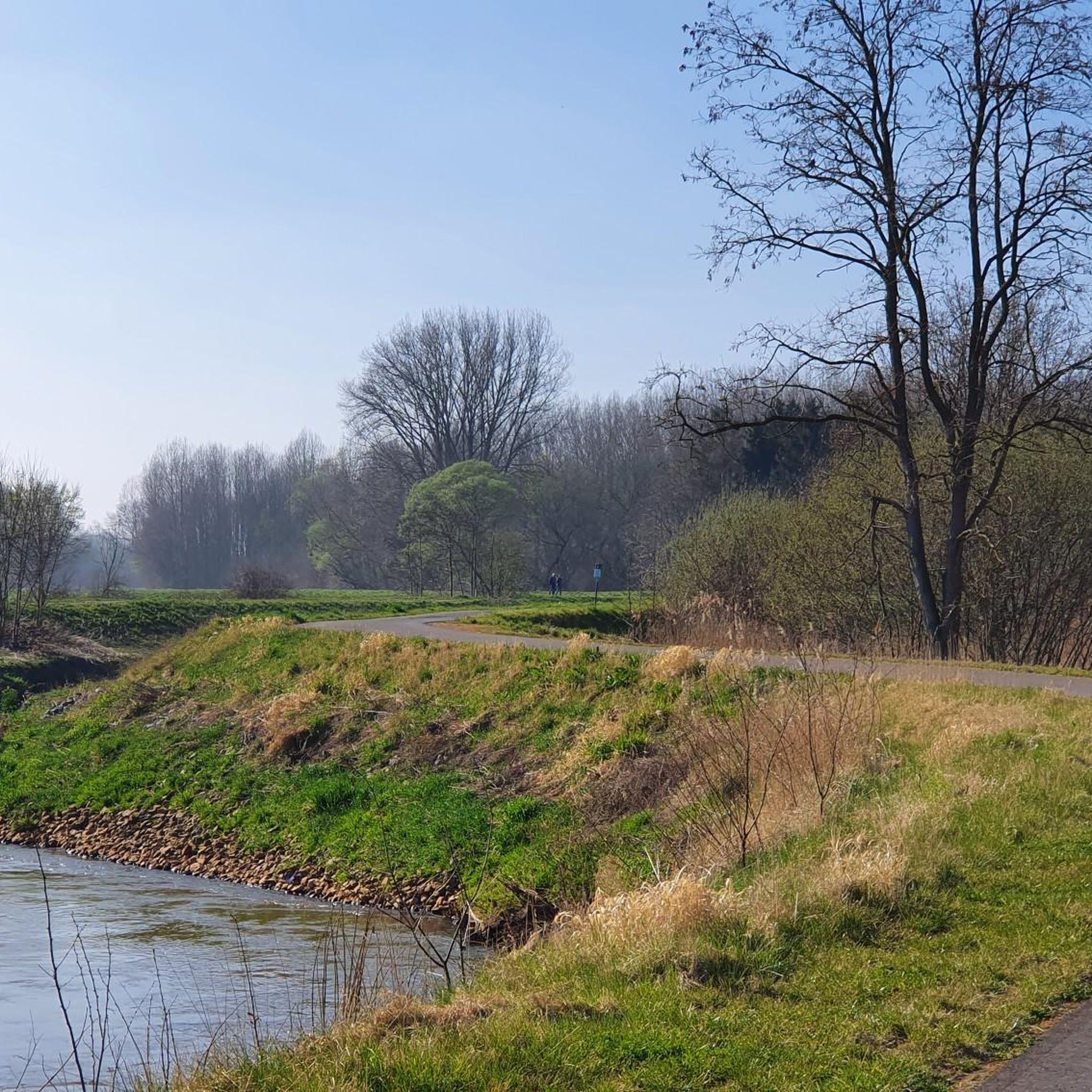
Demer Towpath
Highlight • Cycleway
Translated by Google •
Tip by

Horst Castle
Highlight • Castle
Translated by Google •
Tip by

Sign up now to discover places like this
Get recommendations on the best single tracks, peaks, & plenty of other exciting outdoor places.
Vineyard on the Wijngaardberg
Highlight • Structure
Translated by Google •
Tip by

Damiaan Bridge and Father Damien Statue
Highlight • Bridge
It is an interesting place on your walk. Several hiking nodes come together here. Ideal opportunity to change your route and make the crossing.
Translated by Google •
Tip by

Gempemolen Watermill
Highlight • Monument
Fri 12:00 - 22:30
Sat 12:00 - 22:30
sun 12:00 - 21:30
-> on ma, di and woo we open for group dinners from 30 people
Translated by Google •
Tip by

Sign up for free to discover even more attractions around Begijnendijk.
Already have an account?
Start today with a free account
Your next adventure awaits.
Tips from the Community

Very colorful in autumn...
4
0
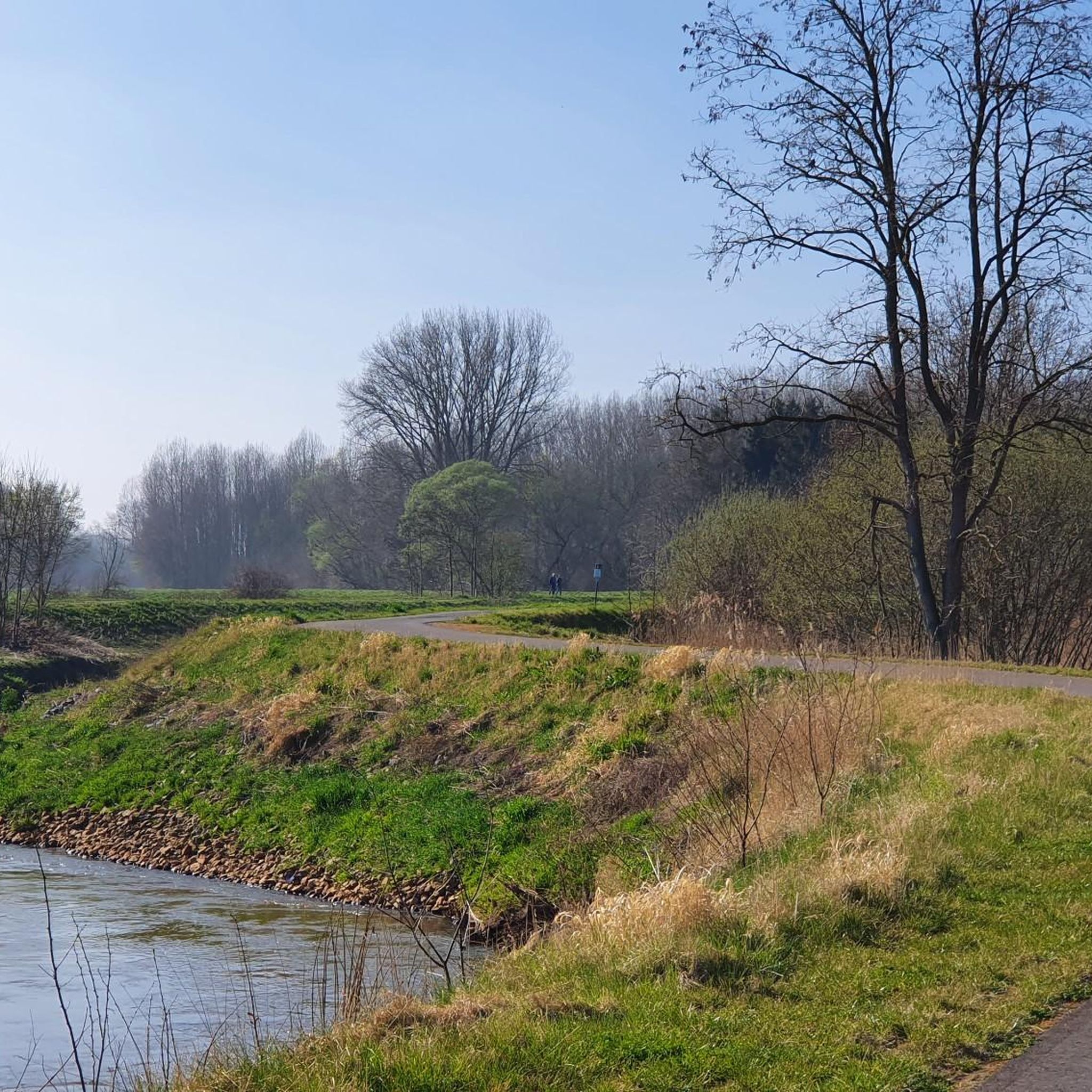
Here you can also take a break on the benches...
6
0

Ann Van Dessel (born December 26, 1961) from Mortsel is a poet and writing instructor. Her poetry debut, "Een kei in duren" (A Rock in Duration), was published in 2012. This was followed by "Toverstroming" (Magic Flood) in 2017, and "Als de lucht valt" (As the Sky Falls) in 2021. At the end of May 2011, she was appointed Haacht's first village poet. During her tenure in that role, she wrote this poem, "van grenzen gezwijt" (Silence of Borders), for the ceremonial inauguration of the new Damien Bridge (in 2012). She also wrote three poems commissioned by Natuurpunt for Haacht's three nature reserves. And that's far from all. Here you can read more about Ann's writings and work during her time as Haacht's village poet (including the work featured here): https://annvandessel.com/dorpsdichter-haacht And here you can learn all about Ann and her publications: https://annvandessel.com/
8
0
The 2 meter high wooden statue of father Damiaan was placed on August 22, 2013 on the west side of the Damiaan bridge and was donated by Lizette Cresens from Haacht. The statue was made by an artist from Wolfsdonk. Source: https://www.tremelo.be/product/2172/15-standbeeld-damiaan-damiaanbrug The cycle and footbridge itself was put into use in 2012 and is located close to the Damiaan museum in Ninde (at the end of the road). The two Dijle dikes that are connected by it are called Pater Damiaandijk (on the side of Ninde) and Schipstrekkersdijk (the side of Haacht). Near the bridge, the Grote Laak flows into the Dijle. That's a river that splits off from the Demer near Aarschot and is also known as the Laak and formerly the Meetshovense Laak.
8
0
The information board about the Zegbroek nature reserve disappeared (at least during my visit) and is now located at the birthplace (and museum) of Father Damien, a bit further along. Currently, there's a welcome sign from the municipality of Tremelo, along with a poem. It makes sense, actually, because the Zegbroek is not related to the Dyle River, nor to its banks, but to the Demer River. And that's on the other side from the Damien Museum. The Zegbroek is even called "a damp, peat-covered, old meander of the Demer, located in the Demer Valley on the border with Keerbergen." The Laak and the Dyle River do form its border. And, of course, it can get wet there. Zegbroek is part of the designated "Blaasberg" landscape, and in addition to the information board at the Damien Museum, there's also online information on the website of the nature reserve manager, Natuurpunt: https://www.natuurpunt.be/natuurgebieden/zegbroek You can also find information in the nature reserve itself.
8
0
The core of Horst Castle probably dates back to the 13th century and is characterised by a square keep. The keep probably belonged to the oldest core that was further expanded into a fortified castle in the 15th century. During the troubles under Maximilian of Austria in 1489, the castle of Horst was taken by the people of Leuven and set on fire. According to literary sources, only the keep, part of the entrance gate and a defensive wall remained standing. The residential and east wing were renovated and expanded in the 16th century. The round tower also dates from this period. The outer wall was provided with a rectangular bay window. The castle lost its military character and became more of a pleasant residential area with a view of the moat, the ponds and the inner courtyard. Brick construction with sandstone layers characterise these buildings. In 1587, however, the castle was set on fire again during the raids of the Geuzen. It was not until the beginning of the 17th century that restoration work began. It is difficult to deduce from the available sources to what extent this involved restoration or an embellishing conversion of the castle complex. Presumably nothing changed in the internal structure, but only after the structurally necessary repairs were the interiors completely refinished. Maria-Anna Van den Tympel had a new chapel built against the keep in the 17th century. At the beginning of the 19th century, the complex must have been damaged by plundering and neglect, and it is possible that it also suffered from plundering during the Brabant Revolution of 1830. Around 1850, the castle must have been habitable again, but the castle buildings only served as a farm. In the land registry, the site around the castle is called "De Notelaren Boomgaerd". Around that time, the most dilapidated part must have been demolished, namely the southern part and the superstructure of the gate. The rest of the complex was probably restored with reused demolition material and in traditional style. The castle was divided in 1880, with one part being registered as a school house. In 1897, a further division followed, with two plots being designated as houses. Several restoration campaigns followed in the 20th century. Inventory of Immovable Heritage: Horst Castle, https://id.erfgoed.net/erfgoedobjecten/43619
8
0
Since December, there has been a spire on the castle again after the unstable spire was removed more than four years ago and could be viewed on a wooden platform in the pond. Now it is back. And the other works are also progressing quickly. More about the replaced spire on https://www.vrt.be/vrtnws/nl/2024/12/10/torenspits-staat-weer-op-kasteel-van-horst-holsbeek/
8
0
Frequently Asked Questions
What natural features can I explore around Begijnendijk?
Begijnendijk offers a rich variety of natural landscapes. You can explore the extensive wetlands and forests of Demerbeemden, a large nature reserve ideal for birdwatching and walks like the Beemdenwandeling. Rogaarden features ancient oak forests and diverse habitats, while Palingspot is known for its rare butterflies and a repurposed tram line for cycling. Don't miss the picturesque Vineyard on the Wijngaardberg, often called 'Flemish Tuscany', which offers beautiful views and varied landscapes.
Are there good places for walking or cycling in Begijnendijk?
Yes, Begijnendijk is excellent for both walking and cycling. The Demer Towpath is a popular choice for serene walks and bike rides along the river. The region also boasts newly inaugurated landscape walks, such as the "Betekomse Beemdenwandeling," offering scenic routes through meadows and forests. For more structured outdoor adventures, you can find numerous hiking routes in the area, including the "Meetshovenwandeling" and the "Play Forest – Speldernis Bivouac Area loop from Betekom." You can explore more options on the Hiking around Begijnendijk guide.
What historical landmarks can I visit near Begijnendijk?
A prominent historical landmark is Horst Castle, an idyllic 13th-century moated castle nestled in the Hageland hills. Within Begijnendijk, you can find historical structures like Hof van Uythem and Het Sint-Jozefsinstituut. The Pater Damiaan Bridge is also a notable steel girder bridge with historical significance, connecting Haacht and Tremelo.
Are there any unique geological or cultural sites to see?
Absolutely. The Iron sandstone formations on the Wijngaardberg are a unique natural monument, representing a historical aspect of local building material mining. Culturally, you might find interest in local establishments like Likeuren De Gent, offering a taste of regional products. The 'Happy Hageland'-app can also provide further insights into the region's cultural offerings.
Are there family-friendly attractions around Begijnendijk?
Many attractions around Begijnendijk are suitable for families. Horst Castle is a popular spot that families enjoy, with its impressive moat and picturesque surroundings. The Demer Towpath and the Pater Damiaan Bridge are also great for family walks and bike rides, offering easy access and scenic views.
What kind of outdoor activities are available near Begijnendijk's attractions?
Beyond walking and cycling, Begijnendijk offers diverse outdoor activities. You can explore various hiking trails, including easy loops like the "Blue Bridge – Information board Recreation Forest Bieheide loop from Begijnendijk." For cyclists, there are gravel biking routes such as the "Demervallei – Demerbroekstraat Path loop from Begijnendijk," and challenging MTB trails like the "Beninksberg Descent – Gravel climb Wijngaardberg loop from Betekom." Find more details on the Hiking around Begijnendijk, Gravel biking around Begijnendijk, and MTB Trails around Begijnendijk guides.
Are any attractions wheelchair accessible?
Yes, some attractions are noted for their accessibility. The Pater Damiaan Bridge is wheelchair accessible, providing a convenient link for pedestrians and cyclists. While the grounds of Horst Castle are generally accessible, the castle interior itself may pose difficulties for wheelchair users and buggies.
What is the best time of year to visit Begijnendijk for outdoor activities?
Begijnendijk's natural beauty can be enjoyed throughout the year. Spring brings blossoming orchards, while summer offers lush green landscapes perfect for cycling and walking. Autumn provides vibrant colors, and even in winter, areas like the Wijngaardberg offer a unique experience. Many visitors note that the region is great in every season for outdoor exploration.
Where can I find ancient forests or unique natural landscapes?
For ancient forests, visit Rogaarden, which hosts some of Begijnendijk's oldest oak forests. The Molenberg area also combines natural beauty with history, featuring forest trails and the ruins of a 14th-century mill. The Wijngaardberg is another unique natural and cultural landscape, known for its vineyard and interesting iron sandstone formations.
Are there specific nature reserves worth visiting for wildlife spotting?
Demerbeemden is the largest project reserve in the area, encompassing over 60 hectares of diverse habitats, making it an excellent spot for observing waterfowl and amphibians. Rogaarden, with its varied environment and pools, is also home to wildlife like deer and hares. Palingspot is particularly renowned for the presence of the rare Brown Fritillary butterfly.
What do visitors particularly enjoy about the attractions around Begijnendijk?
Visitors frequently praise the serene and picturesque nature of the region. Many appreciate the well-maintained paths for cycling and walking, especially along the Demer Towpath. The historical charm of Horst Castle and the beautiful views from the Wijngaardberg are also highly rated. The blend of natural beauty and historical sites offers a fulfilling experience for many.
Can I find information about local events or additional routes?
While specific events are not listed here, the 'Happy Hageland'-app is a useful resource for visitors looking to delve deeper into the region's offerings, including additional information and exploration routes. Local churches like Sint-Laurentiuskerk and Sint-Luciakerk also serve as starting points for some local walking routes, indicating their community importance.
Most popular routes around Begijnendijk
Most popular attractions around Begijnendijk

Get inspired with the komoot mobile app


Explore more
Still not found the Highlight you’re looking for? See guides of the top attractions in other regions:
