Attractions and Places To See around Bierbeek - Top 20
Best attractions and places to see around Bierbeek include a mix of historical sites, natural landscapes, and cultural landmarks. This Belgian municipality in Flemish Brabant is characterized by its ancient churches, scenic natural areas, and distinctive hollow roads. The region offers diverse points of interest, from well-preserved Romanesque architecture to expansive nature reserves along the Dijle River. Its proximity to larger towns like Leuven also provides access to significant urban attractions.
Best attractions and places to see around Bierbeek
- The most popular attractions is Leuven Town Hall, a historical site known for its intricate Gothic architecture. This centuries-old building is considered one of the most famous Gothic town halls globally, featuring 235 statues on its facade.
- Another must-see spot is Horst Castle, a castle situated between the hills of Hagelands. Visitors can explore this 13th-century moated castle, which is surrounded by an impressive moat and a large pond.
- Visitors also love Smeysberg Climb, a challenging climb with an average gradient of 7.5%. This 600-meter-long climb offers an elevation gain of 50 meters and provides scenic views.
- Bierbeek is known for its historical sites, natural features like hollow roads and forests, and cultural heritage. The area offers a variety of attractions to see and explore, from ancient churches to vineyards and river landscapes.
- The attractions around Bierbeek are appreciated by the komoot community, with more than 1200 upvotes and over 500 photos shared by visitors.
Last updated: June 22, 2026
Leuven Town Hall
Highlight • Historical Site
The plans for the town hall of Leuven are based on and inspired by the town hall of Bruges. The town hall of Bruges is one of the oldest in Belgium and, in addition to that of Leuven, served as a model for the town halls of Oudenaarde, Brussels and Ghent, among others. The stones were made of Ledian stone from quarries such as De Helle in Dilbeek.
The town hall has three floors. There are two niches between the windows, which protrude slightly. Three of the four corner towers also have niches. The corbels are sculpted representations from the Bible. The recurring theme is guilt and penance. They had a didactic and admonishing function. During the first restoration in the nineteenth century, most of them were replaced; however, the original corbels are located in the attic of the town hall. Since the city services moved to the City Office at Professor Roger Van Overstraetenplein (at the station), the historic city hall is only used for ceremonies.
nl.wikipedia.org/wiki/Stadhuis_van_Leuven
Translated by Google •
Tip by

Horst Castle
Highlight • Castle
Translated by Google •
Tip by

Sign up now to discover places like this
Get recommendations on the best single tracks, peaks, & plenty of other exciting outdoor places.
Sign up for free
Smeysberg Climb
Highlight (Segment) • Climb
Translated by Google •
Tip by

Climb Duisburg with a View of the Countryside
Highlight (Segment) • Climb
Tip by

Vineyard on the Wijngaardberg
Highlight • Structure
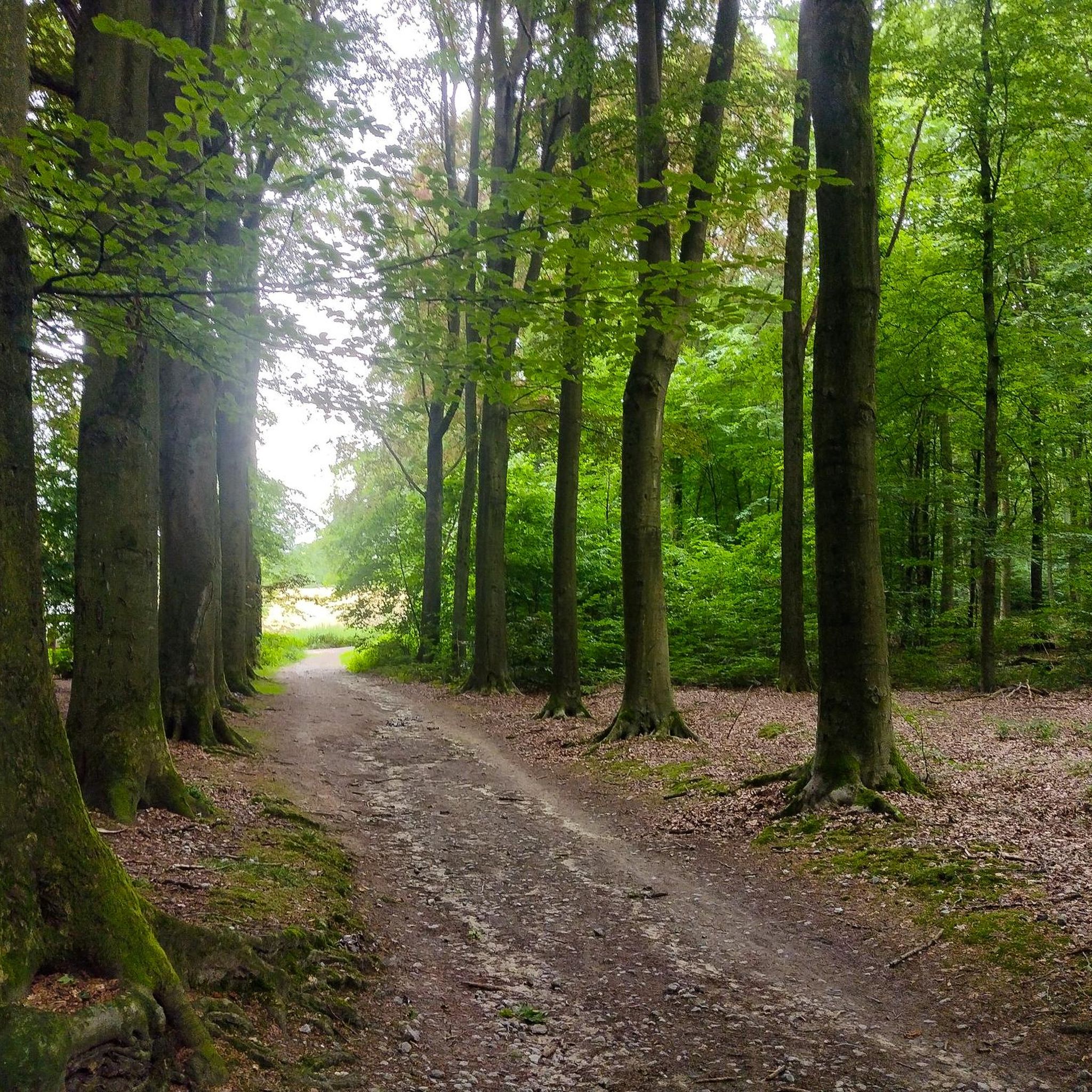
Immediately regrouped and climbed the correct steep mountain path. We enjoyed beautiful views. Once at the top, 'The Stone Wall' is overcome without any problems. On top of the mountain we stroll through different types of orchards. We must return here in blossom time. Hollow roads lead us to the north side. Impressed, we descend majestically. Old stately beech trees resemble the pillars of a cathedral. They reach to heaven and prop up the firmament. The canopy provides protection and cooling on hot days. You can experience the Wijngaardberg in every season. We have gained another experience... It has done well 🍇🍷🍷
Translated by Google •
Tip by

Sign up for free to discover even more attractions around Bierbeek.
Sign up for free
Already have an account?
Start today with a free account
Your next adventure awaits.
Login or Signup
Tips from the Community

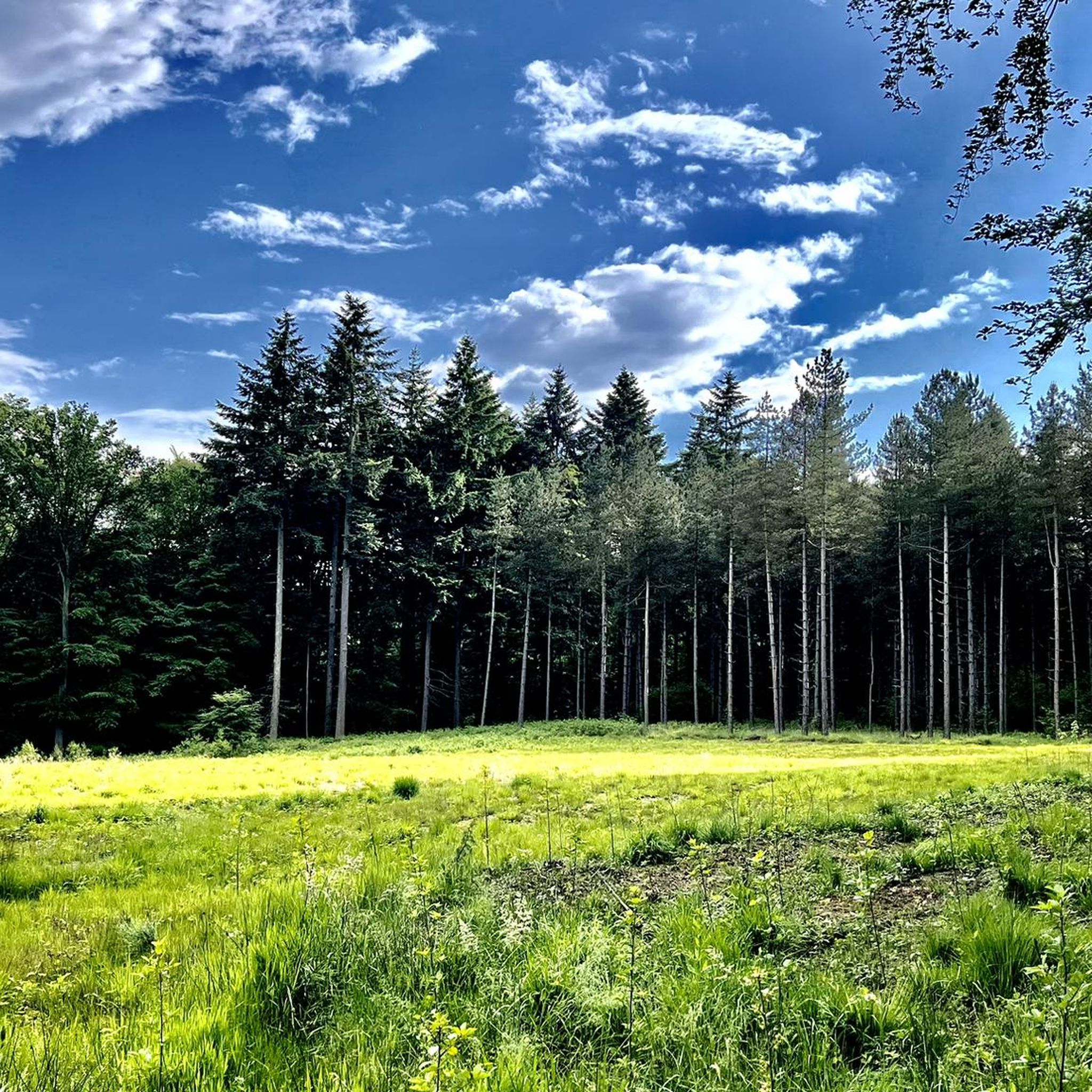
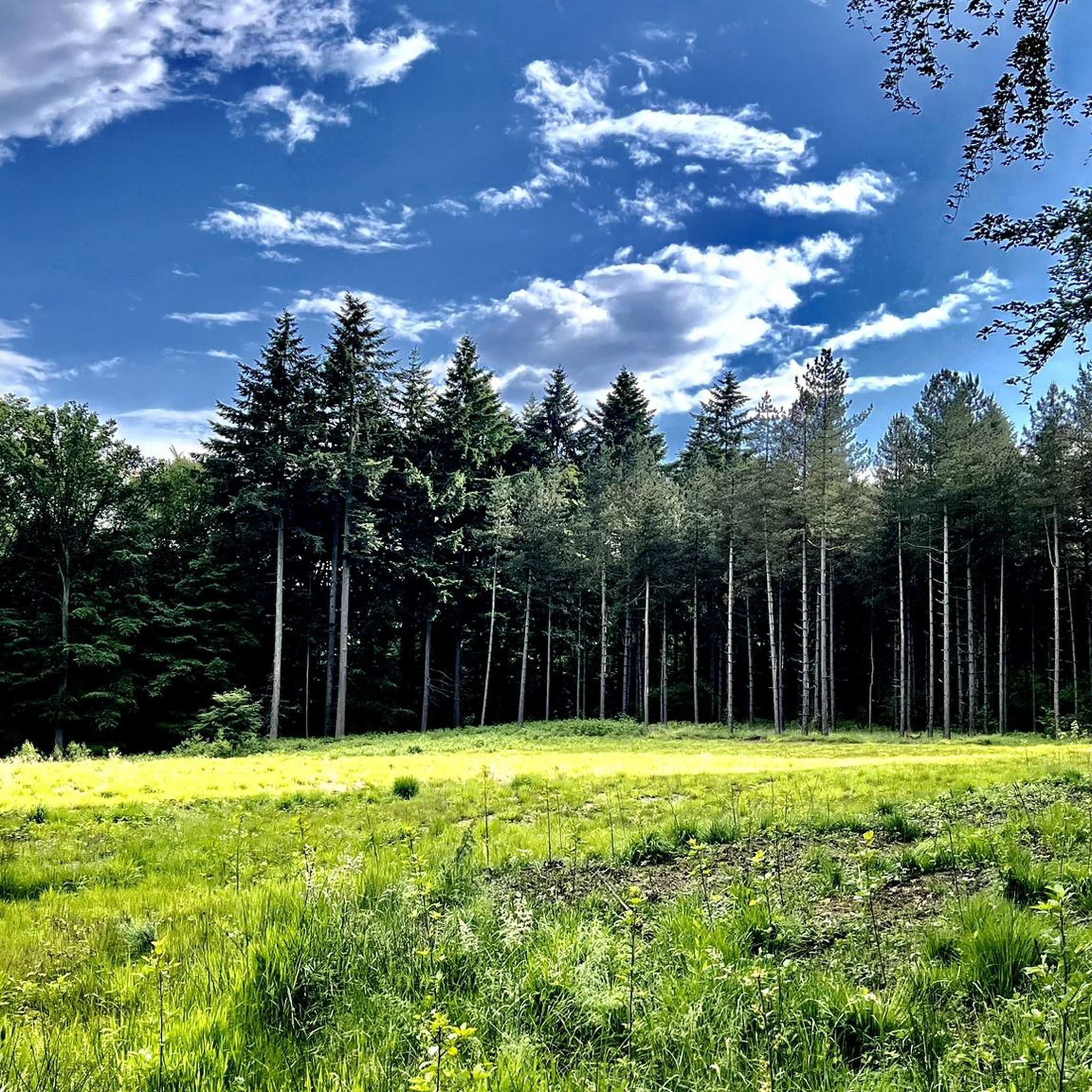
Very colorful in autumn...
4
0

The core of Horst Castle probably dates back to the 13th century and is characterised by a square keep. The keep probably belonged to the oldest core that was further expanded into a fortified castle in the 15th century. During the troubles under Maximilian of Austria in 1489, the castle of Horst was taken by the people of Leuven and set on fire. According to literary sources, only the keep, part of the entrance gate and a defensive wall remained standing. The residential and east wing were renovated and expanded in the 16th century. The round tower also dates from this period. The outer wall was provided with a rectangular bay window. The castle lost its military character and became more of a pleasant residential area with a view of the moat, the ponds and the inner courtyard. Brick construction with sandstone layers characterise these buildings. In 1587, however, the castle was set on fire again during the raids of the Geuzen. It was not until the beginning of the 17th century that restoration work began. It is difficult to deduce from the available sources to what extent this involved restoration or an embellishing conversion of the castle complex. Presumably nothing changed in the internal structure, but only after the structurally necessary repairs were the interiors completely refinished. Maria-Anna Van den Tympel had a new chapel built against the keep in the 17th century. At the beginning of the 19th century, the complex must have been damaged by plundering and neglect, and it is possible that it also suffered from plundering during the Brabant Revolution of 1830. Around 1850, the castle must have been habitable again, but the castle buildings only served as a farm. In the land registry, the site around the castle is called "De Notelaren Boomgaerd". Around that time, the most dilapidated part must have been demolished, namely the southern part and the superstructure of the gate. The rest of the complex was probably restored with reused demolition material and in traditional style. The castle was divided in 1880, with one part being registered as a school house. In 1897, a further division followed, with two plots being designated as houses. Several restoration campaigns followed in the 20th century. Inventory of Immovable Heritage: Horst Castle, https://id.erfgoed.net/erfgoedobjecten/43619
6
0
Since December, there has been a spire on the castle again after the unstable spire was removed more than four years ago and could be viewed on a wooden platform in the pond. Now it is back. And the other works are also progressing quickly. More about the replaced spire on https://www.vrt.be/vrtnws/nl/2024/12/10/torenspits-staat-weer-op-kasteel-van-horst-holsbeek/
6
0
The Leuven town hall is usually identified with the richly decorated late Gothic wing on the Grote Markt. However, this is part of a larger complex that covers the entire block between the Grote Markt, Naamsestraat, Muntstraat and Boekhandelstraat. The various parts of the complex are arranged around a courtyard, the Vrijthof. On the east side is the oldest part of the town hall complex: the rear house, built by Sulpitius van Vorst and Jan II Keldermans between 1439 and 1445. The famous wing on the Grote Markt is the front house, built from 1448 to 1469 under the direction of Matthijs de Layens. The attached conservation house on the Naamsestraat was built in 1461. The southern half of the complex consists of more recent additions. On the Naamsestraat extends the Deanery of the Cloth Weavers, built in 1680 after the university had completely occupied the old cloth hall. The wing on the Muntstraat dates from 1938. The police station on the Grote Markt and Boekhandelstraat was built as a corps de garde in 1821-1822. Inventory of Immovable Heritage: City Hall of Leuven, https://id.erfgoed.net/erfgoedobjecten/42150
9
0

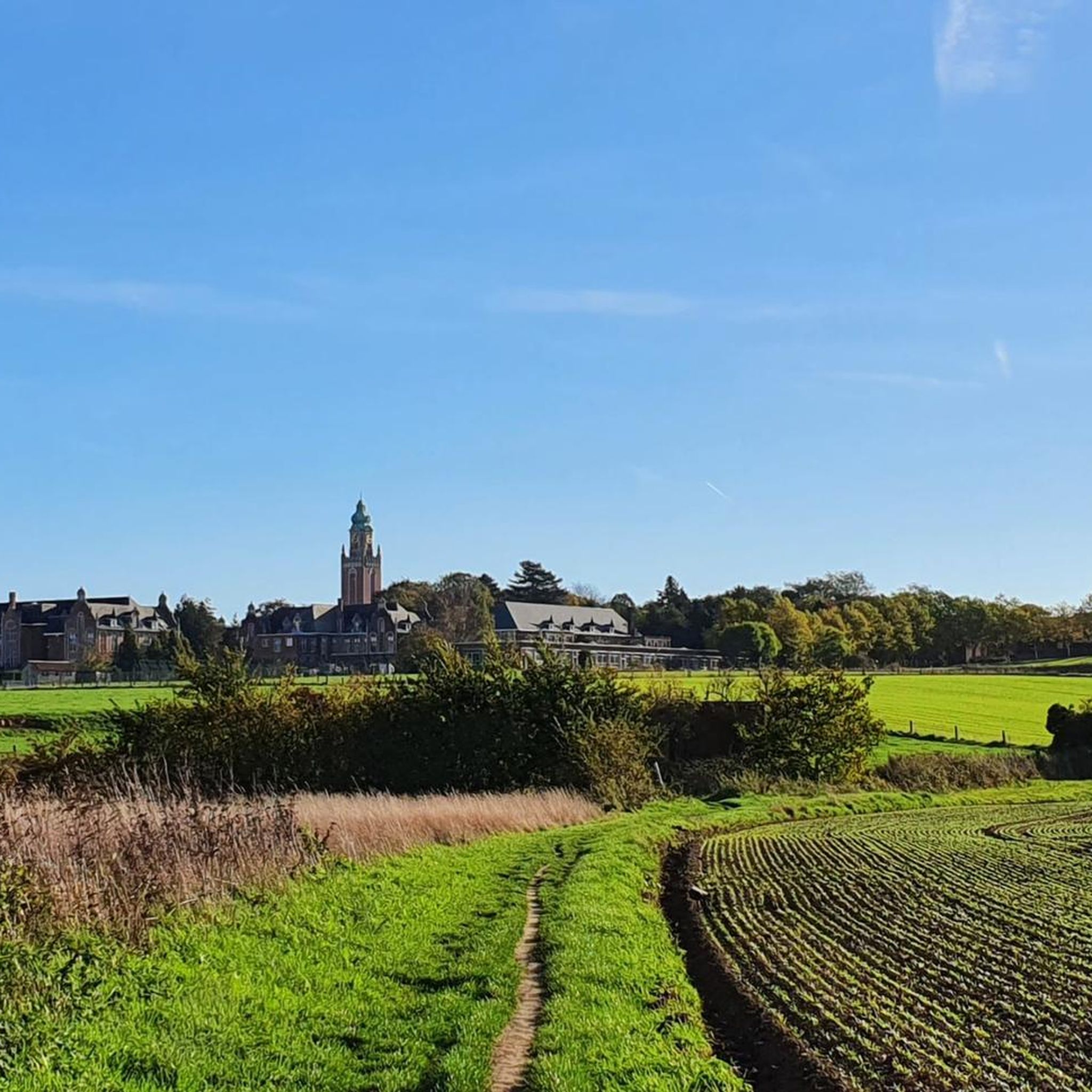
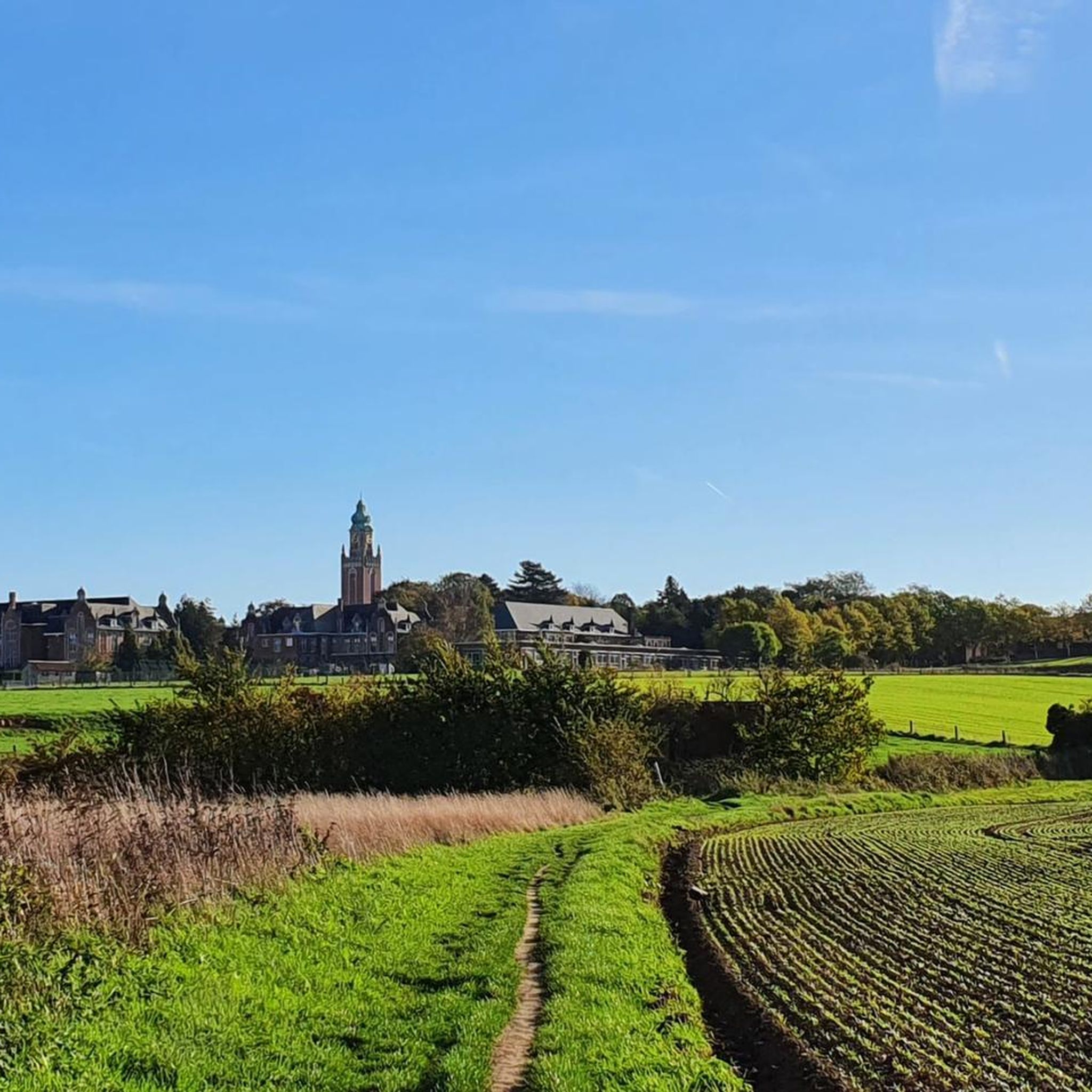
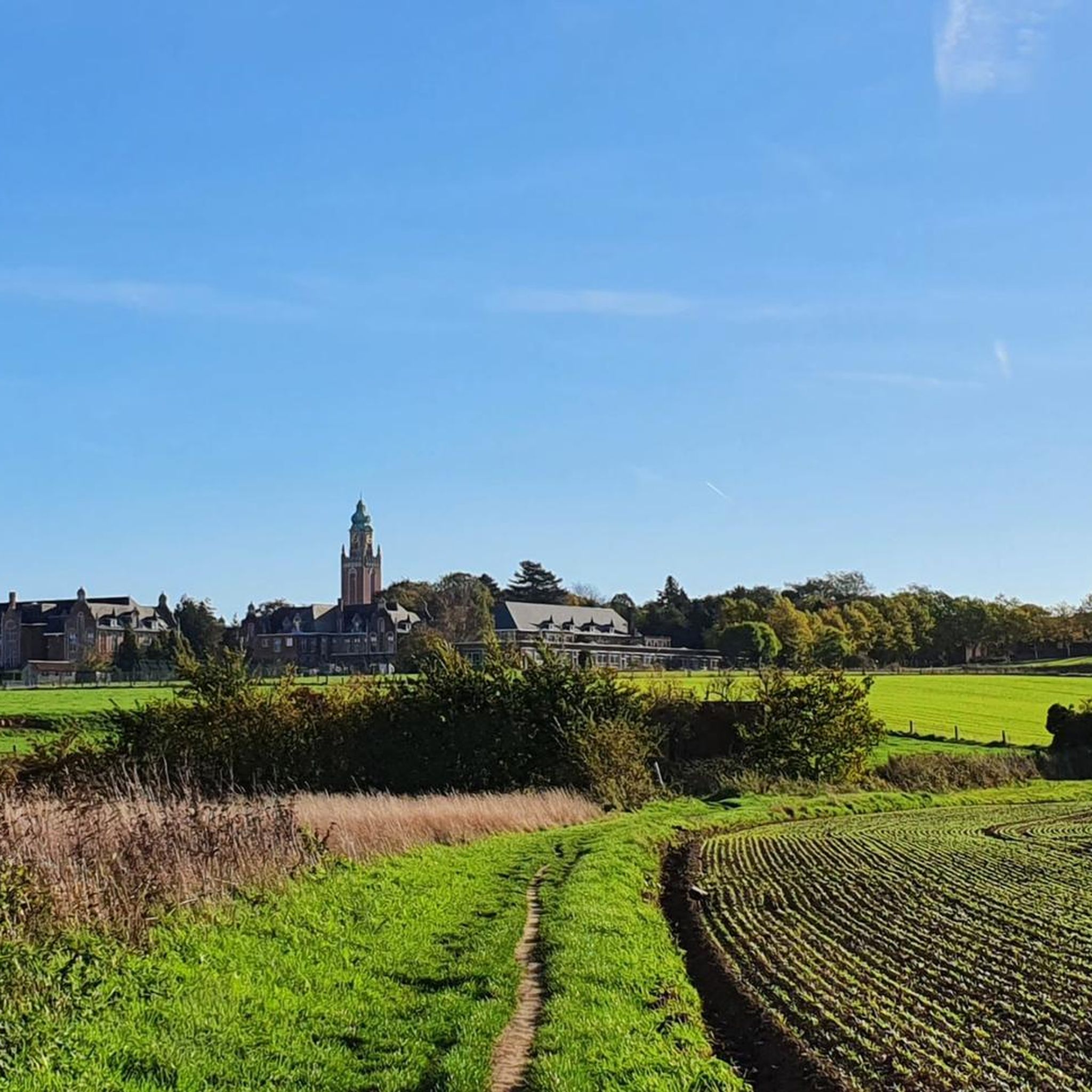
The route takes you through vast green landscapes, rustic farms and scenic field roads. The peaceful countryside offers a welcome escape from the hustle and bustle of the city.
0
0
For those who have traded in their horse for a steel steed. Information boards and such on site.
5
0
Leuven's town hall is generally identified with the richly decorated late Gothic wing on the Grote Markt. However, this wing is part of a larger complex that covers the entire block between the Grote Markt, Naamsestraat, Muntstraat, and Boekhandelstraat. The various parts of the complex are arranged around a courtyard, the Vrijthof. On the east side stands the oldest part of the town hall complex: the rear house, built by Sulpitius van Vorst and Jan II Keldermans between 1439 and 1445. The famous wing on the Grote Markt is the front house, built from 1448 to 1469 under the direction of Matthijs de Layens. The attached conservatory on Naamsestraat was built in 1461. The southern half of the complex consists of more recent additions. Along Naamsestraat extends the Deanery of the Cloth Weavers, built in 1680 after the university had completely occupied the old cloth hall. The wing on Muntstraat dates from 1938. The police station on Grote Markt and Boekhandelstraat was built as a corps de garde in 1821-1822. Inventory of Immovable Heritage: Leuven City Hall, https://id.erfgoed.net/erfgoedobjecten/42150
13
0

This is very easy to cycle. 😉
10
0
Frequently Asked Questions
What historical sites can I explore around Bierbeek?
Bierbeek and its surroundings offer a rich history. You can visit the iconic Leuven Town Hall, a masterpiece of Gothic architecture with 235 statues. Another significant historical site is Horst Castle, a 13th-century moated castle nestled between the Hagelands hills. Within Bierbeek itself, the Sint-Hilariuskerk is one of Flanders' best-preserved Romanesque churches, and the Kasteel van Lovenjoel, set within a 25-hectare park, also offers a glimpse into the past.
Are there any natural attractions or scenic viewpoints near Bierbeek?
Yes, the region boasts several beautiful natural spots. The Dijle River in the Doode Bemde Nature Reserve offers very scenic stretches, particularly south of Leuven. You can also explore the Mollendaalbos, known for its oak trees and mysterious hollow roads, or visit the Vineyard on the Wijngaardberg, which is especially colorful in autumn and provides lovely views.
What outdoor activities can I do near these attractions?
The area around Bierbeek is excellent for various outdoor activities. You can find numerous routes for cycling, gravel biking, and running. For instance, explore the Meerdaal Forest and Heverlee Forest on an easy gravel biking loop, or try a moderate cycling route like the 'Klein Heidestraat Climb – View of the Hageland Hills loop'. Running enthusiasts can enjoy trails such as the 'Mollendaalse Velden' loop. For more detailed routes, you can check out the Gravel biking around Bierbeek, Cycling around Bierbeek, and Running Trails around Bierbeek guides.
Are there family-friendly attractions in the Bierbeek area?
Many attractions around Bierbeek are suitable for families. Horst Castle is a great option, offering an impressive moated castle to explore. The Dijle River in the Doode Bemde Nature Reserve provides easy and pleasant walking paths for all ages. The historical Leuven Town Hall, while a historical site, also offers guided tours that can be engaging for older children.
Where can I find challenging climbs for cycling or hiking?
If you're looking for a challenge, the Smeysberg Climb is a popular choice. This 600-meter-long climb has an average gradient of 7.5% and offers an elevation gain of 50 meters, rewarding you with scenic views from the top. It's a favorite among cyclists and can also be a vigorous hike.
What are the characteristic natural features of Bierbeek?
Bierbeek is particularly known for its numerous beautiful hollow roads, which are distinctive natural features of the area. These sunken paths, often lined with trees, offer unique walking experiences. The Mollendaalbos, with its ancient oak trees, is another characteristic natural landscape.
Can I find any unique architectural landmarks in Bierbeek?
Beyond the historical churches, Bierbeek is home to the unique Water Tower of Bierbeek, which stands as a distinctive local landmark. The region also features impressive square farms, known as "vierkantshoeves," showcasing traditional local architecture.
What do visitors enjoy most about the attractions around Bierbeek?
Visitors frequently praise the intricate Gothic architecture of Leuven Town Hall and the idyllic setting of Horst Castle. The challenging yet rewarding experience of the Smeysberg Climb is also highly rated. Many appreciate the peaceful and scenic beauty of the natural areas, such as the Dijle River in the Doode Bemde Nature Reserve, and the colorful views from the Vineyard on the Wijngaardberg.
Are there any religious heritage sites to visit?
Yes, Bierbeek is rich in religious heritage. The Sint-Hilariuskerk in Bierbeek is a prime example of a well-preserved Romanesque church. Other significant religious sites include the Heilig Kruiskerk in Korbeek-Lo, the Sint-Antonius-Abtkerk in Opvelp, and the Sint-Lambertuskerk in Lovenjoel, all offering a glimpse into centuries of local history and architecture.
What is the best time of year to visit Bierbeek for outdoor activities?
The region offers beauty in every season. Spring and summer are ideal for cycling and walking through lush green landscapes. Autumn brings vibrant colors, especially at the Vineyard on the Wijngaardberg, making it perfect for scenic walks. Even winter can be charming for walks through the Mollendaalbos or along the Dijle River, provided you dress appropriately for the weather.
Are there any parks or green spaces for relaxation?
Bierbeek features three monumental heritage parks that contribute to its cultural landscape. The parks of Lovenjoel are specifically noted as points of interest, offering serene environments for relaxation and leisurely strolls amidst historical settings.
Most popular routes around Bierbeek
Most popular attractions around Bierbeek

Get inspired with the komoot mobile app


Explore more
Still not found the Highlight you’re looking for? See guides of the top attractions in other regions:
