The 4 Most Amazing Peaks around Dilbeek
Best mountain peaks around Dilbeek are found within a region characterized by a gently rolling landscape, as Dilbeek, located in the Flemish Brabant province of Belgium, does not feature traditional mountain peaks. The area is part of the Pajottenland, known for its green spaces and natural reserves. Despite the absence of high mountains, the region offers several natural areas and elevated points for hiking and nature observation. These locations provide opportunities to explore the serene, green landscapes defining Dilbeek and…
Last updated: June 24, 2026
Highest point of Neigembos
Highlight • Summit
Translated by Google •
Tip by

Kesterheide – Highest Point of the Pajottenland
Highlight • Summit
(Tourism Flemish Brabant)
Translated by Google •
Tip by
Sign up now to discover places like this
Get recommendations on the best single tracks, peaks, & plenty of other exciting outdoor places.
Sign up for free
Kesterheide Summit
Highlight • Summit
Translated by Google •
Tip by

Putberg Gravel Trail, Asse
Highlight • Trail
Translated by Google •
Tip by

Start today with a free account
Your next adventure awaits.
Login or Signup



Tips from the Community

The Kesterheide is a top destination for MTB'ers, with challenging trails through forest and heath. The terrain offers a mix of technical sections, steep climbs and fast descents. The rugged, untouched nature makes it a perfect place for an adventurous ride.
0
0

From the top of this 112 m high Kesterheide, enjoy the green landscape with the apartment buildings of Brussels, the Palace of Justice, the Basilica of Koekelberg and the Atomium in the distance. (Tourism Flemish Brabant)
12
0

Kesterheide is a nature reserve in the Flemish Brabant Pajottenland in Kester, a sub-municipality of Gooik. The area is European protected as part of the Natura 2000 area 'Hallerbos and nearby forest complexes with source areas and heathland' and is part of the Flemish Ecological Network.
6
0

Great piece of gravel with a tough climb!
0
0
The krasjel pole was placed in March 2022 on the top of the Nellekensberg in the Neigembos. Its creator is Jeroen Van Assche, the designers Joris Bellemans and son Pieter.
14
0
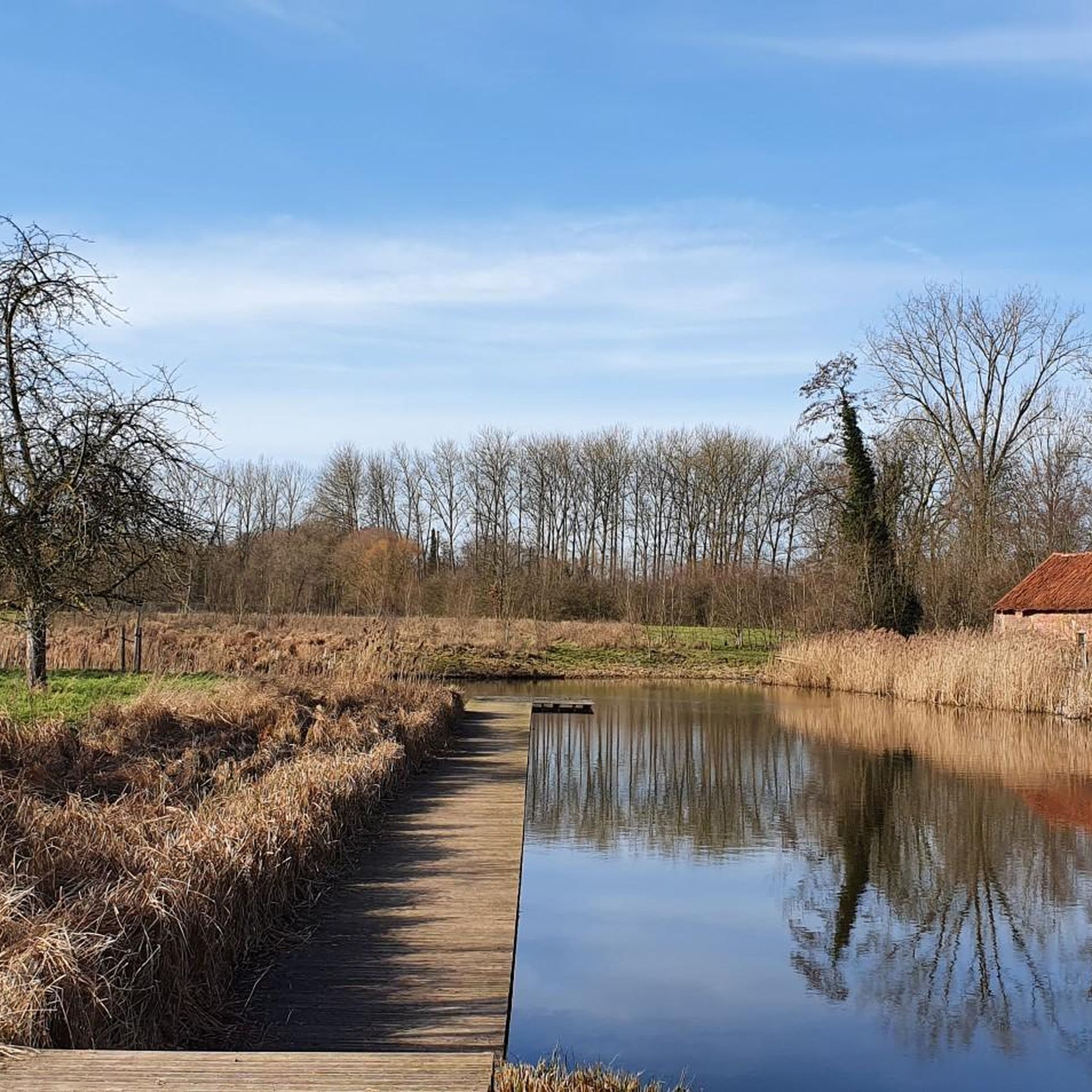
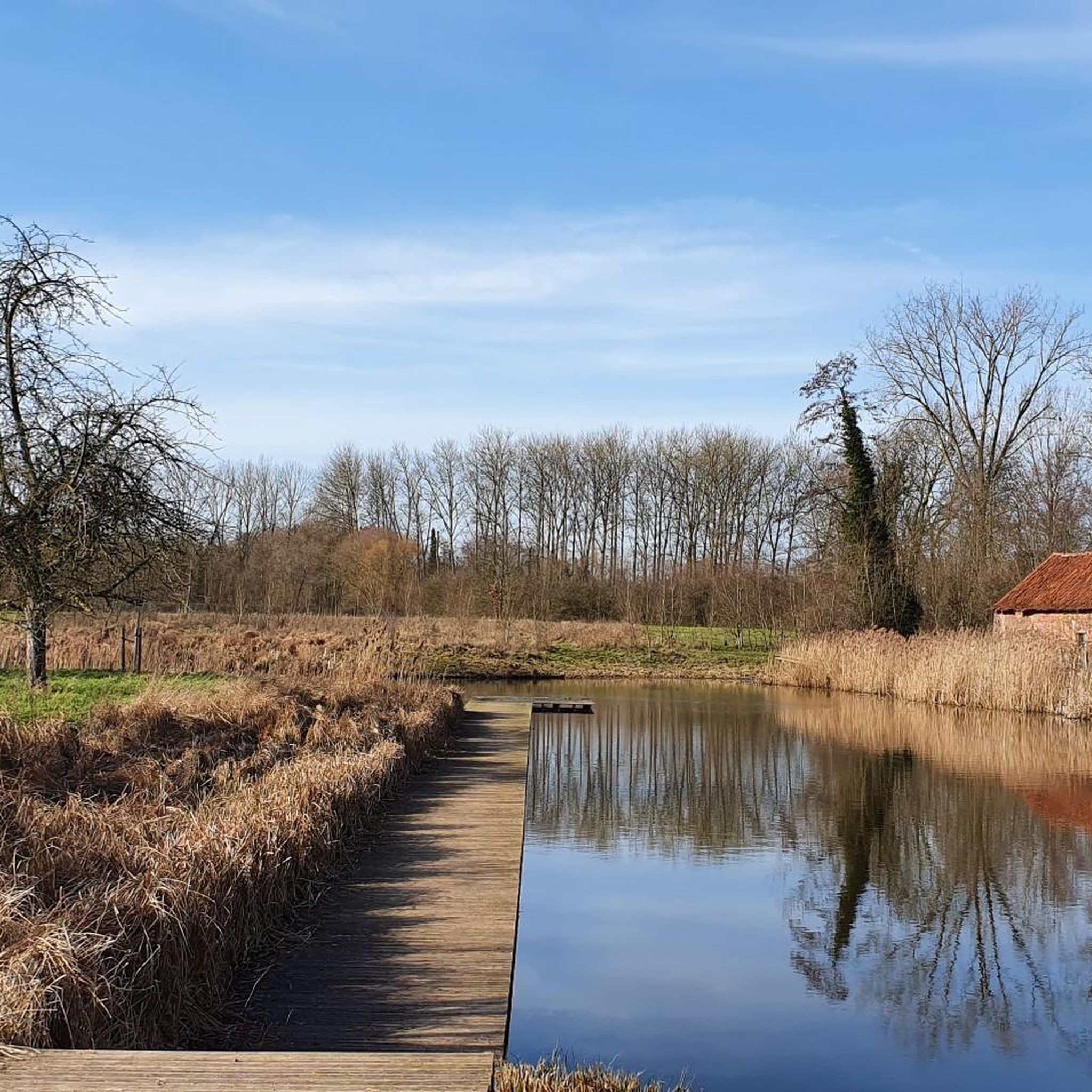
The slightly more than 70 hectare Neigembos once covered almost all of central Belgium, together with the Sonian Forest and the Hallerbos, among others. In this mixed oak and beech forest on the border between the Flemish Ardennes and the Pajottenland you will find height differences from 20 to 90 meters above sea level. A few tough slopes await you here! The deep sunken roads have a distinct microclimate and are a pleasure to walk in. Especially in spring, when the bluebells, bellflowers and wild garlic roll out their colorful carpets. (Routen.be)
15
1

It is certainly worth visiting Neigembos, Berchembos and Hulsbroekbos. Despite the fact that all three are close to each other, they are still different. Beautiful views over the mountain and valley complete the hiking pleasure. Finally, there are also the picturesque desert chapel (15th century) and chapel of Bevingen (12th century)
6
0

The highest point of Ninove is located in this Neigembos at 89 meters above sea level. This playful marking is a wooden pole in the shape of a burning match that protrudes 1.5 meters above the ground next to the walking path. The word 'krasjel' is engraved in the trunk of the pole, which is Ninovan dialect for matchstick. This symbol refers to the match factories that have long been a major part of the Ninovan industry. On the flame itself, you will find a reference to the highest point.
10
0
Frequently Asked Questions
What kind of 'mountain peaks' can I expect to find around Dilbeek?
Dilbeek, located in the Flemish Brabant province of Belgium, does not feature traditional mountain peaks. The region is characterized by a gently rolling landscape, part of the Pajottenland. Instead of mountains, you'll find elevated points, hills, and natural reserves that offer scenic views and opportunities for outdoor activities.
What are some of the most notable elevated points or 'peaks' in the Dilbeek area?
Key elevated points include the Highest point of Neigembos, which features the Nellekensberg with height differences from 20 to 90 meters above sea level. Another significant spot is Kesterheide – Highest Point of the Pajottenland, reaching 112 meters and offering expansive views.
Are there any family-friendly spots among the elevated areas near Dilbeek?
Yes, Kesterheide – Highest Point of the Pajottenland is noted as family-friendly. It's a natural monument and summit where families can enjoy the green landscape and distant views of Brussels landmarks.
What natural features can I explore in the Dilbeek region?
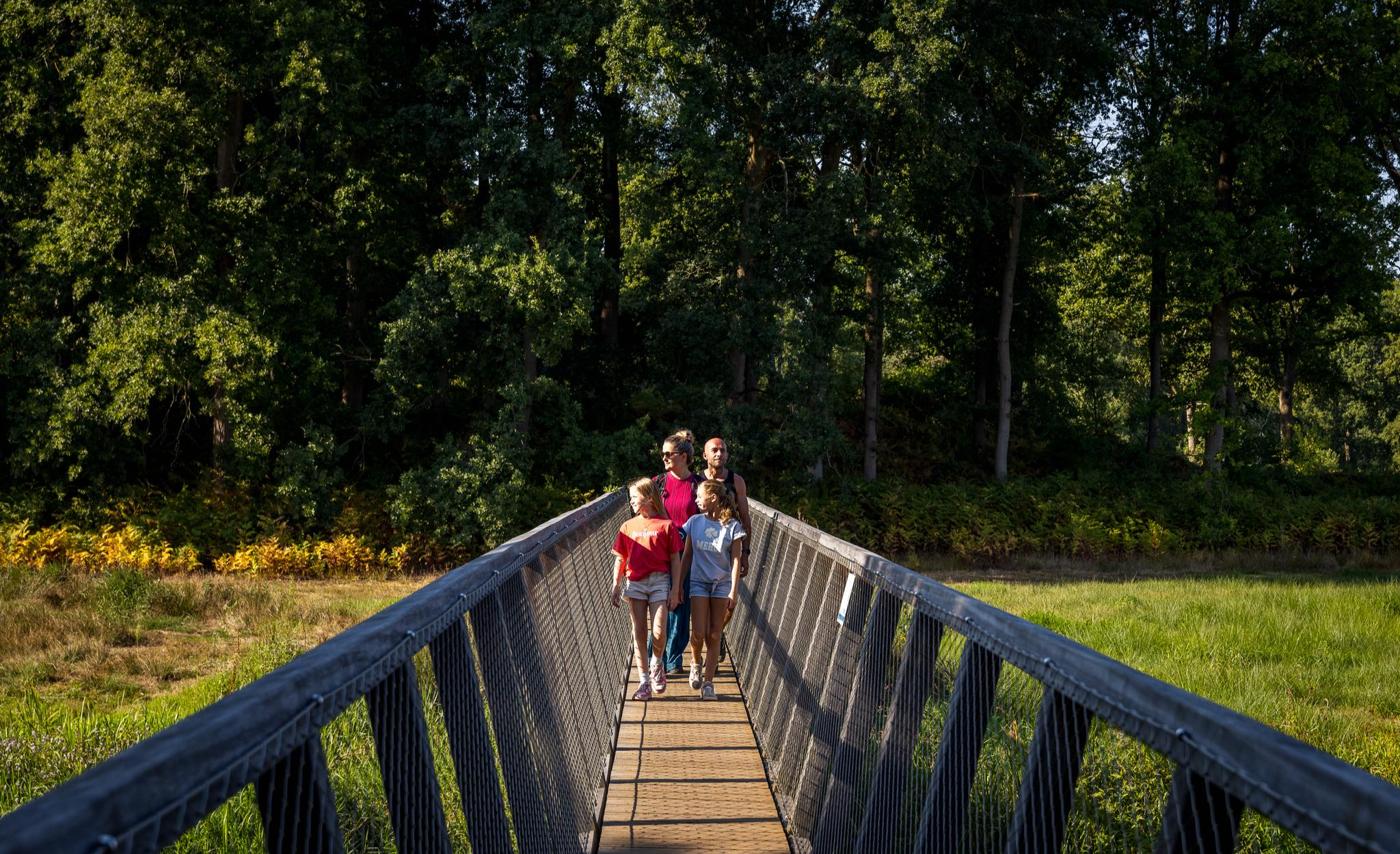
Beyond the elevated points, Dilbeek offers diverse natural areas. The Wolfsputten Nature Reserve is known for its varied terrain, including dry and marshy areas with boardwalks and a viewing platform. Other green spaces include Thaborberg and Begijnenborrebos in Itterbeek, providing opportunities for nature observation and walks.
What kind of views can I expect from these elevated points?
From the Kesterheide – Highest Point of the Pajottenland, you can enjoy panoramic views of the green landscape, including distant Brussels landmarks like the apartment buildings, the Palace of Justice, the Basilica of Koekelberg, and the Atomium.
What outdoor activities can I do near these elevated points?
The region around Dilbeek is excellent for various outdoor activities. You can find numerous routes for gravel biking, running, and general cycling. For example, explore the Gravel biking around Dilbeek guide, the Running Trails around Dilbeek guide, or the Cycling around Dilbeek guide for detailed route suggestions.
Are there specific trails for hiking or walking in these areas?
Yes, areas like the Neigembos offer mapped-out walks, such as the Dikke Beuken Walk, Bevingen Walk, and Groeben Walk. These trails allow you to experience the mixed oak and beech forest and its unique microclimate, especially vibrant in spring with bluebells and wild garlic.
What is the best time of year to visit the elevated points and natural areas around Dilbeek?
Spring is particularly recommended for visiting areas like the Neigembos, when bluebells, bellflowers, and wild garlic create colorful carpets. Generally, the rolling landscapes and natural reserves are enjoyable throughout the warmer months for hiking and cycling.
What kind of terrain can I expect on trails like the Putberg Gravel Trail?
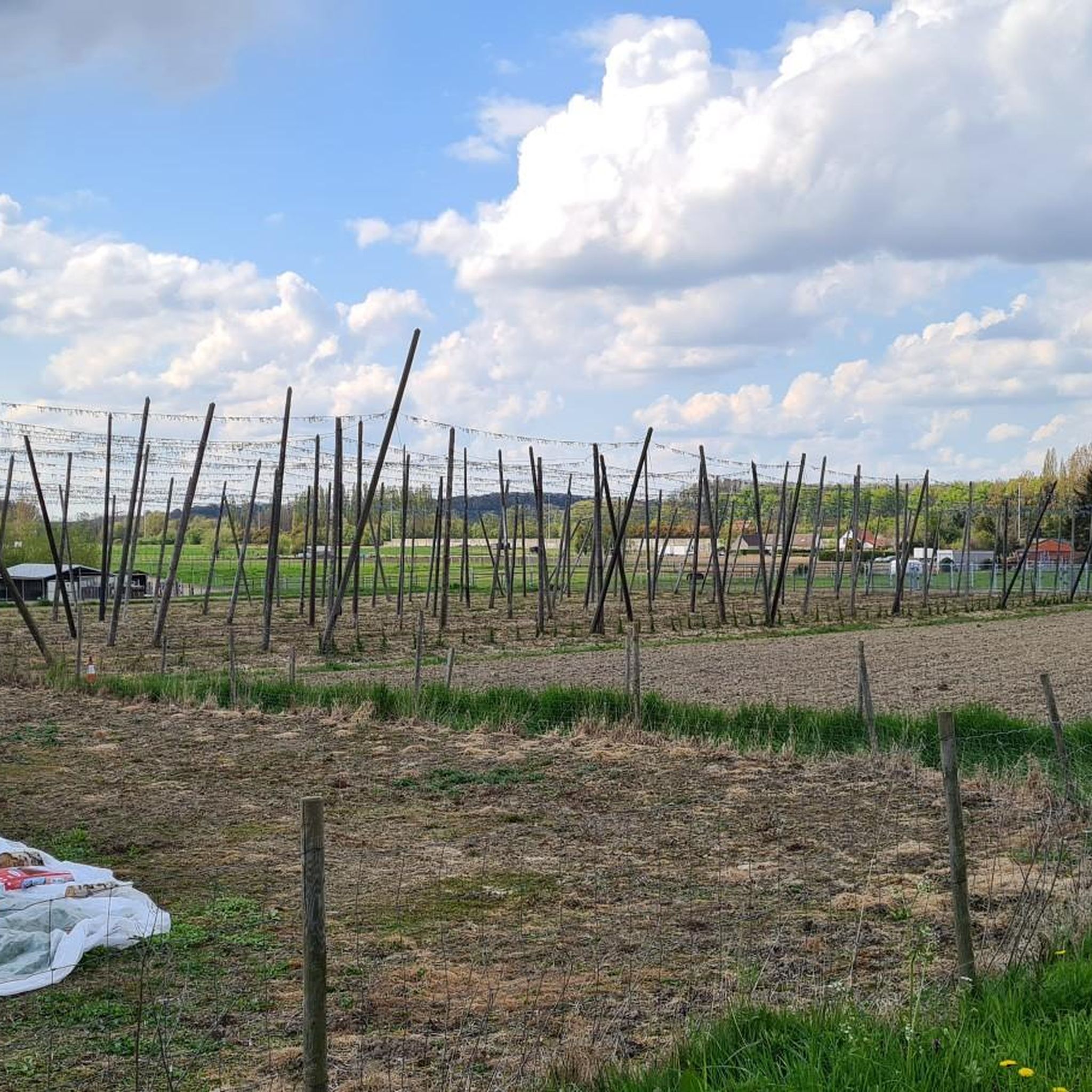
The Putberg Gravel Trail, Asse, offers varied terrain, including narrow singletracks between fields and hills ranging from 35 to 80 meters in elevation. It's known for its 's-tracks' and can involve both descents and ascents.
What do visitors enjoy most about the elevated points and natural areas around Dilbeek?
Visitors appreciate the serene, green landscapes and the opportunities for nature observation and active recreation. The diverse terrain, from forests with significant height differences to open fields with panoramic views, provides a refreshing escape. The community has shared over 50 photos and given more than 280 upvotes to these spots, highlighting their appeal.
Are there any historical or cultural points of interest related to these natural areas?
The Wolfsputten Nature Reserve, for instance, has historical significance as an area where Lede sandstone was quarried. This sandstone was used in the construction of notable buildings like the Brussels and Ghent cathedrals, connecting the natural landscape to the region's architectural heritage.
Most popular routes around Dilbeek
Most popular attractions around Dilbeek

Get inspired with the komoot mobile app


Explore more
See even more amazing summits around Dilbeek with these guides:
