Attractions and Places To See around Rotselaar - Top 20
Best attractions and places to see around Rotselaar, a municipality in Flemish Brabant, blend natural beauty with historical and cultural experiences. The area is characterized by its gentle rolling hills and numerous waterways, including the Demer and Dijle rivers. It offers a variety of sites, from historic castles and churches to scenic cycling paths and recreational domains. Rotselaar provides diverse opportunities for outdoor exploration and cultural discovery.
Best attractions and places to see around Rotselaar
- The most popular attractions is…
Last updated: October 9, 2026
Leuven Town Hall
Highlight • Historical Site
The plans for the …
Translated by Google •
Tip by

Demer Towpath
Highlight • Cycleway
Translated by Google •
Tip by

Sign up now to discover places like this
Get recommendations on the best single tracks, peaks, & plenty of other exciting outdoor places.
Cycling Highway Leuven-Mechelen Along the Leuven-Dijle Canal
Highlight • Cycleway
The left bank is used between Leuven and Boortmeerbeek. At the Pontstraat in Boortmeerbeek, …
Translated by Google •
Tip by

Horst Castle
Highlight • Castle
Translated by Google •
Tip by

Leuven–Dijle Canal
Highlight • River
Tip by

Sign up for free to discover even more attractions around Rotselaar.
Already have an account?
Start today with a free account
Your next adventure awaits.
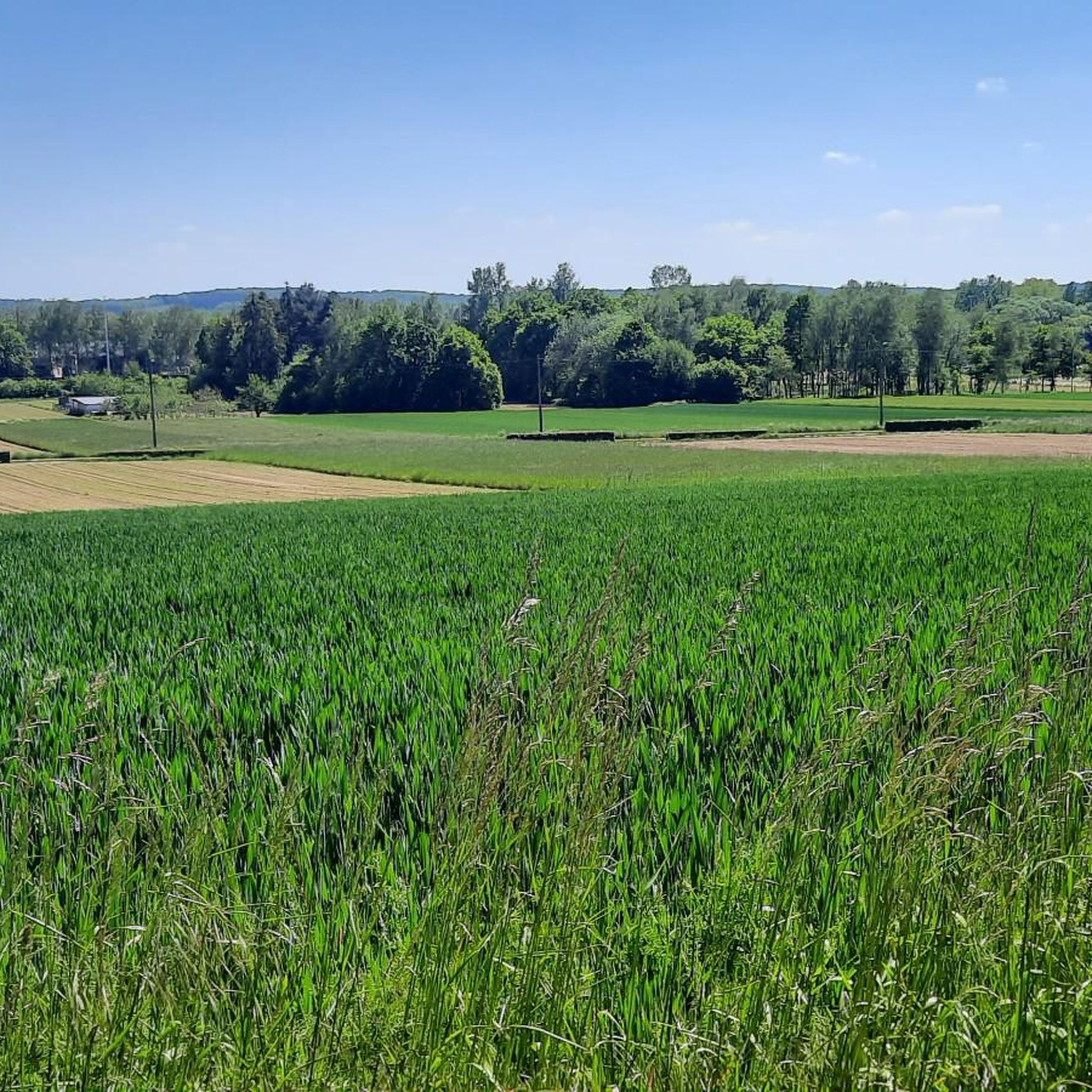
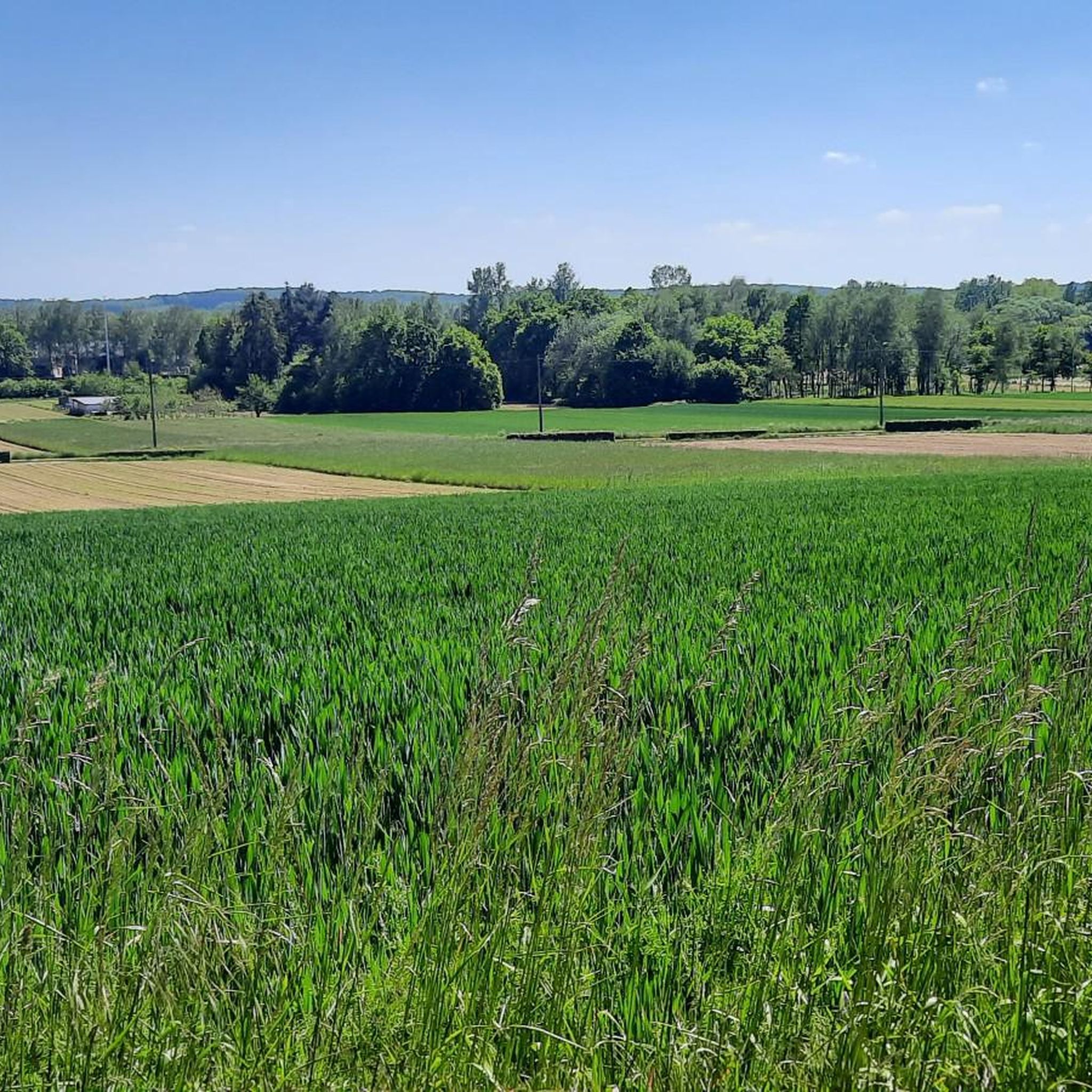

Tips from the Community

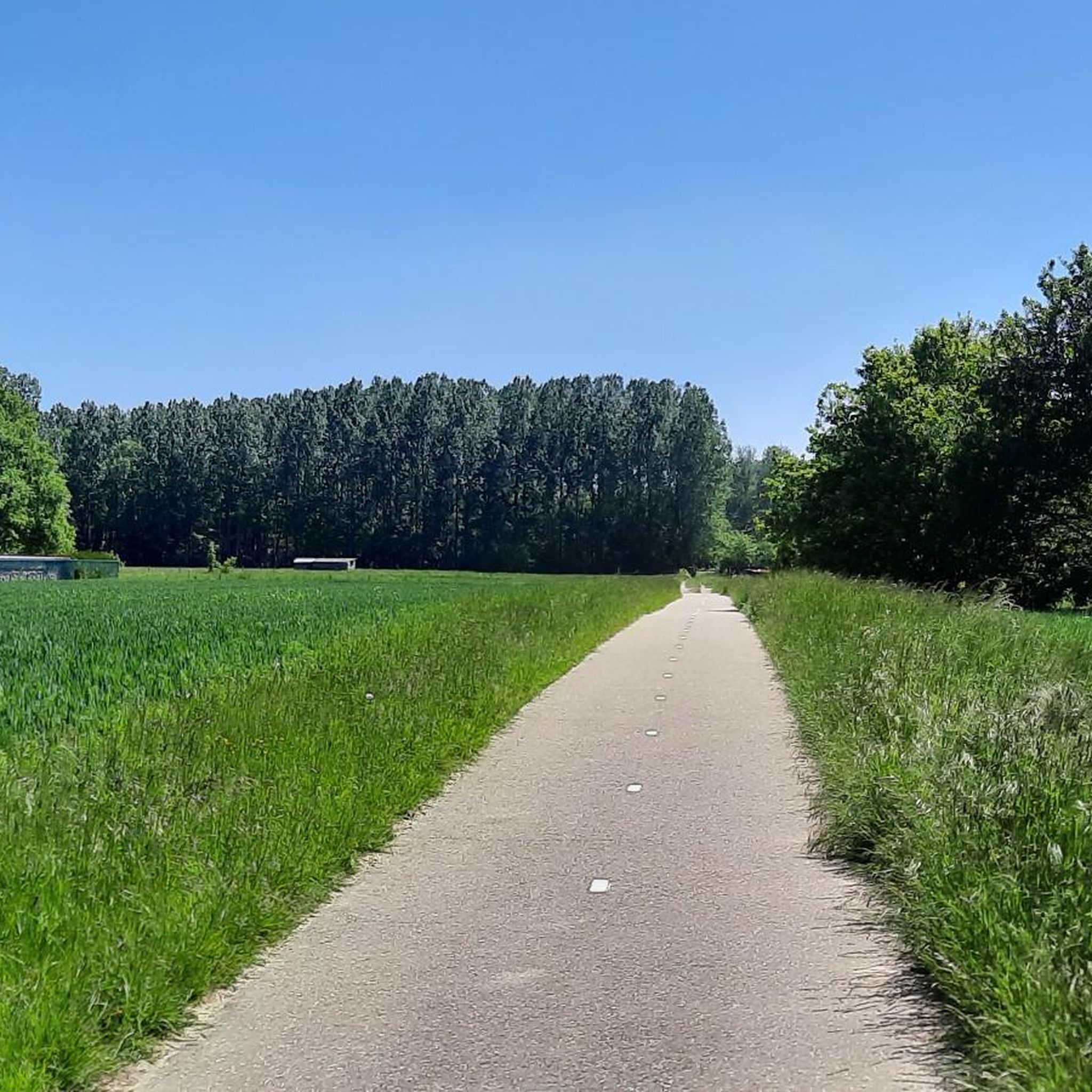
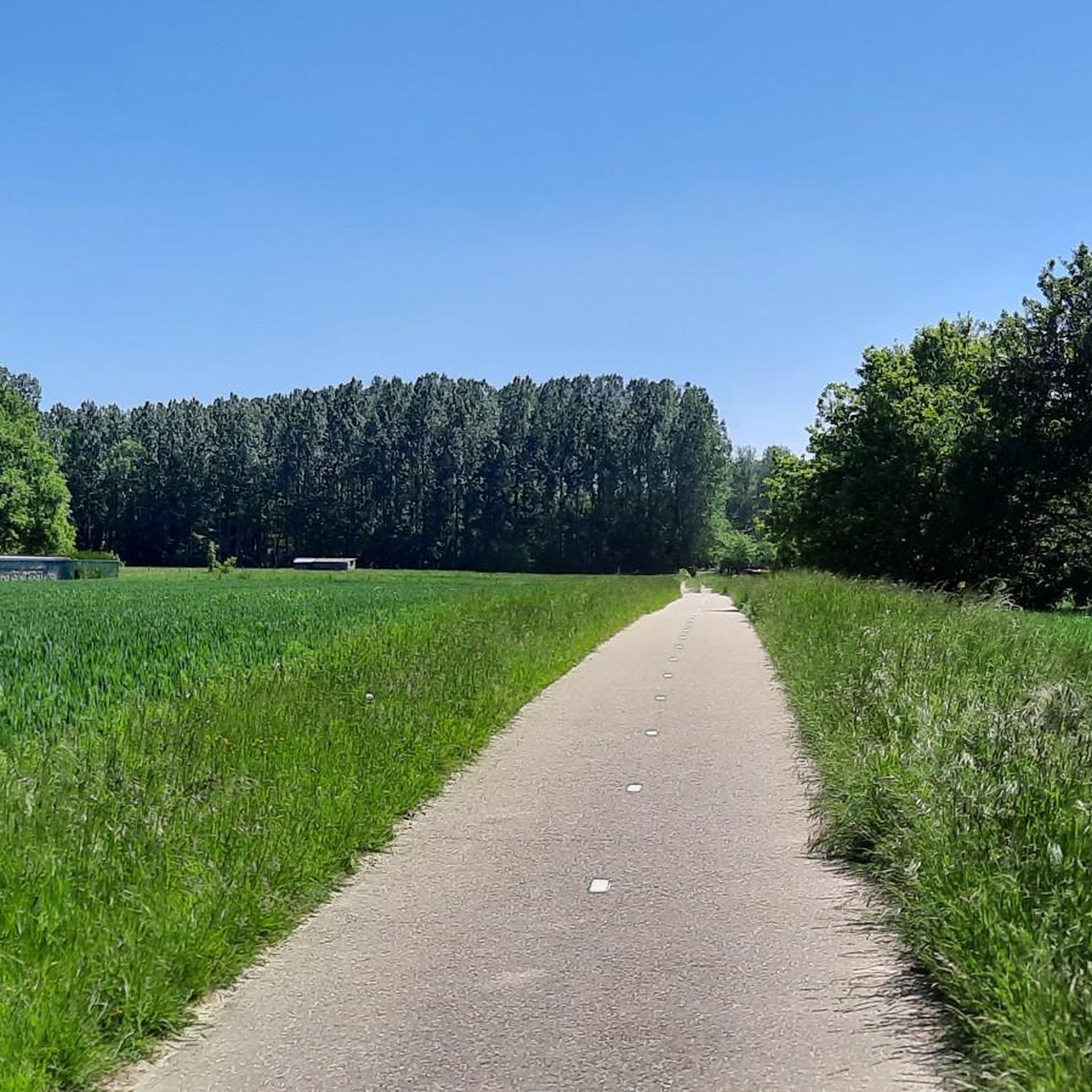
Class cycle path along the canal.
0
0


Cycling along the canal is pleasant, near Mechelen you have kayakers and there is always something to do.
3
0
A relaxing and peaceful place for a quiet bike ride
3
0

The core of Horst Castle probably dates back to the 13th century and is characterised by a square keep. The keep probably belonged to the oldest core that was further expanded into a fortified castle in the 15th century. During the troubles under Maximilian of Austria in 1489, the castle of Horst was taken by the people of Leuven and set on fire. According to literary sources, only the keep, part of the entrance gate and a defensive wall remained standing. The residential and east wing were renovated and expanded in the 16th century. The round tower also dates from this period. The outer wall was provided with a rectangular bay window. The castle lost its military character and became more of a pleasant residential area with a view of the moat, the ponds and the inner courtyard. Brick construction with sandstone layers characterise these buildings. In 1587, however, the castle was set on fire again during the raids of the Geuzen. It was not until the beginning of the 17th century that restoration work began. It is difficult to deduce from the available sources to what extent this involved restoration or an embellishing conversion of the castle complex. Presumably nothing changed in the internal structure, but only after the structurally necessary repairs were the interiors completely refinished. Maria-Anna Van den Tympel had a new chapel built against the keep in the 17th century. At the beginning of the 19th century, the complex must have been damaged by plundering and neglect, and it is possible that it also suffered from plundering during the Brabant Revolution of 1830. Around 1850, the castle must have been habitable again, but the castle buildings only served as a farm. In the land registry, the site around the castle is called "De Notelaren Boomgaerd". Around that time, the most dilapidated part must have been demolished, namely the southern part and the superstructure of the gate. The rest of the complex was probably restored with reused demolition material and in traditional style. The castle was divided in 1880, with one part being registered as a school house. In 1897, a further division followed, with two plots being designated as houses. Several restoration campaigns followed in the 20th century. Inventory of Immovable Heritage: Horst Castle, https://id.erfgoed.net/erfgoedobjecten/43619
8
0
Since December, there has been a spire on the castle again after the unstable spire was removed more than four years ago and could be viewed on a wooden platform in the pond. Now it is back. And the other works are also progressing quickly. More about the replaced spire on https://www.vrt.be/vrtnws/nl/2024/12/10/torenspits-staat-weer-op-kasteel-van-horst-holsbeek/
8
0
The Leuven town hall is usually identified with the richly decorated late Gothic wing on the Grote Markt. However, this is part of a larger complex that covers the entire block between the Grote Markt, Naamsestraat, Muntstraat and Boekhandelstraat. The various parts of the complex are arranged around a courtyard, the Vrijthof. On the east side is the oldest part of the town hall complex: the rear house, built by Sulpitius van Vorst and Jan II Keldermans between 1439 and 1445. The famous wing on the Grote Markt is the front house, built from 1448 to 1469 under the direction of Matthijs de Layens. The attached conservation house on the Naamsestraat was built in 1461. The southern half of the complex consists of more recent additions. On the Naamsestraat extends the Deanery of the Cloth Weavers, built in 1680 after the university had completely occupied the old cloth hall. The wing on the Muntstraat dates from 1938. The police station on the Grote Markt and Boekhandelstraat was built as a corps de garde in 1821-1822. Inventory of Immovable Heritage: City Hall of Leuven, https://id.erfgoed.net/erfgoedobjecten/42150
10
0

Enjoy cycling along the towpath, wonderful!
2
0
Frequently Asked Questions
What natural attractions can I explore in Rotselaar?
Rotselaar offers several natural highlights. You can visit Domain Ter Heide (De Plas van Rotselaar), a popular recreational area for walking, cycling, and bird-watching, with opportunities for swimming and sunbathing. The scenic Dijle Valley and the convergence of the Demer and Dijle rivers provide tranquil environments for walks. Additionally, the Wijngaardberg in Wezemaal is known for its vineyards and wine wall.
What historical sites can I visit in Rotselaar?
Rotselaar is rich in history. A prominent site is Horst Castle, an idyllic 13th-century moated castle. You can also explore the 14th-century Donjon Ter Heyden, a 30-meter high residential tower, and the historic Watermill "Van Doren," which dates back to the 12th century. The Sint-Pieterskerk in Rotselaar, Sint-Jan-De-Doperkerk in Werchter, and Sint-Martinuskerk in Wezemaal are notable historic churches.
Are there good hiking trails around Rotselaar?
Yes, Rotselaar offers a variety of hiking opportunities. Popular routes include the Demer and Dijle Walk, the Damiaan Trail, and the Wijndorpwandeling Trail. You can find more details and routes in the Hiking around Rotselaar guide.
What cycling opportunities are available in Rotselaar?
Rotselaar is excellent for cycling, featuring gentle rolling hills and numerous waterways. The Cycling Highway Leuven-Mechelen Along the Leuven-Dijle Canal provides a quiet, car-free route. The Demer Towpath is another scenic option. For more routes, check the Cycling around Rotselaar guide.
Are there family-friendly attractions in Rotselaar?
Absolutely. Domain Ter Heide (De Plas van Rotselaar) is great for families, offering swimming, sunbathing, and walking. The Demer Towpath and the Cycling Highway Leuven-Mechelen are also family-friendly for walks and bike rides. Horst Castle is a captivating historical site that can be enjoyed by all ages.
What cultural experiences are unique to Rotselaar?
Rotselaar is home to the renowned Rock Werchter Festival, an annual international music event. You can also visit Rock Werchter X to delve into the festival's history or see the North West Walls, a 20-meter high artwork on the festival grounds that changes annually. For wine enthusiasts, the Visitor Center of Hagelandse Wine in Wezemaal offers insights into the local wine region.
What do visitors enjoy most about the attractions around Rotselaar?
Visitors particularly appreciate the blend of natural beauty and historical significance. The tranquil cycling paths along the canals, the impressive architecture of Horst Castle, and the peaceful atmosphere of the Demer and Dijle rivers are frequently highlighted. The community has shared over 540 photos and given more than 1200 upvotes to the attractions, indicating a high level of satisfaction with the diverse offerings.
Are there any viewpoints in Rotselaar?
While Rotselaar is characterized by gentle rolling hills, Horst Castle itself offers picturesque views, especially from a distance, set within the green valley of the Wingebeek. The higher points in the Hageland region, which Rotselaar is part of, also provide scenic vistas over the landscape.
What is the best time of year to visit Rotselaar for outdoor activities?
The spring and summer months are ideal for outdoor activities in Rotselaar. During summer, Domain Ter Heide is perfect for swimming and sunbathing. The pleasant weather in spring and autumn makes it excellent for hiking and cycling along the rivers and through the vineyards. Winter offers opportunities for bird-watching at the lake, which attracts various water birds.
Are there any wheelchair-accessible paths or attractions in Rotselaar?
Some areas in Rotselaar offer accessibility. The Demer Towpath and the Cycling Highway Leuven-Mechelen Along the Leuven-Dijle Canal are generally flat and well-maintained, making them suitable for wheelchairs. While Horst Castle grounds are accessible, the castle interior can be difficult for wheelchair users. Leuven Town Hall is listed as wheelchair accessible.
Can I find gravel biking routes near Rotselaar?
Yes, Rotselaar and its surroundings offer several gravel biking routes. Examples include the 'Soldiers' Bridge over the Demer – View of the Hageland Hills loop from Wezemaal' and the 'Meerdaal Forest and Heverlee Forest – Weertse Dreef, Meerdaal Forest loop from Wezemaal'. You can explore more options in the Gravel biking around Rotselaar guide.
What are the main rivers in the Rotselaar area?
Rotselaar is characterized by its proximity to the Demer and Dijle rivers. The convergence of these two rivers is a significant natural feature, offering scenic views and a tranquil environment. Both rivers have associated towpaths and canals, like the Leuven-Dijle Canal, which are popular for cycling and walking.
Most popular routes around Rotselaar
Most popular attractions around Rotselaar

Get inspired with the komoot mobile app


Explore more
Still not found the Highlight you’re looking for? See guides of the top attractions in other regions:
