Attractions and Places To See around Geel - Top 20
Best attractions and places to see around Geel, a city in the Belgian province of Antwerp, include a mix of historical landmarks, cultural sites, and natural areas. The region is known for its unique tradition of familial care, intertwined with the history of Saint Dymphna. Visitors can explore green spaces, rivers, and nature reserves, offering diverse outdoor experiences. Geel provides opportunities to discover both its cultural heritage and its natural beauty.
Best attractions and places to see around Geel
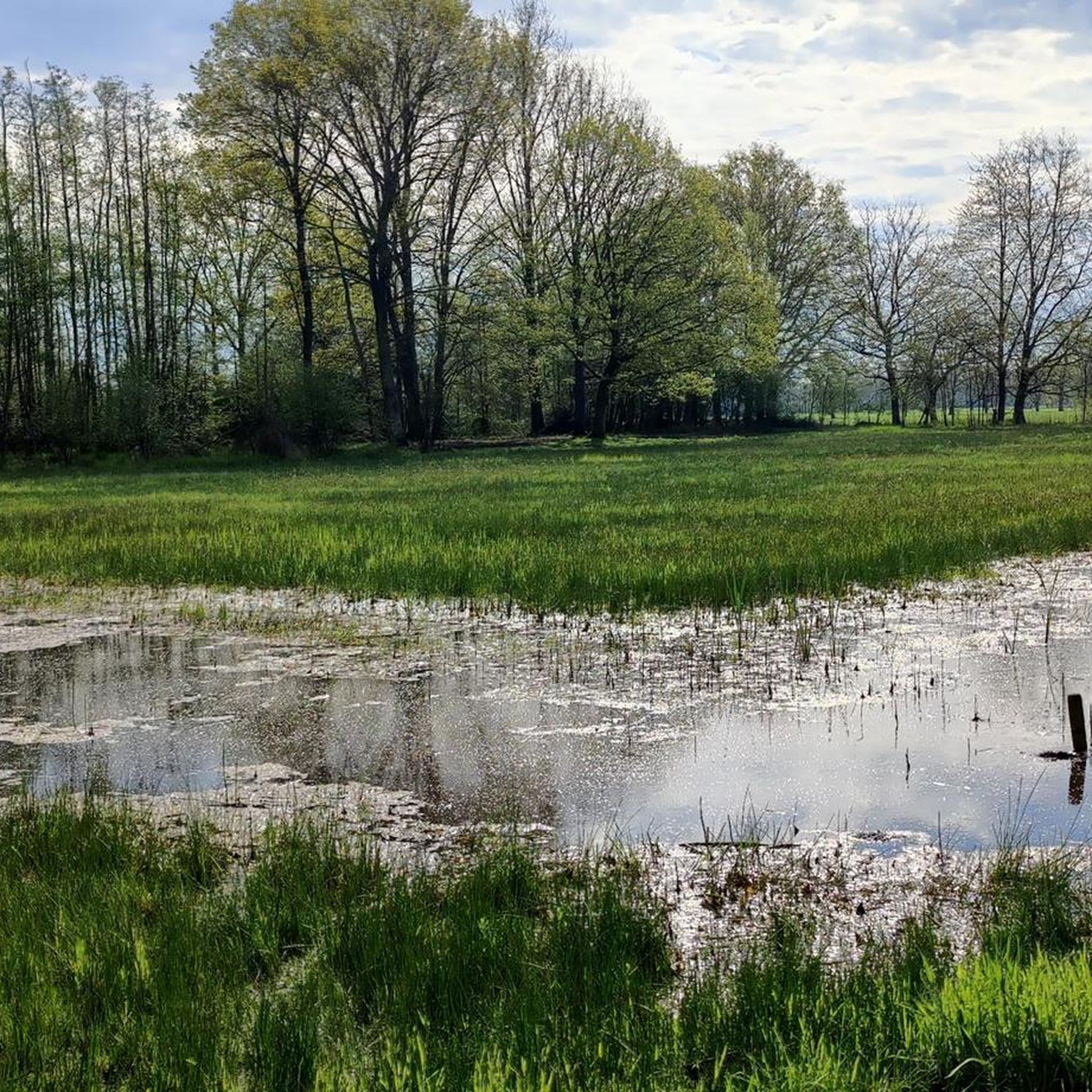
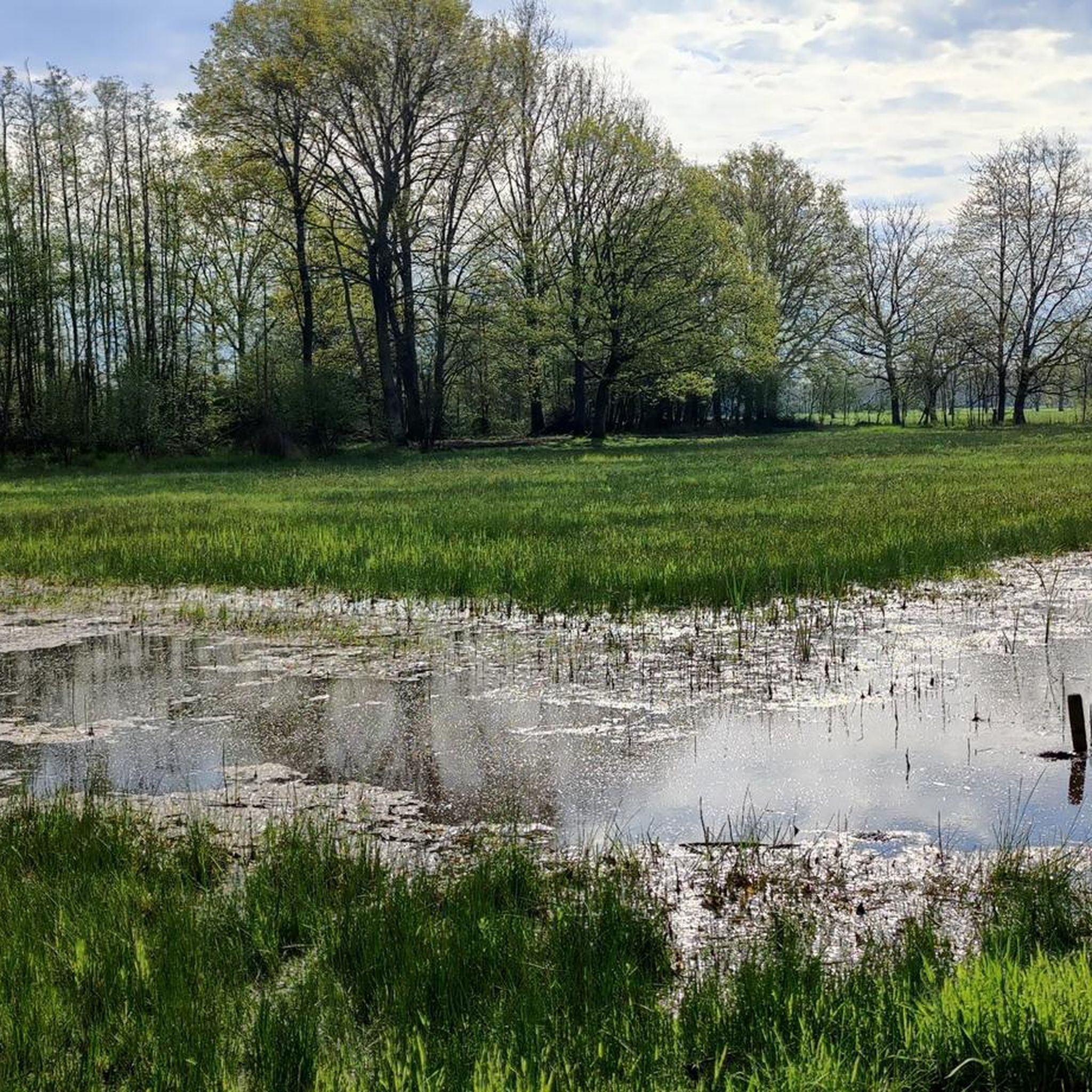
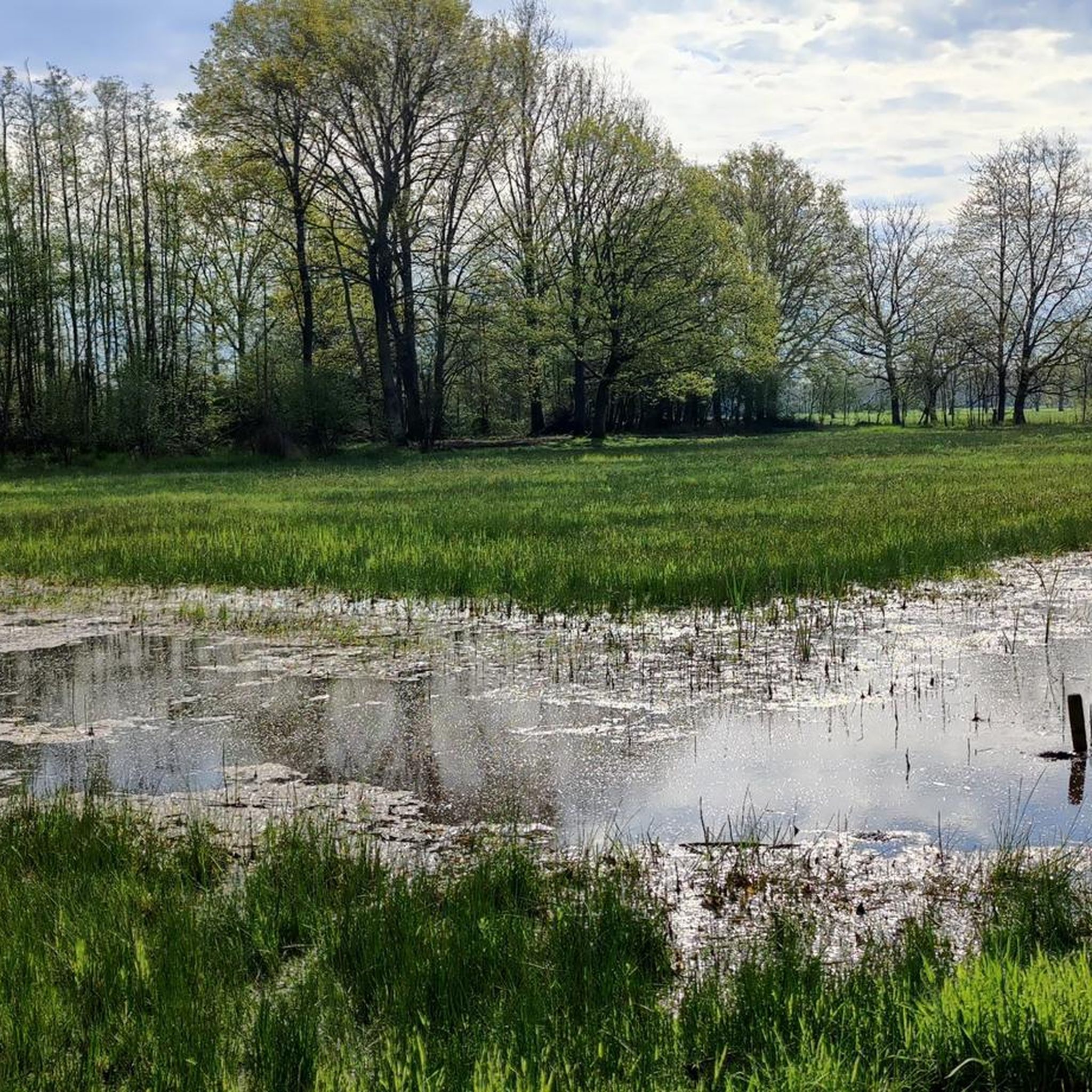
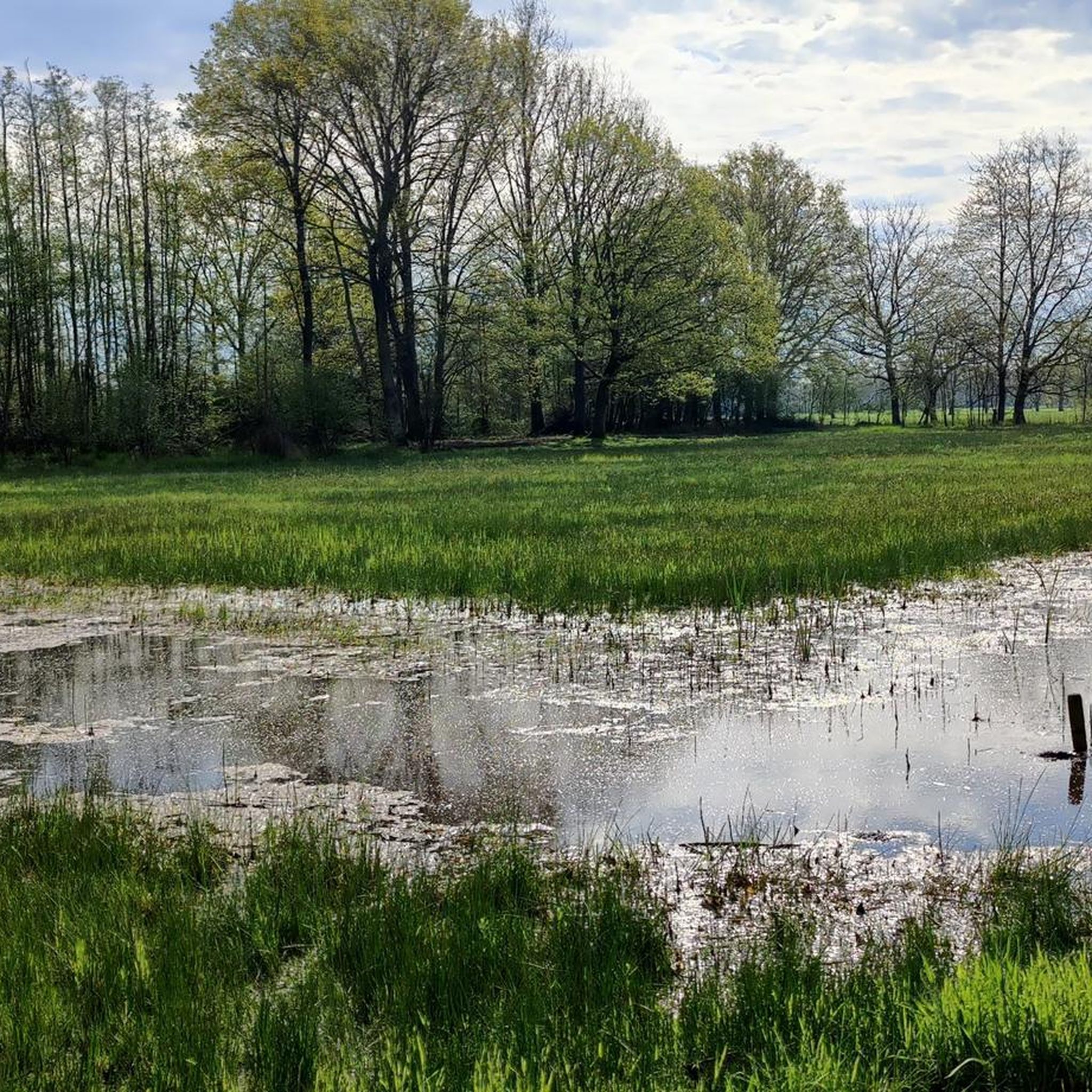
- The most popular attractions is Footbridge over the Weefberg Pond, a bridge that offers views of the surrounding fens. It is located just off a cycle path, providing a scenic crossing point.
- Another must-see spot is Averbode Abbey, a religious building with a history spanning ten centuries. This Norbertine Abbey features a monastery café, a bakery, and a monastery shop, and offers guest rooms for overnight stays.
- Visitors also love Reed Pond, a lake that is full of life in every season. It is a permanent home for herons and offers a tranquil natural setting.
- Geel is known for its historical sites, natural features, and religious buildings. The area offers a variety of attractions to see and explore, from medieval hospices to extensive nature reserves.
- The attractions around Geel are appreciated by the komoot community. These highlights have received more than 1500 upvotes and feature more than 1000 photos.
Last updated: October 10, 2026
Averbode Abbey
Highlight • Religious Site
On the grounds, you will also find an experience center dedicated to traditional crafts. The old farm buildings now house a monastery café with its own brewery, a bakery, and a monastery shop.
By the way: You can also stay overnight in one of the guest rooms.
Information and registration: gastenkwartier@abdijaverbode.be.
Translated by Google •
Tip by

Footbridge over the Weefberg Pond
Highlight • Bridge
Translated by Google •
Tip by

Sign up now to discover places like this
Get recommendations on the best single tracks, peaks, & plenty of other exciting outdoor places.
Averbode Forest and Heath Ponds
Highlight • Natural
Translated by Google •
Tip by

The Zwart Water
Highlight • Lake
Translated by Google •
Tip by

Reed Pond
Highlight • Lake
Translated by Google •
Tip by

Sign up for free to discover even more attractions around Geel.
Already have an account?
Start today with a free account
Your next adventure awaits.
Tips from the Community

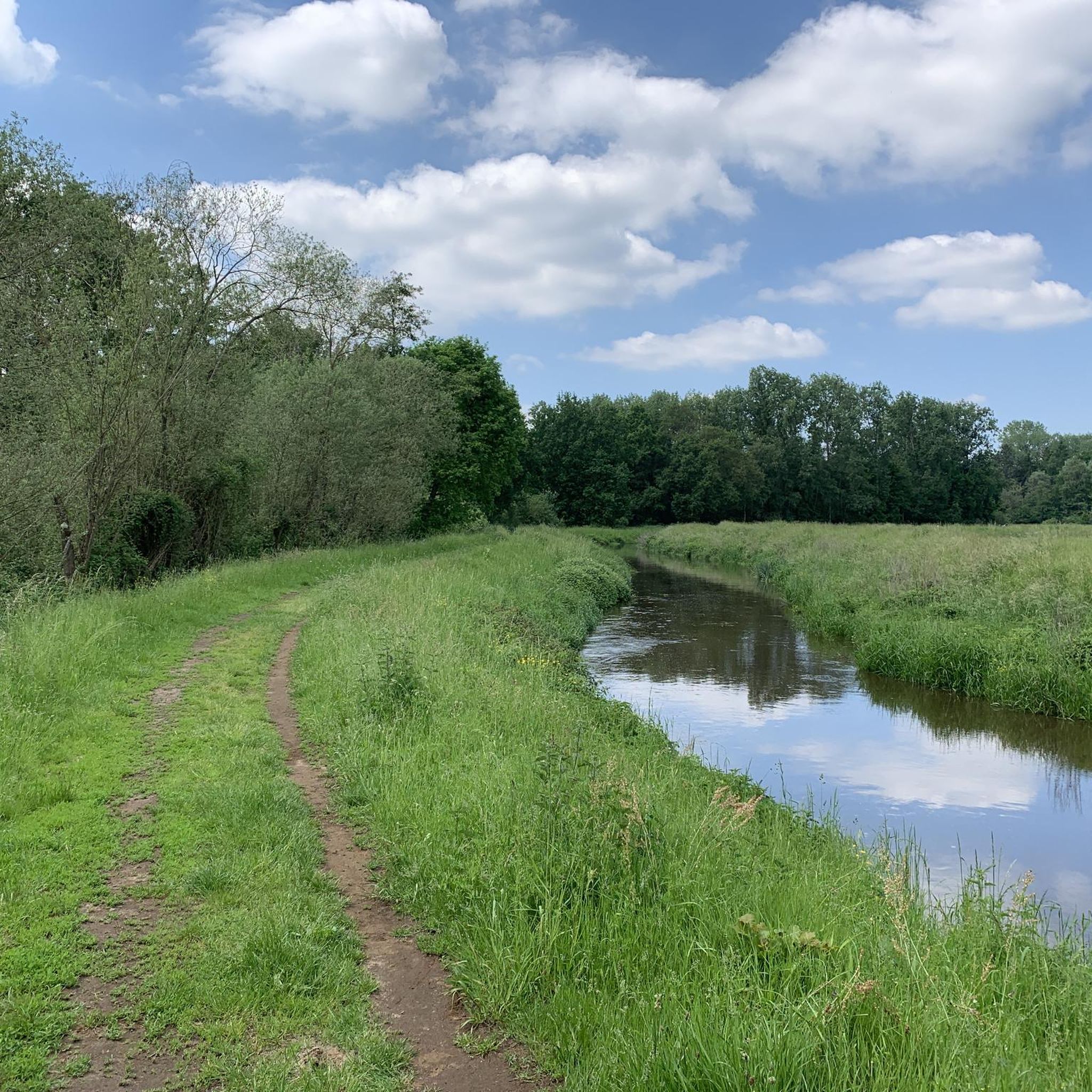
One of my favorite places in the area.
7
0

A bridge provides a connection between two banks. Usually a bridge is over water: a ditch, a canal, moat, river, lake, ravine, ...
11
2
Be sure to bring your binoculars so you can better spot the water birds and watch their antics
6
3

Beautiful and nice bridge over the fen, with a wonderful view...
15
3

Nice spot just off the cycle path.
15
0

There are extensive forests around Averbode Abbey, interspersed with fens, swamps, heaths and grasslands, now managed by Natuurpunt. Early hikers may see a great egret fishing in the reed pond here.
8
3
Het Zwart Water is a nature reserve southwest of the town of Lichtaart, which is part of the Antwerp municipality of Kasterlee, located near Lavendelweg 1-3. The area is managed by the Agency for Nature and Forests. The area is located on the Kempense Heuvelrug and consists of a fen that used to be in a drifting sand and heathland area, but was largely forested with conifers during the 19th century. On the edge of the fen you will find bog myrtle thickets, willow swamp forest and poor grassland. There is a floating dome in the fen that forms a safe resting place for birds. The forest is gradually being transformed into more mixed forest. In addition, there are remnants of heathland.
9
0

In the church of Averbode Abbey, the Averbode altarpiece can recently be admired again in the context of "Flemish masters in their place". The reredos was purchased 40 years ago by the Antwerp Museum of Antiquities. It is, like any altarpiece, the work of several painters, carpenters and the like. The sculptor or at least coordinator was Jacob van Cothem from Antwerp, where the protected Gothic reredos was purchased. It is a special work of great value and has been displayed in a climate cabinet since the end of November, opposite that other work of art, the painting by Jan Erasmus Quellinus: "Saint Augustine gives his rule to Norbertus". The altarpiece was removed from Averbode for about 150 years and originally stood at the altar of the abbey's previous Gothic church. You see some photos above (details, the cabinet with the complete work and a description plate).
13
1
Frequently Asked Questions
What natural features can I explore around Geel?
Geel offers a variety of natural attractions. You can visit the tranquil Reed Pond, known for its abundant wildlife including herons. The Zwart Water is a unique fen with a dark bottom, surrounded by woods, offering a peaceful spot for birdwatching. Additionally, the Averbode Forest and Heath Ponds provide extensive forests, fens, marshes, and heathland for exploration. The Stadspark offers a green oasis within the city, and the De Grote Nete river provides scenic banks for walks.
Are there historical or cultural sites to visit in Geel?
Yes, Geel is rich in history and culture. The Sint-Dimpnakerk (Church of Saint Dymphna) is a significant landmark, central to Geel's unique tradition of care. You can also explore the Gasthuismuseum Geel, a medieval hospice offering insights into the city's historical care for the mentally ill. The Sint-Amandskerk, the oldest parish church, showcases various architectural styles, and the Markt (Market Square) is a lively area with historical buildings like the old town hall (De Halle) and the former weigh house (Waag).
What cycling opportunities are available near Geel's attractions?
Geel and the surrounding Kempen region are excellent for cycling. You can find numerous routes, including the 46-kilometer Saint-Dimpnaroute, which delves into the history of Saint Dymphna. For more options, explore the 'Cycling around Geel' guide, which features routes like the 'Saint Dimpna Church, Geel – Grote Netewoud loop from Geel' or the 'Junction of Four Canals – Dessel-Turnhout-Schoten Canal loop from Geel'. You can find detailed routes and information in the Cycling around Geel guide.
Are there hiking trails suitable for different skill levels?
Yes, the natural areas around Geel offer various hiking opportunities. While specific hiking guides are not detailed here, areas like Averbode Forest and Heath Ponds are freely accessible on hiking trails all year round. Some paths are suitable for strollers, and paved avenues are accessible for wheelchair users, though forest paths can be more challenging. Always stay on designated paths to protect the vulnerable natural environment.
Can I find family-friendly attractions in Geel?
Absolutely. The Footbridge over the Weefberg Pond and the Reed Pond are pleasant spots for families to enjoy nature. For a dedicated family experience, Kinderboerderij de Heihoeve, a children's farm near the Albert Canal, offers interaction with domestic animals and a playground, with activities like pony rides. While not directly in Geel, the popular theme park Bobbejaanland is also nearby.
What is Geel's unique tradition of care, and where can I learn more about it?
Geel is renowned for its unique 'family care' system, a tradition dating back to the Middle Ages where individuals with mental health conditions live with foster families. You can learn more about this compassionate history at the Gasthuismuseum Geel, a medieval hospice that cared for pilgrims and locals. The Sint-Dimpnakerk is also central to this tradition, linked to the legend of Saint Dymphna, who inspired the care system.
Are there any nature reserves for wildlife spotting?
Yes, Mosselgoren is a notable nature reserve near Geel, situated on the remnants of the Geels Gebroekt peat bog. It features diverse biotopes including pools, wet meadows, reedbeds, and alder forests, making it a haven for various bird species and butterflies. It's important to note that Mosselgoren is a dog-free environment to protect the local wildlife.
What are some popular viewpoints or scenic spots in the area?
For scenic views, the Footbridge over the Weefberg Pond offers picturesque views of the surrounding fens. The Reed Pond and The Zwart Water also provide tranquil natural settings and opportunities for reflection. The Averbode Forest and Heath Ponds area is also praised for its beautiful heathland and pools.
Is Geel accessible for visitors with mobility challenges?
Some natural areas around Geel offer accessible paths. For instance, within the Averbode Forest and Heath Ponds, paved avenues are accessible for wheelchair users. However, forest paths can be more challenging. It's advisable to check specific locations for detailed accessibility information before your visit.
What is the best time of year to visit Geel for outdoor activities?
The Kempen region, including Geel, is generally pleasant for outdoor activities from spring through early autumn. During these seasons, the weather is milder, making hiking and cycling more enjoyable. The natural areas, such as Mosselgoren and the various ponds, are particularly vibrant with wildlife during these months. In rainy weather or winter, sturdy shoes or boots are recommended for trails.
Where can I experience local life or find places to eat and drink in Geel?
The Markt (Market Square) is the heart of Geel, offering a vibrant atmosphere. You can experience local culture, especially on Tuesday mornings during the weekly market. The square is also a great place to find cafes and pubs where you can engage with locals and enjoy the city's unique community spirit. The Averbode Abbey also features a monastery café, bakery, and shop for local produce.
Are there mountain biking trails around Geel?
Yes, Geel offers several mountain biking opportunities. You can explore trails like the 'Ponds along the Nete – Gewad Trail loop from Geel' or 'The Black Water – Singletrack in the Forest loop from Geel'. For a comprehensive list of routes, consult the MTB Trails around Geel guide, which details various routes with different difficulty grades.
Can I bring my dog to natural areas or trails in Geel?
Many natural areas are dog-friendly, but often with specific rules. For example, in Averbode Forest and Heath Ponds, dogs are welcome but must always be kept on a leash. However, some sensitive nature reserves, like Mosselgoren, are dog-free to protect local wildlife. Always check local signage or specific area guidelines regarding dogs.
Most popular attractions around Geel

Get inspired with the komoot mobile app


Explore more
Still not found the Highlight you’re looking for? See guides of the top attractions in other regions:
