Attractions and Places To See around Lille - Top 20
Best attractions and places to see around Lille, a vibrant city in northern France, offers a diverse landscape of historical sites, cultural institutions, and natural areas. The region features a mix of urban architecture, expansive green spaces, and unique natural reserves. Visitors can explore a variety of attractions, from significant landmarks to serene natural features.
Best attractions and places to see around Lille
- The most popular attractions is Lovenhoek Nature Reserve, a forest with diverse habitats including former heathlands…
Last updated: August 16, 2026
Lovenhoek Nature Reserve
Highlight • Forest
Translated by Google •
Tip by

The Zwart Water
Highlight • Lake
Translated by Google •
Tip by

Sign up now to discover places like this
Get recommendations on the best single tracks, peaks, & plenty of other exciting outdoor places.
Sign up for free
Landschap De Liereman Visitor Centre
Highlight • Rest Area
Translated by Google •
Tip by

Borrekens Castle
Highlight • Castle
Translated by Google •
Tip by

Warandeplas
Highlight • Lake
Translated by Google •
Tip by
Sign up for free to discover even more attractions around Lille.
Sign up for free
Already have an account?
Start today with a free account
Your next adventure awaits.
Login or Signup

Other adventures around Lille

Tips from the Community

The castle has been the pride of Vorselaar for centuries. Around 1270, the first stone was laid by the knights of Rotselaar. The ground plan has been largely preserved to this day. The castle houses a treasure trove of history and stories, and has been inhabited by noble families all this time.
6
0

Very beautiful medieval castle in the middle of a beautiful forest. A real relief to come here and walk undisturbed.
5
0

Everything you want to know, you can find out here...
7
0

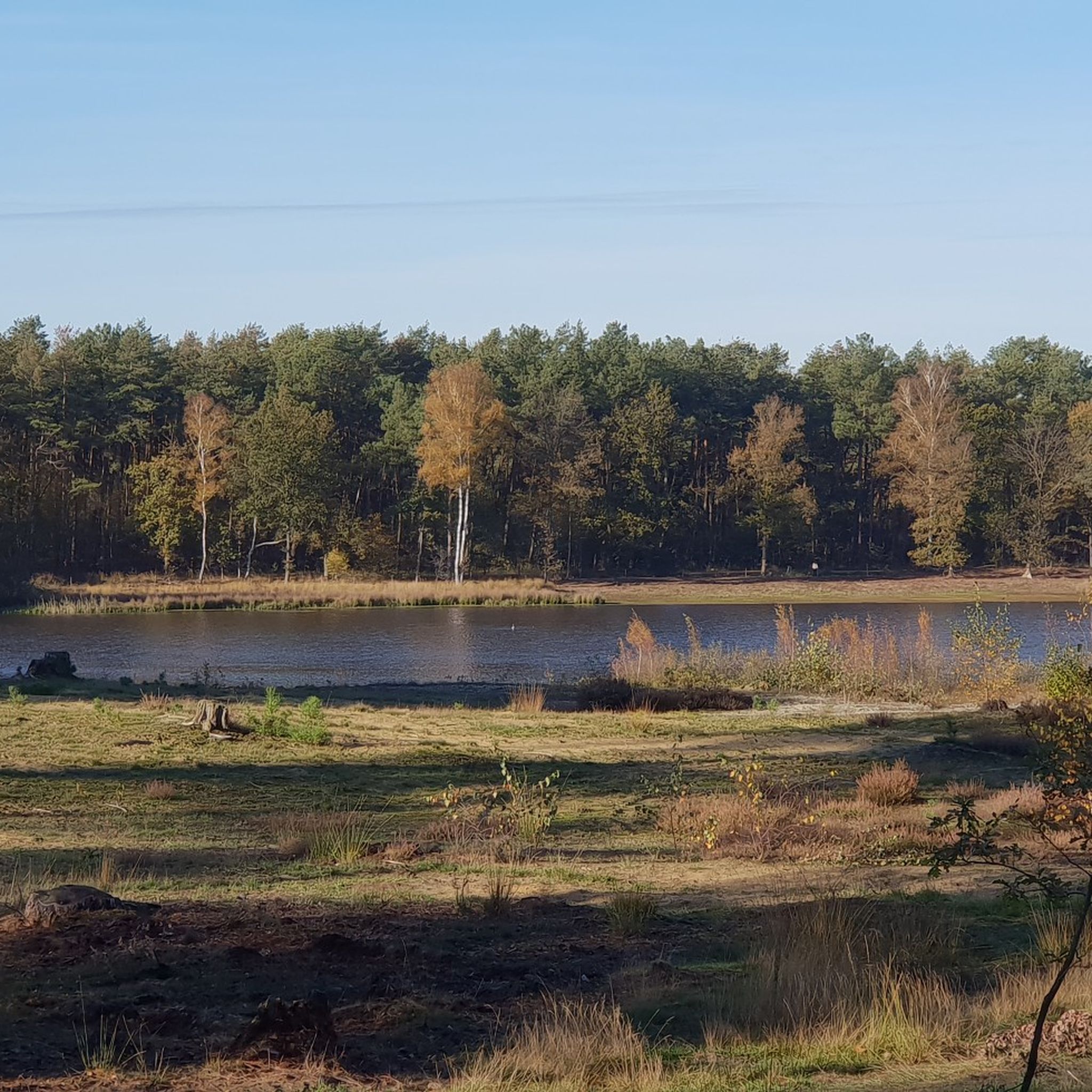
Het Zwart Water is a nature reserve southwest of the town of Lichtaart, which is part of the Antwerp municipality of Kasterlee, located near Lavendelweg 1-3. The area is managed by the Agency for Nature and Forests. The area is located on the Kempense Heuvelrug and consists of a fen that used to be in a drifting sand and heathland area, but was largely forested with conifers during the 19th century. On the edge of the fen you will find bog myrtle thickets, willow swamp forest and poor grassland. There is a floating dome in the fen that forms a safe resting place for birds. The forest is gradually being transformed into more mixed forest. In addition, there are remnants of heathland.
9
0
Here you can read about the following topics: - Trade route Antwerp - Cologne - Maison de plaisance - Beech and Linden Drive
7
0
Borrekens Castle, also called Borrekens Castle or Vorselaar Castle, is a moated castle in Vorselaar. The castle was built around 1270 by the Knights of Rotselaar (Arnolf van Rotselaar or Gerard van Rotselaar). The ground plan of this medieval castle, built from Grimbergen stone, was largely preserved throughout the successive construction phases. In 1678, the castle was rebuilt by Father Karel Eugeen d'Arenberg, whose family had acquired it from the House of Ligne (Jan van Ligne) via the family of Bergen (Cornelis van Bergen), and surrounded by stone ramparts. The castle consists of white sandstone from Grimbergen. A third and final renovation phase (1850-1860 or according to the land registry 1862-1885) took place under Philippe van de Werve (the then mayor of Vorselaar), who would give the castle its current neo-Gothic appearance. In 1911, the castle came into the hands of Baron Edouard Adrien de Borrekens, of the De Borrekens family, through his marriage to Marie-Eulalie van de Werve. He had a French garden laid out in the courtyard by John Juchem. The last resident of the castle was Baron Raymond de Borrekens, who died in 1998. It was then taken on a long lease by a family company.
9
0

The castle has been the pride of Vorselaar for centuries. Around 1270 the first stone was laid by the Knights of Rotselaar. The floor plan has largely been preserved to this day. The castle houses a treasure chest of history and stories.
9
0
Landscape De Liereman is the first official sanctuary in the Kempen. You can hear the regional, soothing sounds of nature. The landscape is a feast for the eyes with a mosaic of forests, grasslands, heaths and fens. Konik horses, Shetland ponies, sheep and Galloways graze among all that beauty. A plank path and viewing hut let you experience nature in all its glory.
19
0
Frequently Asked Questions
What natural features and reserves can I explore around Lille?
The region around Lille offers diverse natural landscapes. You can visit Lovenhoek Nature Reserve, known for its changing landscapes, former heathlands, and deciduous forests. Another unique spot is The Zwart Water, a fen with dark-colored peat water, surrounded by woods and offering a birdwatching hut. The Warandeplas is an extensive body of water ideal for walking and enjoying nature, with a designated zone for dogs to enter the water. Within Lille itself, the expansive Parc de la Citadelle and the tranquil Jardin Vauban offer green escapes.
Are there historical sites or cultural attractions to visit in Lille?
Yes, Lille is rich in history and culture. The city center boasts the magnificent Grand Place, surrounded by Flemish Renaissance and Art Deco architecture. Don't miss the Vieille Bourse (Old Stock Exchange), an architectural gem from the 17th century. The Lille Town Hall and its Belfry, a UNESCO World Heritage Site, offers panoramic city views. For art lovers, the Palais des Beaux-Arts houses France's second-largest art collection. You can also explore the medieval past at the Hospice Comtesse Museum or visit the Birthplace of Charles de Gaulle.
What kind of outdoor activities can I do near Lille's attractions?
You can enjoy various outdoor activities near Lille. For cycling, consider routes like the 'Den Haert Sand Path – The Zwart Water nature reserve loop' or the 'Warandeplas – Achtzaligheden Tree loop'. Gravel biking options include the 'Warandeplas – Lilse Bergen Singletrack loop' which passes by natural areas. If you prefer hiking, trails like 'The Zwart Water – Birdwatching Spot at the Pond loop' offer moderate difficulty, while 'Quiet country road – Kindernouw loop' is an easy option. You can find more routes in the Cycling around Lille, Gravel biking around Lille, and Hiking around Lille guides.
Are there family-friendly attractions around Lille?
Absolutely. The Landschap De Liereman Visitor Centre is a great starting point for families, offering a mosaic of forests, grasslands, and fens where Konik horses and Shetland ponies graze. The Lille Zoo, located within the Parc de la Citadelle, is home to approximately 400 animals and is a popular choice for families. Natural areas like The Zwart Water and Warandeplas are also suitable for family walks and nature observation.
What is the best time to visit Lille for outdoor activities?
The best time to visit Lille for outdoor activities is generally during the spring (April to June) and early autumn (September to October). During these months, the weather is typically mild and pleasant, ideal for exploring the city's parks, nature reserves, and cycling or hiking trails. Summer can also be enjoyable, though it can get warmer, while winter tends to be colder and wetter.
Can I find dog-friendly places to visit near Lille?
Yes, several natural areas around Lille are dog-friendly. The Warandeplas features a specific zone where dogs are allowed to enter the water, making it a great spot for them to cool down. Many walking paths in nature reserves like Lovenhoek Nature Reserve and the Parc de la Citadelle are also suitable for walks with dogs, provided they are kept on a leash where required.
What are some unique or less-known places to explore around Lille?
Beyond the main city attractions, consider exploring some of the natural reserves that offer a different experience. Lovenhoek Nature Reserve and The Zwart Water are less urban and provide opportunities for peaceful nature walks and birdwatching. The Borrekens Castle, nestled in a forest, is a beautifully restored privately owned castle that offers a picturesque sight away from the city bustle.
How can I get to the natural attractions outside the city center?
For attractions within Lille like Parc de la Citadelle or Jardin Vauban, public transport (metro, tram, bus) is readily available. For natural reserves further afield, such as Lovenhoek Nature Reserve or Landschap De Liereman Visitor Centre, driving is often the most convenient option. The visitor center at Landschap De Liereman, for example, offers a very spacious parking lot. Always check local transport options or driving directions for specific locations.
What do visitors enjoy most about the attractions around Lille?
Visitors frequently appreciate the diverse experiences offered, from the historical charm of Old Lille and the architectural beauty of the Grand Place to the tranquility of the natural reserves. Many highlight the peaceful atmosphere of places like The Zwart Water, where they enjoy the sounds of birds and the reflections on the water. The changing landscapes of Lovenhoek Nature Reserve and the beautiful gardens of Borrekens Castle are also highly praised for their scenic beauty.
Are there any castles or historical monuments to see near Lille?
Yes, the region features notable historical structures. Borrekens Castle is a beautifully restored privately owned castle situated in the middle of a forest. Within Lille, the Citadelle de Lille, a star-shaped fortress built by Vauban, is a significant example of 17th-century military engineering. The Porte de Paris is another old city gate that stands as a historical monument.
Where can I find information about walking options and facilities in nature reserves?
At places like the Landschap De Liereman Visitor Centre, you'll find information boards detailing various walking options. These centers often provide maps and details about the local flora and fauna. Some reserves, like Lovenhoek, have marked nature trails (e.g., following orange triangles). Facilities such as cafes and restrooms might also be available at visitor centers.
Most popular attractions around Lille

Get inspired with the komoot mobile app


Explore more
Still not found the Highlight you’re looking for? See guides of the top attractions in other regions:
