The best walks and hikes around Chastre
4.8
(169)
959
hikers
66
hikes
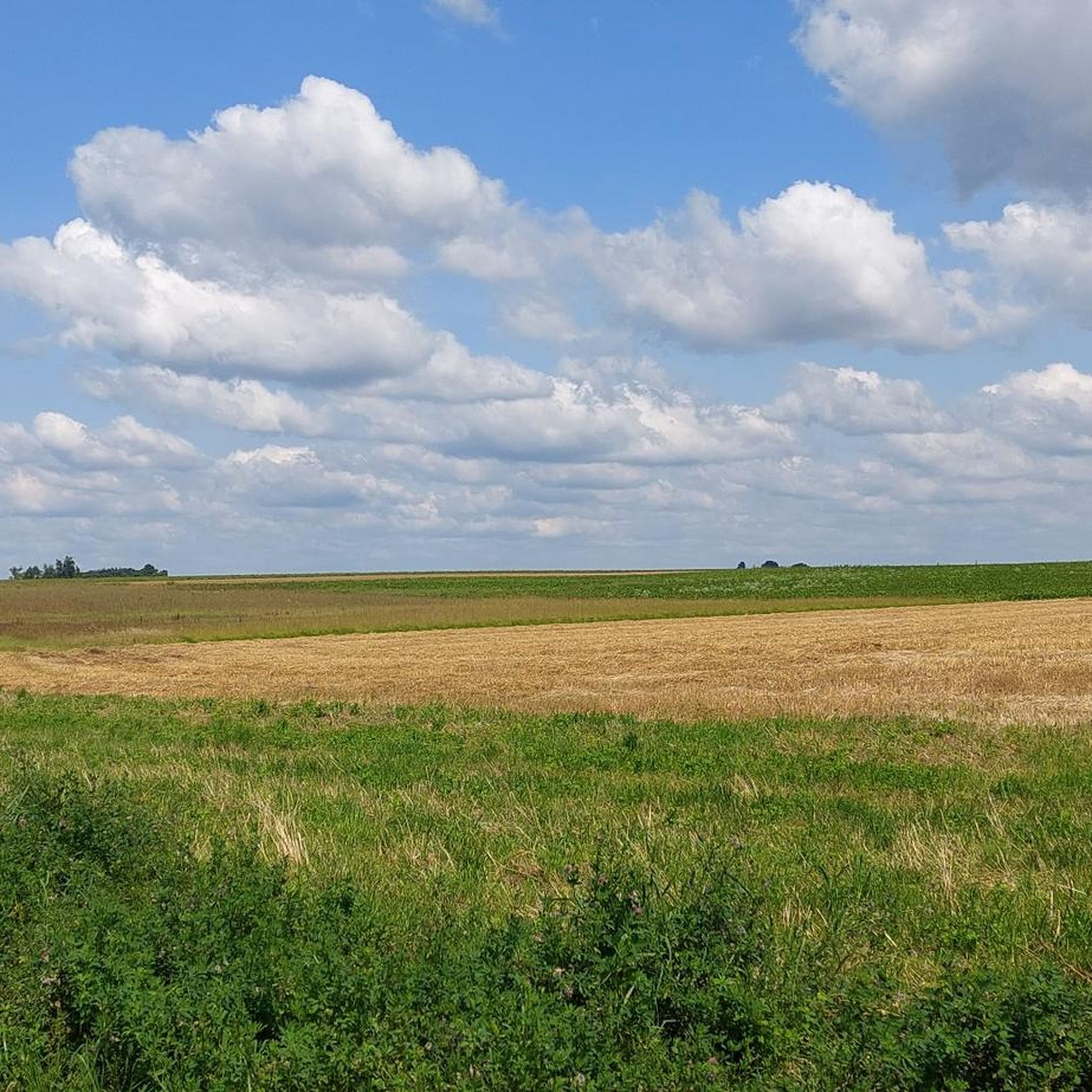
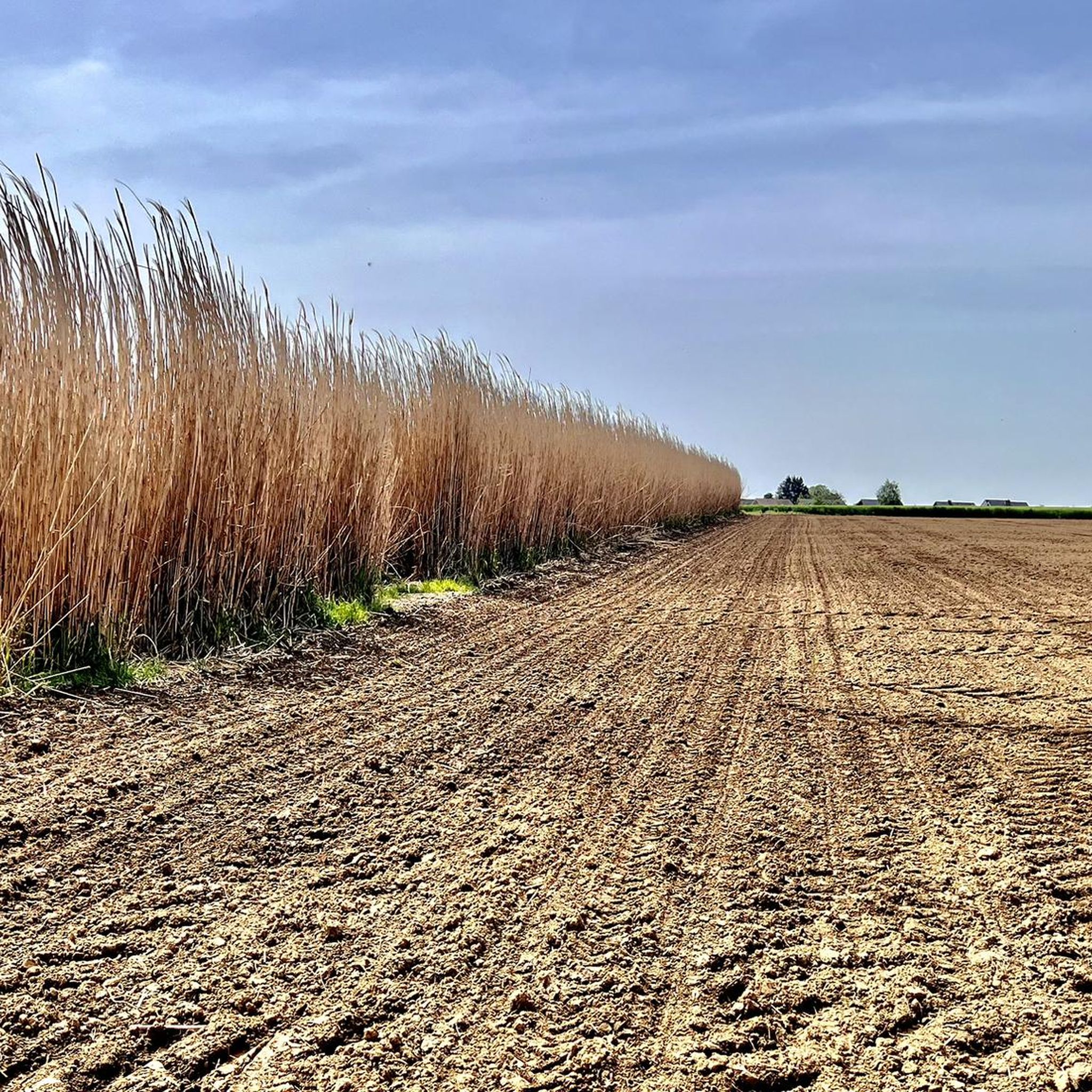
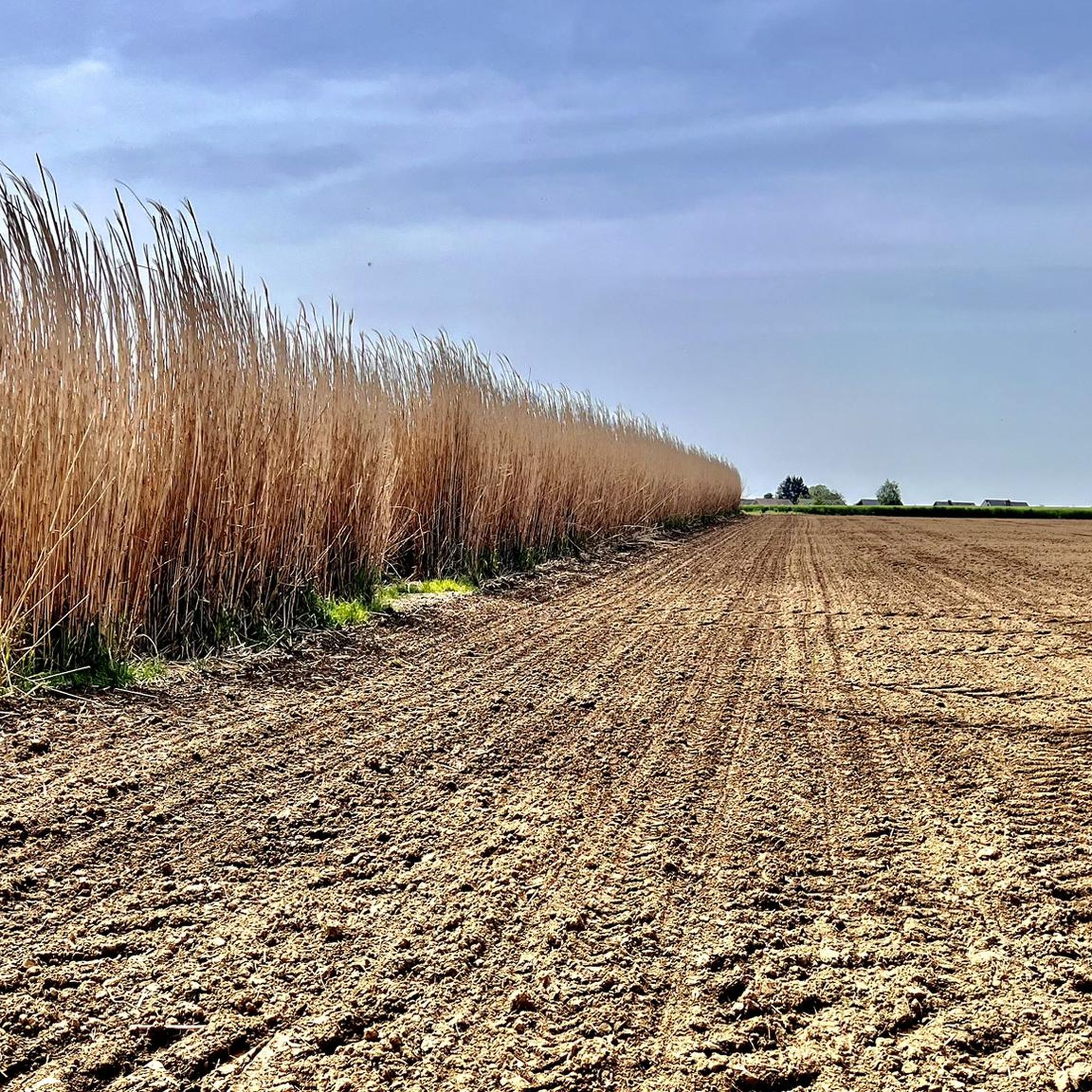
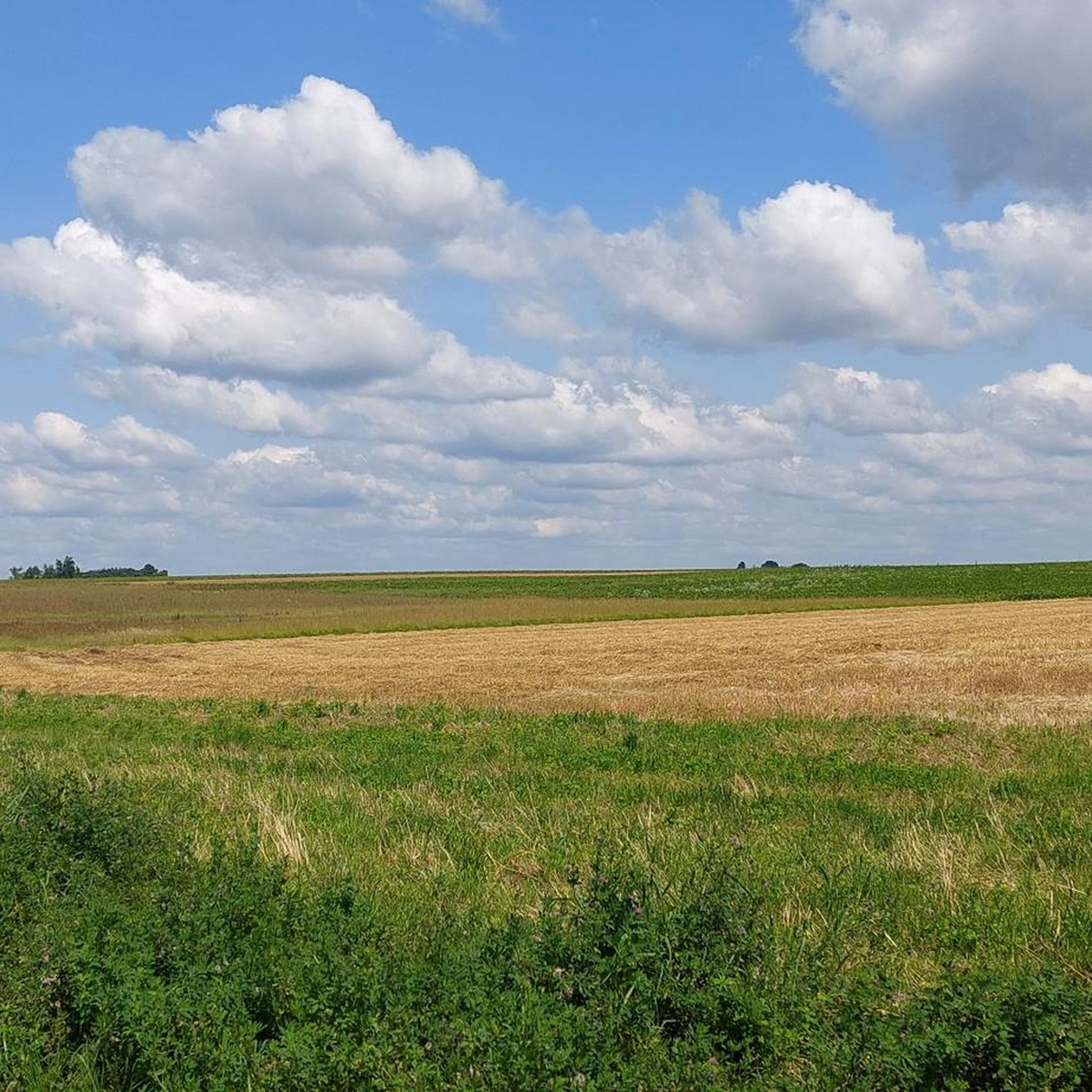
Hiking around Chastre offers a network of trails through the rolling landscape of Wallonia, Belgium. The region is characterized by a mix of agricultural fields, woodlands, and historical sites. Elevation changes are generally moderate, making many routes accessible. The terrain often includes well-maintained footpaths and quiet country roads.
Best hiking trails around Chastre
- The most popular hiking route is Villers-la-Ville Abbey – Villers Valley Forest Path loop from Saint-Géry, a 13.5 miles (21.7 km) trail that takes 5 hours…
Last updated: October 7, 2026
4.3
(15)
106
hikers
6.96km
01:47
30m
30m
Easy hike. Great for any fitness level. Easily-accessible paths. Suitable for all skill levels.
4.8
(16)
71
hikers
21.5km
05:51
310m
310m
Hard hike. Very good fitness required. Easily-accessible paths. Suitable for all skill levels.

4.8
(20)
72
hikers
11.3km
02:58
90m
90m
Moderate hike. Good fitness required. Easily-accessible paths. Suitable for all skill levels.
4.0
(8)
46
hikers
14.7km
03:53
140m
140m
Moderate hike. Good fitness required. Easily-accessible paths. Suitable for all skill levels.
4.5
(14)
63
hikers
10.4km
02:44
80m
80m
Moderate hike. Good fitness required. Easily-accessible paths. Suitable for all skill levels.
Get access to more routes and recommendations from other explorers.
Already have an account?
Our route recommendations are based on thousands of hikes, rides, and runs completed by other people on komoot.
Start today with a free account
Your next adventure awaits.

Tips from the Community

Mill, history & enjoyment A wonderful place to stop after your visit to the abbey. Behind the building, the authentic water wheel still turns, powered by the river Thyle – a beautiful piece of living history. In the 19th century, Victor Hugo himself stayed here several times, finding inspiration for his work. Today, this is still an atmospheric stop: discover more about the abbey in the visitor centre and then enjoy the terrace or the historic vaulted rooms at Bistro de l’Abbaye. Be sure to try one of the artisanal abbey beers from the in-house microbrewery. 🍺 History, water, atmosphere, and a delicious local beer… a stop you don't want to miss! 😉
4
0
The Mills of Villers Abbey is where history & the present meet. The historic Abbey Mill is the ultimate gateway to the magical Cistercian site of Villers-la-Ville. This 13th-century monumental building, where the monks once ground their grain and baked 2000 loaves weekly for the poor, now serves as the modern visitor centre and the atmospheric Bistro de l'Abbaye. It forms the perfect starting or stopping point for your walk or bike ride.
5
0
Visit Abdij Villers-la-Ville Abdij van Villers – a ruin to reflect on 😉 The Abdij van Villers-la-Ville is an impressive Cistercian ruin from 1146 and one of the largest and best-preserved medieval abbey sites in Europe. Wander among the gigantic Gothic walls, columns, and roofless vaults where nature and centuries-old architecture are beautifully intertwined. The abbey reached its peak in the 13th century, but after centuries of wars and changes, monastic life came to an abrupt end in 1796. During the French Revolution, the monks were expelled and the abbey was sold. Buildings were dismantled stone by stone, after which wind, rain, and encroaching nature slowly transformed the complex into an impressive ruin. In the 19th century, Villers became a beloved spot for artists and romantics. Victor Hugo (French writer, poet, playwright, and political thinker) was also fascinated by the ruins and visited the abbey several times. Thanks to restoration and heritage conservation, the site is beautifully preserved today. The combination of history, architecture, and nature makes a visit particularly atmospheric. Tip: allow at least 1.5 to 2 hours to explore the abbey at a leisurely pace. Admission – entrance fees: Adults: €10 Children (6 to 12 years): €4 Children (under 6 years): free Seniors (65+): €8 People with disabilities: free Dogs are welcome on a leash. An absolute must-see for anyone who loves history, mysterious ruins, and photogenic places! “Post tenebras, spero lucem” – “After darkness, I hope for light.” 🌑➡️☀️
5
0
The imposing Porte de Namur was built in 1725 under the leadership of the influential abbot Jacques de Lierneux. What makes this gate extra special is that it had a double function. The exterior (which you are now looking at) was erected in a rich, classic Renaissance style of brick and bluestone to impress high-ranking guests. On top of the gate passage is a robust stone tower room. Historically, this served as a guardhouse and prison cell for the abbey, which was allowed to exercise its own jurisdiction at the time. A monumental transition from the open nature to the ancient abbey domain!
4
0
Its impressive purple carpet of wild bluebells can be admired every spring. The peak period to witness this floral splendor is usually between mid-April and early May. The bloom lasts only about two weeks and is highly dependent on the early spring weather and the sunbeams filtering through the still bare canopy. Make sure to stay on the official paths during this period to avoid trampling the fragile bulbs!
4
0
Villers Abbey – a ruin to pause at 😉 The Abbey of Villers-la-Ville is an impressive Cistercian ruin from 1146 and one of the largest and best-preserved medieval abbey sites in Europe. Wander among the gigantic Gothic walls, columns, and roofless vaults where nature and centuries-old architecture are beautifully intertwined. The abbey experienced its greatest flourishing in the 13th century, but after centuries of wars and changes, monastic life came to an abrupt end in 1796. During the French Revolution, the monks were expelled and the abbey was sold. Buildings were dismantled stone by stone, after which wind, rain, and encroaching nature slowly formed the complex into an impressive ruin. In the 19th century, Villers grew into a beloved spot for artists and romantics. Victor Hugo (French writer, poet, playwright, and political thinker) was also fascinated by the ruins and visited the abbey several times. Thanks to restoration and heritage conservation, the site is beautifully preserved today. The combination of history, architecture, and nature makes a visit particularly atmospheric. Tip: allow at least 1.5 to 2 hours to discover the abbey at a leisurely pace. Admission – entrance fees: Adults: €10 Children (6 to 12 years): €4 Children (under 6 years): free Seniors (65+): €8 People with disabilities: free Dogs are welcome on a leash. An absolute recommendation for those who love history, mysterious ruins, and photogenic places!
5
0

It is probably this contrast that makes Villers-la-Ville so endearing. On one hand, the majestic remains of an abbey founded in 1146; on the other, paths that plunge into the woods and cross the peaceful landscapes of Walloon Brabant. The mineral and the vegetal respond to each other throughout the hike, giving the route a historic, romantic, and deeply natural atmosphere.
3
0

Very pleasant avenue, bordered by two rows of trees. Very pleasant in summer. The branches of the trees form a beautiful tree-lined arch.
0
0
Frequently Asked Questions
How many hiking trails are there in Chastre?
Chastre offers a diverse network of over 50 hiking trails. These routes cater to various preferences, ranging from easy strolls to more challenging long-distance paths through the region's characteristic rolling hills, agricultural fields, and woodlands.
Are there easy hiking trails suitable for beginners in Chastre?
Yes, Chastre has a good selection of easy trails, with over 25 routes categorized as easy. These typically feature minimal elevation changes and well-maintained paths. An example is the Ferme du Castillon – Dreef Chapel loop from Cortil-Noirmont, which is 4.8 miles (7.7 km) long and takes about 2 hours to complete.
Can I find circular hiking routes around Chastre?
Many of the hiking routes in Chastre are designed as loops, allowing you to start and end your journey at the same point. For instance, the Voetweg 9 – Al' Poudre Mill loop from Chastre is a popular circular option covering 7.0 miles (11.3 km) through varied terrain.
Are the hiking trails in Chastre suitable for families with children?
Yes, many trails in Chastre are suitable for families. The region's generally moderate elevation changes and well-maintained footpaths make it accessible for younger hikers. Look for the 'easy' rated trails, which often provide shorter distances and less strenuous terrain, perfect for a family outing.
Are dogs allowed on the hiking trails in Chastre?
In general, dogs are welcome on the hiking trails in Chastre, provided they are kept on a leash. It's always a good idea to carry water for your pet and be mindful of agricultural areas where livestock might be present.
What kind of scenery can I expect on hikes in Chastre?
Hiking in Chastre offers a blend of picturesque landscapes. You'll encounter extensive woodlands, open agricultural fields, and gentle rolling hills typical of Wallonia. Many routes also pass by historical sites, adding a cultural dimension to the natural beauty.
Are there any historical sites or attractions to see along the trails?
Absolutely. Chastre and its surroundings are rich in history. You can explore significant landmarks such as the impressive Villers-la-Ville Abbey or the nearby Château Le Châtelet. Many trails incorporate these historical points of interest into their routes.
What is the best time of year to go hiking in Chastre?
The best time to hike in Chastre is typically from spring through autumn. Spring brings blooming wildflowers and fresh greenery, while autumn offers vibrant foliage. Summer provides longer daylight hours, though it can be warmer. Winter hiking is also possible for those who enjoy quieter trails, often with a crisp, serene atmosphere.
Is parking available near the hiking trails in Chastre?
Yes, parking is generally available at or near the starting points of many hiking trails in Chastre, especially in and around the main villages. Specific parking information can often be found on individual route descriptions or local signage.
What do other hikers say about the trails in Chastre?
The hiking trails in Chastre are highly regarded by the komoot community, boasting an average rating of 4.8 stars from over 120 reviews. Hikers often praise the varied terrain, the peaceful atmosphere of the woodlands and fields, and the well-marked paths that make navigation straightforward.
Are there any longer, more challenging hikes for experienced hikers?
Yes, for experienced hikers seeking a challenge, Chastre offers several difficult routes. The Villers-la-Ville Abbey – Villers Valley Forest Path loop from Saint-Géry is a notable example, spanning 13.5 miles (21.7 km) with significant elevation changes, taking nearly 6 hours to complete.
Are there cafes or places to eat along the hiking routes in Chastre?
While many routes pass through rural areas, you'll often find cafes or small eateries in the villages that the trails connect or pass through. It's advisable to check the route map beforehand to identify potential refreshment stops, or to pack your own snacks and drinks.
Most popular attractions around Chastre

Get inspired with the komoot mobile app


Explore more
Browse the best Hikes in other regions.
