Attractions and Places To See around Walhain - Top 20
Best attractions and places to see around Walhain, a municipality in the Belgian province of Walloon Brabant, include a blend of historical sites and natural features. The area is notable for being home to the geographical center of Belgium. Visitors can explore medieval ruins, religious buildings, and various points of interest.
Best attractions and places to see around Walhain
- The most popular attractions is Villers-la-Ville Abbey, a historical site founded in the 12th century by Cistercian monks. It is…
Last updated: October 11, 2026
Villers-la-Ville Abbey
Highlight • Historical Site
Translated by Google •
Tip by

Villers Abbey Mill
Highlight • Historical Site
Translated by Google •
Tip by

Sign up now to discover places like this
Get recommendations on the best single tracks, peaks, & plenty of other exciting outdoor places.
Porte de Namur
Highlight • Monument
Translated by Google •
Tip by

Through a beautiful forest
Highlight (Segment) • Forest
Translated by Google •
Tip by

Ruins of Villers-la-Ville Abbey
Highlight • Historical Site
Translated by Google •
Tip by

Sign up for free to discover even more attractions around Walhain.
Already have an account?
Start today with a free account
Your next adventure awaits.
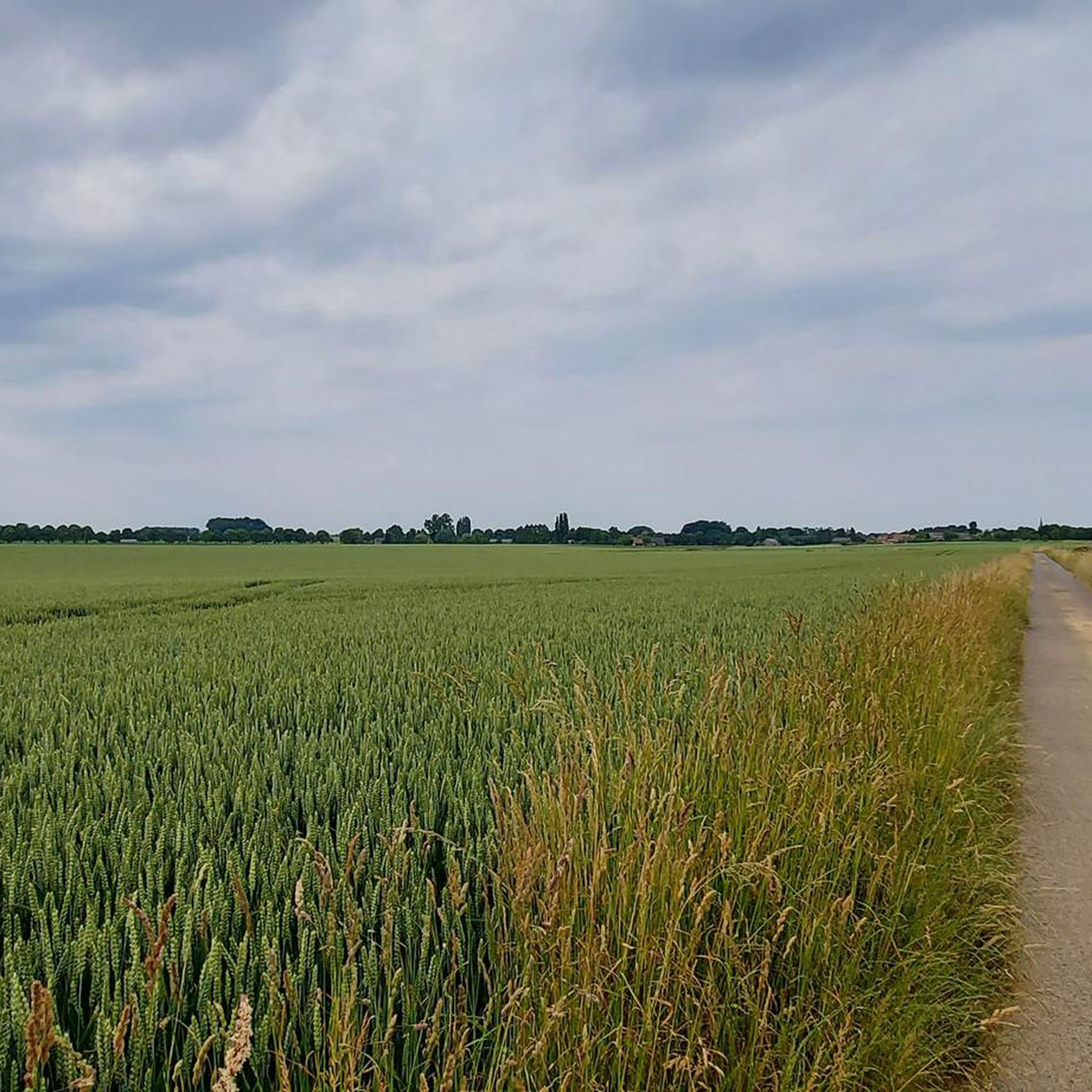
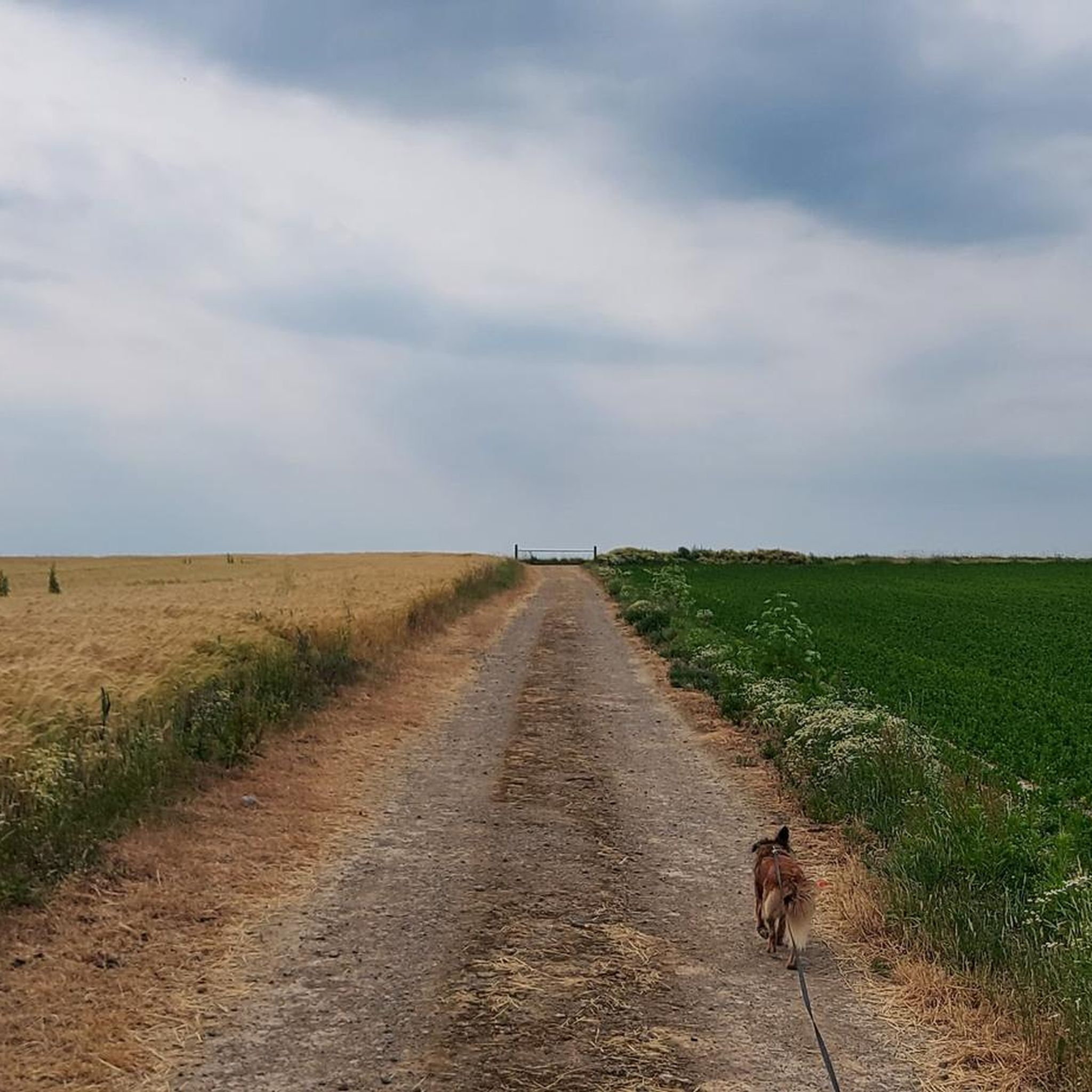
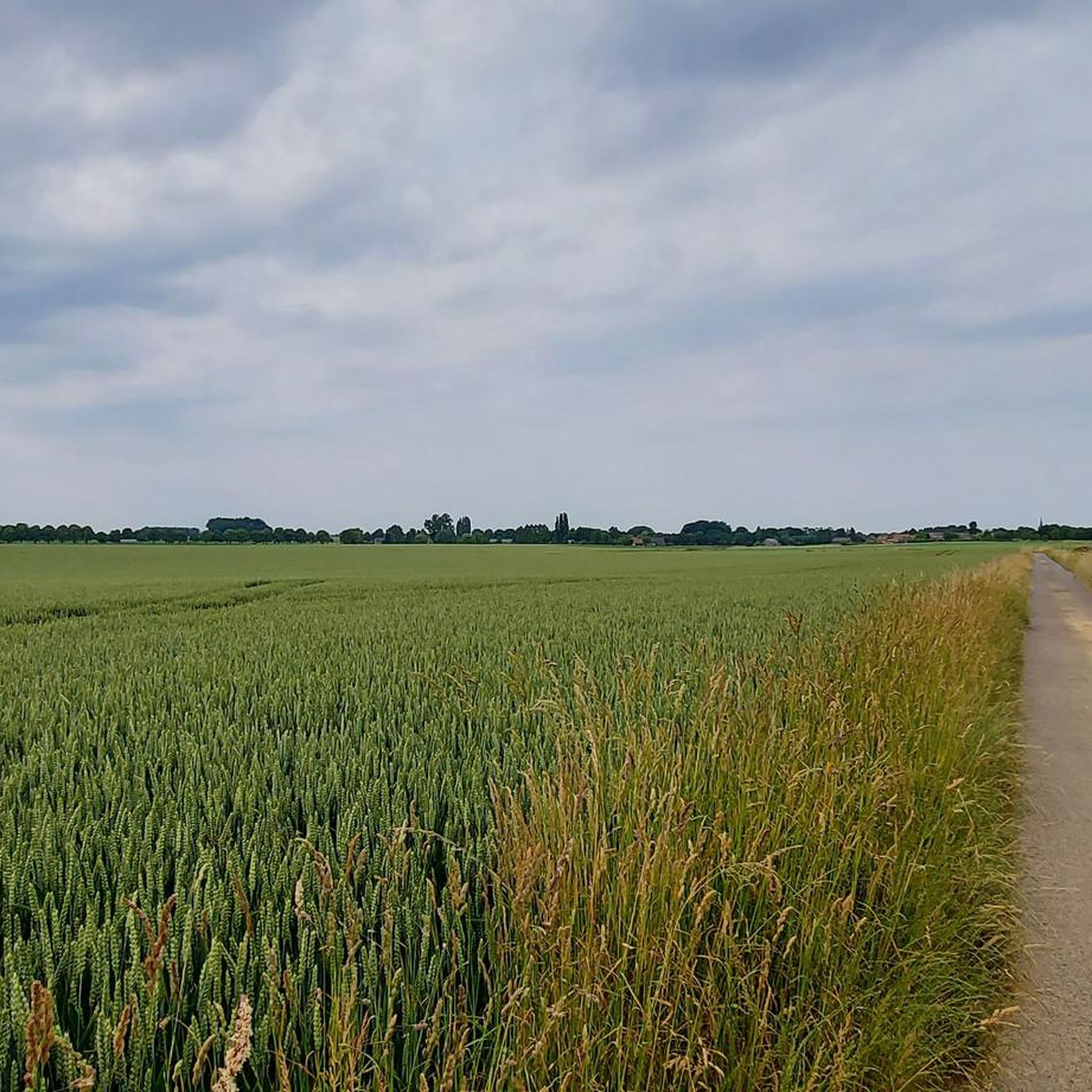
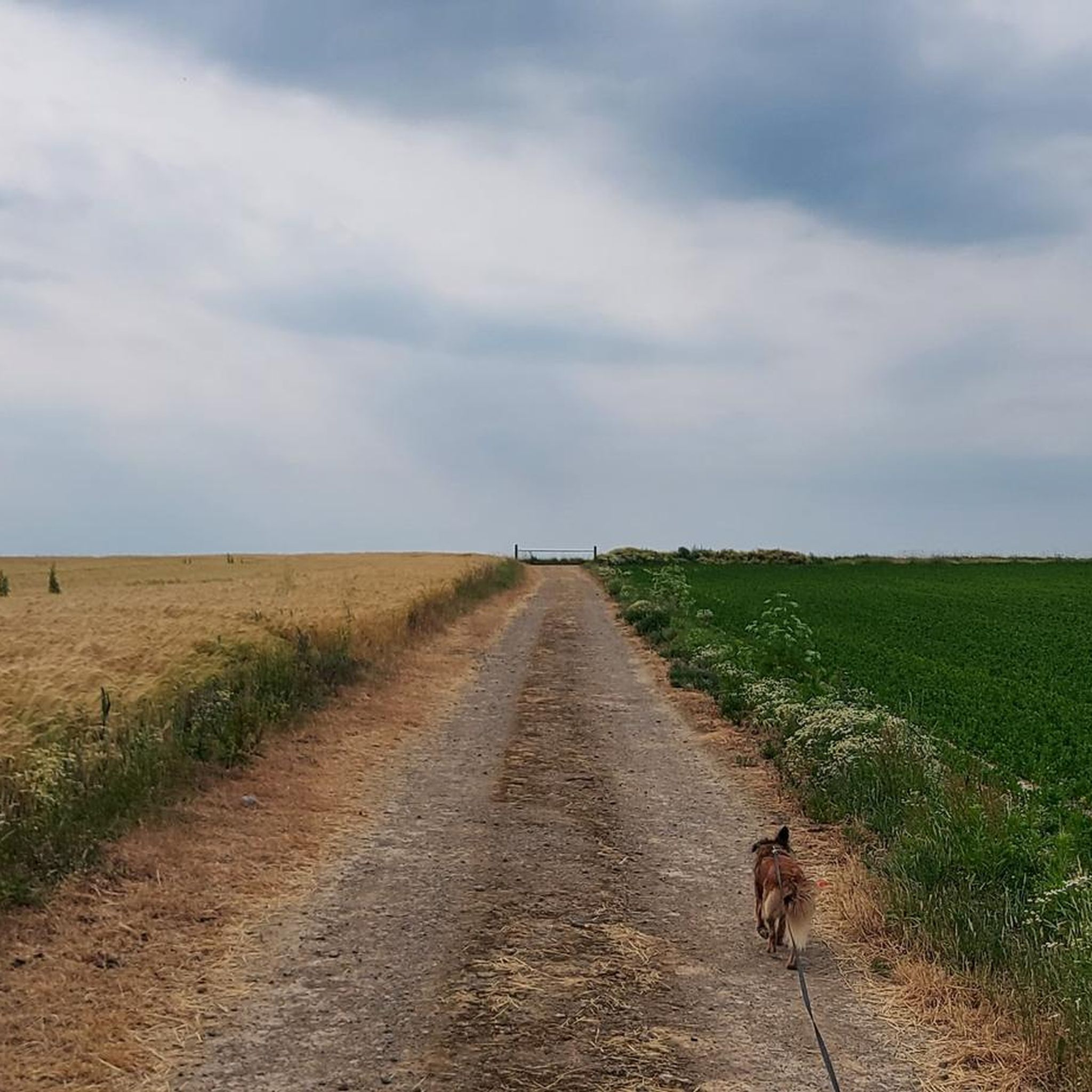
Tips from the Community

Mill, history & enjoyment A wonderful place to stop after your visit to the abbey. Behind the building, the authentic water wheel still turns, powered by the river Thyle – a beautiful piece of living history. In the 19th century, Victor Hugo himself stayed here several times, finding inspiration for his work. Today, this is still an atmospheric stop: discover more about the abbey in the visitor centre and then enjoy the terrace or the historic vaulted rooms at Bistro de l’Abbaye. Be sure to try one of the artisanal abbey beers from the in-house microbrewery. 🍺 History, water, atmosphere, and a delicious local beer… a stop you don't want to miss! 😉
4
0
The Mills of Villers Abbey is where history & the present meet. The historic Abbey Mill is the ultimate gateway to the magical Cistercian site of Villers-la-Ville. This 13th-century monumental building, where the monks once ground their grain and baked 2000 loaves weekly for the poor, now serves as the modern visitor centre and the atmospheric Bistro de l'Abbaye. It forms the perfect starting or stopping point for your walk or bike ride.
5
0
Visit Abdij Villers-la-Ville Abdij van Villers – a ruin to reflect on 😉 The Abdij van Villers-la-Ville is an impressive Cistercian ruin from 1146 and one of the largest and best-preserved medieval abbey sites in Europe. Wander among the gigantic Gothic walls, columns, and roofless vaults where nature and centuries-old architecture are beautifully intertwined. The abbey reached its peak in the 13th century, but after centuries of wars and changes, monastic life came to an abrupt end in 1796. During the French Revolution, the monks were expelled and the abbey was sold. Buildings were dismantled stone by stone, after which wind, rain, and encroaching nature slowly transformed the complex into an impressive ruin. In the 19th century, Villers became a beloved spot for artists and romantics. Victor Hugo (French writer, poet, playwright, and political thinker) was also fascinated by the ruins and visited the abbey several times. Thanks to restoration and heritage conservation, the site is beautifully preserved today. The combination of history, architecture, and nature makes a visit particularly atmospheric. Tip: allow at least 1.5 to 2 hours to explore the abbey at a leisurely pace. Admission – entrance fees: Adults: €10 Children (6 to 12 years): €4 Children (under 6 years): free Seniors (65+): €8 People with disabilities: free Dogs are welcome on a leash. An absolute must-see for anyone who loves history, mysterious ruins, and photogenic places! “Post tenebras, spero lucem” – “After darkness, I hope for light.” 🌑➡️☀️
5
0
The imposing Porte de Namur was built in 1725 under the leadership of the influential abbot Jacques de Lierneux. What makes this gate extra special is that it had a double function. The exterior (which you are now looking at) was erected in a rich, classic Renaissance style of brick and bluestone to impress high-ranking guests. On top of the gate passage is a robust stone tower room. Historically, this served as a guardhouse and prison cell for the abbey, which was allowed to exercise its own jurisdiction at the time. A monumental transition from the open nature to the ancient abbey domain!
4
0
Villers Abbey – a ruin to pause at 😉 The Abbey of Villers-la-Ville is an impressive Cistercian ruin from 1146 and one of the largest and best-preserved medieval abbey sites in Europe. Wander among the gigantic Gothic walls, columns, and roofless vaults where nature and centuries-old architecture are beautifully intertwined. The abbey experienced its greatest flourishing in the 13th century, but after centuries of wars and changes, monastic life came to an abrupt end in 1796. During the French Revolution, the monks were expelled and the abbey was sold. Buildings were dismantled stone by stone, after which wind, rain, and encroaching nature slowly formed the complex into an impressive ruin. In the 19th century, Villers grew into a beloved spot for artists and romantics. Victor Hugo (French writer, poet, playwright, and political thinker) was also fascinated by the ruins and visited the abbey several times. Thanks to restoration and heritage conservation, the site is beautifully preserved today. The combination of history, architecture, and nature makes a visit particularly atmospheric. Tip: allow at least 1.5 to 2 hours to discover the abbey at a leisurely pace. Admission – entrance fees: Adults: €10 Children (6 to 12 years): €4 Children (under 6 years): free Seniors (65+): €8 People with disabilities: free Dogs are welcome on a leash. An absolute recommendation for those who love history, mysterious ruins, and photogenic places!
5
0

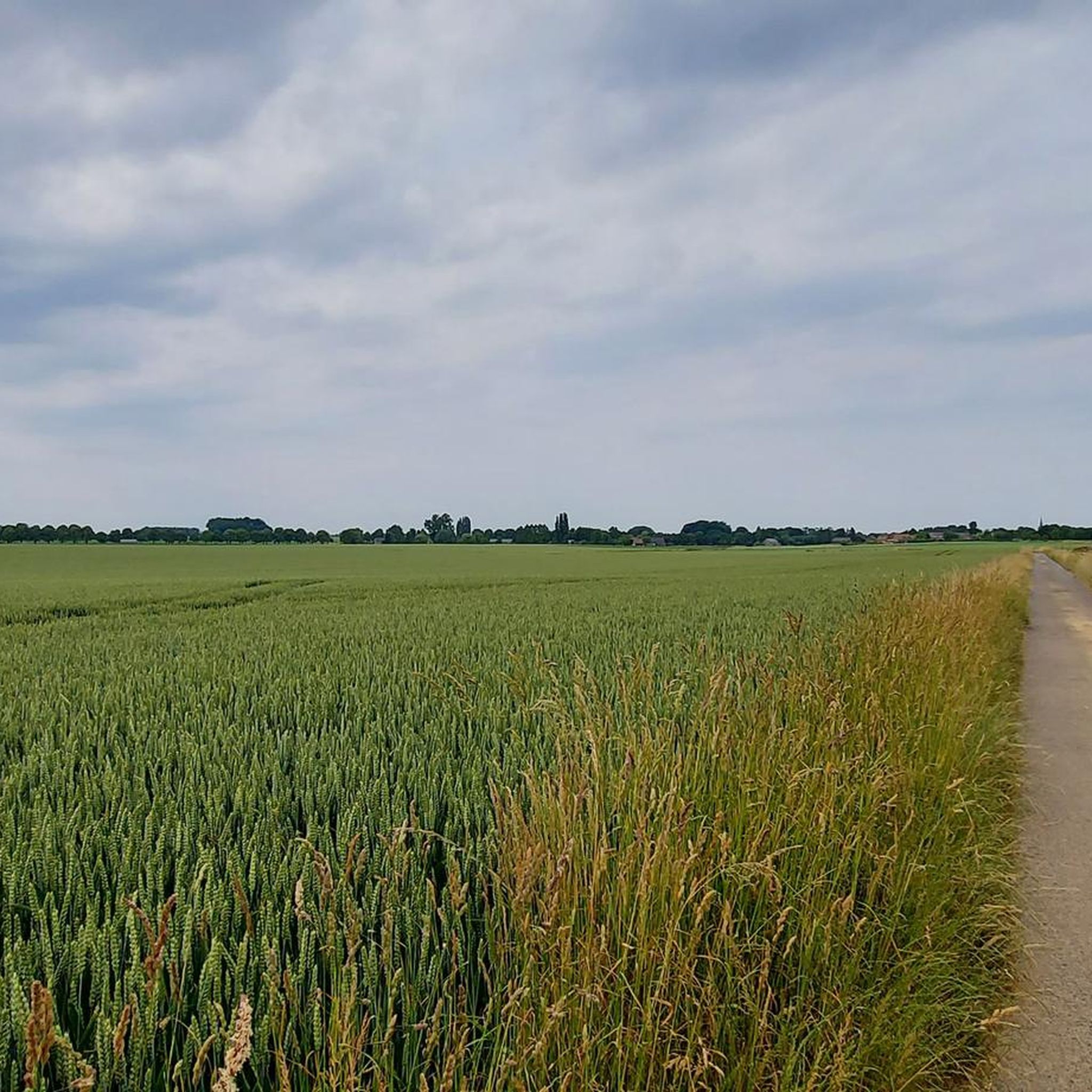
It is difficult to imagine a more beautiful setting for a hike than that of Villers-la-Ville. After walking along the impressive ruins of the old Cistercian abbey, the path gradually escapes into the surrounding woods and countryside. Here, old stones and nature seem to have found a perfect balance. A walk where every turn tells a story.
2
0
It is probably this contrast that makes Villers-la-Ville so endearing. On one hand, the majestic remains of an abbey founded in 1146; on the other, paths that plunge into the woods and cross the peaceful landscapes of Walloon Brabant. The mineral and the vegetal respond to each other throughout the hike, giving the route a historic, romantic, and deeply natural atmosphere.
3
0

Steep and bad cobblestones
1
0
Frequently Asked Questions
What historical sites can I explore in and around Walhain?
Walhain and its surroundings are rich in history. You can visit the impressive Villers-la-Ville Abbey, a UNESCO World Heritage Site with extensive ruins and gardens. Also, explore the medieval Ruins of the Feudal Castle of Walhain, dating back to the 12th century, which are accessible upon request to the Walhain Tourist Office. Other notable sites include the Porte de Namur, a monumental gate from 1725, and the charming Try-au-Chêne Chapel, built in 1608.
Are there any unique natural features or viewpoints in Walhain?
Walhain is home to the unique Geographical Centre of Belgium, a point of interest for many visitors. You can also explore the ancient burial mounds known as the Tumuli de Libersart. For scenic views, the Try-au-Chêne Chapel offers a typical landscape view dominating the valleys of the Dyle and Thyle.
What outdoor activities can I do near Walhain's attractions?
The area around Walhain is excellent for outdoor activities. You can find numerous hiking and cycling routes. For hiking, consider routes like the 'Basse-Cour Farm – Ruins of Walhain Castle loop' or the 'Tiëge Windmill – Moulin du Tiège loop'. Cyclists can enjoy the 'Walhain and the Geographical Center of Belgium Loop' or the 'Libersart burial mounds loop'. You can find more details and routes on the Hiking around Walhain, Road Cycling Routes around Walhain, and Cycling around Walhain guide pages.
Are there family-friendly attractions around Walhain?
Yes, several attractions are suitable for families. The Villers-la-Ville Abbey and its ruins offer a fascinating historical experience for all ages, with plenty of space to explore the extensive grounds, medieval gardens, and vineyards. The site often hosts exhibitions and shows that can engage younger visitors.
What is the best time to visit Walhain's attractions?
The best time to visit Walhain's attractions generally depends on your preferred activities. For exploring historical sites like Villers-la-Ville Abbey, spring and autumn offer pleasant weather for walking around the extensive ruins. Summer is also popular, especially for outdoor events. Winter visits are possible, but some outdoor activities might be limited by weather conditions.
What do visitors enjoy most about the attractions near Walhain?
Visitors particularly appreciate the historical depth and serene atmosphere of sites like Villers-la-Ville Abbey, often highlighting the impressive scale of the ruins and the sense of history. The natural beauty and opportunities for outdoor activities, such as hiking and cycling through the picturesque landscapes, are also highly valued by the komoot community.
Are there any hidden gems or lesser-known spots worth visiting in Walhain?
Beyond the major attractions, Walhain offers some charming, lesser-known spots. The Abbey of Lerinnes and Château de Saint-Paul à Walhain are mentioned in local guides, suggesting their local significance. The Ferme de la Basse Cour also provides a glimpse into local agricultural heritage. These offer a more intimate experience of the region.
Can I find cafes or amenities near the main attractions?
Yes, particularly near the more popular sites. For instance, the Villers Abbey Mill, located near the main abbey ruins, has been partially converted into a restaurant, offering amenities for visitors. In the broader Walhain area, you can find local cafes and pubs, especially in the village centers.
What is the significance of the Villers Abbey Mill?
The Villers Abbey Mill is a significant historical structure dating back to the 12th and 13th centuries. It played a crucial role in the abbey's operations, housing the bakery and using hydraulic wheels for grinding wheat and sawing wood. Today, parts of the mill have been restored, with one wing serving as a restaurant and another developed into a Visitors Center for the abbey.
Are there any specific walking routes that highlight Walhain's history?
Yes, local tourism offices provide guides like 'Balades à Walhain' and 'Patrimoine de Walhain' which include organized walks and QR code tours. These routes often lead through historical areas, such as those around the Ruins of the Feudal Castle of Walhain and other heritage sites, allowing you to explore the commune's past on foot.
What is the Porte de Namur and where is it located?
The Porte de Namur is a monumental classical gate from 1725, an impressive remnant of the abbey walls built under Abbot Jacques Hache. It is located right next to the ruins of Villers-la-Ville Abbey, spanning the rue de l'Abbaye and providing access towards the Notre-Dame des Affligés chapel and the village of Mellery.
Most popular routes around Walhain
Most popular attractions around Walhain

Get inspired with the komoot mobile app


Explore more
Still not found the Highlight you’re looking for? See guides of the top attractions in other regions:
