Top 10 Castles around Villers-La-Ville
Best castles around Villers-La-Ville offer a journey through history in Walloon Brabant, Belgium. The region is known for its significant historical sites, including monastic ruins and ancient feudal manors. Situated in a landscape where historical structures blend with nature, it provides a unique setting for exploration. Visitors can discover architectural remnants that span centuries, from Romanesque to Gothic styles.
Best castles around Villers-La-Ville
- The most popular castles is Château Le Châtelet, a castle that features a massive three-storey schist…
Last updated: October 17, 2026
Château Le Châtelet
Highlight • Castle
In the middle rises a massive three-storey schist keep from the 12th or 13th century.
It is one of the rare fortifications from this period.
villers-la-ville.net/nl/2014/06/11/het-poortgebouw
Translated by Google •
Tip by

Hautain-le-Val Castle
Highlight • Castle
Translated by Google •
Tip by
Sign up now to discover places like this
Get recommendations on the best single tracks, peaks, & plenty of other exciting outdoor places.
Corroy-le-Château Castle
Highlight • Castle
Translated by Google •
Tip by

Tongrenelle Farm-Castle
Highlight • Historical Site
Translated by Google •
Tip by
Ruins of Walhain Castle
Highlight • Castle
Translated by Google •
Tip by
Sign up for free to discover even more castles around Villers-La-Ville.
Already have an account?
Start today with a free account
Your next adventure awaits.
Popular around Villers-La-Ville
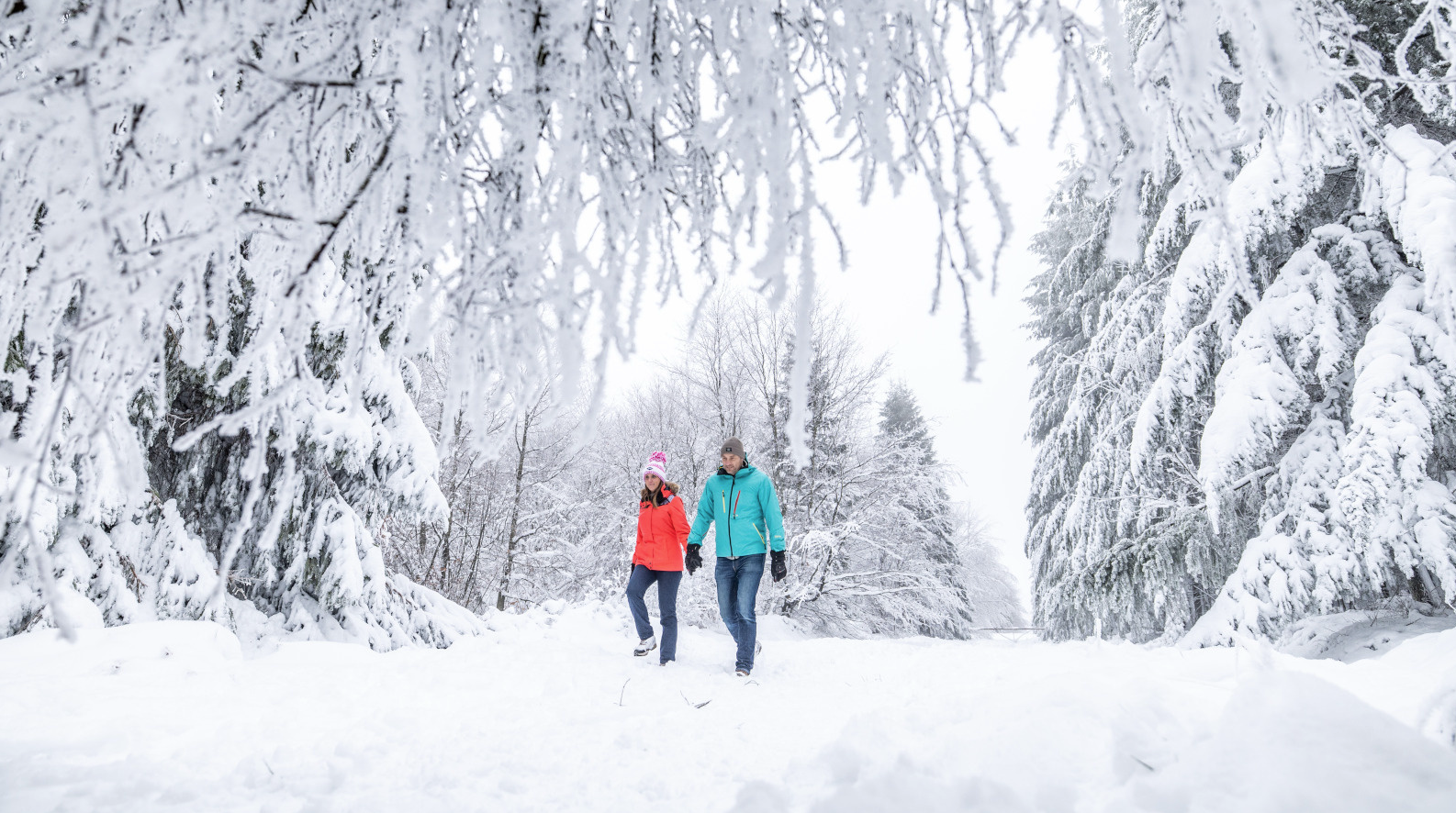
Belgian Ballads – winter hiking in the Belgian Ardennes
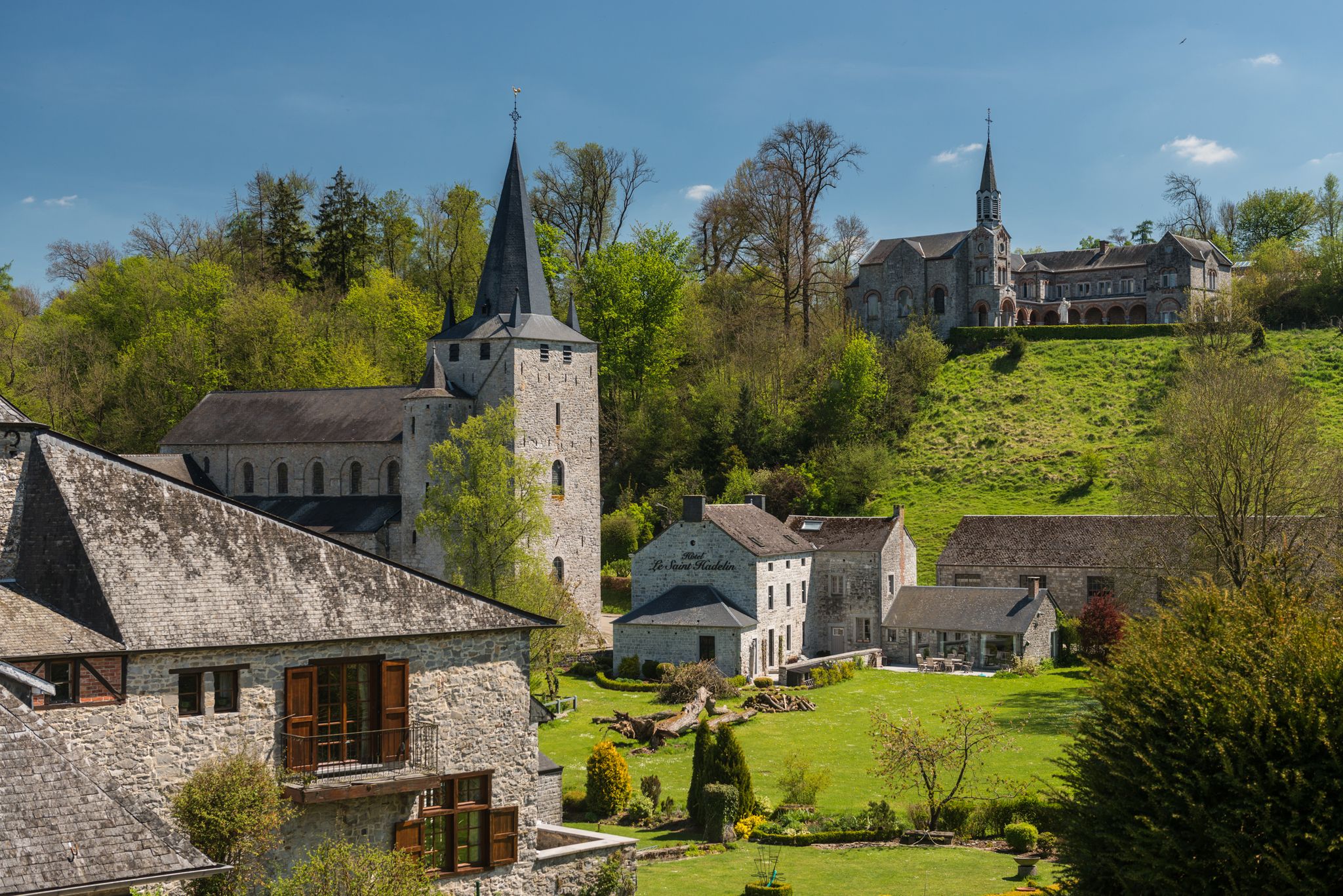
Walks in the Belgian Ardennes — historic walls & magical forests
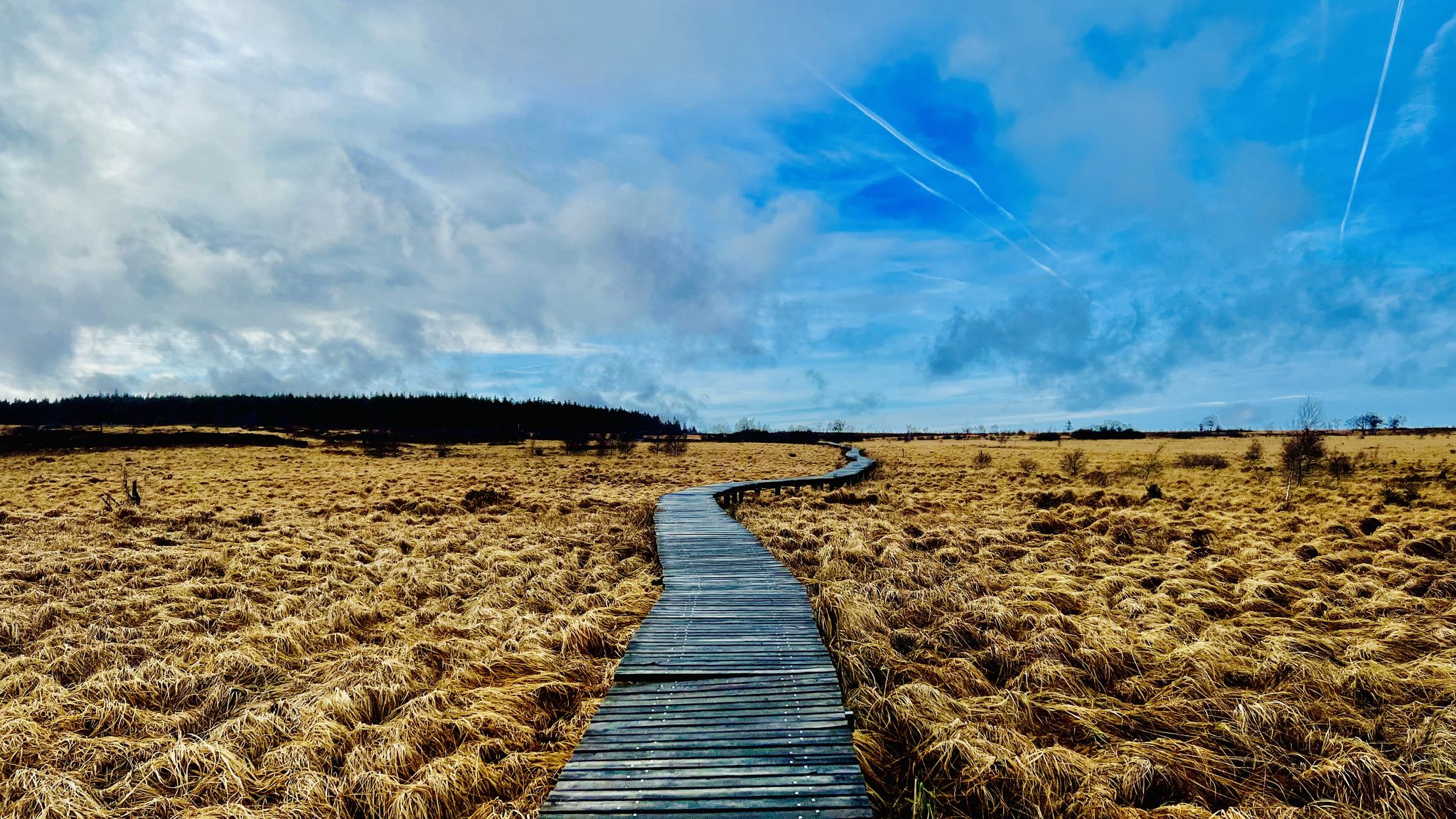
Belgische Balladen - charmante Kurzwanderungen in den belgischen Ardennen
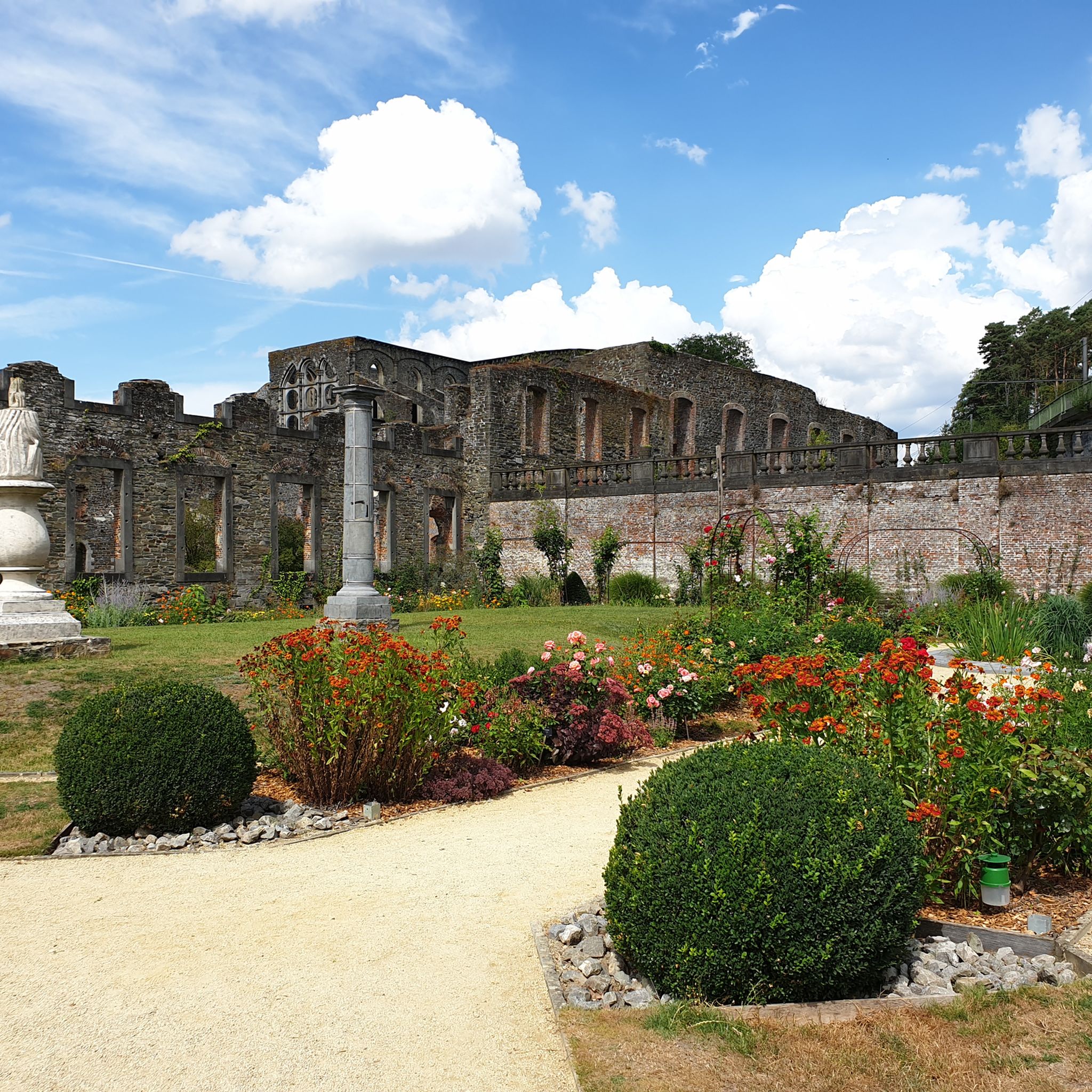
Hiking around Villers-La-Ville
Running Trails around Villers-La-Ville
MTB Trails around Villers-La-Ville
Cycling around Villers-La-Ville
Road Cycling Routes around Villers-La-Ville
Gravel biking around Villers-La-Ville
Other adventures around Villers-La-Ville

Tips from the Community

Looks like a beautiful castle, unfortunately it cannot be visited. On the other side of the street, you have the source of the Dijle.
1
0

The Old Castle of Marbais is a 13th-century medieval castle. It is located on a rocky spur overlooking the confluence of the Thyle and the Ri des Goutailles valley, in Marbais, within the municipality of Villers-la-Ville. This site was once part of the former seigneury of Marbais.
3
0

The first castle on this site is said to have been built in 1129 by knight Walter de Holton, the first lord of the lordship, which was given to him as a fief by the then Duke of Brabant. His father, Henri de Loupoigne, already ruled in neighbouring Houtain-le-Mont. Father Henri and son Walter thus obtained absolute power in the area of present-day Houtain-le-Val and Houtain-le-Mont. The castle actually belonged to the Duke of Brabant himself, Jan II the Peaceful. His successor, Jan III, acquired the castle for his eldest daughter, Johanna, who received Houtain from her father in 1345. The castle was passed down from generation to generation by the daughters of the family for many generations. Not much remains of the original castle. It was rebuilt in 1763 in classical style, but has retained a large part of its medieval facade. The oldest parts date from the fifteenth century, with architectural elements from the 12th century. Much has changed since then. For example, two turrets were added during restoration work in 1850. At a certain point, the castle came into the hands of the d'Hanins de Moerkerke family, originally from the Waas region. While most branches of this family made a name for themselves in Flanders, Count Fernand-Auguste-Joseph d'Hanins de Moerkerke married Marie de Waha in the nineteenth century. And so he became heir to the castle. His son Henri d'Hanins de Moerkerke became the next owner and mayor of Houtain-le-Val. And he had three daughters, the last of whom died in 2018. The castle is privately owned but can be viewed from various sides. For those, like me, who visited the village to find and follow the start of the Dijle, that private character is a pity - and also for heritage lovers of course. But at the point where you see a sign with the name of the river on the side of the domain you can see quite a bit, including how the river enters the domain. For those who want more information about the castle itself, visit this website for a virtual tour of the castle with a video report and interview: https://www.tvcom.be/info/focus-sur-genappe-visite-du-chateau-de-houtain-le-val-fonde-en-1126/50810
4
0

The ruin has since been renovated and is surrounded by rolling meadows with grazing animals...
14
0
And suddenly this castle from the 13th century appears in front of you...
13
0

Old castle occupied in 1219 by the Lords of Marbais. In the center of the courtyard stands a massive 12th or 13th century schist keep on 3 levels. Walls with a thickness of 1.80 m. It is a rare example of a fortress dating from this period. Burned in 1554 by the French king Henry II.
10
0

Very nice walk. The return via the "ridges" is a little less beautiful than the outward journey.
1
0

Tongrenelle Farm Castle, located in the hamlet of Tongrenelle, Belgium, was once part of a fortress in the County of Namur, first mentioned in 1209. The castle fell into disrepair and was completely destroyed in 1860, leaving only the farmhouse that preceded it. The buildings date from the 17th and 18th centuries and are surrounded by a moat fed by the River Ligne, which lends a certain charm to the site. However, the property is private and cannot be visited, so you can only admire it from a distance.
3
0
Frequently Asked Questions
What is the most significant historical site in Villers-La-Ville?
The most significant historical site is the Villers Abbey, a former Cistercian abbey founded in 1146. It is considered one of Europe's most complete architectural sites of its kind, showcasing a blend of Romanesque, Gothic, and Classical styles. Despite being in ruins, its grandeur and extensive structures like the church, refectory, and chapter room offer a profound glimpse into monastic life. You can find more information about its exceptional heritage on Visit Wallonia.
Are there other notable medieval castles or manors to visit near Villers-La-Ville?
Yes, beyond the Abbey, you can explore several other historical sites. Château Le Châtelet is a feudal manor with a massive 12th or 13th-century schist keep. Another is Hautain-le-Val Castle, an old medieval castle first mentioned in 1125, though mostly foundations and later restorations remain. Further afield, Corroy-le-Château Castle is a well-preserved 13th-century medieval fortress surrounded by a moat, and the Ruins of Walhain Castle feature a rare 13th-century circular keep.
What kind of architecture can I expect to see at these historical sites?
The sites around Villers-La-Ville offer a range of architectural styles. The Villers Abbey features a blend of Romanesque, Gothic, and Classical elements. At Château Le Châtelet, you'll see a robust 12th or 13th-century schist keep, characteristic of medieval fortifications. Corroy-le-Château Castle is a classic example of a 13th-century medieval fortress with towers and a moat. Even in ruins, these sites provide insight into centuries of construction and design.
Are there family-friendly activities at the castles and historical sites?
Yes, the Villers Abbey is designed to be family-friendly, offering visitor apps, interactive displays, and paths suitable for children. It also hosts cultural events like medieval festivities. Several highlights, including Hautain-le-Val Castle and the Ruins of Walhain Castle, are also noted as family-friendly, providing historical exploration in an engaging setting.
What outdoor activities can I do near these castles?
The region around Villers-La-Ville offers various outdoor activities. You can explore numerous routes for gravel biking, mountain biking, and road cycling. For instance, there are gravel biking routes like the Bois de Bérinnes Trail, MTB trails including the Fast Downhill Trail near Château Le Châtelet, and road cycling routes that pass by the Villers-la-Ville Abbey.
Are there specific hiking trails around the castles?
While specific hiking trails directly around each castle aren't detailed in the data, the area is rich with routes suitable for walking and exploring. The Villers Abbey itself is set within extensive grounds perfect for leisurely strolls. For more structured outdoor adventures, consider the various MTB trails and gravel biking routes that often traverse scenic landscapes and pass by historical points of interest, offering opportunities for walks with historical views.
What is the best time to visit the castles and historical sites in Villers-La-Ville?
The best time to visit is generally from spring to early autumn (May to September) when the weather is mild and conducive for exploring the outdoor ruins and gardens. During these months, the Villers Abbey also hosts cultural events and medieval festivities, enhancing the visitor experience. Winter can offer a different, more serene atmosphere, but some paths might be affected by conditions.
Can I visit the gardens at Villers Abbey?
Yes, the Villers Abbey site includes four distinct gardens: the medical herb garden, the monks' garden, the abbot's garden, and the pharmacy garden. These offer a unique glimpse into medieval herbal practices and provide beautiful, tranquil spaces to explore within the monumental ruins.
Is public transport available to reach the Villers Abbey?
Yes, Villers-la-Ville has a train station, making public transport a viable option to reach the Abbey. From the station, the Abbey is typically within walking distance or a short local bus ride, allowing visitors to access this significant historical site without a car.
Are there any castles that are private and cannot be visited?
Yes, some historical sites are privately owned and not open to the public. For example, the Tongrenelle Farm-Castle, which was once part of a fortress, is now a private property. While you can admire its 17th and 18th-century buildings and surrounding moat from a distance, direct visits are not possible.
What do visitors enjoy most about the castles and historical sites in Villers-La-Ville?
Visitors particularly appreciate the haunting beauty and monumental scale of the Villers Abbey, where nature intertwines with ancient ruins, creating a unique atmosphere. The historical significance and the opportunity to explore various structures like the church and refectory are also highly valued. For other castles like Château Le Châtelet, the impressive medieval architecture and the sense of stepping back in time are key attractions.
Most popular routes around Villers-La-Ville
Most popular attractions around Villers-La-Ville

Get inspired with the komoot mobile app


Explore more
Looking for the best castles somewhere else? Discover other guides around Villers-La-Ville:
