The best cycling routes around Deinze
4.3
(466)
4,260
riders
217
rides
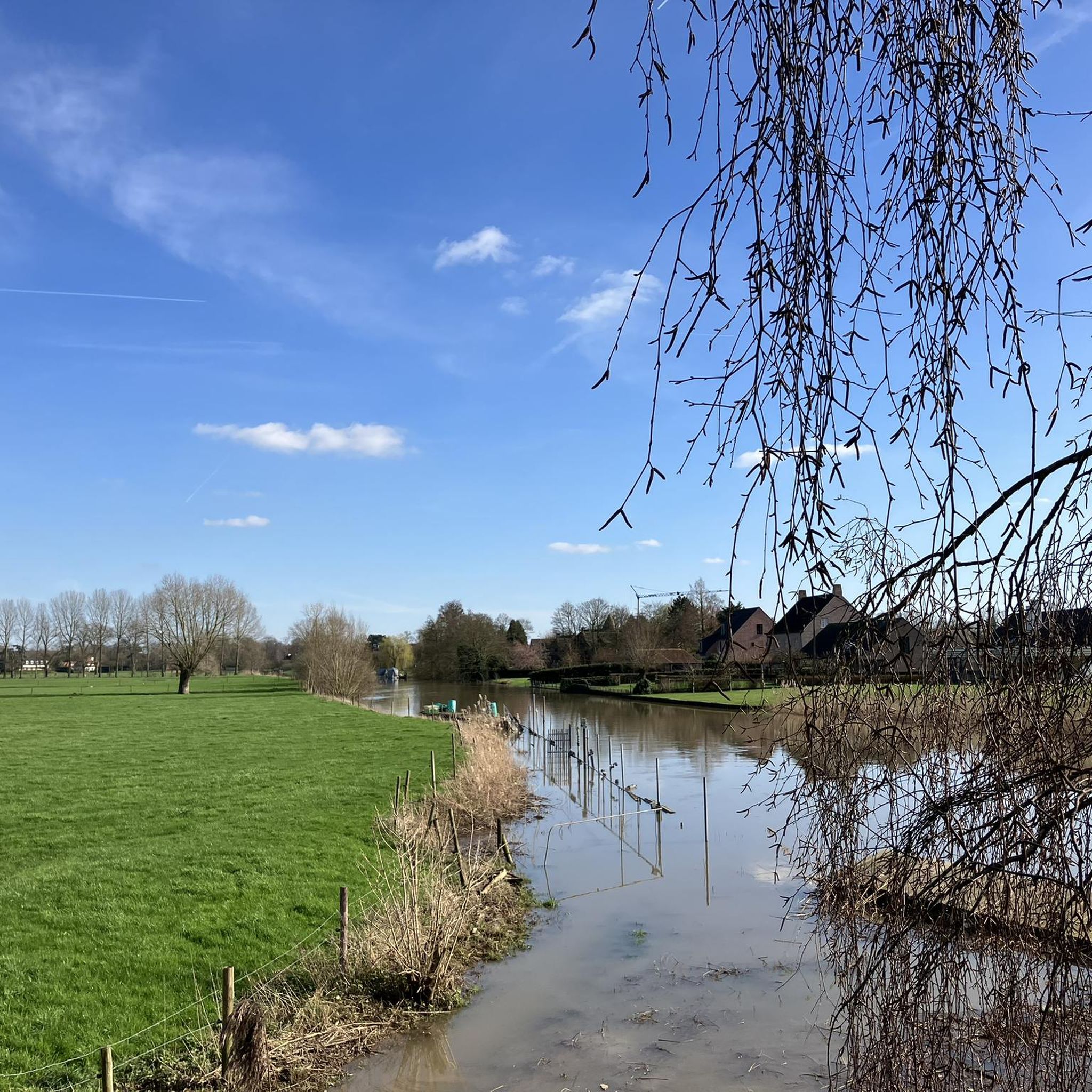
Touring cycling routes around Deinze are characterized by the flat, riverine landscapes of East Flanders, with the Leie River and Schipdonk Canal forming prominent features. The region offers extensive green spaces and a network of mostly paved paths suitable for various cycling abilities. The terrain is generally low in elevation, providing accessible routes for exploring the area's natural beauty and cultural attractions.
Best touring cycling routes around Deinze
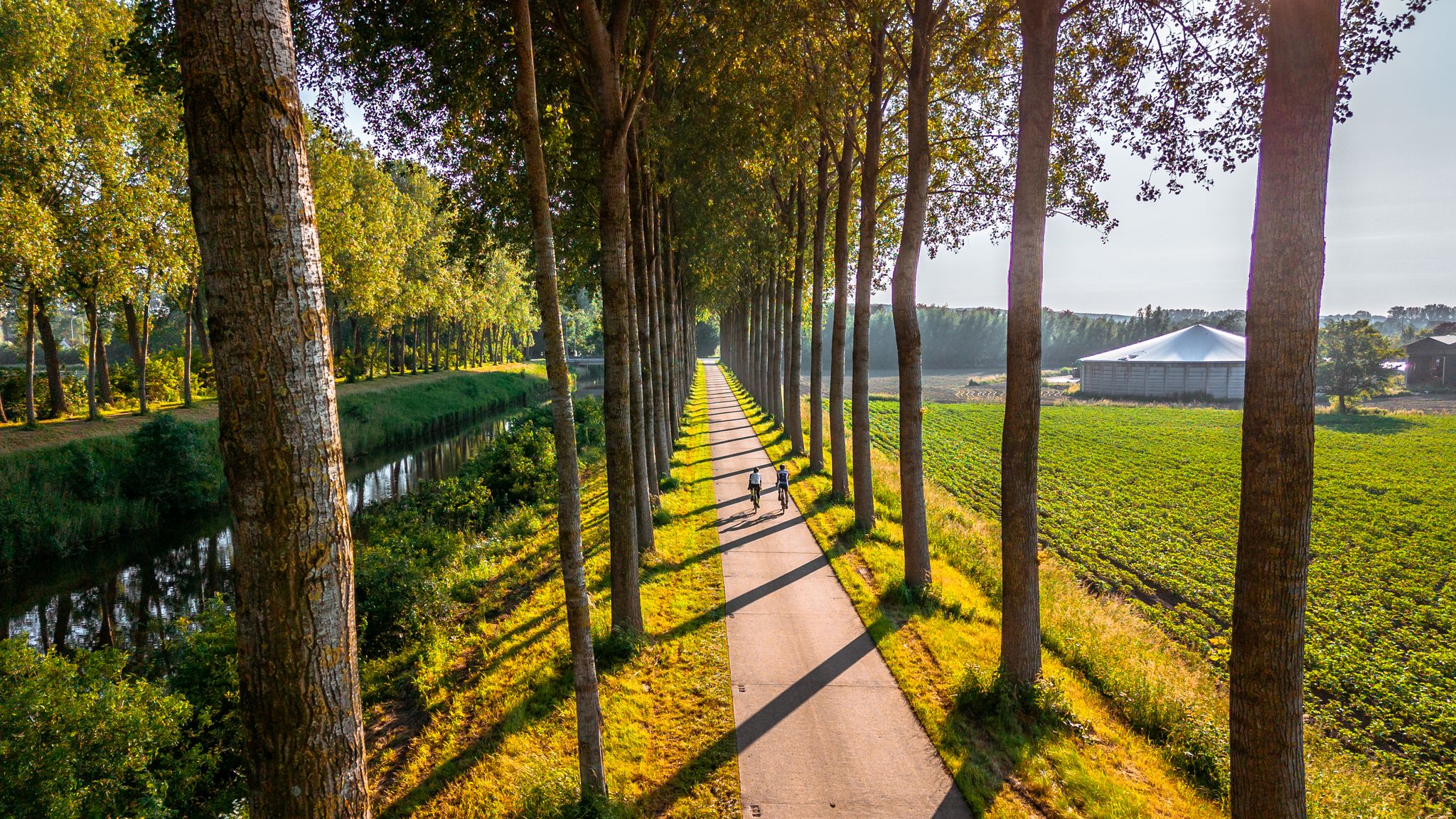
- The most popular touring cycling route is From Oude Kale to Oude Leie - East Flanders, a 26.4 miles (42.5 km) trail that takes 2 hours 34 minutes to complete. This route explores the waterways and open landscapes of East Flanders.
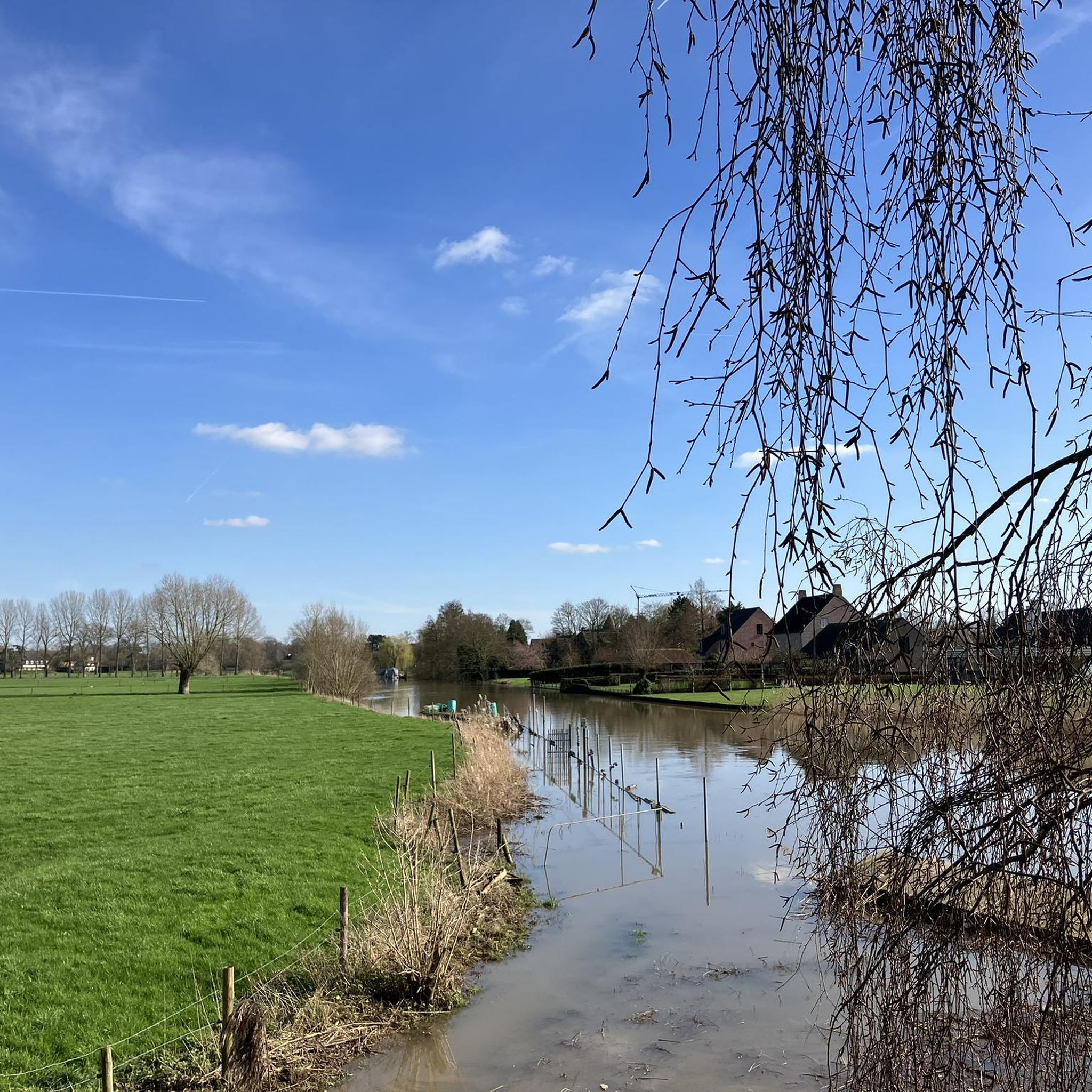
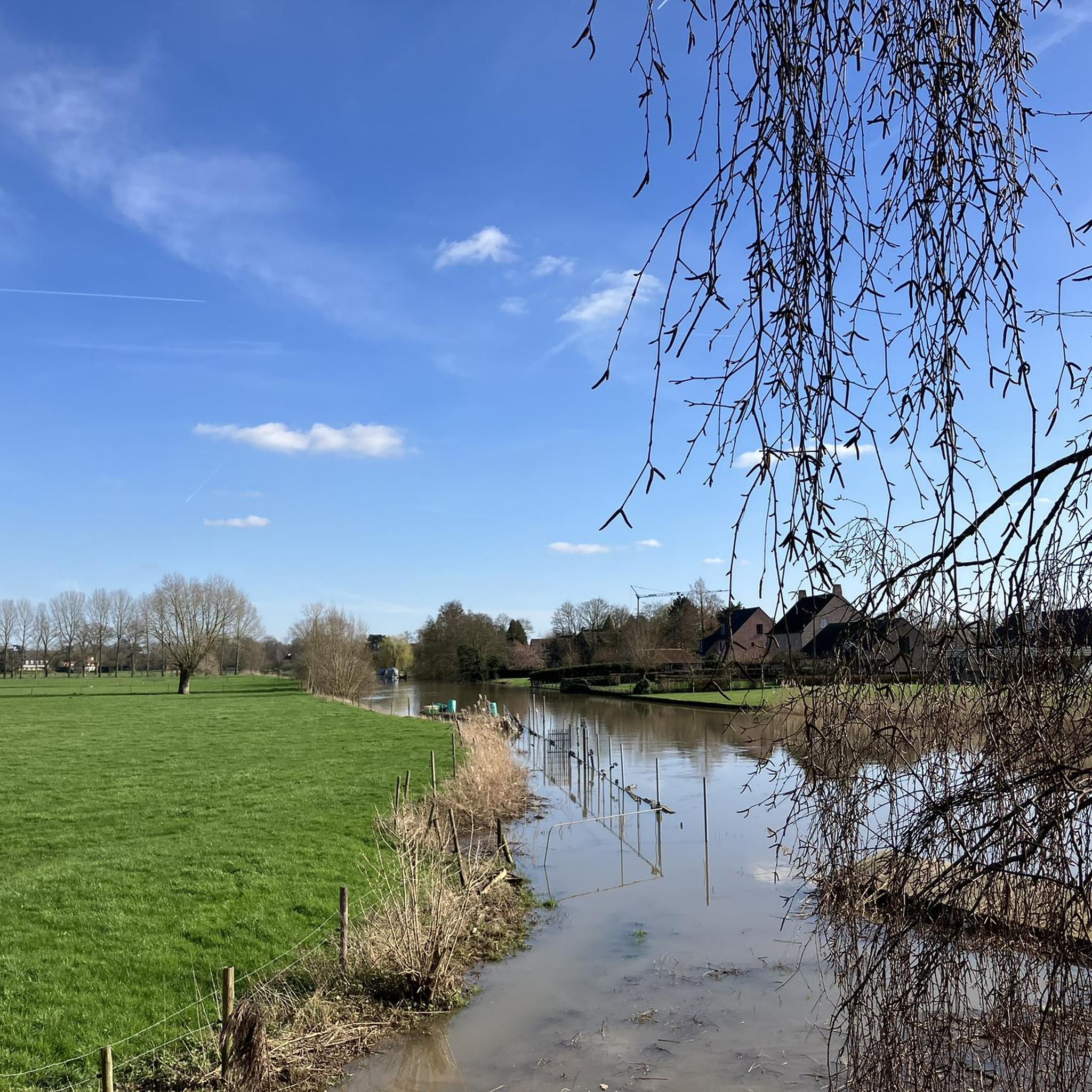
- Another top favourite among local touring cyclists is Afsnee Ferry – Afsneedijkweg along the Leie loop from Deinze, a moderate 39.5 miles (63.6 km) path. This route follows the picturesque Leie River, known for its scenic beauty.
- Local touring cyclists also love the Astene Avenue – F7 Cycling Highway Gent–Deinze loop from Deinze, a 17.5 miles (28.1 km) trail leading through the flat countryside, often completed in about 1 hour 38 minutes.
- Touring cycling around Deinze is defined by the meandering Leie River, the Schipdonk Canal, and numerous green spaces. The network offers options for different ability levels, from easy family rides to more challenging routes.
- The routes in Deinze are highly rated by the komoot community with an average score of 4.5 stars from over 500 reviews. More than 4000 touring cyclists have used komoot to explore Deinze's varied terrain.
Last updated: October 15, 2026
4.5
(28)
175
riders
42.5km
02:35
60m
60m
Moderate bike ride. Good fitness required. Mostly paved surfaces. Suitable for all skill levels.
4.6
(95)
416
riders
49.5km
03:01
80m
80m
Moderate bike ride. Good fitness required. Mostly paved surfaces. Suitable for all skill levels.

4.8
(58)
331
riders
27.9km
01:37
30m
30m
Easy bike ride. Great for any fitness level. Mostly paved surfaces. Suitable for all skill levels.
4.5
(8)
152
riders
43.1km
02:49
220m
220m
Moderate bike ride. Good fitness required. Mostly paved surfaces. Suitable for all skill levels.
4.5
(15)
152
riders
39.5km
02:18
70m
70m
Moderate bike ride. Good fitness required. Mostly paved surfaces. Suitable for all skill levels.
Get access to more routes and recommendations from other explorers.
Already have an account?
Our route recommendations are based on thousands of hikes, rides, and runs completed by other people on komoot.
Start today with a free account
Your next adventure awaits.

Other adventures around Deinze

Tips from the Community

This is not the Oude Kalle, but the Oude Leie in Bachte (Deinze).
0
0

The idyllic Astene Sas is a protected village view and a wonderful place to stop for a while. Babbling water, historic ships, the authentic lock house and one of the last manually operated bascule bridges in Flanders provide a particularly atmospheric setting here. The lock originated in 1860 to avoid a significant detour in the Leie. Cargo ships used to take a whole eight hours to navigate the winding meander between Astene and Bachte. A new, perfectly straight cut of barely 300 meters changed that. The characteristic green-iron bascule bridge dates from 1896 and is still operated by hand during the sailing season. If a boat approaches, you have to wait a moment until the bridge is lifted using pure muscle power. A beautiful piece of living heritage! Literature lovers will also get their money's worth here. The whitewashed lock keeper's house today houses 't Oud Sashuis, a cozy brown café. It is also the birthplace of the mother of Hugo Claus, who spent part of his childhood here. A place where water, heritage and stories come together – ideal for a short break during your cycling or walking tour.
3
0

The Drongenplein is the heart of the old village center of Drongen. The design of the Drongenplein with its pollarded lime trees and footpaths is full of nods to the past. The corten steel fencing shows the boundaries of the churchyard that was located here until the 19th century. The paths follow a route that is still visible on old city maps, and the curved bench at the war memorial is a reference to the meandering Leie.
2
0
For those wondering why there was never a wider bridge to connect Assel to the civilized world: this 1927 four-part bridge is a protected monument and was restored quite recently. It therefore remains millimeter work for trucks that need to get to the other side. The name Pontbrug points to a further past when there was only a pontoon or ferry service here.
3
0

Actually, one can praise all the quick routes. Well signposted, away from road traffic, it simply rolls wonderfully on these paths and you make good progress.
0
0

Porta Arboreti; monumental entrance gate and former dovecote belonging to and once forming access to the Ooidonk castle domain, which originates in the 14th century.
1
0

The Bathioveer is a foot and cycle ferry that you operate entirely yourself and that connects the banks of the Leie. It offers a fun moment of diversion during your bike ride or walk.
1
0

It's very quiet to cycle there.
0
0
Frequently Asked Questions
How many touring cycling routes are available around Deinze?
Deinze offers a wide selection of touring cycling routes, with over 180 options available. These routes cater to various skill levels, including nearly 100 easy routes, over 70 moderate routes, and a selection of more challenging trails.
What kind of terrain can I expect on touring cycling routes in Deinze?
The touring cycling routes around Deinze are characterized by the flat, riverine landscapes of East Flanders. You'll primarily encounter mostly paved paths along the Leie River and the Schipdonk Canal, making for a smooth cycling experience with generally low elevation changes.
Are there any family-friendly touring cycling routes in Deinze?
Yes, Deinze is well-suited for family cycling. The region's generally flat terrain and numerous easy routes, such as the Astene Avenue – F7 Cycling Highway Gent–Deinze loop from Deinze, provide accessible options for families looking to explore together.
What are some notable natural features or landmarks to see while cycling in Deinze?
While cycling around Deinze, you can explore several natural and cultural highlights. The picturesque Leie River and the Schipdonk Canal are central features. You might also encounter areas like Meikensbossen or the Nature Reserve De Putten. Don't miss the magnificent Ooidonk Castle, a 16th-century moated castle with extensive gardens, located just outside the city.
Are there any circular touring cycling routes in the Deinze area?
Yes, many routes in the Deinze area are designed as loops, allowing you to start and end in the same location. An example is the Huiskoutermolen – Mullem village square loop from Deinze, which offers a moderate ride through the countryside.
What do other touring cyclists enjoy most about cycling in Deinze?
The komoot community highly rates the touring cycling experience in Deinze, with an average score of 4.5 stars from over 500 reviews. Cyclists often praise the scenic beauty of the Leie River, the well-maintained paths, and the variety of routes that cater to different fitness levels.
Can I access touring cycling routes in Deinze using public transport?
Deinze is well-connected, and many routes are accessible from the city center, which has public transport links. While specific public transport details for each route vary, the city's central location makes it a convenient starting point for exploring the surrounding cycling network.
Are there any routes that follow the Leie River?
Absolutely. The Leie River is a defining feature of the region, and many touring cycling routes follow its picturesque banks. A popular option is the Afsnee Ferry – Afsneedijkweg along the Leie loop from Deinze, which showcases the river's scenic beauty.
What is the best time of year for touring cycling in Deinze?
Deinze offers enjoyable cycling throughout much of the year. Spring and autumn provide pleasant temperatures and beautiful scenery. Summer is also popular, though it can be warmer. The mostly paved paths make cycling feasible even in milder winter conditions, though always check local weather.
Are there any longer touring cycling routes for more experienced riders?
Yes, for those seeking longer rides, Deinze offers several options. The Afsnee Ferry – Afsneedijkweg along the Leie loop from Deinze, at over 63 km, provides a substantial moderate challenge, allowing experienced riders to cover more ground and enjoy extended exploration.
What kind of cultural attractions can I visit near the cycling routes?
Beyond natural beauty, the region boasts cultural gems. Ooidonk Castle is a must-see, and the Roger Raveel Museum in Machelen-aan-de-Leie offers contemporary art. Charming villages like Machelen (Zulte) and Sint-Martens-Latem with Deurle are also easily accessible by bike and offer a glimpse into local life.
Are there any specific routes that explore the Schipdonk Canal?
The Schipdonk Canal is a significant feature in the Deinze area, offering enjoyable cycling paths along its banks. While not explicitly listed as a single route in the top selections, many local routes will incorporate sections of this 56-kilometer canal, which connects Deinze to Heist.
Most popular attractions around Deinze

Get inspired with the komoot mobile app


Explore more
Browse the best Cycling routes in other regions.
