The best MTB trails around Oupeye
4.3
(43)
242
riders
26
rides
Mountain biking around Oupeye offers diverse landscapes, benefiting from its location near extensive networks in East Belgium and the Ardennes. The region features a mix of forests, river valleys, and accessible trails suitable for various skill levels. Riders can explore routes along the Albert Canal or venture into areas with more varied terrain, including technical sections and elevated paths. This makes Oupeye a strategic starting point for mountain biking adventures in the wider Liège province.
Best mountain bike trails around…
Last updated: August 14, 2026
5.0
(3)
21
riders
33.6km
02:02
240m
240m
Moderate mountain bike ride. Good fitness required. Suitable for all skill levels.
4.7
(3)
9
riders
46.4km
03:20
500m
500m
Moderate mountain bike ride. Good fitness required. Advanced riding skills necessary.

Sign up for free
3.7
(3)
21
riders
25.9km
01:55
270m
270m
Hard mountain bike ride. Great for any fitness level. Advanced riding skills necessary. Some portions of the route may require you to push your bike.
4.0
(1)
9
riders
29.7km
02:01
340m
340m
Moderate mountain bike ride. Good fitness required. Suitable for all skill levels.
4
riders
53.5km
03:33
380m
380m
Moderate mountain bike ride. Good fitness required. Suitable for all skill levels.
Get access to more routes and recommendations from other explorers.
Sign up for free
Already have an account?
Our route recommendations are based on thousands of hikes, rides, and runs completed by other people on komoot.
Start today with a free account
Your next adventure awaits.
Login or Signup

Tips from the Community

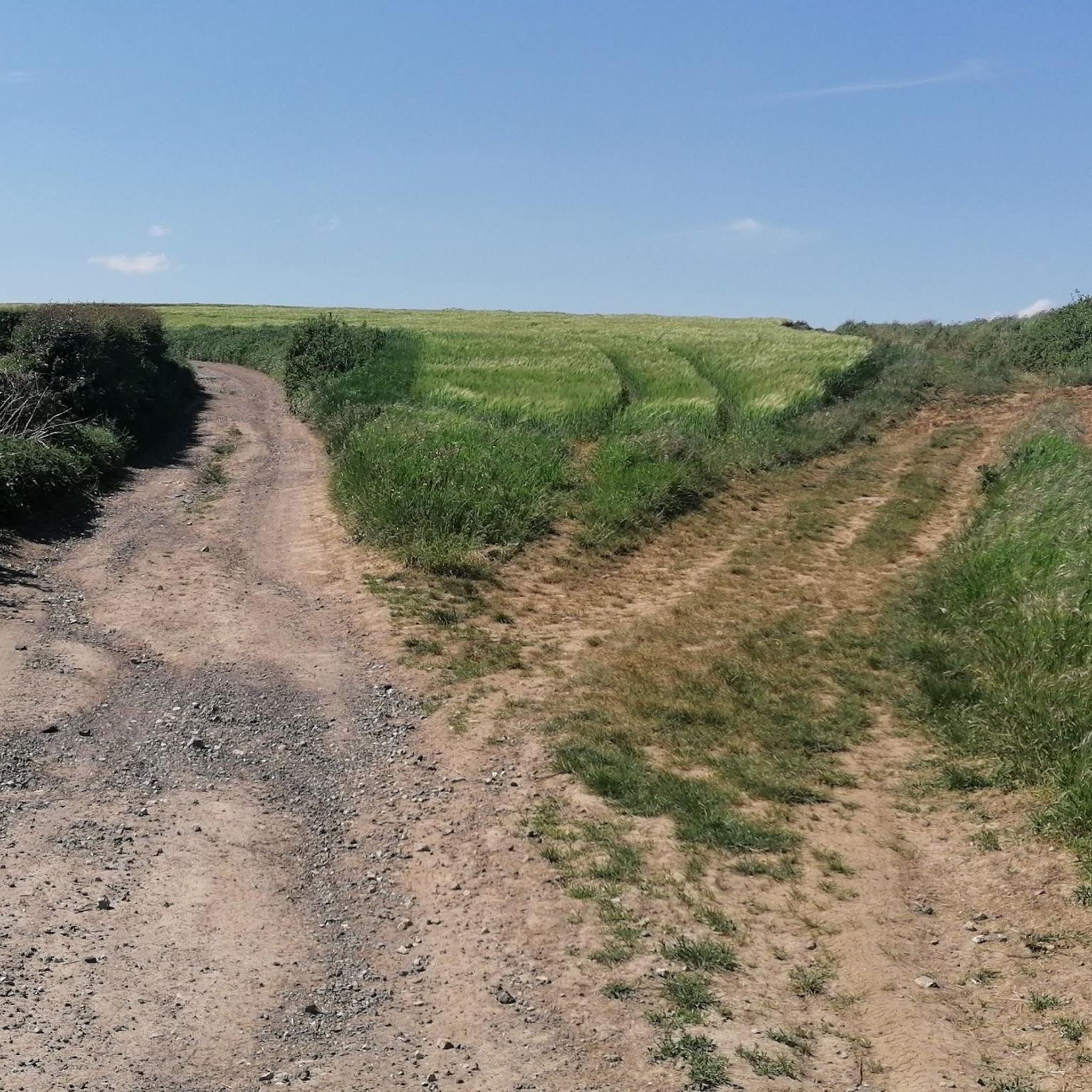
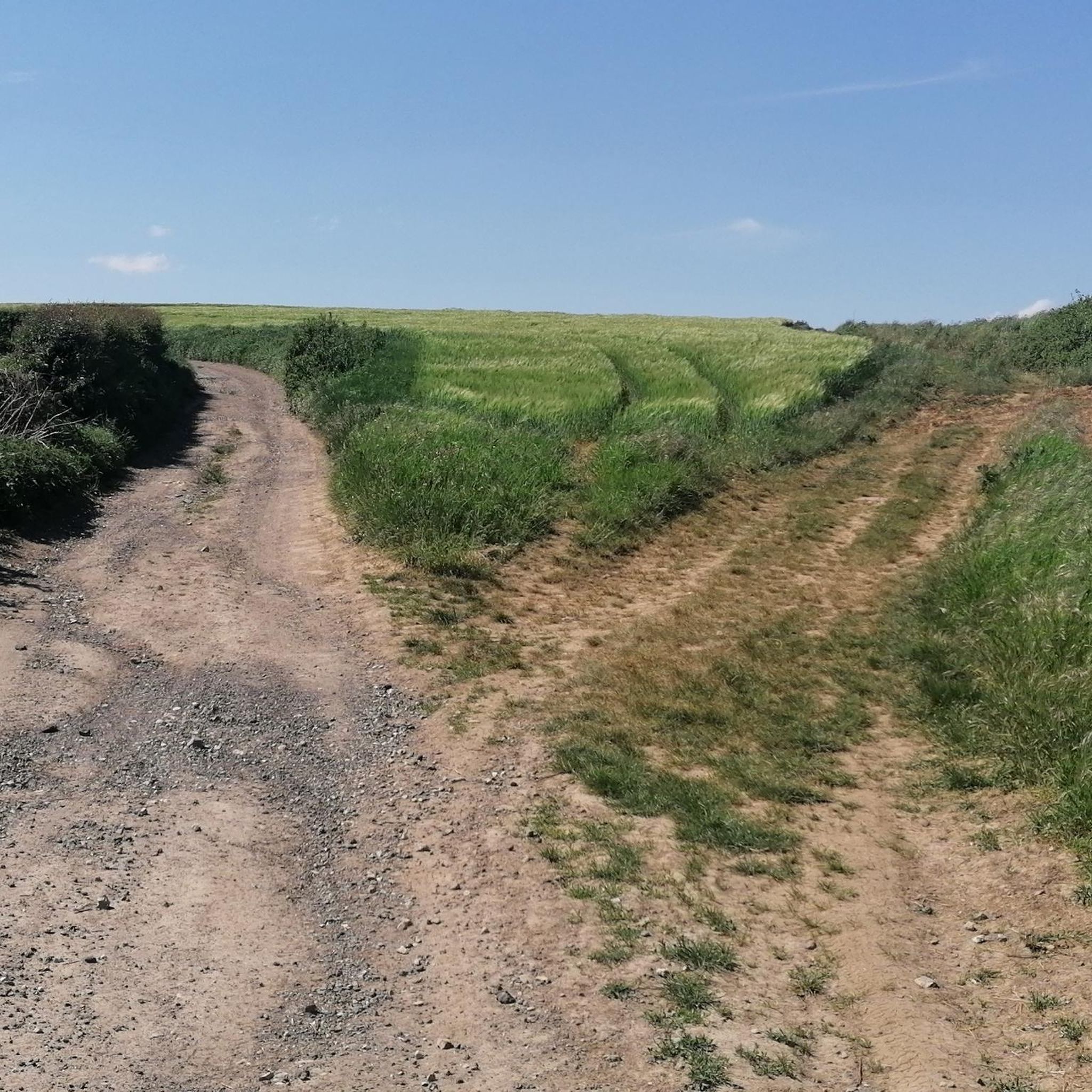
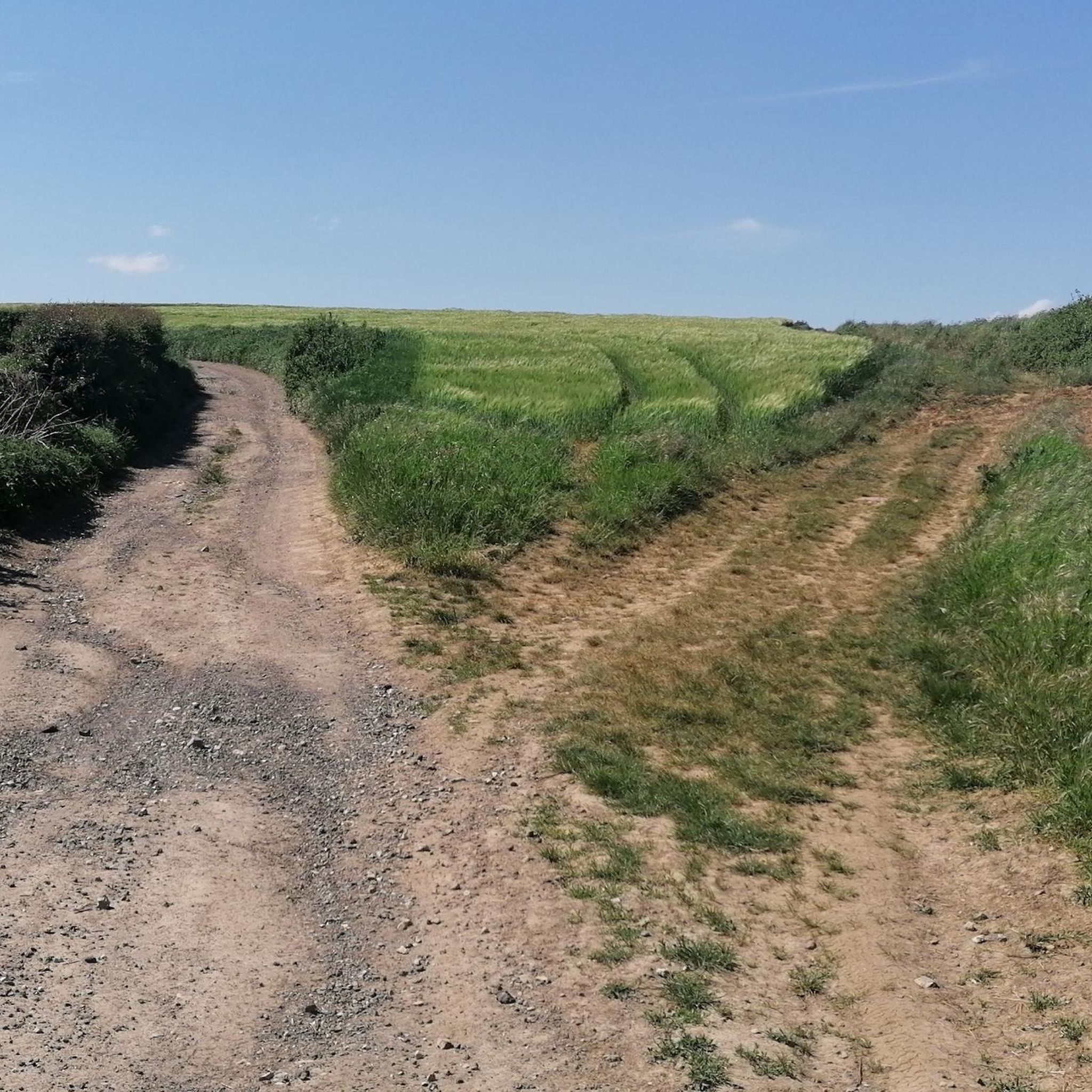
Entrance on top of the hill, suddenly connecting beautiful challenging paths on the hill edge.
1
0
Very charming building in neo-classical style.
2
0

Beautiful view of the caves.
0
0


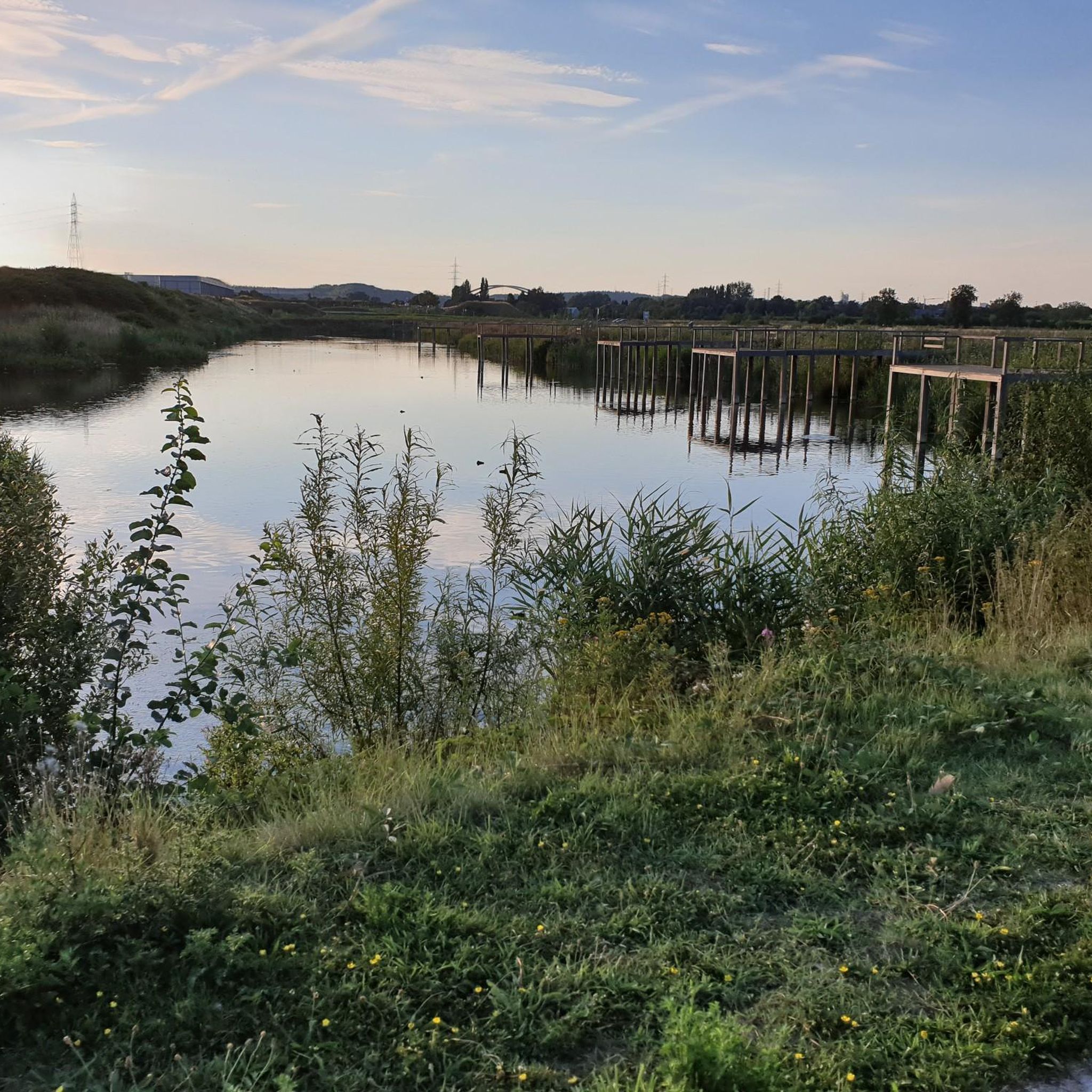
Interesting route for walking and cycling (gravel/mountain biking).
0
0

The Blaarmolen is an old watermill on the Jeker River near Tongeren-Borgloon (Flemish Limburg) and forms an interesting part of the industrial heritage in the landscape surrounding the river. The mill is located on the Kevieweg near the De Kevie nature reserve and is a recognizable witness to centuries-old business activities that once used the Jeker river. The complex consists of the mill itself, outbuildings, and a so-called "woelkom" (a pond or channel) that formed part of the water management system around the mill. This pond regulated the water level and supplied the mill wheel with running water. This structure is still visible in the landscape, surrounded by meadows and tree growth. Historically, the Blaarmolen was used as a grain or corn mill, harnessing the power of the river to grind grain. Such mills were essential for local farming communities before modern energy sources were available, and farmers from the surrounding area brought their grain to the mill to be turned into flour. The Blaarmolen mill is recognized as a building heritage site by the Flanders Heritage Agency, demonstrating that it is not only an industrial monument but also of architectural and cultural-historical value to the region. The mill has been out of use since the Jeker river was diverted in 1968, but its structure and turning basin remain a striking feature in the landscape and recall the time when water power played a significant role in daily life.
1
0
Rosmeulen Castle is a historic country house and estate of great architectural and heritage value, located at Neremstraat 229 in Nerem, a sub-municipality of Tongeren. Dating back to the early 20th century, the building represents a unique combination of Neo-Rococo and Art Nouveau architecture, designed for chocolate and gingerbread manufacturer Florent Rosmeulen. Construction of the manor house, originally named La Brise, began around 1911, opposite the Rosmeulen chocolate factory. However, the founder himself never fully occupied the building, partly due to financial difficulties and the impact of the First World War. The building is situated amidst a romantic castle garden in the English landscape style, featuring ponds, lawns, mature trees, walking paths, and a walled vegetable garden, all contributing to the estate's unique atmosphere. The imposing entrance hall features a majestic staircase and stained-glass windows, while the exterior facades are richly ornamented with features such as bay windows, colonnades, and a round tower under a domed roof. During the First and Second World Wars, the castle was used by German and later American troops, respectively, reflecting its strategic location and the building's role during that time. After the war, the manor changed owners several times. Families such as Duesberg-Bossen Blijweert and Riskin lived there, and the Riskin family, in particular, carried out maintenance and renovation work for many years. In mid-2020, the castle was purchased by Dirk and Bie D'haese, who began a thorough restoration to restore the dilapidated building to its former glory. Their goal is not only to preserve the heritage but also to open the castle and park for use by associations and for events, with spaces such as a large hall of over 300 m² available. The castle is included in the Inventory of Immovable Heritage of Flanders for its architectural value, rich ornamentation, and its location in a historic park with a pond. Rosmeulen Castle, together with the former Rosmeulen chocolate factory and the surrounding landscape, forms a recognizable and valuable ensemble in Nerem with ties to the local industrial culture of the early 20th century, the social history of the region, and today's heritage conservation.
0
0
Under the old railway bridge at the De Kevie nature reserve in Tongeren, a striking mural catches the eye of everyone entering the walking and recreation area. Designed and executed by British-Australian street artist James Cochran, better known by his stage name Jimmy C., the mural measures approximately 18 meters wide and 4 meters high. The artwork was installed as a tribute to Adeline Valkenborg, the founder of the Belgian Centre for Guide Dogs (BCG) in Tongeren. The centre celebrated its 30th anniversary in 2020, and when regular festivities were cancelled due to the coronavirus pandemic, the initiators decided to create a lasting and socially meaningful artwork to commemorate her work and vision. The location under the railway bridge was carefully chosen. On the one hand, the place is literally and figuratively a bridge in the landscape, a passage for walkers and dogs near a dog park. On the other hand, it has symbolic value: Adeline herself was seen as a bridge-builder who paved the way for visually impaired people by establishing an institute that trains and connects guide dogs. The mural features, among other things, a portrait of Adeline with a guide dog and also integrates elements that visualize the journey of a scent hound from puppy to fully-fledged guide dog. The work functions not only as an artistic eye-catcher but also as an inspiring and educational element, raising visitors' awareness of the importance of guide dogs and the mission of the BCG. There are plans to place an information board with a QR code near the mural, directing passersby to information about Adeline and the BCG and how people can get involved, for example, as a foster family for puppies or by supporting the organization. This mural thus perfectly combines street art, social engagement, and local identity. In a place where people experience nature, relaxation, and history, an important story about independence, guidance, and inclusion also has space to be seen and read.
1
0
Frequently Asked Questions
How many mountain bike trails are available around Oupeye?
Oupeye offers a network of over 20 mountain bike trails, catering to various skill levels. These routes traverse diverse landscapes, including forests, river valleys, and canals.
Are there mountain bike trails for all skill levels in Oupeye?
Yes, Oupeye's terrain is varied, offering options for different abilities. You can find easy routes, 17 moderate trails, and 3 more challenging paths with significant elevation gain, ensuring there's something for everyone from beginners to experienced riders.
Are there any family-friendly mountain bike trails in Oupeye?
For families or beginners, Oupeye provides several easy routes and gentle slopes. These trails offer a pleasant introduction to mountain biking in the region's scenic countryside.
What kind of landscapes can I expect to see while mountain biking in Oupeye?
The region is characterized by rolling hills, lush forests, and quaint villages. You'll also find routes along the Meuse River and the Albert Canal, offering scenic views and diverse natural settings.
What are some notable natural attractions or viewpoints along the trails?
Many routes pass by significant natural features. You can explore the Julienne Ponds, known for their biodiversity, or ride past the ENCI Quarry Viewpoint, which offers expansive views from a plateau.
Are there any circular mountain bike routes in Oupeye?
Yes, many of the mountain bike trails in Oupeye are designed as loops. For example, the moderate Market Square, Tongeren – Rosmeulen Castle loop from Houtain-Saint-Siméon is a popular circular route that takes you through the local countryside.
What is the best time of year for mountain biking in Oupeye?
Spring and autumn are particularly recommended for mountain biking in Oupeye. The weather is mild, and the natural scenery is vibrant, making for an enjoyable riding experience.
Are dogs allowed on the mountain bike trails in Oupeye?
While many outdoor areas in Belgium are dog-friendly, specific regulations for mountain bike trails can vary. It's always best to check local signage or the specific trail's guidelines before heading out with your dog.
What do other mountain bikers enjoy most about the trails in Oupeye?
The mountain bike trails in Oupeye are highly rated by the komoot community, with an average score of 4.6 stars. Riders often praise the diverse landscapes, the mix of woodlands and river valleys, and the options available for different ability levels.
Are there any historical sites or landmarks to see while cycling?
Yes, some routes pass by historical points of interest. For instance, the Val-Dieu Abbey – Dalhem Old Railway Tunnel loop from Vivegnis leads through historical sites and natural landscapes. You might also encounter sites like Fort Eben-Emael or the Chateau D'oupeye near cycling paths.
Where can I find more information about the Oupeye region?
For general tourist information about Oupeye and its surroundings, you can visit the official tourism website for the region: visitezliege.be.
Most popular attractions around Oupeye

Get inspired with the komoot mobile app


Explore more
Browse the best MTB trails in other regions.
