Top 20 Natural Monuments around Durbuy
Best natural monuments around Durbuy showcase the region's diverse geological features and historical natural sites. The area is characterized by the Ourthe River valley, ancient rock formations, and unique karst landscapes. These natural attractions offer various opportunities for exploration and observation of the local environment. Durbuy's natural setting provides a backdrop for understanding the region's geological history and ecological diversity.
Best natural monuments around Durbuy
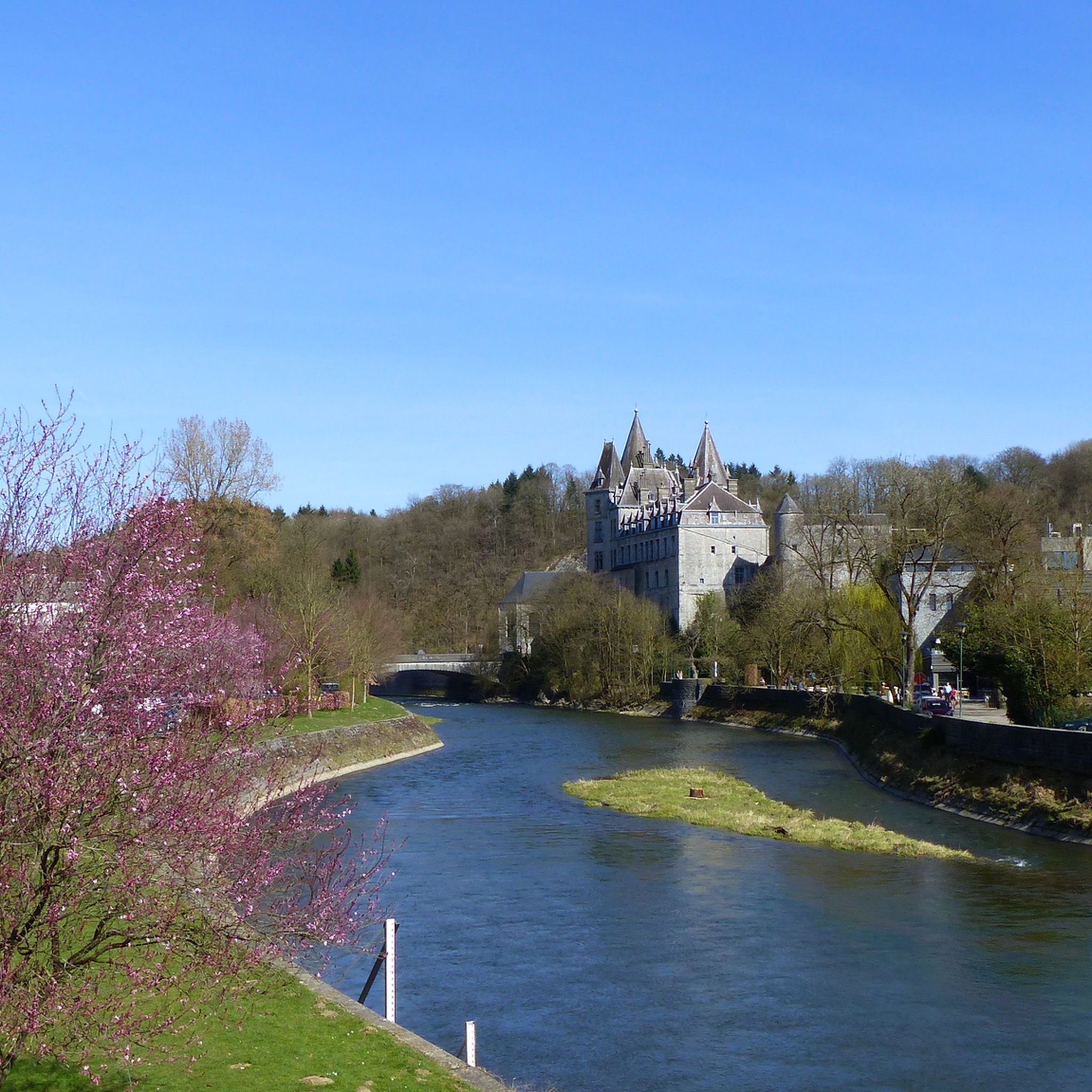
- The most popular natural monuments is Durbuy — Old Town and Castle, a settlement…
Last updated: October 13, 2026
Durbuy — Old Town and Castle
Highlight • Settlement
Translated by Google •
Tip by

The Anticline
Highlight • Natural Monument
Translated by Google •
Tip by

Sign up now to discover places like this
Get recommendations on the best single tracks, peaks, & plenty of other exciting outdoor places.
Sy Rocks
Highlight • Natural Monument
Translated by Google •
Tip by
Wéris Dolmen
Highlight • Historical Site
Even small walkers can be taken thousands of years back in time. Please respect both locations. Under …
Translated by Google •
Tip by

Modave Castle
Highlight • Castle
Translated by Google •
Tip by
Sign up for free to discover even more natural monuments around Durbuy.
Already have an account?
Start today with a free account
Your next adventure awaits.
Popular around Durbuy
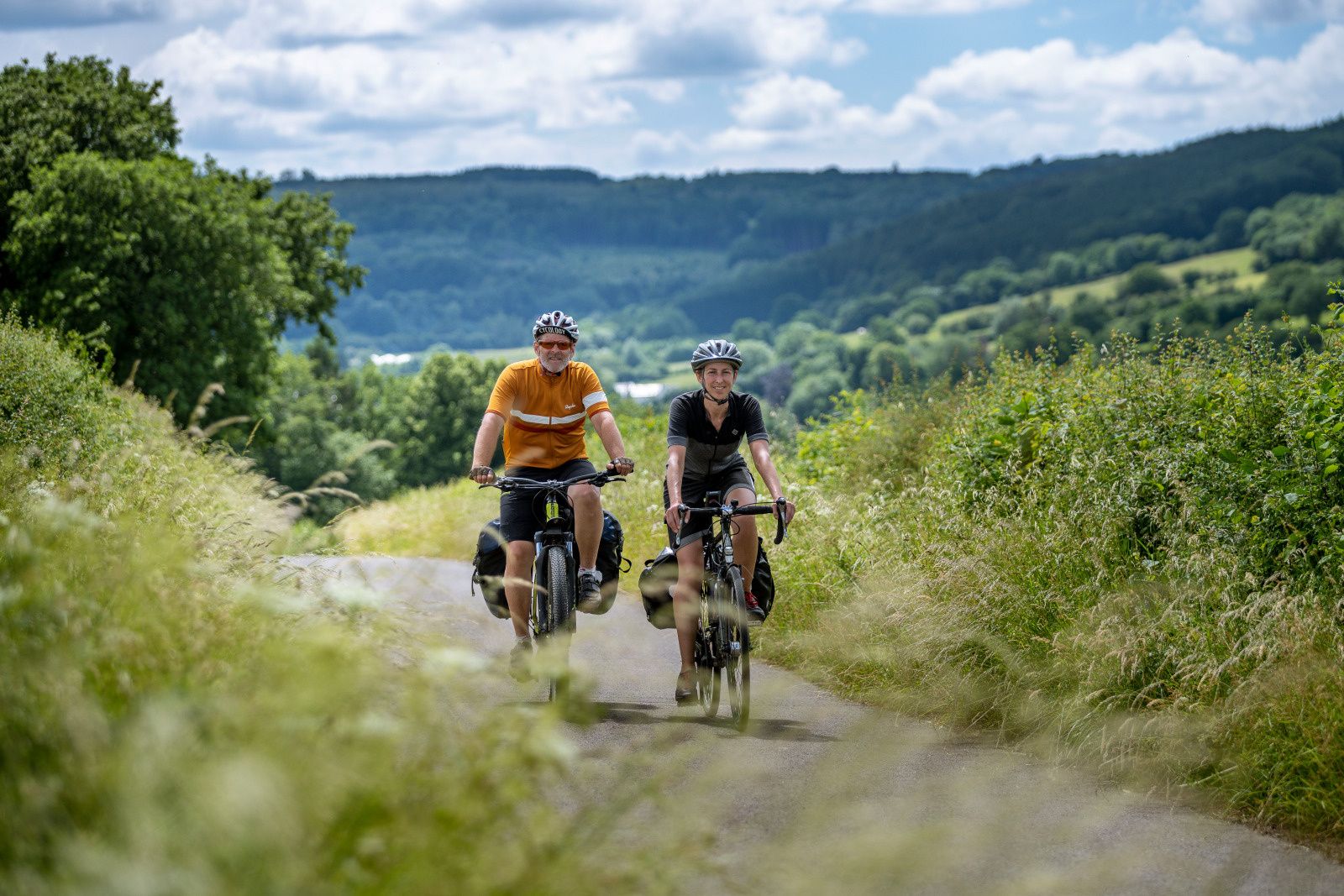
The most beautiful bike rides in Wallonia – pure nature and culture
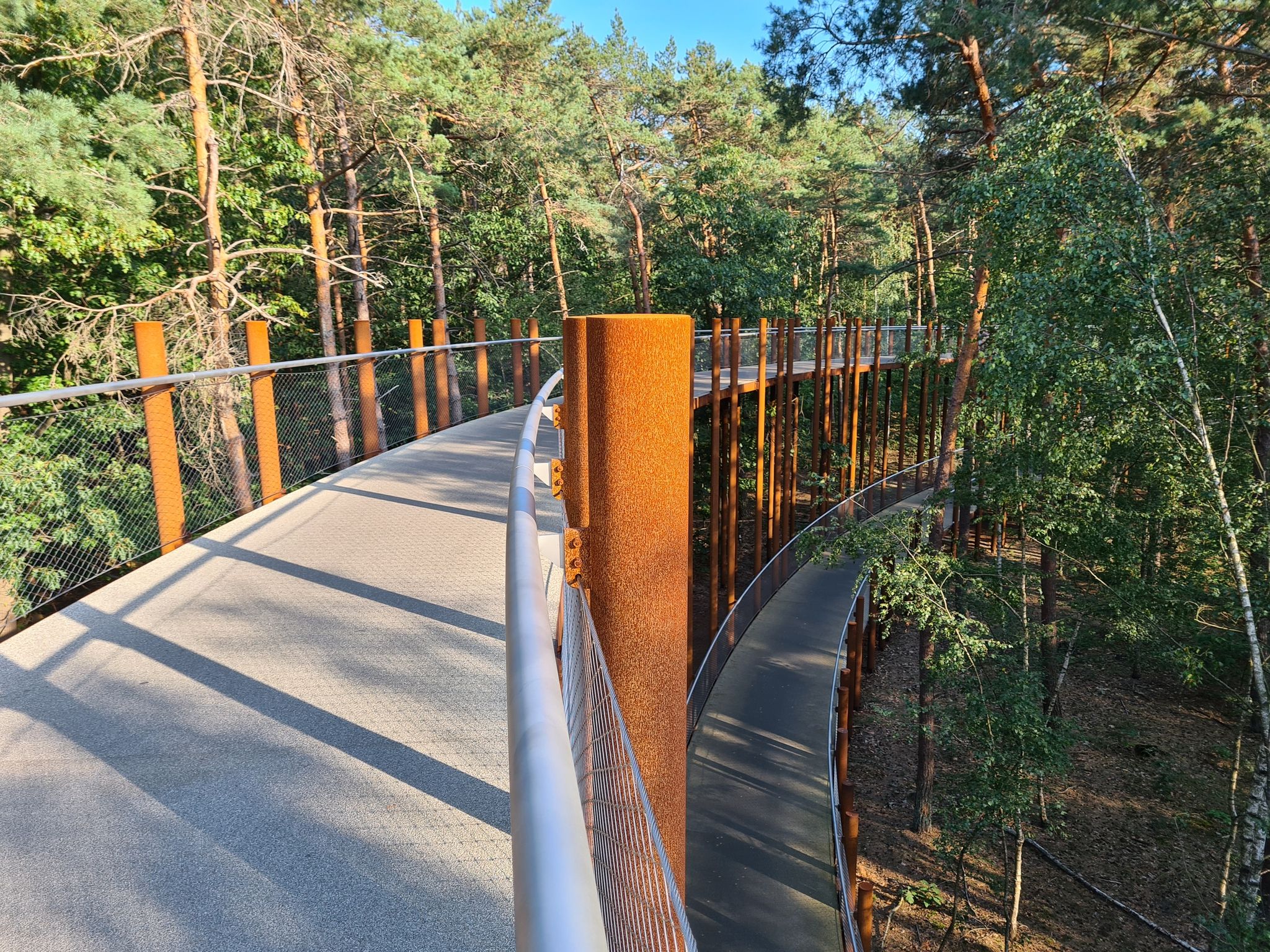
Cycling on Belgium’s most beautiful bike paths — 10 boucles à vélo
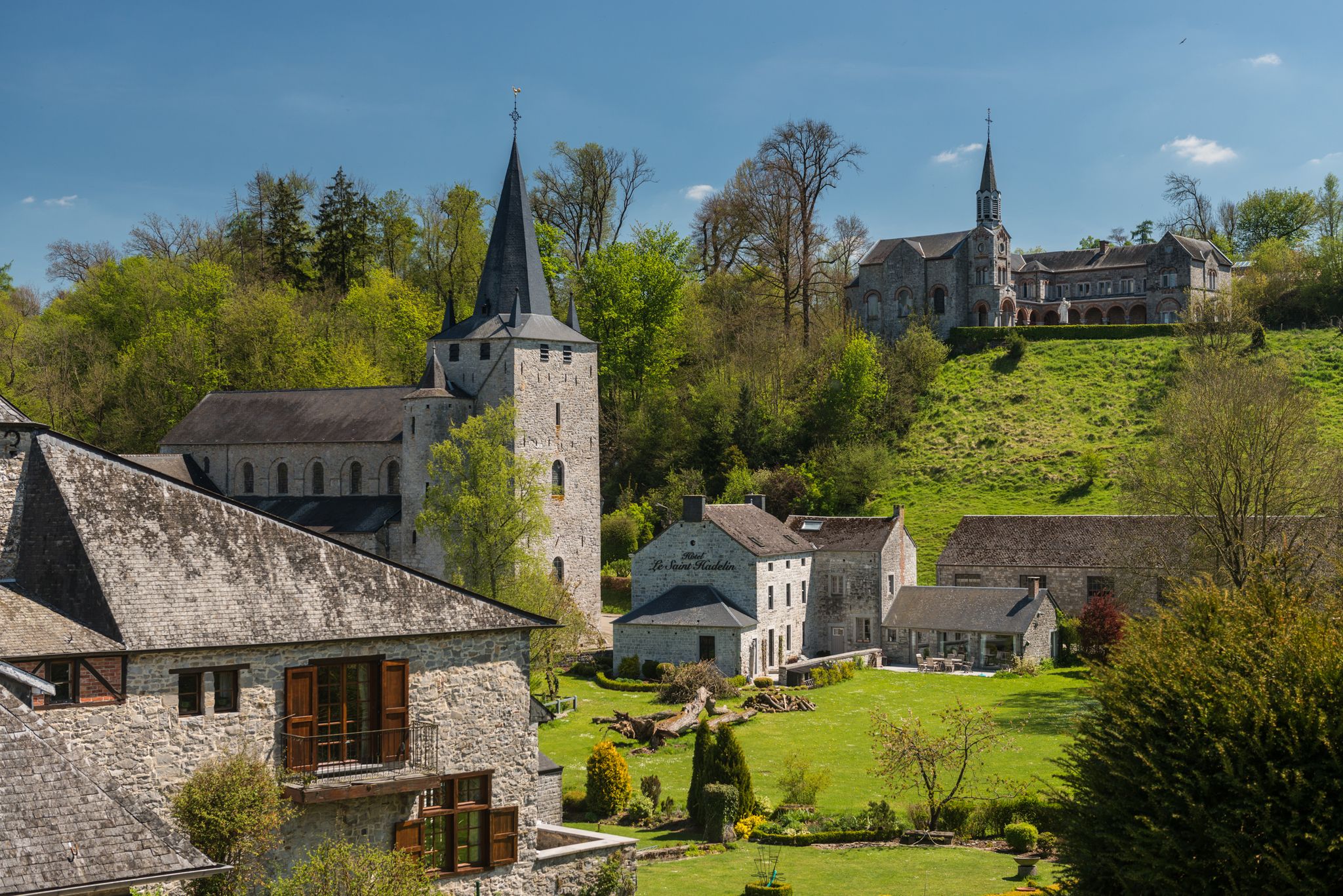
Walks in the Belgian Ardennes — historic walls & magical forests
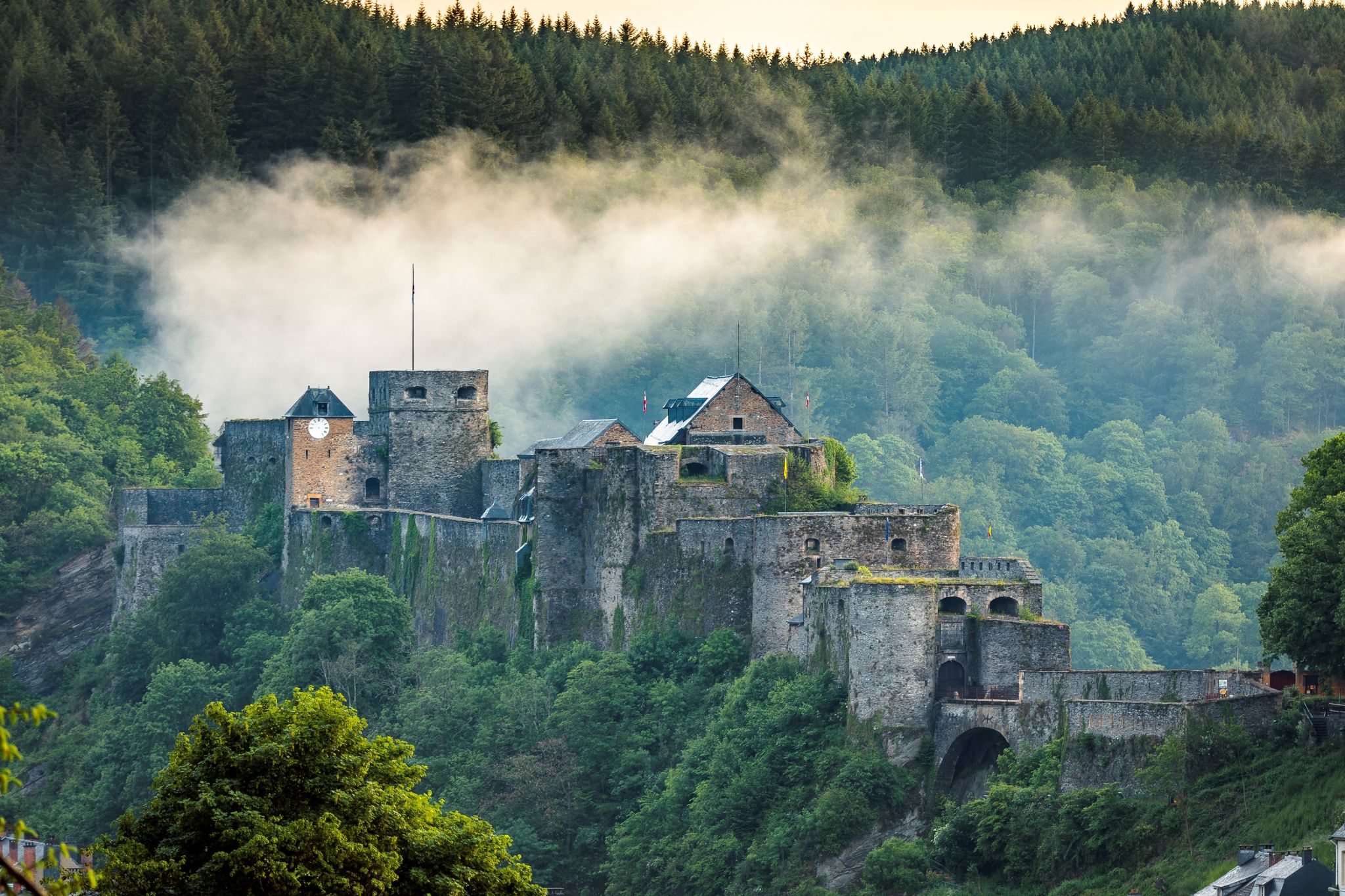
Hiking along majestic castles and nature – Belgian Ardennes
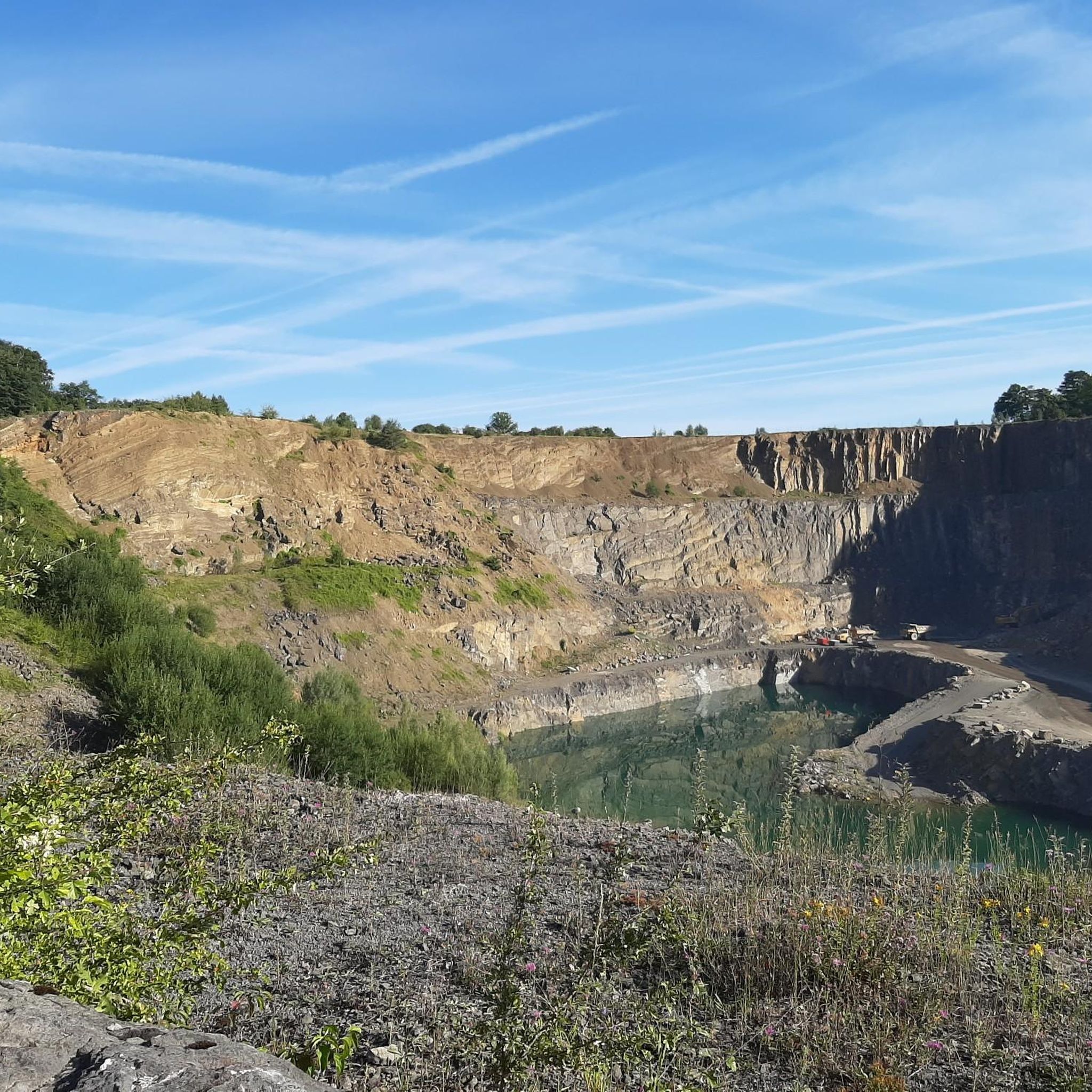
Hiking around Durbuy
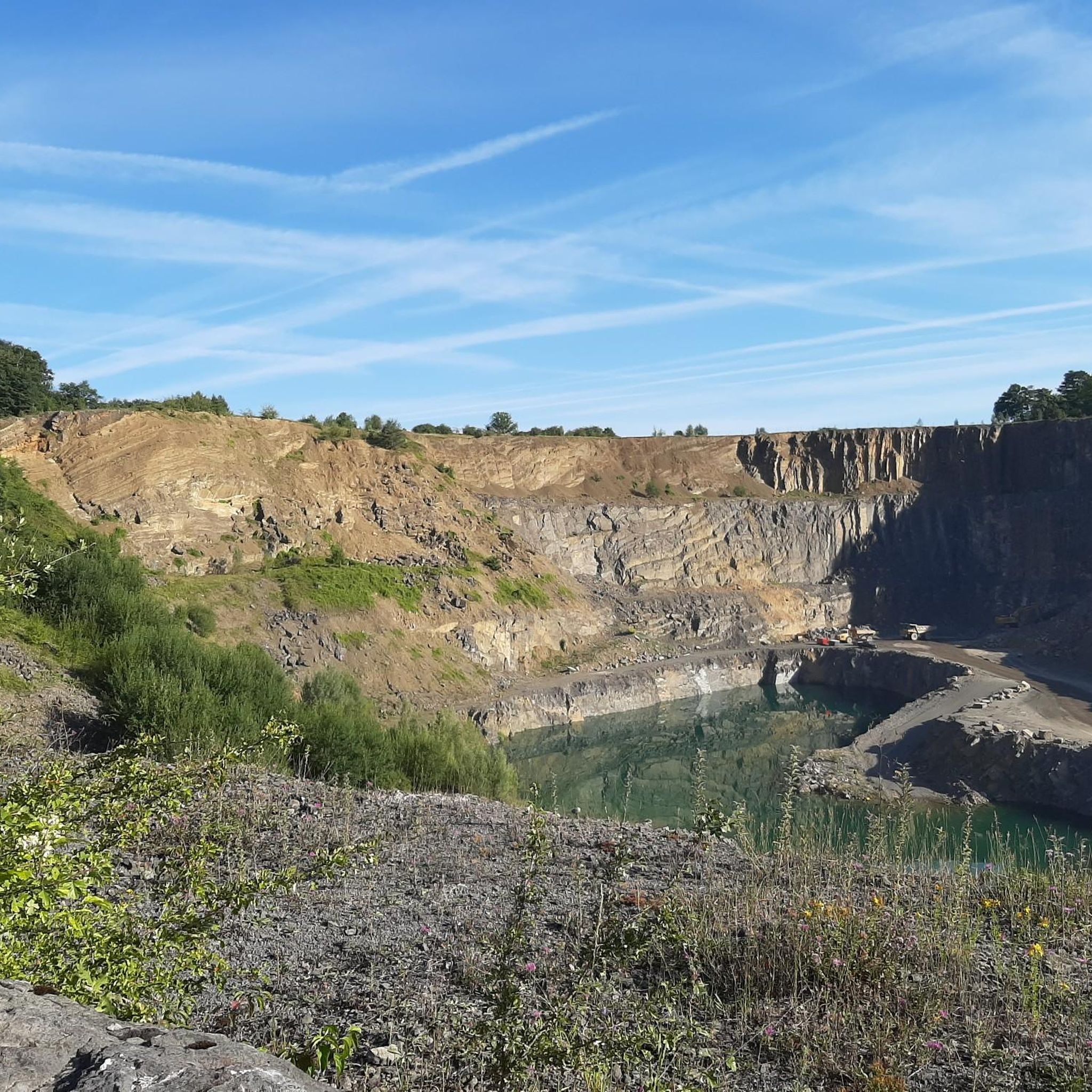
Road Cycling Routes around Durbuy
Cycling around Durbuy
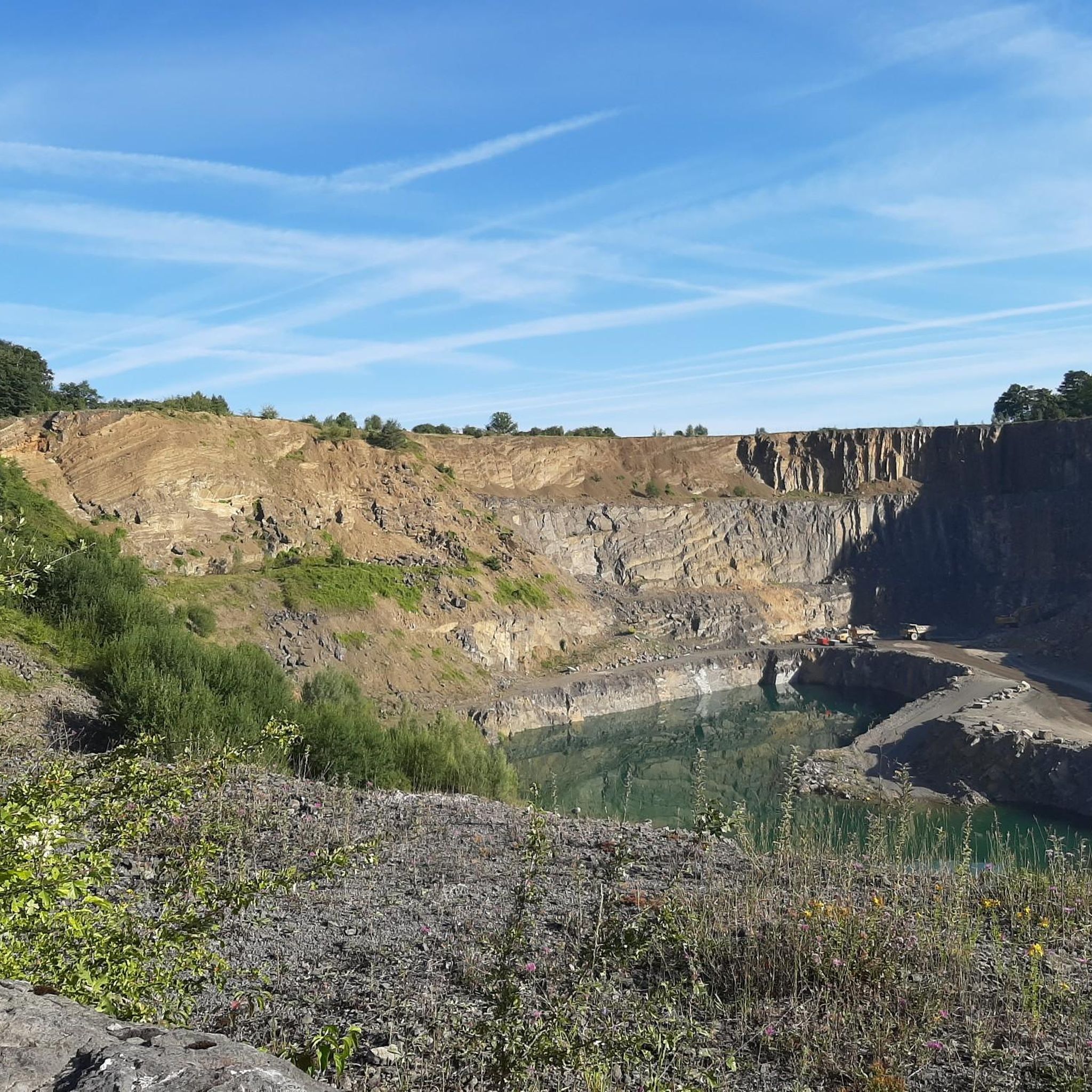
MTB Trails around Durbuy
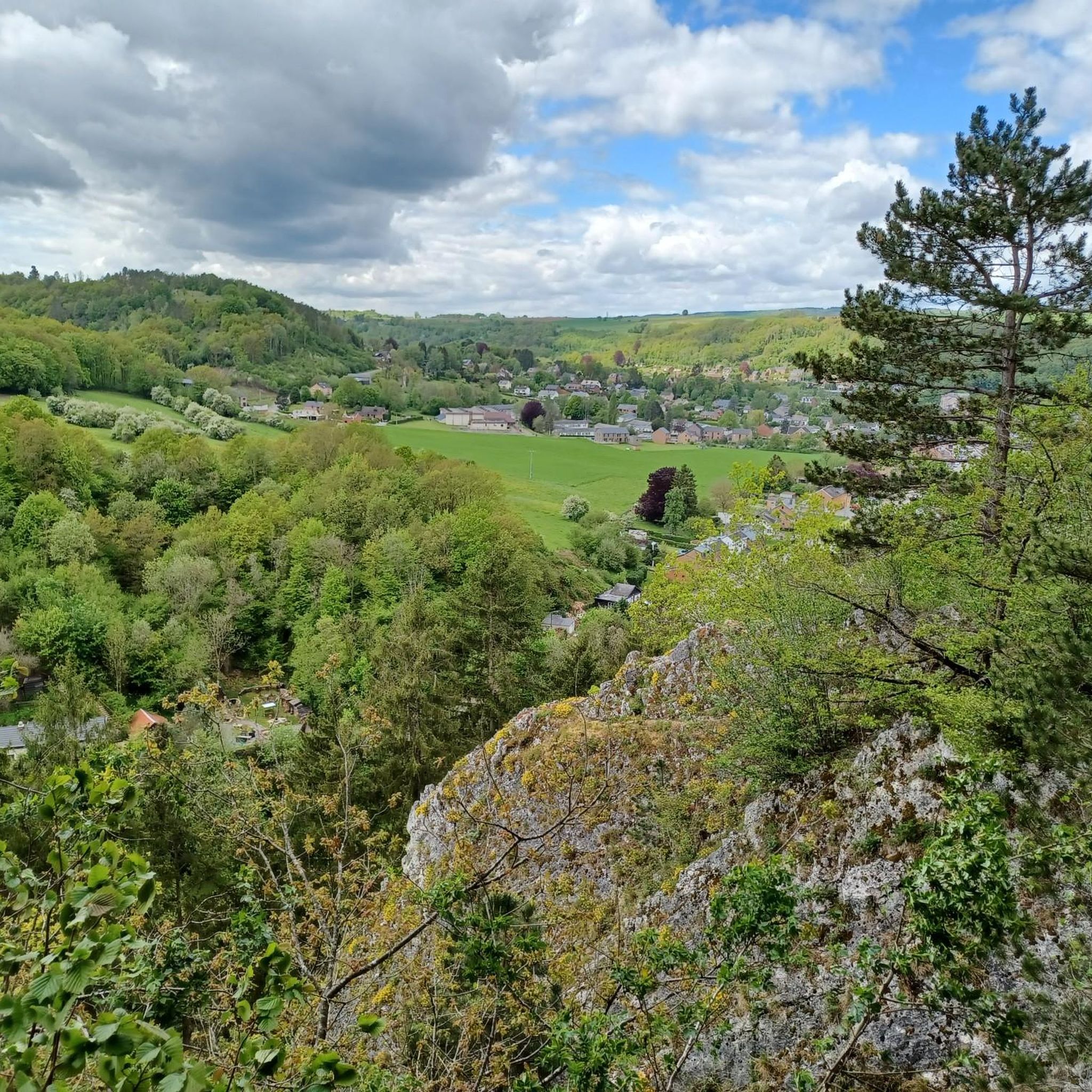
Running Trails around Durbuy
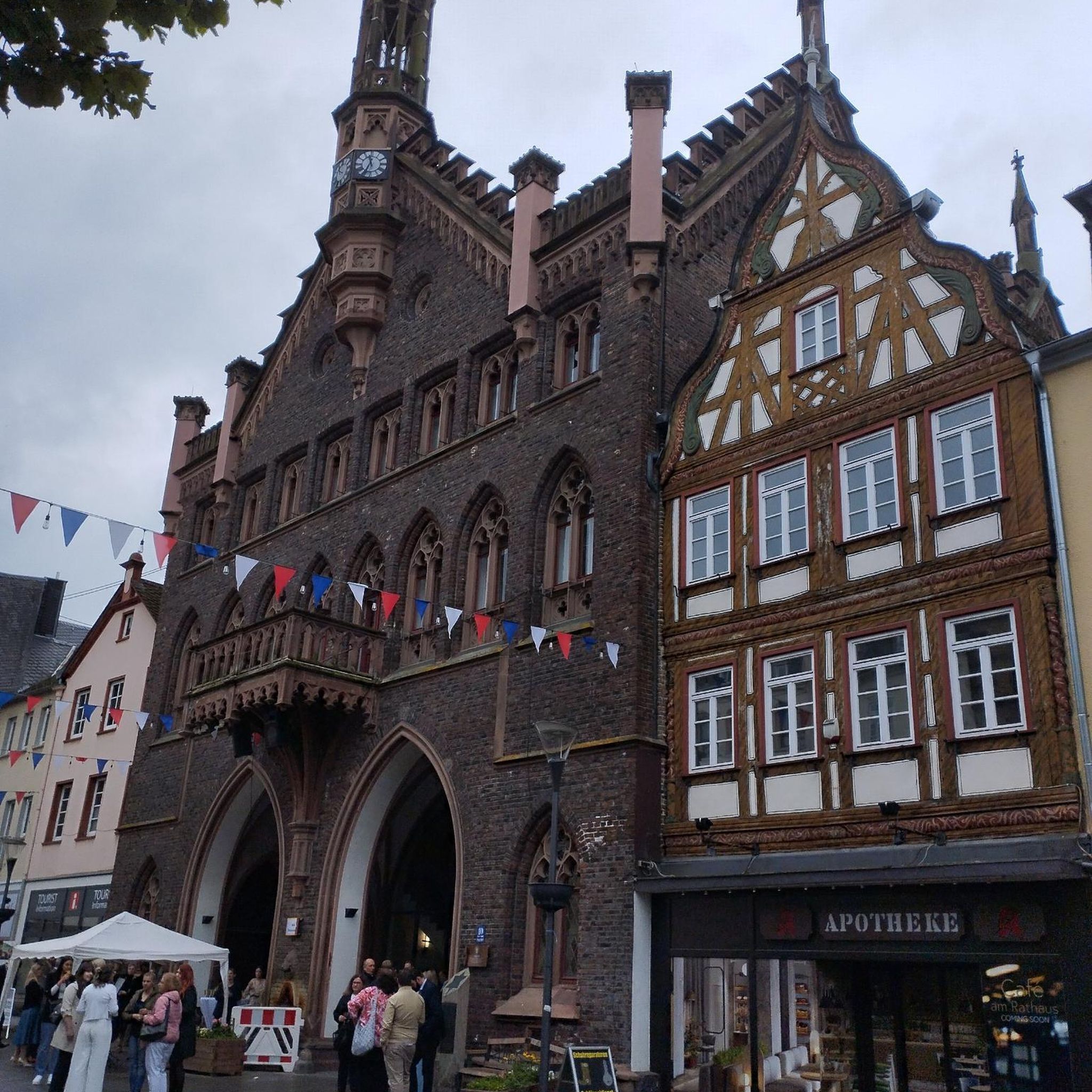
Gravel biking around Durbuy
Other adventures around Durbuy


Tips from the Community


At approximately 37 meters, the top of the Anticline, also known as the Homalius Rock and especially the Falize Rock, is literally the highest point in Durbuy. It has been a highlight for many visitors for years, thanks in part to the surroundings and beautiful water features. The rock is somewhat older than the average visitor. It's said to be more than 300 million years old. However, the rock layers are much older: around 375 million years old. The name Anticline comes from the geological phenomenon known as an anticline. It's the opposite of a syncline. While the former is a fold formed over many years, with the innermost layers being the oldest and the folds running downwards, synclines have folds running downwards. Such folds can form for various reasons and range from very small to large, as seen here. Originally, everything was, of course, horizontal. The inverted U-shape created by uplift in Durbuy is not only beautiful to see but also special. And Durbuy has beautifully highlighted this. Another beautiful anticline can be found in Han-sur-Lesse, also in the Famenne-Ardenne region, albeit in the province of Namur (here we are in Luxembourg), where it has been given the name "Tête de bouc" (Tick of the Rock). There's a waterfall and a large water feature at the end of the expansive pond in front of the rock, which you can also climb. And everywhere there's space to admire it all while sitting and relaxing—or enjoying the water. Don't forget the many smaller works of art and curiosities, and take a look in the water.
8
0


This impressive geological formation consists of a succession of dolomitic limestone layers that were pushed up by earthquakes of the earth's crust. Quite impressive. A location to take a photo.
4
1
The dolmens of Wéris and d'Oppange are located here within a stone's throw of each other. Even small walkers can be taken back thousands of years in time. Have respect for both locations. There are 29 human sacrifices under this dolmen. Carefully approach the Zielgat, the round opening in the gate of the dolmen, you never know.
2
0
The dolmens of Wéris and d'Oppange are located here at a stone's throw from each other. Even small walkers can be taken back thousands of years in time. Respect both locations. Under this dolmen lie some 29 human sacrifices. Approach the Zielgat, the round opening in the gate of the dolmen, with caution, you never know.
2
0

Built in the Middle Ages, only the keep and a few architectural elements remain from that period. After its partial destruction in the mid-17th century, it was restored and transformed into an elegant pleasure palace. The French-style park and gardens, redesigned in the 19th century, are part of the Parks and Gardens of Wallonia, designated as an exceptional cultural heritage site. They are free to enter during the castle's opening hours. Magnificent rose beds adorn the grounds. To learn more about the park and its grounds, you can download audio guides at https://www.modave-castle.be/les_jardins. Source: https://visitwallonia.de/de/content/ausergewohnlichen-garten-das-schloss-von-modave
33
1
Opening Hours: From March 30 to November 15 Daily from 10:00 AM to 6:00 PM (last admission at 4:45 PM) Closed on Mondays (except public holidays and July/August) Special opening at Christmas Further information can be found on the Modave Castle website: https://www.modave-castle.be/infos_pratiques
58
0
Frequently Asked Questions
Which natural monuments around Durbuy are suitable for families with children?
Several natural monuments in the Durbuy area are great for families. Durbuy — Old Town and Castle offers medieval alleys to explore. The Anticline features a waterfall and water features that children often enjoy. The ancient Wéris Dolmen site provides a mysterious historical experience, and the Isbelle Karst Spring is an adventurous spot where kids can look for disappearing water.
What kind of geological formations can I see near Durbuy?
Durbuy is known for its diverse geological features. You can observe ancient rock formations like Sy Rocks, which are rocky outcrops above the Ourthe River. The Anticline is a striking inverted 'u' shaped rock formation, over 300 million years old, showcasing the region's tectonic history. The Isbelle Karst Spring demonstrates unique hydrological processes where a stream disappears underground and resurfaces.
Are there any historical natural sites to visit in the Durbuy region?
Yes, the Durbuy area is rich in historical natural sites. The Wéris Dolmen and menhirs form a significant megalithic field dating back to the Neolithic period, offering a glimpse into ancient human history. Additionally, Durbuy — Old Town and Castle itself is a settlement and natural monument with medieval alleys and historical significance.
What outdoor activities can I do near the natural monuments around Durbuy?
The natural monuments around Durbuy are excellent starting points for various outdoor activities. You can find numerous routes for road cycling, mountain biking, and running. For example, there are challenging MTB trails like the 'Anticline de Durbuy – La Roche aux Corbeaux loop' and running routes such as 'The Anticline – Ourthe River in Barvaux loop'. You can explore more options on the Road Cycling Routes around Durbuy, MTB Trails around Durbuy, and Running Trails around Durbuy guide pages.
Are there any natural monuments in Durbuy that are wheelchair accessible?
Yes, the Wéris Dolmen site is noted as wheelchair accessible, allowing visitors to experience these ancient megalithic structures. While other sites might have varying terrain, Wéris Dolmen offers a more inclusive option.
What is the best time of year to visit the natural monuments in Durbuy?
The Durbuy region's natural monuments can be enjoyed throughout the year. Spring and autumn offer pleasant temperatures and beautiful scenery, with fewer crowds than the peak summer months. Summer is popular but can be busy, especially in Durbuy — Old Town and Castle. Winter walks can also be charming, especially around sites like the Wéris Dolmen, which can take on a mysterious atmosphere in mist or snow.
Can I find cafes or places to eat near the natural monuments?
Yes, particularly in and around the town of Durbuy. Near Durbuy — Old Town and Castle, you'll find numerous cafes and restaurants. There is also a cozy square opposite The Anticline where you can enjoy a drink or rest. For other, more remote natural sites, it's advisable to bring your own refreshments.
Are there opportunities for climbing at any of the natural monuments?
Yes, for those interested in climbing, Sy Rocks is a well-known spot. These rocky outcrops above the Ourthe River offer opportunities for climbing, though they are considered challenging and provide dizzying, spectacular views.
What do visitors enjoy most about the natural monuments around Durbuy?
Visitors frequently appreciate the diverse experiences offered. Many enjoy the picturesque charm and historical significance of Durbuy — Old Town and Castle. The spectacular views from Sy Rocks are also highly rated. The mysterious atmosphere of the ancient Wéris Dolmen and the impressive geological formation of The Anticline are also popular highlights.
Are there any natural monuments that involve water features or rivers?
Absolutely. The Durbuy area is characterized by the Ourthe River valley. Durbuy — Old Town and Castle is situated directly on the banks of the Ourthe. Sy Rocks are rocky outcrops overlooking the Ourthe. The Isbelle Karst Spring is a fascinating site where a stream disappears and resurfaces, eventually flowing into the Ourthe. The Anticline also features a waterfall and large water features.
How long should I plan for a visit to the natural monuments?
The duration of your visit depends on the specific natural monument and your interests. Exploring Durbuy — Old Town and Castle can take a few hours, especially if you enjoy strolling through the alleys and stopping at cafes. Sites like Wéris Dolmen or The Anticline might require 1-2 hours each, allowing time for appreciation and photography. If you plan to combine multiple sites or include hiking, a full day or more would be beneficial.
Are there any hidden gem natural sites around Durbuy that are less crowded?
While popular sites like Durbuy — Old Town and Castle can attract crowds, especially in summer, exploring some of the geological formations or karst features might offer a quieter experience. The Isbelle Karst Spring, for instance, offers an adventurous and less frequented natural phenomenon. Visiting during off-peak seasons can also help avoid larger crowds at any location.
Most popular routes around Durbuy
Most popular attractions around Durbuy

Get inspired with the komoot mobile app


Explore more
Extend your search for the best caves by checking out these guides of the top ones around Durbuy:
