The best road cycling routes around Attert
4.3
(351)
12,234
riders
29
rides
Road cycling around Attert is characterized by its diverse landscapes within the Attert Valley Nature Park, offering varied terrain for cyclists. The region features well-maintained routes that traverse meadows, woodlands, and small streams, with notable geological formations like the Sinemurian cuesta. Cyclists can expect a mix of flat sections along river paths and moderate ascents through rolling hills and village surroundings. This area provides a natural setting for road cycling, connecting charming villages and historical elements.
Best road cycling routes…
Last updated: October 18, 2026
4.6
(7)
142
riders
40.7km
01:46
380m
380m
Moderate road ride. Good fitness required. Mostly well-paved surfaces and easy to ride.
32
riders
98.1km
04:16
850m
850m
Moderate road ride. Good fitness required. Mostly well-paved surfaces and easy to ride.

3.8
(4)
25
riders
39.1km
01:43
300m
300m
Easy road ride. Great for any fitness level. Mostly well-paved surfaces and easy to ride.
22
riders
40.4km
01:45
320m
320m
Moderate road ride. Good fitness required. Mostly well-paved surfaces and easy to ride.
13
riders
60.9km
02:51
700m
700m
Moderate road ride. Good fitness required. Mostly well-paved surfaces and easy to ride.
Get access to more routes and recommendations from other explorers.
Already have an account?
Our route recommendations are based on thousands of hikes, rides, and runs completed by other people on komoot.
Start today with a free account
Your next adventure awaits.
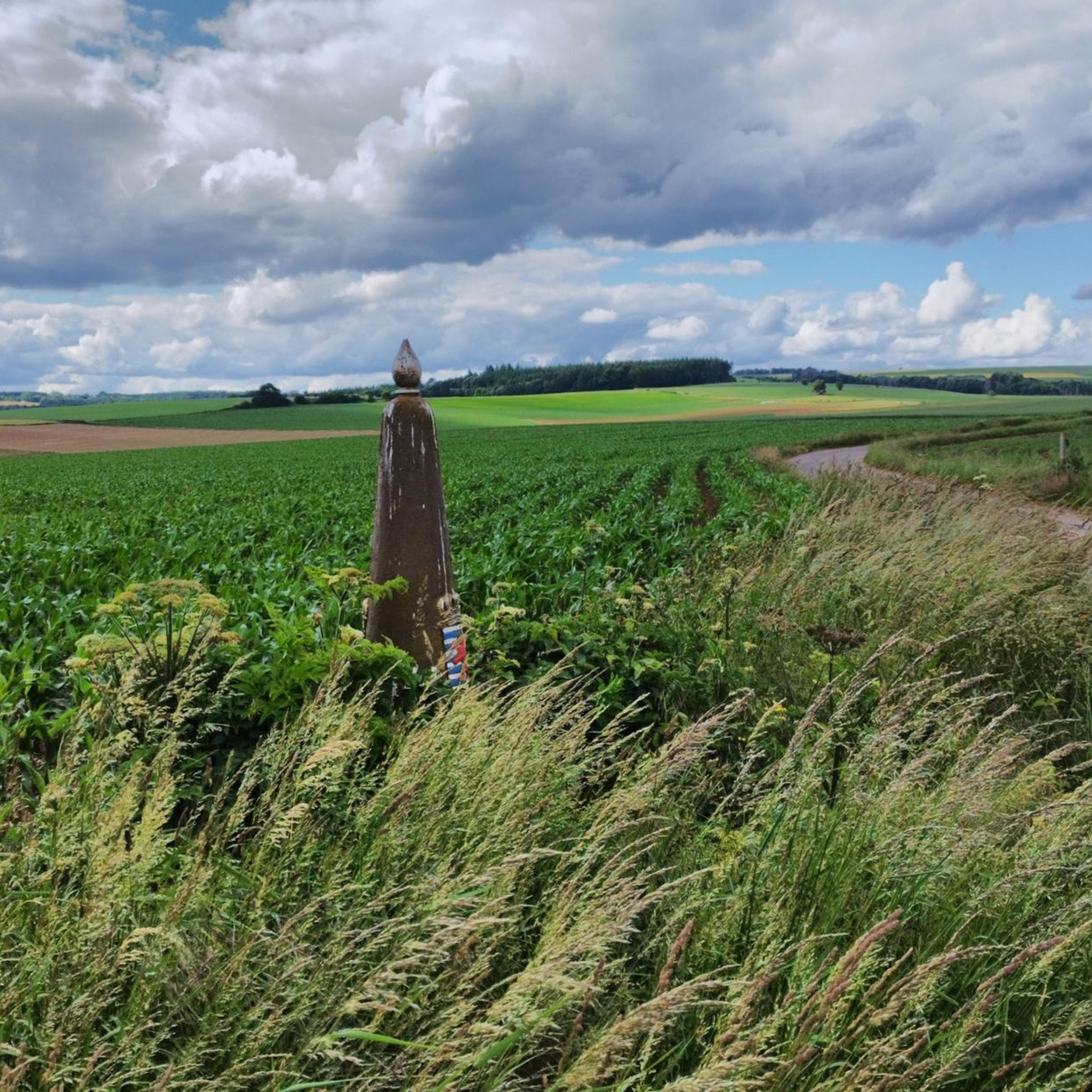
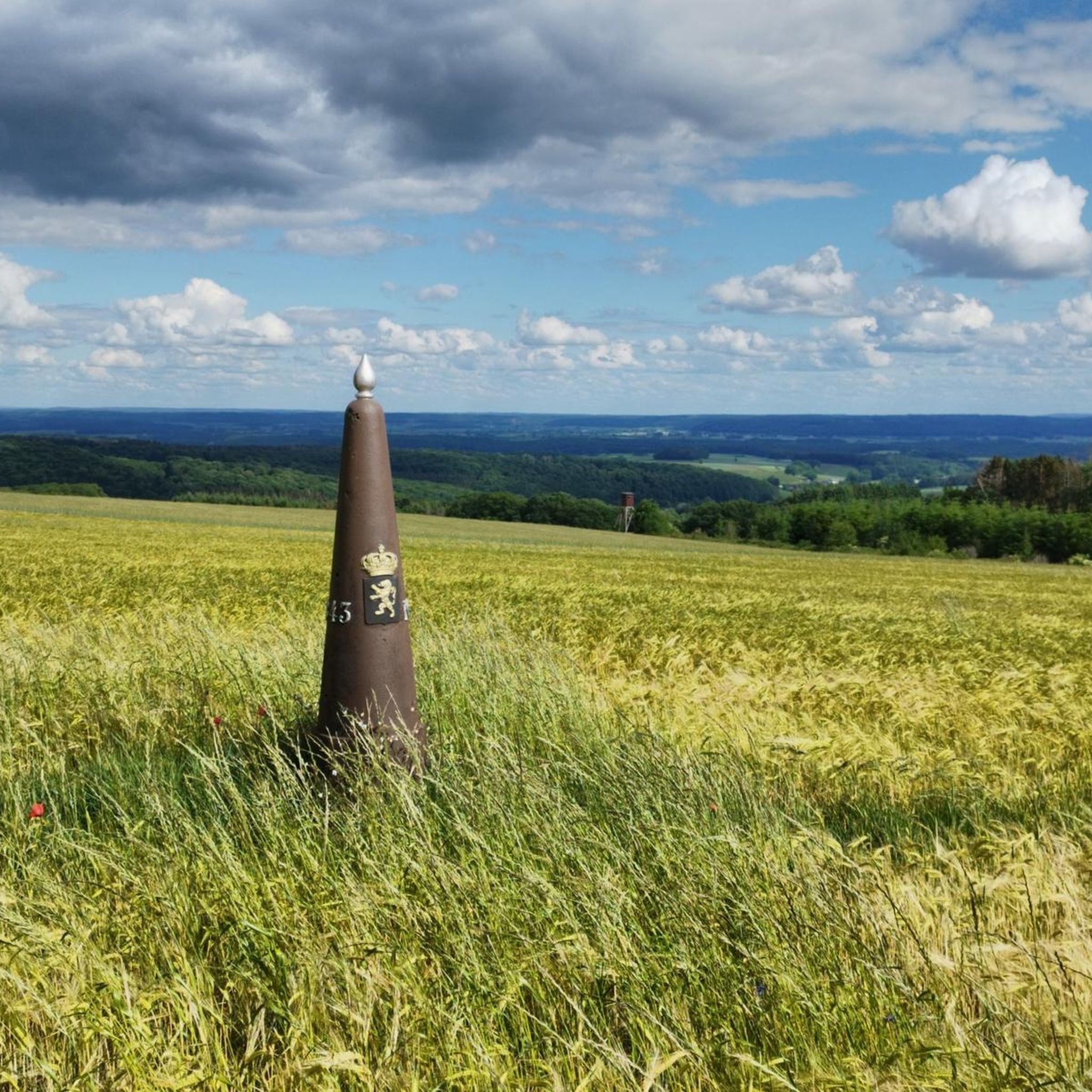
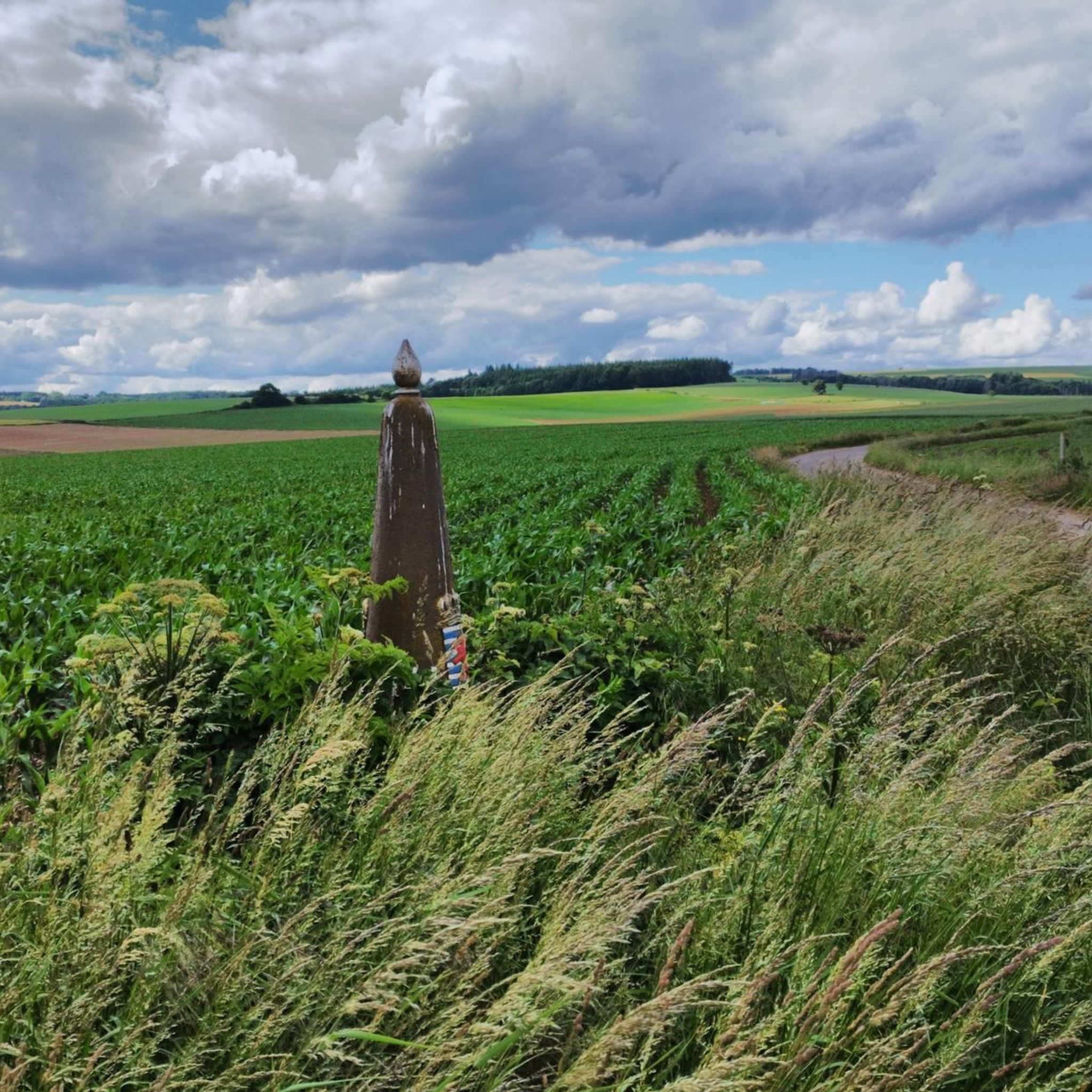
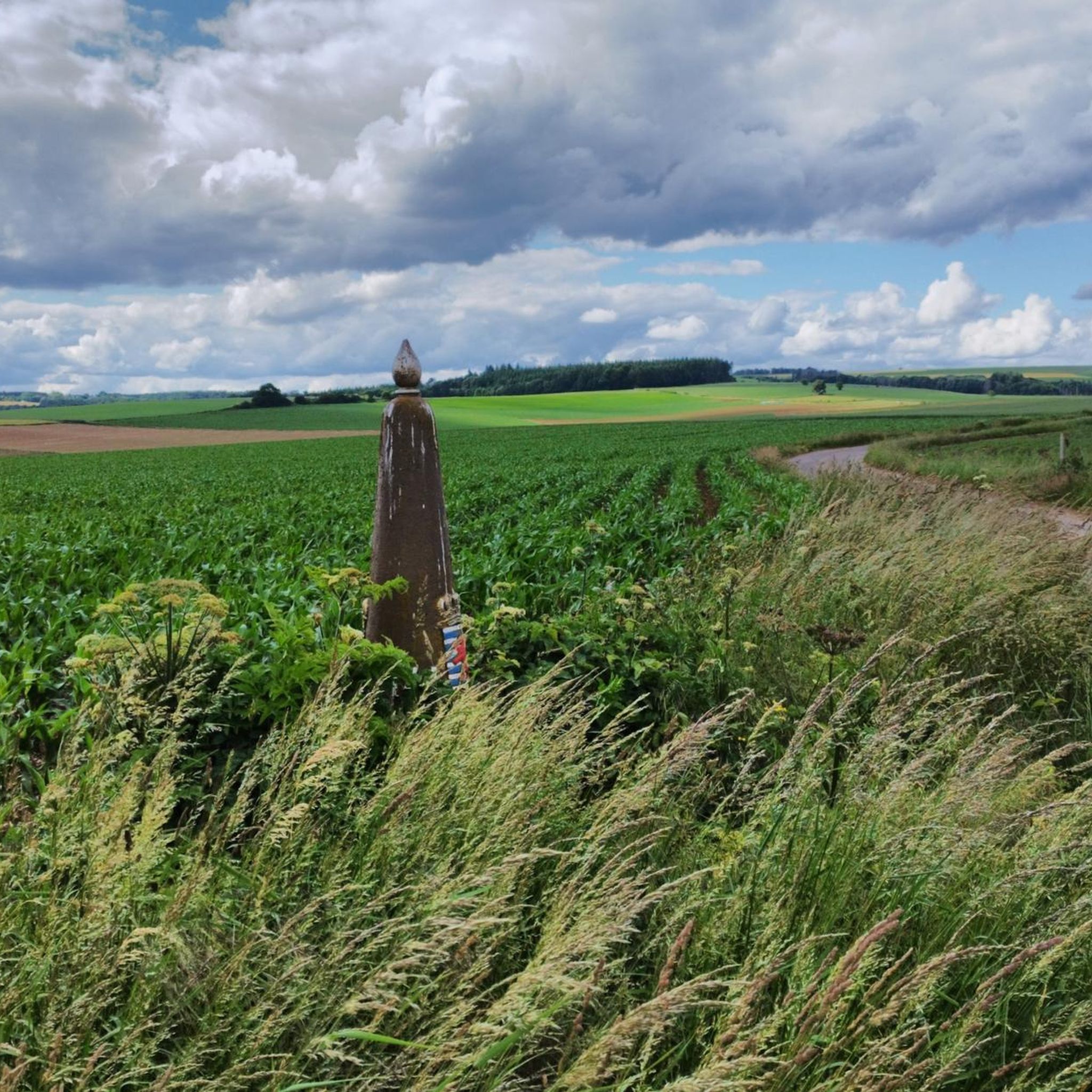
Tips from the Community

Beautifully preserved castle with a beautiful garden
0
0


This place is so beautiful https://www.paybyplatema.com.co
0
0
Ansembourg Castle was built in the first half of the 17th century by Thomas Bidard, a pioneer of the steel industry. In the 18th century, the castle experienced a significant turning point when Thomas Bidard’s heirs were elevated to the rank of barons in 1728, then counts. The gardens were laid out in 1750. They are punctuated with statues, staircases and decorative fountains in the style of the gardens of the time.
0
0

On August 22, 1914, the village of Rossignol witnessed one of the deadliest days of the First World War. Thousands of soldiers died in the French and German armies fighting that day. Civilians were also affected by this tragic episode of the war! Many inhabitants of Rossignol and neighboring villages were shot by the Germans. A century later, the town of Tintigny began setting up an interpretation memorial center in Rossignol. Come and discover this unmissable place of remembrance.
0
0

Must have been an impressive castle in the past. Located right next to the cycle path.
4
0
Frequently Asked Questions
What kind of terrain can I expect on road cycling routes around Attert?
Road cycling around Attert offers a diverse landscape within the Attert Valley Nature Park. You'll find a mix of flat sections along river paths, rolling hills, and moderate ascents through woodlands and agricultural areas. The region is characterized by unique geological formations like the Sinemurian cuesta, providing varied scenery.
Are there road cycling routes suitable for beginners in Attert?
Yes, Attert offers routes suitable for various fitness levels, including options for beginners. While most routes are moderate, there are at least 3 easy road cycling routes available. These typically feature less elevation gain and shorter distances, perfect for those new to road cycling or looking for a relaxed ride.
What are some of the more challenging road cycling routes in the Attert region?
For experienced road cyclists seeking a challenge, Attert provides routes with more significant elevation gains. There are at least 2 difficult routes available, designed to test endurance and climbing skills while still offering scenic views of the valley and surrounding areas.
Can I find circular road cycling routes in the Attert area?
Yes, many of the road cycling routes around Attert are designed as loops, allowing you to start and finish in the same location. For example, the Post Village – Habay-la-Neuve loop from Attert is a popular circular route connecting several charming villages.
What are some scenic viewpoints or natural attractions along the road cycling routes?
The Attert Valley Nature Park itself is a major attraction, with its mosaic of meadows, woodlands, and streams. You can encounter unique geological formations like the Sinemurian cuesta. While cycling, you might pass by highlights such as La Fabrique Pond or the historic Misère Bridge (Misärsbréck). The region's forests, like the Anlier forest, also provide lush green backdrops.
Are there any historical or cultural sites to see while road cycling in Attert?
Absolutely. The villages within the Attert Valley Nature Park retain their authenticity, featuring historic homes and agricultural buildings. You might also spot stone crosses, calvaries, and restored washhouses. The village of Nobressart, known for its 18th and 19th-century farm buildings, is recognized as one of Wallonia's most beautiful and can be explored via routes like the Post Village – Boundary Marker No. 132 loop from Nobressart.
What do other road cyclists say about the routes in Attert?
The road cycling routes in Attert are highly regarded by the komoot community, holding an average rating of 4.9 stars from over 25 reviews. Cyclists often praise the well-maintained paths, the varied landscapes, and the opportunity to connect charming villages and historical elements.
What is the best season for road biking in Attert?
The Attert region is generally pleasant for road cycling from spring through autumn. Spring brings blooming landscapes, while autumn offers beautiful foliage. Summer is also popular, but it's always advisable to check local weather conditions before heading out, as the valley's climate can vary.
Are there any specific long-distance cycle paths that pass through Attert?
Yes, a prominent feature for cyclists in the region is the Attert cycle path (PC 12). This path follows the tracks of an old railway line, connecting Pétange and Ettelbruck, and provides a scenic journey through history and nature. You can find more information about this path on Visit Luxembourg.
Are there options for e-bike hire in the Attert region?
Yes, the Attert region enhances the cycling experience by offering e-bike hire options. This makes the diverse landscapes and varying elevation gains accessible to a wider range of cyclists, allowing everyone to enjoy the scenic routes.
Where can I find parking facilities for road biking in Attert?
While specific parking facilities for each route are not detailed, many routes start from or pass through villages like Attert, Schockville, or Nobressart. These villages typically offer public parking options, making them convenient starting points for your road cycling adventure. It's recommended to check local village information for precise parking locations.
Are there any less crowded road bike trails in Attert?
The Attert Valley Nature Park generally offers a tranquil cycling experience. While popular routes like the Post Village – Useldange Castle loop from Schockville are well-loved, the extensive network of routes means you can often find quieter paths, especially during off-peak hours or by exploring some of the less-trafficked local loops.
Most popular attractions around Attert

Get inspired with the komoot mobile app


Explore more
Browse the best Road cycling routes in other regions.
