Top 20 Castles around Andenne
Best castles around Andenne are found in a region rich in history and diverse natural landscapes, including the Meuse Valley and the Hoyoux valley. This charming municipality in the Belgian province of Namur offers a variety of architectural styles, from medieval keeps to 19th-century restorations. The area features a rich cultural heritage amidst scenic surroundings. Visitors can explore numerous historical sites and natural monuments.
Best castles around Andenne
- The most popular castles is Modave Castle, a castle that is…
Last updated: June 24, 2026
Modave Castle
Highlight • Castle
Translated by Google •
Tip by

Citadel of Namur
Highlight • Castle
Translated by Google •
Tip by
Sign up now to discover places like this
Get recommendations on the best single tracks, peaks, & plenty of other exciting outdoor places.
Sign up for free
Climb to the Citadel of Namur via Route Merveilleuse
Highlight (Segment) • Climb
Translated by Google •
Tip by
Moha Castle
Highlight • Castle
Translated by Google •
Tip by

Collegiate Church of Notre-Dame and Huy Citadel
Highlight • Historical Site
Translated by Google •
Tip by

Sign up for free to discover even more castles around Andenne.
Sign up for free
Already have an account?
Start today with a free account
Your next adventure awaits.
Login or Signup
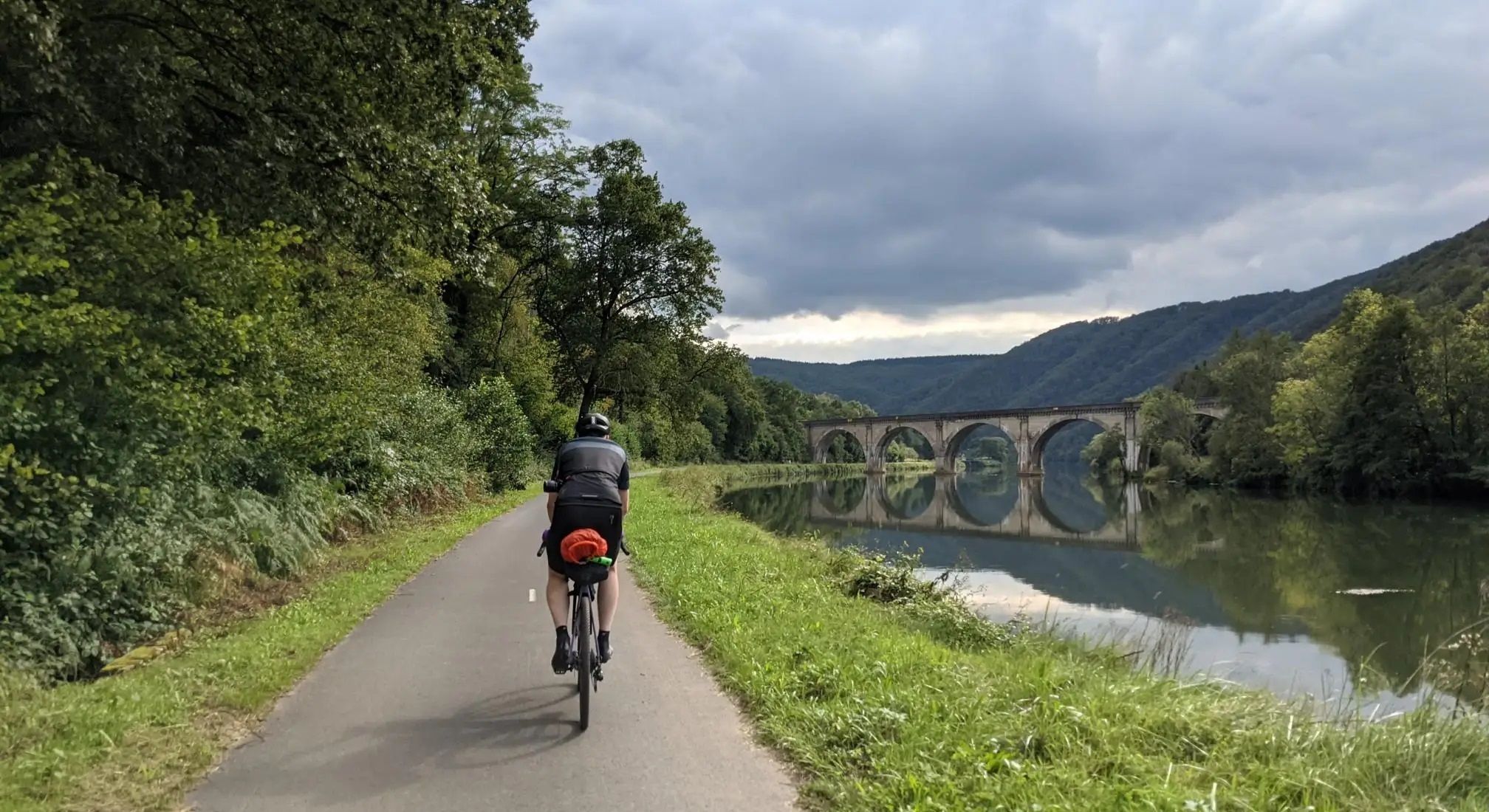
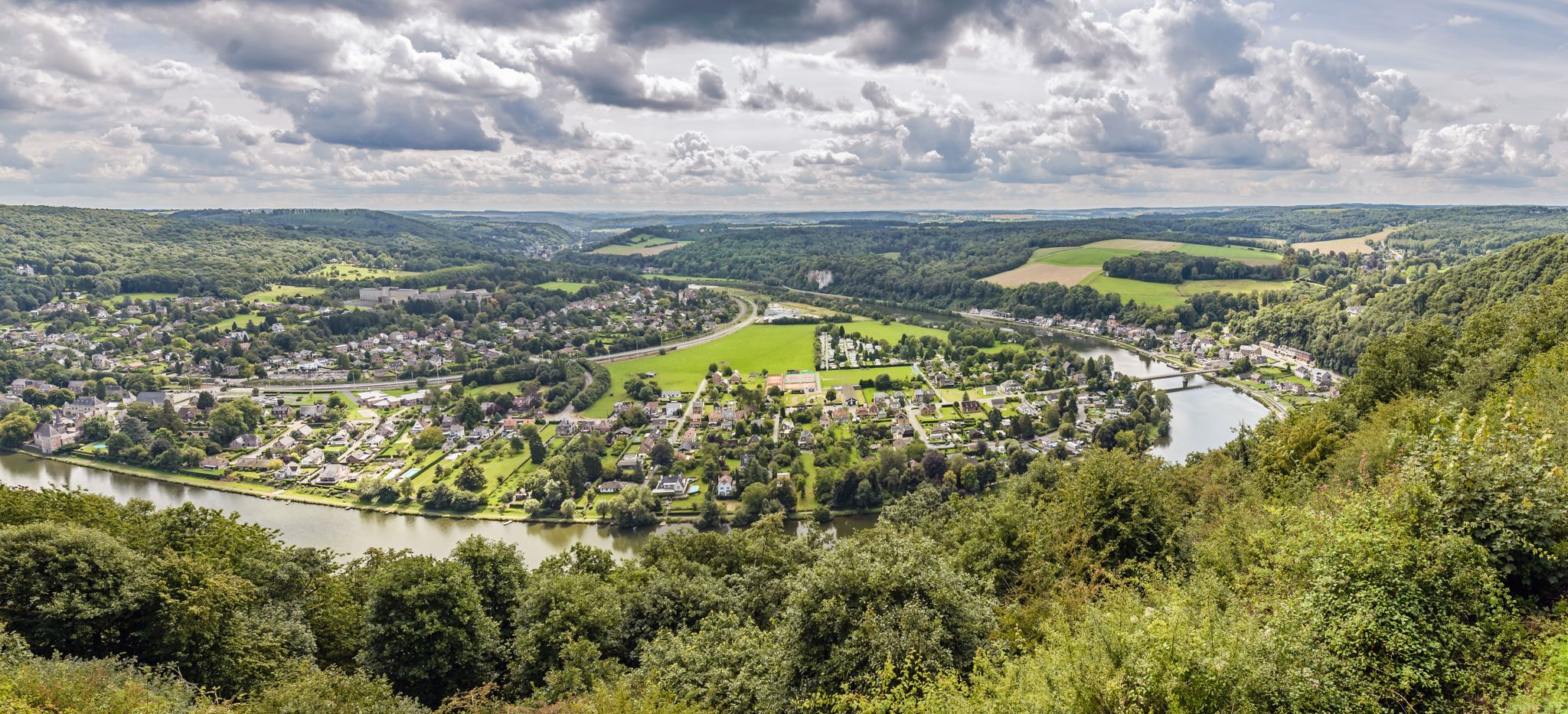
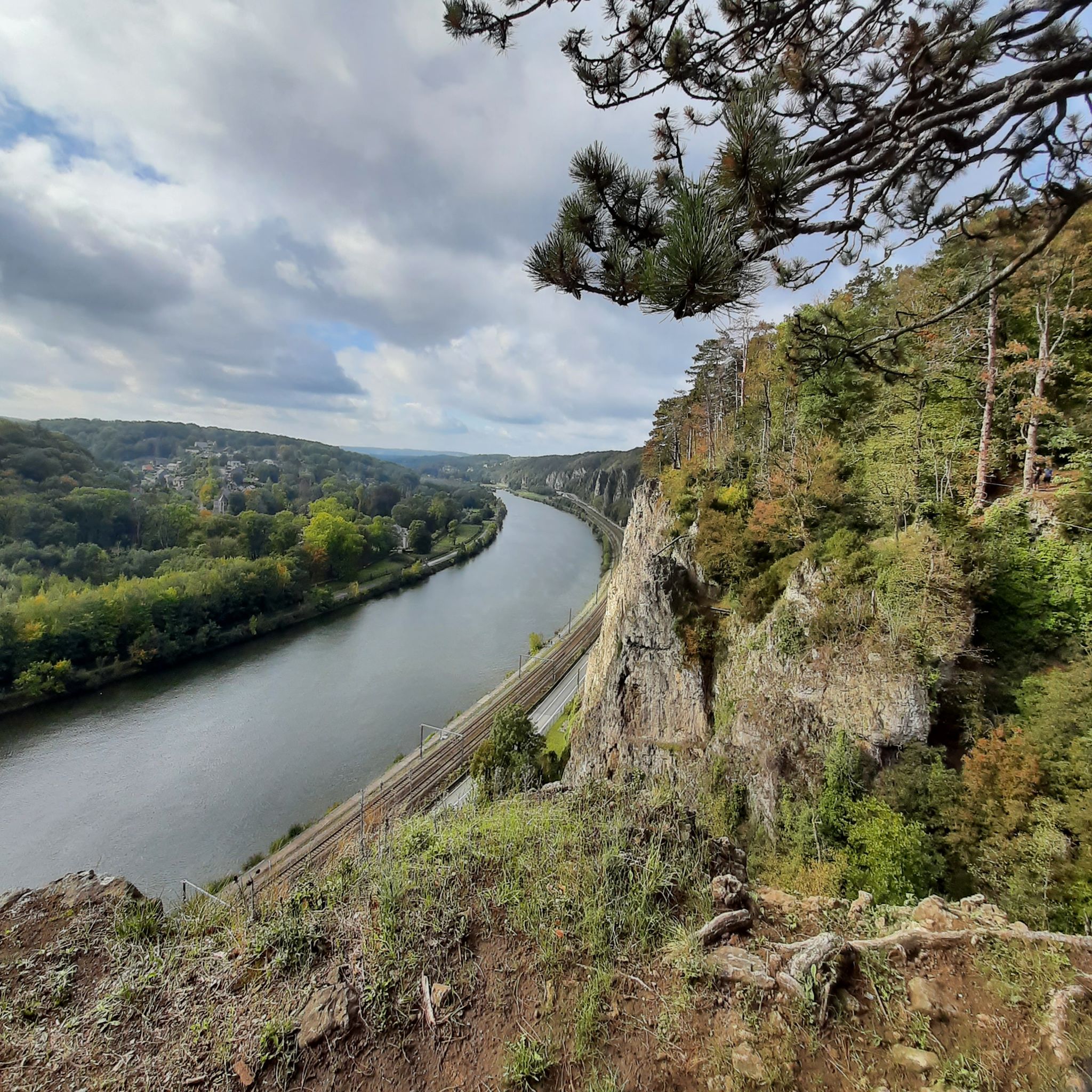



Tips from the Community

Excavations are conducted year-round at Moha Castle, making it unique in Belgium. When I visited, two archaeologists were uncovering a wall that runs beneath the visible castle and likely dates back to the 12th century.
2
0
The castle is free to visit. At the foot of the rock, there's a visitor center where you can pick up a badge to open the gate. For €4, you can also get a brochure with information about the most important points. The castle is only open to visitors starting in April, but the friendly man at the visitor center let me in on February 27th... as far as you can even call it "inside" at this ruin ;-)
2
0

The exact origins of the medieval County of Moha remain unknown. It is likely that the county was formed during the fragmentation of the Carolingian Empire and the Hesbaye region at the end of the 9th century. The first known count, Albert of Moha, is mentioned in a document dated 1026 or 1028. The first defensive stone walls also date from the first half of the 11th century. Having no male heir, Albert of Moha married his daughter to Henry I of Dasbourg around 1050, thus linking the county's destiny to that of this powerful family of Alsatian origin. Initially, it is highly unlikely that the Counts of Dasbourg regularly resided in Moha, entrusting the county's administration to trusted men and a small garrison. However, the situation changed with Hugh II (1130-1180) and his son Albert II (d. 1212), who decided to become more involved in the region's politics. Albert II, in particular, chose to align his interests with those of his nephew, Duke Henry I of Brabant, whose policies he would follow until the end of the 12th century. In 1204, Count Albert III, having lost hope of having a son, chose the Prince-Bishop of Liège as his heir. But the late birth of his daughter Gertrude would jeopardize these agreements. Quickly betrothed to Thibaut of Lorraine, who died in 1219, she then married Thibaut of Champagne, who repudiated her, and subsequently Simon of Linange. At 19, she died childless. On March 19, 1225, the Prince-Bishop of Liège, Hugues de Pierrepont, took possession of Moha. Under the Prince-Bishops, Moha became a prison for political prisoners and a fortification tasked with controlling the city of Huy and blockading merchants. This policy was deeply unpopular and led to reprisals: the people of Huy besieged Moha in 1255. The fortress of Moha was considered impregnable. It was therefore through trickery that the people of Huy, taking advantage of a request for a truce, seized the castle on May 6, 1376. After the attack on the castle, the site's history is largely unknown. Mass is still celebrated twice a year in the castle chapel. During the 18th century, the ruins served as a refuge for a hermit. The castle's stones were gradually plundered, notably to build the surrounding houses. In 1889, the ruins of the castle were purchased by the Belgian state. Source: https://chateaumoha.be/histoire
6
0

The "Rocher du Château de Moha" is a limestone outcrop rising from the Mehaigne valley. It was a strategically important site in the Middle Ages, when more castles were built on rocks. This made the site difficult to besiege, and it was well-placed as a control point over the valley. The rock is very recognizable in the landscape. The ruins on the rock are still clearly visible, and the medieval structures are still easily recognizable.
7
0
The Château de Moha is a medieval feudal castle in Wanze, built on a rock at the confluence of the Mehaigne and Fosseroule rivers. Dating back to the 7th century, the castle served as a defense for the region. It became the property of the Prince-Bishops of Liège, who used it as a fortress and prison. In 1376, the castle was captured by the inhabitants of Huy through deception, marking the end of its military function. The castle subsequently fell into disrepair, but the ruins have been preserved and are open to the public.
7
0

Built in the Middle Ages, only the keep and a few architectural elements remain from that period. After its partial destruction in the mid-17th century, it was restored and transformed into an elegant pleasure palace. The French-style park and gardens, redesigned in the 19th century, are part of the Parks and Gardens of Wallonia, designated as an exceptional cultural heritage site. They are free to enter during the castle's opening hours. Magnificent rose beds adorn the grounds. To learn more about the park and its grounds, you can download audio guides at https://www.modave-castle.be/les_jardins. Source: https://visitwallonia.de/de/content/ausergewohnlichen-garten-das-schloss-von-modave
33
1
Opening Hours: From March 30 to November 15 Daily from 10:00 AM to 6:00 PM (last admission at 4:45 PM) Closed on Mondays (except public holidays and July/August) Special opening at Christmas Further information can be found on the Modave Castle website: https://www.modave-castle.be/infos_pratiques
58
0

The ascent of the Citadelle de Namur via the route merveilleuse is a beautiful one to do over the small cobblestones with the hairpin bends. A beautiful view awaits you at the top. It can be busy there.
1
0
Frequently Asked Questions
Which castles around Andenne offer public access for visitors?
You can visit Modave Castle, which is open daily from April to mid-November, and its gardens are also freely accessible during opening hours. Moha Castle, a medieval feudal castle, also has well-preserved ruins open to the public. The Citadel of Namur, one of Europe's largest, offers extensive historical exploration and magnificent views.
Are there any castles near Andenne that are particularly family-friendly?
Yes, several castles and historical sites around Andenne are considered family-friendly. Modave Castle and the Citadel of Namur are both great options for families, offering engaging experiences and plenty of space to explore. While private, the exterior of Faulx-les-Tombes Castle also has a 'fairy tale' appearance that can captivate younger visitors.
What kind of historical significance do the castles in the Andenne region hold?
The castles around Andenne showcase a rich history, from medieval origins to 19th-century restorations. For example, Moha Castle dates back to the 7th century and served as a defense point and later a prison. The Citadel of Namur, with its vast underground passages, played a crucial strategic role. Even private castles like Château de Seilles and Château de Crupet have histories stretching back to the 11th-13th centuries, reflecting diverse architectural styles and noble lineages.
Can I admire the architecture of castles near Andenne even if they are private?
Absolutely. Many private castles in the Andenne region, while not open for interior visits, can be admired from public roads or surrounding areas. The 'fairy tale' Gothic architecture of Faulx-les-Tombes Castle is particularly picturesque, especially in winter. Château de Crupet, also known as Carondelet Castle, is a striking moated donjon with a distinctive pepper-pot roof, visible from the public road and popular for photography. Château de Seilles, within Andenne itself, also presents an imposing exterior.
What are the best times of year to visit castles around Andenne?
The spring and autumn months generally offer pleasant weather for exploring the region's castles and their surroundings. For castles like Modave Castle, which has specific opening seasons (April to mid-November), these periods are ideal. Winter can also offer unique viewing opportunities for private castles like Faulx-les-Tombes and Crupet, as less foliage allows for clearer views of their structures.
Are there hiking or cycling routes near the castles in the Andenne region?
Yes, the region around Andenne offers numerous outdoor activities. You can find various MTB trails, road cycling routes, and touring bicycle routes that pass by or offer views of castles. For instance, the 'Goyet Castle – Faulx-les-Tombes Castle loop' is a moderate MTB route, and the 'View of the Samson Fortress – Open-air theatre loop' is a road cycling route that includes scenic points.
What do visitors enjoy most about the castles around Andenne?
Visitors frequently appreciate the stunning views offered by many castle sites, such as the magnificent panorama of the Meuse Valley from the Citadel of Namur, or the beautiful vista from the ruins of Moha Castle. The well-preserved architecture and rich history of places like Modave Castle also receive high praise, along with the opportunity to explore their surrounding nature reserves and gardens.
Are there any castles near Andenne that are considered 'hidden gems' or less commonly known?
While not widely open to the public, castles like Château de Crupet (Carondelet Castle) and Château de Seilles offer unique architectural charm and historical depth that might be considered hidden gems for those willing to explore. Château de Crupet, with its medieval moated donjon, is particularly striking and well-preserved, offering a fascinating sight from the public road in the beautiful village of Crupet.
Where can I find scenic viewpoints near the castles in the Andenne region?
Many castles themselves serve as excellent viewpoints. The Citadel of Namur offers expansive views over the Meuse Valley and the city of Namur. The ruins of Moha Castle provide a beautiful view of the confluence of the Mehaigne and Fosseroule rivers. Additionally, the park surrounding Modave Castle, situated in a nature reserve, overlooks the Hoyoux valley.
Are there options for parking near the castles in the Andenne region?
For publicly accessible castles like Modave Castle and the Citadel of Namur, dedicated parking facilities are typically available. For private castles like Château de Faulx-les-Tombes or Château de Crupet, which can be viewed from public roads, you would generally look for roadside parking in the nearby villages or designated parking areas for local attractions.
Can I visit the gardens of castles around Andenne?
Yes, the gardens of Modave Castle are definitely worth a visit and can be explored freely during the castle's opening hours. The castle is located in the heart of a nature reserve, offering beautiful natural surroundings. While not always open to the public, some private castles like Château de Fumal also feature beautiful parks that extend to the north of the residence.
Most popular routes around Andenne
Most popular attractions around Andenne

Get inspired with the komoot mobile app


Explore more
Looking for the best castles somewhere else? Discover other guides around Andenne:
