Attractions and Places To See around Dison - Top 20
Best attractions and places to see around Dison include a mix of historical, cultural, and natural sites within the Belgian province of Liège. The area features significant landmarks, religious buildings, and historical fortifications. Visitors can explore a landscape characterized by rolling hills, vast fields, and green meadows, offering opportunities for outdoor activities. Dison provides a range of points of interest for those exploring the region.
Best attractions and places to see around Dison
- The most popular attractions is Val-Dieu Abbey…
Last updated: August 16, 2026
Gileppe Dam Lion
Highlight • Monument
Translated by Google •
Tip by

Val-Dieu Abbey
Highlight • Religious Site
Translated by Google •
Tip by

Sign up now to discover places like this
Get recommendations on the best single tracks, peaks, & plenty of other exciting outdoor places.
Sign up for free
Observation Bunker MN18 and Knuppelstock Orientation Table
Highlight • Historical Site
Translated by Google •
Tip by
Gileppe Dam
Highlight • Monument
The stone lion is the landmark of the Gilepppe dam. With a length of 13.5 m, the massive 180-ton …
Translated by Google •
Tip by
Val-Dieu Countryside
Highlight • Viewpoint
Translated by Google •
Tip by

Sign up for free to discover even more attractions around Dison.
Sign up for free
Already have an account?
Start today with a free account
Your next adventure awaits.
Login or Signup

Other adventures around Dison

Tips from the Community

The MN18 Observation Bunker is part of the first line of defense of the Position Fortifiée de Liège (PFL), a network of bunkers built in the 1930s to defend Belgium against a German invasion. MN18 was the 18th bunker in the Margarins-Neufchâteau sector and equipped with an FM turret, recognizable by its tapered shape. During the German attack in May 1940, the bunker was destroyed by a 50 kg shaped charge placed on top of the turret, just where the periscope was located. The damage is still visible, making MN18 a tangible reminder of World War II. Right next to the bunker is the Knuppelstock orientation table, an impressive work of blue limestone with a diameter of 1.5 meters and weighing approximately one ton. The relief of the surrounding landscape is engraved on it based on data from the National Geographic Institute, with bronze details indicating the visible points. The table is also accessible for the visually impaired thanks to its tactile elements. The project, carried out by local organizations such as Qualité-Village-Wallonie and the municipality of Aubel, is unique in Belgium.
10
0
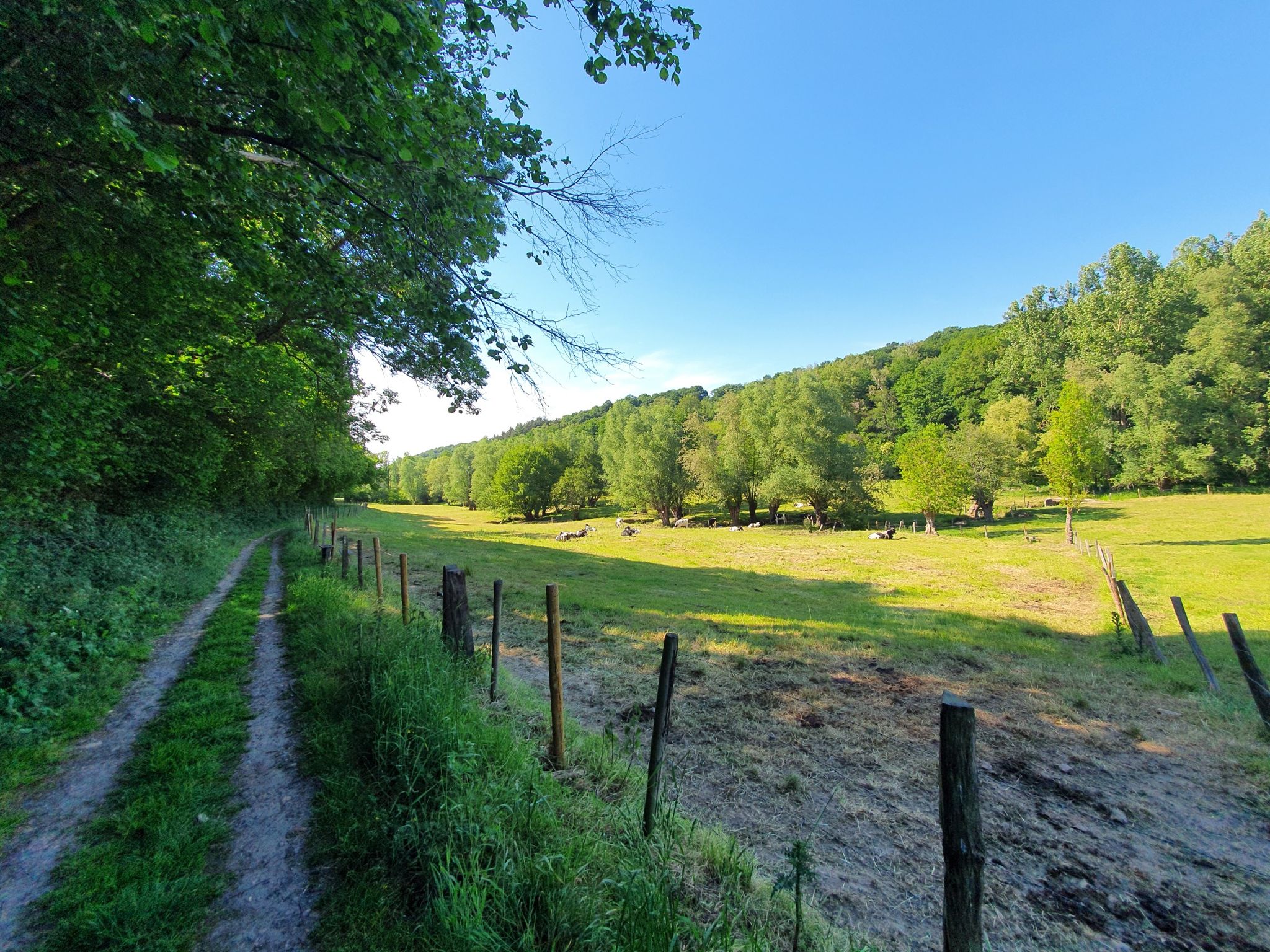
The cross, also known as the Croix sur le chemin de Fort-Pays, is attached to a chestnut tree at the entrance to a path leading through the meadows to Lammerschot and then on to Saint-Jean-Sart. This type of wayside cross belongs to the so-called petit patrimoine sacré—small religious heritage—typical of the Pays de Herve and Wallonia. Such crosses traditionally served as spiritual beacons for travelers, pilgrims, and local residents, and are often placed at crossroads, paths, or village entrances.
2
0

At this point, history and landscape converge. The MN18 observation bunker, a silent witness to the Second World War, still stands as a reminder of a turbulent period. From the bunker, you also have a unique view of the surrounding hilly landscape. Next to the bunker is the Knuppelstock orientation table, a platform that indicates the names and directions of villages, hills, and landmarks in the area. It's an ideal spot to get to know the region better and to enjoy a panoramic view of the border area between the Netherlands and Belgium.
3
0
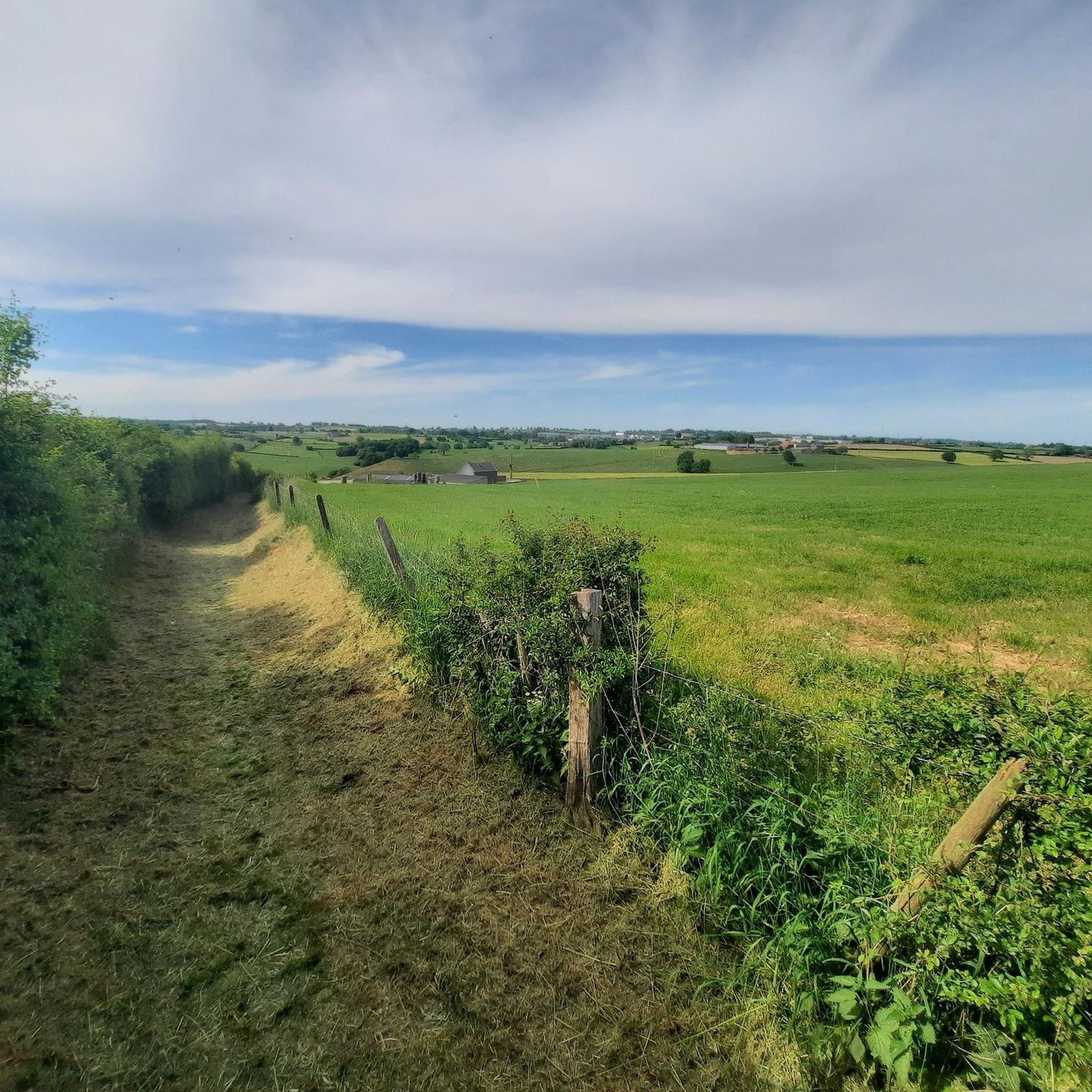
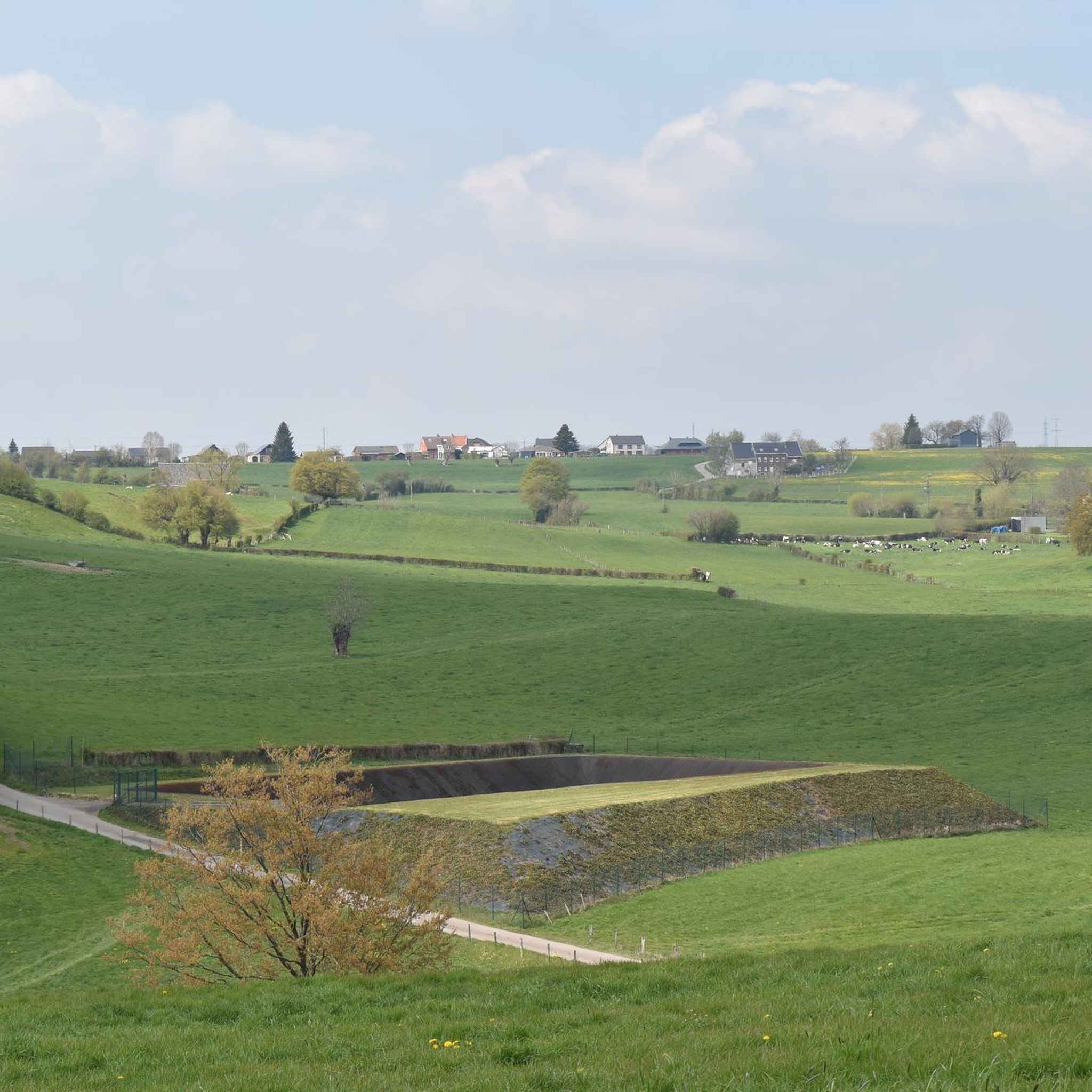
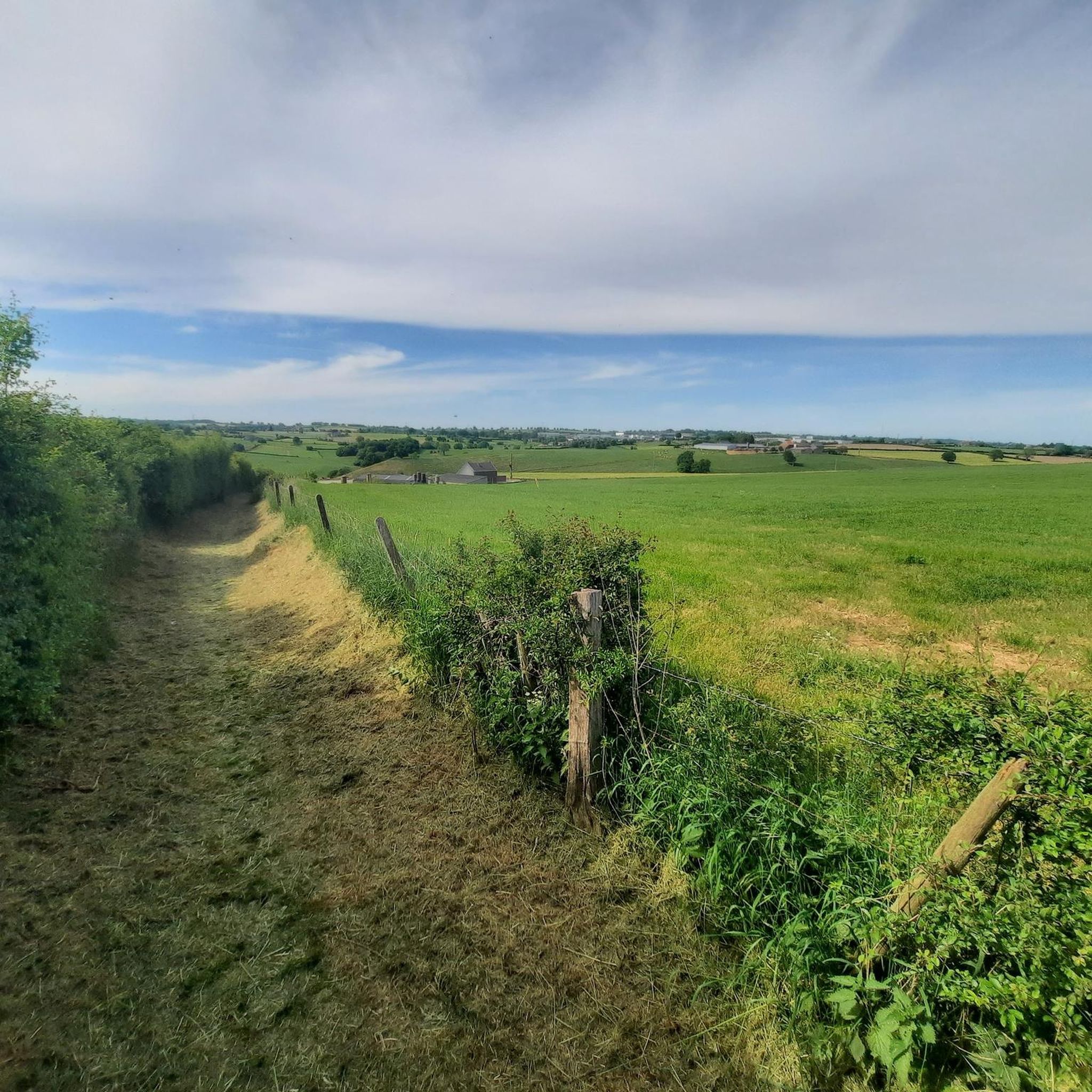
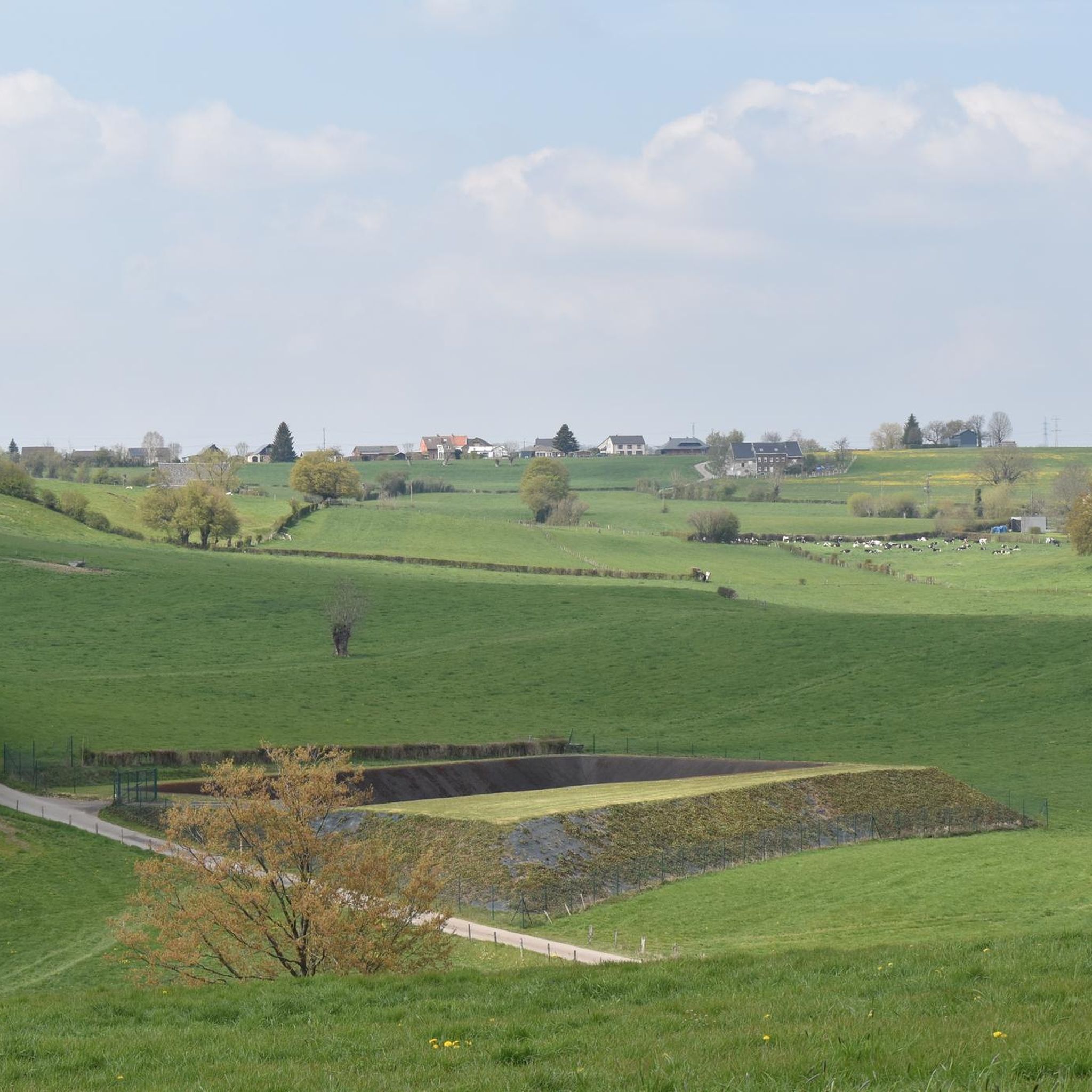
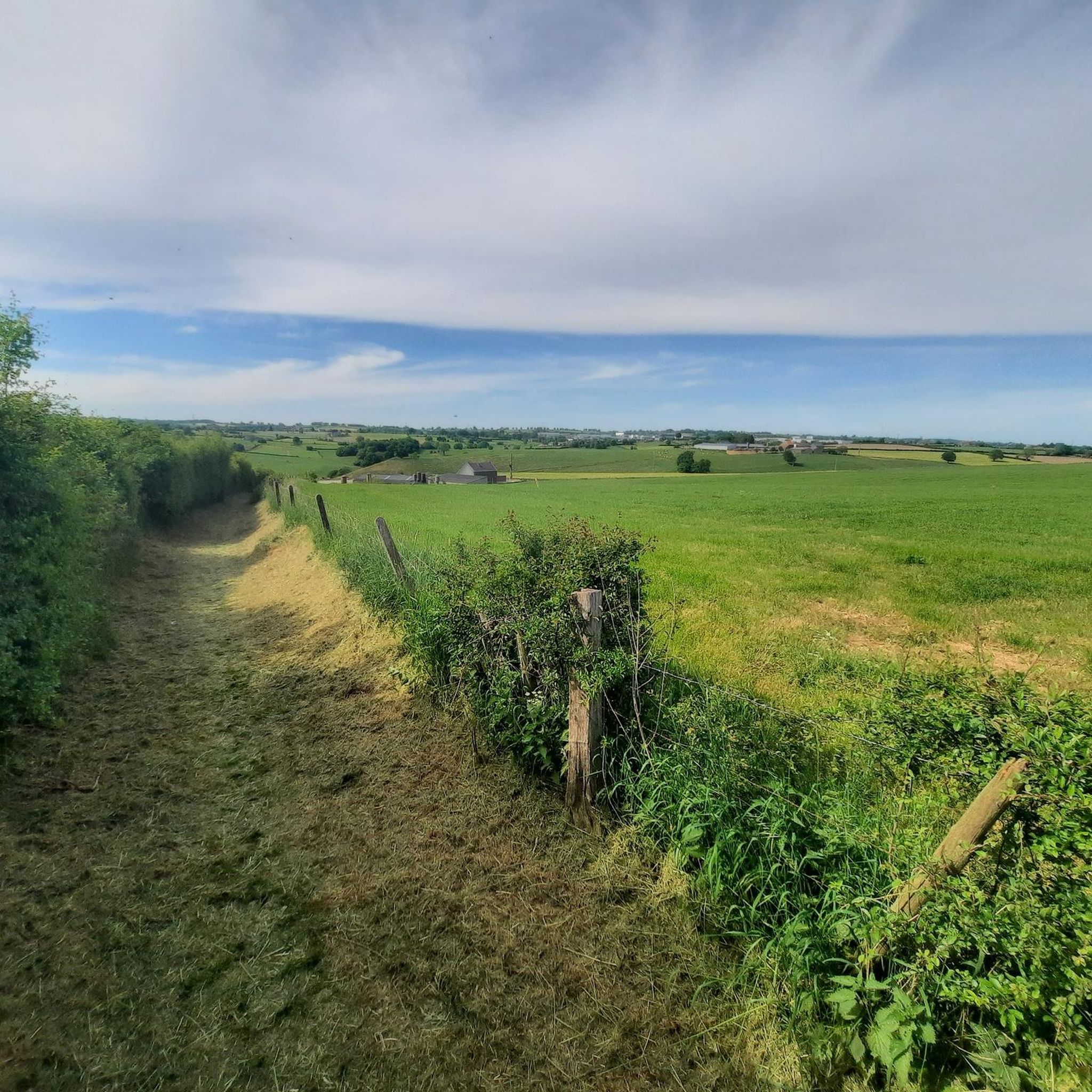
The countryside surrounding Val-Dieu offers vast fields, green meadows, and rolling hills—the perfect setting for a peaceful walk or bike ride. The landscape exudes the charm and tranquility of the Belgian hills.
0
0
Take a seat on this bench and enjoy a beautiful view over the valley and the Abbey of Val-Dieu.
1
0

It stands on the crest of the dam and faces north-east, towards the former district town of Eupen and the former Prussian border, which was about 5 km away. The artist was Antoine-Félix Bouré (1831–1883). The lion was completely restored in October 2000.
9
0

Superb walk. Beautiful region and tasting of Val Dieu Trappist, a treat
3
1

A cross also hangs on the tree here...
6
1
Frequently Asked Questions
What historical sites can I visit around Dison?
The region offers several significant historical sites. You can explore the Observation Bunker MN18 and Knuppelstock Orientation Table, a tangible reminder of World War II with panoramic views. Another notable site is the Ruins of Franchimont Castle, an imposing medieval fortress. Additionally, Fort Battice, a Belgian fortification built in the 1930s, offers insight into the area's military history.
Are there any natural attractions or scenic viewpoints near Dison?
Yes, the area boasts beautiful natural features and viewpoints. The Gileppe Dam Lion is an exceptionally beautiful and one of Europe's oldest dam walls, offering a pedestrian walkway and serving as a starting point for hiking trails. The Knuppelstock Orientation Table provides magnificent panoramic views of the surrounding villages and hills.
What family-friendly activities are available near Dison?
Many attractions are suitable for families. The Gileppe Dam is designed for tourists with family-friendly hiking trails and a panoramic viewing tower. The Observation Bunker MN18 and Knuppelstock Orientation Table is also considered family-friendly, offering an educational historical experience combined with scenic views.
Can I find places to eat or drink at the attractions?
Yes, at Val-Dieu Abbey, you can dine in the old barn, which has been converted into a brewery. Here, you can taste abbey products such as beers, wines, and liquors. The Gileppe Dam also features a restaurant in its 77-meter-high panoramic viewing tower.
Are there hiking opportunities near Dison's attractions?
Absolutely. The area around the Gileppe Dam is a popular starting point for many family-friendly hiking trails. You can find various routes, including easy walks like the "Villersbeek Nature Trail" or more challenging options, by exploring the hiking guide for Dison.
What about cycling routes around Dison?
The region around Dison is well-suited for cycling. You can find numerous routes that take you through the scenic countryside, past historical sites like Fort Battice, and offer views over the Herve region. For detailed routes, check out the cycling guide for Dison.
Are there any unique cultural experiences in Dison?
Dison offers cultural insights through its heritage. The Val-Dieu Abbey is a significant religious and cultural site, being the only Belgian Abbey to have survived the French Revolution. While monks no longer reside there, a Christian community continues its presence, and visitors can experience a sense of tranquility. Dison is also the birthplace of poet Adolphe Hardy, whose childhood home has been transformed into the Adolphe Hardy Museum-Foundation, showcasing his life and hosting exhibitions.
Is Dison accessible for visitors with mobility challenges?
The Knuppelstock Orientation Table, adjacent to the MN18 bunker, is specifically designed to be accessible for the visually impaired, featuring tactile elements. While not all sites may be fully accessible, this particular viewpoint has made efforts to accommodate a wider range of visitors.
What do visitors particularly enjoy about the attractions around Dison?
Visitors frequently praise the tranquility and historical significance of sites like Val-Dieu Abbey. The panoramic views from the Knuppelstock Orientation Table and the impressive structure of the Gileppe Dam are also highly appreciated. The blend of history, nature, and opportunities for outdoor activities makes the region appealing.
Are there easy walking trails suitable for beginners near Dison?
Yes, for those looking for easier walks, the area around Dison provides options. For example, the "Nutons' Cave – The Lassaulx Cross loop" and the "Villersbeek Nature Trail – Nutons' Cave loop" are both rated as easy. You can find more details and other beginner-friendly routes in the hiking guide for Dison.
What kind of landscape can I expect around Dison?
The landscape around Dison is characterized by rolling hills, vast fields, and green meadows, particularly noticeable in the countryside surrounding Val-Dieu Abbey. The area near the Gileppe Dam also offers scenic natural beauty, making it ideal for outdoor exploration.
Can I find mountain biking trails near Dison?
Yes, the region around Dison offers several mountain biking opportunities. You can find routes with varying difficulty levels, from moderate to difficult, that explore the local forests and terrain. For specific trails and their details, refer to the MTB Trails guide for Dison.
Most popular attractions around Dison

Get inspired with the komoot mobile app


Explore more
Still not found the Highlight you’re looking for? See guides of the top attractions in other regions:
