The best cycling routes around Keerbergen
4.0
(28)
453
riders
43
rides
Touring cycling routes around Keerbergen traverse a landscape characterized by rolling terrain, verdant fields, and numerous waterways. The region features well-maintained cycle paths that wind through lush greenery and quaint villages. The Dijle River borders the south, offering riverside routes and connections via bridges like the Pater Damiaan Bridge. Forests and remnants of historical heathlands, such as Keerbergen Bos and Kruisheide, provide additional natural environments for exploration.
Best touring cycling routes around Keerbergen
- The most popular touring cycling route is…
Last updated: August 13, 2026
5.0
(3)
69
riders
46.3km
02:59
50m
50m
Moderate bike ride. Good fitness required. Mostly paved surfaces. Suitable for all skill levels.
4.3
(3)
57
riders
Moderate bike ride. Good fitness required. Mostly paved surfaces. Suitable for all skill levels.

Sign up for free
4.0
(1)
18
riders
21.0km
01:19
20m
20m
Easy bike ride. Great for any fitness level. Mostly paved surfaces. Suitable for all skill levels.
4.7
(6)
54
riders
24.2km
01:22
30m
30m
Easy bike ride. Great for any fitness level. Mostly paved surfaces. Suitable for all skill levels.
4.5
(2)
29
riders
20.5km
01:11
20m
20m
Easy bike ride. Great for any fitness level. Mostly paved surfaces. Suitable for all skill levels.
Get access to more routes and recommendations from other explorers.
Sign up for free
Already have an account?
Our route recommendations are based on thousands of hikes, rides, and runs completed by other people on komoot.
Start today with a free account
Your next adventure awaits.
Login or Signup
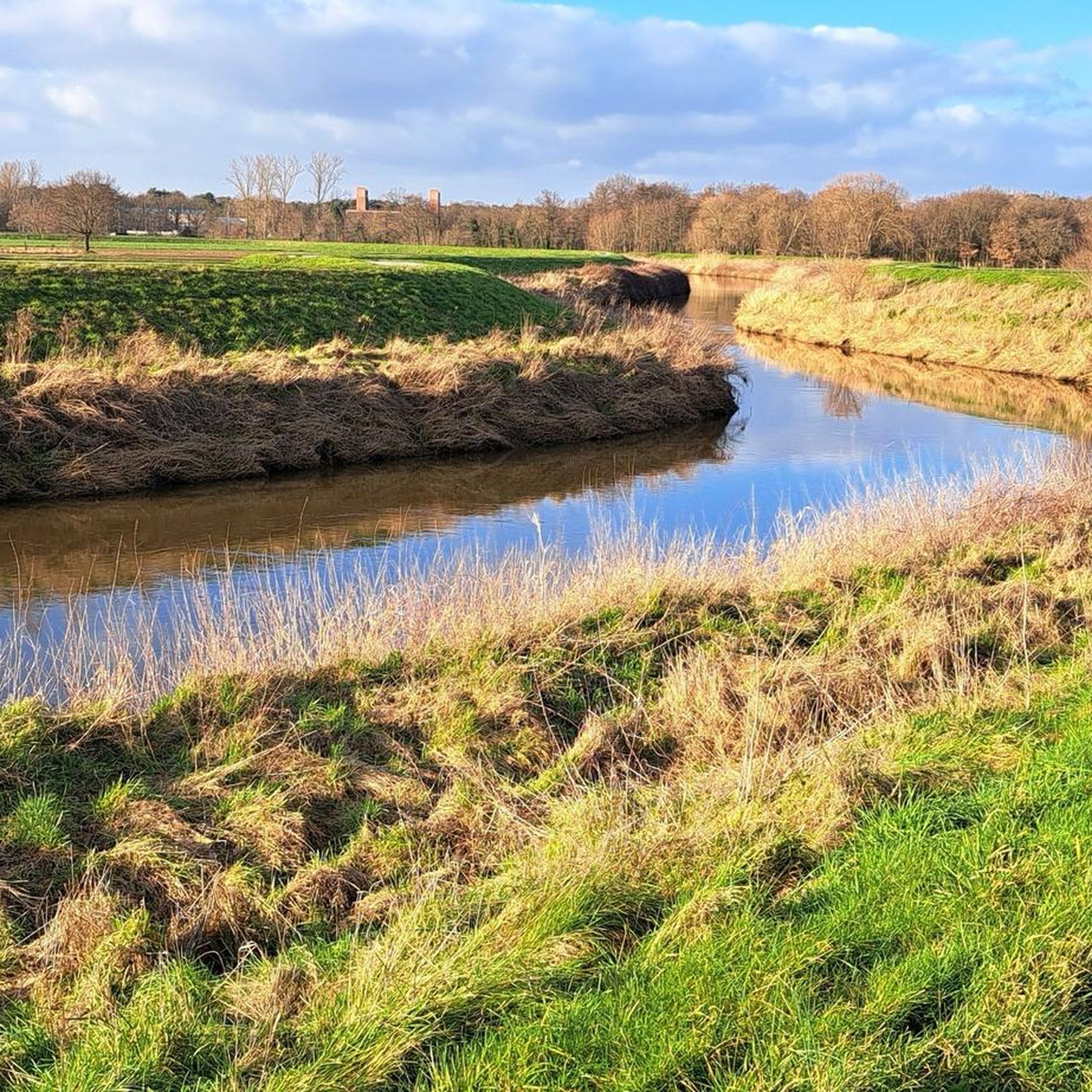
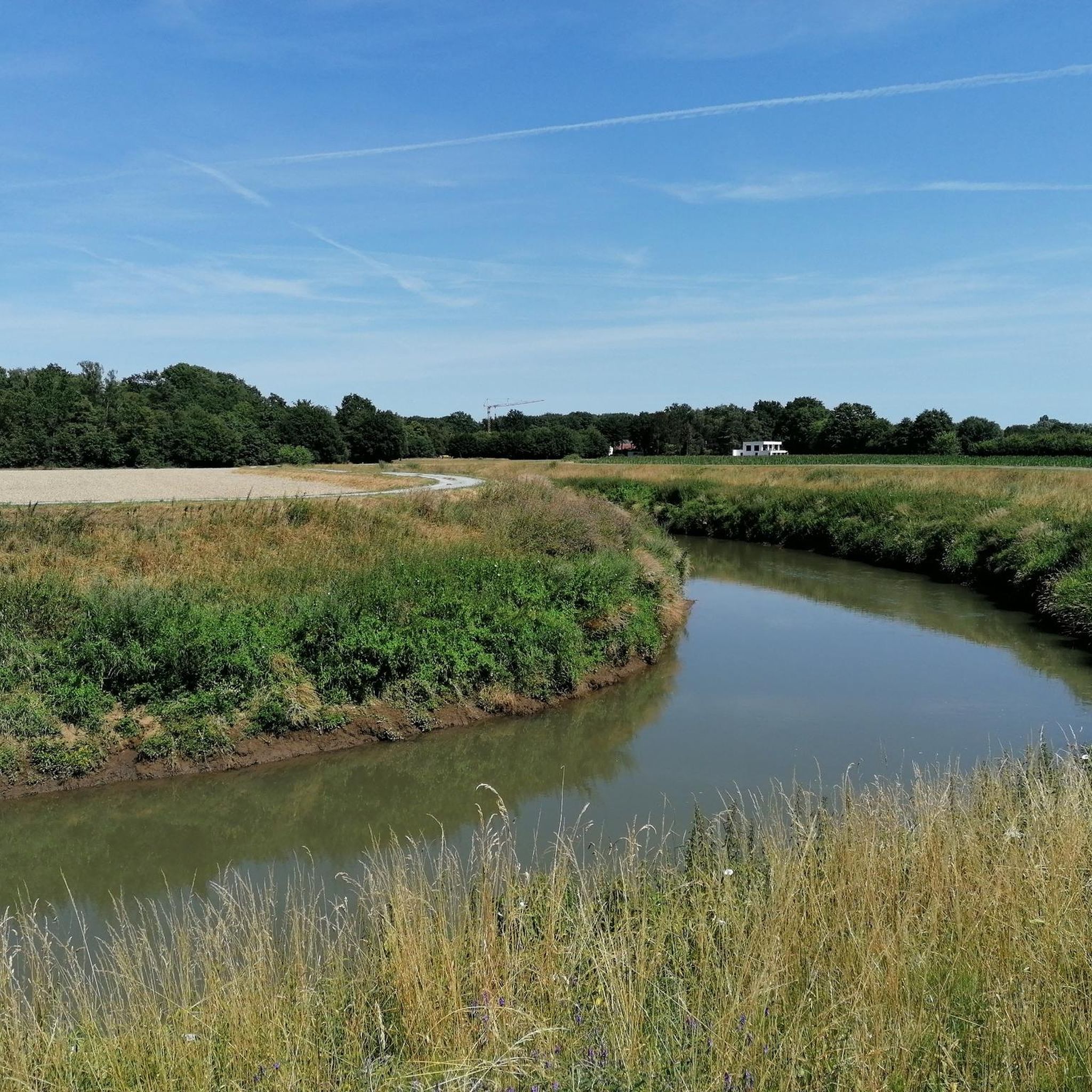
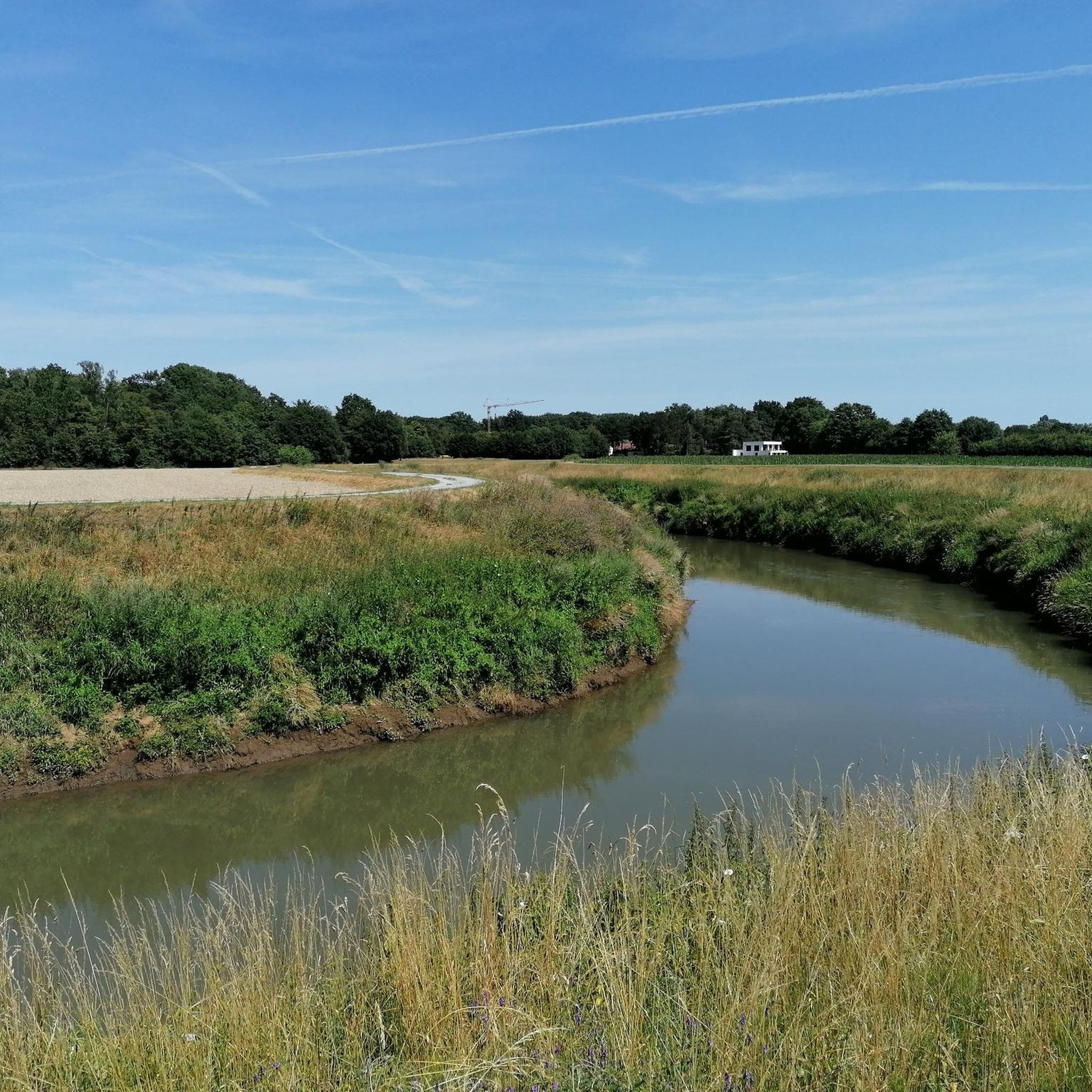

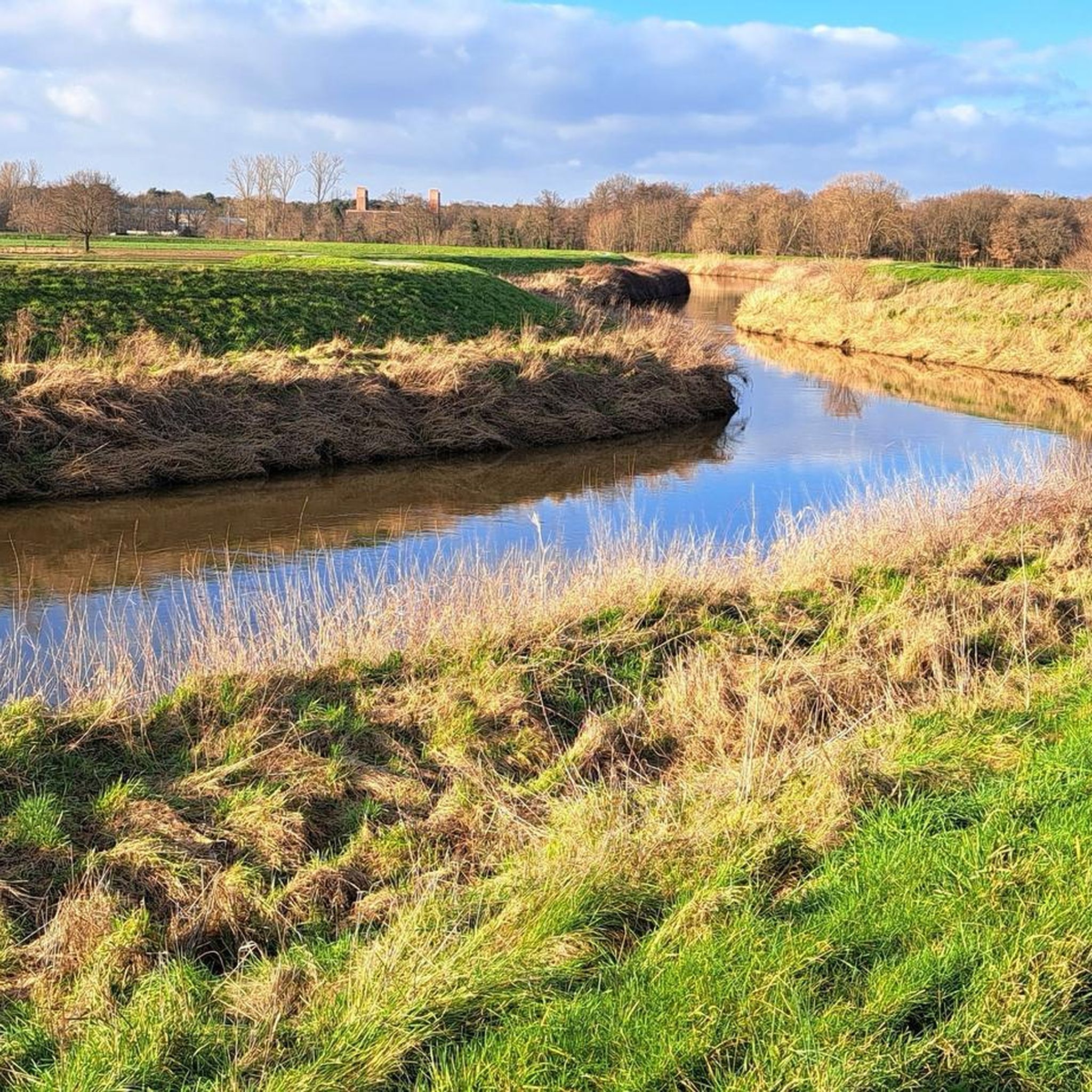
Tips from the Community

Slow down for this beautiful, artistic KINGFISHER Street Art! Anyone passing over the wooden cycle and footbridge along the Vrouwvliet in Mechelen can't miss it: a giant, colourful mural of a kingfisher on the brick bridge abutment. The work was unveiled in July 2024 and makes a brilliant landmark during your tour. Ideal for slowing down and taking a photo! Fun fact: this artwork was created by the well-known Belgian graffiti artist Dzia and is part of Animalinas. This is a unique street art project by Nature Park Rivierenland and the City of Mechelen. The name is a contraction of 'animals' and 'Malinas' (the Latin name for Mechelen). In over 30 locations in the region, Dzia paints local animal species on walls, tunnels, and bridges to remind passers-by of the beautiful fauna in the area. The kingfisher was specifically chosen because, thanks to the nature-friendly redevelopment of the Vrouwvliet banks, the bird is finding the perfect habitat for hunting and breeding again!
2
0

de sigma-werken, with the connection of the old meanders!
0
0

Where war still remembers in the present...
5
0


The second specification for the construction of an anti-tank canal in Haacht included the construction of a dam on the Dijle and a beam lock, a bunker and a wall connecting the dam to the lock bunker complex. This lock bunker, therefore, was actually used during the invasion to flood the area. But there was never any fighting here. Quote: "On the morning of May 10, 1940, the day of the German invasion, troops from the 4th Directorate of Engineering and Fortifications, assisted by about a thousand workers, began building a temporary dam on the Dijle consisting of sandbags. Despite the confusion caused by the German air raids, retreating soldiers and fleeing civilians, the water reached the intended inundation level (9.5 meters) five days later. However, no battle will be fought, because after the German breakthrough at Sedan, the French General Bilotte decided to withdraw the Allied troops." Inventory of Immovable Heritage: Anti-tank canal, https://id.erfgoed.net/erfgoedobjecten/126647 You can find a sound fragment by the municipality of Haacht about the bridge (and other themes) via https://www.haacht.be/antitankgracht Direct link: https://www.haacht.be/file/download/2b2adca8-83e5-4980-8552-4e4bd0e6a1af/XXPnFQW2OITQiURsGQ8VZsureVbWKkyku7c86dDcfUs3d.mp3 Information boards on site.
8
0
The Oude Hansbrug has been a protected monument since 1988. It is a cast-iron, late 19th-century bridge over the Dijle between Keerbergen and Haacht. There has been a lot of history surrounding the Oude Hansbrug. It can already be found in the 13th century, albeit as a wooden bridge. In the 19th century, it was replaced by a cast-iron riveted bridge with a fixed section on the Keerbergen side and a drawbridge section on the Haacht side. During the First and Second World Wars, it was repeatedly destroyed and rebuilt. In 1958, a new concrete bridge was built 200 meters upstream, and the Oude Hansbrug was retired. It could no longer handle the traffic flow. Deterioration began, and it soon had to be closed, even to pedestrians and cyclists, because it was no longer safe. It simply rusted away. Together with the historical societies of Haacht and Keerbergen and both municipal administrations, a battle against time began. It soon became clear that this battle was being lost, and restoration was out of the question because there was simply nothing left to restore. Rebuilding the bridge by perfectly replicating it was the only alternative to save this now-classified monument. While pillars and bridgeheads were being restored, the Flemish Region began replicating the old bridge: a perfect copy in the same materials as the original bridge. In the night of June 14 to 15, 2005, this bridge was brought to the site in pieces by three semi-trailers, and the next day it was assembled by a large crane. On August 27, 2005, the bridge was officially reopened. The Oude Hansbrug has been a protected monument since March 16, 1998. Source: https://www.keerbergen.be/product/292/oude-hansbrug
4
0
Iron balance bridge over the Dijle, built to replace a worn-out swing bridge from 1822 (3 wooden spans on 2 stone pillars). A bridge was already located at this site in 1234 (deed drawn up by Knight Walter van Haacht). Earliest depiction of 'a' Hansbrug with toll house of the de Croy Family (figurative pre-cadastral plans by Adriaan van Montigny). Sometimes the bridge had to be replaced by a ferry or pontoon (including around 1820). The current bridge was damaged by the Belgian Army in 1914 and then repaired. Tolls were levied until after 1886. On December 23, 1890, the Municipalities of Keerbergen (Province of Antwerp) and Haacht (Province of Brabant) were granted permission to build a new bridge by the Ministry of Agriculture, Industry and Public Works, Bridges and Roads Department. After some changes to the original plans, this bridge was completed and delivered in 1893 (February 22). The total cost was 46,550 BEF paid by the Belgian State, the Province of Brabant, and the two municipalities involved. The iron parts were built by the Van Aerschot company from Herentals, also widely known as a caster of iron mill axle heads and as a constructor of riveted iron mill rods. Inventory Immovable Heritage: Hansbrug, https://id.erfgoed.net/erfgoedobjecten/200147
5
0
Frequently Asked Questions
How many touring cycling routes are available around Keerbergen?
There are over 35 touring cycling routes around Keerbergen, offering a wide range of options for different preferences and skill levels.
What is the general difficulty level of touring cycling routes in Keerbergen?
The majority of touring cycling routes in Keerbergen are considered easy to moderate. You'll find 26 easy routes and 10 moderate routes, with a few more challenging options for experienced cyclists.
Are there easy touring cycling routes suitable for beginners in Keerbergen?
Yes, Keerbergen offers many easy touring cycling routes perfect for beginners or those looking for a relaxed ride. An example is the Pater Damiaan Bridge – Dijle Bridge loop from Schriek, which is 26.8 km long and features minimal elevation gain.
What kind of landscapes can I expect to see while cycling in Keerbergen?
Keerbergen's cycling routes traverse picturesque landscapes characterized by rolling terrain, verdant fields, and numerous waterways. You'll encounter lush greenery, quaint villages, and riverside paths along the Dijle and Demer rivers, as well as remnants of historical heathlands and forests.
What natural features are prominent along the cycling routes in Keerbergen?
The region is rich in natural beauty. You can expect to cycle along the Dijle River, explore green spaces like the Keerbergen Bos, and pass through nature reserves such as Kruisheide and Pommelsven. The Leuven–Dijle Canal also offers pleasant cycling paths.
Are there any notable landmarks or points of interest to visit while cycling in Keerbergen?
Yes, several points of interest can be incorporated into your cycling tours. The Pater Damiaan Bridge itself is a notable landmark for cyclists. You might also encounter historical sites or enjoy the tranquility of nearby nature reserves like Mispeldonk Nature Reserve or Rotselaar Lake (Ter Heide).
Are there any riverside cycling paths in Keerbergen?
Absolutely. Keerbergen is known for its scenic riverside routes, particularly along the Dijle River. The Damiaan Bridge over the Dijle – Wittegoud Bridge loop from Keerbergen is a popular option that offers beautiful views along the Dijle.
Are there circular touring cycling routes available in Keerbergen?
Yes, many of the touring cycling routes in Keerbergen are designed as loops, allowing you to start and end at the same point. For instance, the Demer River Path – Demer Meander loop from Schriek is a great circular option exploring riverine scenery.
What do other touring cyclists enjoy the most about cycling in Keerbergen?
The area is highly rated by the komoot community, with an average score of 4.0 stars from over 40 reviews. Cyclists often praise the well-maintained paths, the diverse natural environments, and the peaceful atmosphere of the region's rolling landscapes and waterways.
Are there any touring cycling routes that connect to historical sites?
Yes, some routes extend beyond Keerbergen's immediate vicinity to include historical sites. The Fort of Sint-Katelijne-Waver – Bunker Along the Vrouwvliet loop from Keerbergen is a moderate route that explores the wider countryside and connects to such historical points.
Is it possible to cycle along canals in Keerbergen?
Yes, you can enjoy pleasant cycling along canals in the Keerbergen area. The Cycling Highway Leuven-Mechelen Along the Leuven-Dijle Canal is a well-regarded path that offers views of working locks and connects to neighboring towns.
Most popular routes around Keerbergen
Most popular attractions around Keerbergen

Get inspired with the komoot mobile app


Explore more
Browse the best Cycling routes in other regions.
