Top 20 Castles around Waterloo
Castles around Waterloo, Belgium, offer a rich historical and architectural experience, primarily concentrated in the Walloon Brabant region. This area is known for its significant role in European history, particularly the Battle of Waterloo, and features a landscape of forests, lakes, and historic estates. The region's terrain includes varied landscapes suitable for exploration, from expansive parklands to fortified farms.
Best castles around Waterloo
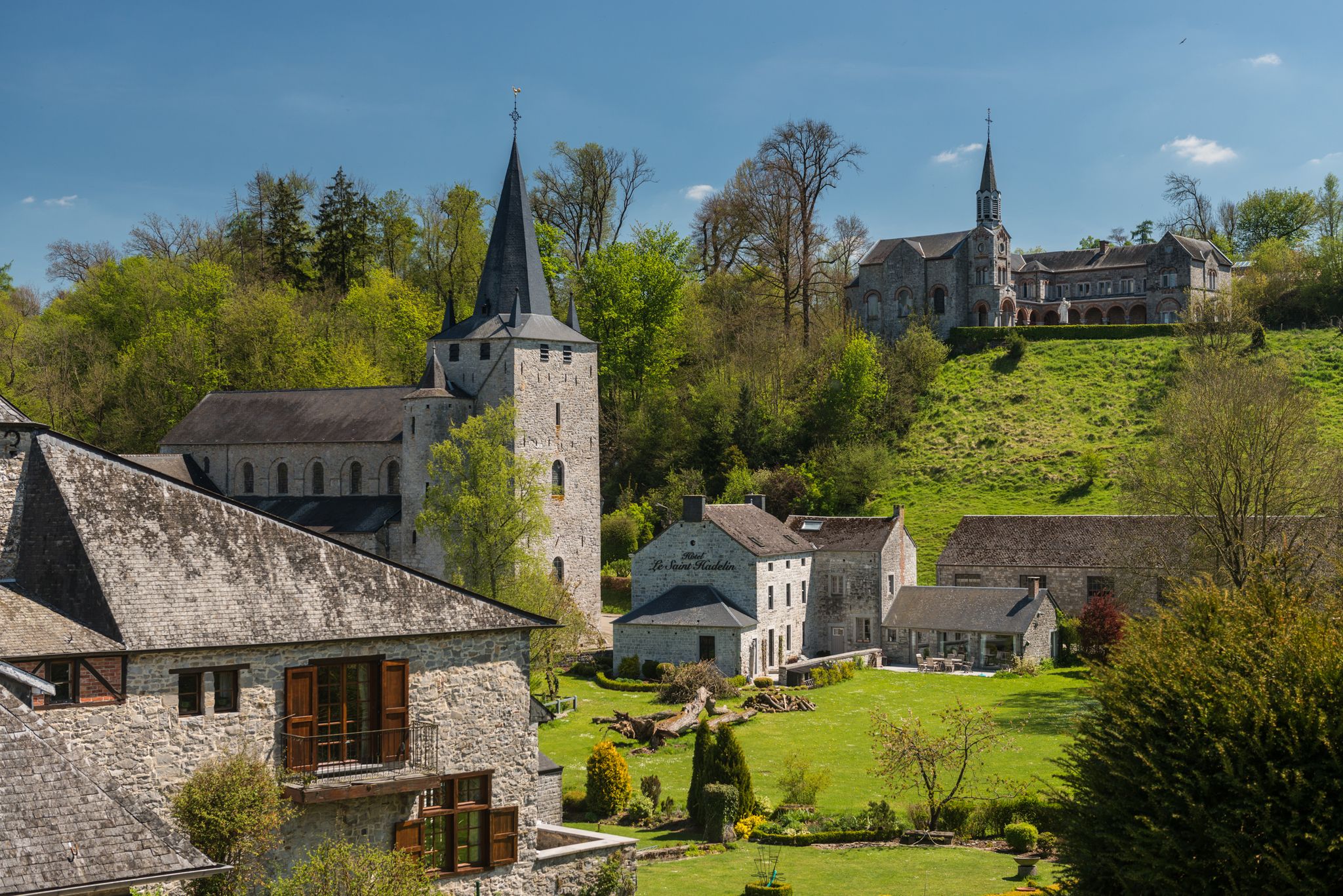
- The most popular castles is Château de La Hulpe, a castle in a large park. This castle, built in 1842, is surrounded by lush gardens and is part of the exceptional heritage “Parks and Gardens in Walonia.”
- Another must-see spot is Domaine Solvay, a public park housing the Château de Béthune. Visitors can explore 227 hectares of forest, lawn, and ponds, featuring more than 450 species of wild plants and many remarkable trees.
- Visitors also love Château de Bois-Seigneur-Isaac, a former feudal fortress transformed into a pleasure castle. This magnificent residence features a charming French garden and an English-style park with remarkable trees and a romantic arbor.
- Waterloo is known for its historic châteaux, fortified farms, and grand estates. The variety of castles to see and explore ranges from 18th-century pleasure castles to sites crucial to the Battle of Waterloo.
- The castles around Waterloo are appreciated by the komoot community, with more than 1500 upvotes and over 320 photos shared by visitors.
Last updated: October 11, 2026
Château de La Hulpe
Highlight • Castle
Translated by Google •
Tip by

Domaine Solvay
Highlight • Castle
The castle is not open to the general public, but is suitable for all kinds of events.
destinationbw.be/nl/ontdekken/de-hoogtepunten/het-gewestelijk-domein-solvay
Translated by Google •
Tip by

Sign up now to discover places like this
Get recommendations on the best single tracks, peaks, & plenty of other exciting outdoor places.
Hoeilaart Castle
Highlight • Castle
Translated by Google •
Tip by
The Little Mermaid of the Lake
Highlight • Monument
Last Sunday June 30 (2019), it was the inauguration of the Little Mermaid of Lake Genval. A Little Mermaid, like the one in Copenhagen, but smaller. The small bronze statue sits on a rock in the waters of Lac de Genval, in front of the Château du Lac. It is the work of Michal, whose real name is Michel Alexandre Neuwels, sculptor from Plancenoit (Lasne).
facebook.com/MagazineBW/posts/2586373058053274
Translated by Google •
Tip by
Château de Bois-Seigneur-Isaac
Highlight • Castle
At the rear of the castle, there is a charming French garden, extended by a pleasant English-style park. You can come across many remarkable trees and walk in a romantic arbor cut into a cradle.
The Snoy family has owned the château for five generations. In order to promote and ensure the preservation of this beautiful architectural ensemble, Baron Bernard Snoy, current owner, created with his wife the A.S.B.L. "Friends of the Château de Bois-Seigneur-Isaac". As part of its activities, it offers the opening to the public of the castle and the provision of it for weddings, receptions, business dinners, business seminars and other events.
The Château de Bois-Seigneur-Isaac has been included since 1993 in the list of "exceptional heritage of Wallonia".
Translated by Google •
Tip by

Sign up for free to discover even more castles around Waterloo.
Already have an account?
Start today with a free account
Your next adventure awaits.
Popular around Waterloo


Tips from the Community

Two important lordships formed the basis of the current Hoeilaart: the lordship of Ter Heyde south of the IJse on the one hand, and the lordship of Holaer or Hoeilaart north of the IJse on the other. Here once stood the castle of the Ter Heyde lordship from the fifteenth century. That lordship ceased to exist after the abolition of the ancien régime. The current castle was built in 1858 on the orders of baron Jean de Man d’Attenrode (mayor of Hoeilaart from 1854-1878) and his wife Maria Carolina d’Ormesson. It is therefore not a remnant of the old lordship. BUT: the chapel and former closed farm next to it are. This building has now, as others have mentioned, been given a different function and dominates the view in the park. Inventory of Immovable Heritage: Kasteel van Hoeilaart, https://id.erfgoed.net/erfgoedobjecten/39785
6
0

Excellent quality hotel and restaurant
0
0

To see and don't hesitate to get lost there
1
0

Early in the morning to avoid the crowds
4
0
Le Château du Lac is best known today as a 5-star hotel. Events are also often organised there and that is why I know it from a professional long-gone past. But the building, whether you call it a castle or rather a glorified villa, it does have a fairly intense past. In the past, the mineral water of Genval was collected and bottled here. Together with the source of Bonne Fontaine, the Château du Lac was the true symbol of Genval-les-Eaux. The Etablissement des Eaux, as it was originally called, was built between 1905 and 1907 by the architect Julien Wendrickx, the future production director of the Compagnie Internationale des Eaux Minérales, to house the collection of sources and the bottling of the mineral water of Genval. After the First World War and the receivership of the companies that managed the Genval site, the castle became the property of an English company before being taken over by the Princes of Merode, who leased the facilities to Schweppes Belgium. The Belgian branch was then managed by John Martin, an English brewer based in Antwerp, who had been importing beers from Great Britain and Ireland to the continent since 1909, including the famous Guinness. He obtained the exclusive production rights for the Schweppes range, which he transferred to Genval in 1952 following the deterioration in the quality of Antwerp's drinking water, which was now pumped into the Albert Canal. Since the divestment of Schweppes in 1988, the John Martin group has further diversified its range, with speciality beers (Timmermans, Gordon, etc.), soft drinks (Orangina) and fruit juices (Looza). After the Schweppes factory moved to Rue du Cerf, the château, now owned by the Martin family, was converted into the five-star Château du Lac Source: https://www.parismatch.be/lifestyle/voyages/2020/08/23/le-lac-de-genval-et-ses-villas-2D3Q25DBTVANBFBV5WXJG3R2NI/
8
0
The Genval lake is located in the Zilverbeek valley. The artificial lake is located for the most part on the territory of Overijse and was constructed by order of lawyer and businessman Gustave Smets - Mondez. The 18 ha lake was constructed in 1904 in an area with a series of spring-rich ponds and marshes through which the Zilverbeek or the Argentine flowed. The Zilverbeek still flows along the lake on the Overijse side. The area attracted many tourists from the very beginning. Around 1900, the urban development plans were also drawn up for the construction of the park on the Walloon side. Several impressive villas were built here that were reminiscent of copies of buildings from Versailles and monuments on the Swiss Lake Lucerne. On the Overijse side, there was less interest in the construction, which is why the slopes are less developed than on the Walloon side, where it was promoted as a spa. After the First World War, the lake was sold to John Martin (1886-1966), an English brewer from Antwerp. He would establish the Schweppes factory here (Belgian license) in the "Château du Lac" (until 1981). The lake is still in the hands of his heirs. On the Meerlaan there are still a few cottage-style villas overlooking the lake. These villas are depicted on various old postcards and are still recognizable today but have been heavily modified. Inventory of Immovable Heritage: Maleizen, https://id.erfgoed.net/themas/14294
8
0
"La sirène du lac", as sculptor Michal named his statue, stands in the lake at the height of - of course - "Le Château du Lac", today a hotel. This siren apparently preferred an artificial lake to a river or sea, but people are said to sometimes think of eroticism when they are near water, and ultimately erotic song is the seductive weapon of sirens. We should not spoil the legacy of Hans Christian Andersen's "Lille Havfrue" by making comparisons, because that little mermaid grew up in the sea and has a statue in a harbour instead of a large lake that was created on behalf of a lawyer and businessman. The statue was commissioned by Jean Vanderbecken (RIP), former mayor of Rixensart for the MR, and fits in perfectly with the atmosphere of the "Château" and the "lake" as it has been developed on the French-speaking side.
8
0

Frequently Asked Questions
Which castles around Waterloo are open to the public for visits?
Several historic sites near Waterloo, Belgium, welcome visitors. You can explore the grounds of Château de La Hulpe (Domaine Solvay), which features the Château de Béthune and expansive parklands. Château de Bois-Seigneur-Isaac, an exceptional heritage site, opens its charming French and English-style gardens to the public, often for events. For history enthusiasts, Hougoumont Castle, a crucial site from the Battle of Waterloo, has been restored and is open for visits.
Are there family-friendly activities at the castles near Waterloo?
Yes, many castles offer family-friendly experiences. The vast park at Château de La Hulpe (Domaine Solvay) is perfect for walks and exploring nature. Château de Bois-Seigneur-Isaac, with its beautiful gardens and romantic arbor, provides a picturesque setting for families. Hougoumont Castle offers an engaging historical experience for older children interested in the Battle of Waterloo.
What natural features can I find near the castles around Waterloo?
The region around Waterloo's castles is rich in natural beauty. Château de La Hulpe and Domaine Solvay are set within a 227-hectare park featuring forests, lawns, ponds, and over 450 species of wild plants. You'll also find lakes and scenic viewpoints, such as those near the Little Mermaid of the Lake at Lac de Genval, which is close to the Château du Lac.
What is the best time of year to visit the castles and their surrounding areas?
Spring and summer are generally ideal for visiting the castles around Waterloo, as the gardens and parks are in full bloom, and the weather is pleasant for outdoor activities. Autumn also offers beautiful scenery with changing foliage. While some sites like Hougoumont Castle are open year-round, checking specific opening hours for each location is recommended, especially during off-peak seasons.
Are there hiking or cycling trails near the castles?
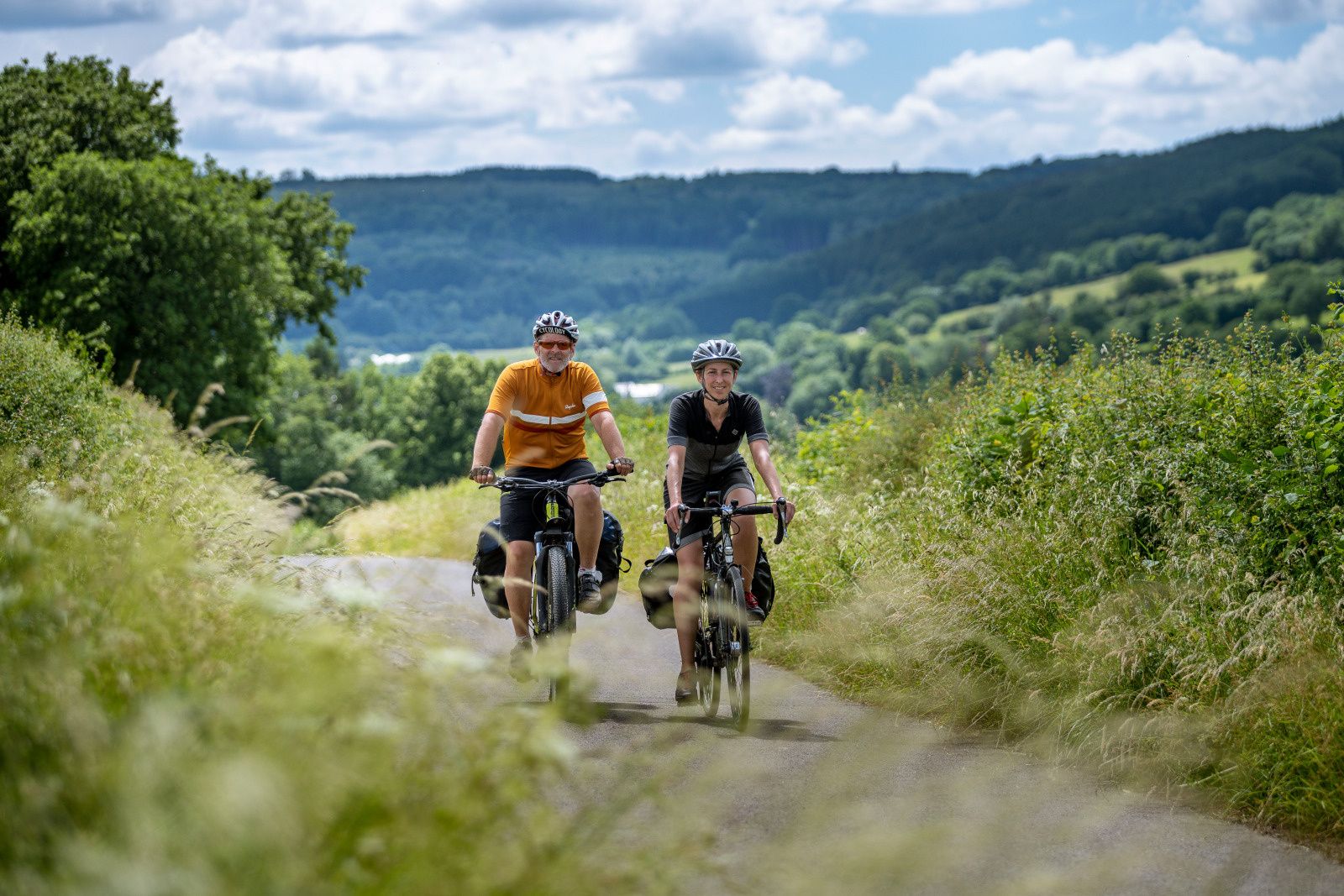
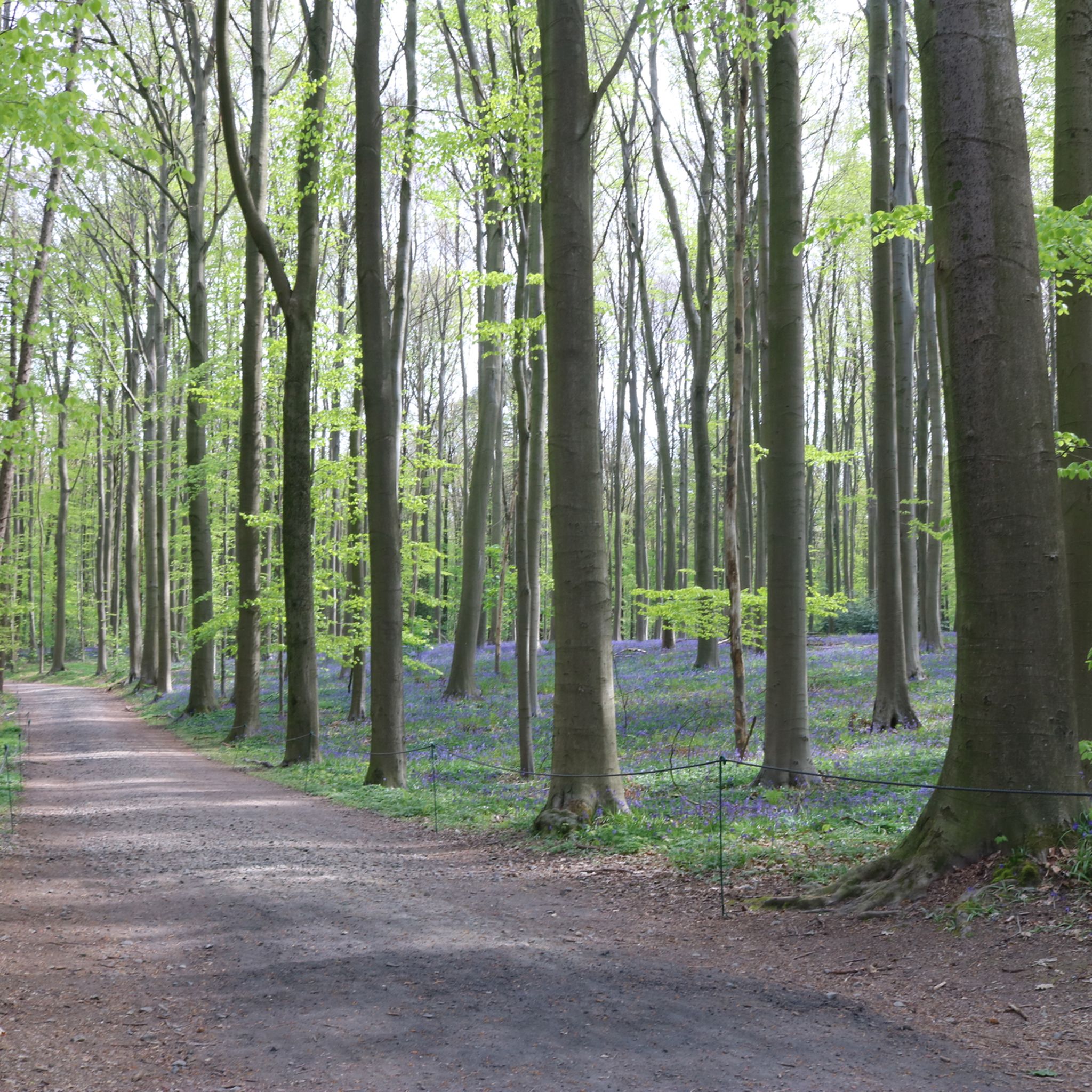
Absolutely! The area around Waterloo offers numerous trails. For gravel biking, you can explore routes like the 'Broctiaux Path – Barrier Pathway loop' or the 'Sonian Forest Path' near Waterloo. Road cyclists can enjoy routes such as the 'Hain Aqueduct – Château de Bois-Seigneur-Isaac loop'. Runners have options like the 'La Hulpe castle – Domaine Solvay loop'. You can find more details on these and other routes in the Gravel biking around Waterloo, Road Cycling Routes around Waterloo, and Running Trails around Waterloo guides.
Can I access the castles or their grounds by public transport?
Many of the castles and their surrounding parks are accessible by public transport, though some may require a combination of train and bus. For instance, Château de La Hulpe (Domaine Solvay) is just a few minutes from Brussels, making it relatively easy to reach. It's advisable to check local transport schedules and routes to each specific castle for the most up-to-date information.
Are there parking facilities available at the castles?
Yes, parking facilities are generally available at the more popular castle sites and their associated parks. For example, the expansive Domaine Solvay, which includes Château de La Hulpe, offers parking for visitors exploring its grounds. Specific parking details can often be found on the individual castle's or park's official websites.
What is the historical significance of the castles in the Waterloo region?
The castles around Waterloo hold significant historical value, reflecting various periods of European history. Hougoumont Castle is particularly renowned for its crucial role in the Battle of Waterloo in 1815. Other sites like Château de Bois-Seigneur-Isaac showcase transformations from feudal fortresses to 18th-century pleasure castles, while Château de La Hulpe (Château de Béthune) reflects 19th-century architectural styles inspired by the Loire Valley.
Are there any lesser-known or unique castles to discover near Waterloo?
While the main highlights are well-known, the region has other historic estates. For instance, the Château du Lac, now a five-star hotel, is a beautiful Belle Époque building on Lake Genval, offering a different kind of 'castle' experience. Other castles like Argenteuil Castle and Tuck Castle are privately owned and not open to the public, but contribute to the region's rich architectural tapestry.
What do visitors enjoy most about the castles around Waterloo?
Visitors frequently praise the beautiful parklands and gardens surrounding the castles, such as those at Château de La Hulpe and Château de Bois-Seigneur-Isaac. The historical depth of sites like Hougoumont Castle is also a major draw. The combination of nature, history, and opportunities for outdoor activities like walking and cycling makes the region highly appealing.
Are the castle grounds wheelchair accessible?
The accessibility varies by location. Large parks like Domaine Solvay, which encompasses Château de La Hulpe, often have paved paths and open spaces that are more accessible. However, older historical sites or specific garden areas might have uneven terrain. It's best to check the specific accessibility information for each castle you plan to visit.
Can I bring my dog to the castle parks and trails?
Many outdoor areas, including the extensive parks surrounding castles like Château de La Hulpe (Domaine Solvay), are generally dog-friendly, often requiring dogs to be on a leash. However, policies can vary, especially for specific garden areas or indoor exhibits. Always look for signage or check the official website of the specific castle or park for their pet policy before your visit.
Most popular routes around Waterloo
Most popular attractions around Waterloo

Get inspired with the komoot mobile app


Explore more
Looking for the best castles somewhere else? Discover other guides around Waterloo:
