Attractions and Places To See around Rubiera - Top 20
Best attractions and places to see around Rubiera include historical landmarks, cultural sites, and natural features. Situated at the intersection of the Via Emilia and the Secchia River, Rubiera offers a blend of historical significance and natural beauty. The town center features historic architecture and cultural venues, while the surrounding area provides opportunities for outdoor exploration. Visitors can discover a variety of sites within the town and its immediate vicinity.
Best attractions and places to see around Rubiera
- The most…
Last updated: October 11, 2026
Modena Cathedral (Cathedral of Saint Mary Assumed into Heaven and Saint Geminianus)
Highlight • Religious Site
Translated by Google •
Tip by

Mount of the Three Crosses
Highlight • Viewpoint
Translated by Google •
Tip by

Sign up now to discover places like this
Get recommendations on the best single tracks, peaks, & plenty of other exciting outdoor places.
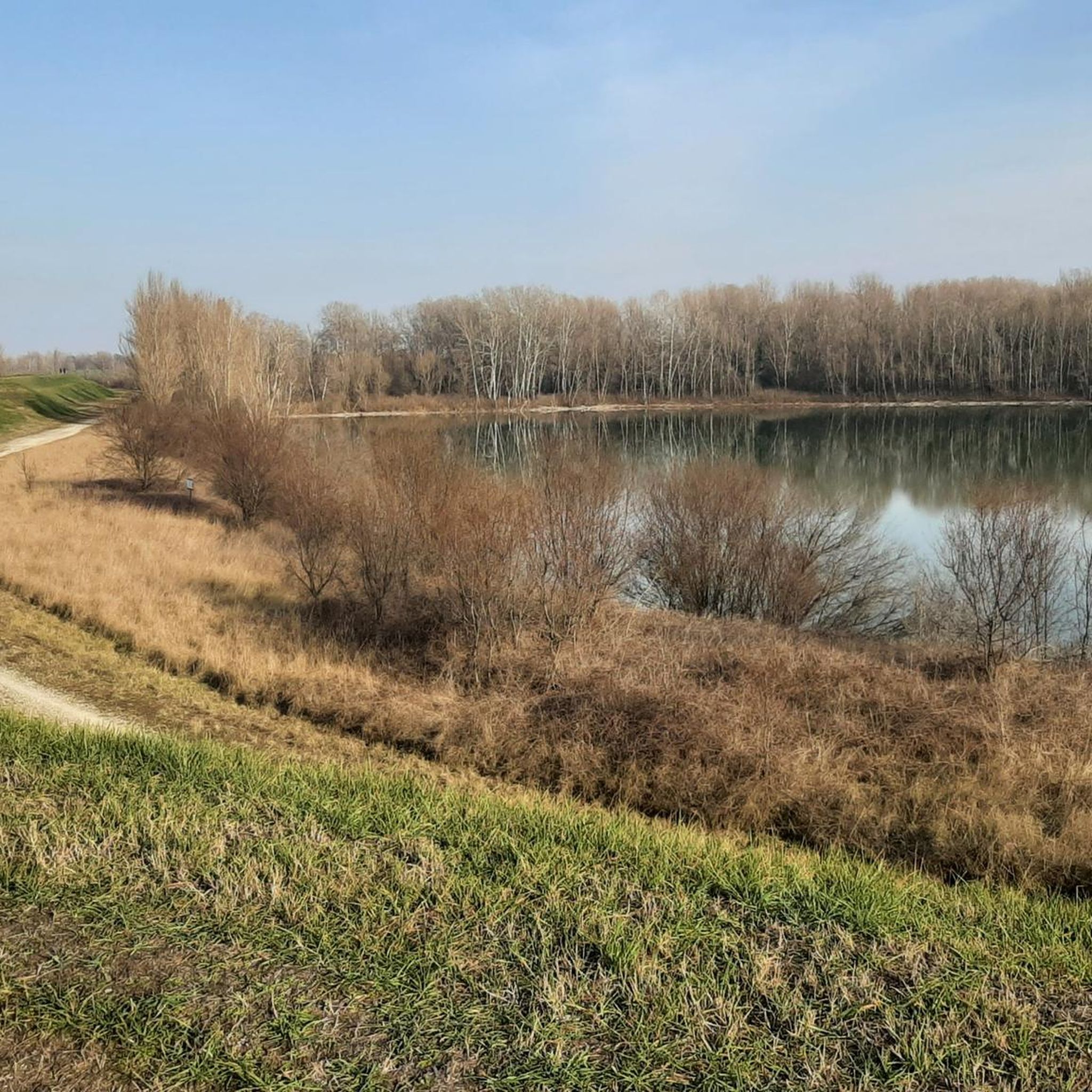
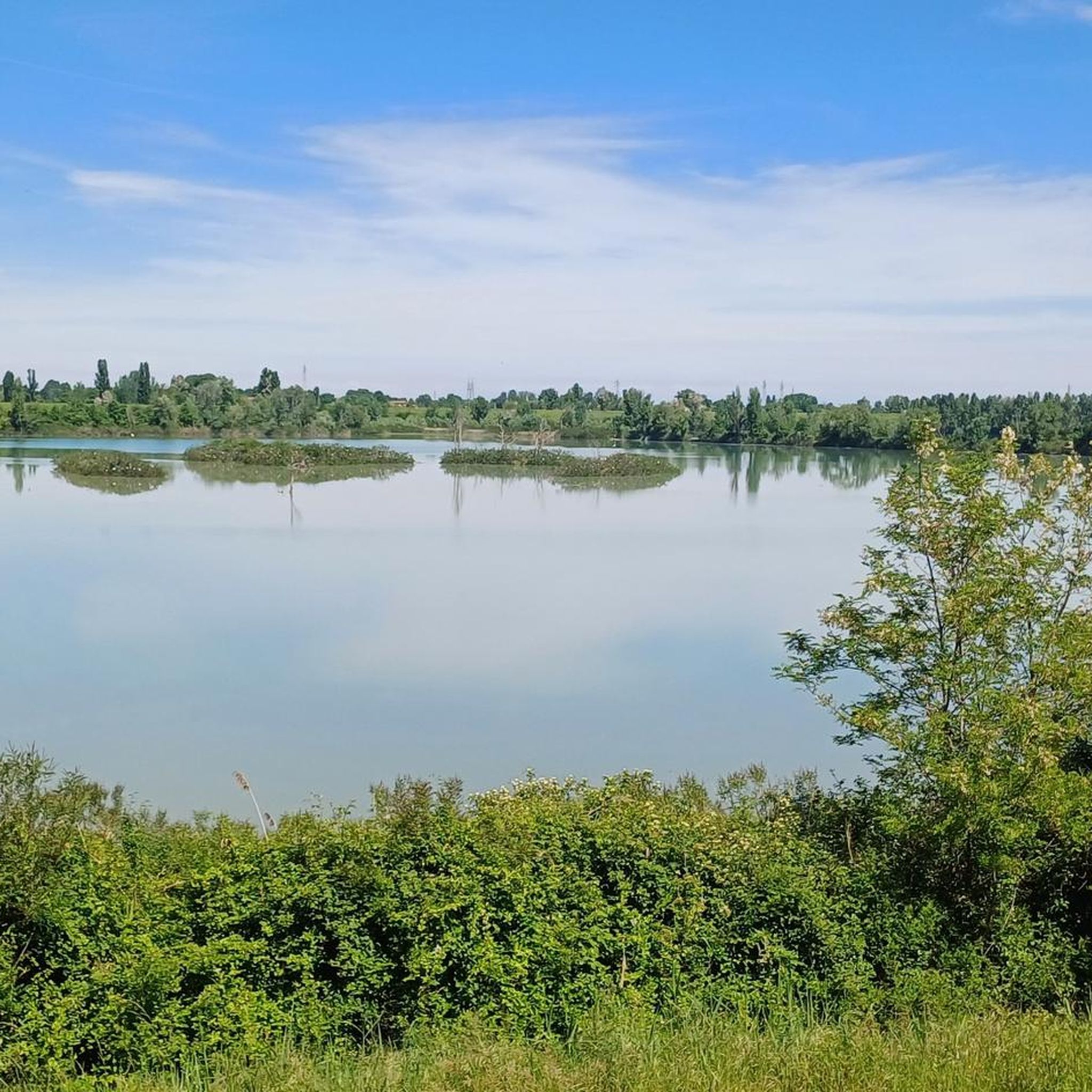
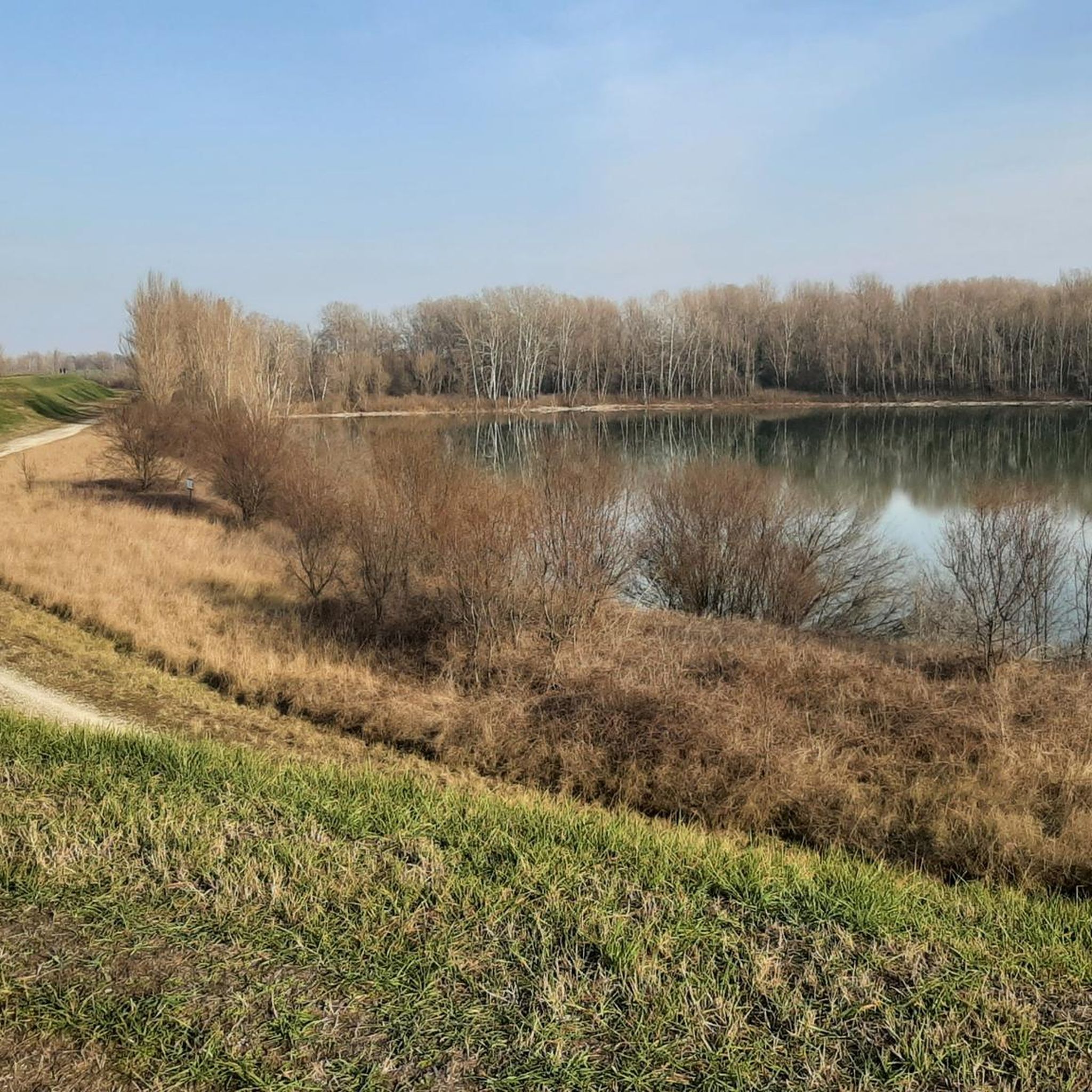
Nature Trail of the Secchia River Expansion Reserve
Highlight (Segment) • Trail
Translated by Google •
Tip by
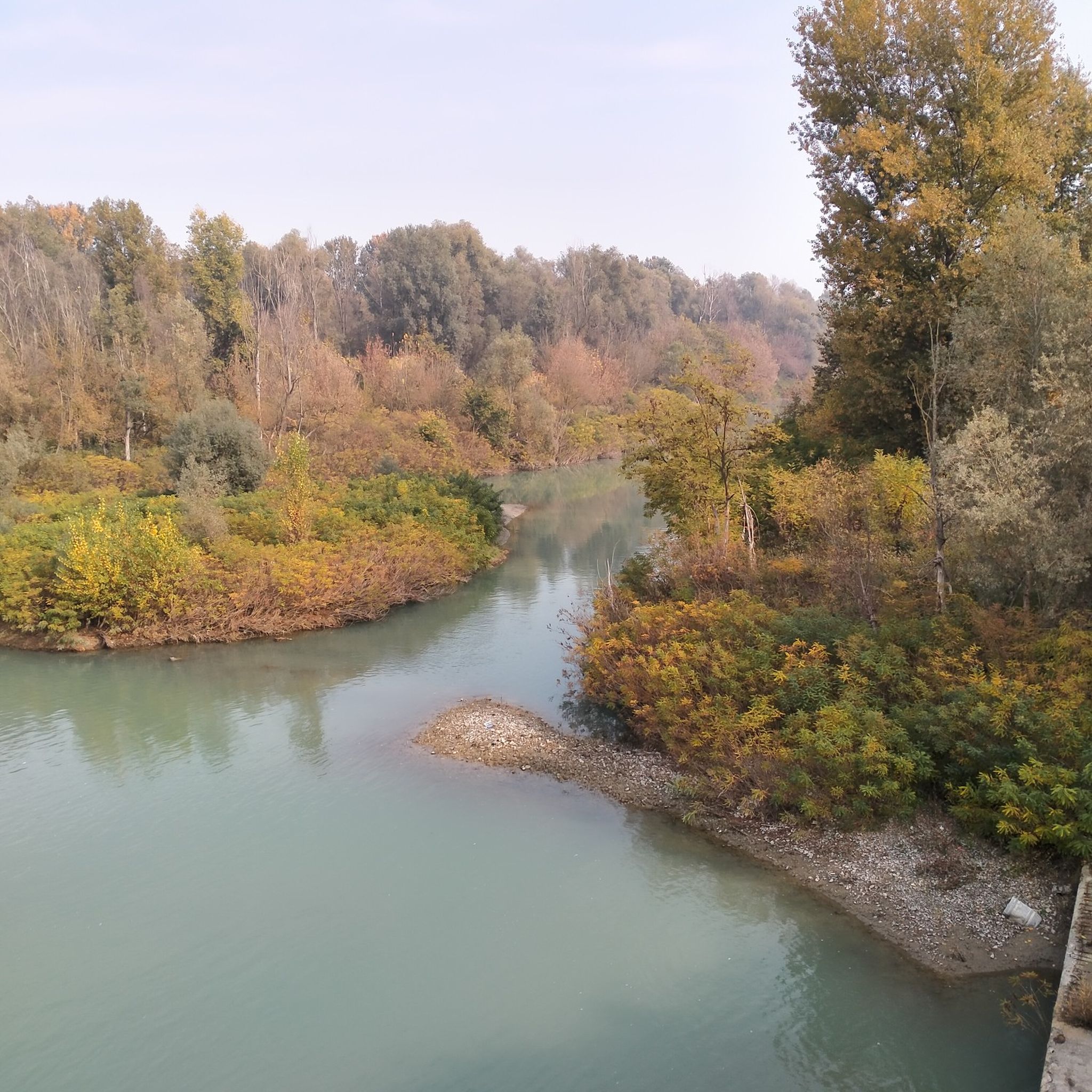
Barchetta Bridge on the Secchia River
Highlight • Bridge
Translated by Google •
Tip by
Modena Cathedral
Highlight • Religious Site
Translated by Google •
Tip by

Sign up for free to discover even more attractions around Rubiera.
Already have an account?
Start today with a free account
Your next adventure awaits.

Tips from the Community

The Duomo of Modena, whose official name is Cattedrale Metropolitana di Santa Maria Assunta in Cielo e San Geminiano, is one of the greatest masterpieces of Romanesque style in Europe. Inscribed on the UNESCO World Heritage List since 1997 along with the Ghirlandina Tower and Piazza Grande, it represents the historical, religious, and cultural heart of the Emilian city.
2
0

characteristic little bridge with the inevitable lovers' padlocks
1
0

If its official name is the metropolitan cathedral of Santa Maria Assunta in Cielo and San Geminiano, the cathedral of Modena is known by this name among those who live in the city, of which this is the main place of worship. Consecrated in 1184, it has a Romanesque architectural style and in 1934 Pope Pius XI elevated it to the dignity of a minor basilica. Of particular value are the bas-reliefs on Genesis sculpted by Wiligelmo.
3
0

Nice cycle bridge...it was recently made safe as the wooden floorboards were in bad shape
1
0


Since the 5th century, two churches had existed on the site of the present cathedral: the discovery of the burial site of Saint Geminianus, Modena's patron saint, led to the destruction of those churches and building of this cathedral by 1099. The initial design and direction was provided by an architect known as Lanfranco, little else is known about this architect. The Saint's remains are still exhibited in the cathedral's crypt. The present cathedral was consecrated by Pope Lucius III on July 12, 1184. (wikipedia)
3
0
Very nice town to walk around, lots of impressive squares, the covered market and of course the Ferrari museum.
3
0

Beautiful Cathedral and bell tower that you can also climb. In a pleasant city.
2
0
Frequently Asked Questions
What historical landmarks can I explore in Rubiera?
Rubiera offers several historical landmarks. You can visit the remnants of The Fortress, built around 1200, or admire the Renaissance-style Palazzo Sacrati, which now serves as the Town Hall. The town also features a Clock Tower and Bell Tower from the 16th century, and a portico-lined main street that adds to its historic charm.
Are there any significant cultural sites in Rubiera?
Yes, Rubiera has notable cultural sites. The Corte Ospitale, a 15th-century complex, is now an important theatre production center. You can also visit the Herberia Theatre, a late Art Nouveau construction, which hosts performances and events. For religious architecture, the 18th-century Annunziata Church and the Parish Church of the Saints Donnino and Biagio are worth seeing.
What natural features can I explore around Rubiera?
The area around Rubiera is rich in natural beauty, particularly along the Secchia River. You can explore the Secchia River Park, which offers opportunities for walking, cycling, or horseback riding, especially in spring and autumn. The Secchia River Floodplain is an artificial nature area with humid zones and an environmental education center. Don't miss the Barchetta Bridge on the Secchia River, a wooden bridge in a natural setting suitable for cyclists.
What are the best viewpoints in the Rubiera area?
One of the most popular viewpoints is the Mount of the Three Crosses. This spot offers spectacular panoramic views of the Po valley and the Apennine peaks, with clear visibility of cities like Bologna, Modena, and Reggio Emilia on clear days. It's a rewarding destination after a challenging climb.
When is the best time to visit Rubiera's attractions?
The Secchia River Park is particularly enjoyable in spring and autumn for nature appreciation, and in winter for birdwatching. For exploring historical and cultural sites within the town, spring and autumn generally offer pleasant weather. Summer can also be a good time, though it might be warmer.
Are there family-friendly attractions in Rubiera?
Many of Rubiera's attractions can be enjoyed by families. The Secchia River Park and the Secchia River Floodplain offer outdoor spaces for walks and nature observation. The Barchetta Bridge on the Secchia River is also noted as family-friendly. Additionally, the Modena Cathedral, a significant historical and religious site nearby, is also considered family-friendly.
What outdoor activities, like cycling or hiking, are available near Rubiera?
Rubiera is a great base for outdoor activities. You can find numerous routes for cycling, mountain biking, and gravel biking. For example, you can explore the 'View of the Secchia River – Secchia River Nature Trail loop' for mountain biking or the 'The Pescale Narrow – View of the Secchia River loop' for touring cycling. For more options, check out the dedicated guides for MTB Trails around Rubiera, Cycling around Rubiera, and Gravel biking around Rubiera.
Are there easy walking trails suitable for beginners or families around Rubiera?
Yes, there are options for easier walks. The Secchia River Park and Secchia River Floodplain provide accessible paths for leisurely strolls. For cycling, the 'Campogalliano Lakes – Piazza del Castello, Rubiera loop' is an easy route. While some trails like the Nature Trail of the Secchia River Expansion Reserve can be intermediate, many sections of the river park are suitable for less strenuous activity.
What do visitors particularly enjoy about the attractions around Rubiera?
Visitors appreciate the blend of historical significance and natural beauty. The Mount of the Three Crosses is loved for its fantastic, expansive views of the Po valley and Apennines. The Barchetta Bridge on the Secchia River is noted for its impressive wooden structure and natural setting. The historical sites like the Fortress and Palazzo Sacrati offer a glimpse into the town's rich past.
Can I find places to eat or drink near Rubiera's attractions?
Rubiera's town center, with its historic portico-lined main street, is likely to have various cafes, pubs, and restaurants. While specific establishments aren't detailed, the presence of a vibrant town center and cultural venues suggests ample opportunities for refreshments and dining close to the main attractions.
Are there any historical churches or religious sites worth visiting in Rubiera?
Absolutely. Rubiera is home to the 18th-century Annunziata Church and the Parish Church of the Saints Donnino and Biagio, which dates back to the early 18th century with roots in 1302. In the surrounding area, you can find the ancient Romanesque Parish Church of the Saints Faustino and Giovita, mentioned as early as 945. Additionally, the magnificent Modena Cathedral, a UNESCO World Heritage site, is a short distance away and a must-see religious building.
Most popular routes around Rubiera
Most popular attractions around Rubiera

Get inspired with the komoot mobile app


Explore more
Still not found the Highlight you’re looking for? See guides of the top attractions in other regions:
